
The beauty of Southern Europe often appears where travelers least expect it, in small towns that combine local life with striking scenery. Stone houses, fishing ports, and mountain villages reveal how communities have adapted to coastlines and hills for centuries. Cafés, markets, and open plazas still form the center of daily routine, connecting residents and visitors through simple encounters. Each town carries a distinct pattern of color, light, and design that reflects its setting. The places below highlight where history, architecture, and atmosphere come together in ways that feel effortlessly authentic.
1. Ravello, Italy
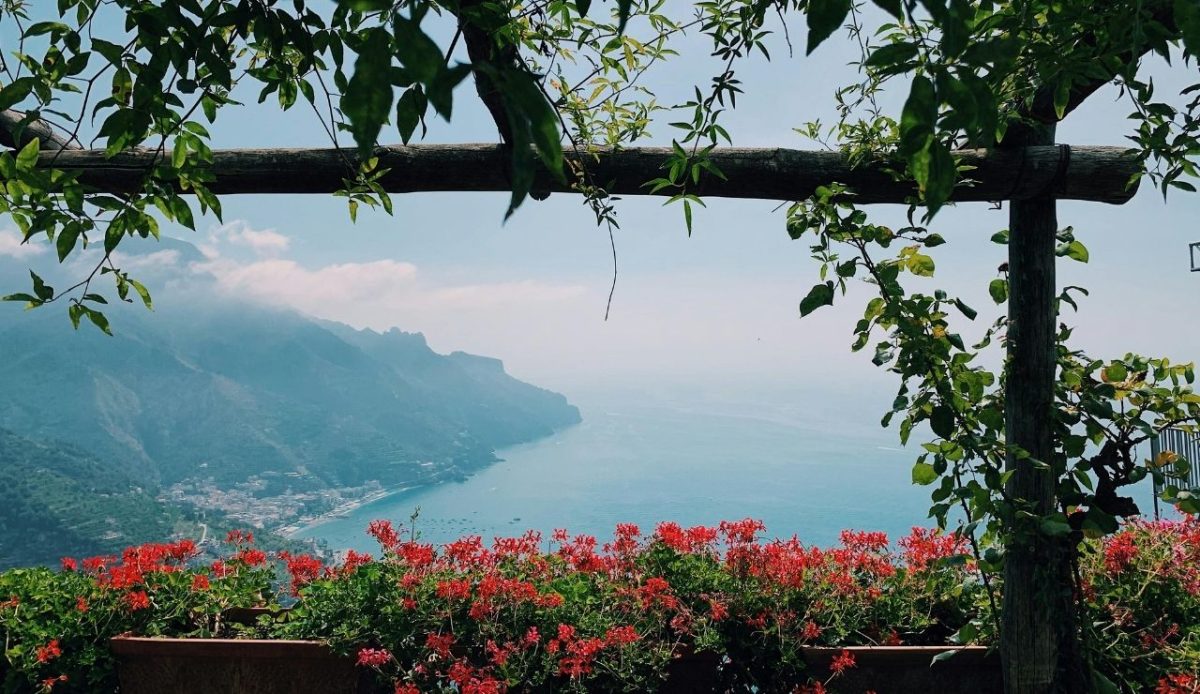
Ravello perches high above the Amalfi Coast at about 1,200 feet and delivers wide views over the Tyrrhenian Sea. Villa Rufolo and Villa Cimbrone anchor the town’s appeal with historic gardens, cloisters, and stone terraces that inspired artists and composers for centuries. Visitors enter a compact center of lanes, steps, and small piazzas, then pause at cafés facing lemon groves and water. The annual Ravello Festival brings chamber music and open-air concerts to cliffside stages, yet the streets remain calm after day-trippers leave. Local buses link Ravello with Amalfi and Scala, so travelers can reach the hilltop without renting a car.
2. Vernazza, Italy
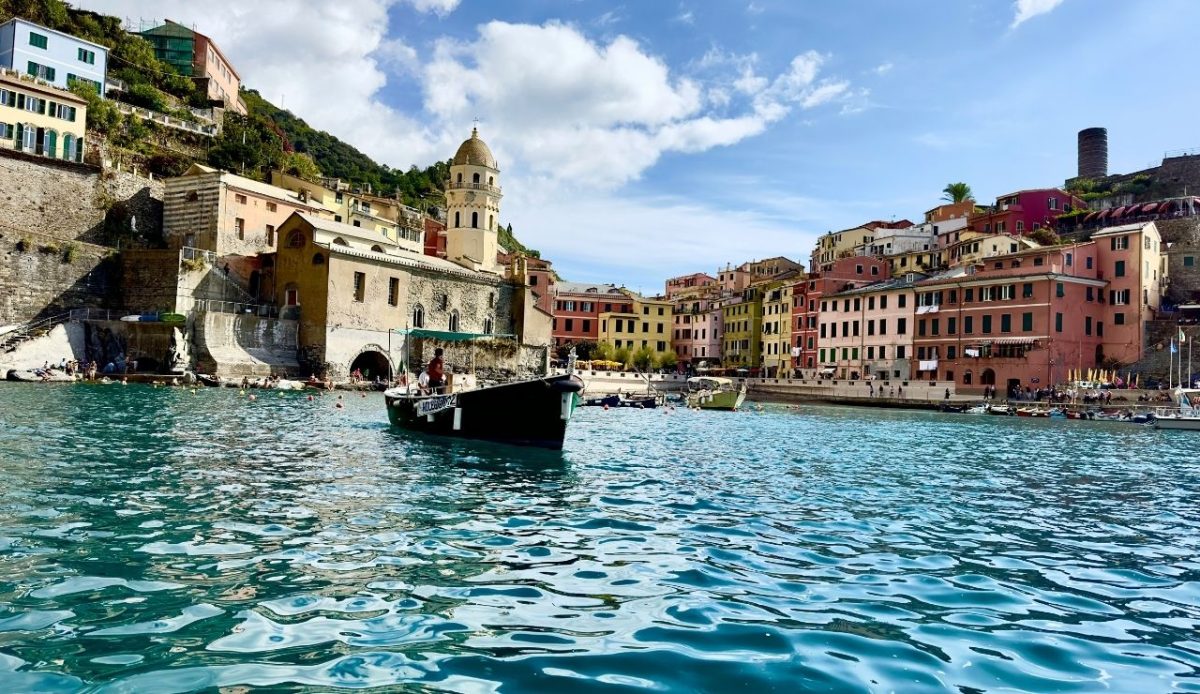
Vernazza forms one of the five Cinque Terre villages and keeps a photogenic harbor beneath pastel homes and a medieval watchtower. The car-free core funnels into a small square where fishing boats, cafés, and a tiny beach share the same cove. Coastal paths connect Vernazza with Monterosso and Corniglia, giving hikers steady sea views and shaded stairways between vineyards and stone walls. Trains arrive frequently, which helps limit road traffic and protects the steep setting. Early morning brings bakers, market crates, and soft light on the church façade. Even at peak season, side alleys offer quiet corners for a short pause.
3. Matera, Italy
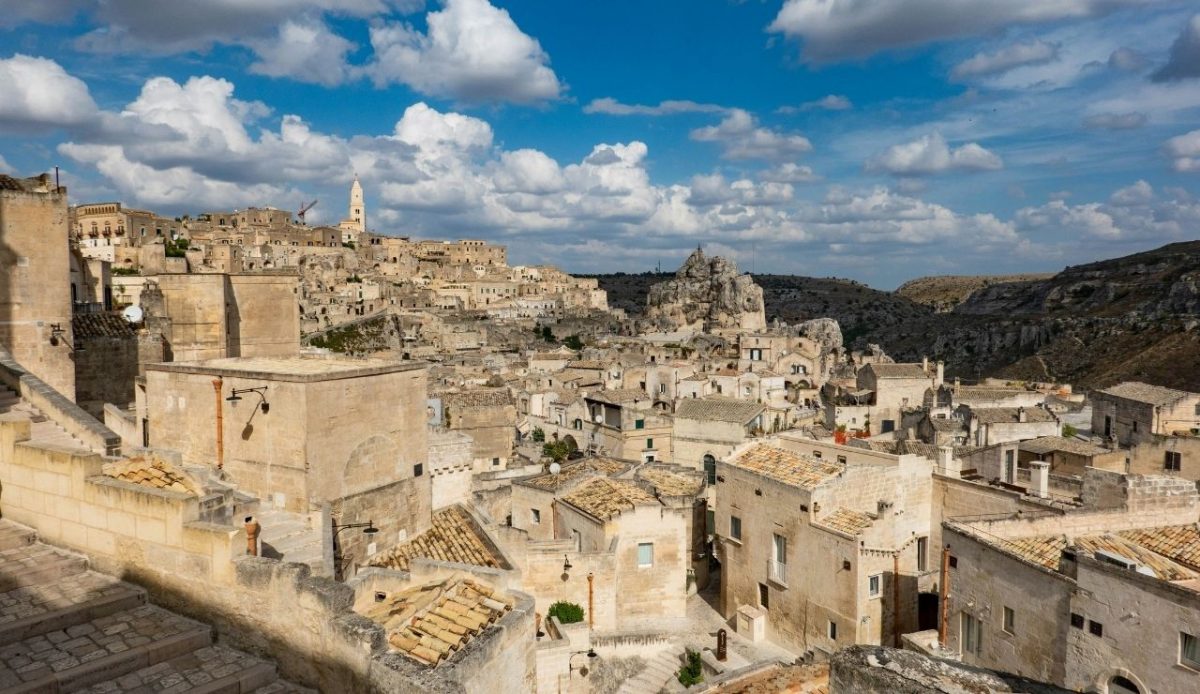
Matera’s limestone ravine holds the Sassi cave quarters, a continuous settlement that earned UNESCO World Heritage status for its adaptation to harsh terrain. Visitors follow stone lanes and stairways past rock-cut churches, cisterns, and homes that now host galleries and small hotels. Guided routes explain water systems, grain storage, and family life inside carved rooms that kept steady temperatures through hot summers and cool winters. Viewpoints along the canyon rim face clusters of pale façades and chimneys that rise above narrow roofs. Recent restoration added lighting, signage, and safety rails while preserving the raw texture that defines this ancient urban site.
4. Alberobello, Italy
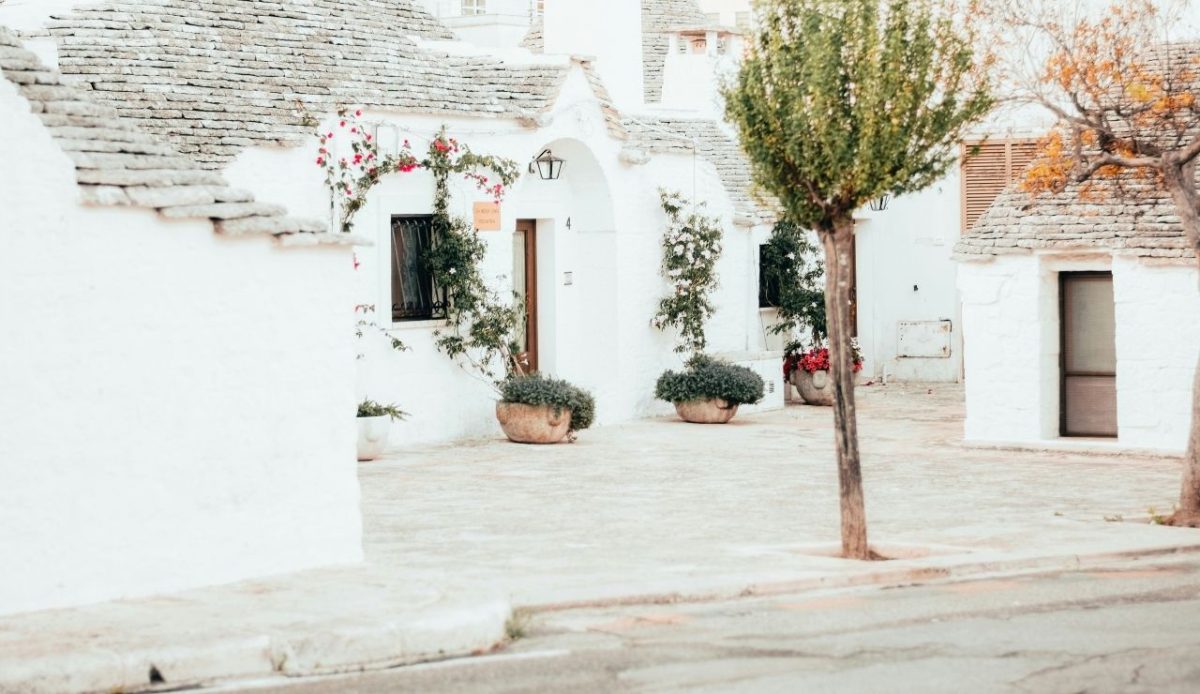
Alberobello in Puglia presents rows of trulli, white-washed stone dwellings with conical roofs that create one of Italy’s most unusual townscapes. The Rione Monti district concentrates hundreds of these structures along sloping lanes, many now operating as craft shops, cafés, and small museums. A local collection displays roof symbols, masonry tools, and building methods that relied on dry stone to avoid taxes tied to permanent walls. Nearby olive groves and low farm plots show why the design worked for seasonal labor and storage. Visitors explore on foot, then sample regional dishes and cheeses in calm side streets away from tour groups.
5. Oia, Greece (Santorini)
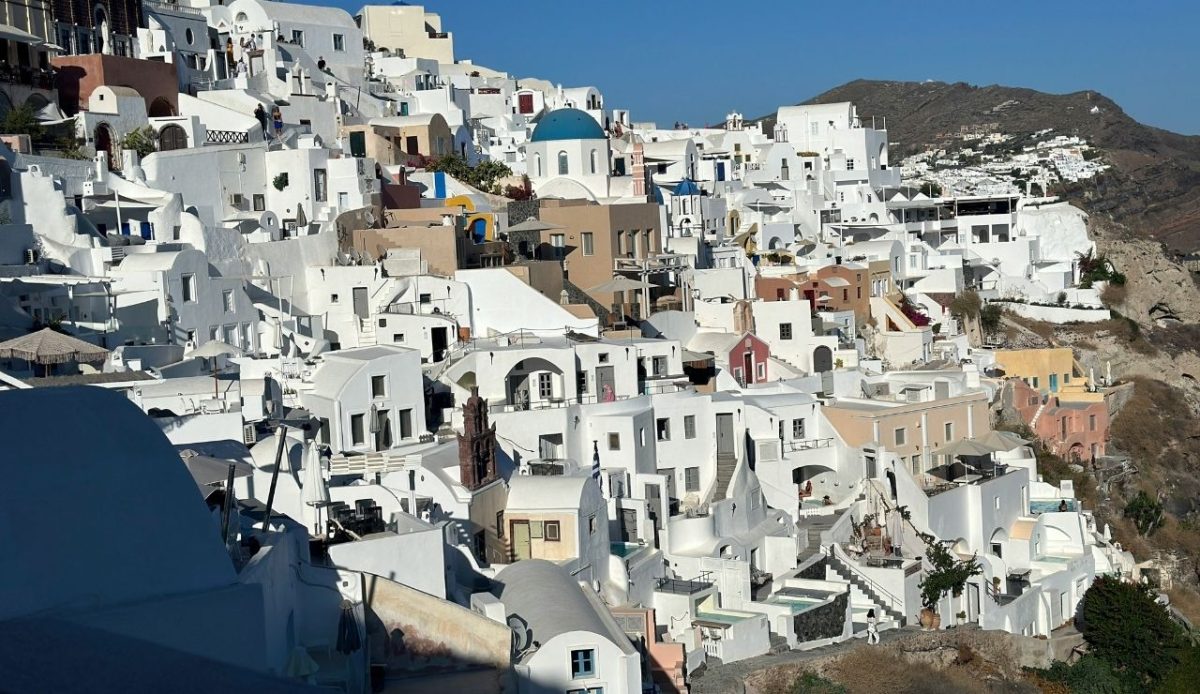
Oia crowns Santorini’s caldera rim and opens toward deep blue water shaped by ancient eruptions. White-washed homes, blue domes, and narrow lanes climb in layers above small cliffside terraces. Travelers follow steps to viewpoints, visit maritime exhibits that trace local shipbuilding, and stop at cafés set in former storage caves. Shops carry ceramics, linens, and local wine, while water taxis and buses connect Oia with Fira and Ammoudi Bay. Sunset draws large crowds, so early visits work best for photos and quiet paths. Despite heavy interest, building codes and footpath controls help protect the village’s simple lines and clear views.
6. Nafplio, Greece
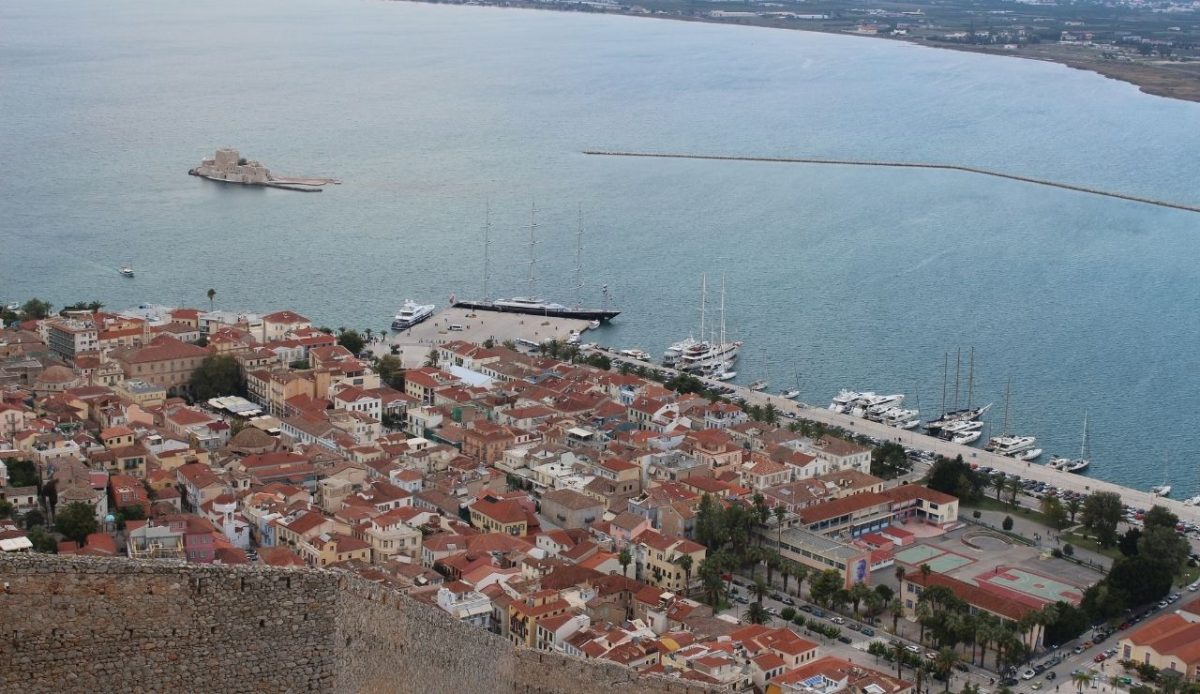
Nafplio on the Peloponnese coast served as Greece’s first modern capital and remains one of its most charming port towns. Venetian and neoclassical buildings frame narrow lanes filled with small boutiques and cafés. The Palamidi Fortress towers above the city with 857 steps leading to panoramic sea views, while the Bourtzi Fortress sits on a small island in the bay. Visitors stroll the waterfront promenade at sunset and explore local museums that trace the town’s political and maritime history. Nearby beaches and wineries make Nafplio a year-round stop for travelers seeking culture, history, and Mediterranean light in one walkable setting.
7. Symi, Greece
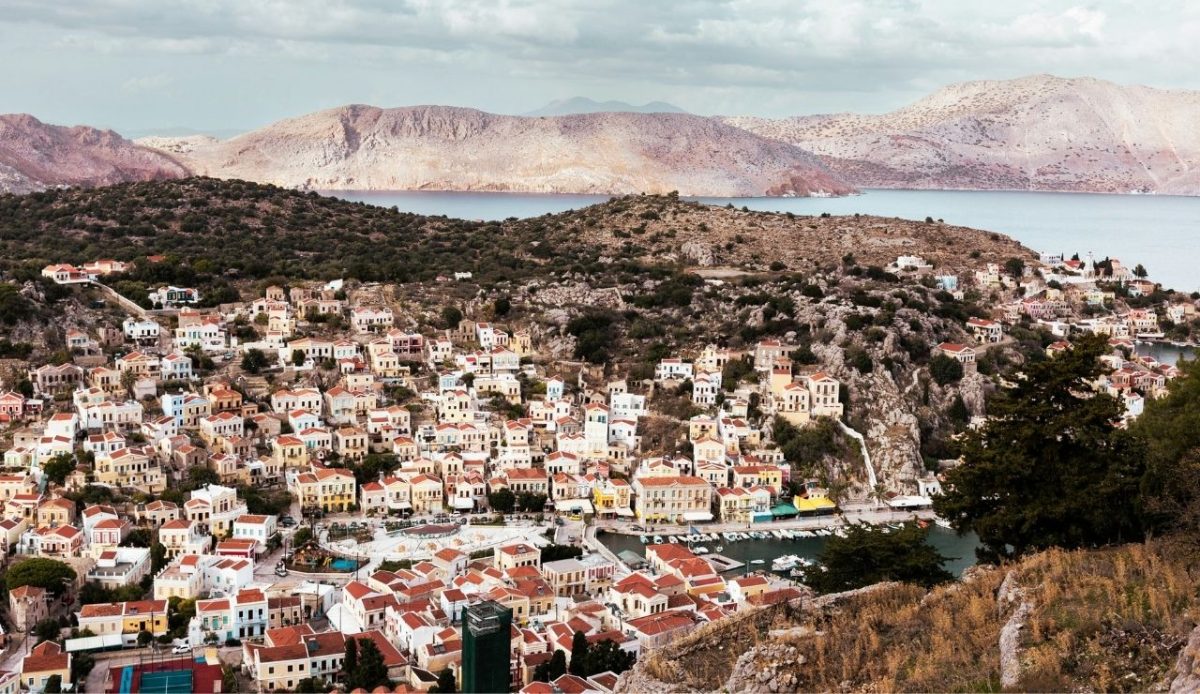
Symi rests near the Turkish coast and impresses travelers the moment they enter its harbor. Rows of pastel neoclassical houses rise the hillside above the waterfront, each with colorful shutters and terracotta roofs. The main town, Gialos, centers around the harbor where fishing boats, ferries, and yachts share space. Visitors can climb the Kali Strata stairway for a sweeping view or take water taxis to nearby coves for swimming. Local restaurants serve seafood caught that morning, and the quiet pace feels far removed from larger Greek islands. Symi’s compact size and bright scenery give it a balanced, picture-perfect charm.
8. Sintra, Portugal
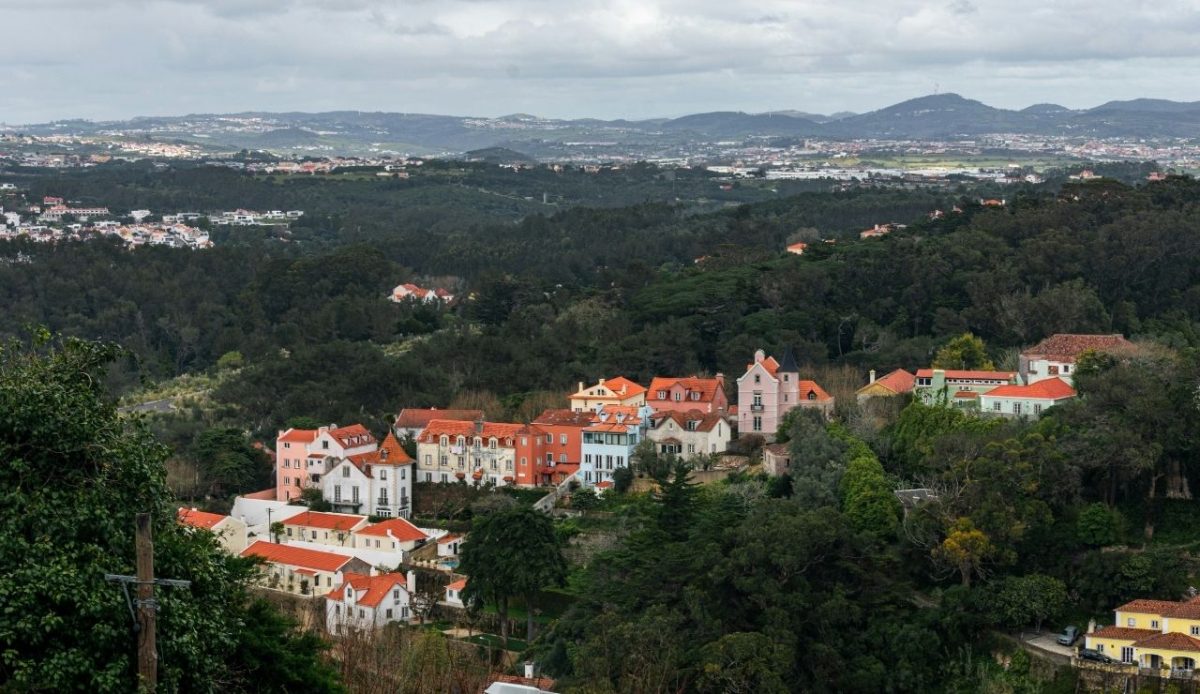
Sintra lies just outside Lisbon and captures the romantic architecture that made it a UNESCO World Heritage site. The town sits among green hills covered in ferns and palaces, including the colorful Pena Palace and the Moorish Castle overlooking the valley. Cobblestone lanes lead to cafés and antique shops, while hiking trails connect gardens and hidden estates. Visitors often pair Sintra with a coastal drive to Cabo da Roca, the westernmost point of mainland Europe. Despite its popularity, Sintra keeps a tranquil rhythm once evening falls, allowing travelers to enjoy its misty forests and tiled mansions without crowds.
9. Óbidos, Portugal
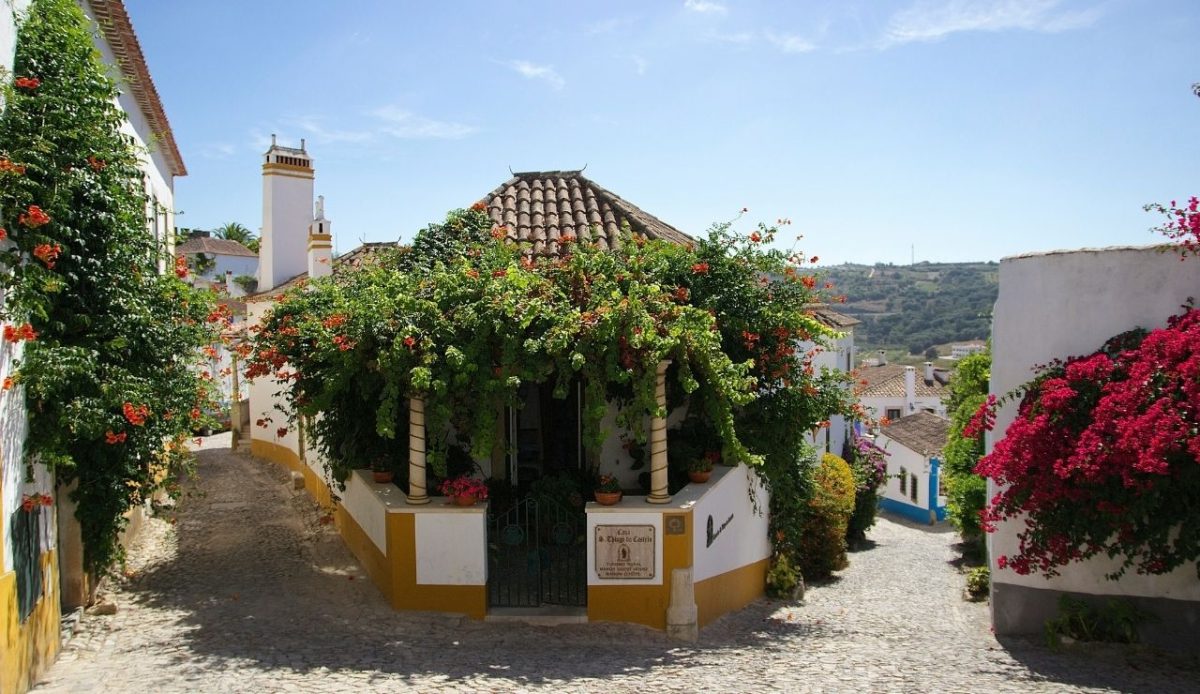
Óbidos is a small fortified town in central Portugal that preserves its medieval walls and red-tiled rooftops. The cobbled main street passes white houses trimmed with blue and yellow paint, many decorated with flower pots and lanterns. The hilltop castle now functions as a hotel, and annual festivals celebrate chocolate, literature, and traditional crafts. Visitors walk the perimeter walls for wide views of surrounding fields and vineyards. Local shops sell cherry liqueur called ginjinha, served in small chocolate cups. Óbidos remains a favorite day trip from Lisbon, offering travelers a close look at Portugal’s historic countryside charm.
10. Ronda, Spain
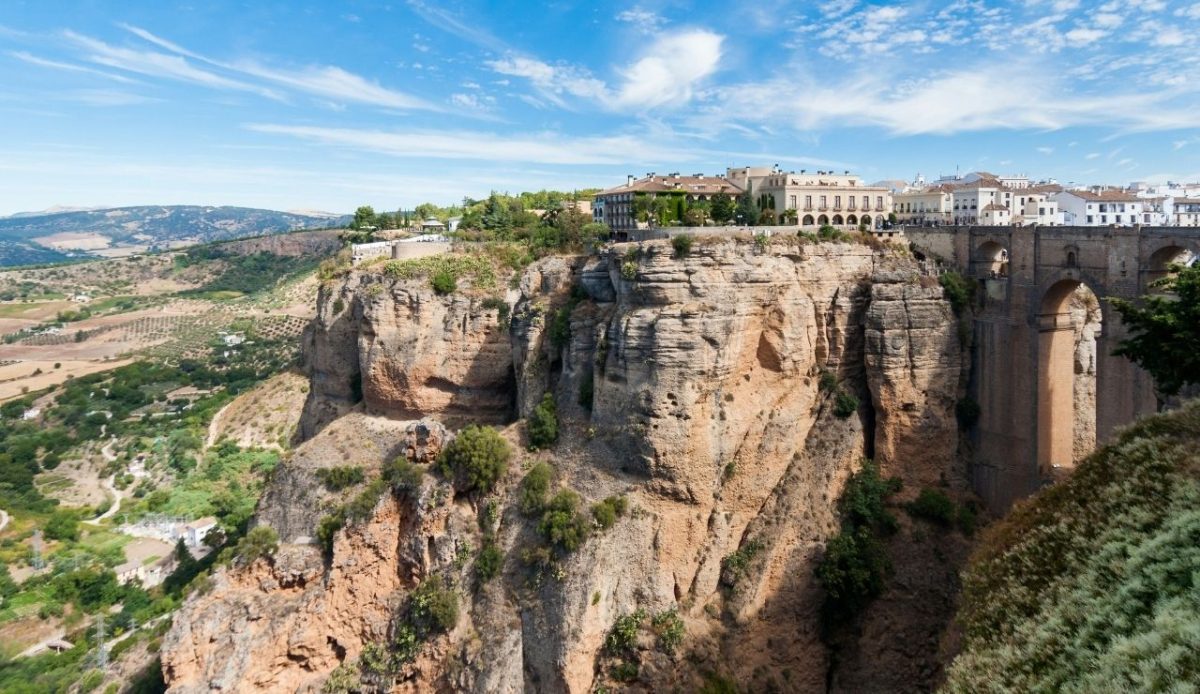
Ronda is situated on a mountain plateau in Andalusia, divided by a deep gorge known as El Tajo. The Puente Nuevo bridge connects the old Moorish quarter with the newer town, creating one of Spain’s most recognizable views. Visitors explore cobblestone streets lined with cafés and learn about local history at the Mondragón Palace museum. The city’s bullring, one of the oldest in Spain, hosts cultural events beyond bullfighting season. Trails along the gorge provide viewpoints for photographers and walkers. Ronda’s position above farmland and river valleys gives it a sense of openness and enduring beauty that defines southern Spain.
