
South America is filled with breathtaking landscapes, vibrant cities, and rich cultural experiences. However, not every destination remains appealing to travelers in 2026. Some areas face safety concerns, political unrest, or environmental challenges, while others are overcrowded or over-commercialized. Tourists are increasingly choosing alternative destinations for a safer, more comfortable experience. In this article, we explore ten South American destinations that travelers are avoiding this year, highlighting the reasons behind the shift and offering insight into current travel trends across the continent.
1. Caracas, Venezuela
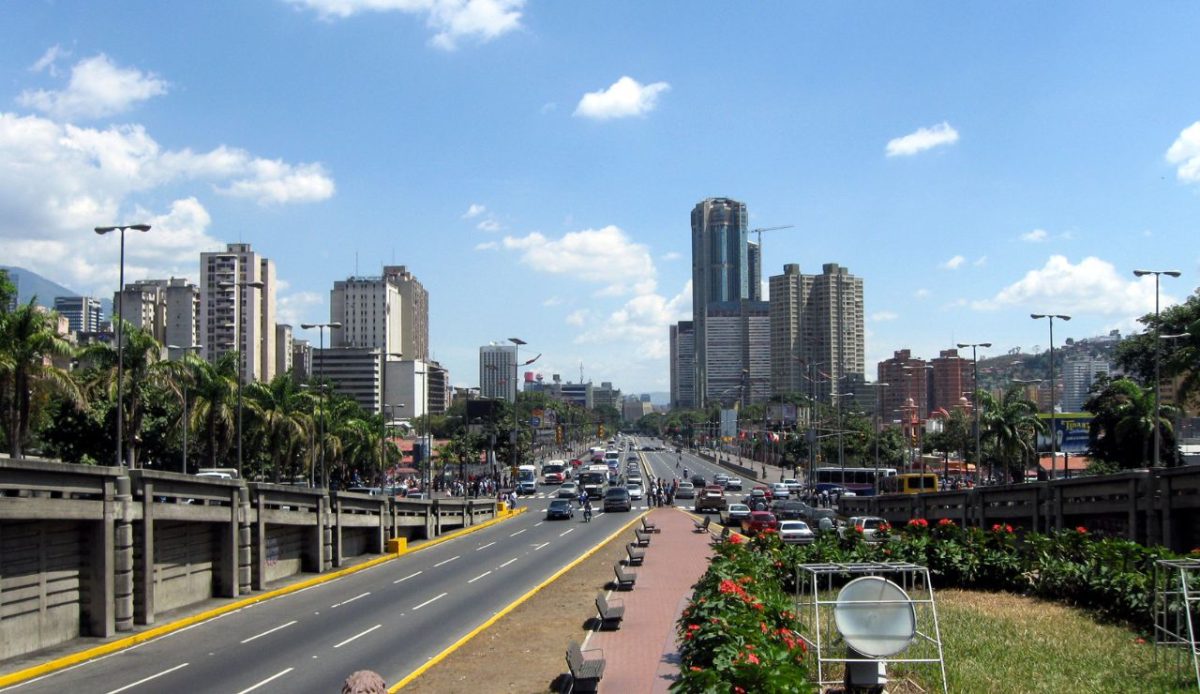
Caracas has long been a cultural and historical hub, but ongoing political instability, economic crisis, and high crime rates have made many travelers wary. Theft, scams, and violent incidents are common, discouraging tourism despite the city’s rich museums, architecture, and vibrant culture. Infrastructure issues, limited services, and occasional power outages add to the challenges, making planning a visit difficult. While adventurous travelers might still explore Caracas, most tourists are avoiding it in 2026, opting for safer Venezuelan regions or neighboring countries with more reliable travel conditions.
2. Rio de Janeiro, Brazil
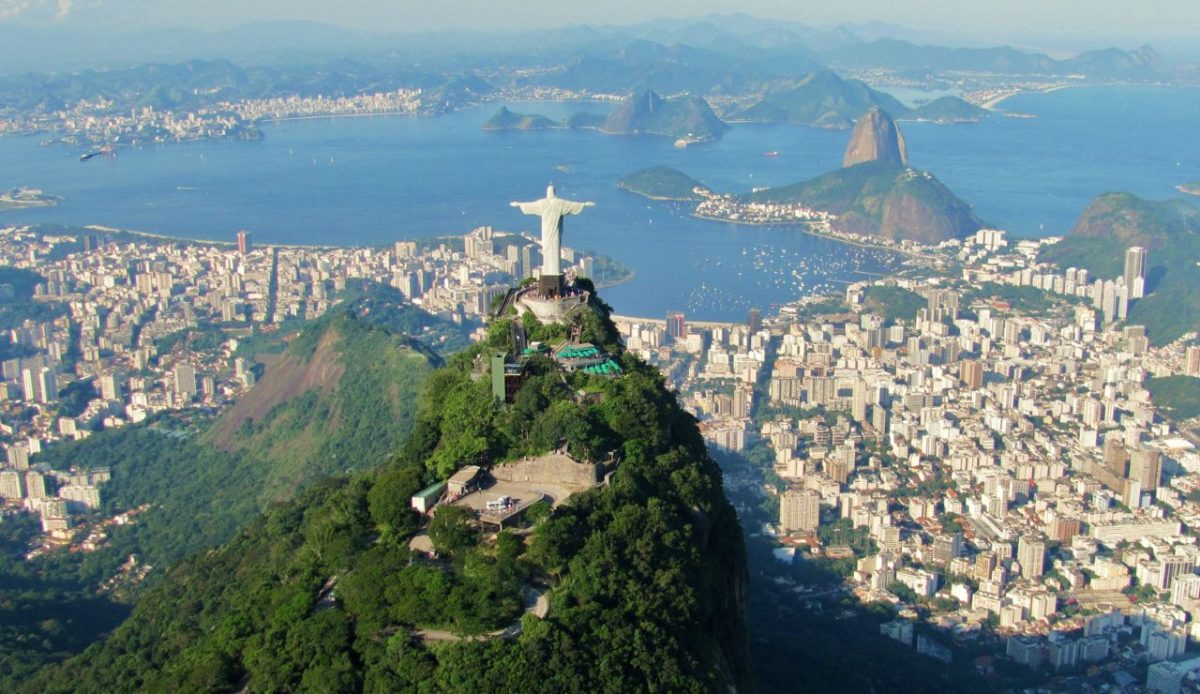
Rio de Janeiro remains famous for its beaches, Carnival, and iconic landmarks, but travelers are increasingly cautious. Petty crime, street theft, and safety concerns in crowded tourist areas have influenced visitation patterns. Over-tourism in neighborhoods like Copacabana and Ipanema can diminish the quality of the experience. Environmental issues, including pollution in coastal areas, also affect beaches. While Rio’s energy and cultural richness remain unmatched, tourists in 2026 are often seeking alternative Brazilian destinations that provide scenic beauty and safety in less crowded environments.
3. Quito, Ecuador
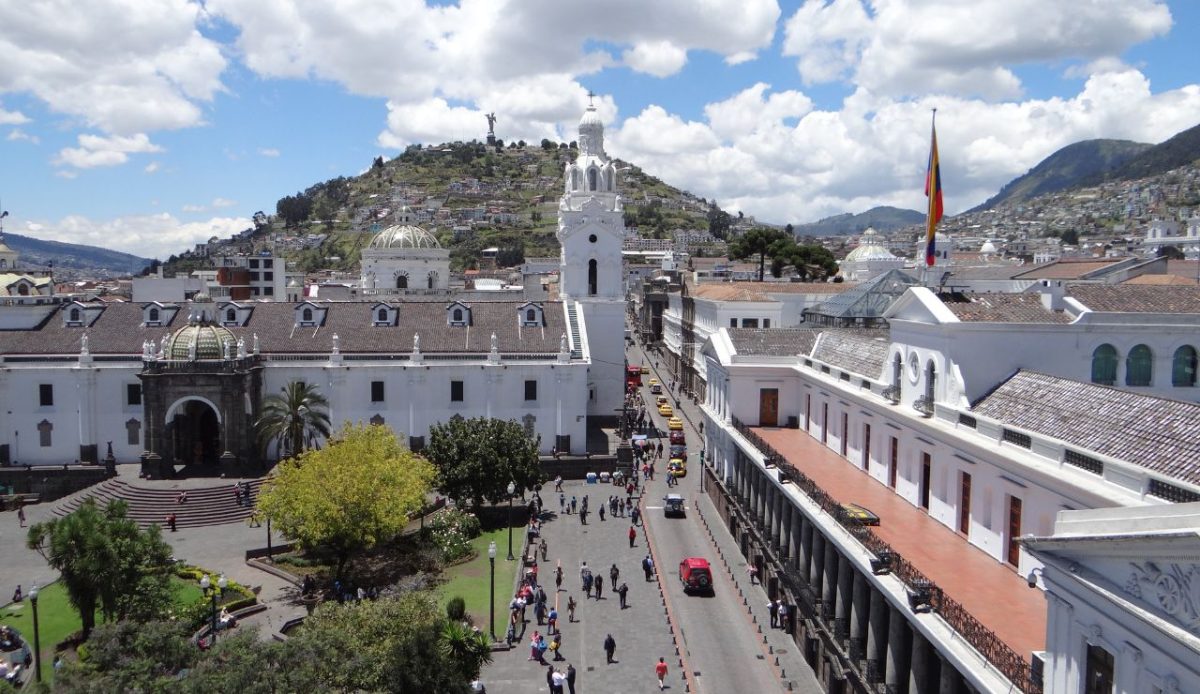
Quito’s historic center is a UNESCO World Heritage site, offering colonial architecture and cultural experiences. However, rising petty crime, political protests, and congestion have caused travelers to reconsider visits. Some areas are difficult to navigate safely, and tourist hotspots can feel overcrowded. Environmental challenges, like air pollution in the city and nearby volcanic activity, also impact the overall experience. While Quito remains a cultural gem, travelers in 2026 are favoring other Ecuadorian destinations that combine safety, accessibility, and authentic local experiences without the heightened risks.
4. Lima, Peru
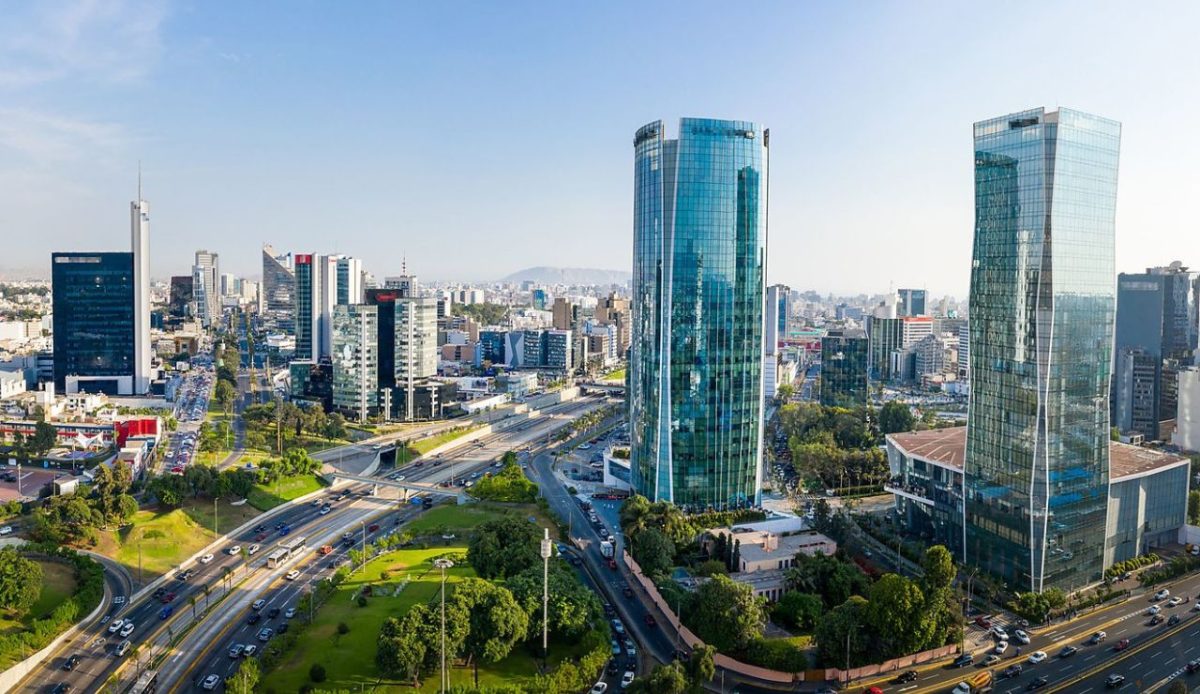
Lima attracts visitors with its culinary scene, historical sites, and coastal charm, yet safety concerns are a factor in 2026 travel planning. Petty crime, traffic congestion, and occasional protests affect comfort and accessibility. Some areas are heavily commercialized, diminishing the authenticity of neighborhoods. Environmental concerns like pollution in urban zones also influence visitor decisions. While Lima offers rich culture and gastronomy, many travelers are shifting to smaller Peruvian towns or rural destinations for a safer, more immersive experience that highlights Peru’s natural beauty and heritage.
5. La Paz, Bolivia
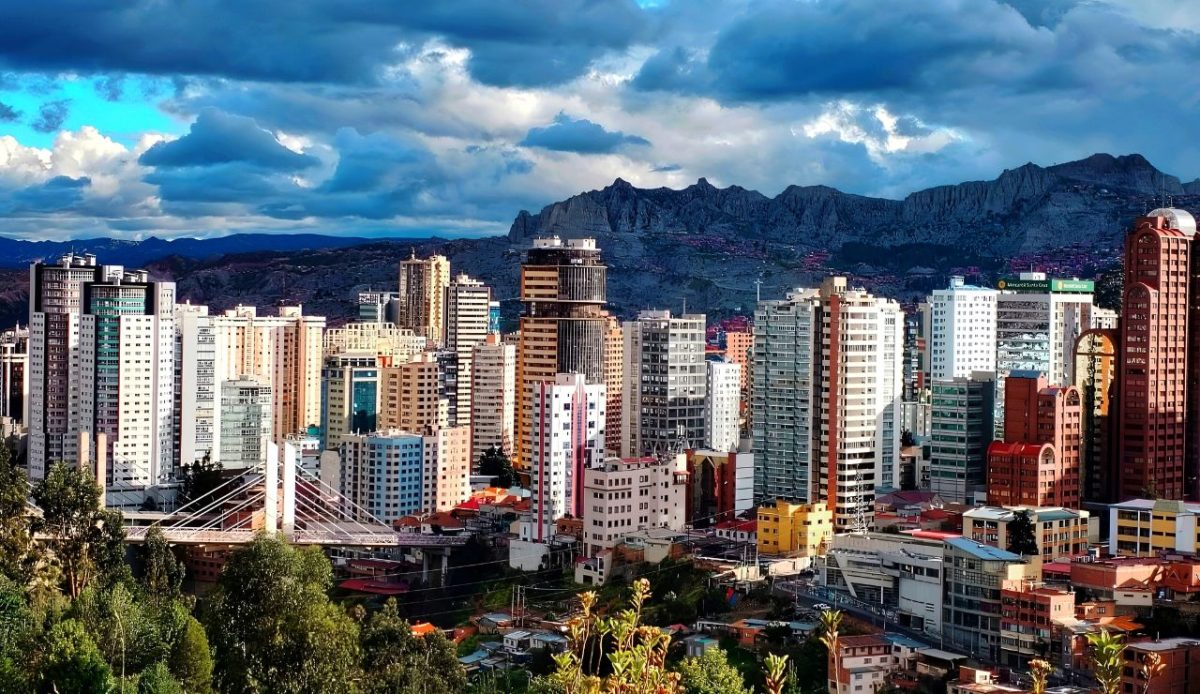
La Paz’s dramatic altitude, colorful markets, and unique geography are remarkable, but travelers are increasingly cautious due to safety and health concerns. High crime rates, political protests, and altitude sickness risks deter casual tourists. Overcrowding in tourist areas and limited infrastructure in surrounding regions also contribute to hesitation. While the city provides unique cultural experiences, 2026 travelers are often prioritizing locations that are safer and easier to explore. Smaller Bolivian towns and natural destinations are now preferred alternatives, offering authenticity without the urban pressures of La Paz.
6. Medellín, Colombia
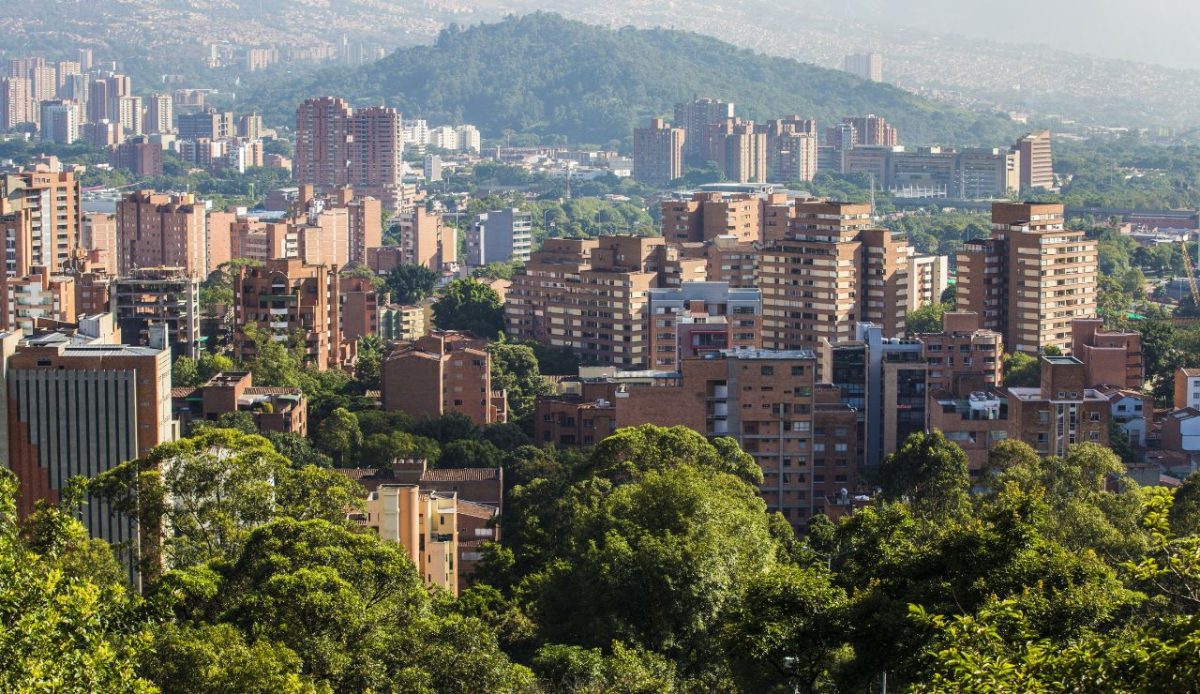
Once infamous, Medellín has reinvented itself as a cultural and innovation hub. Yet some travelers remain cautious due to lingering safety concerns and areas with higher crime rates. Over-tourism in popular neighborhoods like El Poblado can affect accessibility and local authenticity. While transportation improvements and guided tours have enhanced visitor experiences, Medellín’s reputation influences risk perception. In 2026, travelers may prefer Colombian destinations like Cartagena or smaller towns with controlled tourism, balancing safety and rich cultural experiences without the perceived urban risks of Medellín.
7. Buenos Aires, Argentina
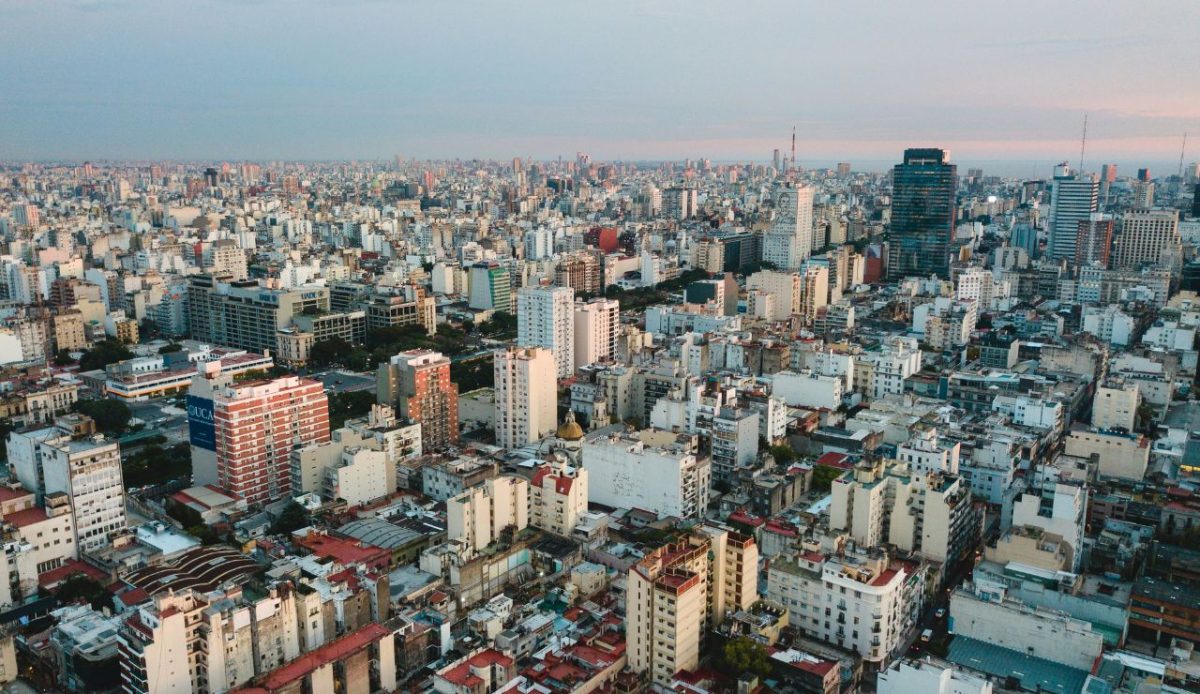
Buenos Aires is celebrated for tango, architecture, and vibrant nightlife, but travelers are avoiding some areas due to inflation, street crime, and social unrest. Certain neighborhoods experience high petty theft, and infrastructure challenges can affect transport and accommodation reliability. Over-tourism in cultural districts can also impact the quality of visits. While the city’s energy and charm remain, tourists in 2026 often select other Argentine destinations, such as Mendoza or Bariloche, offering scenic beauty, wine culture, and safety, making for a more relaxed and comfortable travel experience.
8. Salvador, Brazil
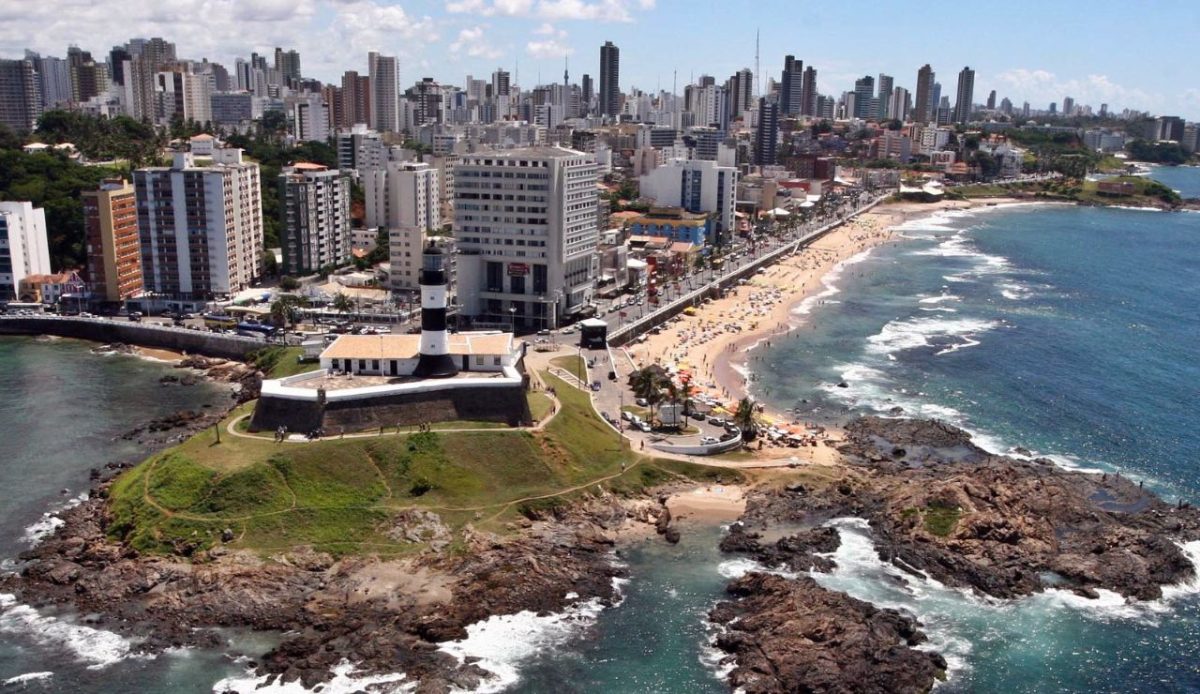
Salvador attracts visitors with Afro-Brazilian culture, music, and historic architecture. However, rising crime rates and overcrowding in tourist districts have led travelers to reconsider. Public safety concerns, along with limited infrastructure in some areas, reduce comfort and convenience for visitors. Beaches and cultural festivals remain appealing, but 2026 tourists are often favoring less congested Brazilian cities or coastal towns with safer, more accessible environments. While Salvador’s heritage and vibrancy are undeniable, travelers are increasingly prioritizing safety and ease over the allure of the historic city.
9. Santiago, Chile
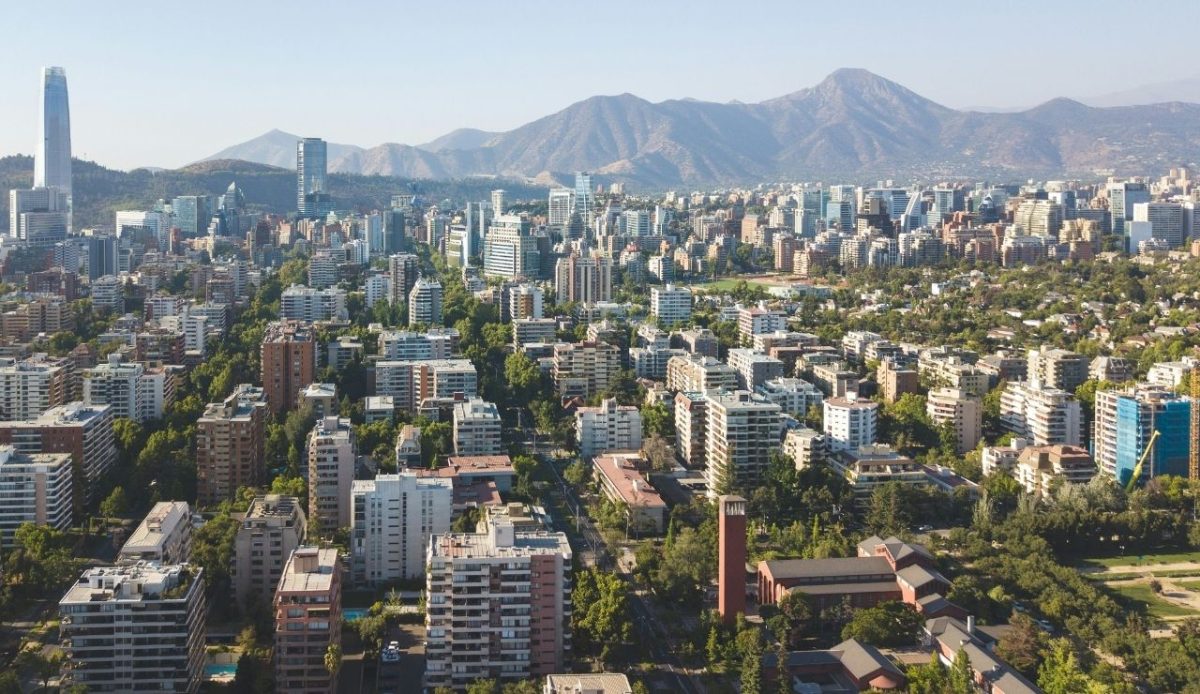
Santiago offers cultural sites, mountain views, and urban sophistication, but travelers in 2026 are wary of rising social unrest, protests, and occasional strikes. Urban congestion and crime in certain districts can affect comfort and logistics. Air pollution and crowded tourist areas may also impact the overall experience. While Santiago provides museums, parks, and vibrant neighborhoods, cautious visitors are exploring alternative Chilean destinations like Valparaíso or Patagonian towns, which offer scenic beauty and cultural experiences with fewer risks, making planning safer and more enjoyable.
10. Cartagena, Colombia

Cartagena’s colonial architecture, Caribbean beaches, and vibrant culture remain appealing, but rising tourist traffic and petty crime in 2026 have caused caution. Overcrowding in Old Town areas can reduce accessibility to restaurants, attractions, and local neighborhoods. Some visitors experience inflated prices for accommodations and services due to popularity. While Cartagena continues to offer unique historical and cultural experiences, travelers seeking a more relaxed visit often opt for smaller Colombian towns, coastal villages, or off-the-beaten-path locations that provide charm, safety, and authentic engagement with local communities.
