
South Africa is a vibrant tapestry of cultures, languages, and histories, with indigenous communities preserving centuries-old traditions. From ancient rock art to living villages, travelers can engage with diverse customs, rituals, and art. Visitors can explore urban cultural centers or remote villages where heritage remains a way of life. This guide highlights ten destinations where indigenous culture is celebrated, allowing travelers to experience South Africa’s history, traditional crafts, music, and storytelling while supporting local communities in preserving their identity for future generations.
1. KwaZulu-Natal
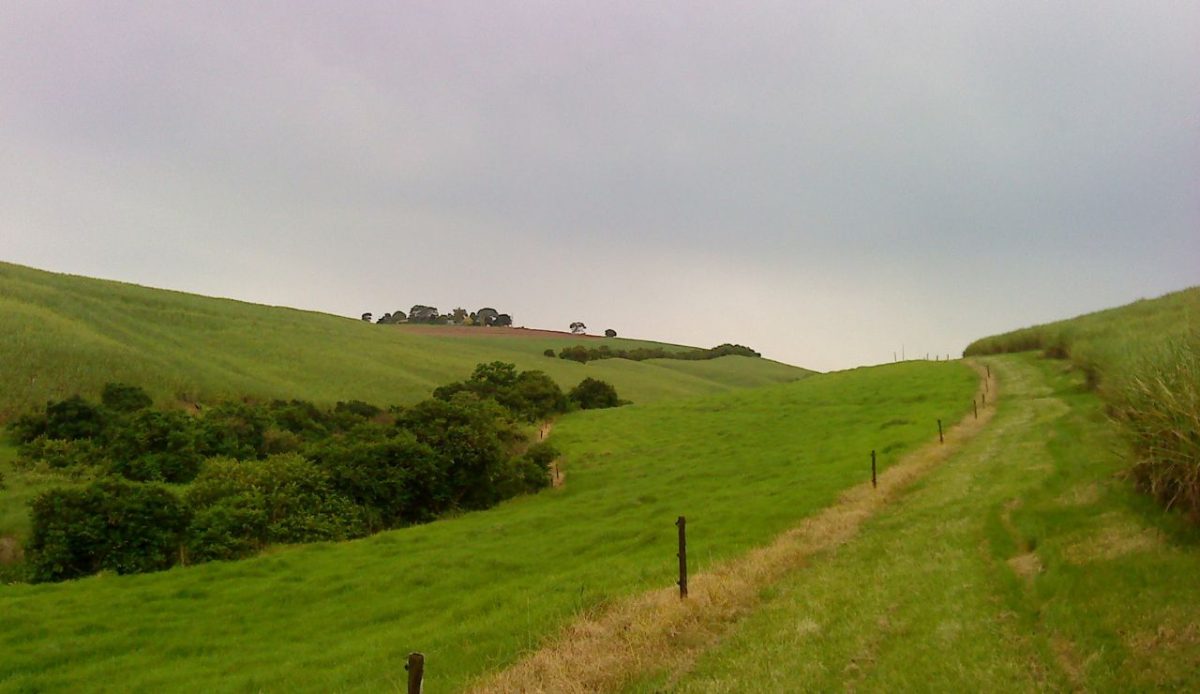
KwaZulu-Natal is home to the Zulu people, one of South Africa’s most renowned indigenous groups. Visitors can explore cultural villages, witness traditional dances, and learn about Zulu customs and history. Local guides share stories about warrior traditions, beadwork, and ancestral ceremonies. The province also features historical sites like the battlefields of Isandlwana and Rorke’s Drift. Travelers can enjoy authentic Zulu cuisine, music, and festivals, offering insight into this vibrant culture. KwaZulu-Natal blends natural beauty with cultural richness, making it a must-visit for heritage immersion.
2. Eastern Cape

The Eastern Cape is a cultural heartland for the Xhosa people, offering insight into their customs, language, and traditions. Visitors can tour rural villages, meet elders, and observe traditional rituals, including storytelling, weaving, and ceremonial gatherings. Historical sites such as Nelson Mandela’s birthplace in Mvezo highlight the region’s significance. Travelers can join craft workshops or taste local foods while learning about Xhosa heritage. The Eastern Cape’s combination of scenic landscapes and cultural immersion makes it a must-visit for anyone seeking indigenous South African traditions.
3. Drakensberg Mountains
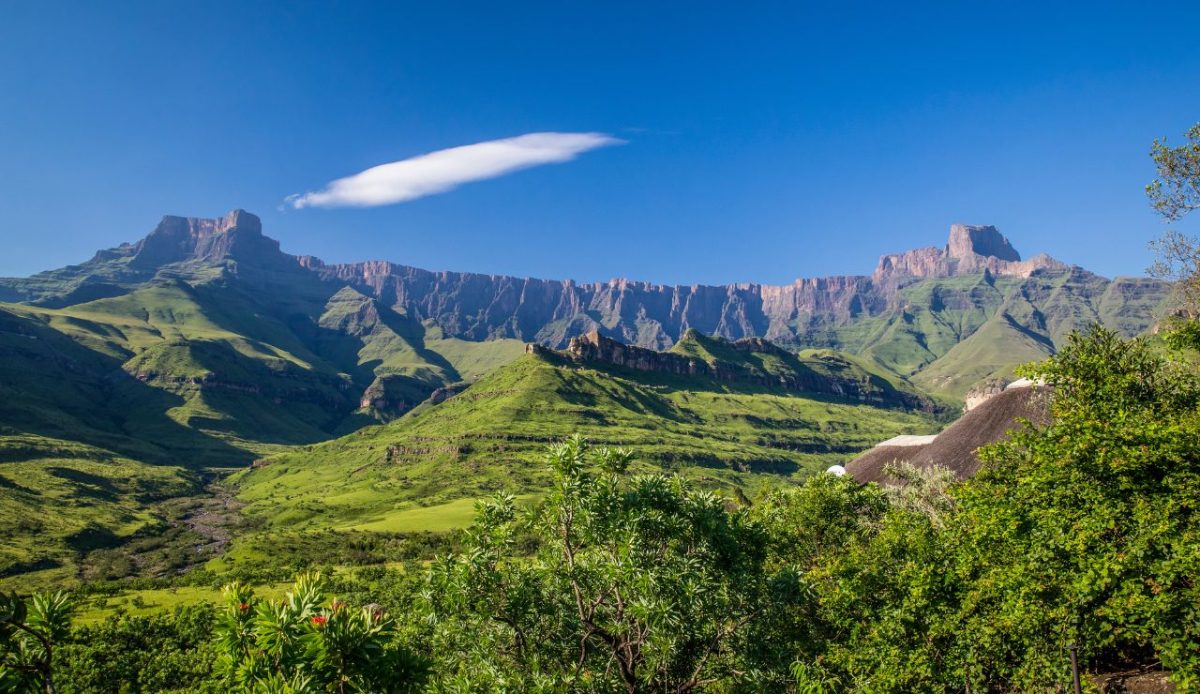
The Drakensberg Mountains, a UNESCO World Heritage site, are not only visually stunning but also culturally significant. Visitors can explore caves adorned with ancient San rock art, showcasing the spiritual beliefs, daily life, and hunting scenes of the region’s first inhabitants. Guided tours provide historical context, explaining the symbolism and techniques used in the paintings. The mountains themselves hold spiritual importance for local communities. Tourists can enjoy hiking or scenic drives while gaining an understanding of the deep connections between South Africa’s landscapes and indigenous cultural heritage.
4. Limpopo Province

Limpopo is home to the Venda, Tsonga, and Northern Sotho communities. Visitors can explore traditional villages, attend dance performances, and learn about pottery, beadwork, and woodcraft. The province’s rich folklore, passed down through generations, is shared by local guides. Sacred sites, including ancestral shrines and ceremonial grounds, offer insight into spiritual practices. Travelers gain an authentic understanding of local lifestyles while supporting preservation efforts. Limpopo’s combination of natural beauty and vibrant indigenous culture makes it a compelling destination for heritage-focused travel.
5. Mpumalanga
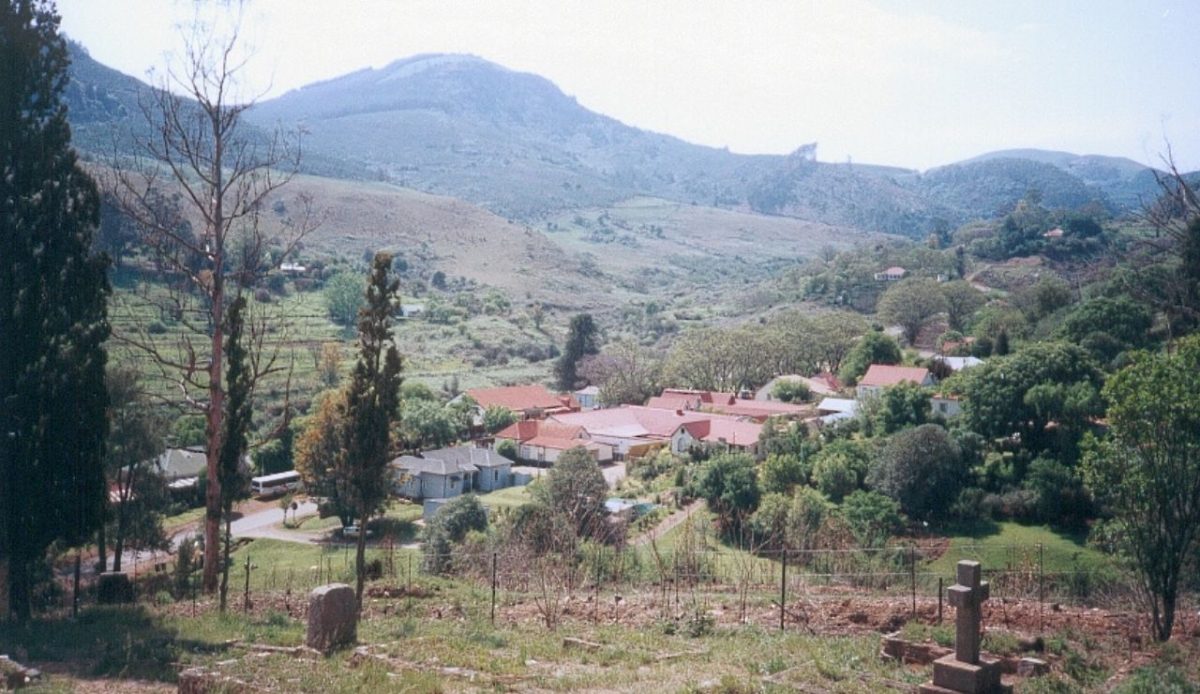
Mpumalanga, known for its scenic landscapes, also offers rich cultural experiences. Ndebele communities are celebrated for colorful homes and intricate beadwork, visible in villages and workshops. Traditional ceremonies, storytelling, and dance performances provide insight into customs passed through generations. Cultural tourism initiatives allow travelers to engage with artisans and participate in hands-on craft activities. Beyond its natural beauty, including the Blyde River Canyon, Mpumalanga’s indigenous culture offers an immersive experience that highlights the enduring creativity and traditions of South Africa’s communities.
6. Northern Cape
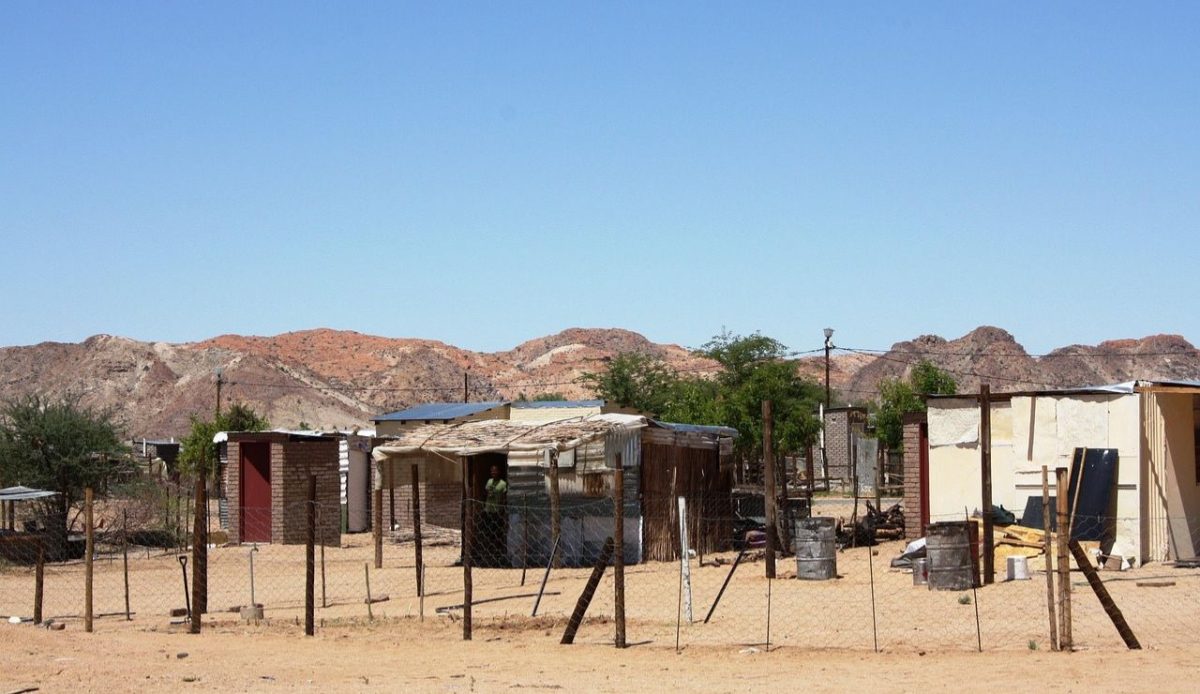
The Northern Cape, with its arid landscapes and semi-desert terrain, is rich in San heritage. Visitors can view rock engravings and paintings depicting hunting, rituals, and wildlife from thousands of years ago. Guided tours led by indigenous communities explain the meanings behind these ancient artworks. The province also hosts cultural centers where travelers can learn traditional tracking skills, storytelling, and survival techniques. Exploring the Northern Cape offers an intimate glimpse into the ingenuity and resilience of San communities, making it a destination that blends history, art, and indigenous heritage seamlessly.
7. Gauteng Province

Gauteng, South Africa’s economic hub, is also a center for indigenous culture and heritage. Cultural villages and museums, such as the Apartheid Museum and the Mapungubwe Museum, showcase the country’s diverse history. Visitors can attend performances featuring traditional music and dance, explore craft markets, and learn about ancestral practices. Despite its urban environment, Gauteng maintains strong connections to its indigenous roots, providing travelers with an accessible way to explore heritage alongside modern city attractions. This blend of urban energy and cultural depth makes Gauteng a unique stop on a heritage-focused itinerary.
8. Basotho Cultural Village
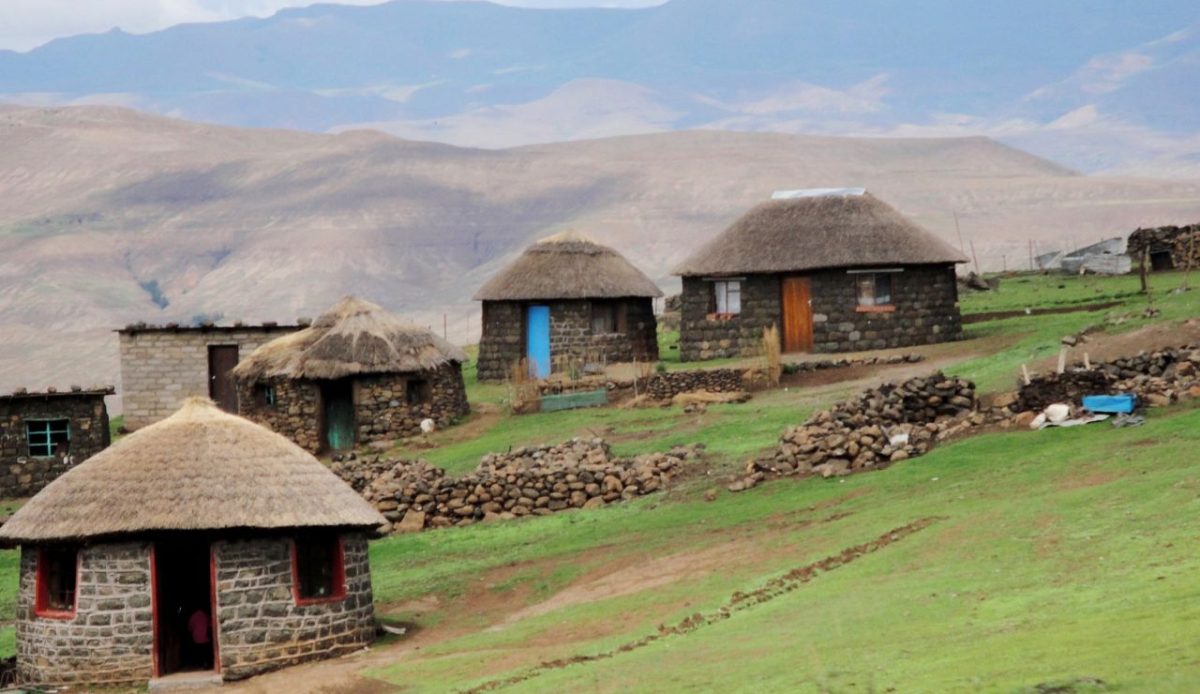
The Basotho Cultural Village, near the Drakensberg, offers a glimpse into Basotho traditions. Guests explore rondavel huts, watch craft demonstrations, and learn about weaving, pottery, and beadwork. Storytelling sessions reveal folklore, rituals, and spiritual practices passed down through generations. Travelers can participate in traditional dances and sample authentic Basotho cuisine. This cultural village provides a hands-on, educational experience, allowing visitors to connect with indigenous heritage in a respectful and engaging way, highlighting the richness of South Africa’s communities.
9. Soweto Township

Soweto, near Johannesburg, is a vibrant hub of culture and history, blending indigenous heritage with urban energy. Visitors can explore historic streets, local art, and community centers while learning about traditional music, dance, and storytelling practices that persist alongside modern city life. Guided tours highlight landmarks like Vilakazi Street, where both Nelson Mandela and Desmond Tutu lived, providing context to the township’s deep cultural significance. Travelers can sample local cuisine, enjoy live performances, and engage with community-led initiatives that celebrate Soweto’s unique traditions.
10. Robben Island
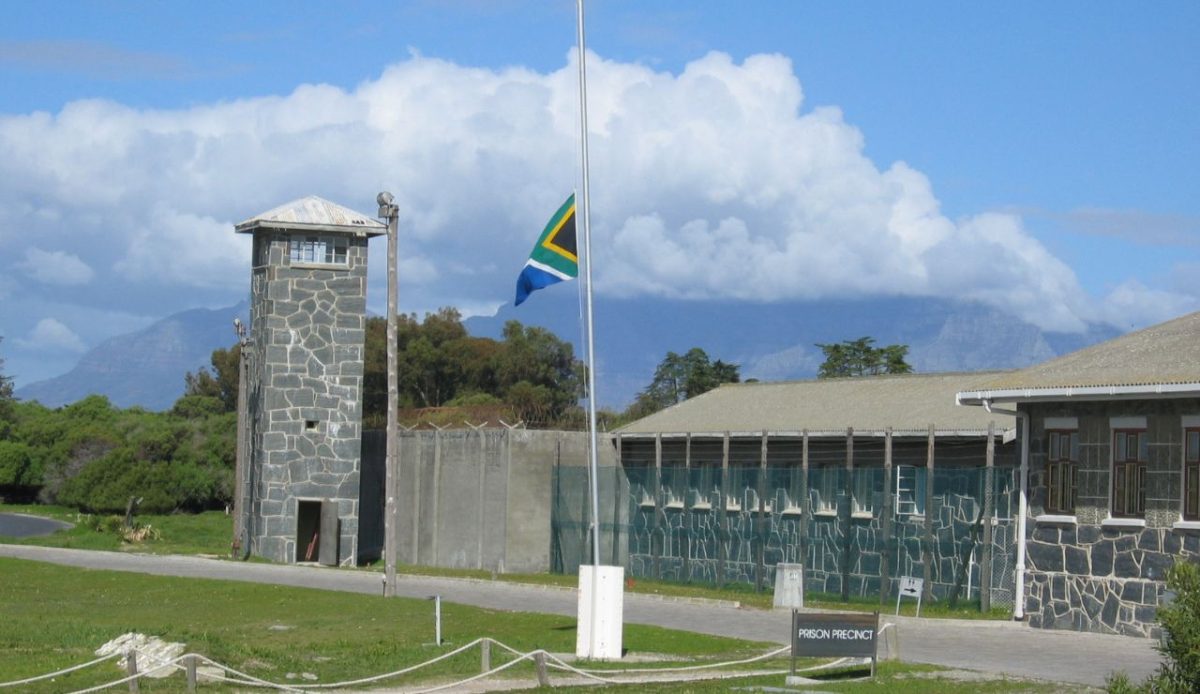
Robben Island is globally recognized for its political history, but it also offers insight into indigenous heritage. The island’s narratives include stories of local communities affected by colonial and modern history. Visitors tour the site with guides sharing former prisoners’ experiences, connecting cultural memory with national heritage. The island serves as a space for reflection, education, and appreciation of South Africa’s diverse communities. Robben Island combines historical significance with cultural insight, making it essential for heritage-focused travelers exploring the intersection of indigenous and national identity.
