
Seaplanes operate where standard airports, roads, or ferry networks cannot provide efficient access. Many function as scheduled transport rather than novelty flights, linking cities to islands, river systems, and remote regions that depend on water-based aviation. These routes reduce long transfer times and remove reliance on weather-sensitive boats or indirect land travel. For travelers, the value lies in predictable arrival, direct access, and logistical reliability. The following seaplane trips stand out for how they support real transport needs while connecting destinations that remain difficult to reach by other means.
1. Malé to Island Resorts, Maldives
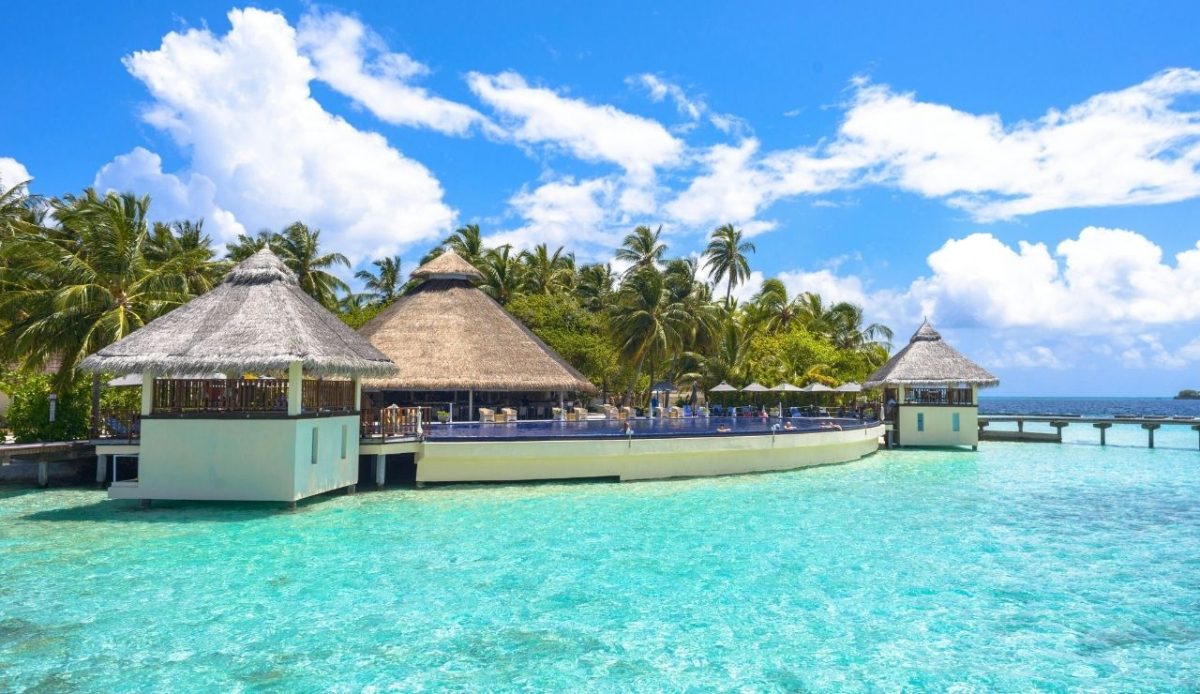
Seaplane transfers from Malé connect travelers directly to resort islands scattered across the Maldives. These flights replace long boat journeys and allow access to distant atolls within minutes rather than hours. Aircraft operate only during daylight and land beside resort jetties, making arrival part of the transfer process rather than a separate step. Routes pass over shallow lagoons, coral formations, and reef channels that clearly show island geography from above. For many resorts, seaplanes remain the most reliable way to move guests across wide ocean distances without delays caused by changing sea conditions.
2. Vancouver to Tofino, Canada
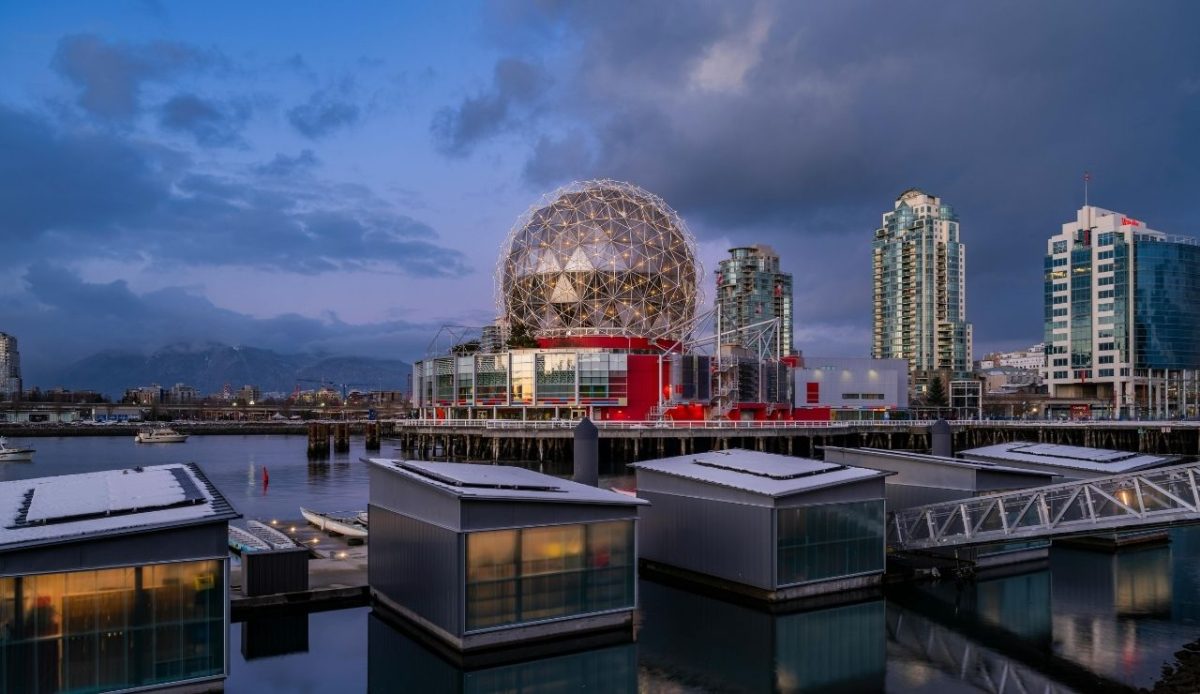
The seaplane route from Vancouver to Tofino links a major coastal city with Vancouver Island’s remote west coast. The flight bypasses ferries and winding mountain roads, cutting travel time significantly. Departures usually leave from Vancouver Harbour and arrive near Tofino’s inlet, placing travelers close to town services and nearby lodges. The route crosses forested islands, inlets, and open Pacific waters, giving a clear view of British Columbia’s coastal scale while improving access during seasons when ferry schedules face disruption. This option is widely used by business travelers and tourists seeking same-day arrival.
3. Juneau to Glacier Areas, Alaska
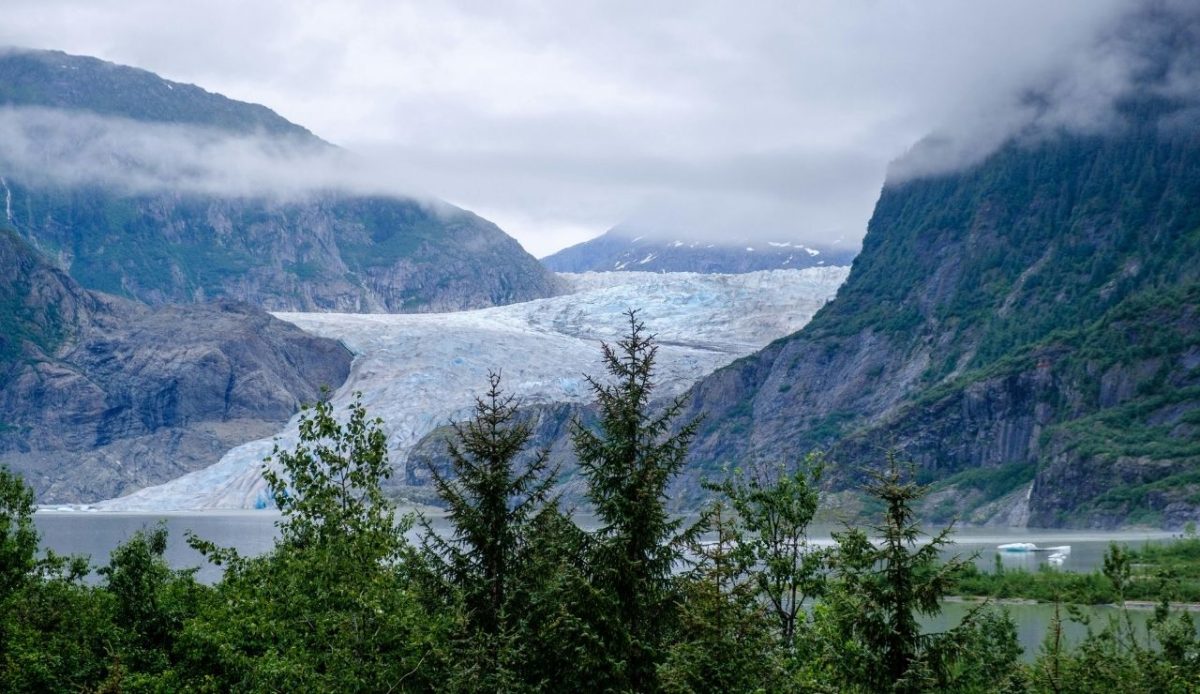
Seaplanes operating from Juneau provide access to glacier zones and wilderness areas that roads cannot reach. These flights often land on lakes near ice fields or remote lodges, supporting tourism and regional transport needs. The route highlights Alaska’s terrain, including fjords, snow-covered peaks, and dense forest valleys. Weather strongly influences scheduling, making pilot experience essential for safe operations. For visitors, seaplanes allow close proximity to glaciers without extended hiking, boating, or multi-day travel through rugged terrain. Operators adjust routes daily based on visibility and cloud cover.
4. Sydney Harbour to Lord Howe Island
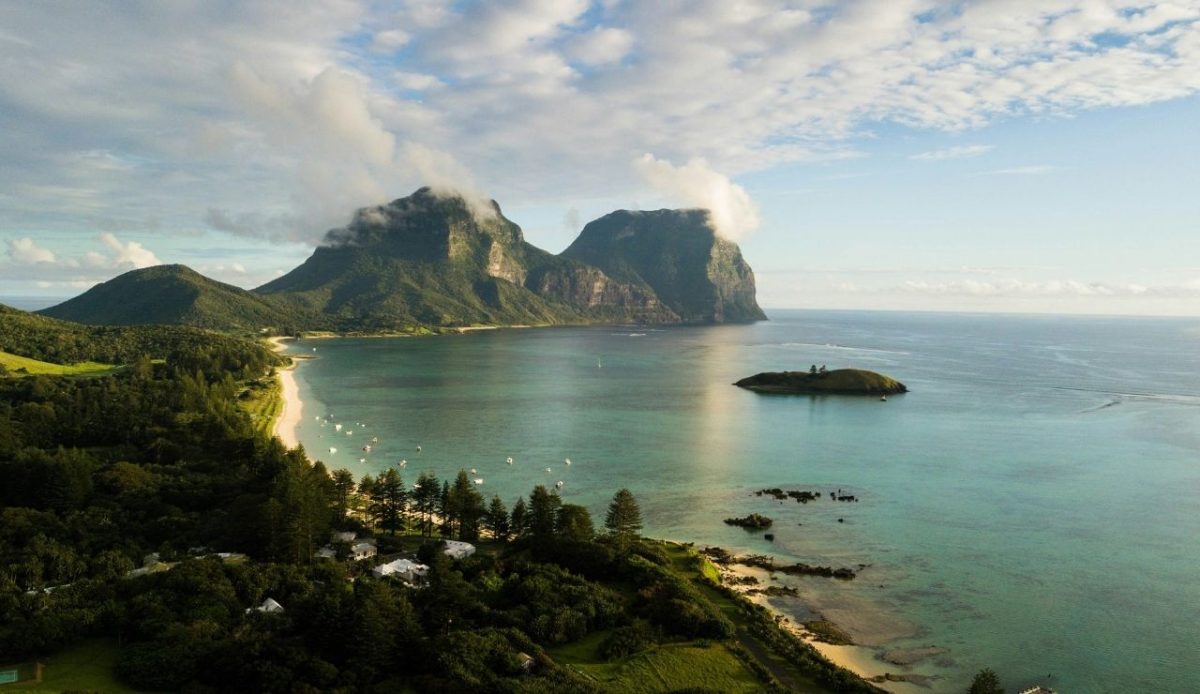
Flights from Sydney Harbour to Lord Howe Island provide a direct link to a remote island community. Seaplanes offer limited-capacity access that helps manage visitor numbers while maintaining regular service. The route crosses open ocean before descending into the island’s lagoon, where water landings depend on wind direction and sea state. Lord Howe’s isolation has preserved its environment, and seaplane access supports passenger travel and essential cargo delivery without expanding large airport infrastructure or altering local development patterns. Supplies such as food and mail often travel on the same flights.
5. Maun to Okavango Delta Camps, Botswana

Seaplanes from Maun serve safari camps across the Okavango Delta, a region defined by seasonal flooding and shifting channels. Roads remain unreliable for much of the year, making air access essential for transport. These flights land on small airstrips or water-adjacent locations near lodges, allowing quick transfers between camps. From the air, travelers see how water spreads across the delta, forming islands and wildlife corridors that support conservation tourism and reduce pressure from ground vehicle traffic. Camp staff rely on these flights for regular provisioning. This reduces long supply gaps.
6. Maldives Atolls to Ari Atoll
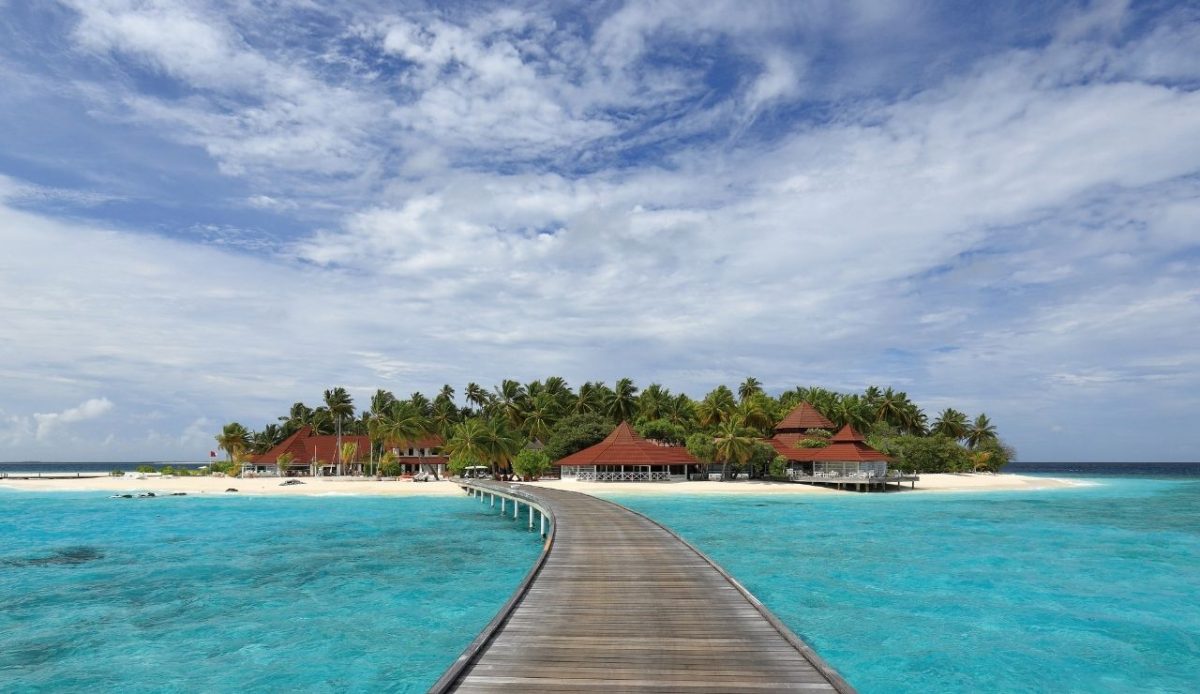
Seaplane routes between outer atolls and Ari Atoll connect resort clusters spread across wide ocean distances. These flights reduce transfer times that would otherwise require slow speedboats or overnight travel. Ari Atoll works as a major hub for diving operations, with frequent arrivals supporting guest turnover and supply movement. From the air, reef edges and channel breaks appear clearly, helping travelers understand how the atoll system functions. Seaplanes land near resort piers, allowing direct transfers during limited daylight hours without additional sea crossings. Flight timing is coordinated with resort check-in schedules.
7. Belize City to Ambergris Caye
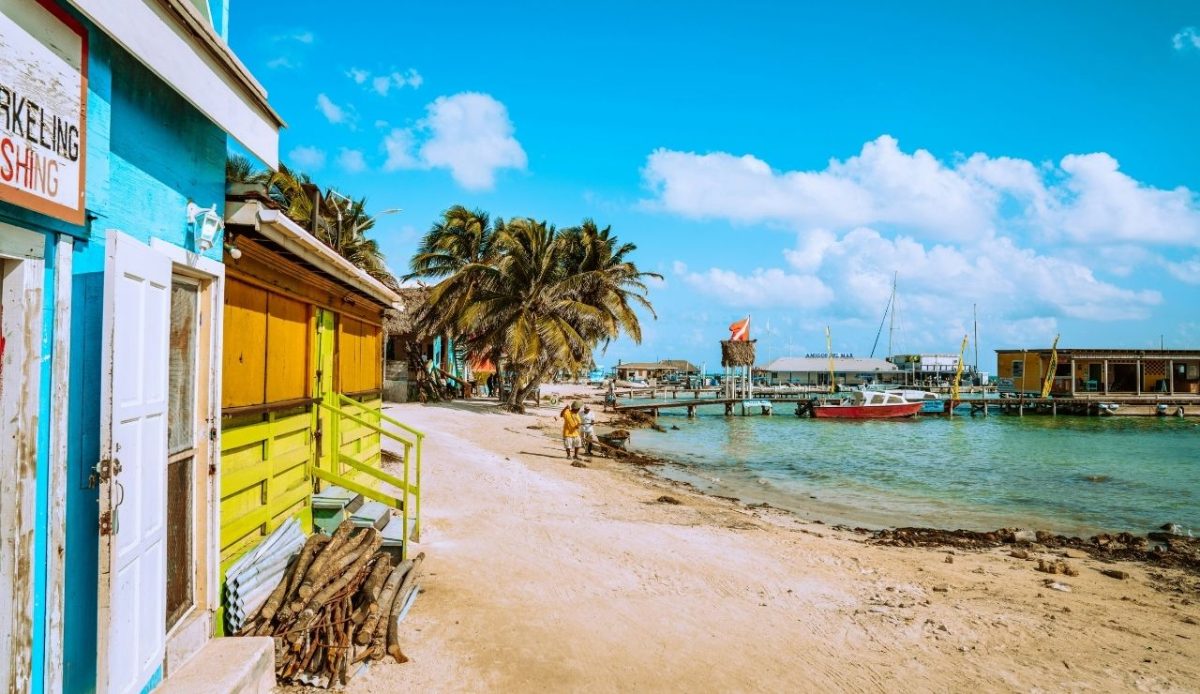
Seaplanes linking Belize City and Ambergris Caye provide a fast alternative to water taxis that depend heavily on weather and tide conditions. Flights depart from coastal terminals and arrive close to San Pedro, placing travelers near hotels and town services. The route crosses shallow Caribbean waters where reef lines and sandbanks remain visible throughout the flight. This connection supports daily commuting, tourism, and freight movement while reducing delays caused by rough seas or limited boat schedules. Flights operate multiple times daily during high season. Tickets are sold year-round.
8. Seattle to the San Juan Islands
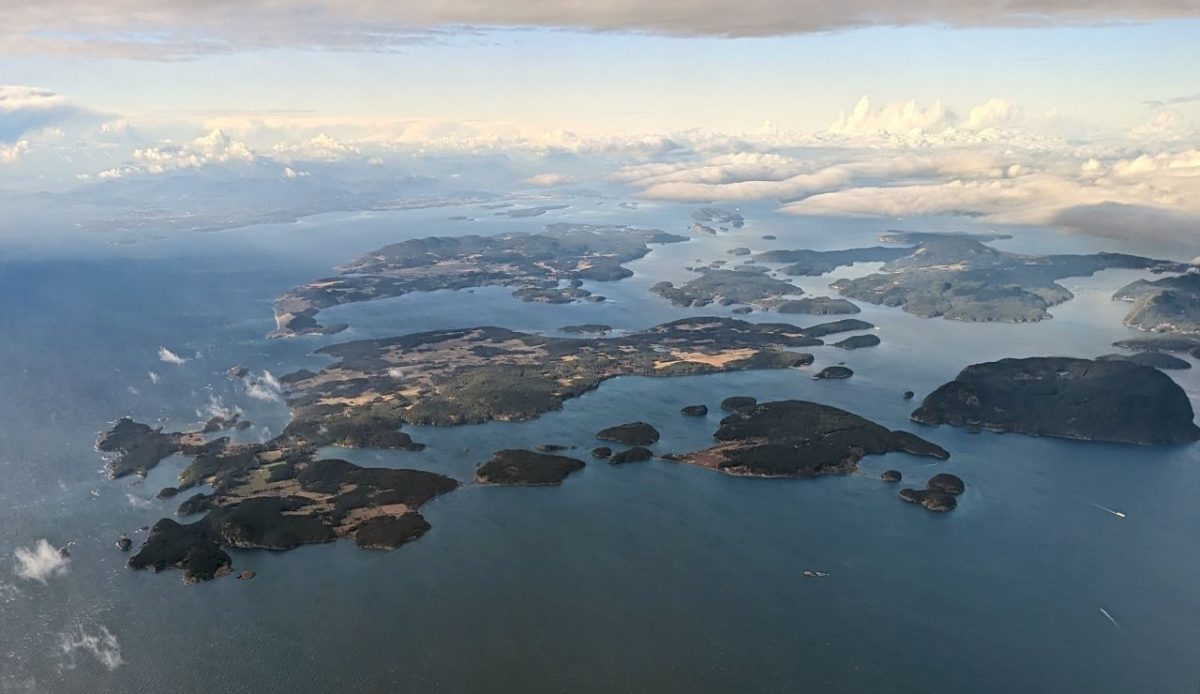
Seaplane services from Seattle connect the city with island communities scattered across Puget Sound. These routes replace long ferry schedules and indirect road travel, especially during peak seasons. Departures operate from Lake Union or nearby water terminals, landing close to island towns. The flight path crosses channels, forested islands, and working harbors that support fishing and regional transport. Seaplanes remain an essential link for residents while giving travelers predictable access when ferry capacity fills quickly. Early morning departures are common for commuters. Weather planning remains important.
9. Tahiti to Bora Bora
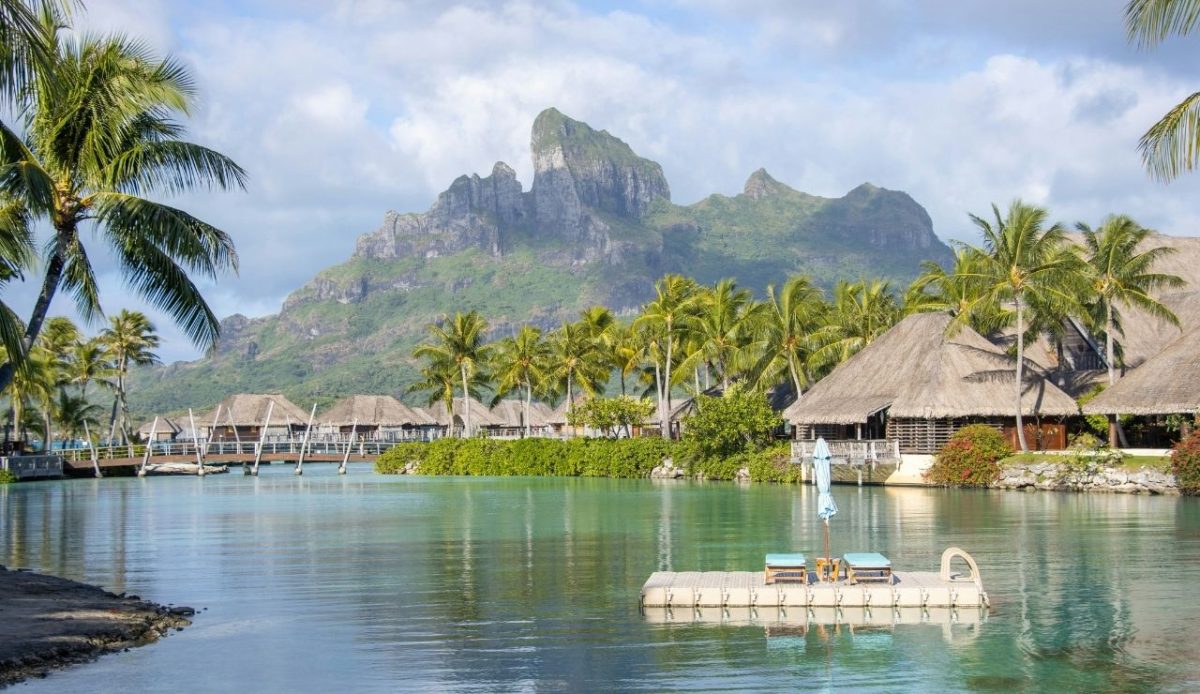
The seaplane connection between Tahiti and Bora Bora links the region’s main gateway with one of its most visited islands. Flights shorten travel time across the open ocean and avoid overnight ferry schedules. From the air, travelers see lagoon depth changes, reef barriers, and volcanic landforms that define the island. Seaplanes land near resort zones, reducing ground transfers after arrival. This route supports steady visitor flow while easing pressure on Bora Bora’s limited airport facilities and terminal space. Resort transfers are often synchronized with arrival flights. Luggage limits are strictly enforced.
10. Port Moresby to the Sepik River
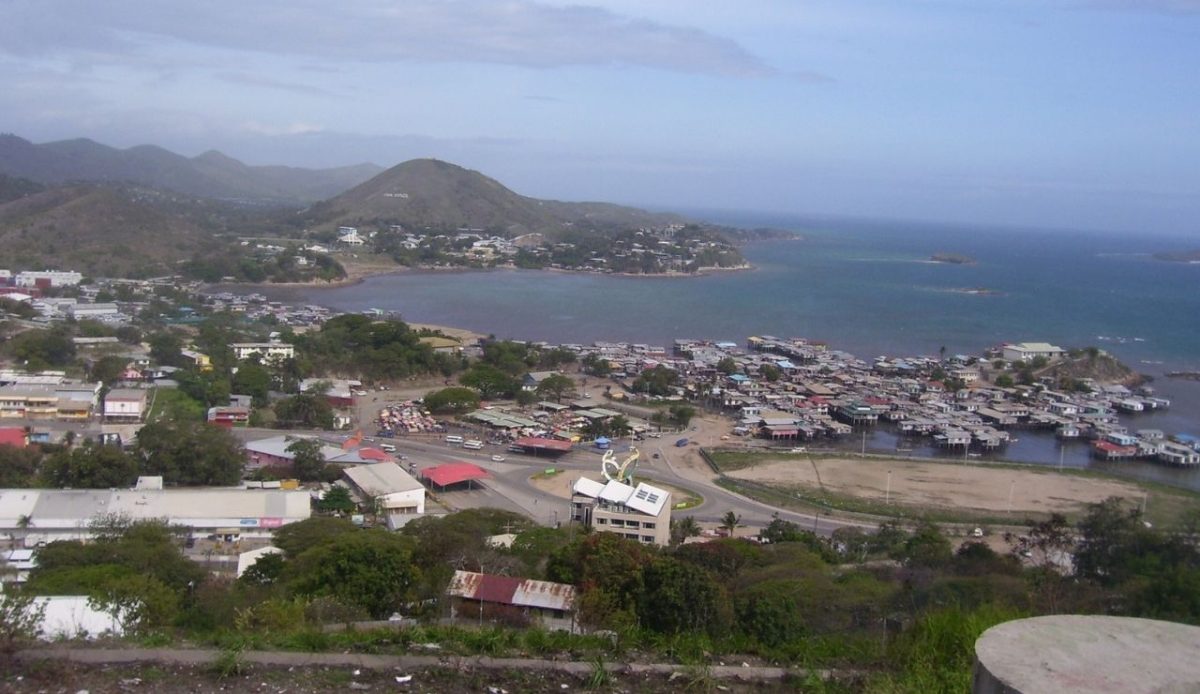
Seaplane routes from Port Moresby to Sepik River lodges serve remote communities with limited road access. Rivers remain the primary transport corridors in this region, making water landings essential. Flights connect villages, research stations, and small lodges that depend on air support for supplies. From above, travelers observe river bends, floodplains, and settlement patterns shaped by seasonal water changes. Seaplanes provide reliable access while supporting medical evacuations and scheduled supply transport services. Aircraft selection varies by season. These services operate year-round despite challenging conditions.
