
Roman ruins outside Italy can feel less staged and more connected to daily geography, because many sit in working towns, farm valleys, or open desert edges. This list focuses on sites where major structures remain readable on the ground, not just in a museum case. Each stop shows a different function of Roman rule, such as water supply, border control, trade logistics, or public entertainment. Distances are manageable, and interpretation is usually strong, so first-time visitors can understand the layout quickly. Local visitor centers and signage are common, and guided walks are often offered in peak months.
1. Pont du Gard, France
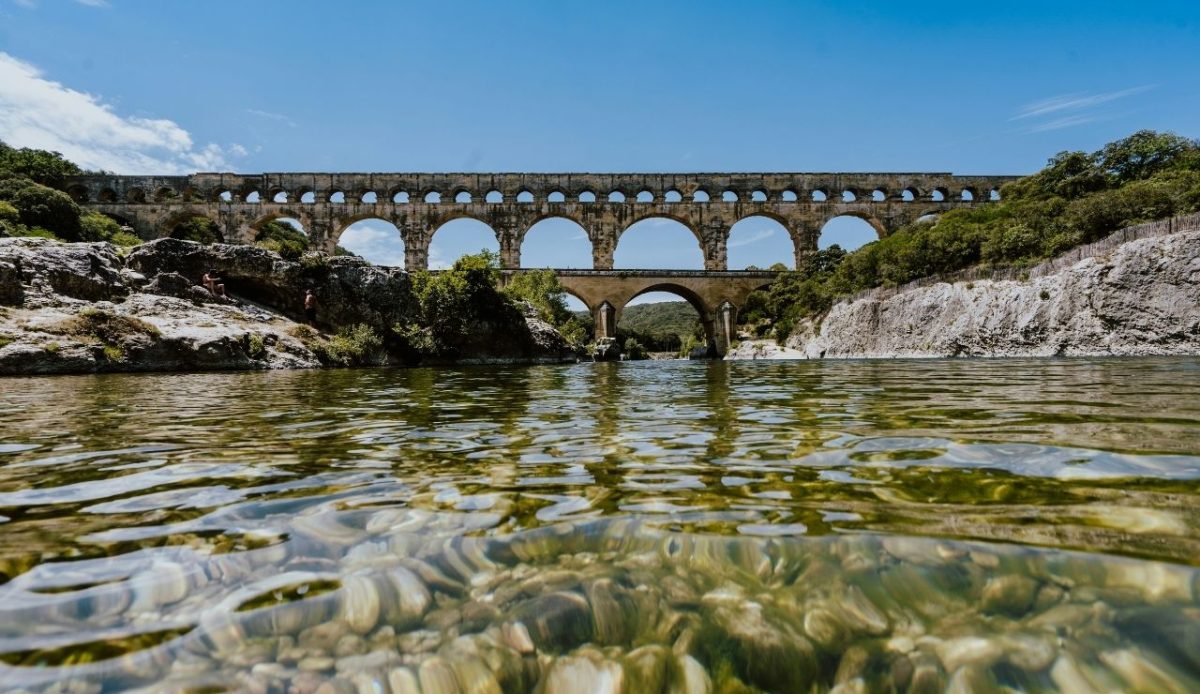
Pont du Gard, near Nîmes, carried water across the Gardon River in the first century CE as part of a long aqueduct line. Three tiers of arches were set with tight stone joints, so mortar was not needed. A slight gradient kept water moving for miles, which can be grasped by walking the channel path. Erosion has been resisted by dense limestone blocks, and careful conservation has been done. The setting also explains why Rome placed engineering in rural corridors, then fed fast-growing cities. A nearby museum frames the hydraulics, and the river view makes the scale easy to judge. Evening light is also striking.
2. Hadrian’s Wall, England
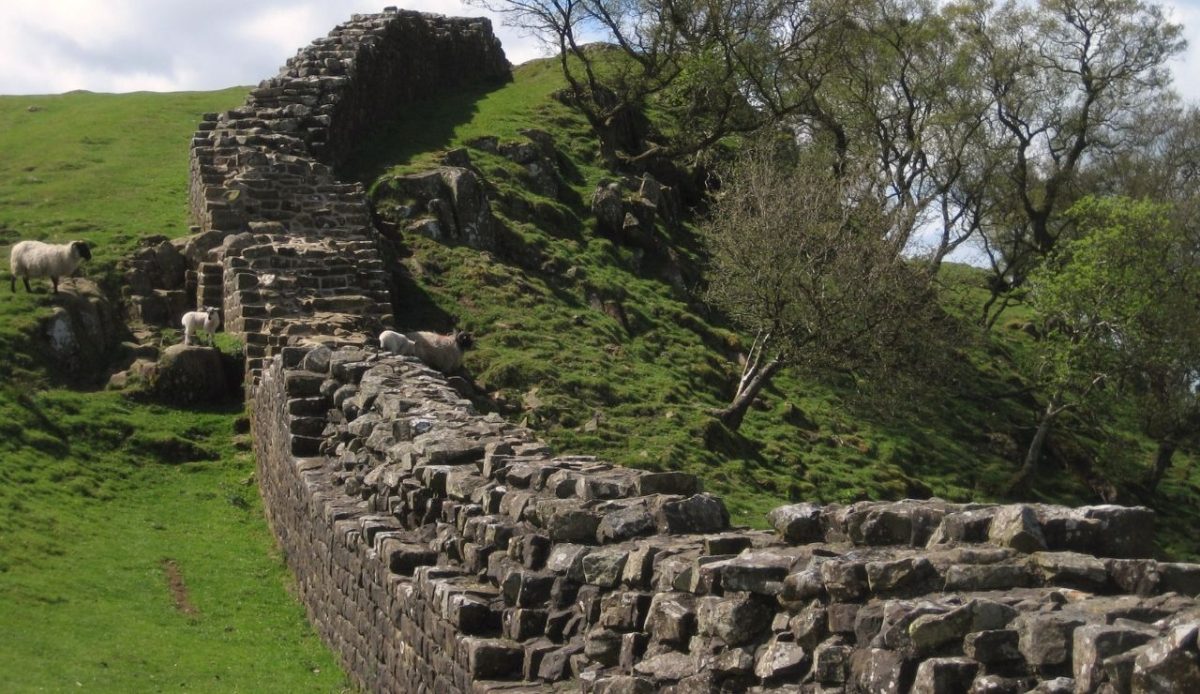
Hadrian’s Wall was started in 122 CE to manage the northern edge of Roman Britain. It worked as a staffed system of forts, milecastles, ditches, and roads rather than a single barrier. Movement was monitored, taxes were collected, and supplies were distributed along the line. In places like Housesteads and Vindolanda, writing tablets and building remains show daily routines that were shared by soldiers and families. Long stretches survive in open moorland, where the route can be followed on foot for hours. Sections were built in stone or turf depending on terrain, and local museums help map the changing frontier.
3. Segovia Aqueduct, Spain
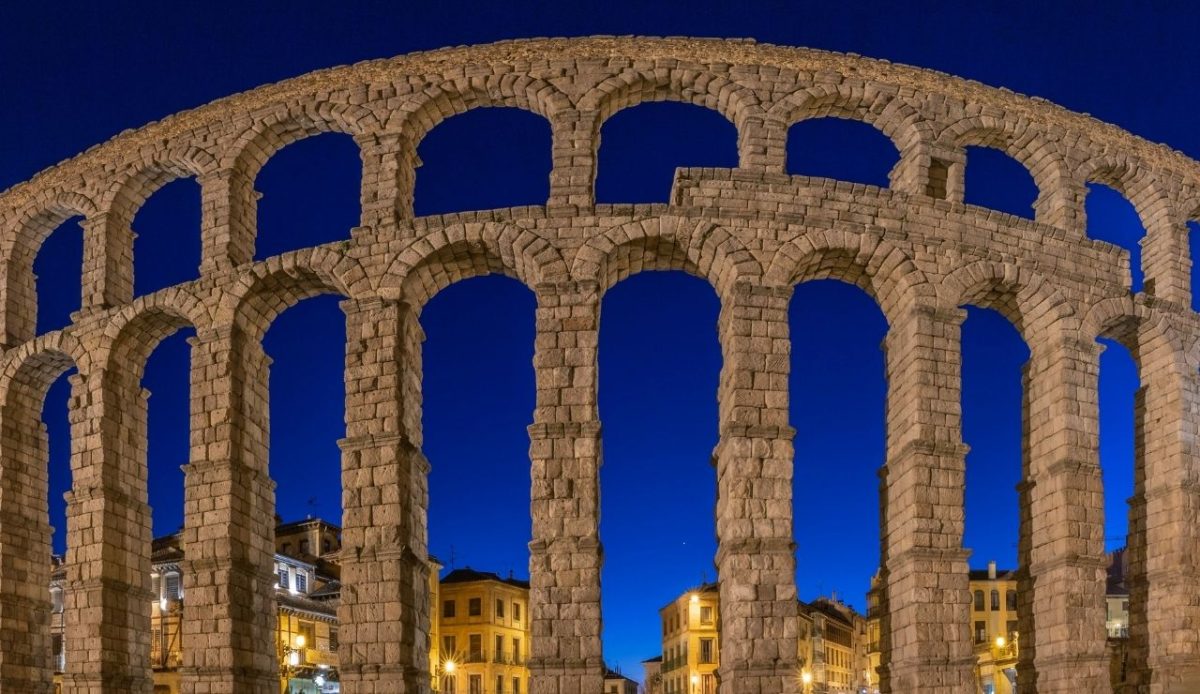
Segovia’s Roman aqueduct cuts through the city center on a double arcade of granite blocks set without mortar. Most scholars place its construction in the late first or early second century CE, when imperial funding supported civic utilities. Water once ran from mountain springs to fountains and baths, and the channel route can still be traced outside town. Because the monument stands above busy streets, it is easy to compare the Roman scale with modern buildings. Restoration has been periodic, yet the original geometry remains clear. Small plazas beneath the arches provide safe viewpoints, and night lighting helps show the full span.
4. Mérida, Spain
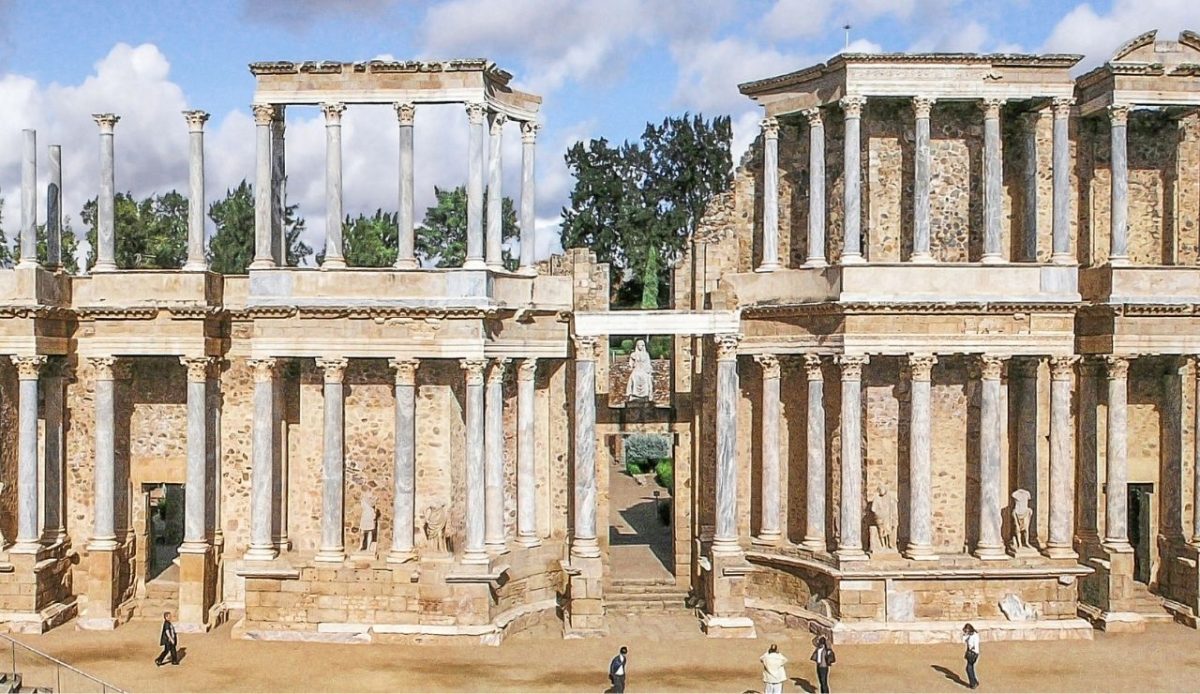
Mérida, founded as Emerita Augusta in 25 BCE, became the capital of Roman Lusitania and kept its civic core for centuries. The theater and amphitheater share a complex that still communicates crowd flow, staging, and seating rank. A long bridge over the Guadiana and the remains of aqueducts show how transport and water were managed together. Because the modern city grew around the ruins, access is simple, and interpretation is well organized. Many pieces were repaired after damage, so layers of rebuilding can be spotted by careful visitors. The National Museum of Roman Art nearby adds context with mosaics, inscriptions, and urban models.
5. El Jem Amphitheater, Tunisia
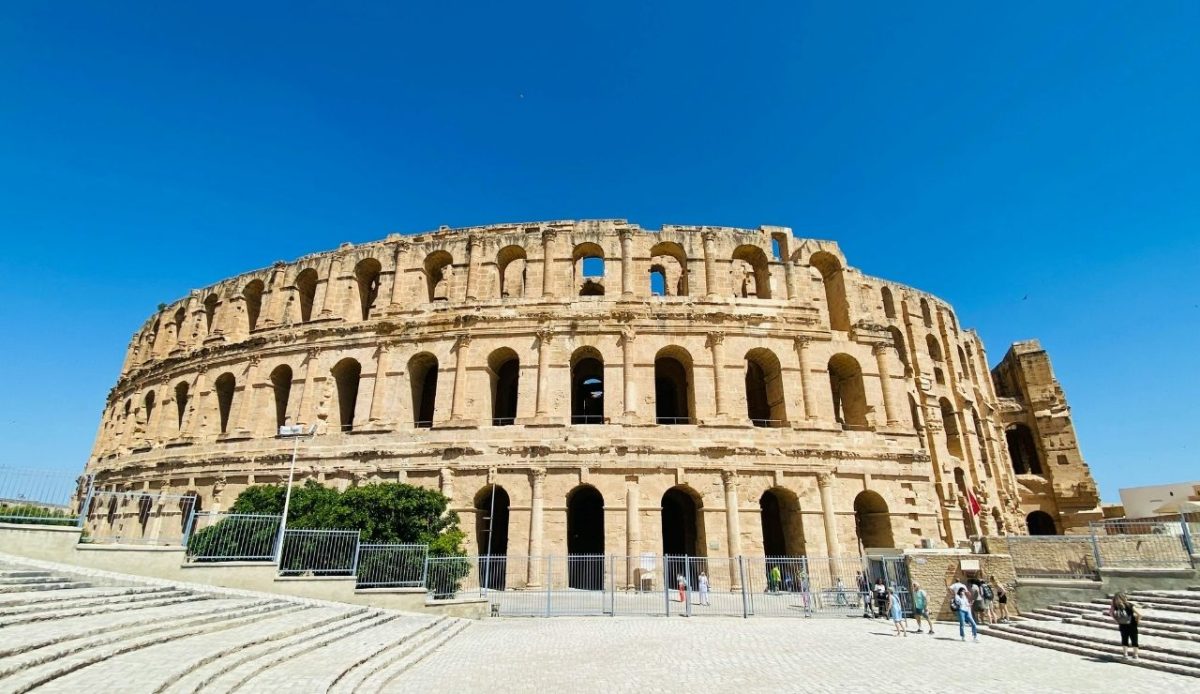
El Jem’s amphitheater in Tunisia was built in the third century CE when Roman Africa was wealthy from grain and olive oil. Its oval walls and stacked seating corridors were built in stone, allowing much of the exterior to stand today. Unlike arenas hemmed in by later neighborhoods, the monument lies in open view, so entrances and service passages are easy to read. Events once staged there reinforced civic order, and the scale suggests a large regional audience. Wind and sun can be intense, so early visits are often preferred. A local museum displays vivid floor mosaics that connect the arena to everyday domestic life.
6. Ephesus, Turkey
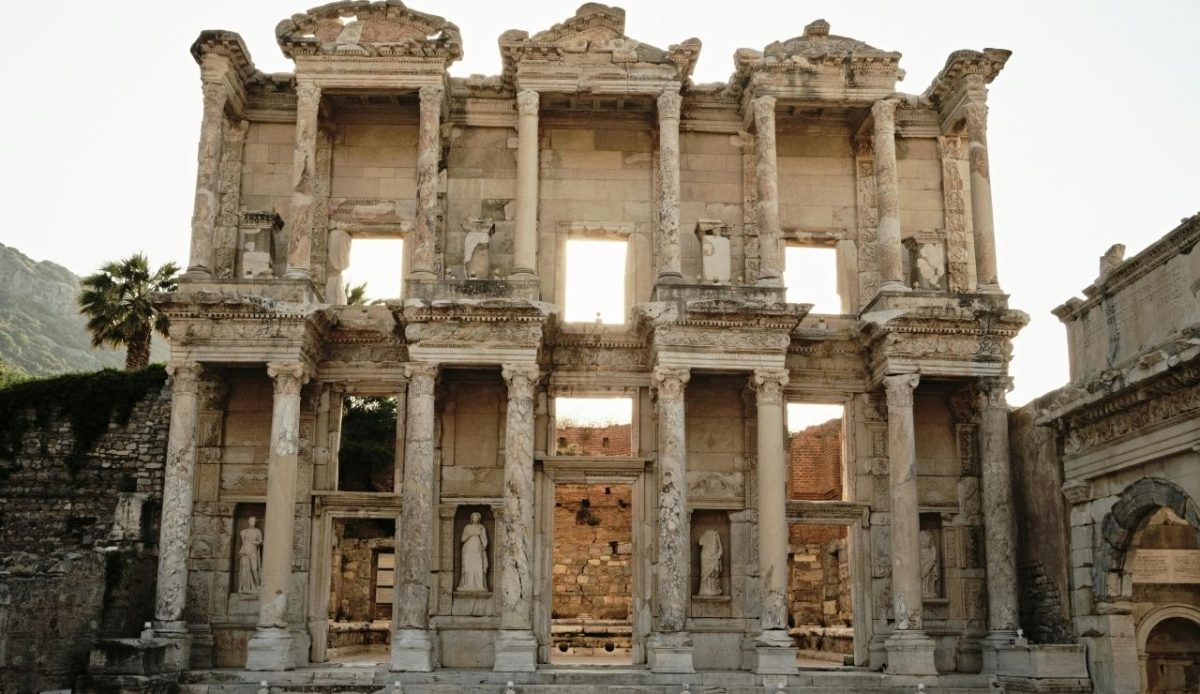
Ephesus, near modern Selçuk, reached a Roman peak in the first and second centuries CE as a port and administrative center. Marble streets run past bath complexes, fountains, and shops, leading to the Library of Celsus and a large theater. Because the city plan is continuous, visitors can follow routes from the harbor approach to the civic core in a single walk. Terrace Houses preserve wall painting and heating systems, showing private wealth alongside public display. Crowds are common, so arriving early can keep the experience calmer. Excavation zones shift each season, and viewing platforms help protect delicate paving.
7. Jerash, Jordan
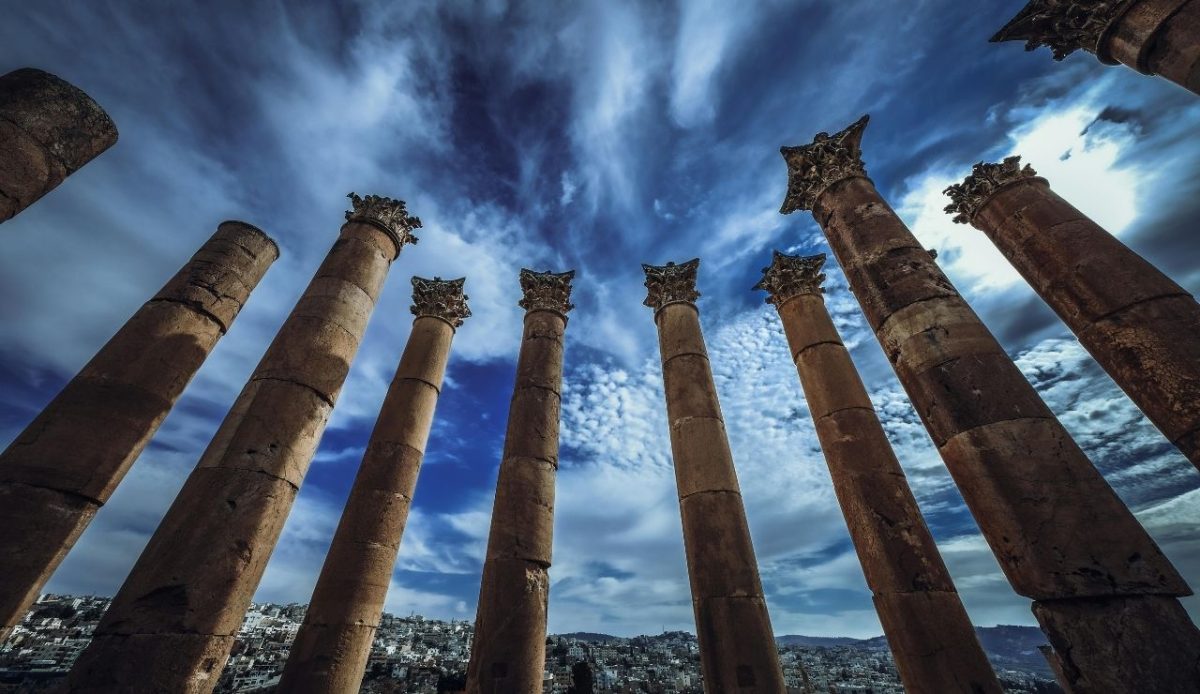
Jerash in Jordan, called Gerasa in Roman sources, keeps an unusually legible street grid and monument chain. A long colonnaded avenue links the Oval Plaza to temples, theaters, and markets, so spatial relationships are understood quickly. Prosperity came through regional trade, while later earthquakes reduced rebuilding, leaving foundations exposed rather than buried. Stone paving ruts and drainage channels are still visible, which helps explain traffic and water control. Spring festivals can add noise, but quiet mornings show the architecture best. On-site signage is strong, and a visitor museum summarizes the city’s timeline in English.
8. Baalbek, Lebanon
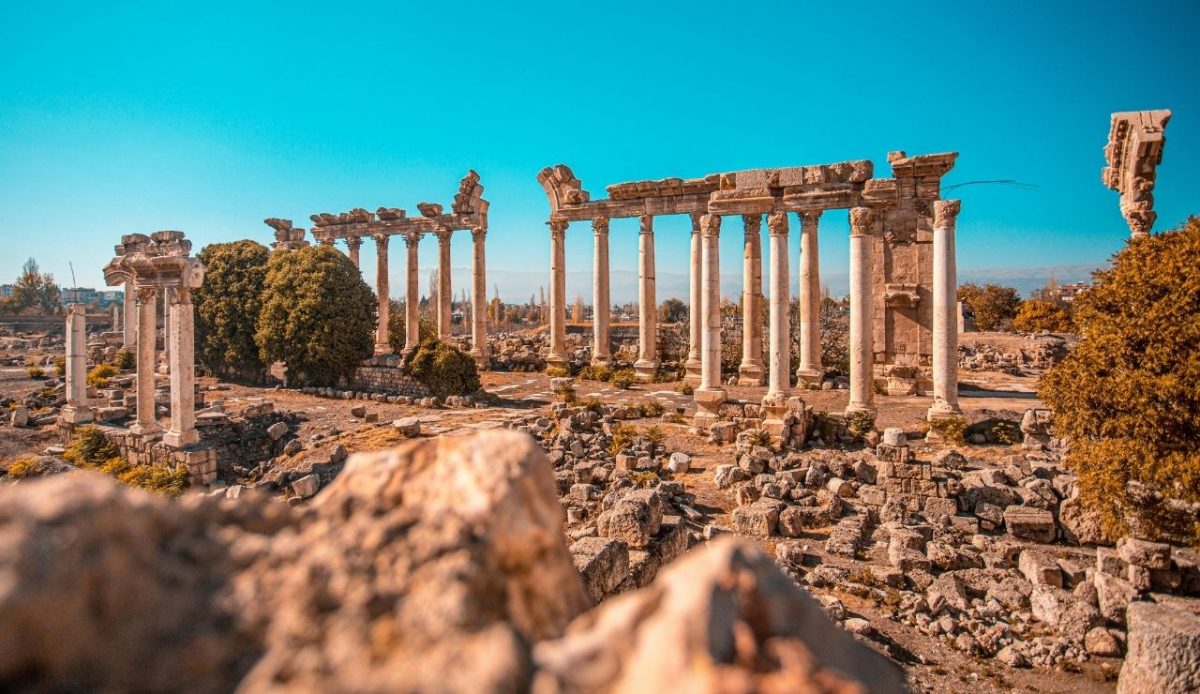
Baalbek in Lebanon holds some of the largest Roman temple ruins ever built, expanded mainly from the first to third centuries CE. The Temple of Bacchus keeps towering columns and carved blocks that show high skill and heavy logistics. Platforms were set with stones so large that quarrying and hauling methods are still debated by engineers. The complex also served politics, since imperial imagery was displayed through ritual space. Because the site is exposed, steady footwear and sun protection make the visit easier. Guides often point out tool marks, and the high terrace offers wide valley views that frame the setting.
9. Leptis Magna, Libya
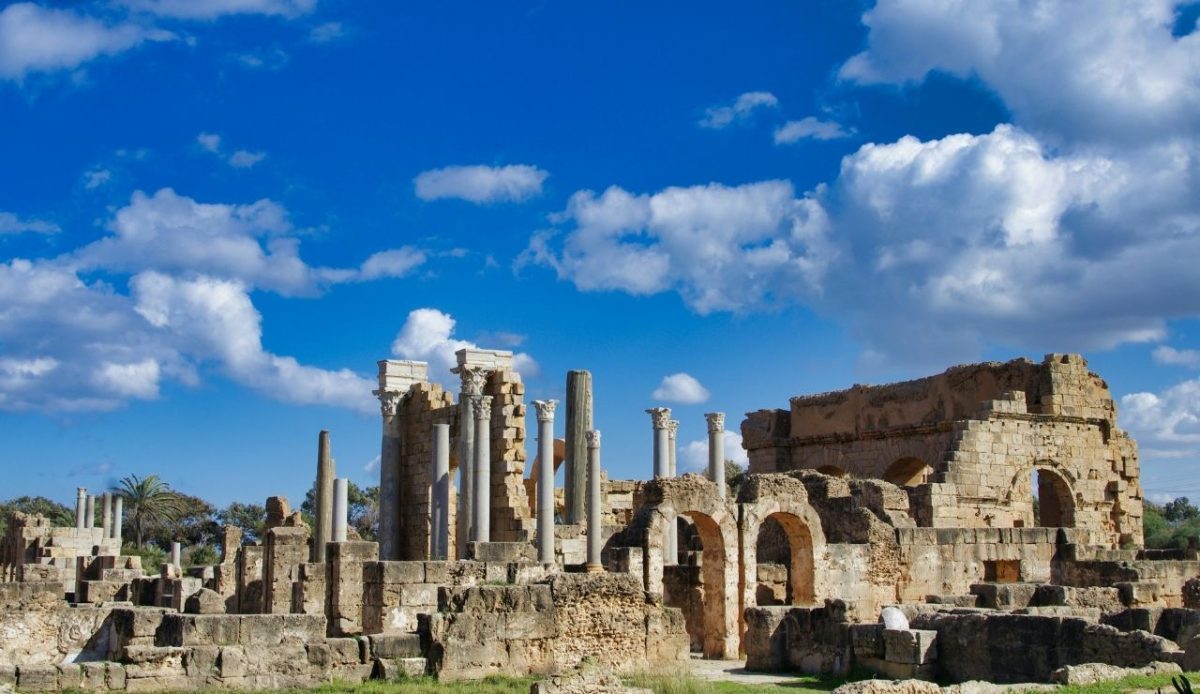
Leptis Magna on Libya’s coast grew into a major Roman city, especially under Septimius Severus, who was born there. A grand forum, basilica, and monumental arches remain spread across a broad footprint, so the scale of governance can be sensed. Harbor works and warehouses hint at trade that moved grain, oil, and luxury goods through the Mediterranean. Because modern development nearby is limited, street lines and building bases remain open and readable. Access rules can change, so current local guidance should be checked before planning. Detailed carvings in the Severan basilica and scattered mosaics reward slow, careful viewing.
10. Orange Roman Theatre, France
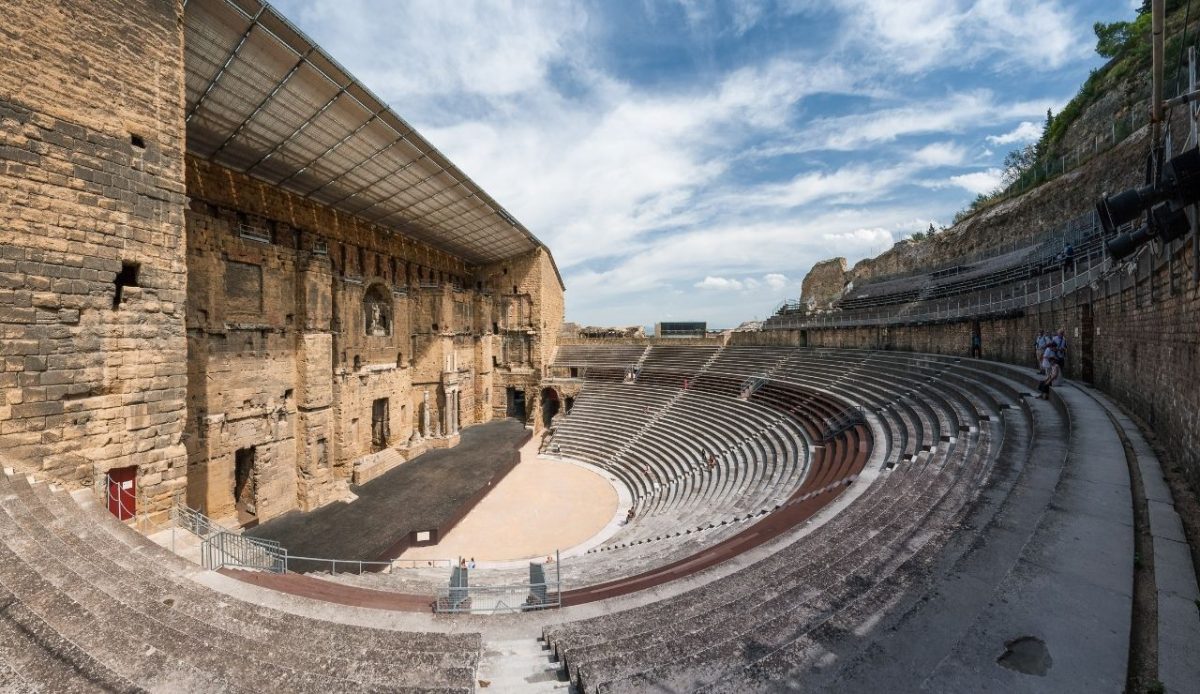
Orange in southern France preserves a Roman theater whose stage wall stands almost complete, a rarity in the western provinces. Built in the early first century CE, it hosted performances and civic ceremonies that reinforced public identity. The seating bowl, entrances, and backstage zones can still be traced, so the building’s function is easy to grasp. Later reuse helped it survive, and restoration has been documented, allowing changes to be spotted in stonework. Even without an event, the acoustics can be tested from mid-level rows. A short walk reaches the city’s Roman arch, which adds context for how monuments were paired in town.
