
Rivers have always shaped where people live, work, and dream. In the United States, many towns grew along their banks because water made trade and travel possible. Today, these river towns still carry the spirit of earlier times through old buildings, busy docks, and stories passed down through families. Teens can walk streets that once guided pioneers, while adults see reminders of childhood field trips and vacations. Visiting these places feels like stepping into a living classroom where history and scenery meet in one spot.
1. Natchez, Mississippi
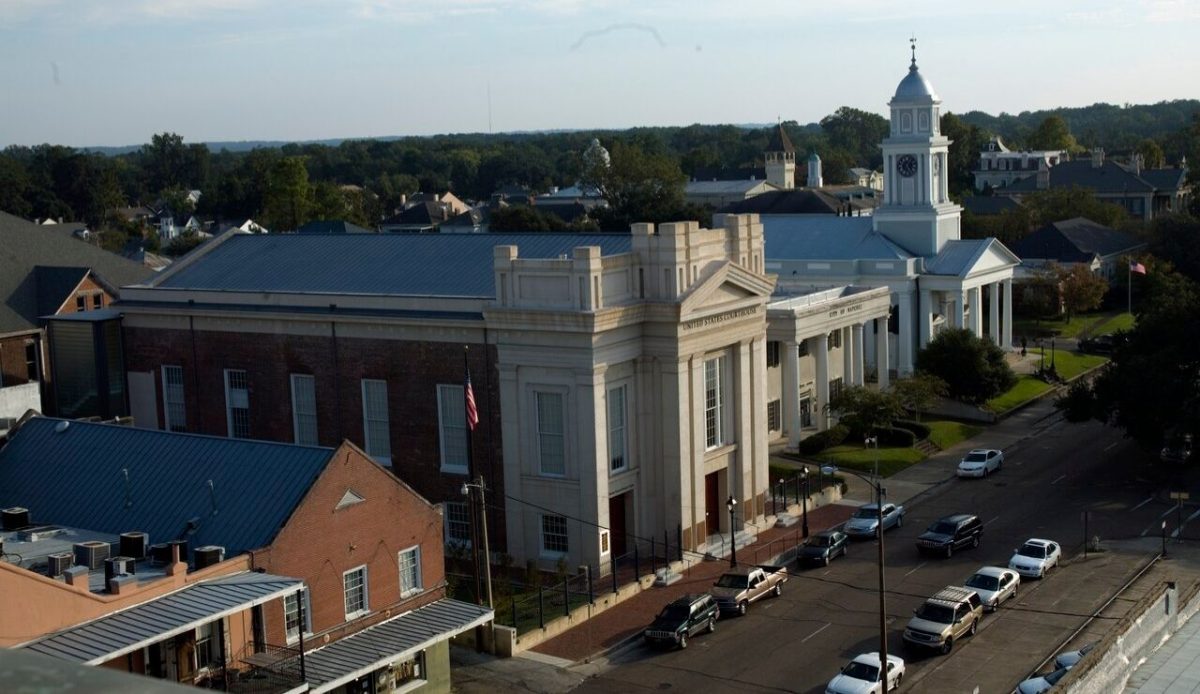
Natchez sits high above the Mississippi River, where elegant mansions still overlook the water and remind visitors of the wealth once built here. Founded in 1716, the city became a vital hub for cotton, trade, and river traffic that shaped the South for generations. Teens can tour preserved homes filled with antiques, books, and stories, while adults recall learning about the culture of riverboats in school. The bluff views explain why settlers chose this spot, with ships and barges still passing below. Walking through Natchez connects guests to lessons about wealth, slavery, and survival in a region that continues to remember its layered past.
2. Hannibal, Missouri
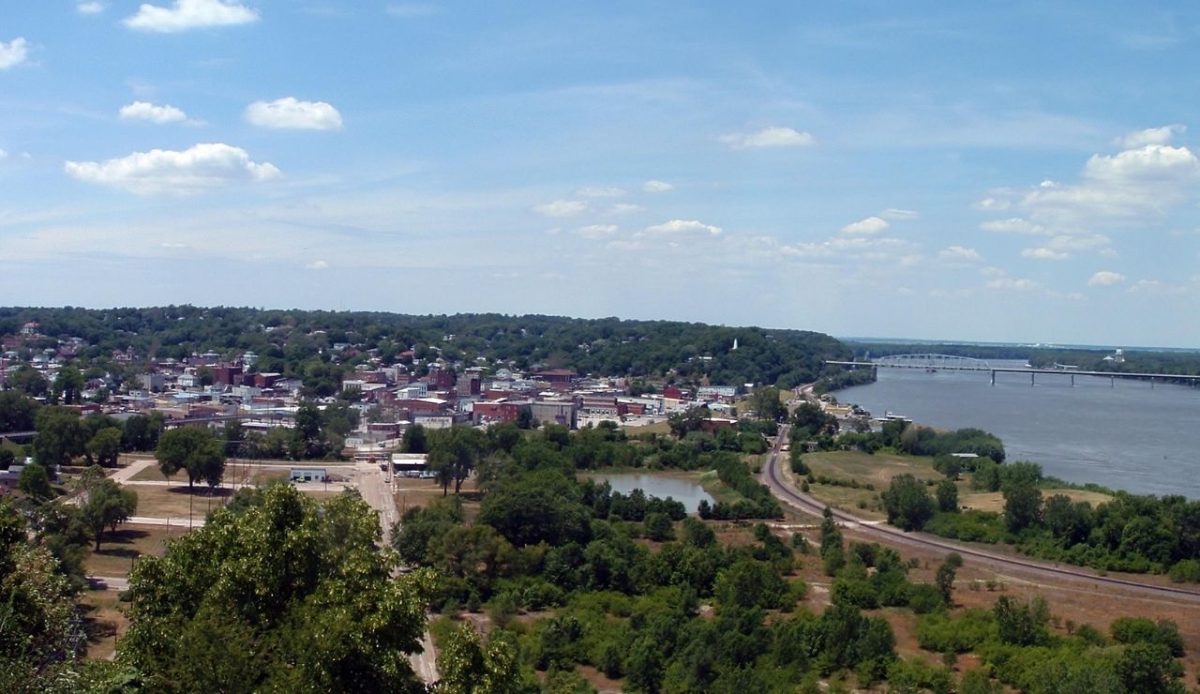
Hannibal became famous because Mark Twain turned it into the setting for Tom Sawyer and Huck Finn, two characters that captured the humor and struggles of life on the river. Sitting on the Mississippi, the town preserved many streets, caves, and docks that inspired Twain’s stories. Teens who have read his books can see the very spots that shaped the tales, while adults recall classroom lessons about his wit. Paddlewheel boats glide along the same waters where steamboats once roared, offering a glimpse of travel before modern highways. Hannibal remains a place where literature, river history, and imagination come together along the wide Mississippi.
3. St. Augustine, Florida
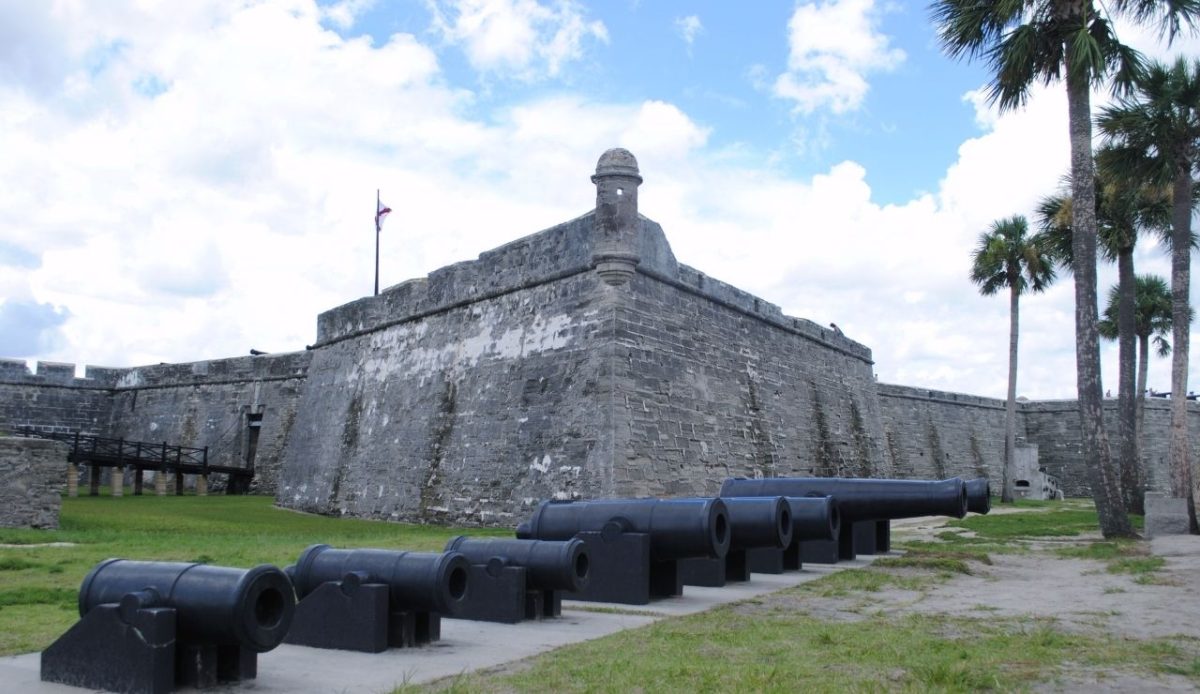
St. Augustine holds the title of the oldest city in the country, and its Matanzas River shoreline carries nearly five centuries of history. Founded by the Spanish in 1565, it developed strong defenses, narrow streets, and architecture that still stand today. Teens can tour the Castillo de San Marcos and imagine the sound of cannons protecting the city from pirates and enemies, while adults recognize how European, Native, and African cultures blended here. The waterfront tells stories of survival and faith, with boats anchored where explorers once arrived. Walking the riverfront feels like stepping into living history that continues to endure with strength.
4. Louisville, Kentucky
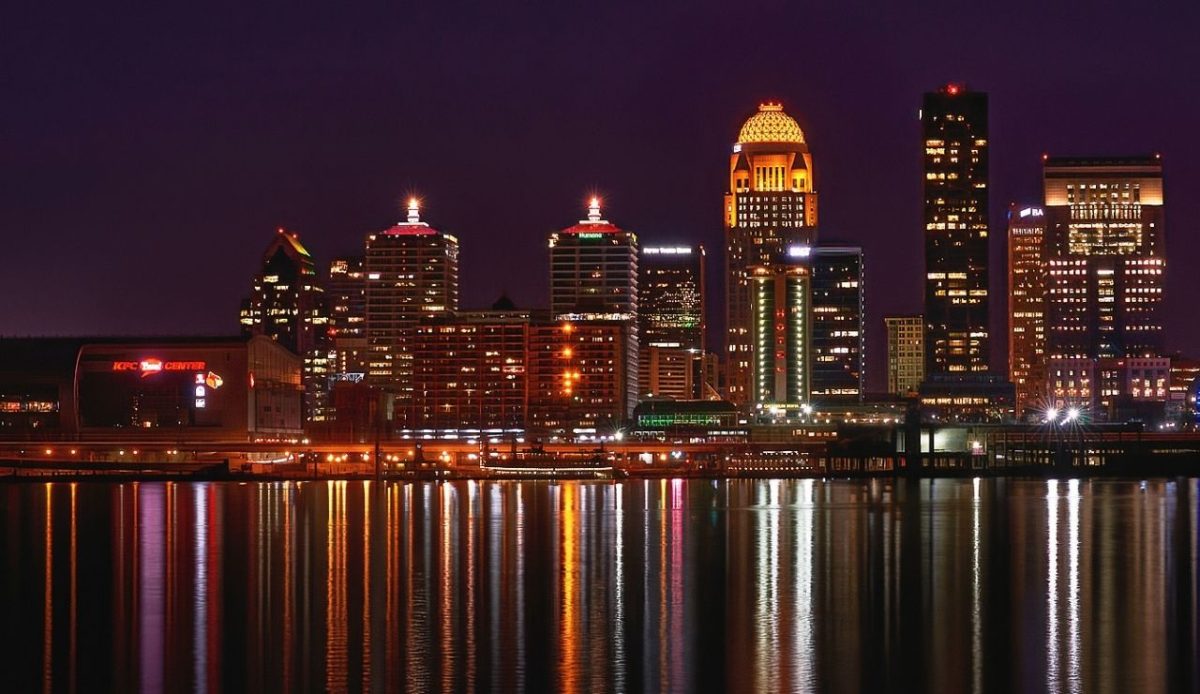
Louisville rose along the Ohio River at a point where travelers had to stop and carry goods past limestone falls that blocked smooth passage. This obstacle turned the city into a center of commerce, whiskey, and horses, linking water, culture, and industry. Teens can walk through old warehouses and learn how the river fueled growth, while adults recall the Kentucky Derby and how shipping shaped trade across the nation. The bridges that now cross the Ohio once replaced ferries, but the water still carries barges and boats. Louisville shows how a challenge in nature became an opportunity that defined a city’s identity.
5. Vicksburg, Mississippi
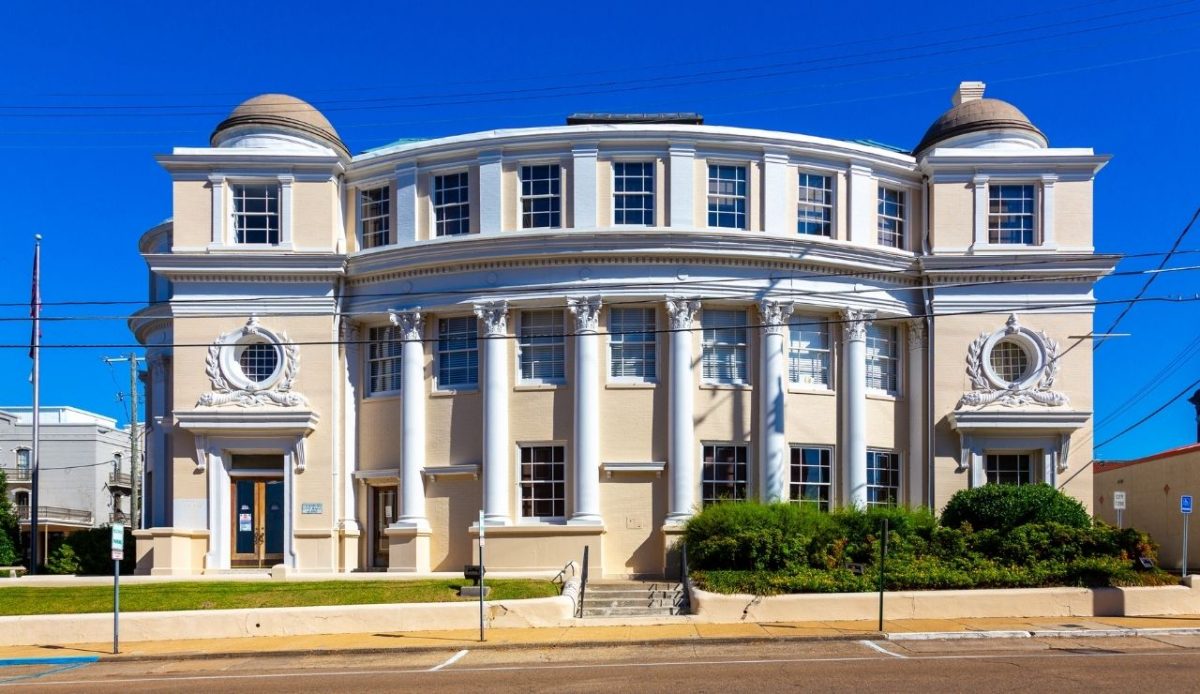
Vicksburg became known worldwide for its role in the Civil War, when Union forces fought to control the Mississippi River and split the Confederacy. Teens can visit the national military park, where cannons and monuments mark the siege that shaped history, while adults recall maps from textbooks showing why this battle mattered so deeply. Murals now brighten the riverfront, retelling stories of war, rebuilding, and resilience. Walking along the levee, visitors stand where conflict gave way to new beginnings, with river commerce slowly returning. Vicksburg remains a town where lessons about courage, struggle, and community still echo beside the Mississippi’s steady current.
6. Savannah, Georgia
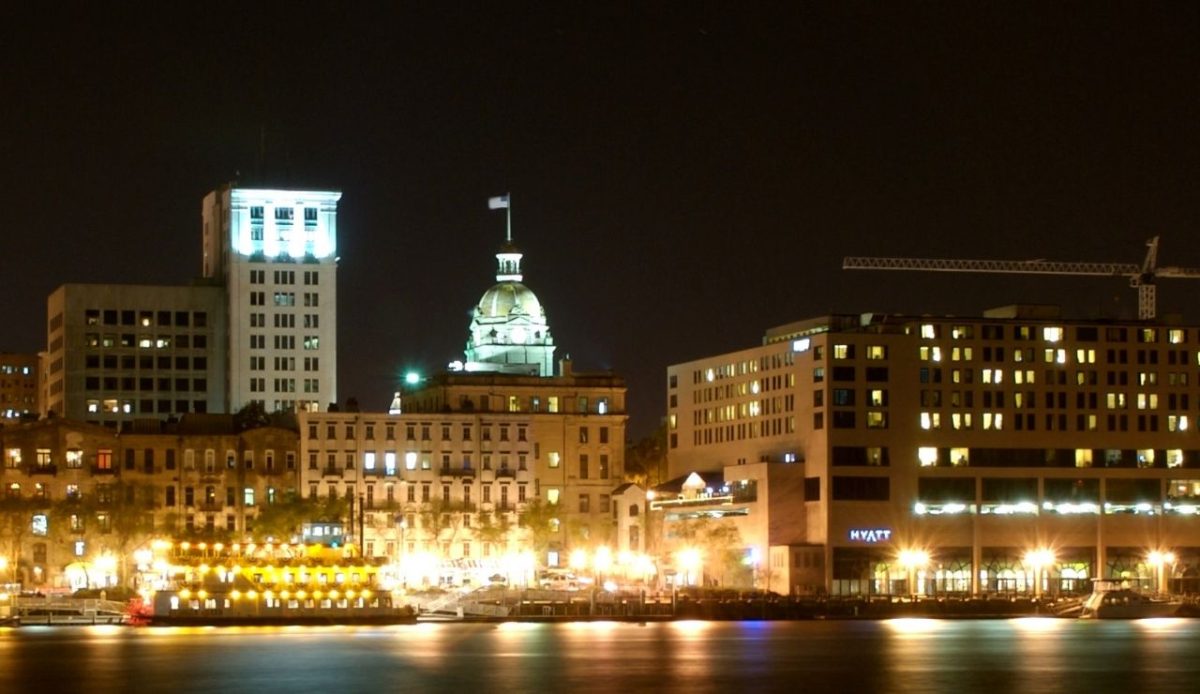
Savannah grew along the Savannah River, where cobblestone streets and cotton warehouses lined a waterfront that once bustled with international trade. Founded in 1733, the city became known for its wide squares, iron balconies, and historic charm that survived centuries of change. Teens can walk River Street, filled with shops and history, while adults admire brick walls and homes that withstood wars and storms. Cargo ships glide past, connecting Savannah’s past as a port to its present role in global commerce. The city thrives where river views, preserved architecture, and layered stories come together to show how water shaped a Southern jewel.
7. Alexandria, Virginia
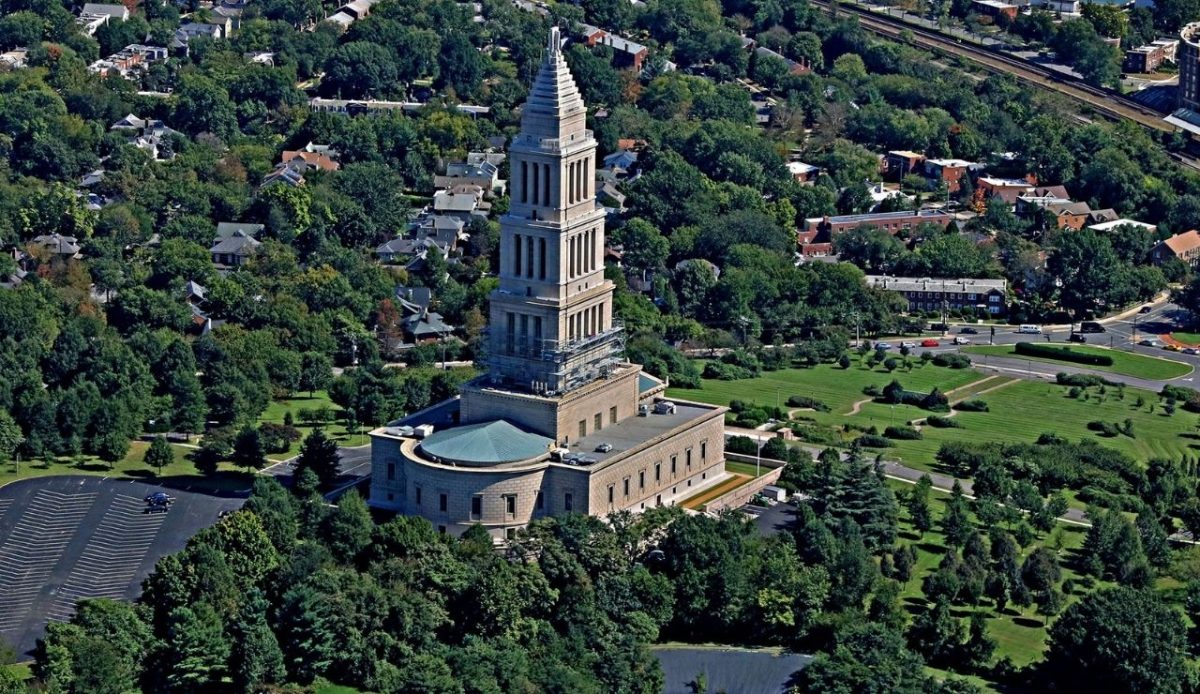
Alexandria stands on the Potomac River just across from Washington, DC, and has been tied to history since its founding in the 1700s. Merchants once filled its port with tobacco, wheat, and supplies for the growing nation, and leaders like George Washington kept strong ties to the town. Teens can walk Old Town’s brick streets and learn how early America depended on trade, while adults admire preserved row houses and taverns that still carry colonial character. The waterfront now features parks and piers where families gather, but echoes of the busy docks remain. Alexandria shows how a port town can balance memory and modern life.
8. Galena, Illinois
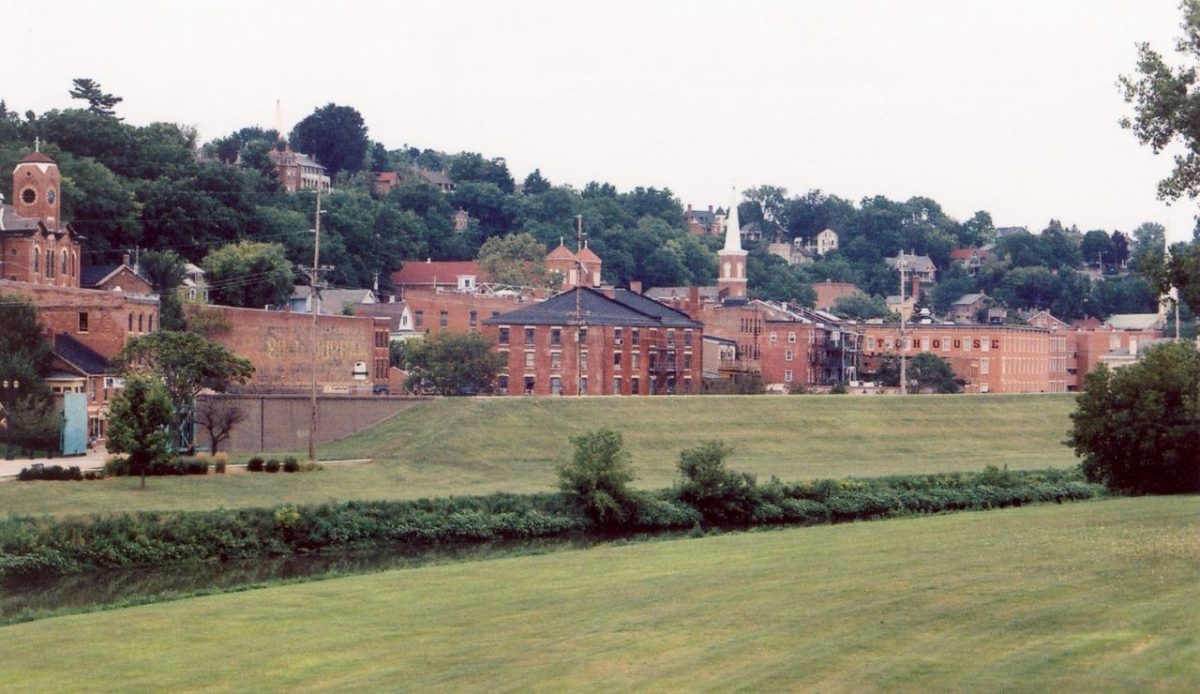
Galena rests on a small river that once made it one of the busiest towns in the Midwest, with lead mining and river trade fueling its rise in the 1800s. Though railroads later took over, the city kept its sense of history alive. Teens can visit the home of Ulysses S. Grant, who lived here before leading the Union Army, while adults enjoy strolling Main Street with its preserved storefronts. The Galena River now flows quietly, but its past shaped a town that once rivaled Chicago. Today, its charm comes from preserved buildings, Civil War history, and a river that still winds gently by.
9. Dubuque, Iowa
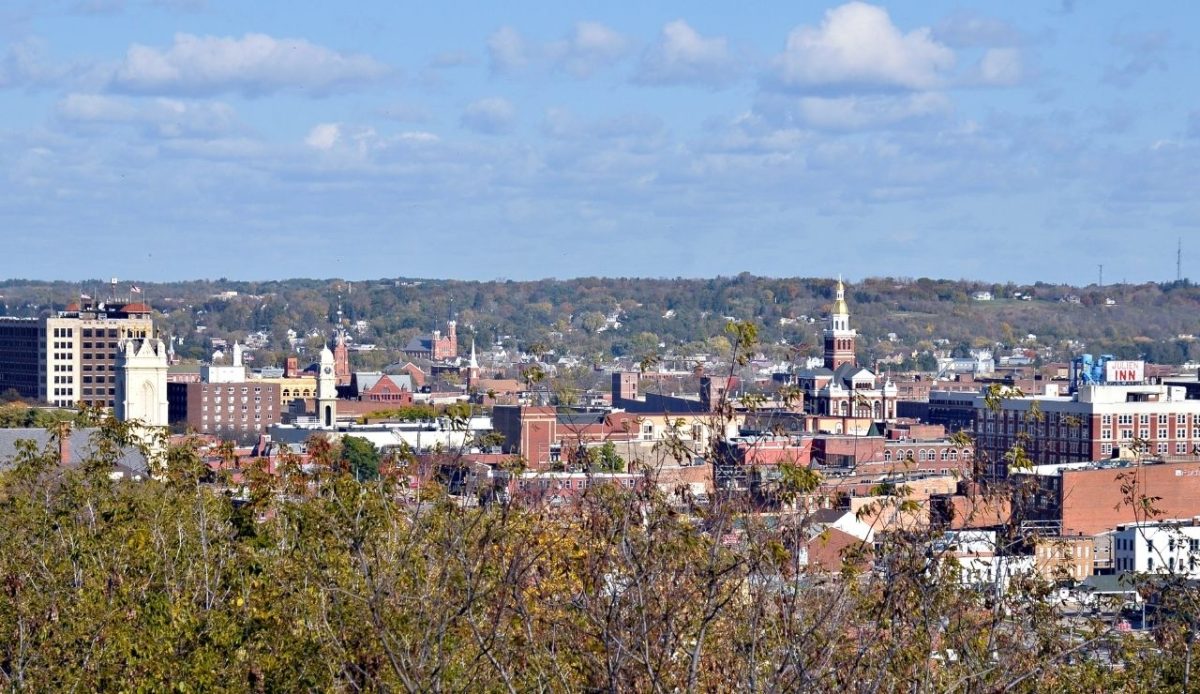
Dubuque sits on the Mississippi River, where limestone bluffs rise over docks that carried trade for generations. Founded in 1833, it became Iowa’s first city and grew with industry, immigration, and a steady river economy. Teens can ride the historic funicular railway to the top of the bluff for sweeping views, while adults enjoy museums that explain how settlers, boats, and factories built a strong community. The riverfront remains active, with barges and recreation mixing together. Dubuque stands as proof that industry, immigration, and water can blend to shape a lasting identity along one of America’s most powerful rivers.
10. Astoria, Oregon
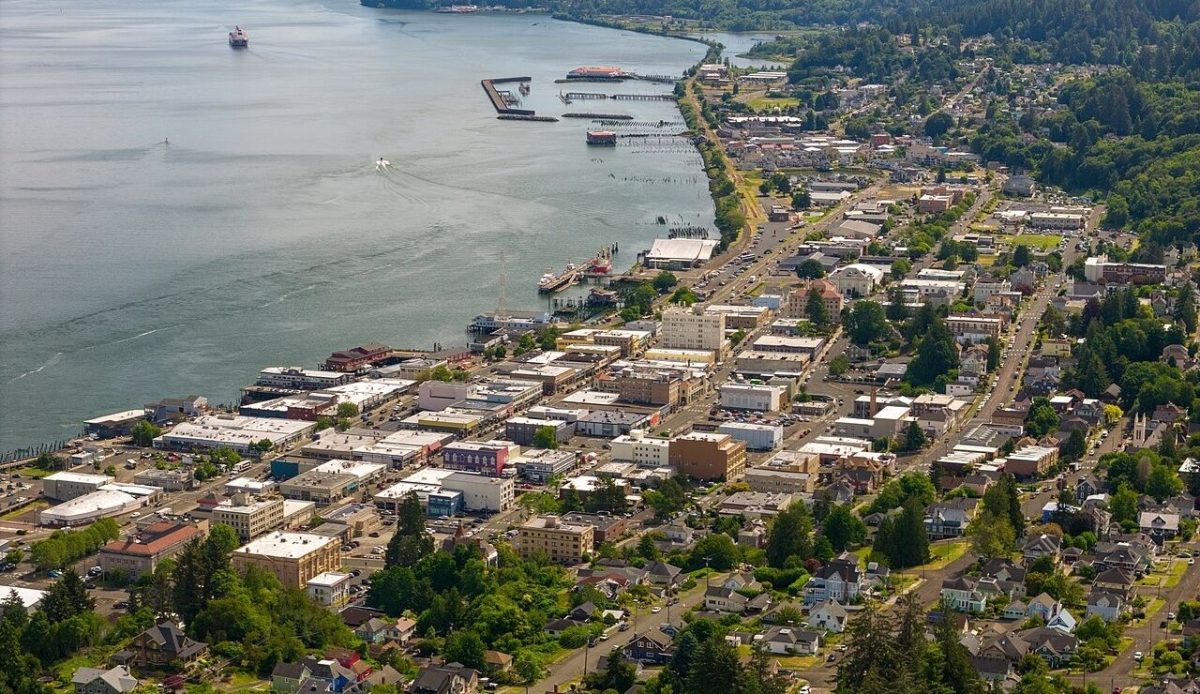
Astoria lies at the meeting point of the Columbia River and the Pacific Ocean, making it the first permanent U.S. settlement on the West Coast in 1811. The town began as a fur trading post but quickly grew into a community tied to fishing, logging, and shipping. Teens can climb the Astoria Column for sweeping river views and hear stories of explorers facing dangerous waters, while adults recall the town’s fishing canneries and lumber mills. Ships still move along the Columbia, carrying trade as they have for centuries. Astoria’s riverside setting keeps its layered history alive for all who visit.
