
Remote jungle treks demand more than strong legs. They run through rainforest where trails vanish, rain swells rivers, and help may be days away. Permits, guides, and boat transfers are often required before the first mile is walked. Heat and humidity can drain focus, while insects and wet gear raise infection risk. Navigation must be done carefully because landmarks are hidden by the thick canopy. The five routes below are documented for isolation and hard terrain, so they are usually attempted by seasoned hikers with expedition planning skills. Satellite messaging helps when flights are grounded.
1. Darién Gap Jungle Crossing, Panama and Colombia
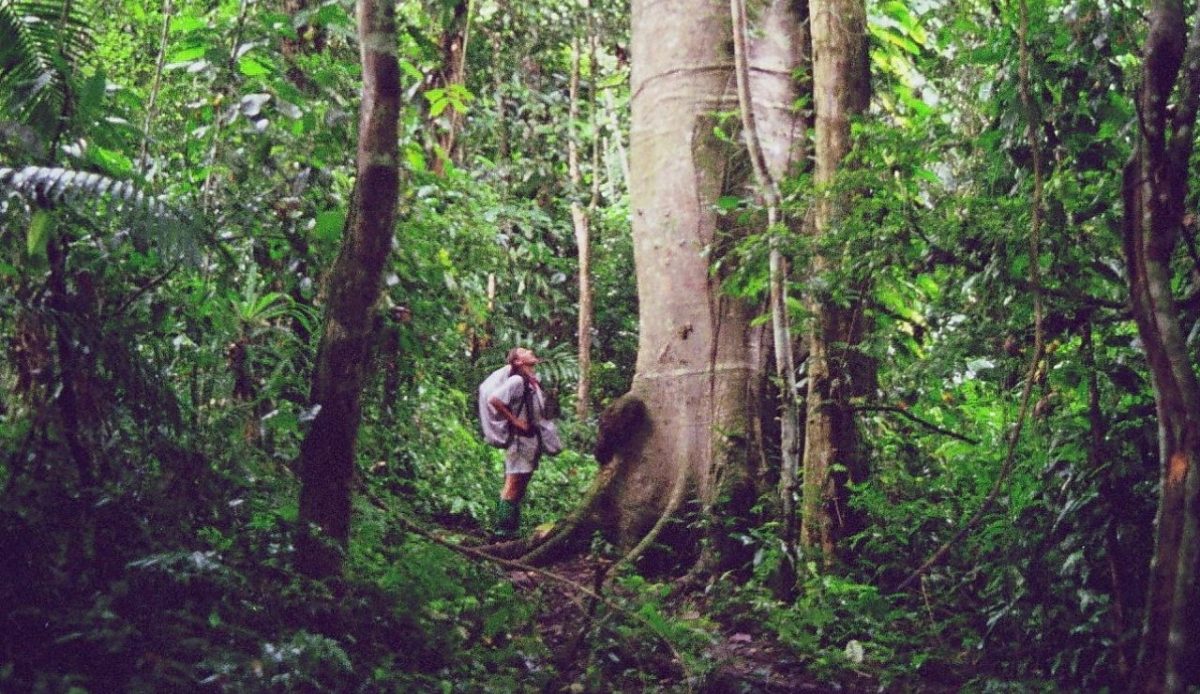
The Darién Gap between Panama and Colombia has no through road, so travel is forced onto rivers, swamps, and steep jungle ridges. Routes change after storms, and progress is slowed by mud, heat, and repeated crossings. Local Indigenous guides are commonly used, since navigation errors can compound quickly in a trackless forest. Supplies must be staged with care because resupply points are scarce. Medical support is distant, and radio contact may fail under canopy, so conservative pacing and strong risk management are required. Security conditions and border controls can also limit where teams are allowed to move.
2. Kokoda Track, Papua New Guinea
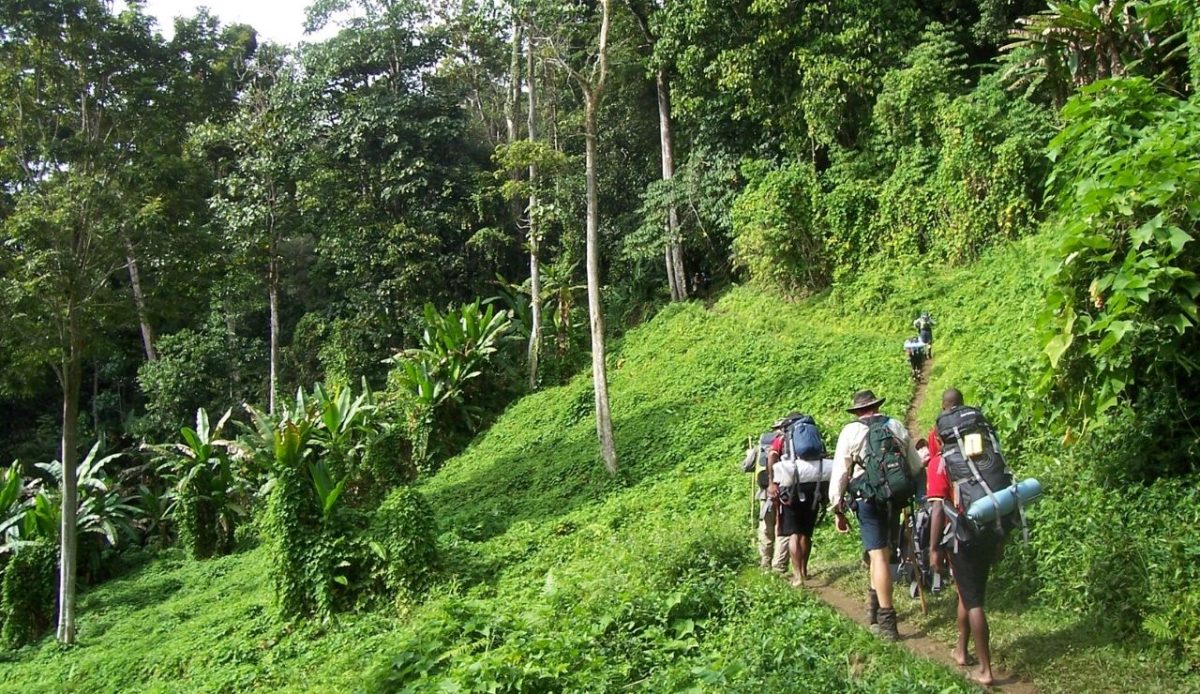
Papua New Guinea’s Kokoda Track cuts across the Owen Stanley Range through wet forest and sharp elevation changes. Days are defined by long climbs, slick descents, and creek beds that become torrents after afternoon rain. Humidity makes dehydration easy to miss, while blisters and trench foot can develop if socks stay soaked. Village stops exist, yet evacuation still depends on carrying an injured hiker along narrow sections. Because weather delays are common, extra food and a flexible schedule are planned before the trek starts. Many parties hire local support staff, but the route remains punishing even with help.
3. Maliau Basin Expedition Trek, Sabah, Malaysia
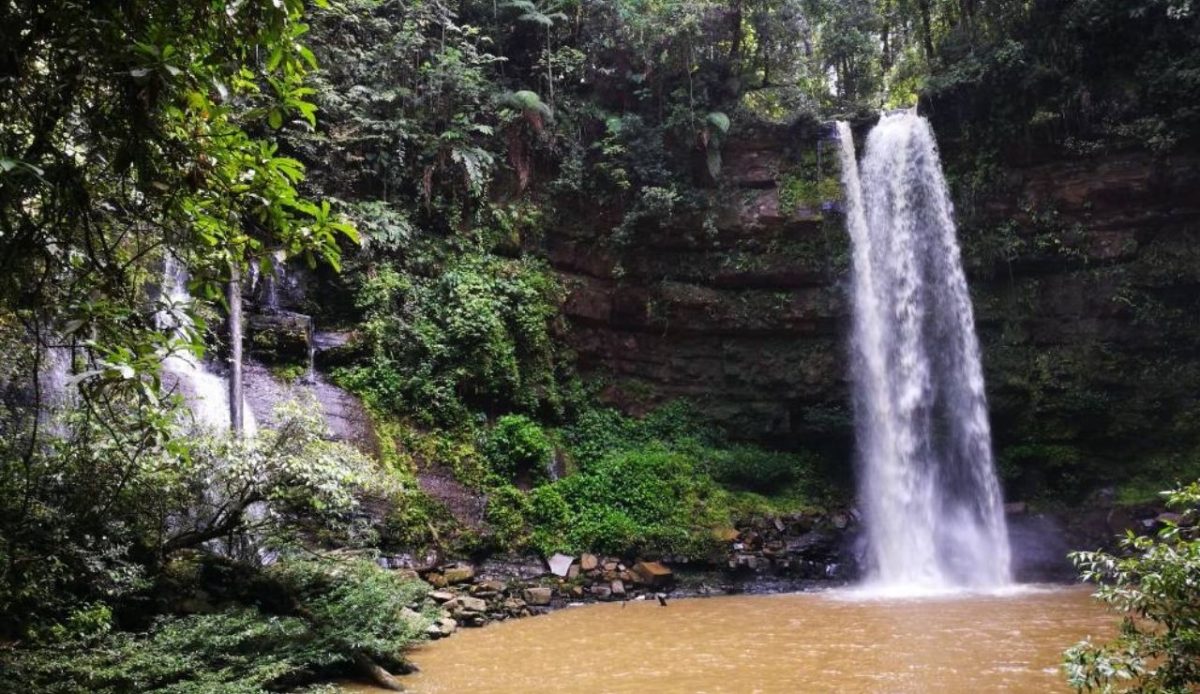
In Sabah, Malaysia, the Maliau Basin is a protected rainforest bowl reached by rough tracks and controlled entry points. Treks are permit-based and are led by licensed guides, with camping used because towns are far away. Trails can be faint, and travel often follows river corridors where leeches, slick rocks, and sudden rises in water slow movement. Gear is kept dry in sealed bags since constant moisture can ruin matches, electronics, and first aid supplies. With limited communications and few exit routes, careful route planning and steady decision-making are essential. Night temperatures can drop, so a reliable sleep system matters.
4. Manu National Park Reserved Zone, Peru
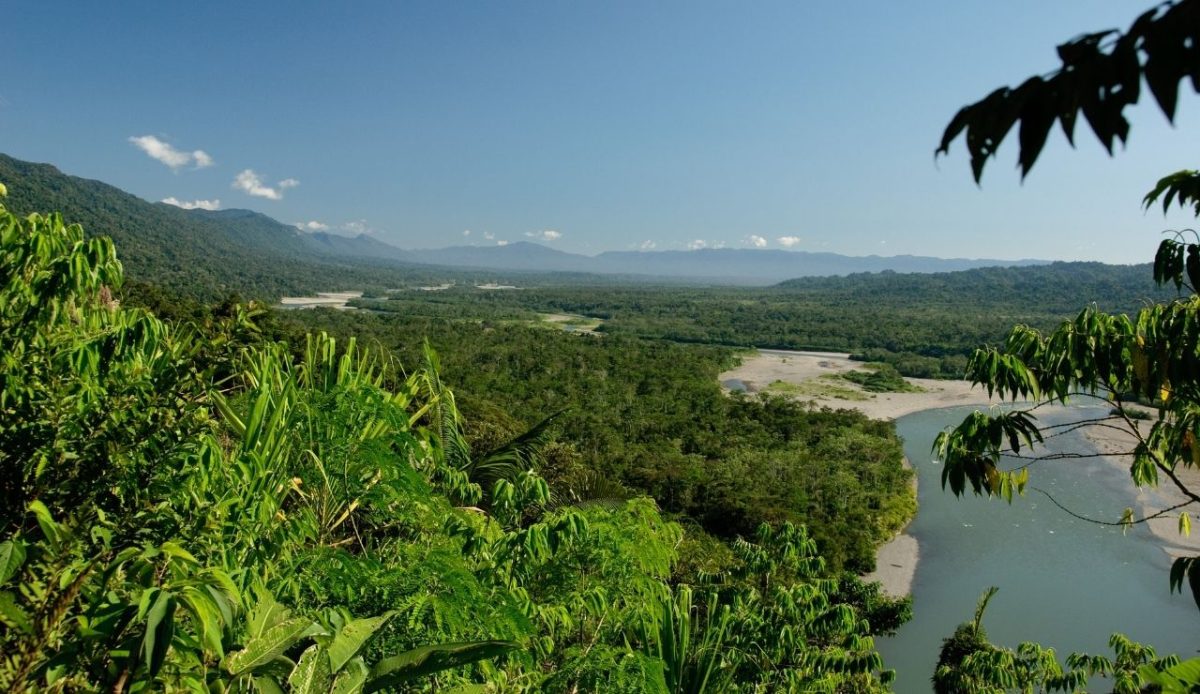
Peru’s Manu Reserved Zone is situated deep in the Amazon, and access is tightly regulated to protect wildlife and Indigenous territories. Reaching trekking areas can involve long road approaches followed by multi-day river travel before any forest walking begins. Once on foot, heat and humidity are intense, and bites plus minor cuts can become serious without prompt care. Guides manage permits and camp protocol, yet emergencies still take time because clinics and airstrips are far away. Food, water treatment, and sanitation plans are checked daily since illness can end an expedition quickly. Sat phones may not connect under the canopy.
5. Gunung Mulu Pinnacles Trek, Sarawak, Malaysia
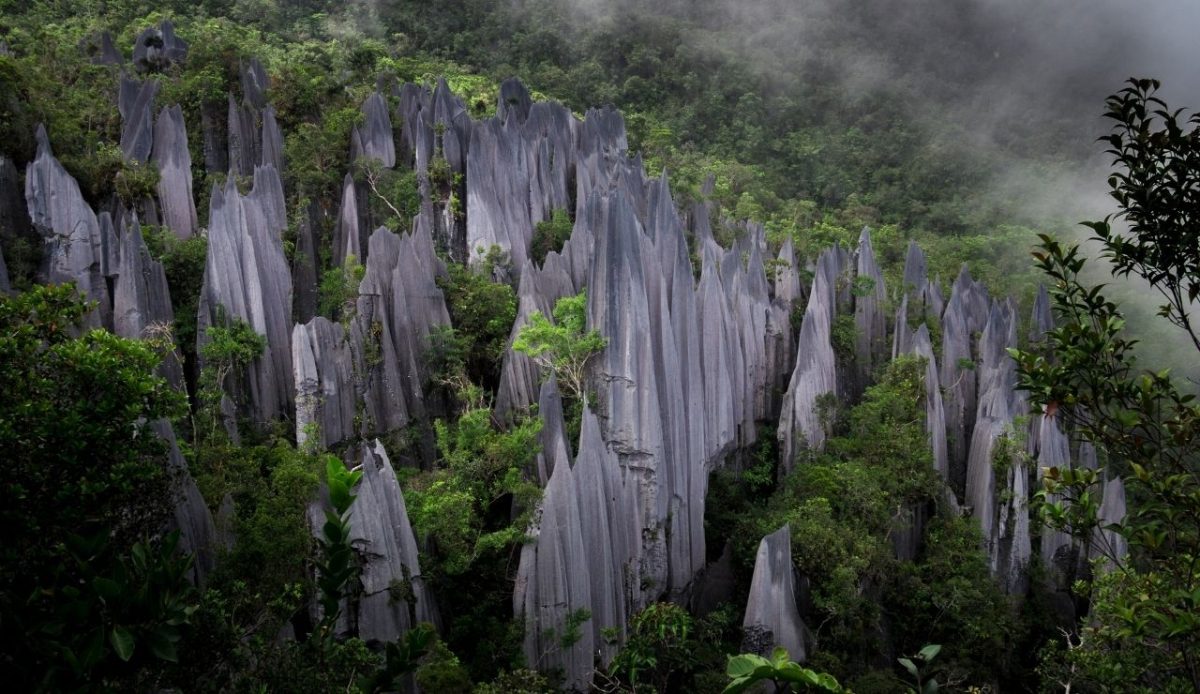
The Pinnacles route in Gunung Mulu National Park, Sarawak, Malaysia, pairs deep rainforest travel with exposed limestone climbing. The approach to Camp 5 includes boat access and a long walk on boardwalks and jungle paths where humidity stays high. The final ascent uses fixed ropes and ladders on sharp rock that can turn slick in rain, so slips have real consequences. Only small numbers are permitted, and turnarounds are common when storms reduce visibility. Strong upper body endurance, careful foot placement, and disciplined pacing keep the climb under control. Rescue is limited, so gear checks and early starts are standard practice.
6. Corcovado Los Patos to Sirena Route, Costa Rica
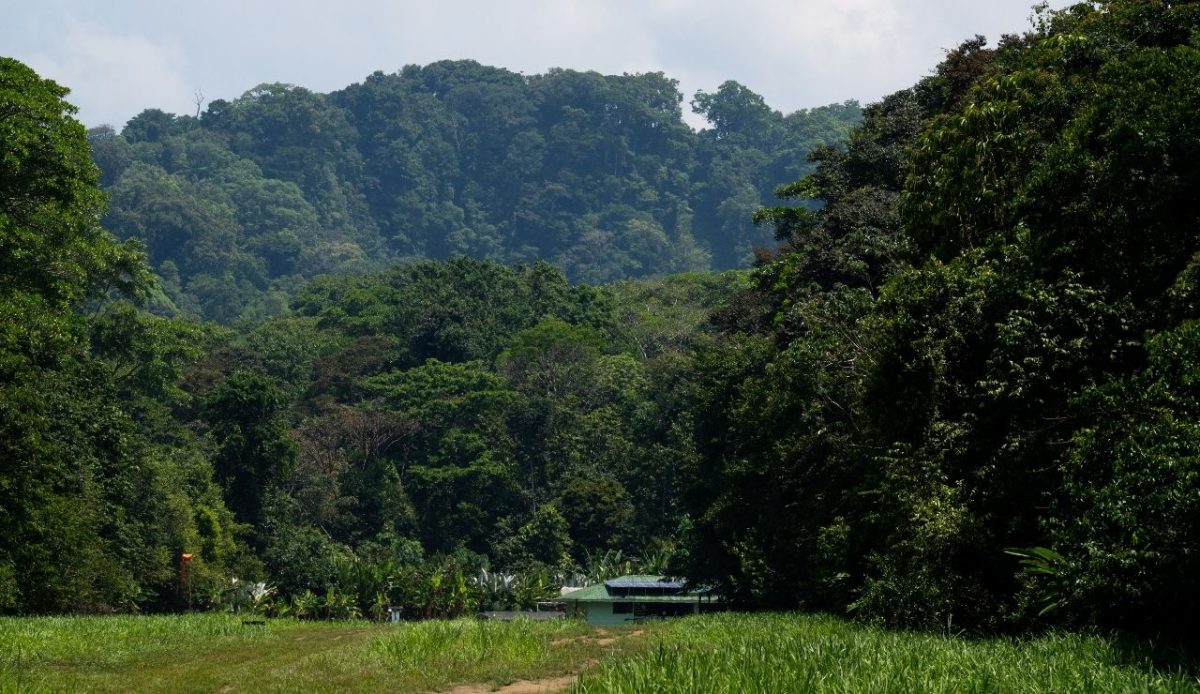
The Los Patos to Sirena route cuts through Corcovado’s interior rainforest, far from roads and beach walking. Days are spent on narrow, muddy tread where roots, slick clay, and fallen trunks slow every step. Multiple river fords are required, and water levels can surge after afternoon storms. Park entry is capped, and certified guides are required, so itineraries are tightly managed. Heat and humidity make dehydration easy, while wildlife encounters demand calm, deliberate movement. Because evacuation can take many hours, gear checks and conservative pacing are used from start to finish. A headlamp and dry bags are treated as essentials.
7. Gunung Leuser Deep Jungle Trek, Sumatra, Indonesia
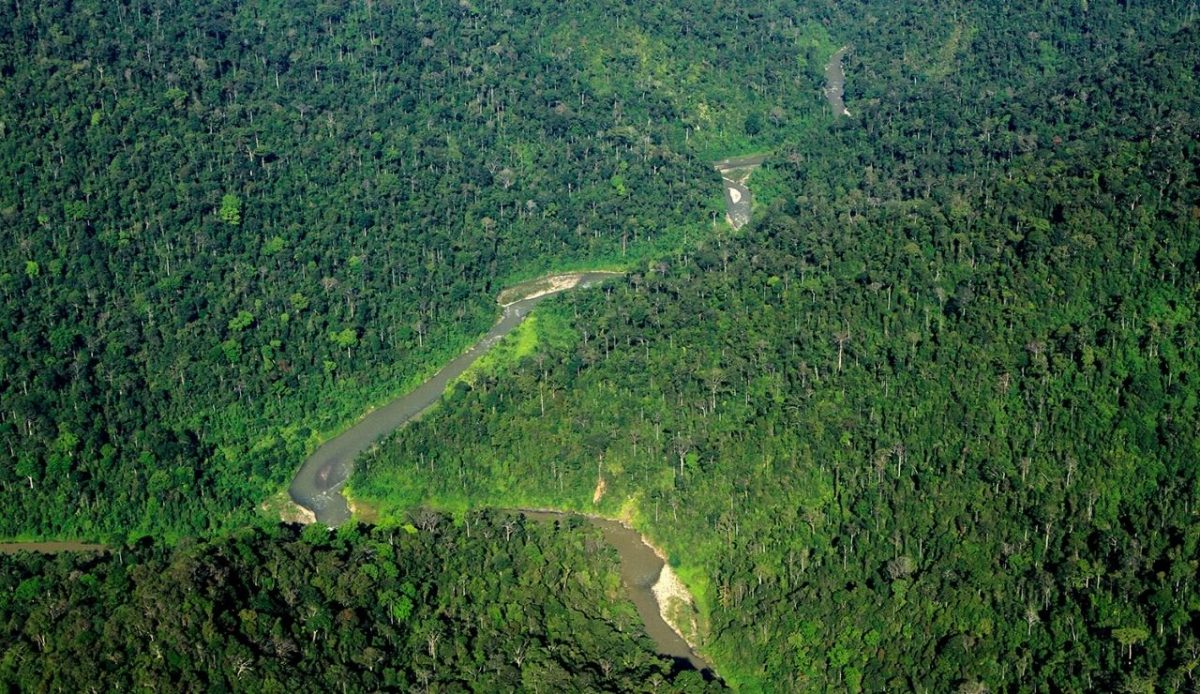
Deep trekking in Gunung Leuser, Sumatra, moves well beyond the easy forest walks near Bukit Lawang. Routes drop into steep ravines, follow rivers, and push through thick growth where a clear trail may disappear overnight. Camps are simple, food is carried in, and rain can trap groups between flooded channels. Navigation requires constant attention to contour and current, not just footprints. Insects, wet clothing, and minor cuts can become serious without careful hygiene. Local guides organize permits and safety plans, yet endurance and judgment must still come from the team. Spare socks and blister care are packed within reach.
8. Voltzberg Route, Central Suriname Nature Reserve, Suriname
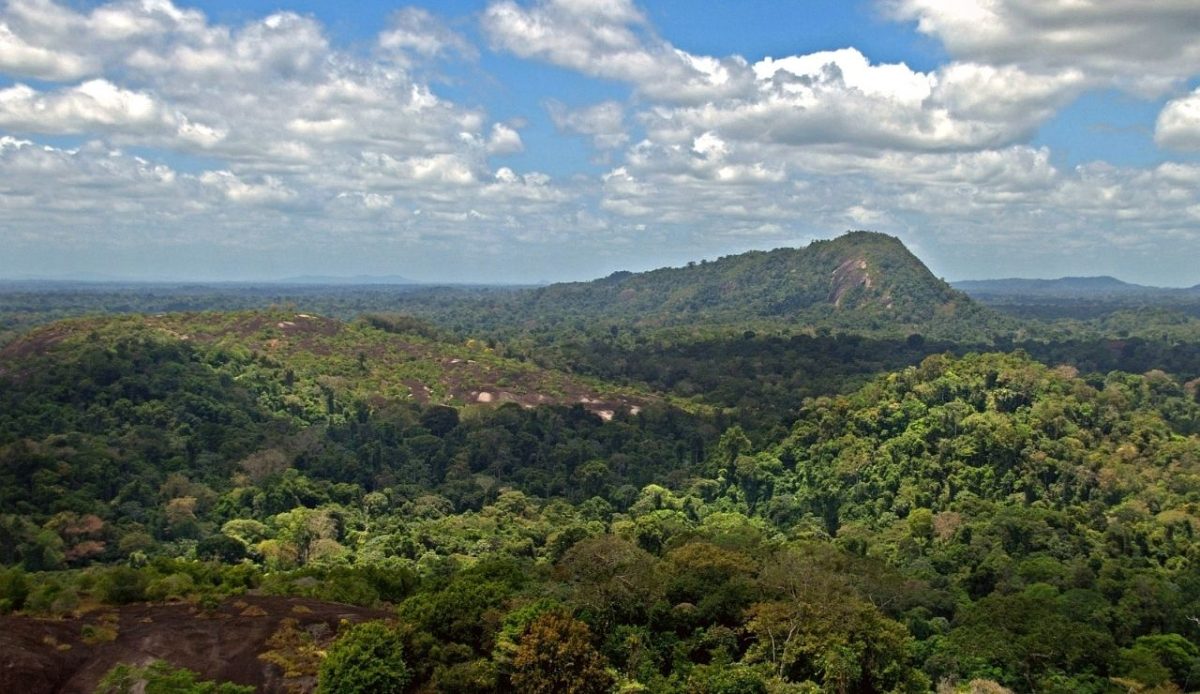
The Voltzberg route in Central Suriname Nature Reserve begins with long river travel, then shifts to days of humid forest hiking. Wayfinding is challenging because markers are limited, and the path can be overgrown after heavy rain. Progress is slowed by slick rocks, soft ground, and repeated stream crossings that soak boots early. Support facilities are minimal, so water treatment, first aid, and extra calories must be planned in detail. The final granite dome climb adds exposure and demands steady footing. With little phone coverage and a long extraction window, teams rely on disciplined routines and strong group communication.
9. Pico da Neblina Expedition Trek, Brazil
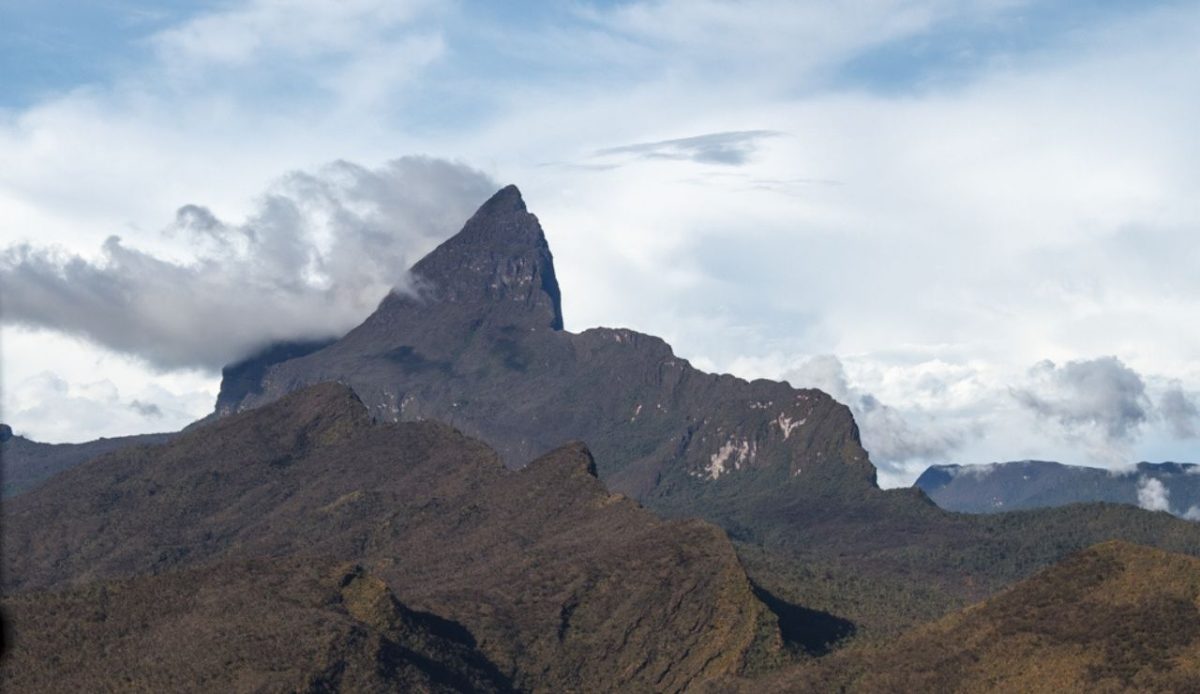
Pico da Neblina in Brazil’s Amazon is reached only after permits, Indigenous coordination, and long boat travel on remote rivers. Once trekking begins, dense forest, steep slopes, and persistent rain keep gear wet and footing unstable. Daily movement is shaped by insects, heat, and the need to cross creeks before they rise. Guides manage route choices and camp protocol, but self-care remains critical because medical help is far away. Radios may struggle under the canopy, so satellite messaging is used for check-ins. The trip rewards planning, patience, and the ability to adapt when weather or logistics cut the schedule short.
10. Mount Roraima Approach Trek, Venezuela and Guyana Border
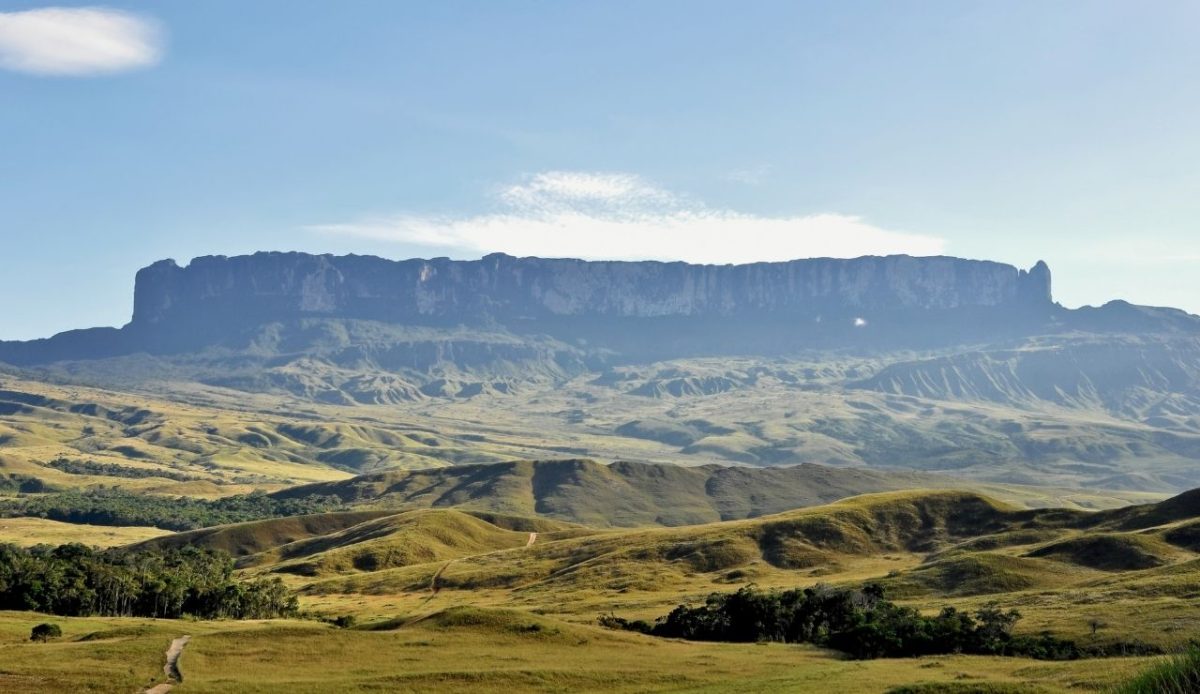
Mount Roraima on the Venezuela and Guyana border starts with long days in wet forest and open uplands before the cliff wall is reached. Fog and sudden rain keep the ground saturated, so slips and blisters are common. Permits and border formalities are handled with guides and porters, and camps are placed to reduce damage to fragile habitat. After the wall, the route climbs steep rock steps where wind and cold replace jungle heat. Visibility can drop fast, forcing turnarounds, so layers, dry bags, and steady water treatment are used throughout, with extraction plans kept conservative for safety.
