
Remote islands often capture the imagination, but many of the world’s most isolated ones remain overlooked even by experienced travelers. Far from cruise routes and mass tourism, these islands exist quietly, shaped by geography, limited access, and deep-rooted local traditions.
Unlike famous tropical escapes, these destinations are not built around resorts or heavy infrastructure. Reaching them often requires patience, planning, and a genuine desire to disconnect from modern travel conveniences.
For travelers seeking solitude, raw landscapes, and cultural authenticity, these little-known islands offer rare experiences. Their isolation preserves ecosystems, traditions, and rhythms of life that feel untouched by global tourism trends.
1. Tristan da Cunha, South Atlantic Ocean
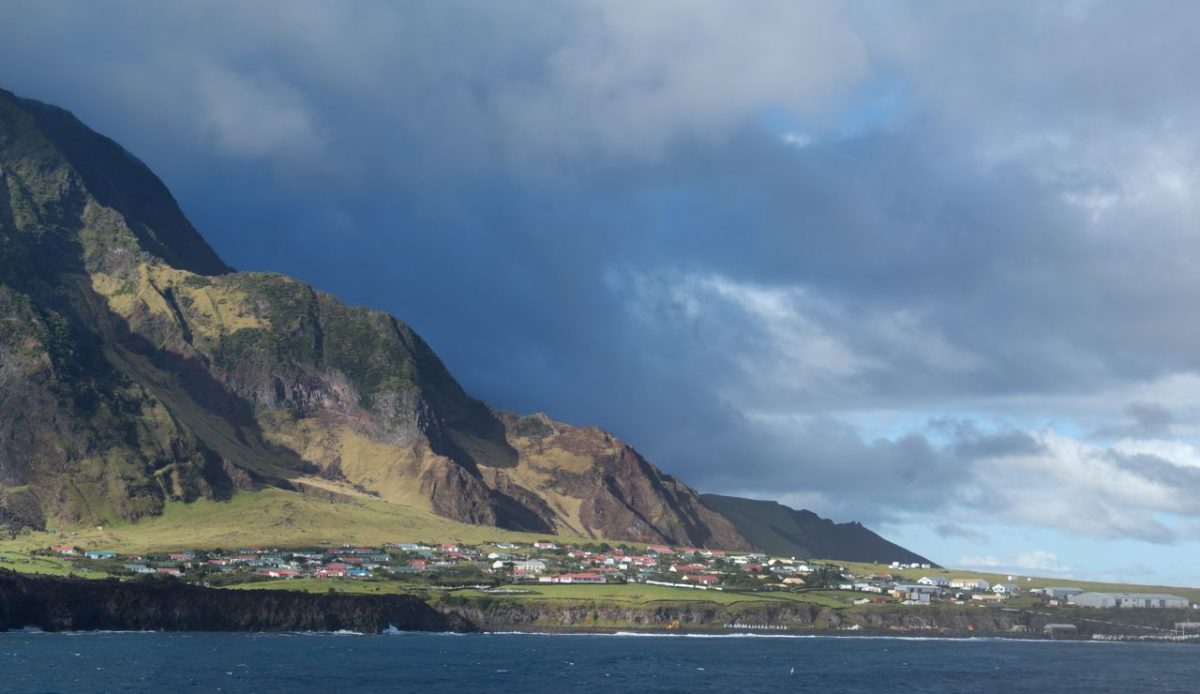
Tristan da Cunha is considered the most remote inhabited island on Earth, located thousands of miles from any major landmass. Reaching it requires a long sea journey, which naturally limits visitor numbers.
The island’s small community lives between volcanic peaks and rugged coastline, relying on fishing and farming. There are no hotels, shopping districts, or tourist attractions in the conventional sense.
Visitors experience a slower pace defined by weather, ocean conditions, and community life. Tristan da Cunha rewards those who make the journey with unmatched isolation and a glimpse into truly remote island living.
2. Floreana Island, Galápagos, Ecuador
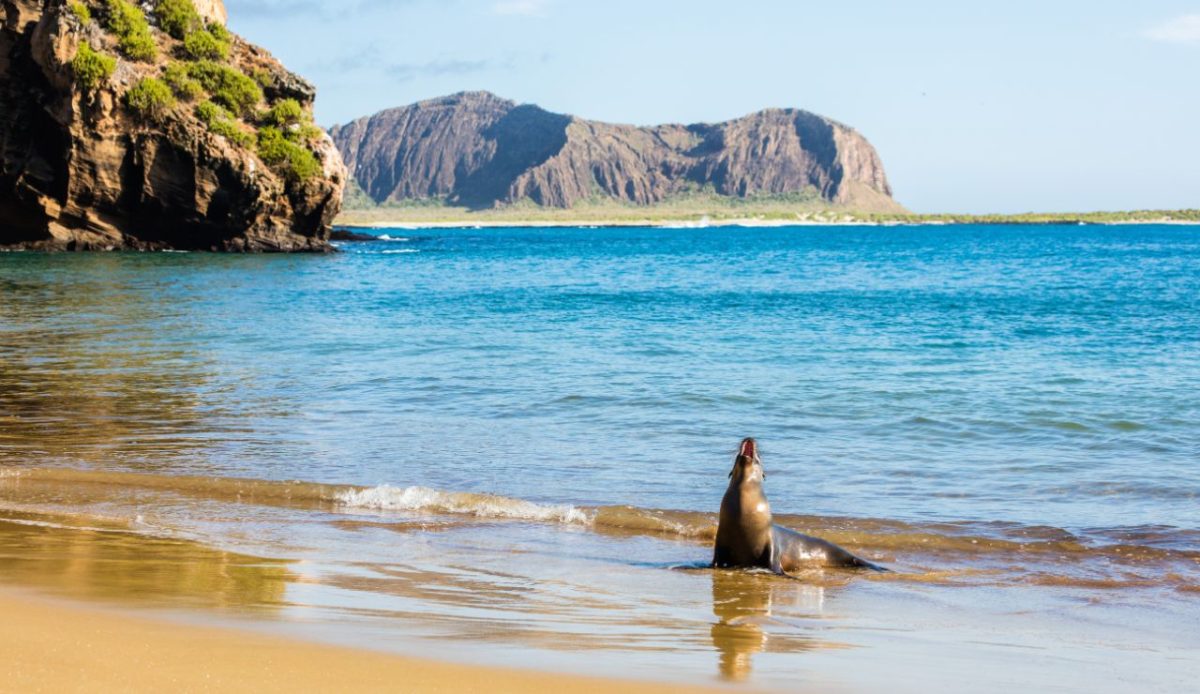
Floreana is one of the least visited inhabited islands in the Galápagos, often skipped in favor of more famous wildlife hubs. Its limited infrastructure keeps tourism intentionally minimal.
The island is known for quiet beaches, freshwater springs, and a small population that maintains a simple lifestyle. Wildlife encounters still exist, but without crowds or heavy regulation zones.
Floreana offers a rare balance between human settlement and natural preservation. Travelers willing to slow down discover a Galápagos experience that feels personal, peaceful, and far removed from typical itineraries.
3. Kihnu Island, Estonia
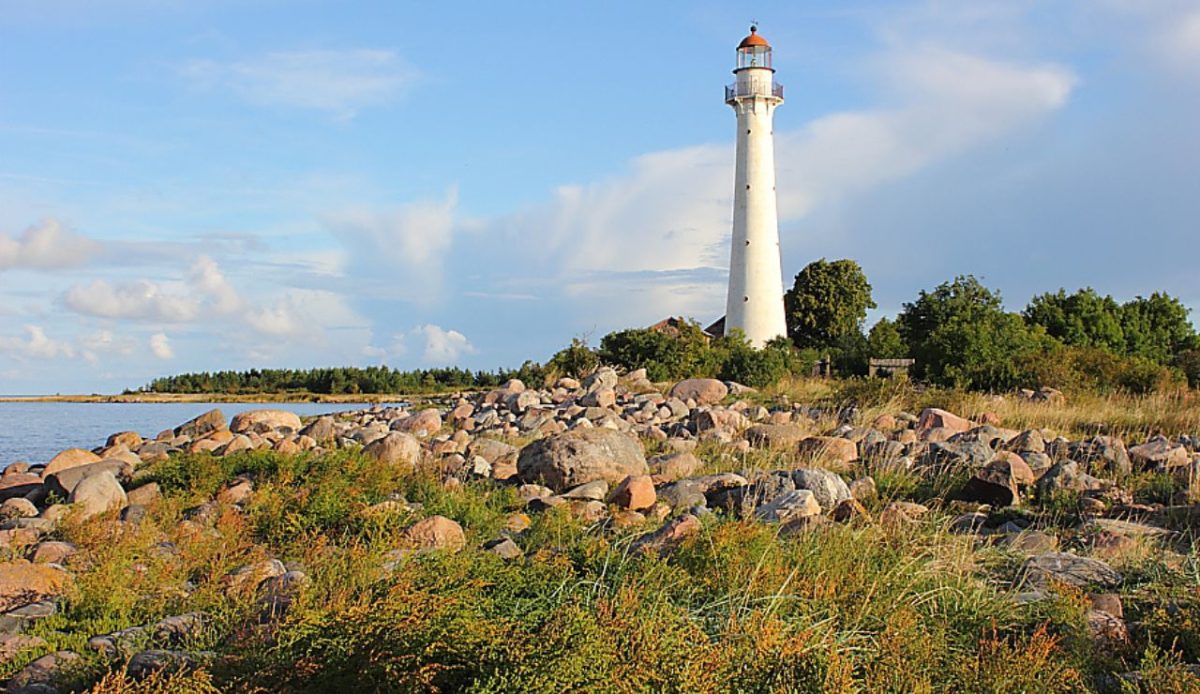
Kihnu Island sits quietly in the Baltic Sea and is known more for cultural preservation than tourism. Its population maintains centuries-old traditions, including clothing, music, and social customs passed down through generations.
Modern development is minimal, and visitors often arrive by ferry depending on weather conditions. Roads are sparse, and daily life revolves around fishing, crafts, and seasonal routines shaped by the sea.
Kihnu offers travelers cultural immersion rather than sightseeing. Its isolation has helped preserve traditions that feel increasingly rare, making the island a living example of heritage protected by remoteness.
4. Ittoqqortoormiit, Greenland
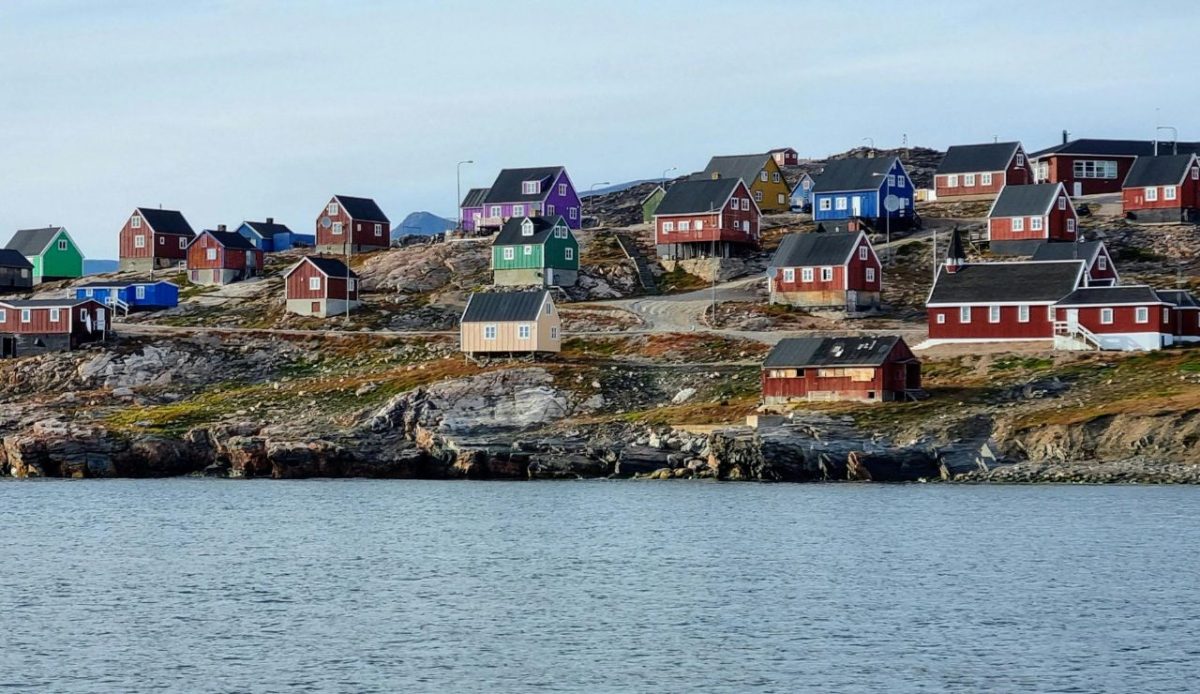
Ittoqqortoormiit is one of Greenland’s most isolated settlements, accessible only by helicopter or seasonal boat routes. Ice conditions frequently determine whether travel is even possible, reinforcing its extreme remoteness year-round.
The surrounding landscape features towering fjords, drifting ice, and harsh Arctic weather. There are no tourist crowds, only silence broken by wind, wildlife, and the rhythms of daily survival.
Travelers who reach Ittoqqortoormiit encounter life shaped by isolation. The settlement offers an unfiltered view of Arctic living, where remoteness defines culture, resilience, and survival in extreme conditions.
5. Tanna Island, Vanuatu
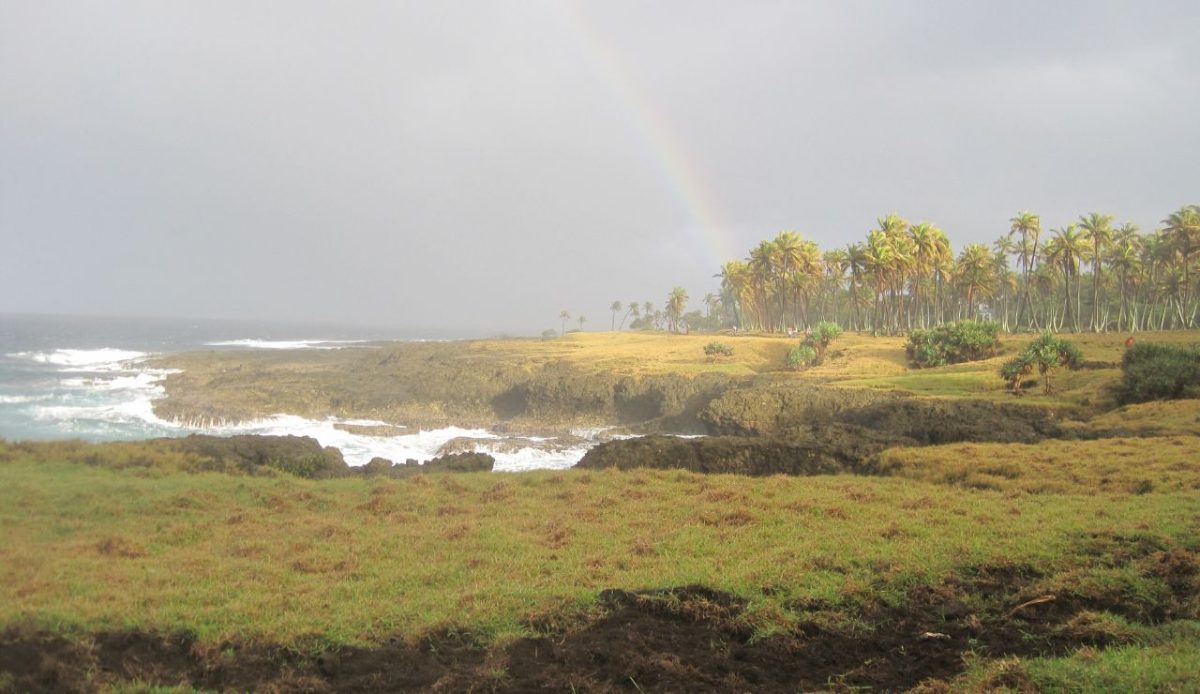
Tanna Island remains largely untouched despite its dramatic natural features, including an active volcano, dense jungle, and black-sand beaches. Tourism exists but remains limited and community-focused.
Local villages preserve traditional customs, housing styles, and subsistence practices. Electricity and modern infrastructure are minimal outside small areas, reinforcing the island’s geographic and cultural isolation.
Visitors experience authenticity rather than luxury. Tanna rewards travelers who value cultural respect, natural power, and slow exploration over convenience or resort-style comfort.
6. Saba, Caribbean Netherlands
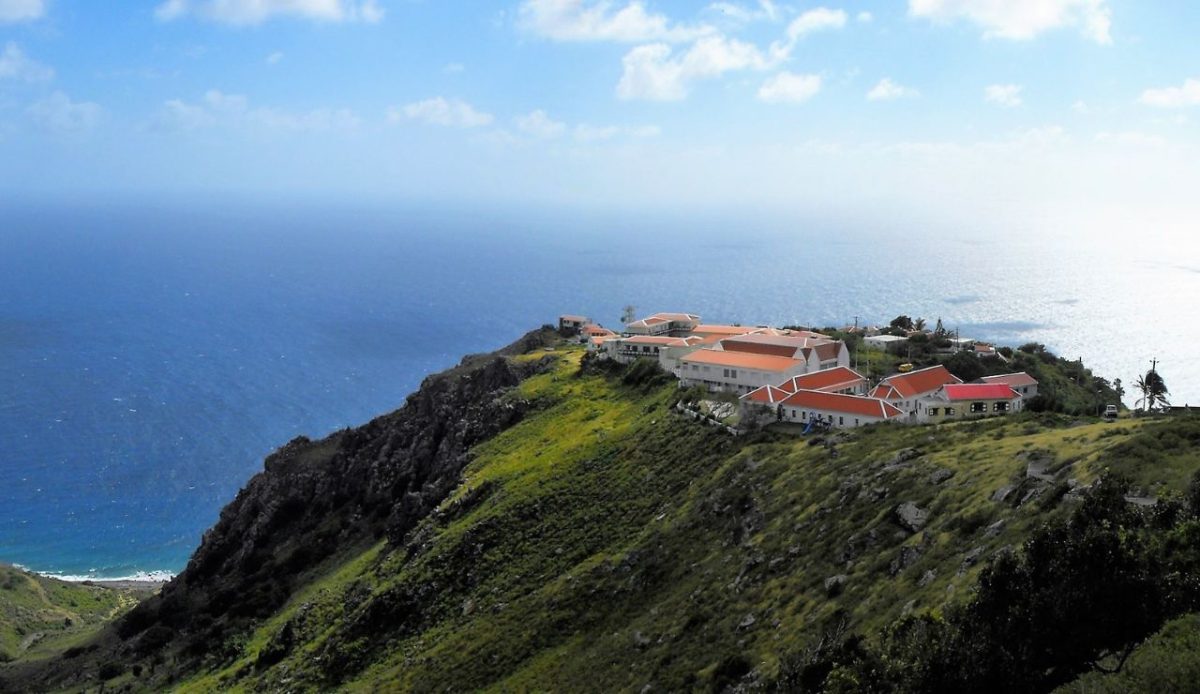
Saba is often overlooked despite being located in the Caribbean. Its lack of sandy beaches and steep volcanic terrain discourages mainstream tourism focused on resorts and cruise-friendly shorelines.
Instead, the island offers dramatic hiking trails, quiet villages, and well-protected marine reserves. Development is tightly controlled, preserving both land and underwater ecosystems from overuse.
Travelers who visit Saba find serenity rather than spectacle. Its remoteness lies not in distance but in deliberate restraint, appealing to experienced travelers seeking nature, safety, and authenticity over excess.
7. Rapa Iti, French Polynesia
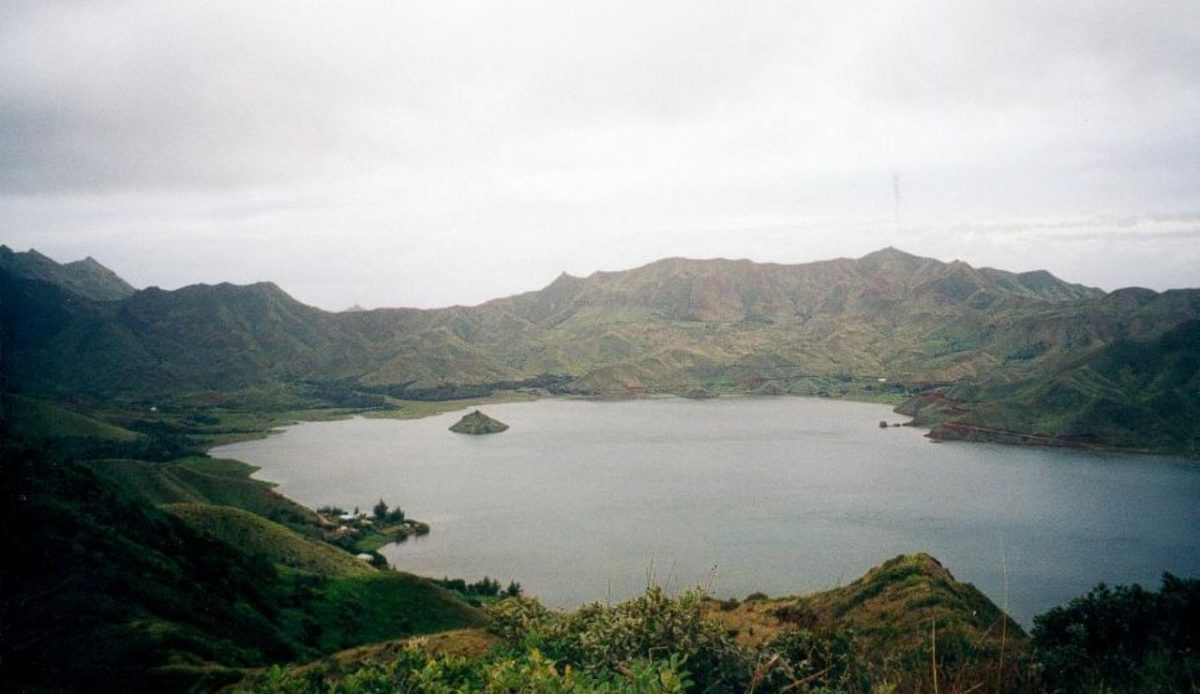
Rapa Iti sits far south of Tahiti and remains isolated due to infrequent transport. Its rugged coastline, steep hills, and cooler climate set it apart from typical Polynesian destinations often associated with beaches and resorts.
The island’s small population relies on fishing and farming, with strong community ties and limited tourism infrastructure. There are no resorts, guided tours, or modern entertainment options for visitors.
Rapa Iti offers a rare Polynesian experience shaped by remoteness. Travelers encounter dramatic scenery, deep cultural continuity, and a way of life preserved by distance rather than tourism planning.
8. Socotra, Yemen
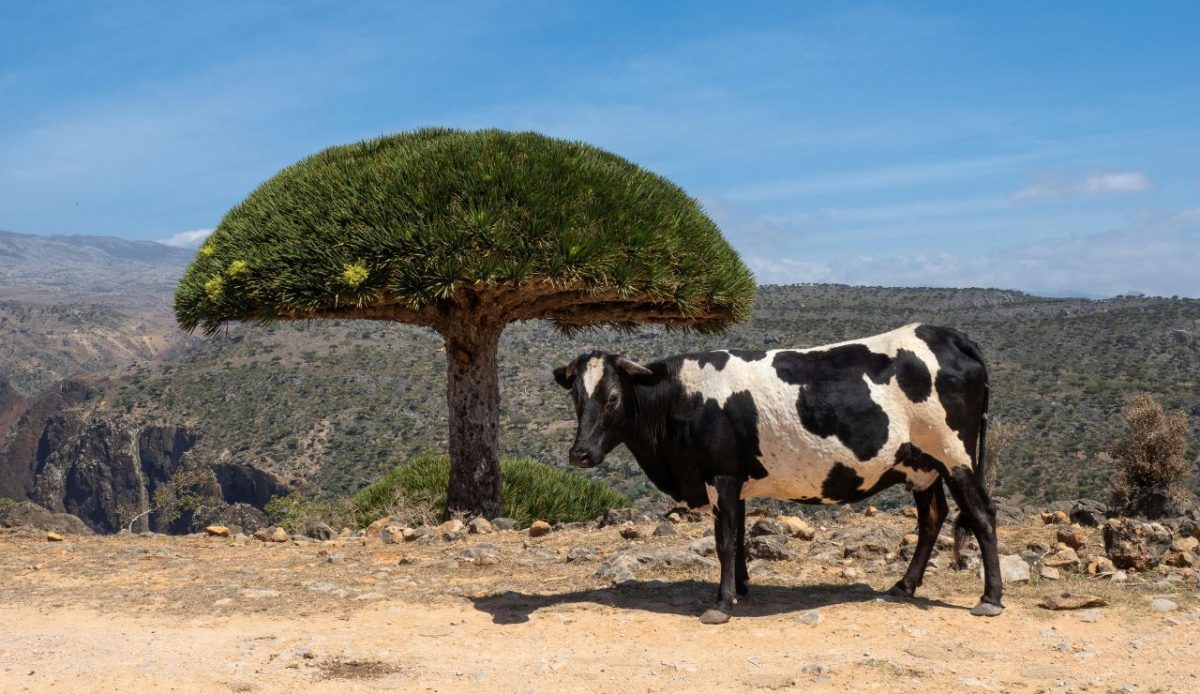
Socotra is geographically isolated and biologically unique, often described as one of the most alien landscapes on Earth. Political challenges and limited transport options further restrict access, keeping visitor numbers extremely low.
The island hosts plant species found nowhere else, including the iconic dragon blood tree and bottle-shaped desert flora. Development remains minimal, helping preserve fragile ecosystems shaped over millions of years.
Those who reach Socotra experience unmatched biodiversity and silence. Its isolation protects both nature and local culture, offering travelers a rare chance to see an environment largely untouched by modern tourism.
9. Isle of Foula, Scotland
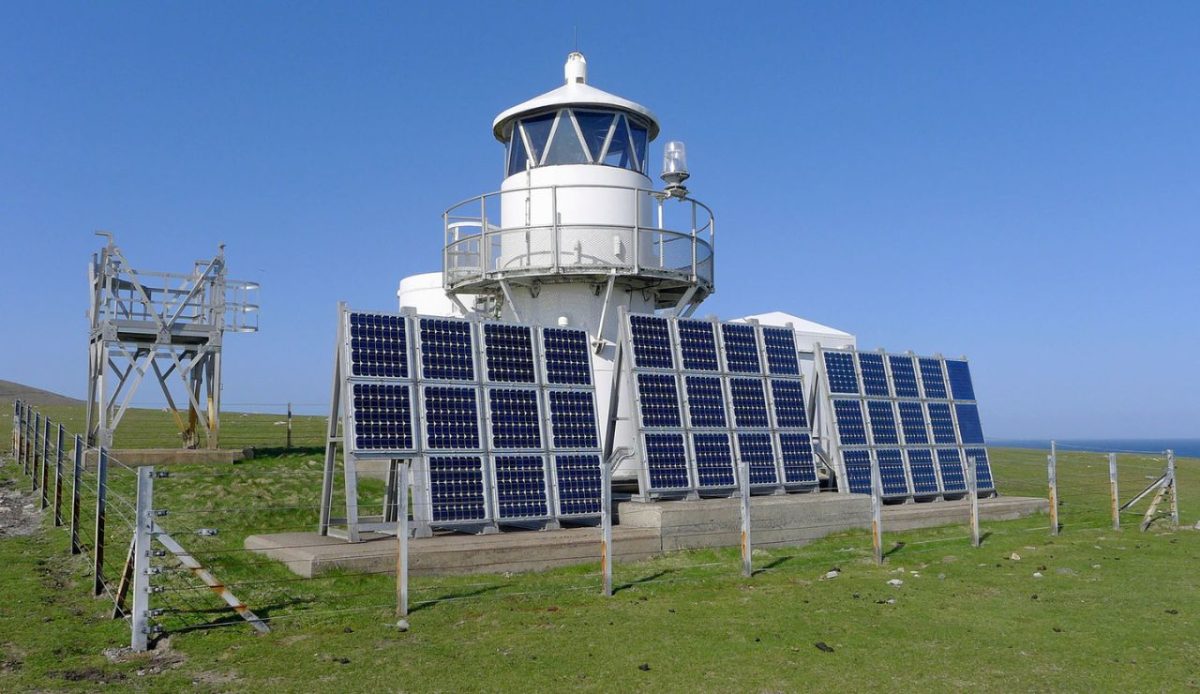
Foula is one of Britain’s most remote inhabited islands, accessible only by small plane or boat under favorable conditions. The weather frequently isolates it for days, reinforcing its reputation as a place apart.
The island has no shops, limited electricity, and a tiny population that relies on livestock, fishing, and seasonal rhythms. Shetland ponies, seabirds, and steep cliffs dominate the rugged terrain.
Foula appeals to travelers seeking extreme solitude. Its dramatic landscapes, ancient Norse influences, and uninterrupted silence offer an experience shaped by isolation, resilience, and deep connection to nature.
10. Atafu Atoll, Tokelau
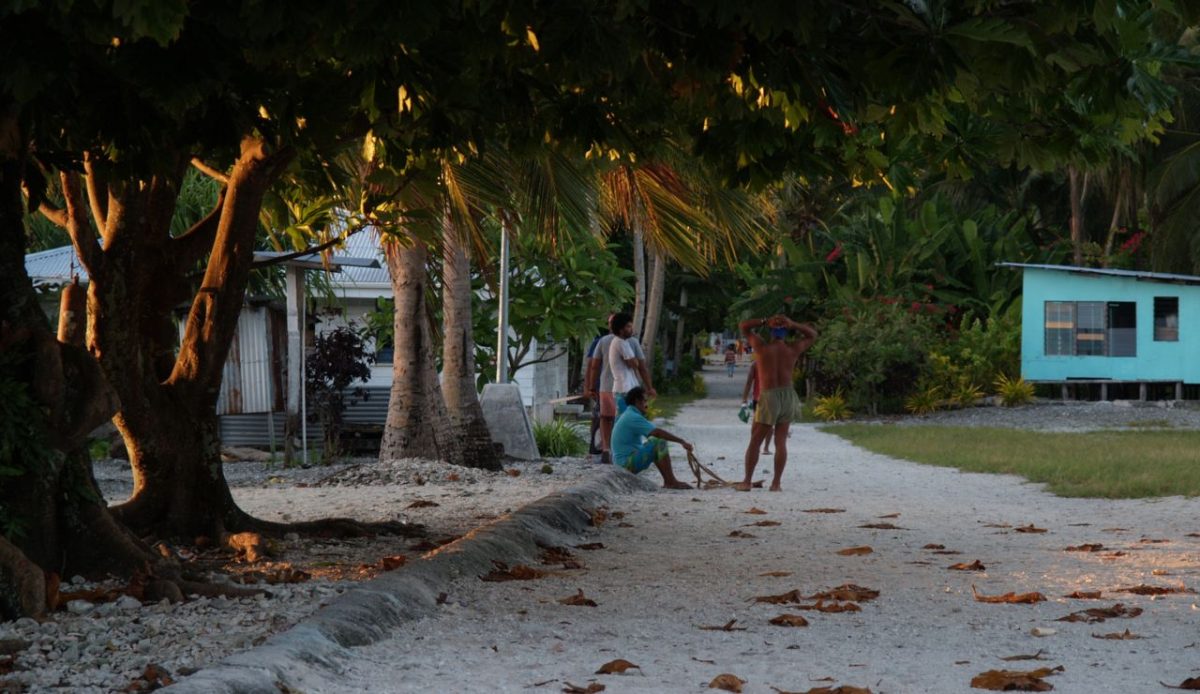
Atafu Atoll is part of Tokelau, one of the world’s least visited territories. There are no airports, and access requires a long sea journey from Samoa, immediately filtering out all but the most determined travelers.
The atoll consists of small coral islands surrounding a shallow lagoon, with daily life centered on fishing, shared meals, and close-knit community traditions. There are no hotels, shops, or modern tourism services.
Atafu remains almost invisible to global travel culture. For those who manage to reach it, the reward is an unfiltered view of island life shaped entirely by isolation, cooperation, and a deep connection to the ocean.
