
A last-minute romantic getaway works only when the booking is dependable, and the arrival is smooth. Time pressure makes it easy to accept unclear pricing, strict policies, or listings that fail basic verification. On a short trip, one problem can dominate the schedule because there is no spare day to recover. The red flags below focus on hotels and short-term rentals, reflecting patterns described in consumer warnings and lodging policies. Use them as a quick screen before paying so the stay matches the plan and the budget stays predictable. Even small surprises like noise, extra fees, or access issues can change the tone of the weekend.
1. Fees Show Up Only at the End

If required fees appear only at the last screen, the headline rate is not the real price. Resort charges, cleaning fees, parking fees, and local surcharges can add a large amount to a two-night stay. With a rushed booking, couples may confirm before noticing the total, then feel locked in. Look for an itemized total before payment, including taxes and any per-night add-ons. If the site will not show that total, compare on another channel or call the property and ask for the out-the-door amount in writing. Hidden charges also complicate refunds because the base rate and the fee portion can be handled under different rules.
2. Cancellation Terms Are Harsh
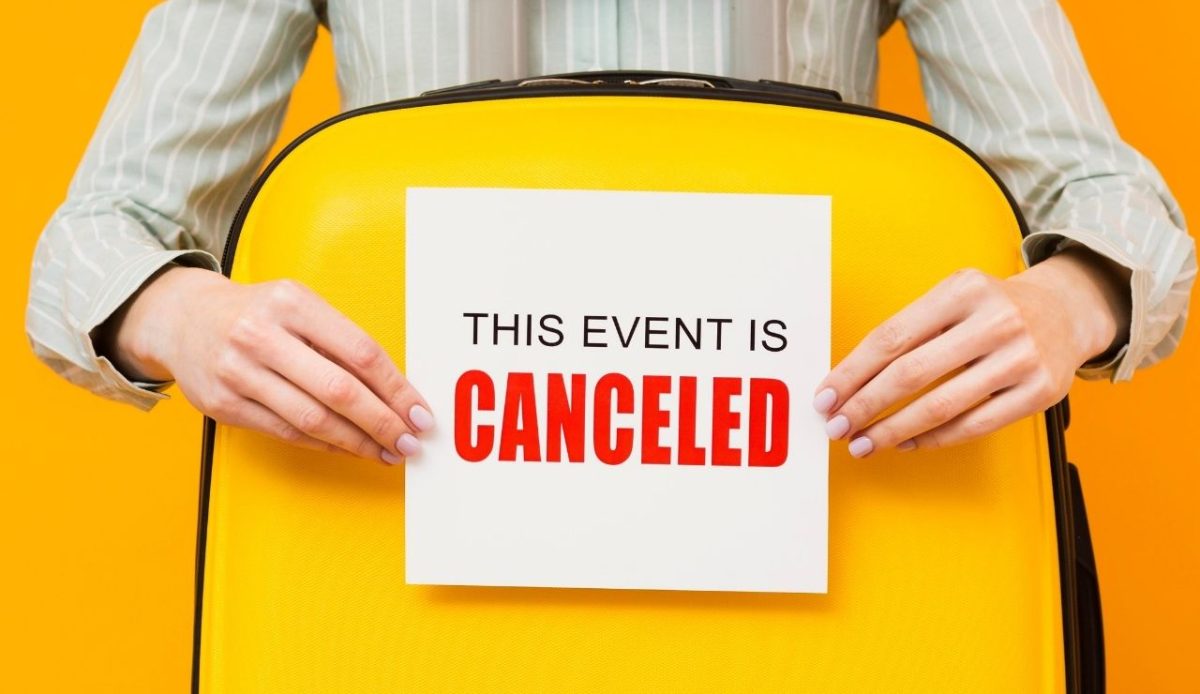
Last-minute discounts often come with strict cancellation terms that remove flexibility. Some rates allow no refund at all, while others impose a full night penalty if you cancel even a day early. On romantic trips, schedule changes can happen due to work, weather, or travel delays. Before booking, read the exact cutoff time and time zone, and confirm whether the policy applies to the whole stay or only the first night. If the rules are harsh, consider paying slightly more for a refundable option. Also, check the deposit language, since some properties issue credit vouchers instead of returning funds to the original card.
3. Unusual Payment Methods Requested
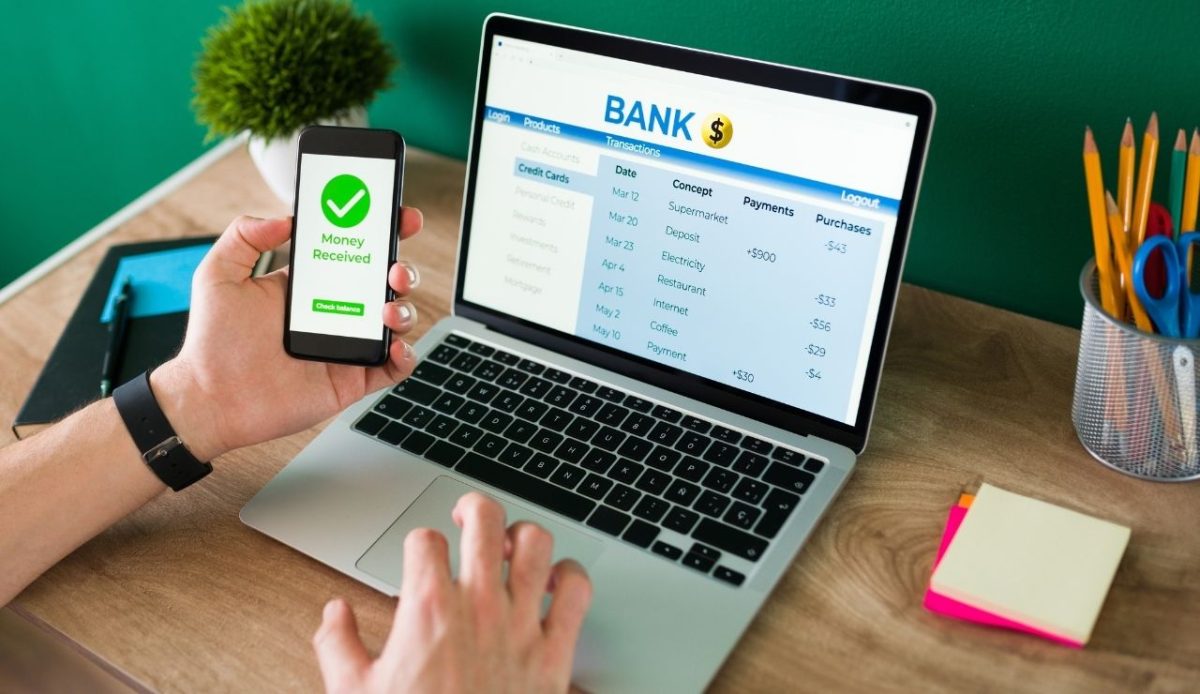
A request to pay by wire transfer, gift card, crypto, or cash is a major warning sign for rentals and unofficial booking agents. Those methods are hard to reverse, which is why they are favored in lodging scams. Urgency is often used, such as claiming another couple is waiting, or the price will vanish in minutes. Stick to credit card payment through a recognized platform or the hotel’s secure system, and expect a normal receipt. If the seller refuses, move on, since the risk is far higher than the savings. Check that the charge name matches the property or platform, not a random individual, and never share card details over chat.
4. Push to Go Off Platform
When a host pushes you to message or pay outside the booking platform, protections usually drop away. Platforms log messages, handle disputes, and can confirm whether a listing is active, but only if you stay inside their system. Off-platform deals can also hide policy changes, extra fees, or fake confirmations. For a fast getaway, that loss of support matters because there is little time to find a backup. Keep communication in the app, decline direct invoices, and treat any insistence on WhatsApp or personal email as a red flag. If you already booked, save screenshots and contact the platform so the record stays intact.
5. Key Amenities Cost Extra

Many couples choose a place with features like a spa, hot tub, pool, breakfast, or parking, yet those perks may cost extra or be restricted. A last-minute booking can miss the fine print, leading to surprise charges or limited access hours. Look for wording such as fee applies, access not included, or reservation required for amenities. If romance depends on that feature, confirm the rules before paying, including whether it is open on your dates. When details are vague, assume limits and keep shopping for a clearer offer. Be cautious with couples packages that bundle services, since the bundle price can hide gratuities or service charges.
6. Bed or Room Type Is Not Guaranteed

Room assignments that are not guaranteed can spoil a romantic plan. Terms like run of house, assigned at check-in, or no bed type promise may lead to two doubles instead of one king. On a short trip, there is little time to negotiate changes, and sold-out weekends reduce options. Confirm the exact bed type and room category on the confirmation page, not just in a photo caption. If the rate will not guarantee it, book a different rate or a different property that will. Also, verify whether the room is accessible, connecting, or near elevators, and confirm any view claims, since those details can affect privacy.
7. Third-Party Rules Create Delays
Third-party sellers can add extra risk when you need quick support. A reservation made through an online agent may have different change rules, service fees, or refund timelines than booking directly. If something goes wrong, the property may tell you to contact the seller, while the seller points back to the property. Before paying, confirm who controls cancellations and modifications and whether the hotel will recognize special requests. For couples traveling soon, direct booking or a major platform with clear support can reduce the chance of getting stuck in that loop. Get a hotel confirmation number, not only an itinerary email.
8. Photos Do Not Match Current Reviews
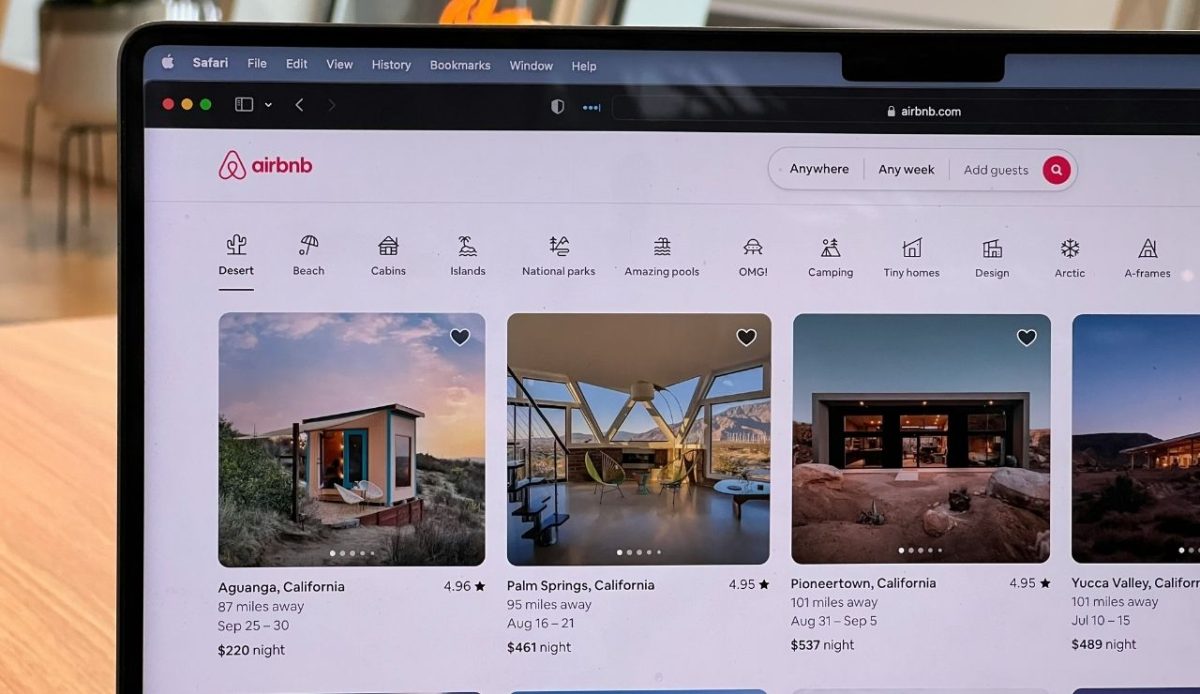
When photos look polished but recent reviews describe wear, odors, pests, or poor cleaning, trust the newest guest reports. Images can be old, edited, or taken from a different unit, especially in large complexes or rental portfolios. For a last-minute romantic stay, disappointment lands harder because the trip is short and the setting matters. Check review dates, filter for the last few months, and look for consistent issues mentioned by unrelated guests. If the property replies defensively instead of addressing specifics, that tone is another caution sign. User photos help because they show real scale and condition.
9. Late Arrival Support Is Unclear

Late arrival is common on quick getaways, so unclear after-hours access is a real risk. Some rentals require meeting a host, and some small inns lock doors early or have limited staff overnight. If the listing does not explain late check-in steps, you could lose the first evening dealing with keys, codes, or phone calls. Confirm whether there is 24-hour support and what happens if you arrive past a deadline. A property that cannot explain this clearly is not a safe choice when your trip starts soon. Ask whether self-check-in is available, and save written instructions in case cell service drops or a flight delay pushes you late.
10. You Are Rushed to Commit

Hard pressure to book immediately is a warning sign, even when the trip is last-minute. Messages that demand payment within minutes, claim another couple is waiting, or refuse to answer questions aim to stop you from verifying details. Legitimate properties can hold a reservation briefly and provide policy links, totals, and confirmation terms. If the offer relies on urgency rather than clear information, step back and compare alternatives. A romantic weekend should start with confidence, not with doubt created by a seller rushing you to pay. Check the host profile and review history before you commit.
