
Across the United States, the ocean is creeping closer to homes, roads, and entire city blocks that once seemed safely inland. Streets now flood on clear days, saltwater corrodes pipes, and storm surges reach farther with every passing decade. Local governments are reinforcing seawalls, raising roads, and restoring wetlands, but the pace of sea-level rise is outpacing many of these defenses. Data from NOAA and Climate Central shows that even moderate projections could reshape major metropolitan areas within a generation. The following cities highlight where rising seas are already leaving their mark and what is being done to slow the inevitable changes ahead.
1. Miami, Florida
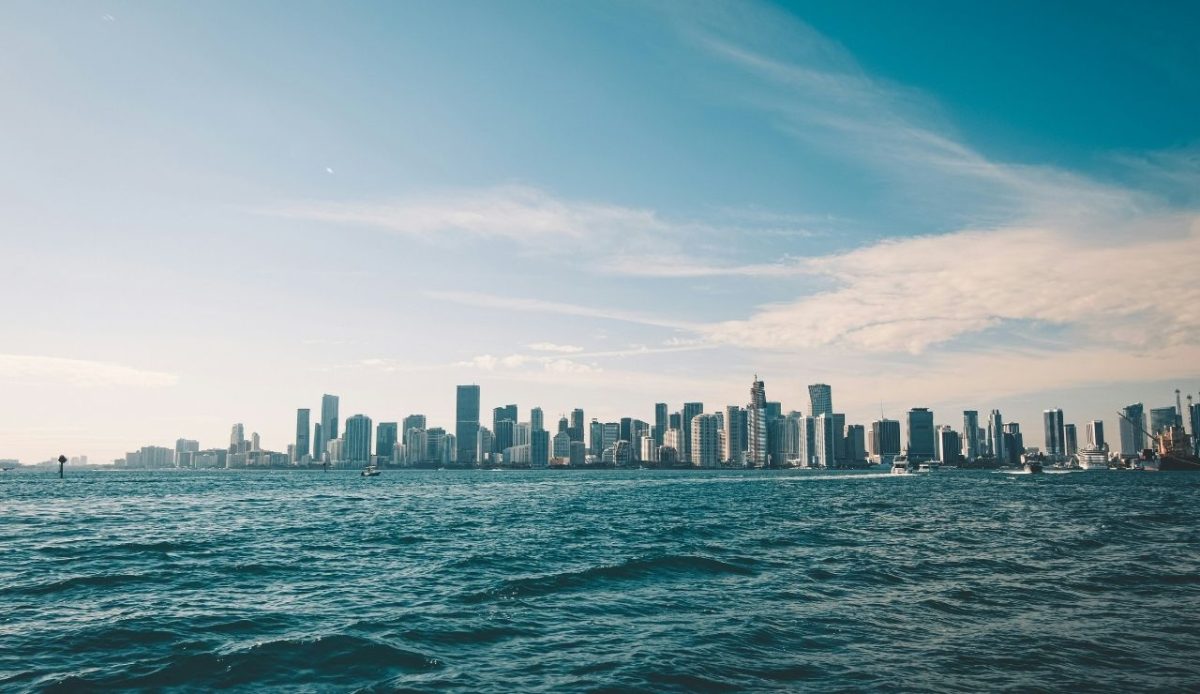
Miami faces a rare combination of porous limestone, low elevation, and rapid coastal development that magnifies flood exposure. Even small sea-level increases push tides through the ground and into streets, overwhelm drainage, and allow saltwater to reach freshwater wells. King tides already close roads in several neighborhoods, and storm surge threatens critical hospitals, power lines, and transit links. The city elevates roads, expands pump networks, and rewrites codes for higher finished floors. Buyouts target the most flood-prone blocks, while resilience bonds and federal grants fund bigger projects.
2. San Francisco, California
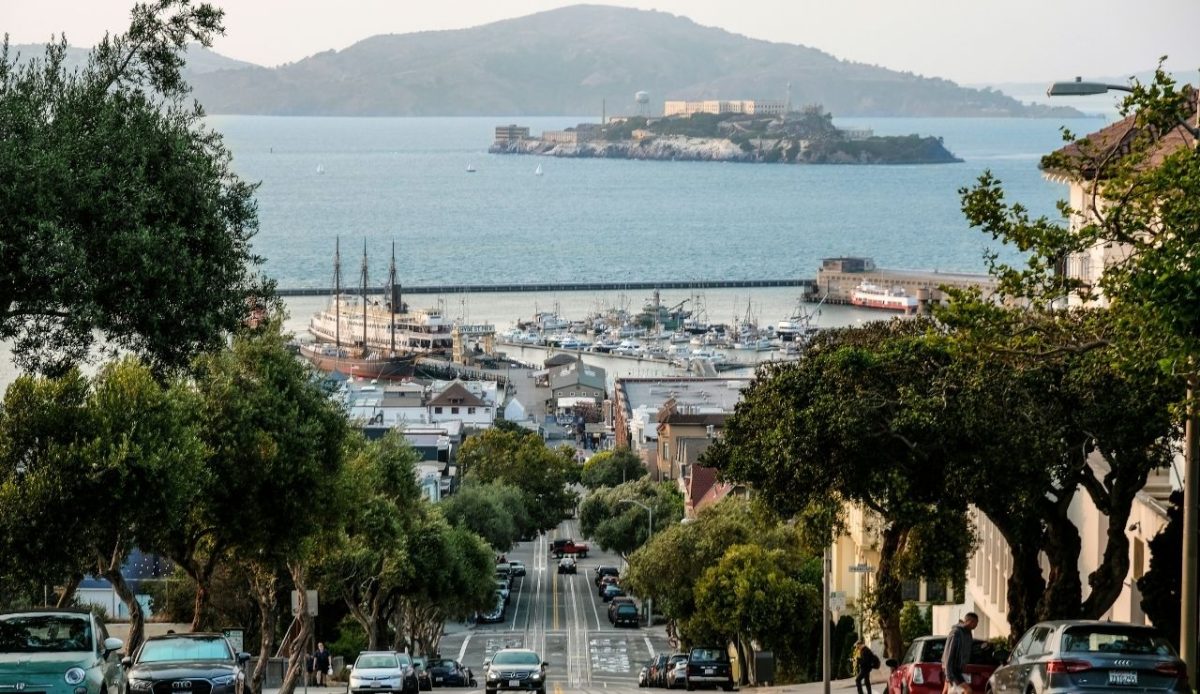
San Francisco’s shoreline includes piers and districts built on bay fill that now face higher tides and stronger winter storms. The Embarcadero Seawall shields transit and utilities but needs seismic reinforcement, so projects pair quake safety with higher flood protection. Around the bay, shallow groundwater can rise with the tide and flood basements from below, which complicates design. Airports, sewage plants, and tech campuses near the water require new berms, wetland buffers, and elevated access roads. On the outer coast, eroding bluffs threaten homes and transit links, prompting discussions about strategic relocation.
3. New Orleans, Louisiana
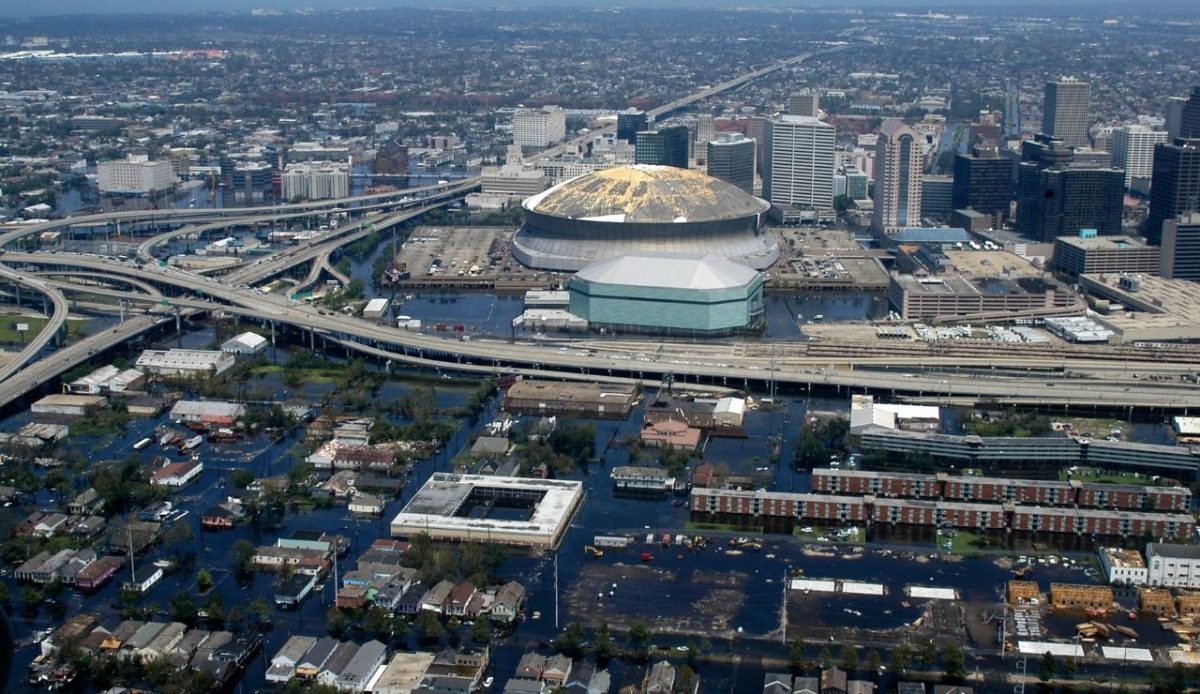
New Orleans deals with sea-level rise and land subsidence at the same time, which lifts relative water levels faster than in many U.S. cities. Levees, gates, and pumps protect neighborhoods that lie at or below sea level, yet heavy rain can still outpace drainage when tide is high. Loss of coastal marshes removes natural surge buffers and allows water to reach defenses with more force. Upgrades since major hurricanes improved reliability, but aging canals and pumps need continuous investment. The city maps lowest basins for buyouts and elevates roads and critical equipment.
4. New York City, New York
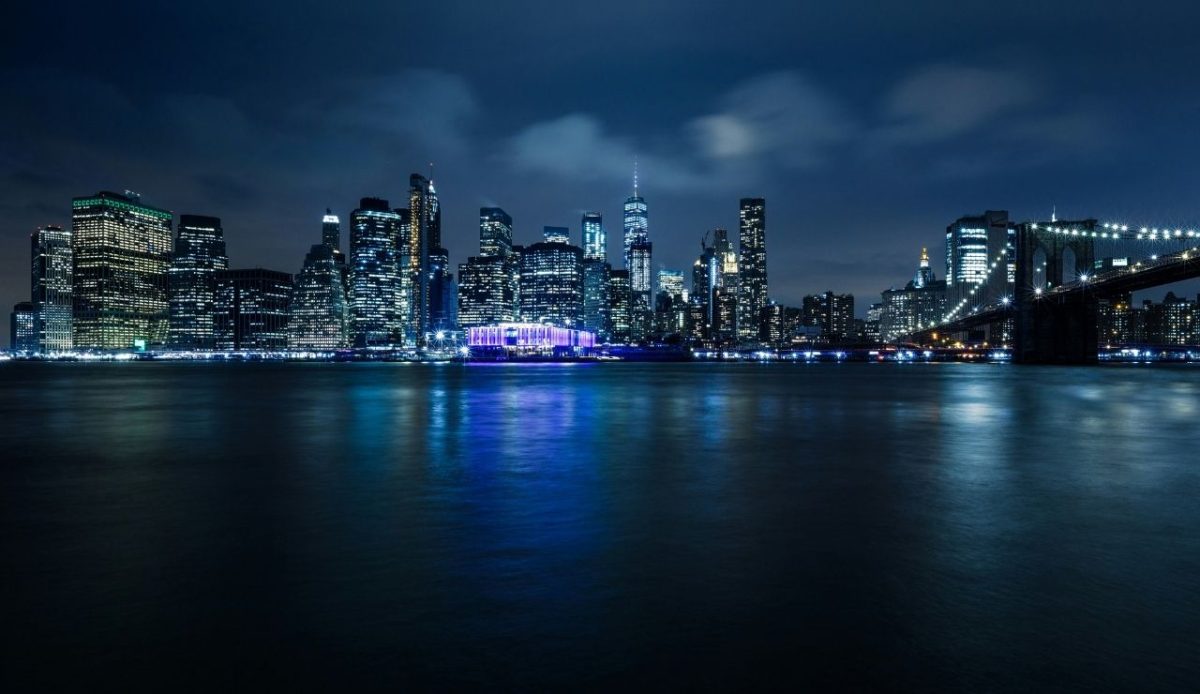
Waterfront neighborhoods in all five boroughs carry growing risk as tides rise and intense rain aligns more often with high water. Subways, tunnels, and power corridors run near the shoreline, so failures can ripple across the region. Projects in Lower Manhattan, Red Hook, the Rockaways, and parts of Staten Island raise berms, add floodwalls, and redesign station entrances above projected flood lines. Planners restore wetlands where space allows and create deployable barriers for narrow inlets. Building codes push equipment to higher floors and require resilient materials at street level.
5. Norfolk, Virginia and Virginia Beach, Virginia
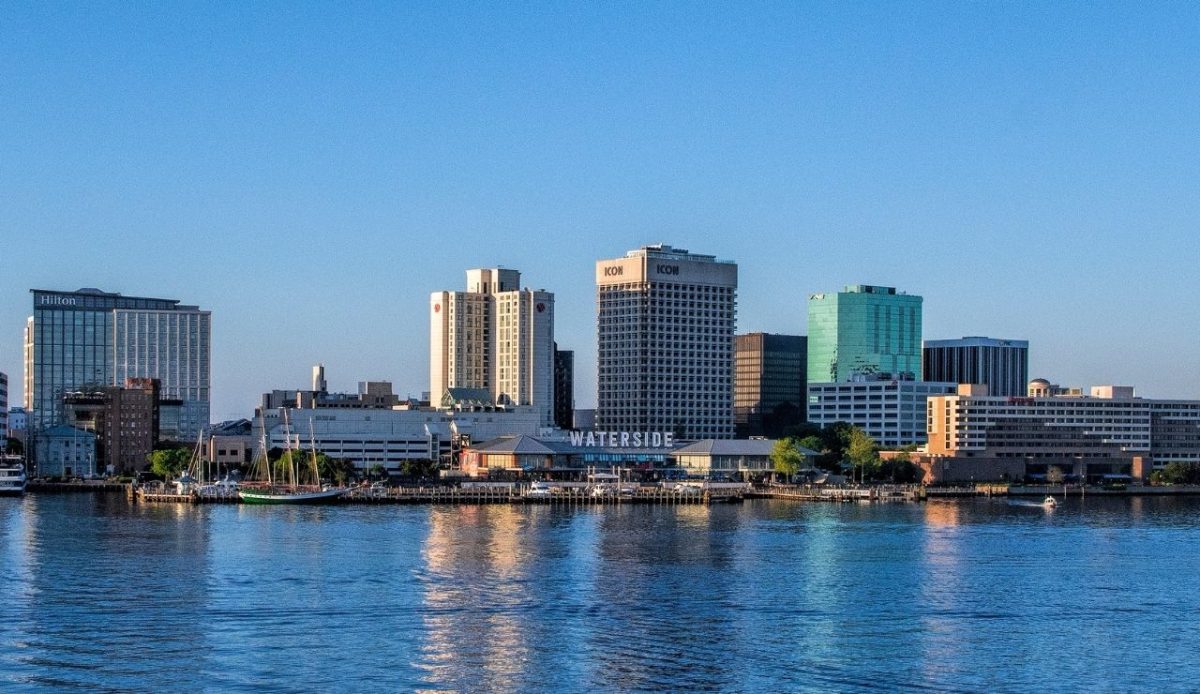
In Hampton Roads, tides rise while the land subsides, which drives frequent roadway flooding and longer closures during nor’easters and hurricanes. Naval bases, shipyards, and neighborhoods share low waterfronts connected by causeways that can fail when surge pushes through the Elizabeth and James Rivers. Local plans include higher bulkheads, raised intersections, larger pumps, and living shorelines that absorb wave energy. Evacuation routes are being hardened to keep access open when water covers feeder streets. Because multiple cities share one hydrologic system, regional gates and coordinated schedules for road closures matter as much as local projects.
6. Charleston, South Carolina
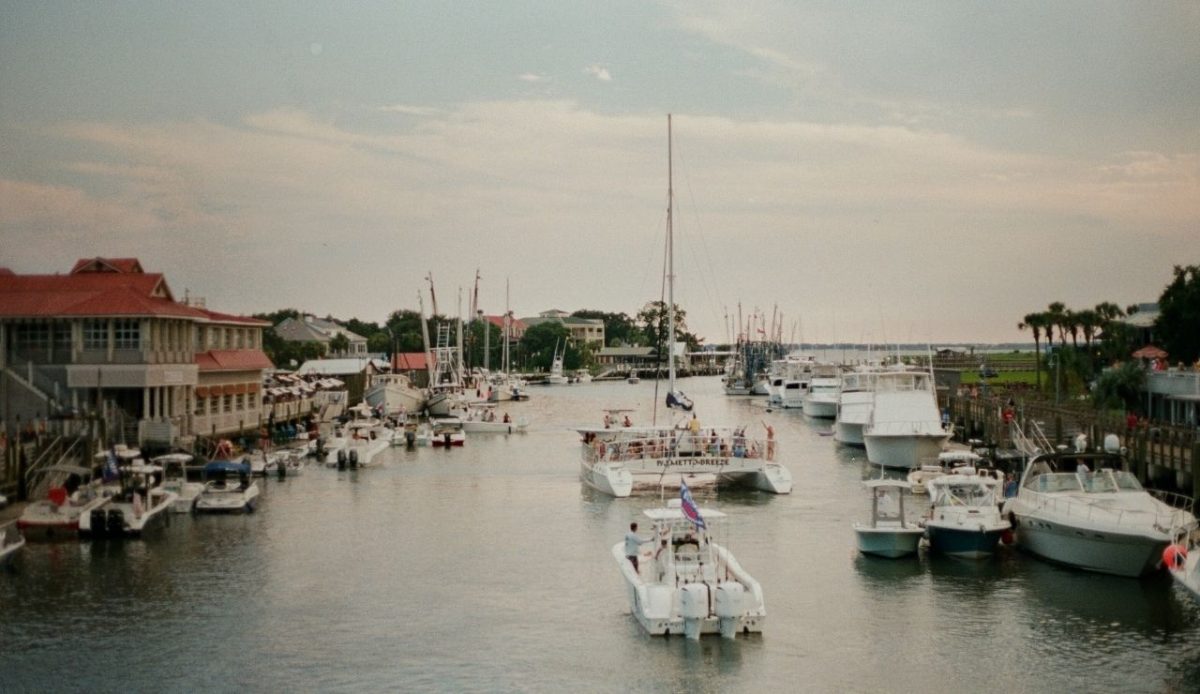
Charleston’s historic core, tidal creeks, and flat terrain place landmarks and homes within reach of routine flooding. Water levels have climbed markedly since mid-century, and sunny-day floods now interrupt business and tourism many times each year. A large seawall proposal encircles downtown and pairs with drainage tunnels, pump upgrades, and tide gates. Preservation groups repair foundations, treat salt-damaged masonry, and raise mechanical systems above expected flood heights. Nature-based work restores marsh edges to break waves before they reach streets. Because intense rain often arrives with high tide, designs must manage river flow, groundwater, and the ocean together.
7. Boston, Massachusetts
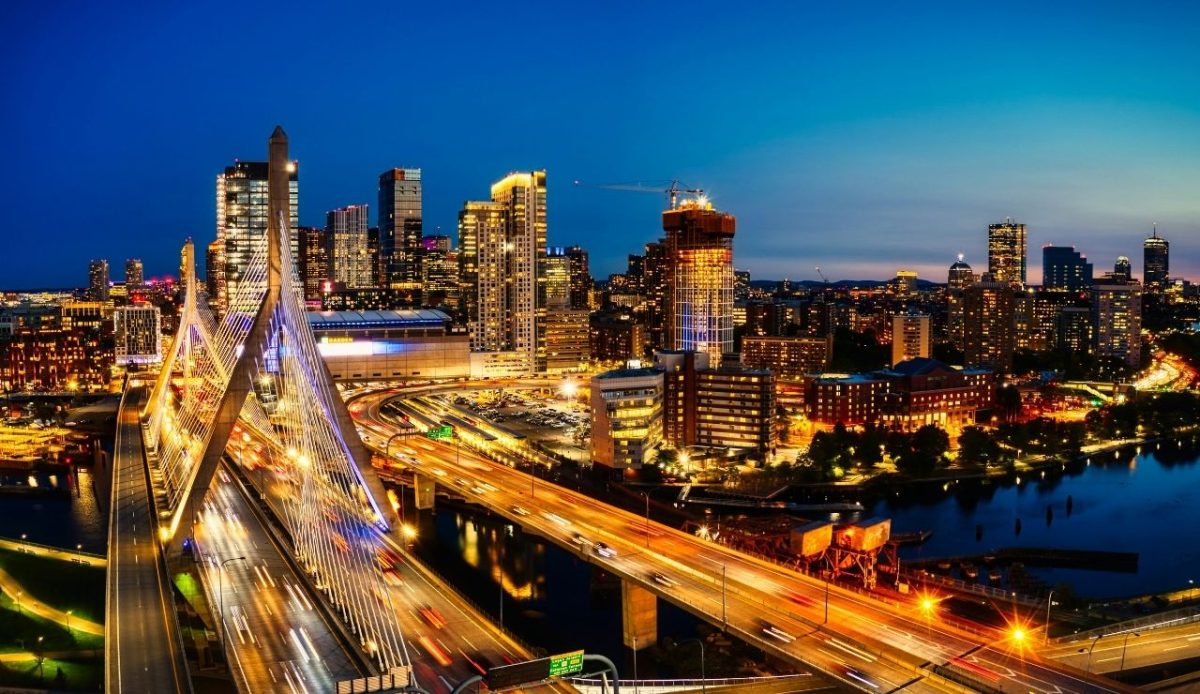
Boston’s fast-growing waterfronts include districts built on historical fill where basements and utilities lie close to rising groundwater. Climate plans call for higher seawalls, floodable parks that store surge, and regraded streets that steer water away from transit entrances. East Boston, the Seaport, and Dorchester Bay projects add berms, deployable barriers, and restored marsh platforms. Regional coordination with neighboring cities protects the continuous shoreline so one weak segment does not redirect water into another. Universities, labs, and hospitals near the harbor depend on reliable power and access, so critical substations and emergency docks are prioritized.
8. Savannah, Georgia
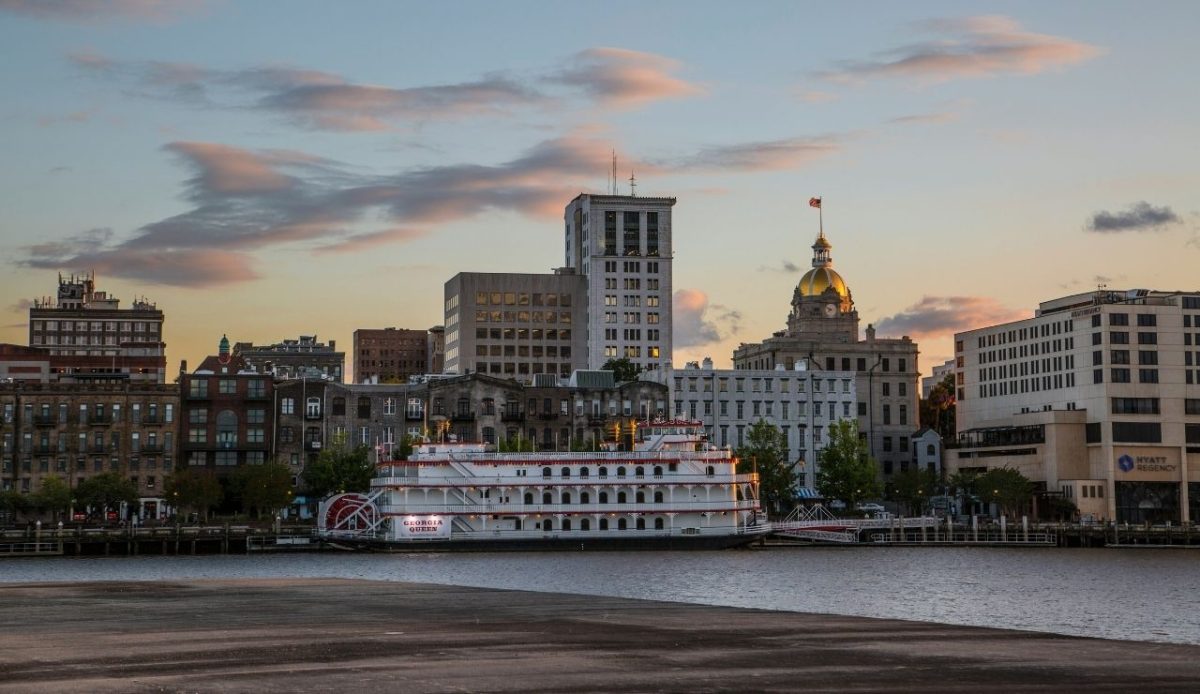
Savannah’s riverfront charm also marks its exposure, with low squares and commercial corridors only a few feet above high tide. Spring tides already slow traffic and pond water across cobbles, and heavy rain compounds the problem. The city upgrades outfalls with backflow valves, replaces undersized pipes, and elevates sensitive equipment in museums and hotels. Preservation teams retrofit historic structures with discreet floodproofing and moisture control to protect wood and brick from repeat salt exposure. Green infrastructure, including bioswales and pocket wetlands, helps store runoff before it reaches the river.
9. Jacksonville, Florida
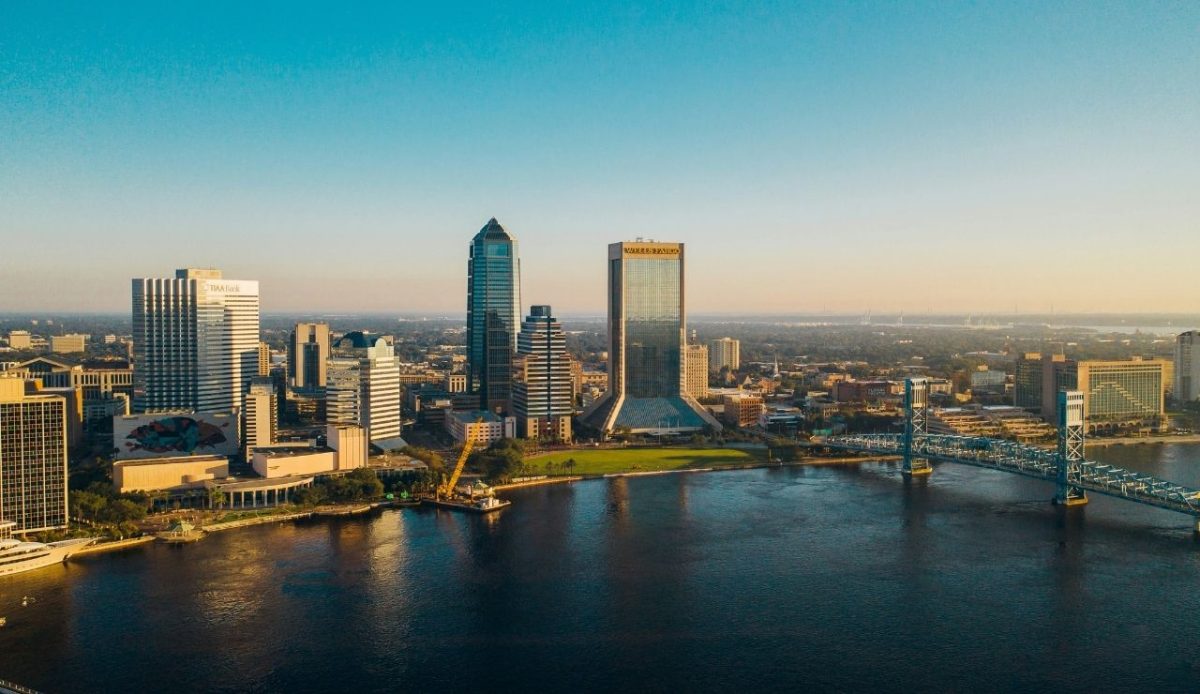
Jacksonville spans beaches, riverfronts, and creek systems that funnel water inland when Atlantic tides rise. The St. Johns River can run backward during high tide, which pushes into storm drains and raises flood heights during rain events. The city expands greenways that double as storage basins, buys out chronic loss properties, and tightens rules for building elevations near tidal creeks. Bridge approaches and key corridors receive higher grades so emergency access holds during surge. Codes now steer new growth away from the lowest ground while preserving space for water along river bends.
10. Tampa and St. Petersburg, Florida
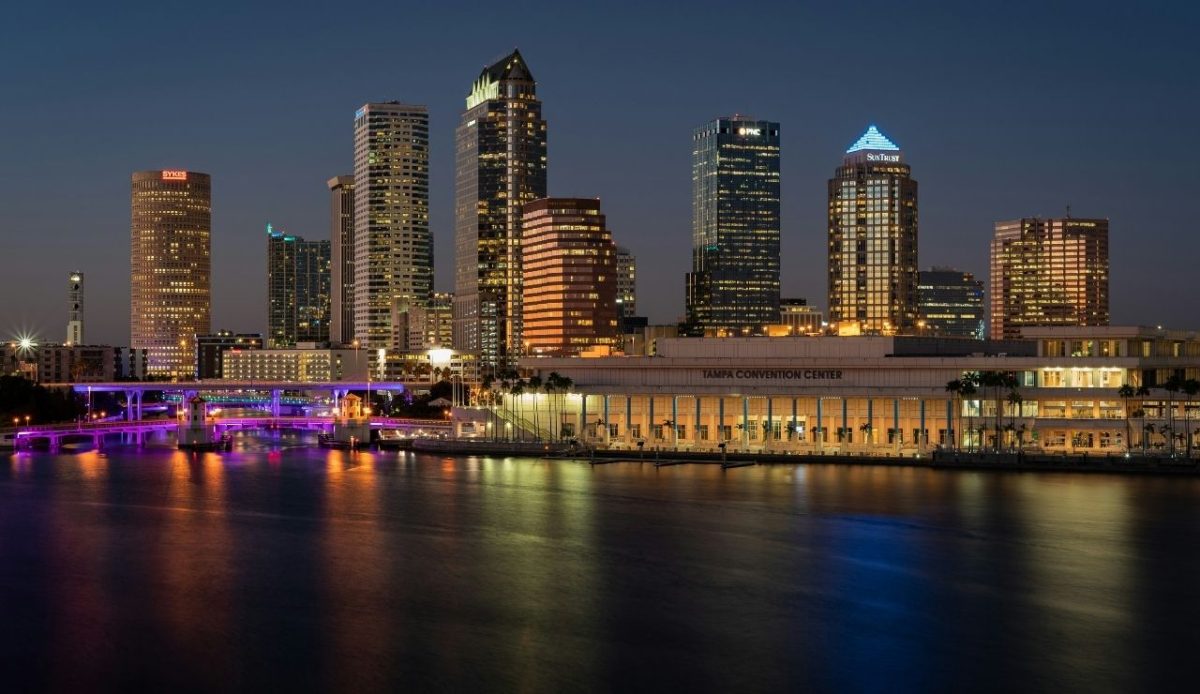
A shallow bay, dense waterfront neighborhoods, and strong tropical storms combine to push water deep into the Tampa Bay region. Projections for mid-century show higher daily tides and more frequent street flooding even without direct hurricane landfalls. Cities invest in seawalls, pump stations, tidal marsh restoration, and elevated corridors that keep hospitals and emergency services reachable. Building rules set higher finished floors and stricter standards for critical facilities. Insurance pressure encourages buyouts where claims recur. Port operations and tourism rely on steady access, so plans stage construction to minimize downtime.
