
Older travelers who spent years tackling mountain trails and island roads are now facing unexpected limits at a handful of well-known travel spots. Reports from hikers and drivers mention turnbacks at steep checkpoints, medical notes requested before high climbs, and rental counters refusing keys when the terrain looks risky. These decisions come from safety rules, rescue limits, and insurance policies, yet even strong and experienced seniors sometimes get stopped. The trend feels unusual because most destinations still welcome every age, but the most demanding routes now emphasize caution before adventure. The following are the spots now known for quietly restricting older boomers.
1. Amarnath Cave Pilgrimage, India
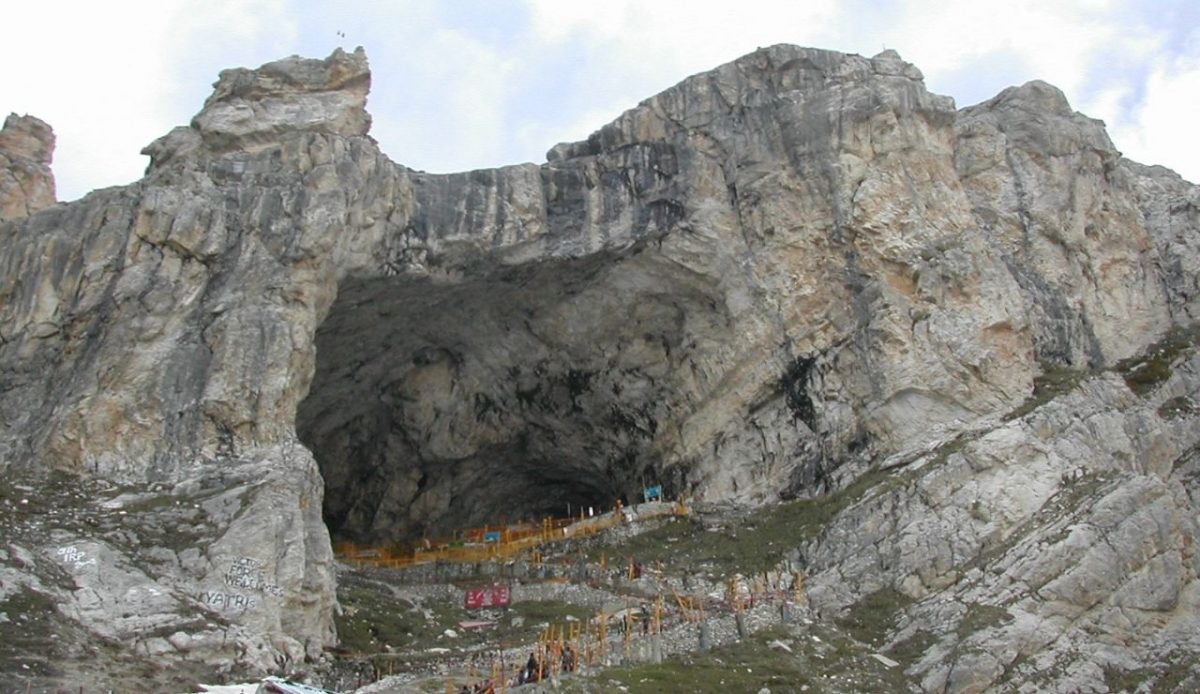
This sacred Himalayan route draws thousands every summer, yet the government sets a clear upper limit due to altitude strain and emergency-response concerns. Travelers above 70 cannot register, and many tour organizers require younger seniors to present a fitness certificate. Steep glaciers, unstable paths, and thin air create hazards, so officials bring helicopters, checkpoints, and medical tents. Pilgrims under the limit still prepare with training, warm layers, and gradual acclimation, since the weather turns fast and rescue crews warn that speed matters on narrow ice stretches.
2. Hemkund Sahib Trek, India
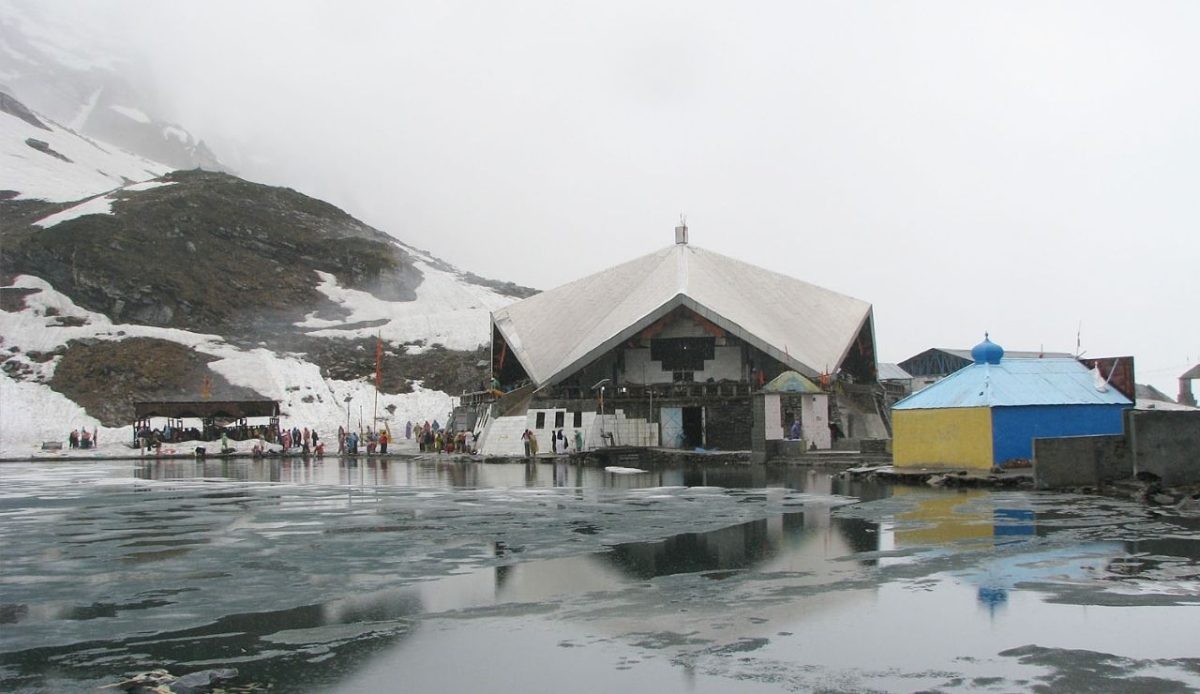
A steep climb leads to a stunning sikh shrine beside a glacial lake, but local authorities occasionally bar visitors over 60 during heavy snow or landslide periods. The path rises quickly, and oxygen drops near the top, putting strain on older hearts and lungs. Hikers report soldiers and police turning them away at gates during unsafe conditions. When open, seniors who clear checks carry medication, hire porters, and use poles for support. Travelers plan acclimation days in nearby valleys, drink plenty of water, and track weather windows to avoid sudden whiteouts.
3. Mount Huashan Plank Walk, China
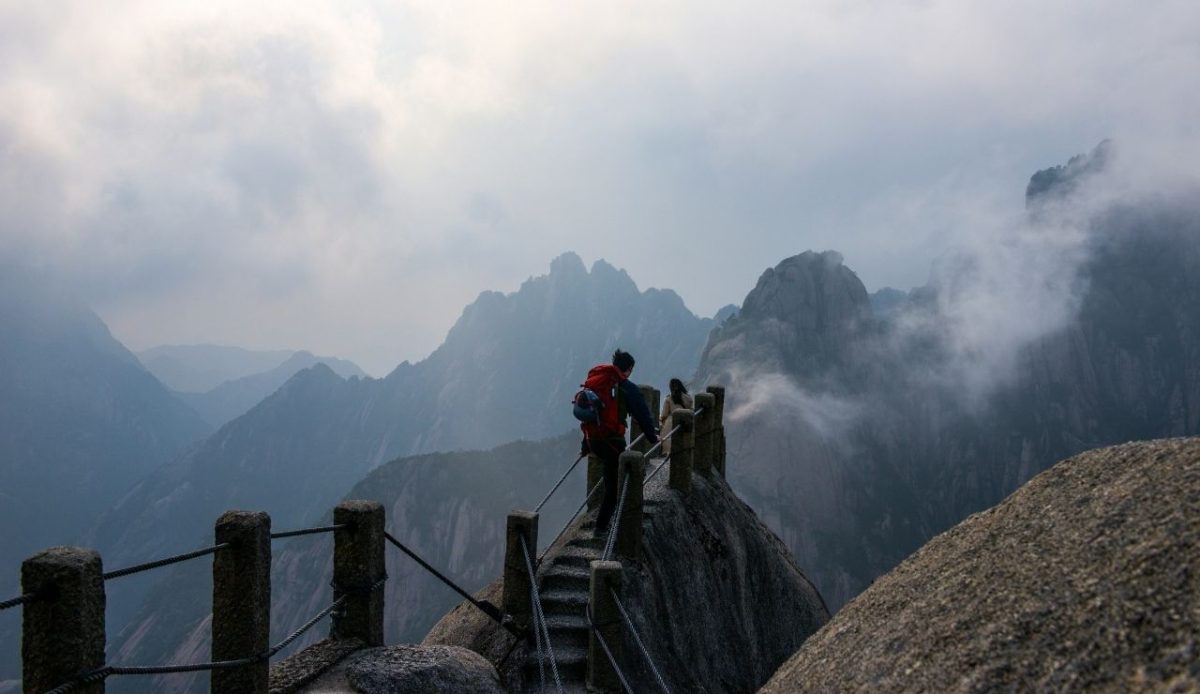
The mountain welcomes tourists of all ages, yet the famous plank walk along sheer cliffs uses a stricter gate. Staff commonly refuse anyone past the mid-50s because the harness system, ladder start, and narrow boards test balance and leg strength. Visitors pass a warning booth where workers assess confidence and mobility. Those turned away still explore temples, cable cars, and ridge paths. Adventurers allowed through move slowly, clip twice, and follow guides who check knots and carabiners. Even younger climbers rest often due to fear and shaking legs.
4. Zhangjiajie Glass Bridge Bungee, China
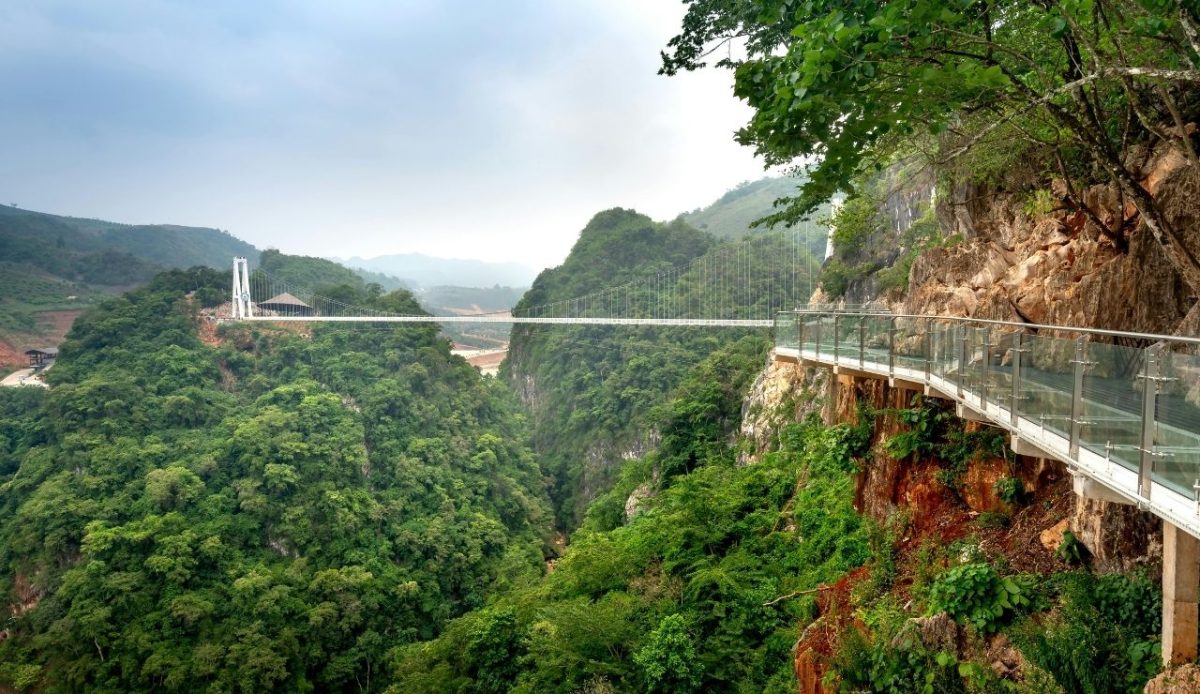
The canyon bridge itself suits seniors with solid footing and railings, but the bungee jump follows adventure-park rules: roughly age 16–65 may participate. Weight checks and blood-pressure questions happen at the desk, and attendants decline jumpers beyond the limit to avoid injury claims. Older visitors still enjoy viewing decks, forest trails, and elevators carved into cliffs. The jump platform team trains for rapid clip-in, voice commands, and recovery, and they pause lines when wind gusts rise. Many younger guests start nervously yet cheer after rebounding safely.
5. Tianmen Mountain Skywalk, China
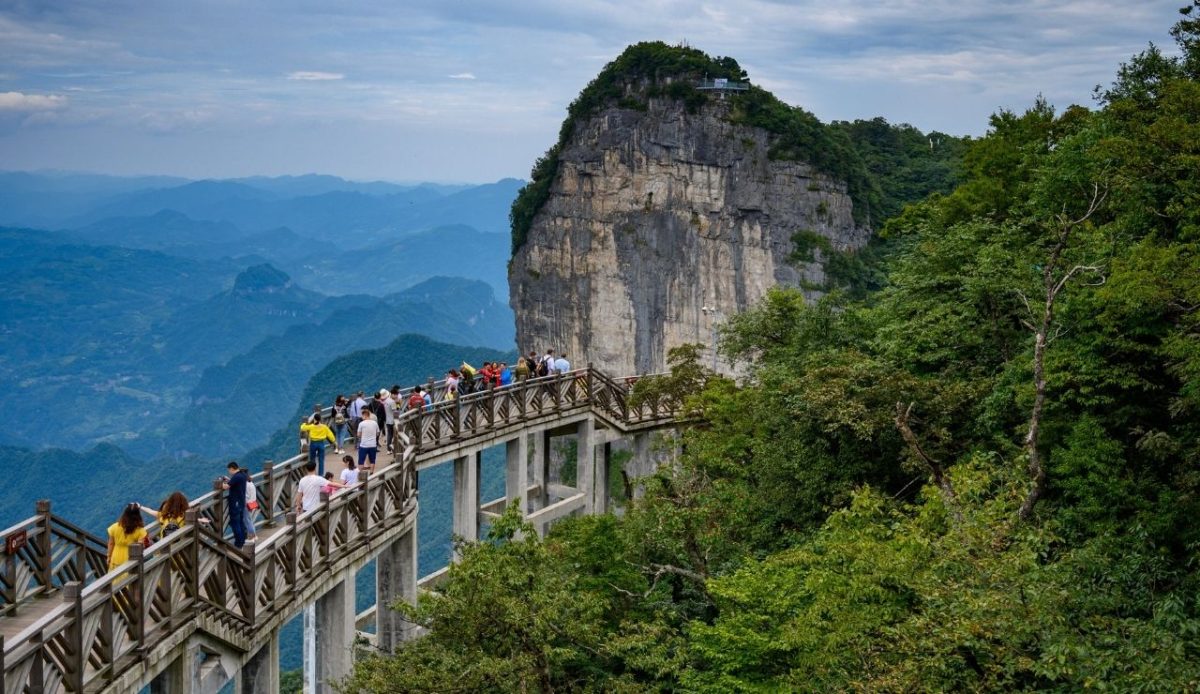
Glass paths wrap around dramatic peaks, and guards sometimes deny seniors who appear unsteady or unable to manage steep steps. Signs warn about sudden gusts and slippery patches after rain. Travelers say staff ask older guests about heart issues before allowing entry. Cable cars still carry everyone to panoramic terraces, tea houses, and forest boardwalks, so those denied the skywalk enjoy a calm visit. Comfortable shoes, slow pacing, and early morning slots help reduce crowds and give time for rest stops at sheltered lookout corners.
6. Kilimanjaro Summit Routes, Tanzania
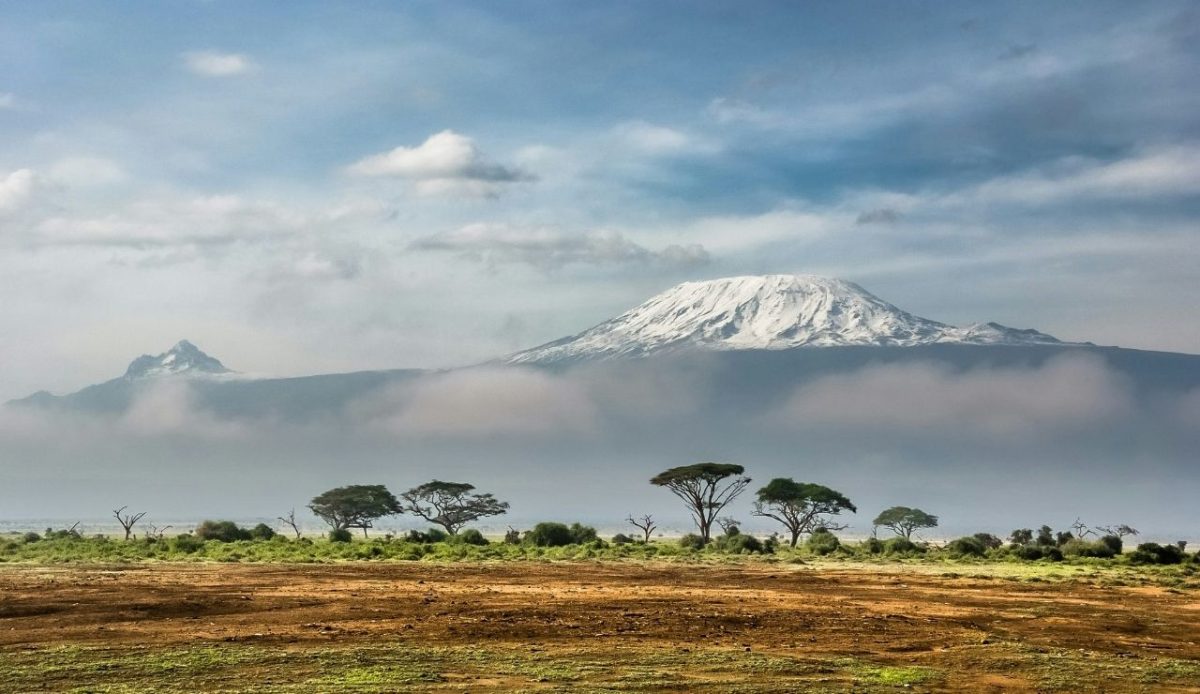
National rules do not name an upper age, yet many outfitters impose medical clearance for travelers past 65 because altitude sickness escalates sharply above 15,000 feet. Groups move with guides trained in pulse checks and emergency descent. Seniors who pass medical checks join acclimation programs with extra nights at mid-camps. Operators supply oxygen, carry rescue stretchers, and monitor sleep quality. Companies refuse guests who cannot show fitness paperwork since rescue helicopters cannot reach every ridge. Proper boots, slow gait, and hydration boost success.
7. Everest Base Camp Trails, Nepal
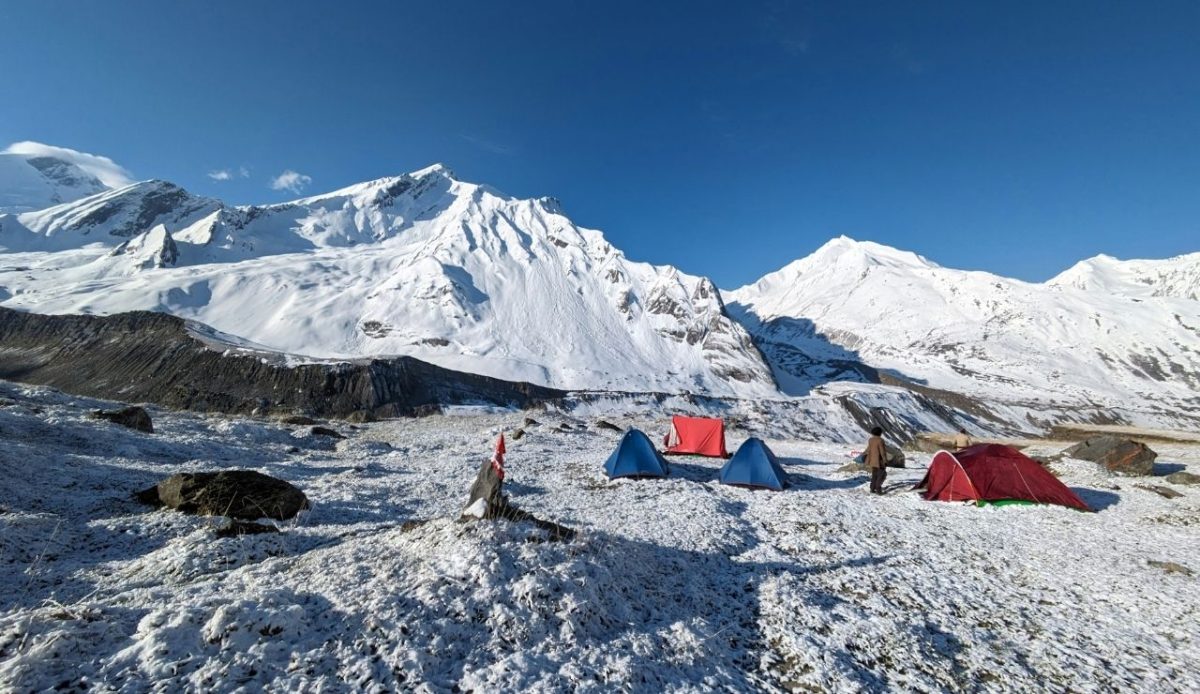
Trekkers past 65 often need insurance proof and a doctor’s note, and some outfitters choose younger clients to reduce risk. Helicopter rescues cost thousands, and clinics along the trail treat altitude headaches daily. Seniors who qualify move with guides who watch breathing pace and insist on rest days in Namche Bazaar. Tea houses offer warm tables and simple rooms, yet nights stay cold and stairs remain steep. Trekkers use oximeters, drink hot ginger tea, and carry layers for fast weather shifts.
8. Inca Trail Classic Route, Peru
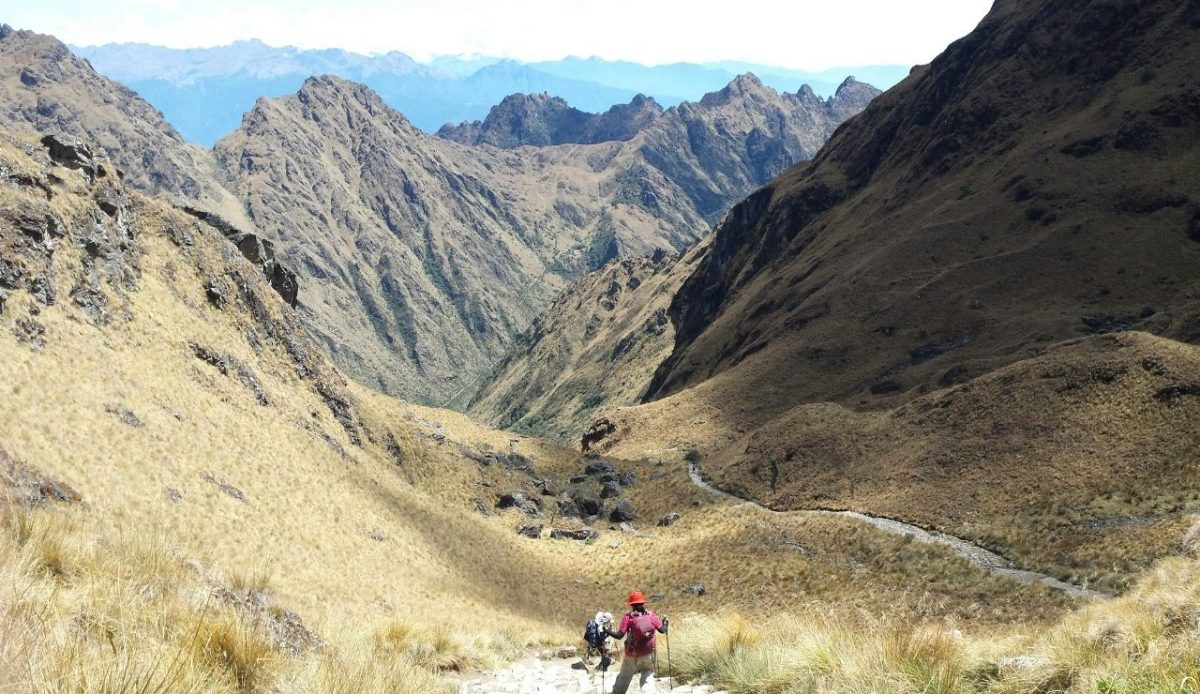
Peru’s permit system sets no senior cap, but popular companies use screening calls and request medical documents for older clients due to stairs, thin air, and stone sections. Porters haul gear while hikers focus on pacing, lung control, and poles for knee support. Seniors who fail screening choose train-and-walk options via Machu Picchu town, reaching ruins without demanding passes. Rangers enforce start times, and camps have lights out early. Guides brief groups nightly on sun exposure, hydration, and respect for ancient stonework.
9. Annapurna Circuit High Passes, Nepal
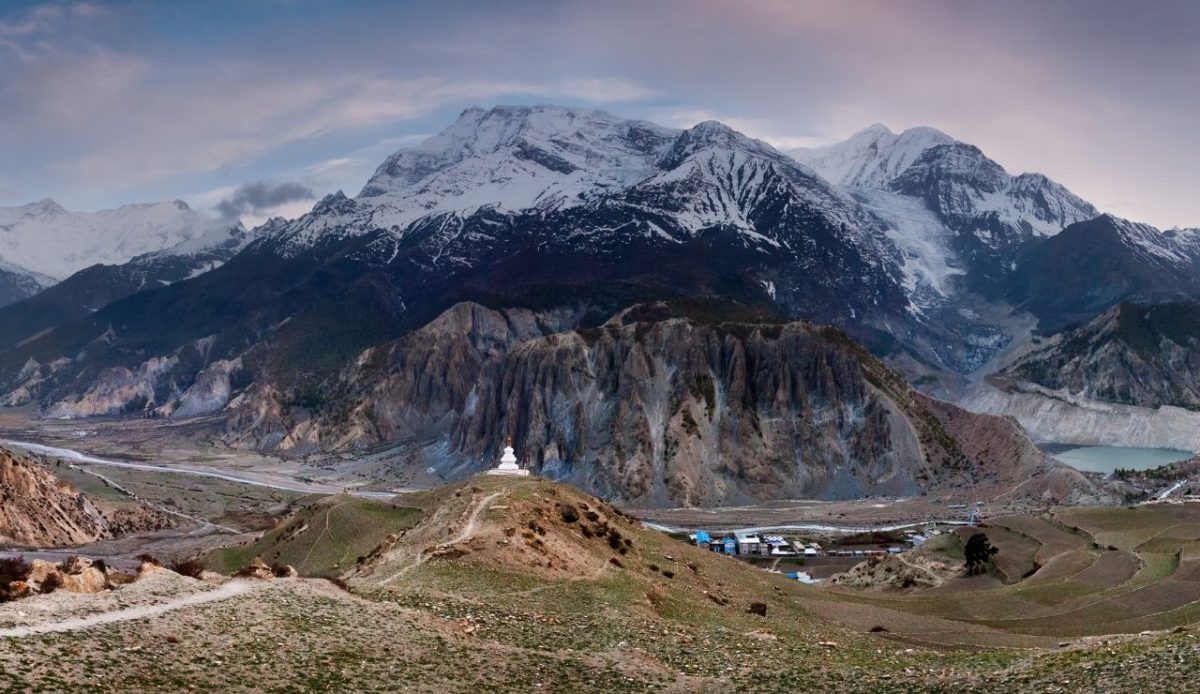
The Thorong La section towers above 17,000 feet, so agencies often limit seniors unless they show strong cardiovascular fitness. Clinics in Manang run practice climbs for acclimation, and guides cancel summit days if the wind rises or clouds hide markers. Older travelers who pass checks pack altitude pills, warm socks, and high-calorie snacks. Lodges sell soup, blankets, and bottled oxygen. Trekkers finish sections before afternoon storms since loose scree turns slick and mule trains crowd narrow bends.
10. El Caminito del Rey, Spain
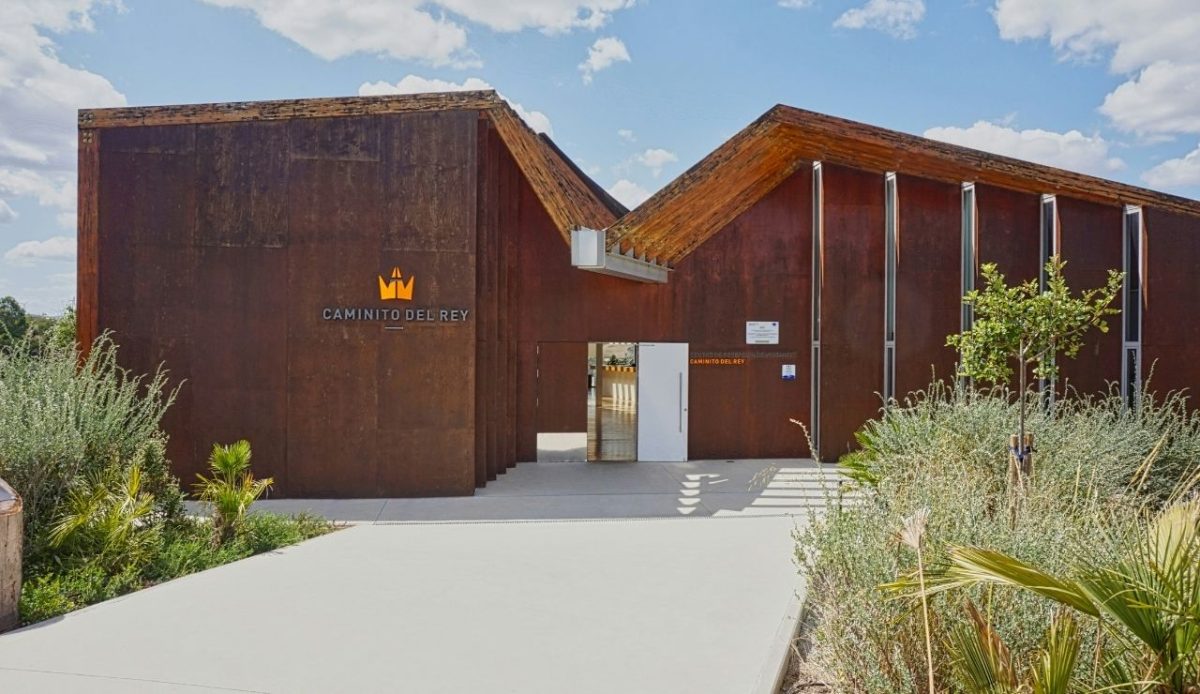
This cliff walkway once had a fearsome reputation, and though rebuilt with rails and harness points, staff urge older guests with heart conditions to avoid unstable weather days. Tickets include helmet pickup, and rangers halt entry when the wind whips through the gorges. Seniors comfortable with stairs and bridges sometimes bring fitness notes, while others choose the riverside park trails instead. Shuttle buses return visitors to trailheads, and rangers patrol for loose debris. Water bottles, light jackets, and early time slots help keep visits smooth.
