
Retirement hotspots can feel like easy-mode living, but rapid growth changes the vibe fast. More arrivals can strain housing, clinics, roads, and even water systems, especially in places built for smaller populations.
As costs rise, local governments often respond with stricter rental rules, higher fees, or tougher residency paperwork. Newcomers may also face longer waitlists for family doctors, limited elder-care capacity, and rising utility bills.
These destinations aren’t “closed,” but the welcome mat is getting shorter. Before you pack, look for signals like permit caps, new local taxes, or public meetings focused on crowding and affordability.
1. Algarve, Portugal
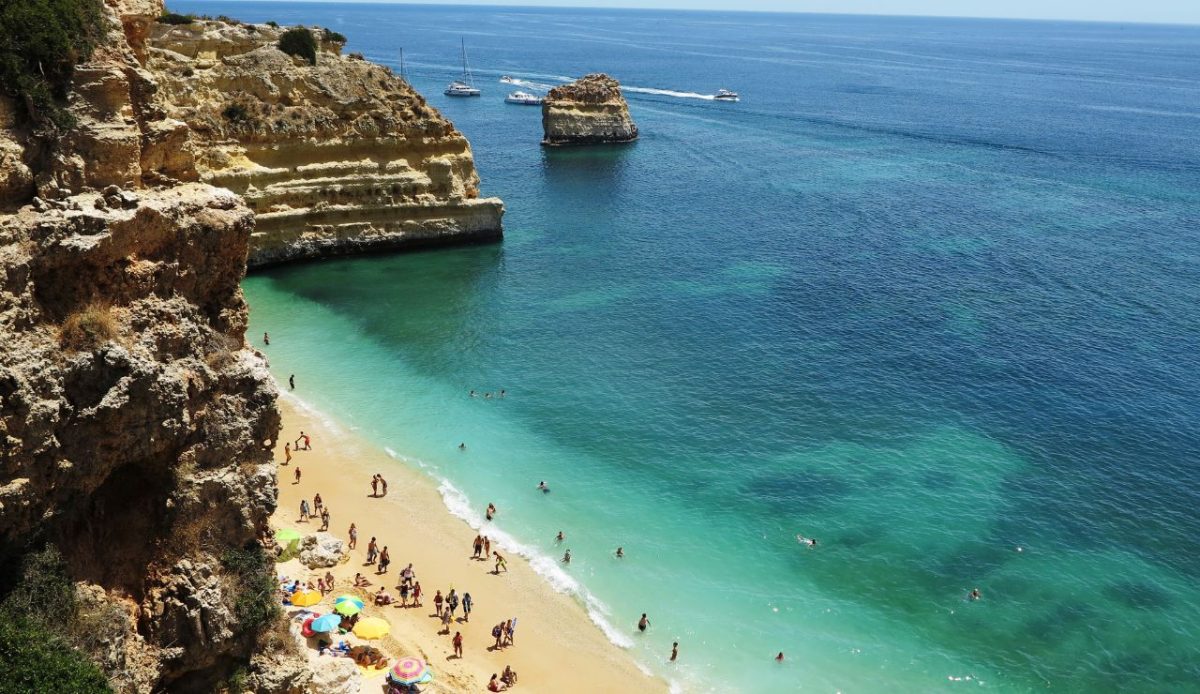
The Algarve sells sunshine and walkable towns, but demand has pushed housing into squeeze mode. Rents and purchase prices can jump quickly, and long-term rentals may be scarce in peak seasons.
Portugal has been tweaking incentives and tax rules that once attracted foreign retirees, so newcomers face more paperwork and fewer automatic perks. Some municipalities are tighter about short-term rentals, new licensing, and enforcement.
For would-be residents, the friction shows up as higher entry costs, competition for apartments, and pressure on local clinics and transport in small coastal towns where capacity is limited. Budget for extra time and backups.
2. Barcelona, Spain

Barcelona’s climate and transit make it attractive for active retirement, but crowding has turned housing into a flashpoint. Locals regularly complain about rent pressure and neighborhoods hollowed out by vacation lets.
That tension has translated into tougher rules on short-term rentals and more scrutiny of illegal listings, which can reduce the “try before you buy” options. Expect more checks on permits, registrations, and building rules.
Newcomers can still settle successfully, but it helps to plan for higher costs, fewer central rentals, and the need to integrate into a community that’s protective of space. Looking slightly outside the core can ease the temperature, socially and financially.
3. Malta

Malta is compact, English-friendly, and sunny, but “compact” is the catch when arrivals spike. Traffic, construction, and limited green space can feel intense compared with the island’s marketing.
Housing demand has climbed, and popular coastal areas can price out locals, which fuels resentment toward buyers who treat properties as investments or part-time homes. Officials also watch pressure on clinics and public services.
If you’re relocating, factor in higher rents, noise from development, and the need to choose neighborhoods carefully so day-to-day life feels livable, not just vacation-ready. Visiting in winter and summer helps you see the full reality.
4. Chiang Mai, Thailand

Chiang Mai has long drawn retirees for affordability and a large expat network, but popularity brings new friction. Hot-season air pollution can be a bigger deal than many newcomers expect, and it affects daily routines.
Neighborhood prices have risen, and some residents push back against development that caters mainly to outsiders. Visa rules and reporting requirements can also change, adding uncertainty to long stays.
The city can still work well, but a smooth move now requires flexibility: budget for better housing, plan around smoke season, and keep your residency paperwork organized and current. As traffic grows, living close to essentials matters more than ever.
5. Bali, Indonesia
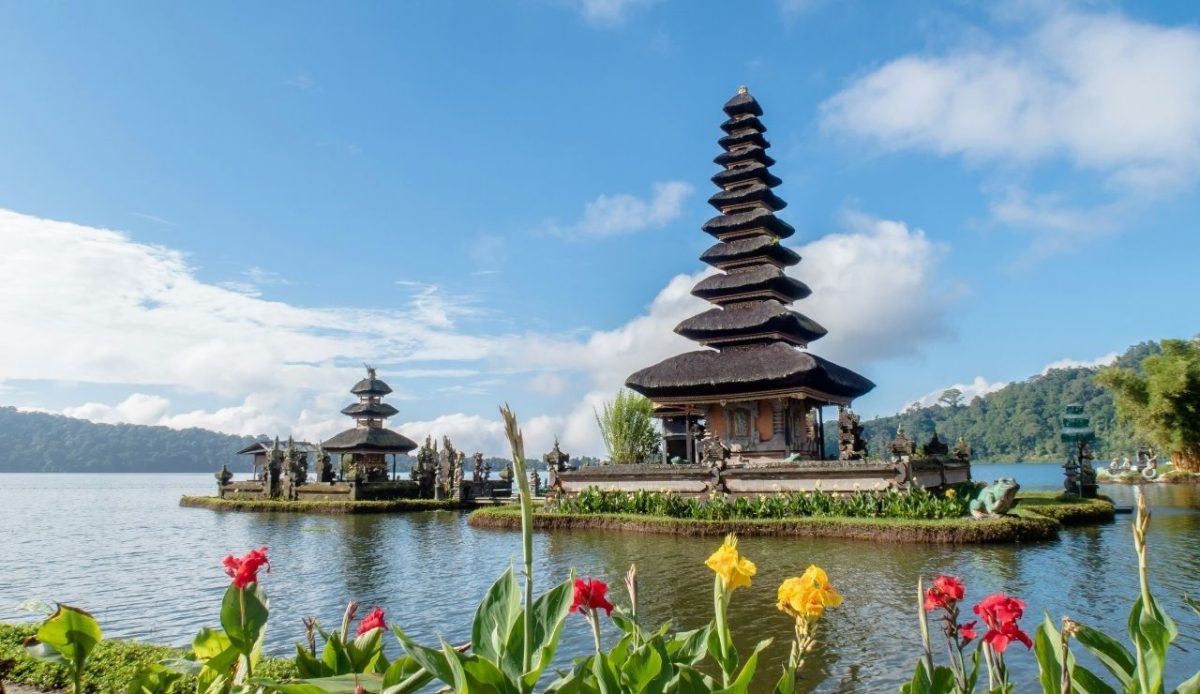
Bali’s retirement appeal used to be “quiet island life,” but parts of it now run on influencer speed. Areas like Canggu and Ubud can feel crowded, with more scooters, construction, and competition for rentals.
Local authorities have talked up enforcement against visa misuse and unlicensed businesses, and that can spill into more checks for long-stay foreigners. Water use and waste management are also sore spots.
Retirees can still find calm, but it often means choosing less-hyped neighborhoods, accepting higher costs than a decade ago, and being mindful that locals are watching growth’s downsides closely. Showing respect for local rules and ceremonies goes a long way.
6. Mexico City, Mexico

Mexico City attracts retirees who want museums, parks, and nonstop food options, but housing politics are getting sharper. Rising rents in popular neighborhoods have sparked protests and calls for tighter regulation.
Officials have discussed stronger rules around short-term rentals and rent increases, and landlords may become more selective about longer leases. That can make finding a stable, fairly priced home harder for newcomers.
If the city is your plan, avoid assuming you can “wing it” with a month-to-month setup. Research neighborhoods beyond the trendy core and budget for a competitive rental market with local scrutiny and shifting rules.
7. Lake Chapala, Mexico
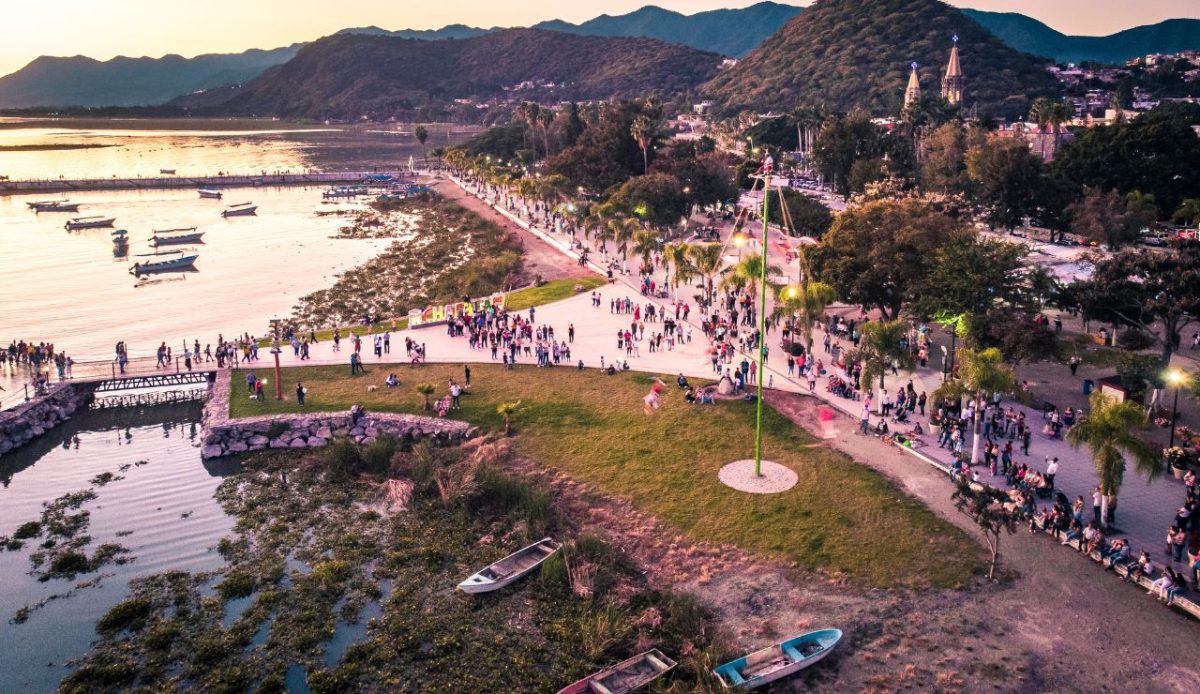
Lake Chapala, especially Ajijic, is famous for its retiree community, and that popularity is exactly why it’s changing. More foreign demand can raise home prices and reshape small-town services toward outsiders.
As costs climb, longtime residents may feel squeezed, and you’ll sometimes hear frustration about cultural bubbles or newcomers driving local inflation. In practical terms, rentals can be snapped up quickly in peak months.
A good move here looks less like importing your old life and more like joining a place that already exists. Learn basic Spanish, shop locally, and expect that “cheap and easy” is less guaranteed than it used to be.
8. Boquete District, Panama
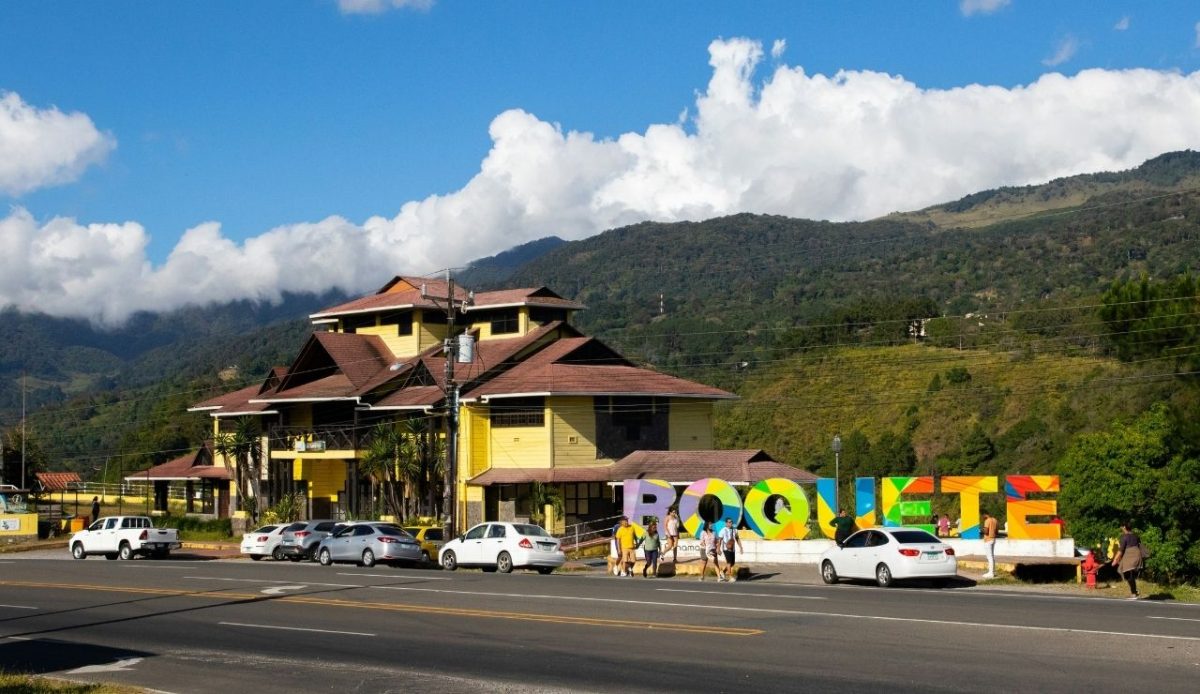
Boquete’s cooler climate and mountains made it a go-to Panama retirement pick, but growth has brought growing pains. New builds and land speculation can push prices up faster than local wages.
Infrastructure is a common complaint: traffic bottlenecks, limited parking, and pressure on water and waste systems during high season. That can feed a sense that newcomers are arriving faster than the town can handle.
To avoid surprises, visit during busy months, ask direct questions about utilities and road access, and don’t assume every neighborhood has the same reliability for internet, water pressure, or emergency services. Due diligence matters here.
9. Naples, Florida, USA
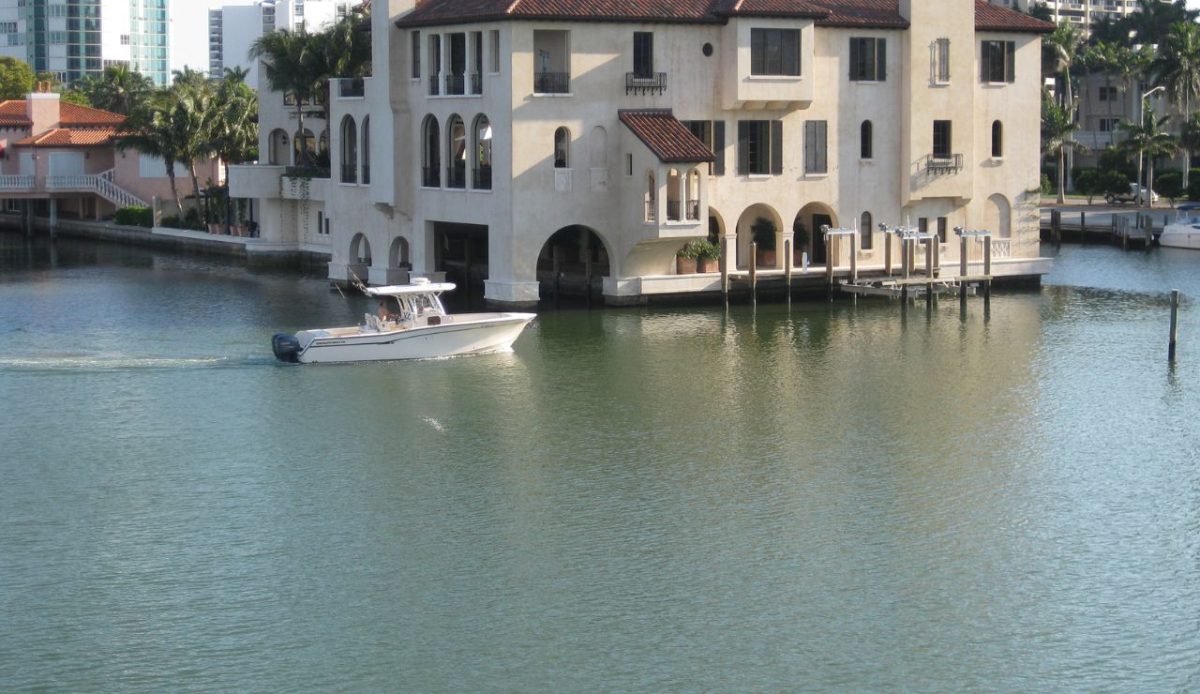
Southwest Florida cities like Naples draw retirees for beaches and golf, but the cost of staying insured is reshaping the market. Higher homeowners insurance, storm prep costs, and rising fees can make budgets wobble.
Rapid development also brings congestion and sharper debates over building, water use, and who the area is “for.” HOA and condo rules can be stricter, and assessments can arrive with little warning.
Newcomers aren’t unwelcome, but they’re entering a more regulated, higher-cost environment. Before buying, price out insurance realistically, read association documents, and consider how evacuation logistics will feel in your 70s, not your 50s.
10. Asheville, North Carolina, USA
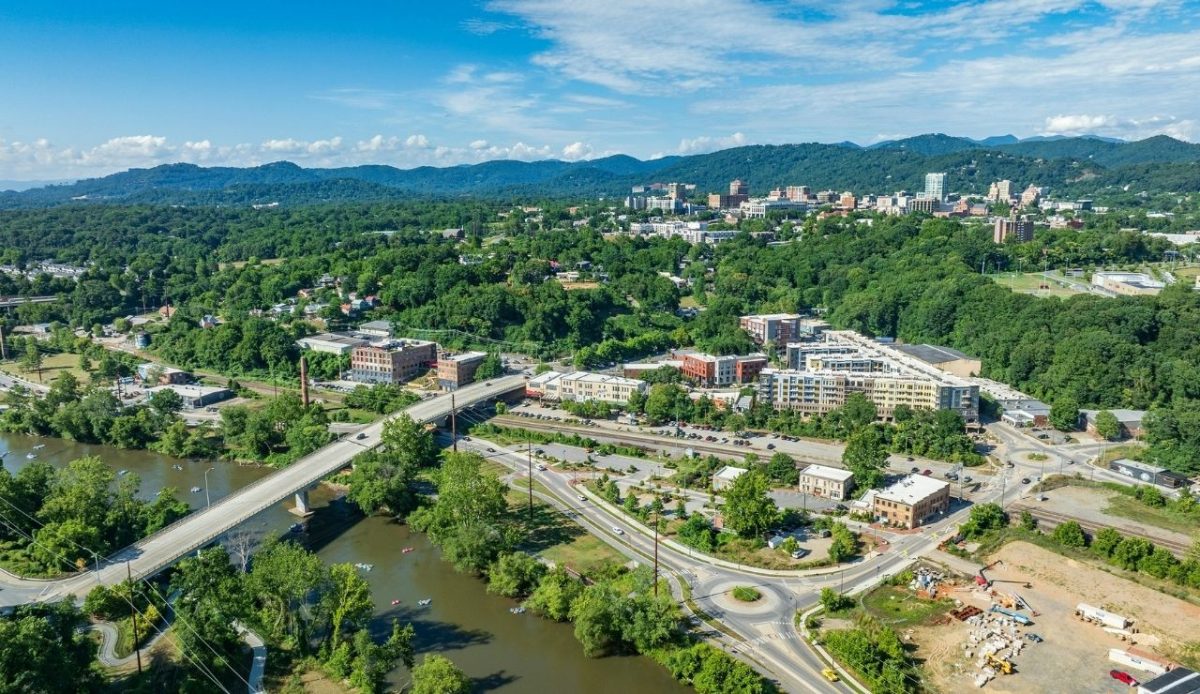
Asheville’s artsy mountain vibe has pulled in retirees for years, and the popularity shows in housing pressure. Short supply and strong demand have pushed prices up, and some locals blame newcomers for changing the character of neighborhoods.
Tourism-heavy weekends can add traffic and noise, and service workers often commute from farther out because they can’t afford central rents. That tension can translate into less patience for yet another newcomer asking, “Where’s the hidden gem?”
If you want Asheville long-term, plan like a local: choose a neighborhood for daily errands, not weekend fun, and expect a competitive market with more scrutiny around short-term rentals and new development.
