
Passport problems often start with math, not missing pages or lost bookings. Many border systems treat a passport as unusable unless it stays valid past a required buffer date, which can differ by route and season.
Airlines usually apply these rules first through Timatic-style databases and check-in software. If the system flags the document, boarding can be refused even when the traveler argues the booklet is still in date. Desk agents can override it.
This guide lists fifteen recurring expiration rule errors that show up every year. Each point focuses on how dates are counted so readers can check their own trips early and renew with time to spare.
1. Schengen Requires Three Months After Exit

Schengen entry checks passport validity from the day you plan to leave the Schengen zone, not the day you arrive. The rule is at least three months of remaining validity after that final exit date, even for simple weekend itineraries.
A traveler can land with a passport that expires in two months and still have weeks of vacation left, yet the trip fails the requirement. The short length of the trip does not change the calculation, and the exit date on the ticket is what matters.
Because carriers face fines for transporting inadmissible passengers, the flight can be denied at check-in. Border control never sees the case if the airline system blocks the boarding pass, so the fix is a renewal before travel.
2. Passport Must Be Issued Within Ten Years

Schengen rules also limit passport age. On the day of entry, the passport must have been issued within the last ten years, even if the expiration date printed later suggests longer validity for the booklet.
Older renewal practices in some countries carried unused months forward. That can create a passport that looks valid for more than ten years from issuance, yet it can be treated as too old at the border and by airline checks.
Travelers miss this because the issue date is easy to overlook during online check-in. A quick review of both the issue and expiry lines prevents a last-minute scramble, since rebooking rarely fixes the date problem.
3. UK Carried Over Months Do Not Count For Schengen
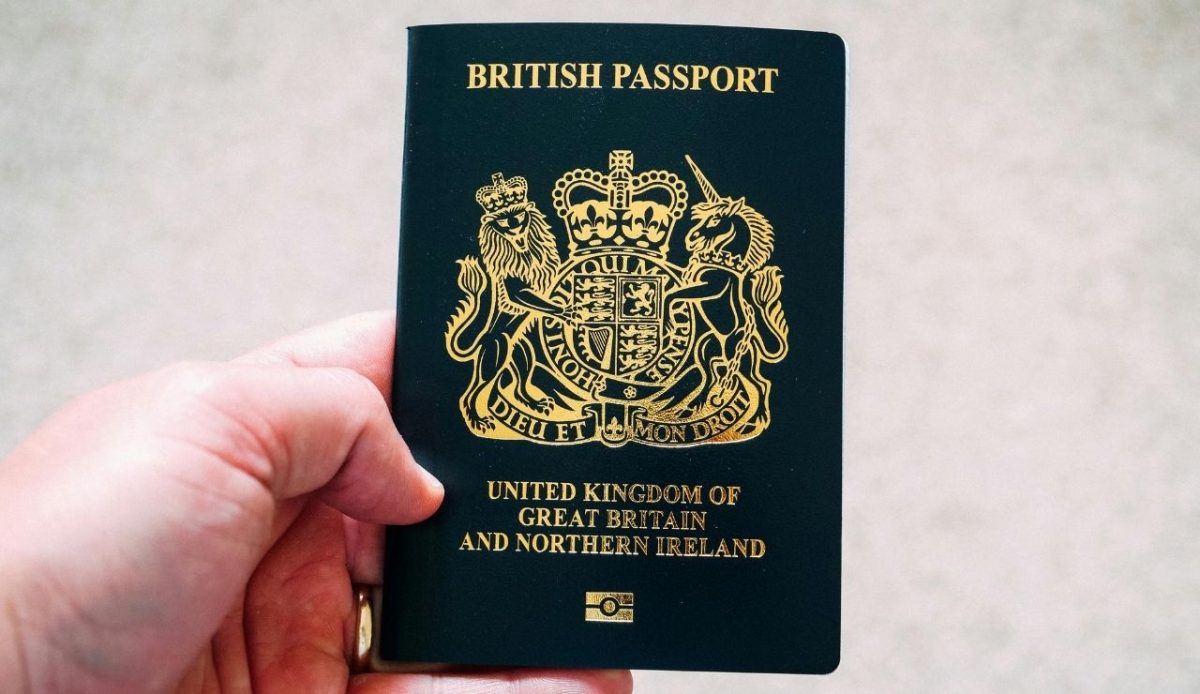
UK passports renewed under older rules could add up to nine unused months from the prior document. Many people still believe those extra months count toward European travel validity, because the printed expiry is the first date they notice.
For Schengen travel, the ten-year issuance cap overrides any carried-over time. A passport can show an expiry date that looks safe, yet it can fail the issuance limit and be rejected at the gate before bags are checked.
This error hits families because the passport appears fine until the airline runs an automated validation. Agents are trained to follow the system result, so arguing rarely helps. Checking the issue date against the rule avoids the surprise.
4. Six Months Is Often Counted From Arrival

Many destinations apply a six-month validity buffer that is counted from the date you enter, not the date you fly home. Travelers often do the math backward and end up short, especially when tickets are open-jaw or changed later.
If a passport expires five months after arrival, the trip may be blocked even when the return ticket is earlier. The rule is built to cover unexpected delays that extend the stay beyond the plan, such as illness, flight cancellations, or missed connections.
Before booking, compare the entry date on the itinerary with the expiry date on the passport. When the window is tight, renewing early is cheaper than losing flights and hotel prepayments, and it reduces stress at check-in.
5. The United States Often Expects Extra Validity

Many visitors assume the United States accepts any passport that remains valid through the trip. In practice, many foreign nationals, even on short trips, have a common expectation of six months of validity beyond the intended period of stay.
Confusion happens because the rule is enforced by carriers during boarding and by entry screening systems. A traveler may be turned away at the airport even though they planned to depart well before expiry. Check-in staff follow the database result.
The safe step is to confirm the requirement for the traveler’s nationality and visa class, then compare it with the planned departure from the US. When dates are close, renewal is the lower-risk choice.
6. Airlines Apply The Rule Before You Fly

Many travelers think the final decision belongs to the border officer upon arrival. In reality, airlines screen passports at departure because they can be penalized for transporting passengers who do not meet entry rules. The process is routine and fast.
That means a passport can be valid in a casual sense yet still fail the destination’s buffer requirement. The denial happens at the counter or kiosk, before security, and it can apply to the entire party on the booking.
Customer service teams may offer rebooking, but a new flight does not change the passport dates. The practical fix is renewing or changing the itinerary to a place with looser validity rules.
7. Short Trips Still Fail Exit-Based Math

People expect a quick getaway to be treated more leniently, yet validity rules do not scale with trip length. For exit-based regimes like Schengen, the only key date is the planned departure from the zone, even if the traveler arrives and leaves on back-to-back days.
A one-night stay can be blocked the same way as a month-long vacation if the passport falls short after the exit date. Travelers get trapped when they book last-minute deals close to their expiry and assume they can slide through due to the short schedule.
To avoid it, calculate validity using the last border crossing date on the itinerary, not the hotel nights. If plans might change, add extra margin rather than relying on a tight countdown, since delays create issues.
8. Multiple Entries Must Cover Final Exit
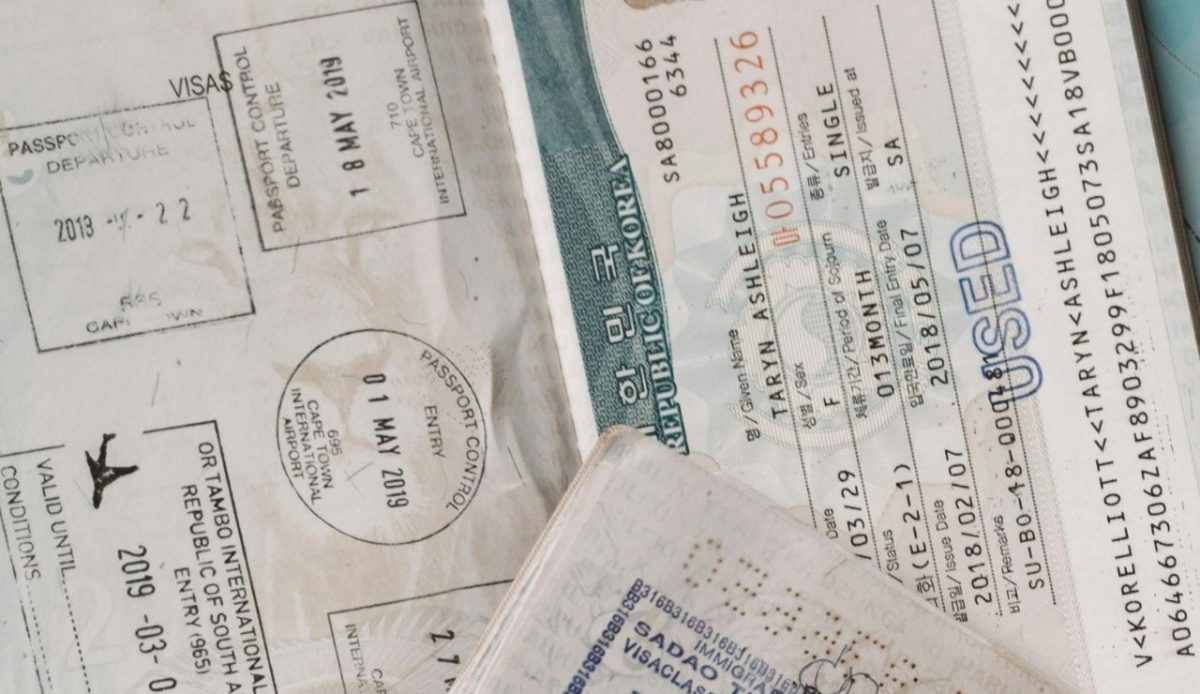
When a traveler plans more than one entry into a region, validity must extend beyond the final planned exit, not just the first arrival. People often check the earliest dates and miss the later leg, especially when trips are booked months apart.
A passport can meet the rule for the first meeting or conference, then fail for a second trip a few weeks later if the last exit date falls outside the required buffer. Airline systems may evaluate the whole itinerary once the segments are linked, even if tickets were purchased separately.
Anyone booking multi-city travel should review the latest outbound segment that leaves the zone. If later plans are uncertain, renewing before the first trip can prevent being stranded mid-season.
9. Expiring During The Stay Can Fail Screening

Many travelers assume a passport is fine as long as it does not expire until after they land back home. Some destinations and carriers treat a passport that expires during the planned stay as unacceptable, even when the person holds a valid return ticket.
The logic is that disruptions can extend a stay. If the passport expires while the traveler is still in the country, an overstayed status can happen even when the traveler did nothing wrong, and consular help might be needed to depart.
To avoid the risk, compare the expiry date with the last day of the planned stay plus a safety cushion. Renewing ahead of time is usually easier than trying to change flights around a rigid cutoff.
10. Airline Databases Use The Strictest Reading

Airline staff rely on centralized rule databases that summarize entry requirements for each passport and route. These tools often apply the strictest reading because the carrier bears the financial risk of a mistake on every flight.
Travelers may show blog posts or even old embassy replies, yet the database result controls the boarding decision. If the record says a buffer is needed, the agent usually must deny travel or ask for a new document.
The practical lesson is to check the same sources airlines use and confirm the rules close to departure. If the passport is near a threshold, renewing early is the cleanest way to avoid disputes at the counter.
