
Chicago’s best-known walks usually stay close to downtown. But some of the city’s most rewarding scenery appears in neighborhoods where the pace is slower and the streets feel more lived in.
In these areas, walking is shaped by historic homes, murals, corner shops, church spires, old industrial buildings, and parks that open naturally into the route. The appeal comes from how the neighborhood fits together, not from one headline attraction.
These 10 Chicago neighborhoods are good examples. They are often missed by first-time visitors, yet each offers a strong sense of place for travelers who want scenic walks that feel local, varied, and easy to explore on foot.
1. Ravenswood

Ravenswood works well for walkers who like calm residential blocks mixed with small commercial pockets. Choose Chicago describes the area as a blend of urban and family-friendly character, and that balance is what makes it easy to explore on foot.
The Ravenswood Corridor adds texture to the route, with older brick buildings, converted warehouse spaces, and stretches that feel quieter than many North Side destinations. It is not a flashy neighborhood, which is part of the point.
A scenic walk here is less about one signature landmark and more about the steady rhythm of the streetscape. For travelers who enjoy architecture, storefronts, and a neighborhood atmosphere that unfolds gradually, Ravenswood offers a relaxed local experience.
2. Albany Park
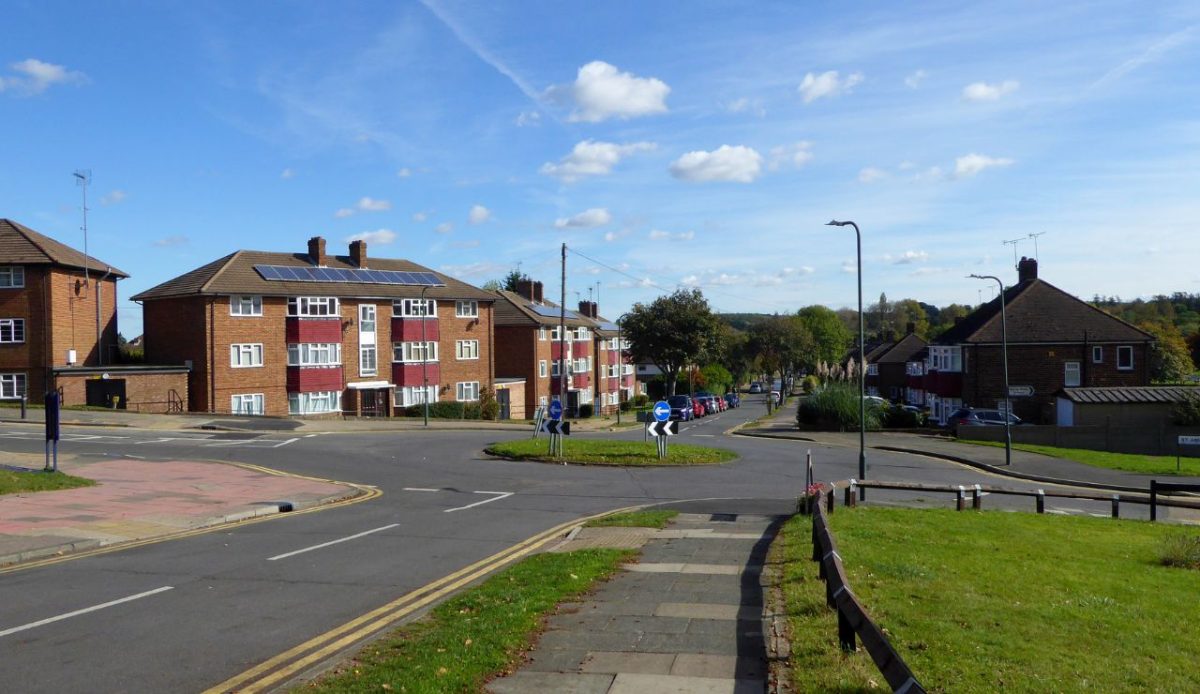
Albany Park is a strong choice for travelers who want a walk that feels varied without depending on major tourist stops. Choose Chicago highlights the neighborhood’s international character, including a restaurant crawl with more than 70 participants and markets filled with specialty foods from around the world.
That diversity makes the streets visually interesting even before you stop anywhere. Storefronts change quickly from block to block, and the area’s commercial stretches give a walk an open-ended feel instead of a fixed route.
Scenic, in Albany Park, comes from movement and contrast rather than monuments. It suits people who like to notice small details, shifting languages, and the design of a district shaped by many communities.
3. Andersonville

Andersonville has a compact layout that makes it especially satisfying for a scenic walk. Choose Chicago describes it as dense with one-of-a-kind shopping, eateries, and historic architecture, which explains why the neighborhood feels lively without becoming overwhelming.
The main business corridor gives walkers a clear path, but the side streets keep the experience from feeling too commercial. Older buildings, independent storefronts, and a strong neighborhood identity make the area easy to enjoy at a slower pace.
For visitors, Andersonville works because the scenery is built into the street itself. A simple walk through the district delivers enough texture, detail, and local character to fill an unhurried afternoon.
4. Bronzeville
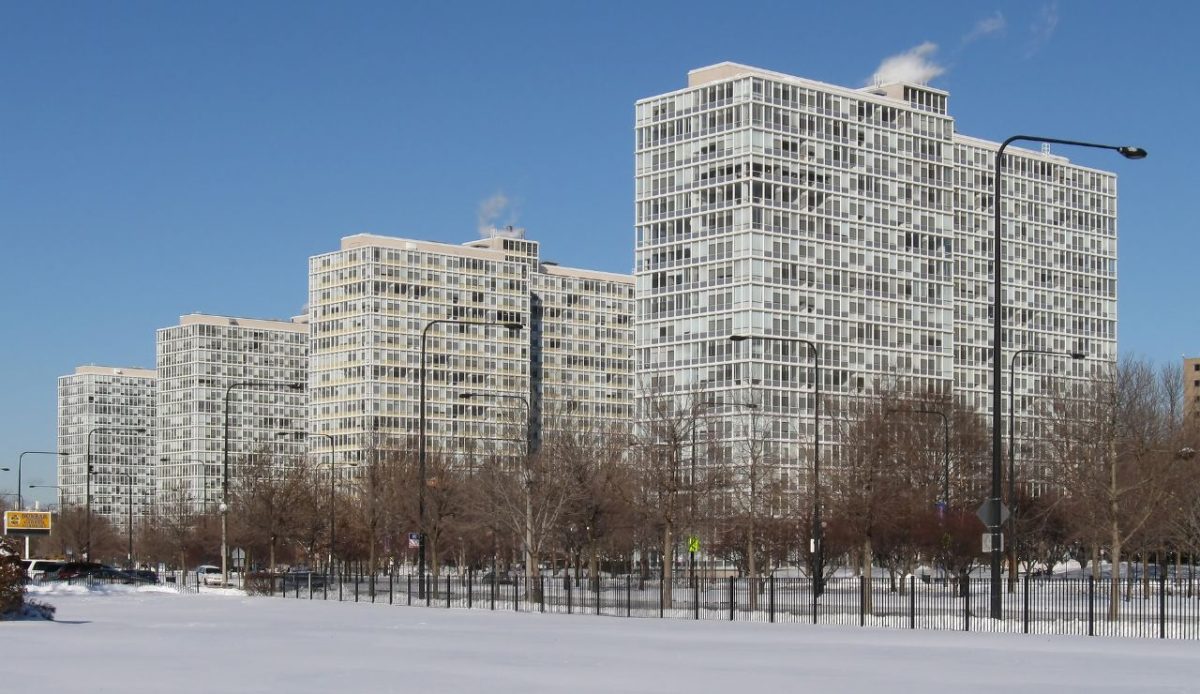
Bronzeville offers one of the city’s richest walking environments for travelers seeking scenery tied to history and culture. Choose Chicago recommends the neighborhood for its legacy as a hub for Black life and culture, while newer coverage points to galleries, cafes, and restored mansions that still shape the streetscape.
That mix gives a walk here unusual depth. Some blocks feel residential and stately, while others lead past landmarks, murals, and institutions that connect directly to Chicago’s broader story. The neighborhood rewards people who slow down and read the landscape.
Bronzeville is scenic in a layered way rather than a purely picturesque one. It suits walkers who want beauty, meaning, and architectural interest together.
5. Beverly
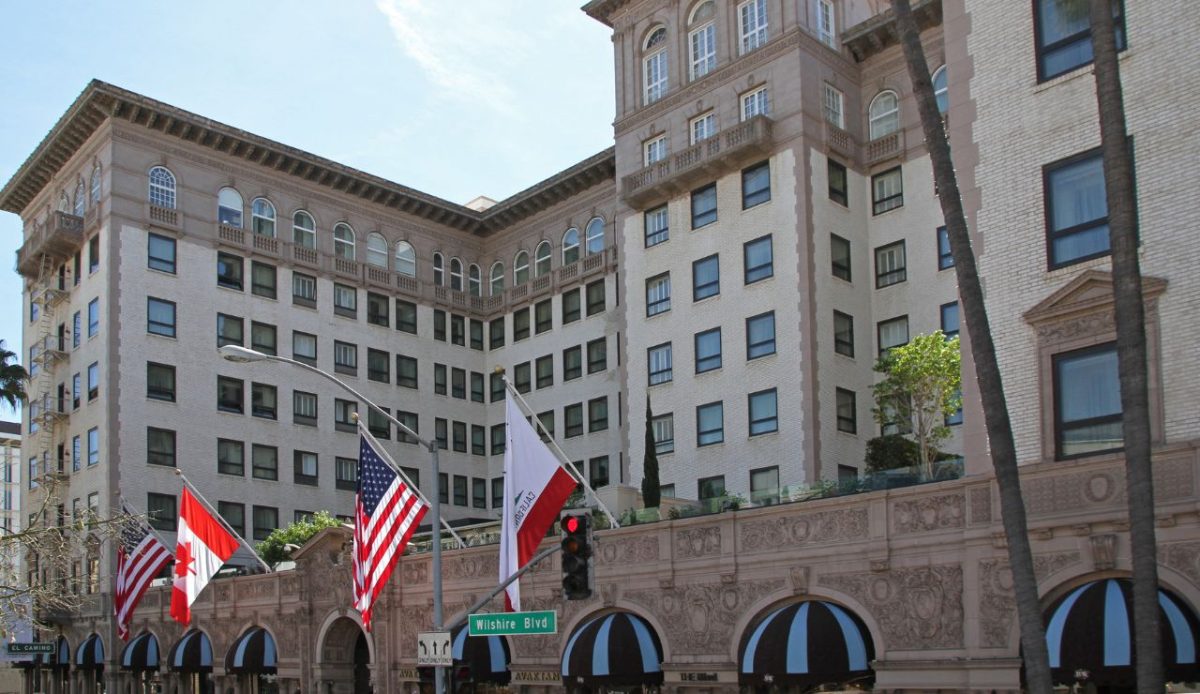
Beverly is a neighborhood where the houses create the scenery. Choose Chicago notes that it contains a huge historic district, with residential architecture ranging from Prairie-style homes to brick Tudors and Spanish-inspired designs.
That variety gives even a short walk visual range. The blocks feel spacious, the homes are often set within mature landscaping, and the overall effect is quieter and greener than what many travelers expect from Chicago. It has earned the description “village in the city” for good reason.
For scenic walking, Beverly stands out because the route does not need much planning. A few connected residential streets are enough to show the neighborhood’s architectural character to visitors.
6. Pullman
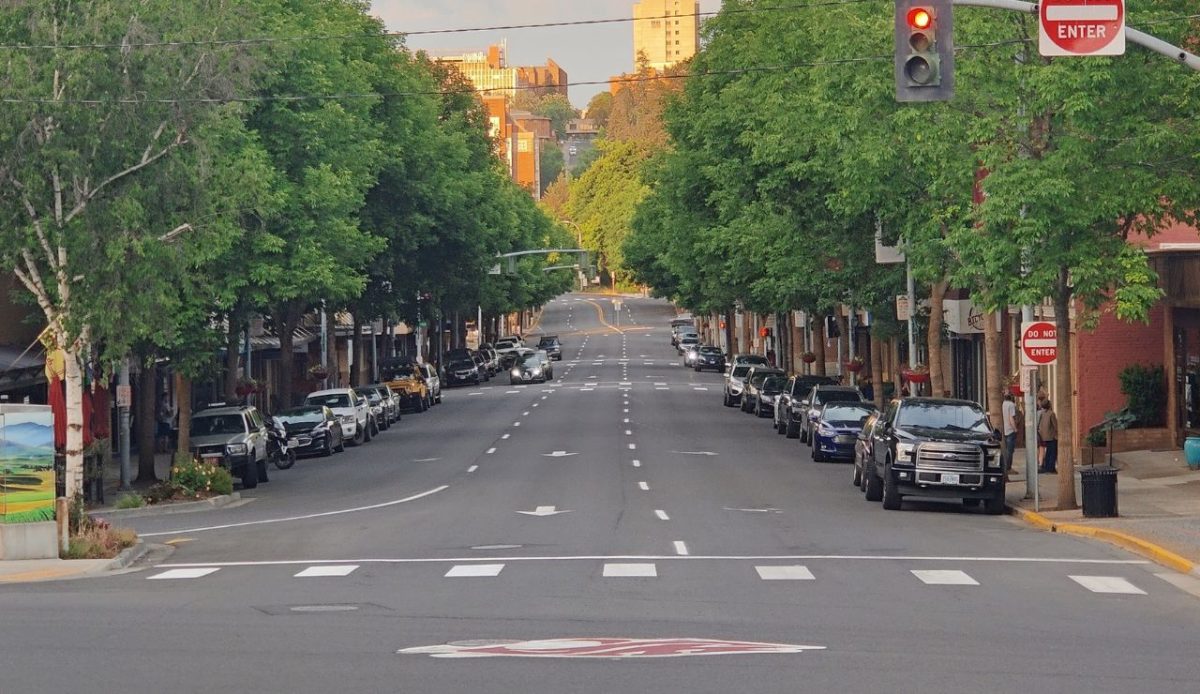
Pullman offers a different kind of scenic walk, shaped by preservation and industrial-era planning. Choose Chicago notes that it is the only National Monument site in Chicago, and also recommends walking the neighborhood after visiting the site.
That advice makes sense because the district works best at ground level. The streets reveal a coordinated historic environment, with brick rowhouses, civic buildings, and restored details that make the area feel distinct from almost anywhere else in the city.
For visitors interested in design and history, Pullman is worth more than a stop. The neighborhood’s scenery comes from continuity and context, making it ideal for travelers who enjoy places where the built environment tells a clear story.
7. Hyde Park
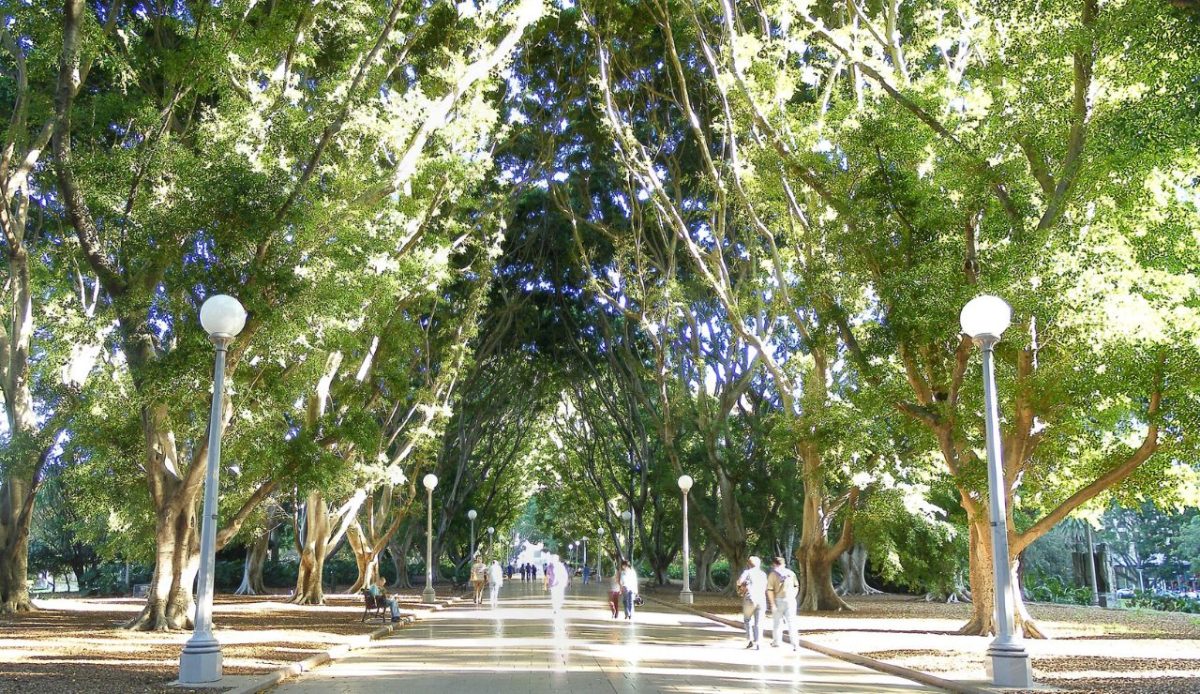
Hyde Park is better known than some neighborhoods on this list, but it is still easy to overlook if a Chicago trip stays centered on downtown. Choose Chicago describes it as having a small-town feel in the middle of a big, dynamic city, and that balance is what makes it strong for walking.
The neighborhood combines cultural institutions, residential streets, and access to green space and the lakefront, so a route can shift naturally from campus-style surroundings to quieter blocks and open views. That variety gives walkers more than one kind of scenery in a single outing.
Hyde Park works especially well for travelers who want a longer, flexible walk. Its mix of architecture, public space, and neighborhood rhythm makes it reliable on foot.
8. Edgewater
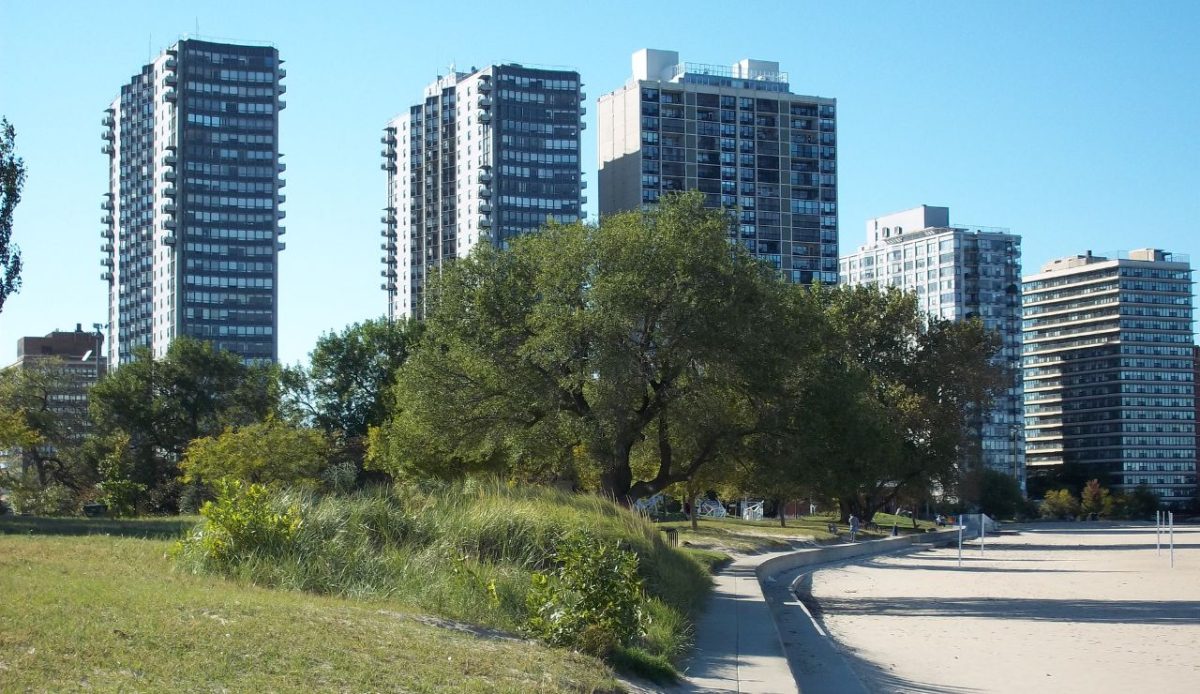
Edgewater is a strong choice for walkers seeking a neighborhood atmosphere with easy access to the lake. Choose Chicago calls it laid-back but notes that it is also full of beaches, international dining, and storefront theaters, which helps explain why a walk here feels both calm and active.
The scenery changes naturally as you move through the area. Residential stretches lead toward busier commercial pockets, and the nearby waterfront adds a visual break that gives the neighborhood a more open feel than inland districts.
For travelers, Edgewater is appealing because it never relies on one big moment. The walk is the attraction: local streets, small businesses, and the chance to reach the shoreline without leaving the neighborhood behind.
9. Humboldt Park
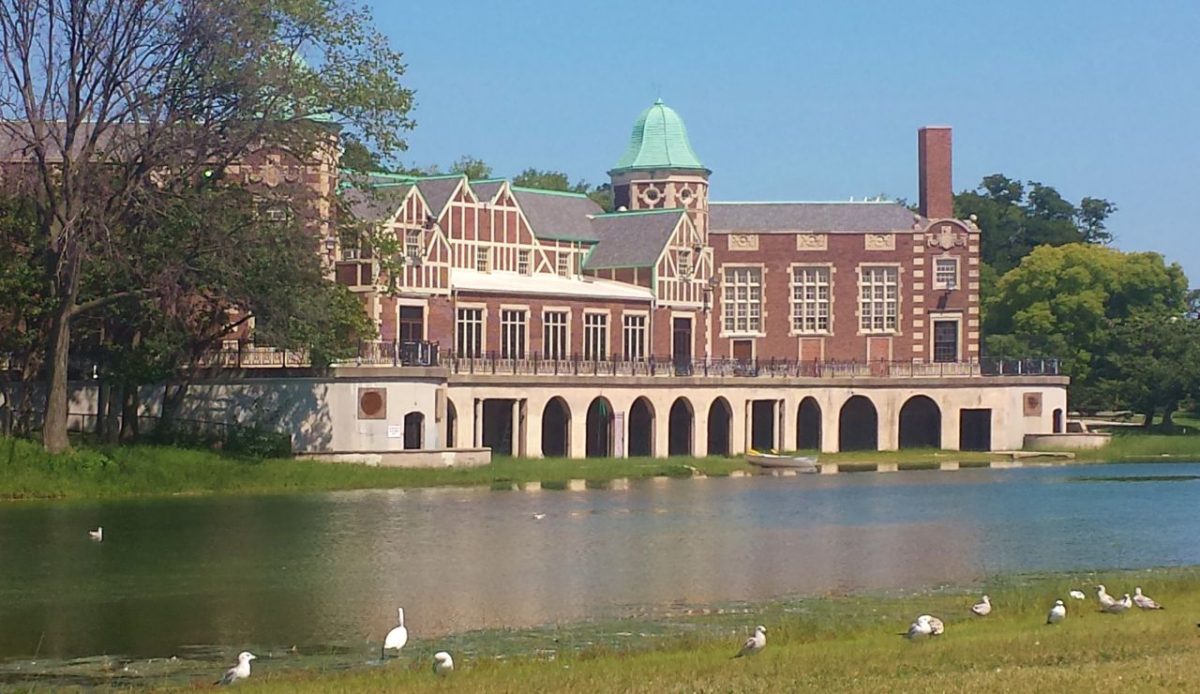
Humboldt Park works for travelers seeking scenery tied to landscape and culture. Choose Chicago’s walking tour highlights Puerto Rican heritage, colorful public art, and lush green space, a combination that gives the area a strong visual identity from the start.
That makes it easy to build a walk that never feels repetitive. One stretch may focus on monuments or murals, while another opens into broad parkland that changes the pace completely. The neighborhood feels expressive, but it also offers room to slow down.
For scenic walking, Humboldt Park succeeds because the route carries civic and natural character. Visitors looking for greenery without losing the sense of being in a distinct Chicago neighborhood will find it rewarding on foot.
10. Garfield Park

Garfield Park is often overlooked by visitors who focus on the lakefront, yet Choose Chicago calls it a nature lover’s paradise with a sprawling chain of green spaces anchored by the historic Garfield Park Conservatory. That shows why the neighborhood has real walking appeal.
The scenery here comes from scale. Parkland, gardens, and broad outdoor stretches create a sense of openness that can feel unusual within a major city, especially when paired with the conservatory and surrounding landscape design. It is a neighborhood where greenery shapes the experience.
For travelers planning scenic walks, Garfield Park offers a different side of Chicago than the usual skyline route. It suits people who want an outdoor space to lead the itinerary.
