
Europe is home to some of the world’s oldest airports, many of which began as military bases or grass airstrips long before commercial aviation took off. Despite their age, these historic airfields have evolved into modern transportation hubs, blending legacy with innovation. Some have witnessed two World Wars, early airmail flights, and the golden age of jet travel. Today, they still welcome millions of travelers each year. Here are 10 of the oldest European airports still in operation today.
1. Tempelhof Airport, Berlin, Germany
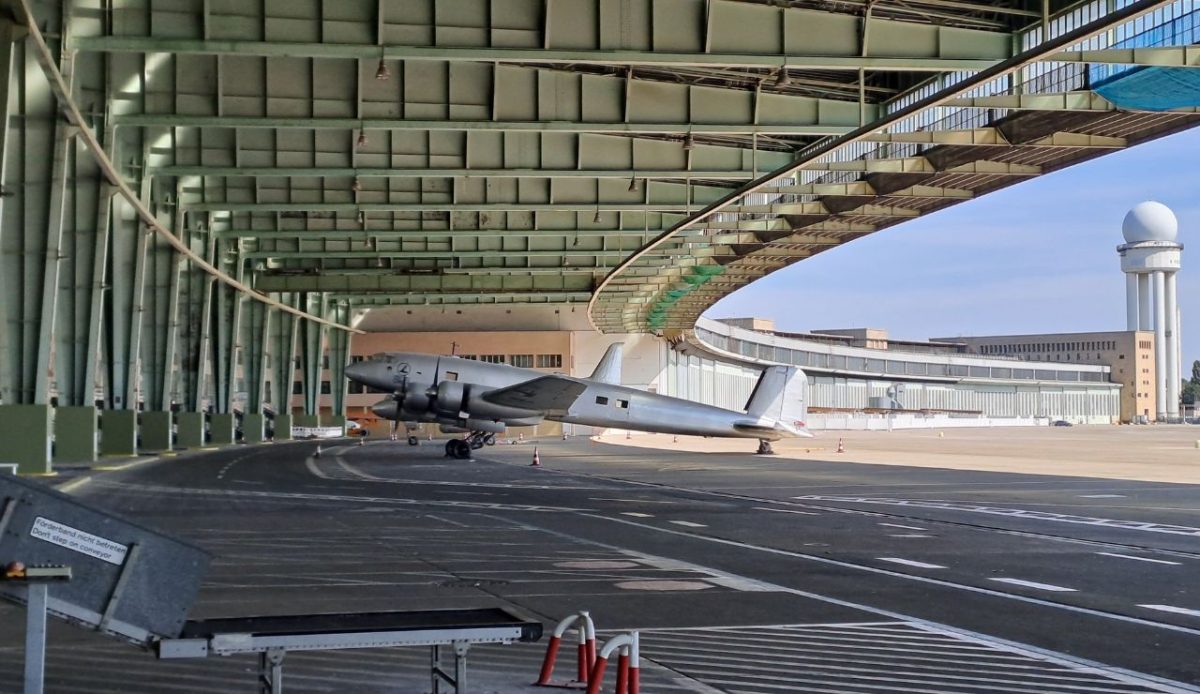
Though closed to flights in 2008, Tempelhof deserves mention as one of Europe’s earliest commercial airports, opening in 1923. It played a crucial role during the Berlin Airlift and symbolized post-war resilience. Today, it’s a public park and cultural space, with its original terminal preserved as a monument. While no longer operational for aircraft, its aviation legacy lives on in Berlin’s heart, making it one of Europe’s most storied airfields.
2. Amsterdam Schiphol Airport, Netherlands
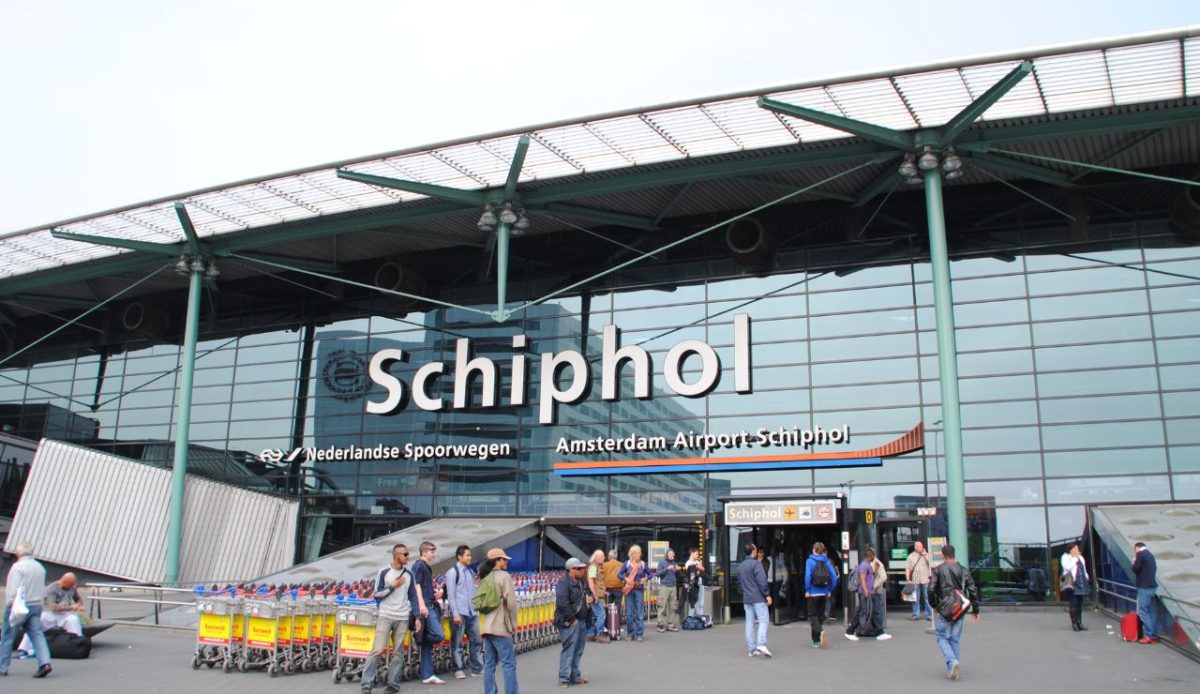
Opening in 1916 as a military airbase, Schiphol quickly evolved into one of Europe’s busiest and most advanced airports. It began commercial operations in 1920 and now welcomes over 70 million passengers annually. Despite its flat layout and single-terminal design, Schiphol is renowned for efficiency and innovation. Its deep history is reflected in its aviation museum and early runway layouts, marking it as one of Europe’s oldest and most enduring aviation hubs.
3. Le Bourget Airport, Paris, France
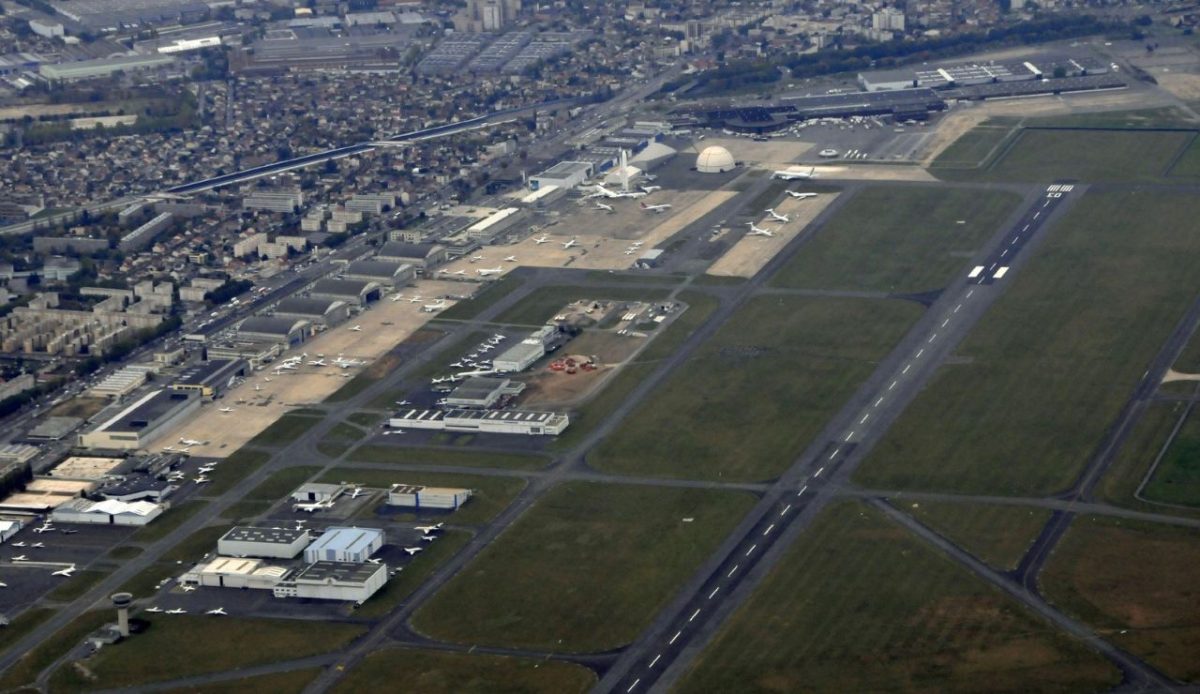
Opened in 1919, Le Bourget was Paris’s first international airport and a major hub for early commercial aviation. It famously greeted Charles Lindbergh in 1927 after his historic solo transatlantic flight. Until 1974, it served as the city’s primary airport before being replaced by Charles de Gaulle. Today, it caters to business aviation and is home to the Air and Space Museum and the Paris Air Show. Le Bourget remains a symbol of early aviation glamour and continues to support innovation and legacy in European flight history.
4. Heathrow Airport, London, United Kingdom
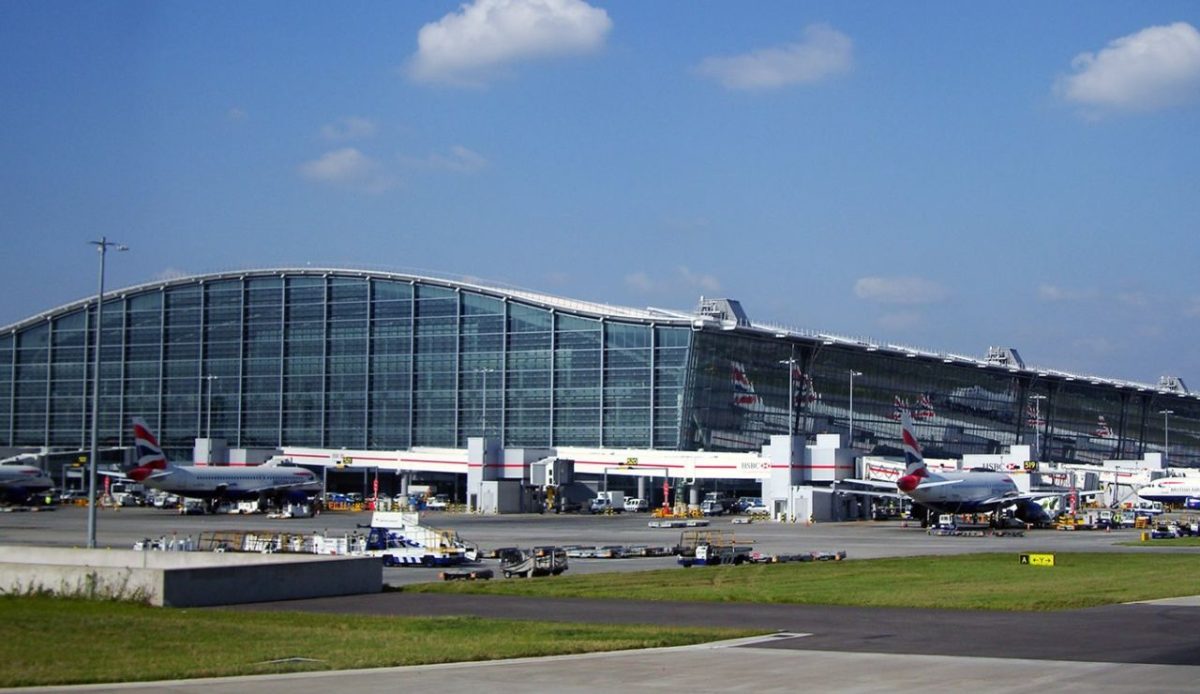
What started as the Great West Aerodrome in the 1930s became Heathrow in 1946, transforming from farmland into one of the busiest airports on the planet. Initially used for military purposes during World War II, it later expanded rapidly to serve the booming demand for post-war air travel. Terminal 1 opened in 1968, setting the stage for international prestige. Today, Heathrow continues to evolve with modern terminals and global connectivity, yet its roots trace back to aviation’s earliest commercial expansions.
5. Ciampino Airport, Rome, Italy
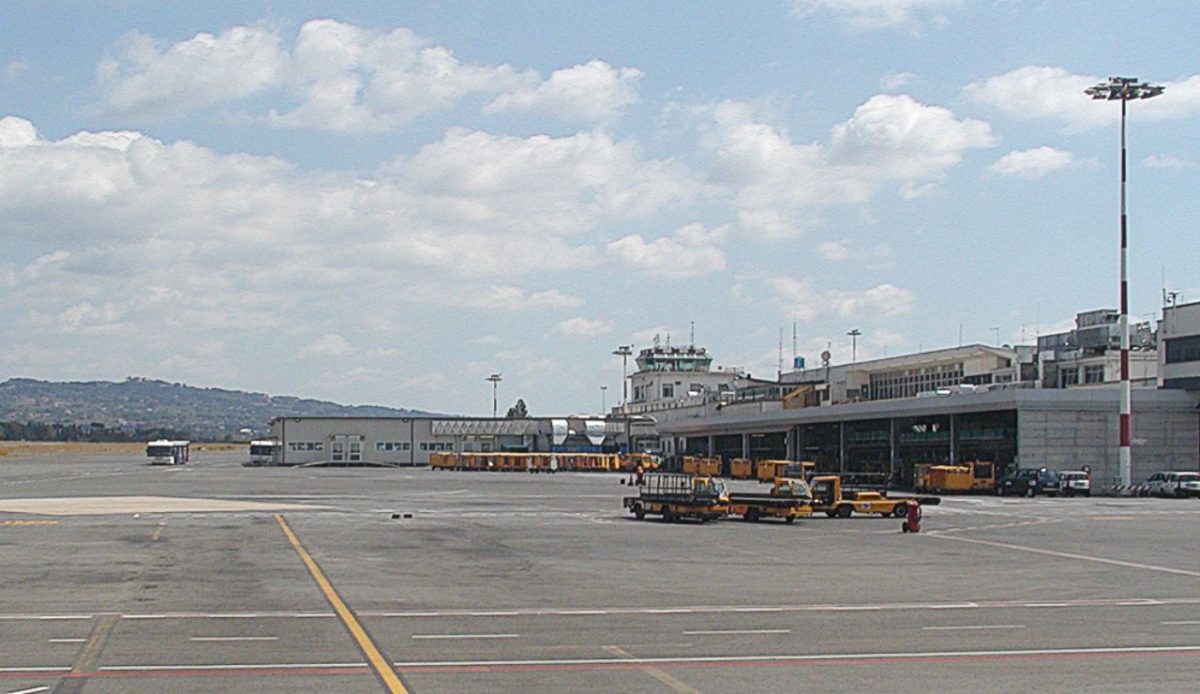
Opened in 1916, Ciampino was Rome’s main airport before Leonardo da Vinci–Fiumicino took over in 1960. It once hosted royalty, celebrities, and papal flights. Today, it handles mainly low-cost carriers and military operations but still retains a vintage charm. Its compact size and historic buildings give a glimpse into aviation’s earlier days. Despite the rise of modern hubs, Ciampino endures as one of Europe’s oldest continually operating airports.
6. Zurich Airport, Switzerland
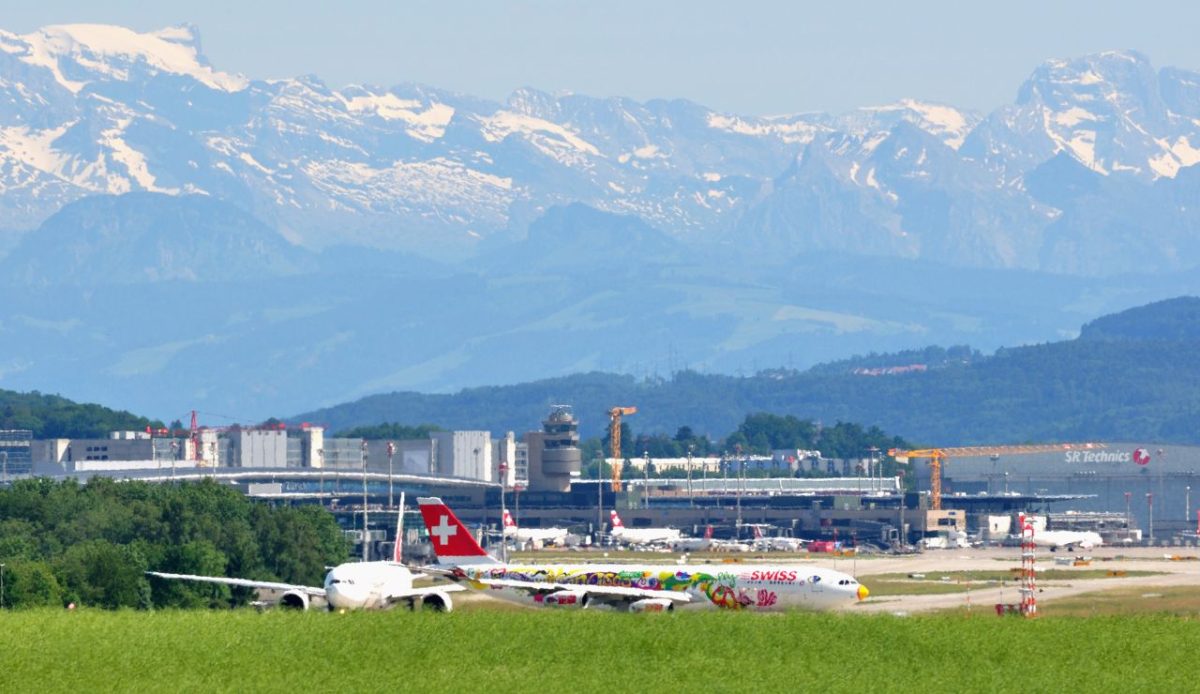
Although officially inaugurated in 1953, Zurich’s aviation history dates back to Dübendorf Airfield, which operated as the city’s main airport starting in 1919. Dübendorf served both military and commercial flights until Zurich-Kloten was developed to handle larger volumes. Zurich Airport now ranks among Europe’s most efficient hubs, but its legacy remains tied to the pioneering airfields of post-WWI Europe, keeping its historical roots alive through modern infrastructure.
7. Madrid-Cuatro Vientos Airport, Spain
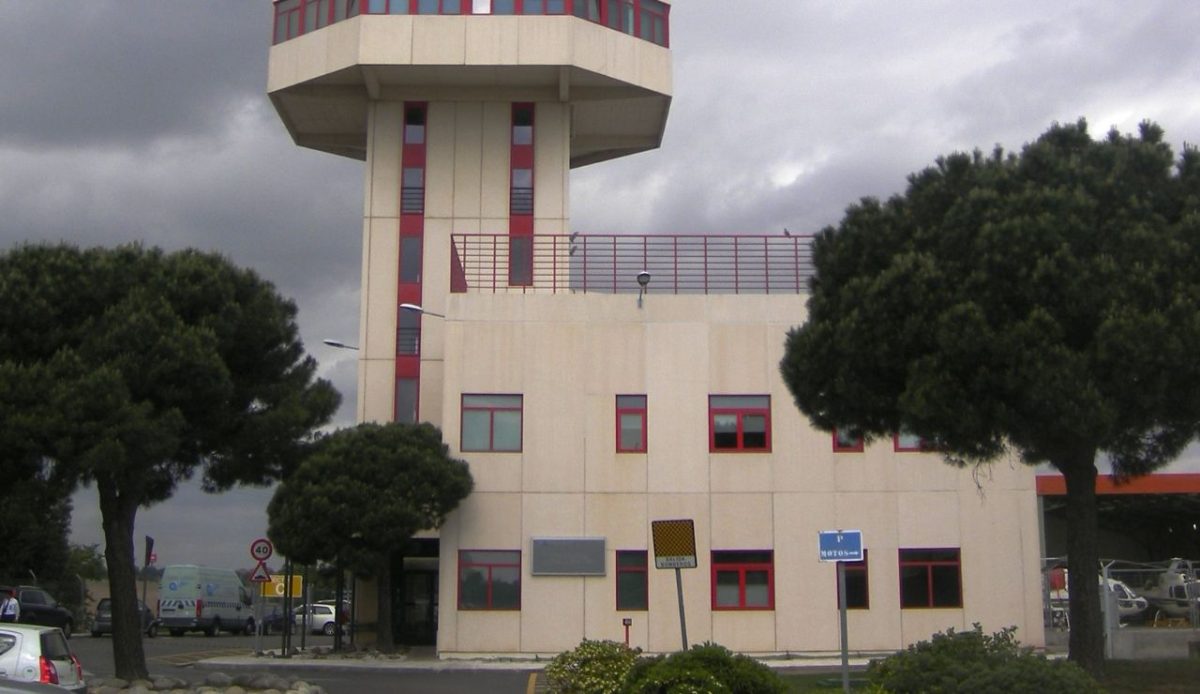
Established in 1911, Cuatro Vientos is Spain’s oldest airport and one of the oldest in Europe. It began as a military airfield and later supported civil aviation. Though it’s now used mostly for flight schools, private planes, and aviation museums, it played a key role in Spanish aviation history. Its preserved hangars and historic control tower offer a glimpse into the early 20th-century flying era, making it a hidden gem for aviation enthusiasts.
8. Copenhagen Airport, Denmark
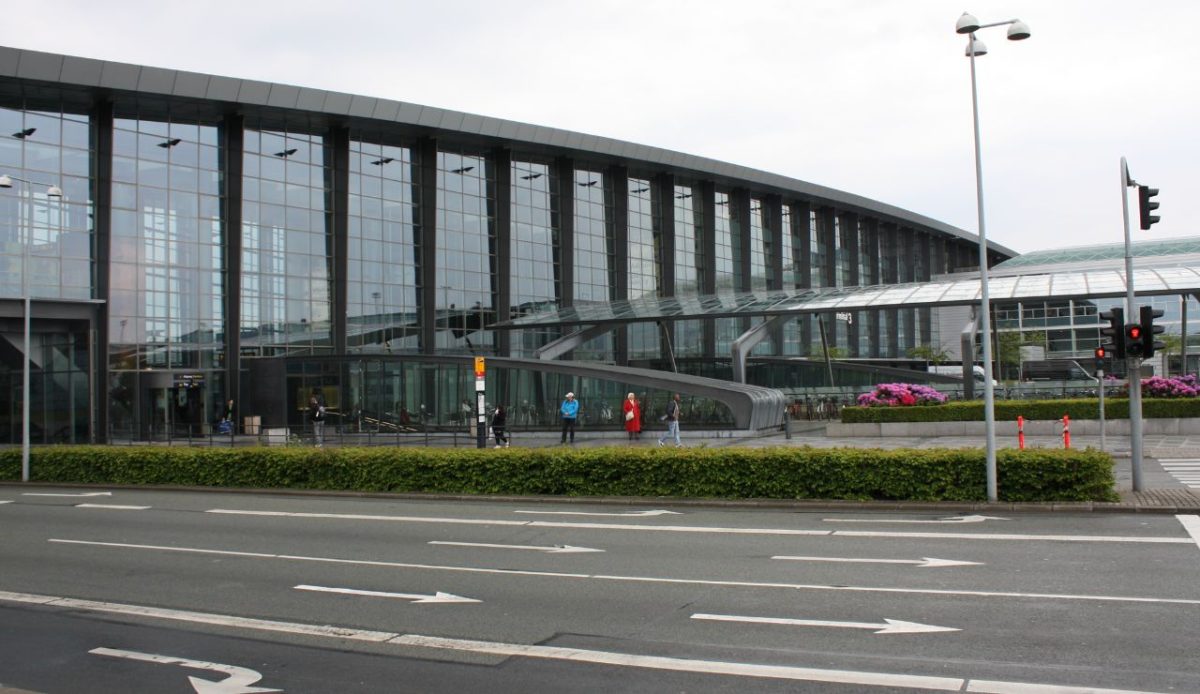
Copenhagen Airport opened in 1925 and has operated continuously ever since. Originally just a grass airstrip with a wooden terminal, it’s grown into one of Northern Europe’s busiest international hubs. The airport honors its roots with a small aviation museum and exhibits chronicling its evolution. Its blend of functional Scandinavian design and historic significance makes it a standout among Europe’s legacy airports still serving millions of travelers yearly.
9. Oslo Airport, Fornebu, Norway
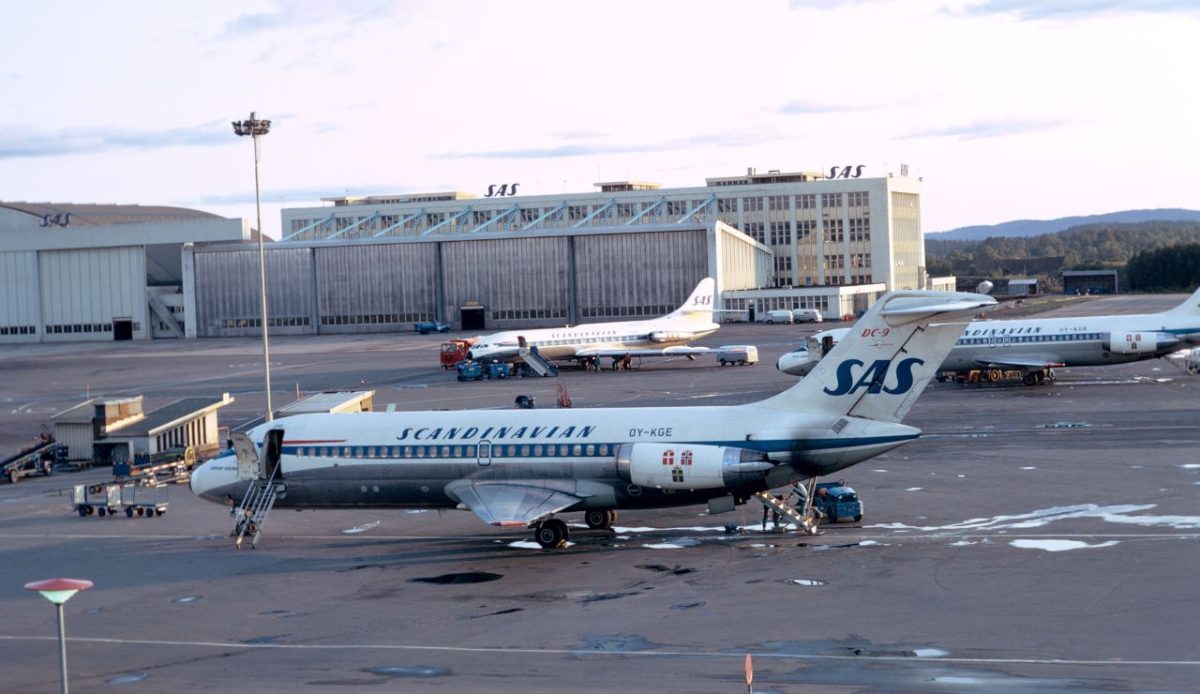
Fornebu served as Oslo’s main airport from 1939 to 1998 and played a key role in early Norwegian aviation. Located just west of the city, it handled international and domestic flights before being replaced by Gardermoen Airport. While no longer operational, Fornebu’s airfield and terminal structures have been repurposed for offices and cultural venues. Its historical impact remains vital to Norway’s aviation story, marking it as a pioneering site in Northern Europe.
10. Hamburg Airport, Germany
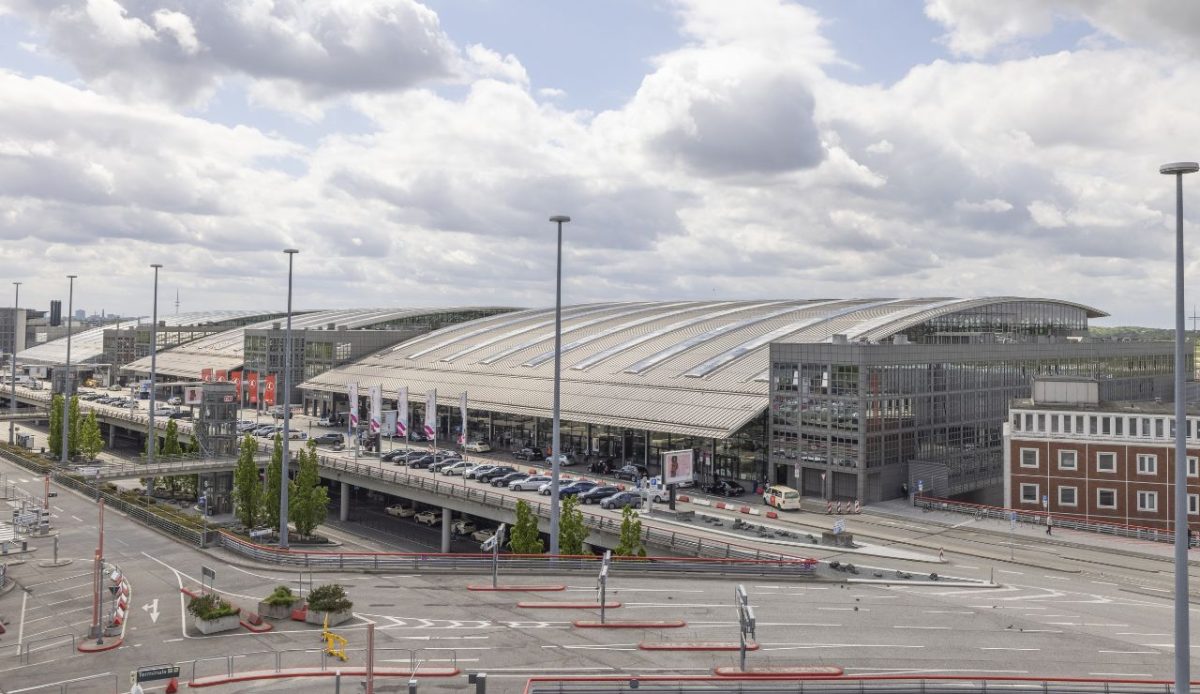
First opened in 1911, Hamburg Airport is Germany’s oldest still-operating international airport. Initially used for airships and early mail flights, it expanded rapidly during the golden age of aviation. It withstood both World Wars and modernized post-war to become a key player in Northern Europe. Despite its age, it now features sleek terminals and efficient transit systems. Hamburg’s ability to honor its past while serving modern travelers makes it a living piece of aviation history.
