
Across Asia, superstition continues to influence everyday life in ways that shape cities, traditions, and personal decisions. Beliefs surrounding luck, spirits, numbers, and cosmic balance affect how buildings are designed, weddings are planned, and festivals are celebrated. Rather than fading with modernization, these traditions often coexist comfortably with contemporary lifestyles. From feng shui–designed skyscrapers to daily spiritual offerings and carefully chosen dates, superstition remains woven into local culture. These 10 Asian towns and cities stand out for how deeply traditional beliefs continue to guide modern life.
1. Bangkok, Thailand
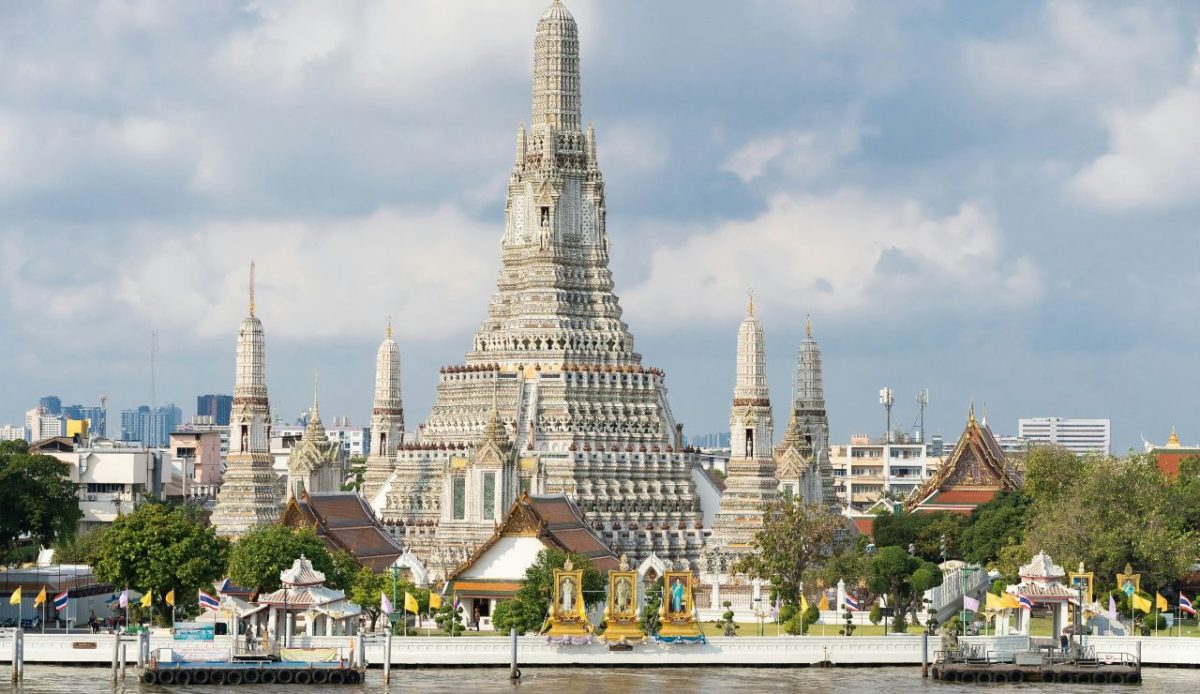
Bangkok is one of Asia’s most visibly superstitious cities, where spirit houses stand outside homes, hotels, shopping malls, and office towers to honor guardian spirits. Many residents consult monks or astrologers before making important decisions such as opening businesses, moving homes, or planning weddings. Lucky days are carefully chosen, while unlucky ones are avoided. Protective amulets are worn daily, and taxi dashboards often display religious charms. Even modern construction projects follow spiritual guidance, proving that superstition remains deeply embedded in Bangkok’s fast-paced urban environment.
2. Hong Kong, China
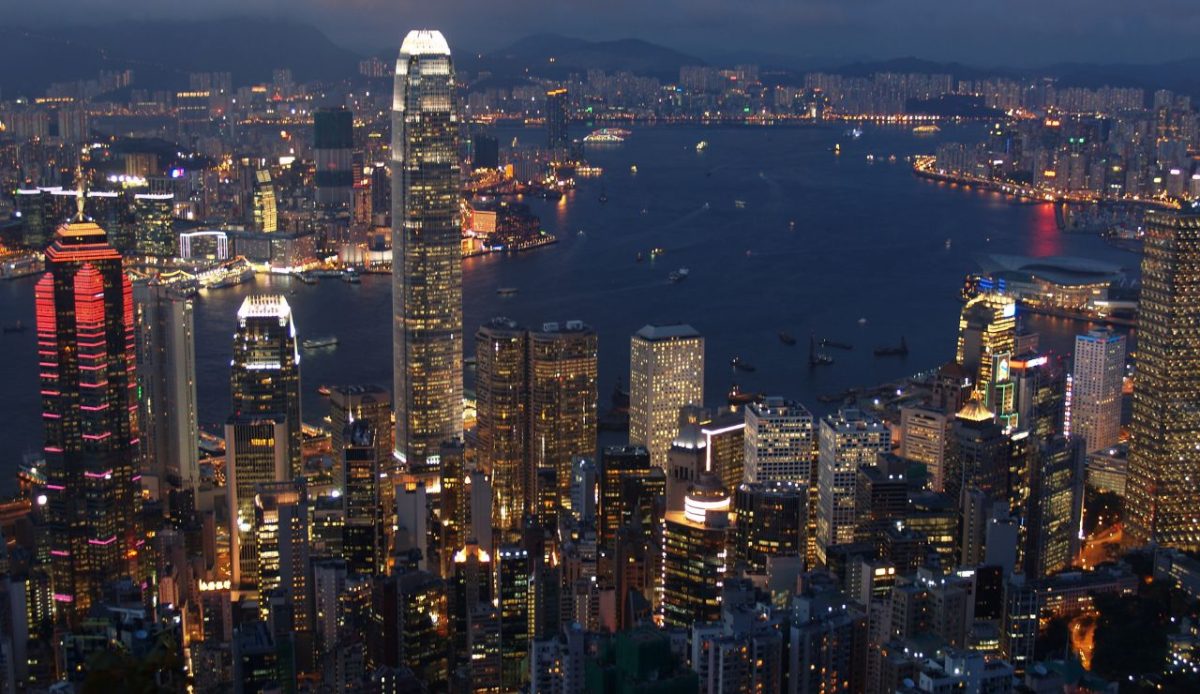
Hong Kong’s skyline offers a striking example of superstition shaping modern architecture through feng shui principles. Many skyscrapers include open spaces, missing floors, or angled designs intended to guide positive energy from mountains to sea. The number four is often skipped due to its association with death, while eight is favored for prosperity. Businesses frequently hire feng shui masters to advise on office layouts, opening dates, and renovations. Even in one of the world’s most financially driven cities, superstition quietly influences planning, investments, real estate choices, and everyday routines.
3. Kyoto, Japan
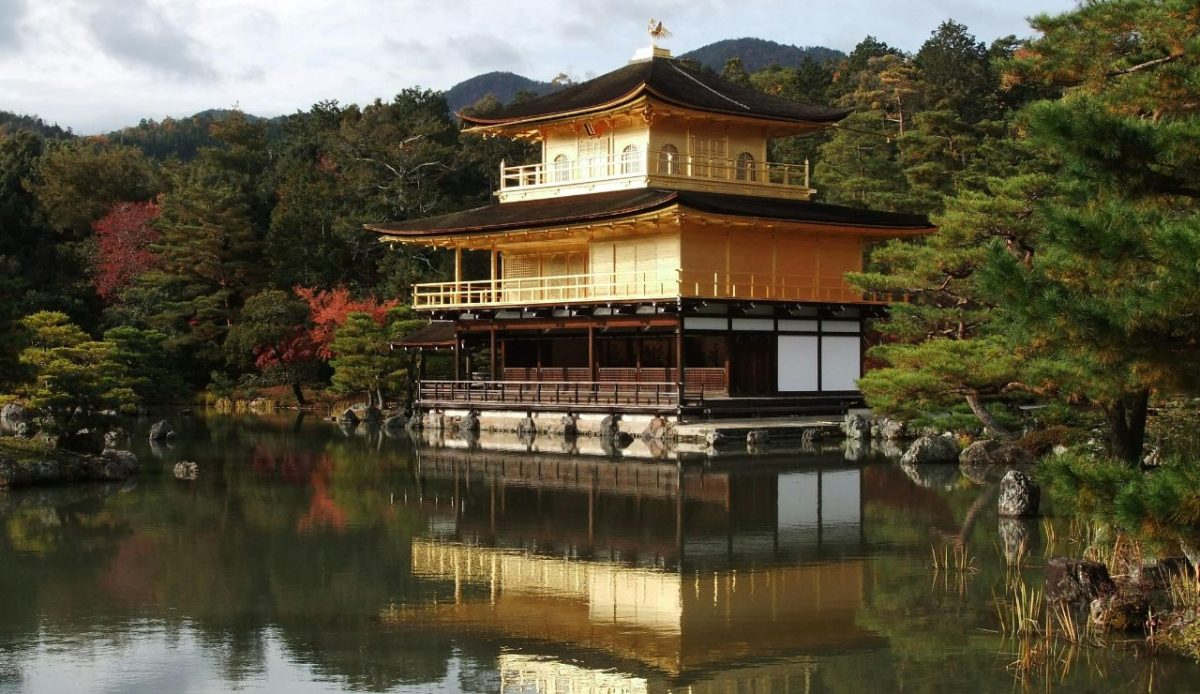
Kyoto’s centuries-old temples and shrines preserve deep-rooted superstitions tied to luck, purification, and spiritual balance. Visitors regularly draw omikuji fortunes, tying unfavorable ones to trees to prevent misfortune from following them home. Certain paths, bridges, and shrine entrances are believed to repel evil spirits. Seasonal rituals and festivals follow precise traditions passed down for generations. Many residents still observe purification customs before important events. In Kyoto, superstition blends seamlessly with spirituality, shaping a calm, respectful rhythm of life rooted in tradition rather than fear.
4. Hanoi, Vietnam
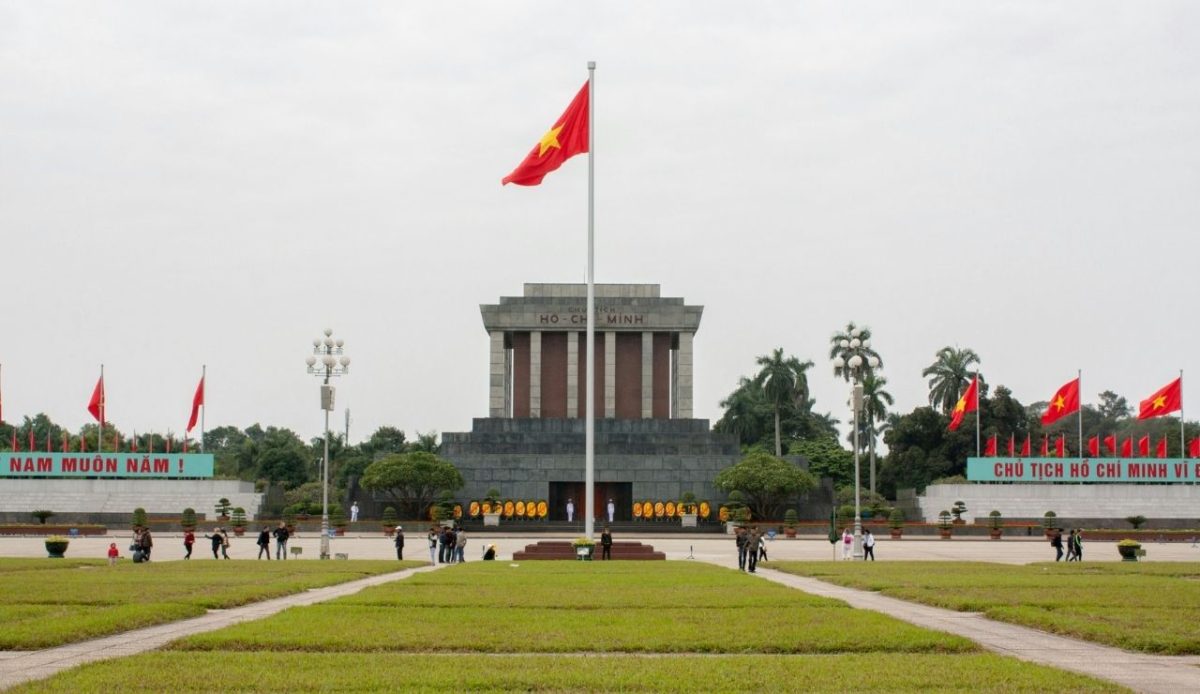
Superstition plays a significant role in Hanoi’s family life and business culture. Many residents consult fortune tellers to select auspicious dates for weddings, house moves, or opening shops. Ancestral worship is taken seriously, with household altars maintained to honor spirits and seek protection. The first customer of the day is believed to influence business luck, while certain numbers, colors, and even seating arrangements are carefully chosen or avoided. During Lunar New Year, strict traditions are followed to ensure good fortune, and locals remain highly attentive to minor omens that guide daily life.
5. Singapore
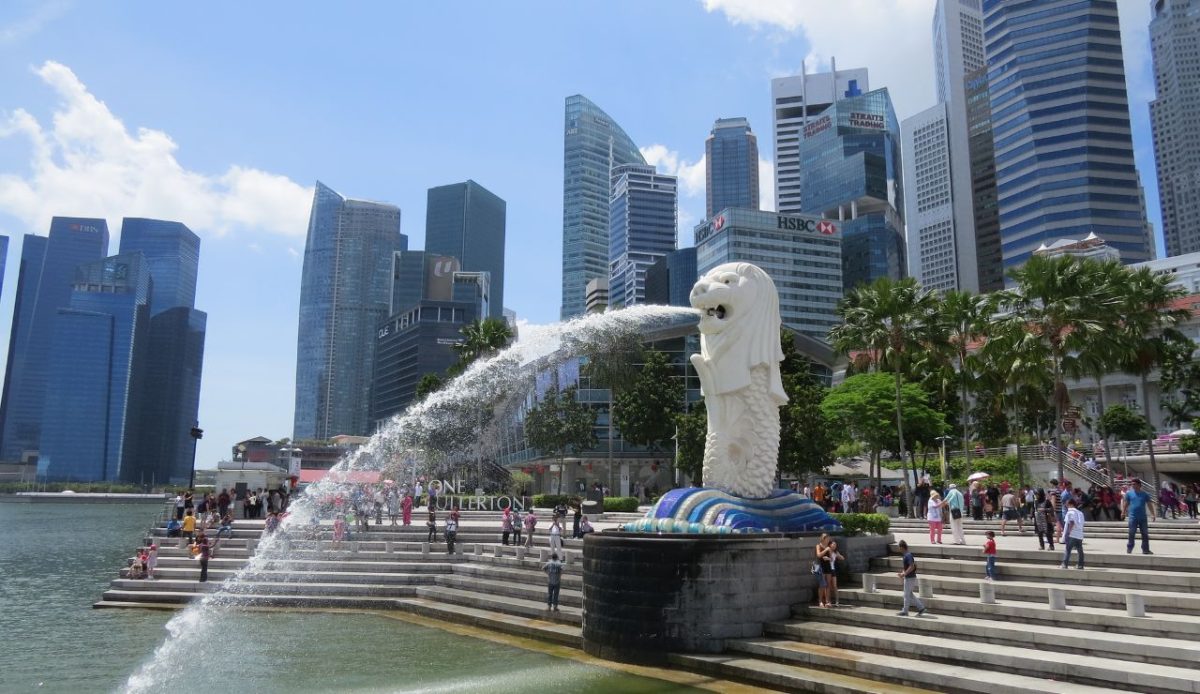
Despite its reputation as a modern and efficient city-state, Singapore remains deeply influenced by superstition. Feng shui is commonly applied to housing developments, office buildings, and interior layouts. Many apartment blocks avoid the fourth floor, while lucky symbols are placed discreetly in homes and businesses. Ghost Month is widely observed, with offerings made and risky activities avoided. Renovations and relocations are often timed carefully based on spiritual advice. Singapore demonstrates how superstition continues to quietly guide decision-making beneath its polished, contemporary surface.
6. Ubud, Bali, Indonesia
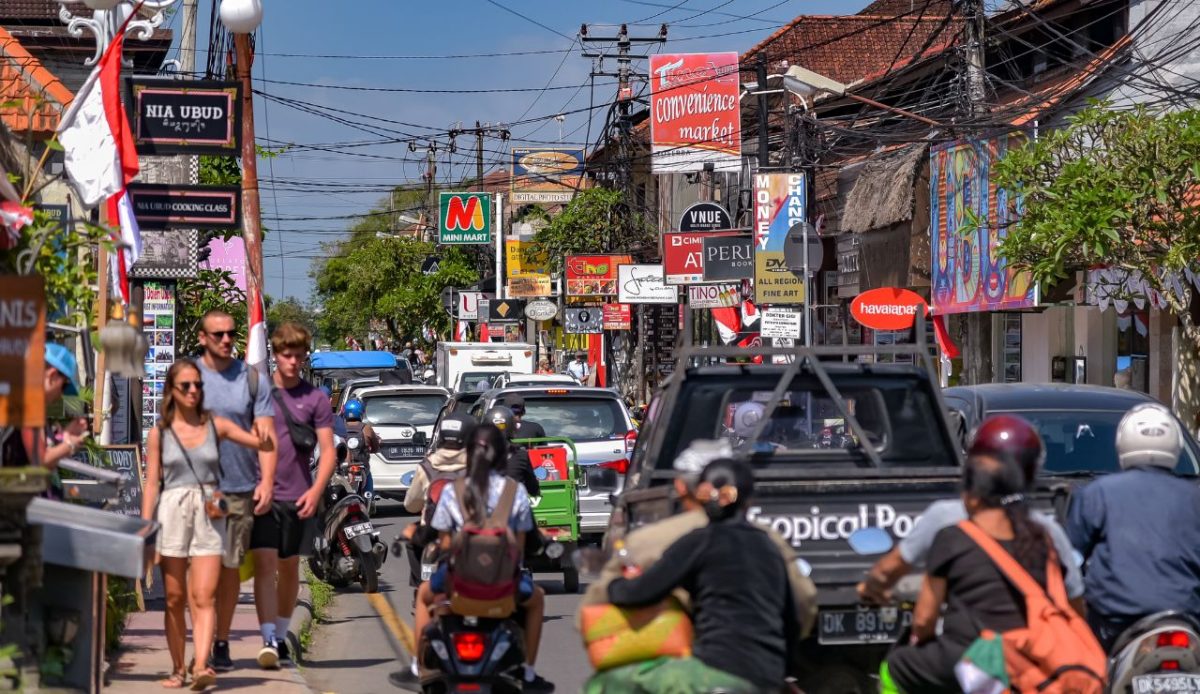
Ubud is shaped by Balinese Hindu beliefs that see spirits inhabiting nature, crossroads, and everyday spaces. Residents place daily offerings of flowers, rice, and incense outside homes, shops, and temples to maintain balance between the physical and spiritual worlds. Ceremonies marking life events follow sacred calendars determined by ancient systems. Certain areas are avoided at night due to spiritual significance, and rituals are observed during festivals and harvest periods. Rather than being feared, superstition in Ubud is embraced as a guiding force that brings harmony, respect, and meaning to daily life.
7. Seoul, South Korea
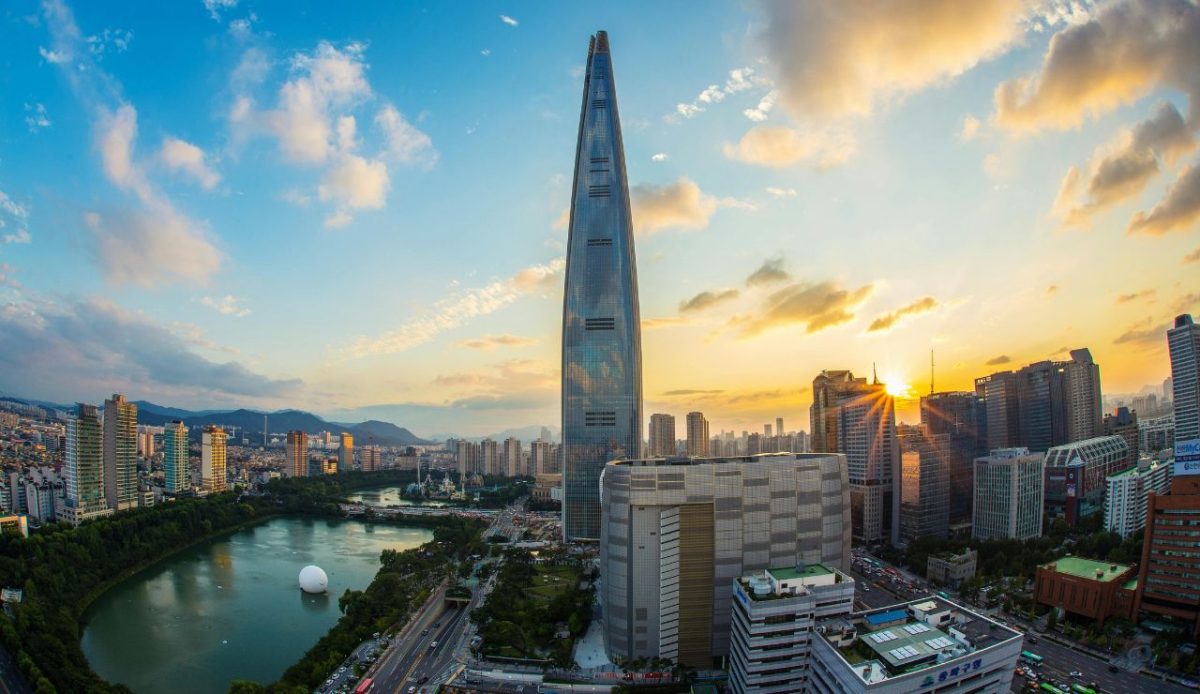
Seoul blends cutting-edge technology with enduring superstitions rooted in tradition. The number four is often avoided in elevators and apartment floors due to its association with death. Fortune telling remains popular, especially around exams, career changes, weddings, and family decisions. Shamanistic rituals known as gut are still performed to remove bad luck or invite blessings. Even modern companies may consult spiritual advisers before major projects. Seoul’s fast-paced growth has not erased traditional beliefs, instead allowing superstition to coexist alongside innovation, education, and modern living.
8. Jaipur, India
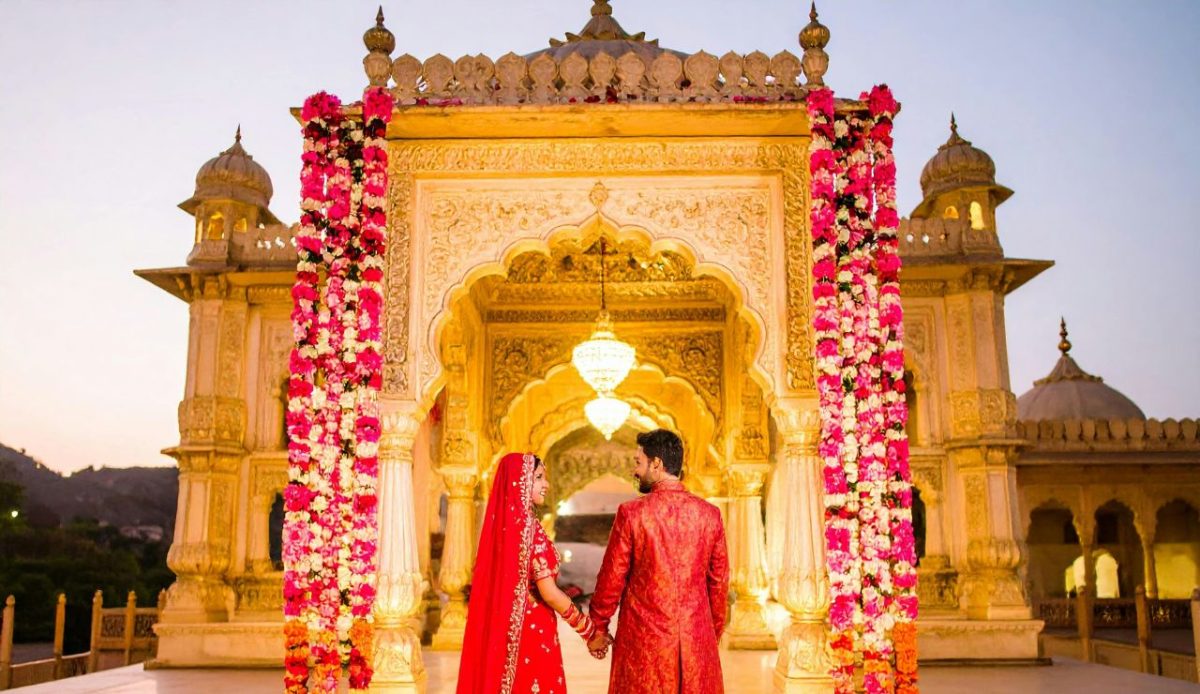
Jaipur’s superstition is deeply connected to astrology, ritual, and traditional architectural principles. Many buildings follow Vastu Shastra, which emphasizes balance, direction, and energy flow to attract prosperity. Residents frequently consult astrologers for marriage dates, business launches, and naming children. Gemstones, colors, and symbols are believed to influence destiny. Festivals strictly follow lunar calendars, and rituals are carefully observed. Jaipur’s vibrant streets reflect a city where spiritual belief remains central to daily decisions, blending royal history with enduring cultural traditions.
9. Luang Prabang, Laos
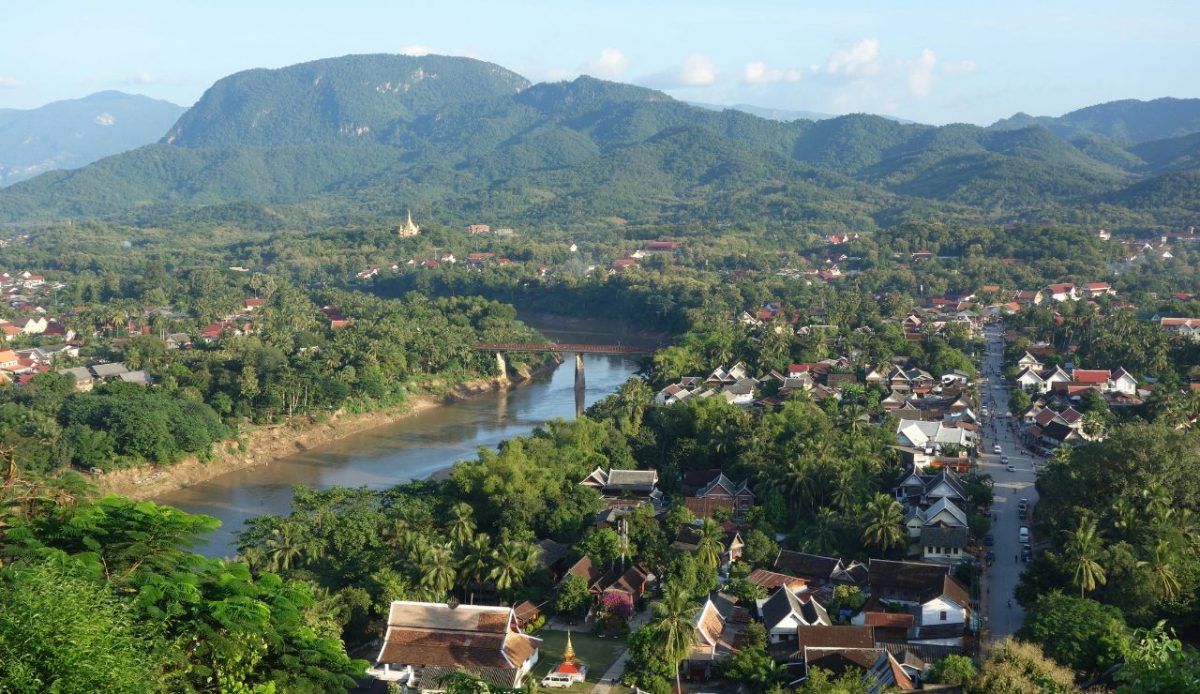
Luang Prabang’s calm atmosphere is shaped by Buddhist traditions and local spiritual beliefs. Daily alms-giving ceremonies are believed to bring merit and protection to both monks and residents. Spirits are thought to guard homes, forests, and rivers, encouraging respectful behavior and offerings. Certain actions are avoided near temples to prevent misfortune, and seasonal festivals include special rituals to honor local deities. The town’s slow pace and spiritual rhythm create a strong sense of harmony between people and sacred traditions. In Luang Prabang, superstition reinforces mindfulness, respect, and a deep cultural connection.
10. Kathmandu, Nepal
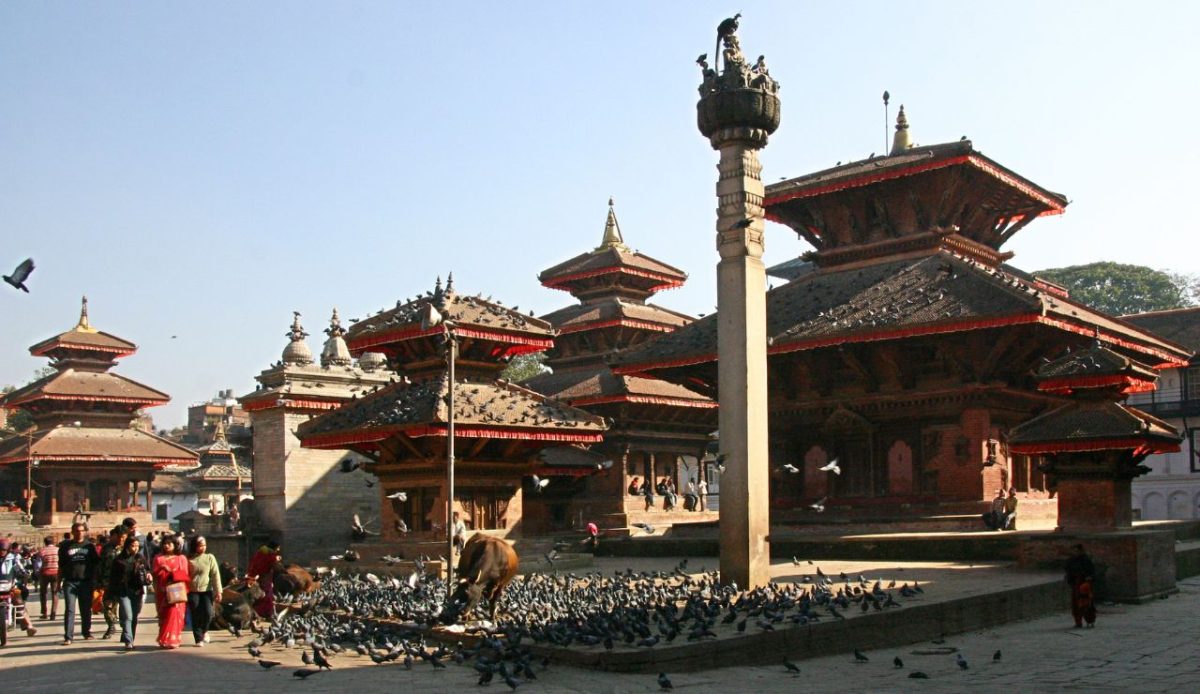
Kathmandu is a city where superstition, religion, and daily life are inseparable. Hindu and Buddhist practices overlap with powerful local beliefs, influencing festivals and personal choices. Residents consult astrologers to determine auspicious times for weddings, travel, and business ventures. Temples and shrines appear on nearly every street, and offerings are made to appease gods and spirits. Certain trees, crossroads, and times of day hold spiritual importance, and even small household decisions follow tradition. Kathmandu’s layered belief systems shape a city where faith and superstition guide daily living and community life.
