
Visiting old outlaw refuges gives you a clearer sense of how fugitives survived harsh country, narrow passages, and uncertain conditions. Many of these places sit far from towns, and reaching them lets you picture the pressure that once pushed riders to watch every ridge line. You see old cabins, shallow caves, and rough trails that supported people who lived with constant risk. These hideouts show how skill, careful judgment, and strong terrain helped fugitives stay ahead of officers. Each location carries a piece of the past and offers a closer look at the tension that shaped frontier life.
1. Hole in the Wall, Wyoming
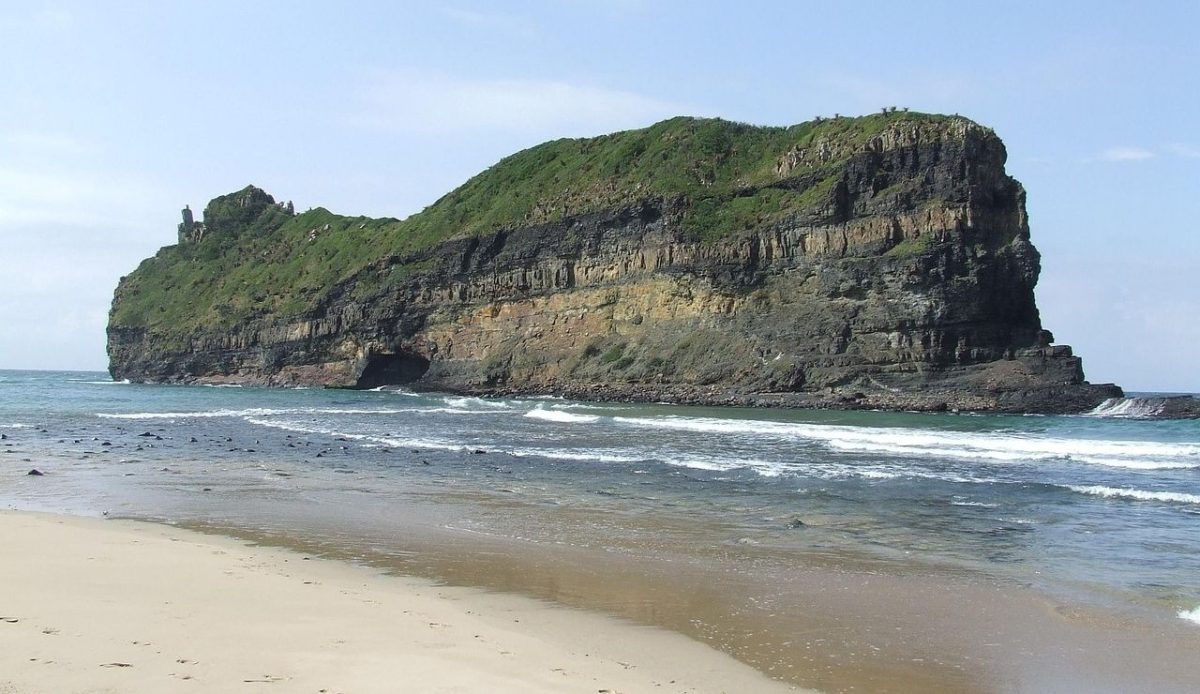
This canyon system in the Big Horn Mountains worked as dependable ground for Butch Cassidy, the Sundance Kid, and several partners who needed time away from danger. When you follow the trail into the opening, you notice how the red rock forms tight points that restrict surprise entry. Riders could spot movement from far away and shift deeper into camp before trouble reached them. Today, the path remains uneven, yet visitors who arrive at the overlook can imagine scattered camps, quiet fires, and long talks about plans for upcoming travel across wide country.
2. Robbers Roost, Utah
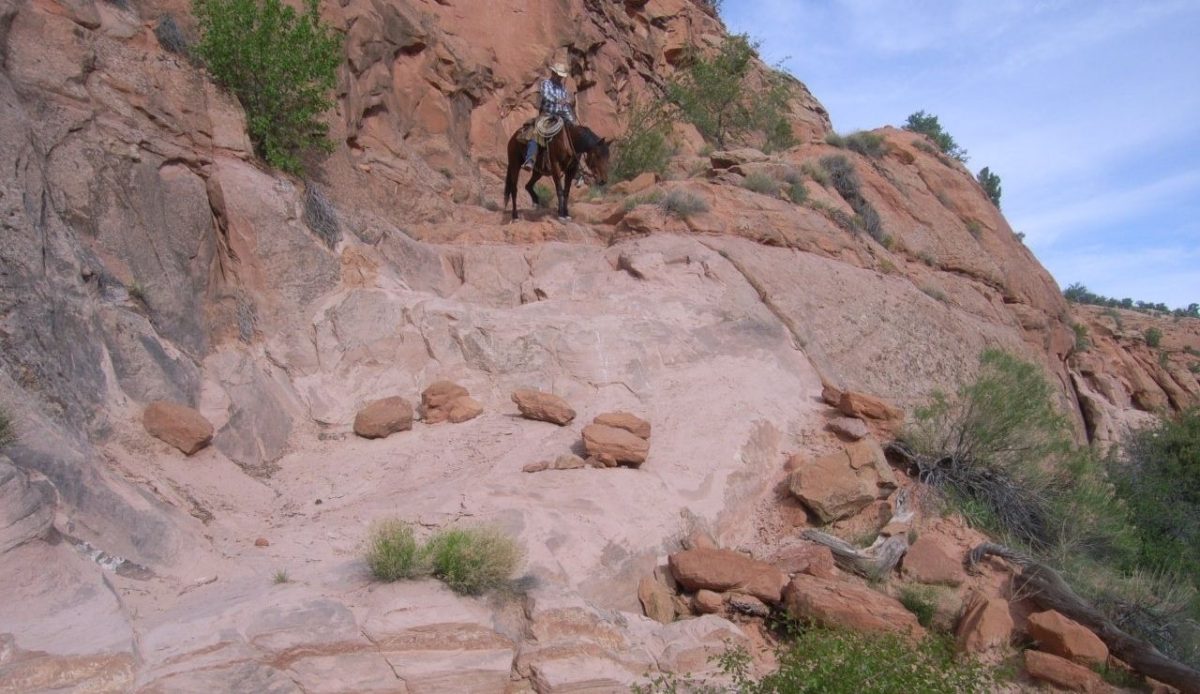
Robbers Roost covers a tangled set of canyons once used by the Wild Bunch. Travel through this region takes steady focus, as narrow slots and slanted ledges slow progress for anyone lacking experience. Outlaws used these natural barriers to create enough distance from officers while they repaired gear or sorted supplies. Visitors now follow established routes that require daylight and preparation. When you walk the sandy ground, you understand why earlier riders depended on these walls for safety during long stretches when mistakes carried serious consequences.
3. Jesse James Farm, Missouri
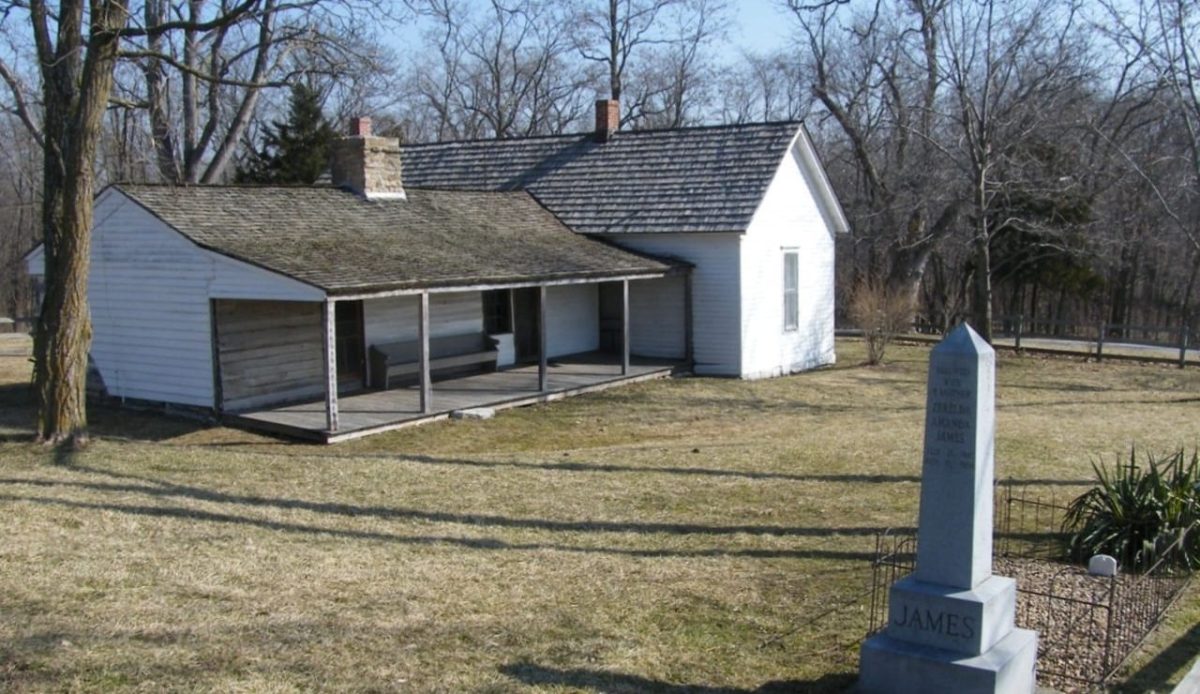
This quiet farm near Kearney gave Jesse James a place to return during uneasy periods. The surrounding fields created early warning when unfamiliar riders approached, and the wooden home provided simple comfort. Marks from the 1875 raid remain visible inside, showing how close danger came to the family. Visitors tour rooms arranged with items from the era and learn how ordinary routines coexisted with the pressure of a wanted man nearby. Standing inside the house offers a deeper picture of how someone balanced family life with a need to avoid officers at every turn.
4. Dalton Gang Hideout, Kansas
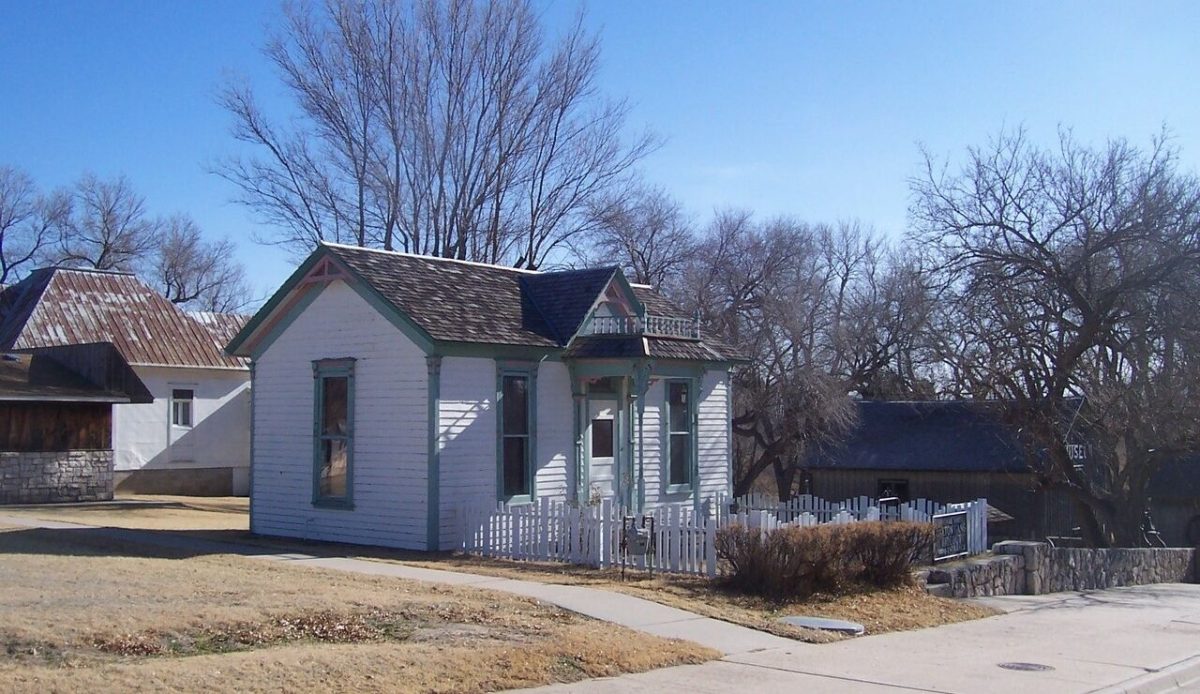
In Meade, a small house once hid a tunnel that allowed members of the Dalton Gang to move quietly between a home and a nearby barn. This passage gave them a quick route when riders arrived without warning. Visitors walk the same path, noting how the low ceiling and tight walls shaped tense nights when the gang listened for movement outside. The house contains period furnishings that help visitors picture earlier moments when simple structures carried hidden roles for groups hoping to stay out of custody.
5. St. James Hotel, New Mexico
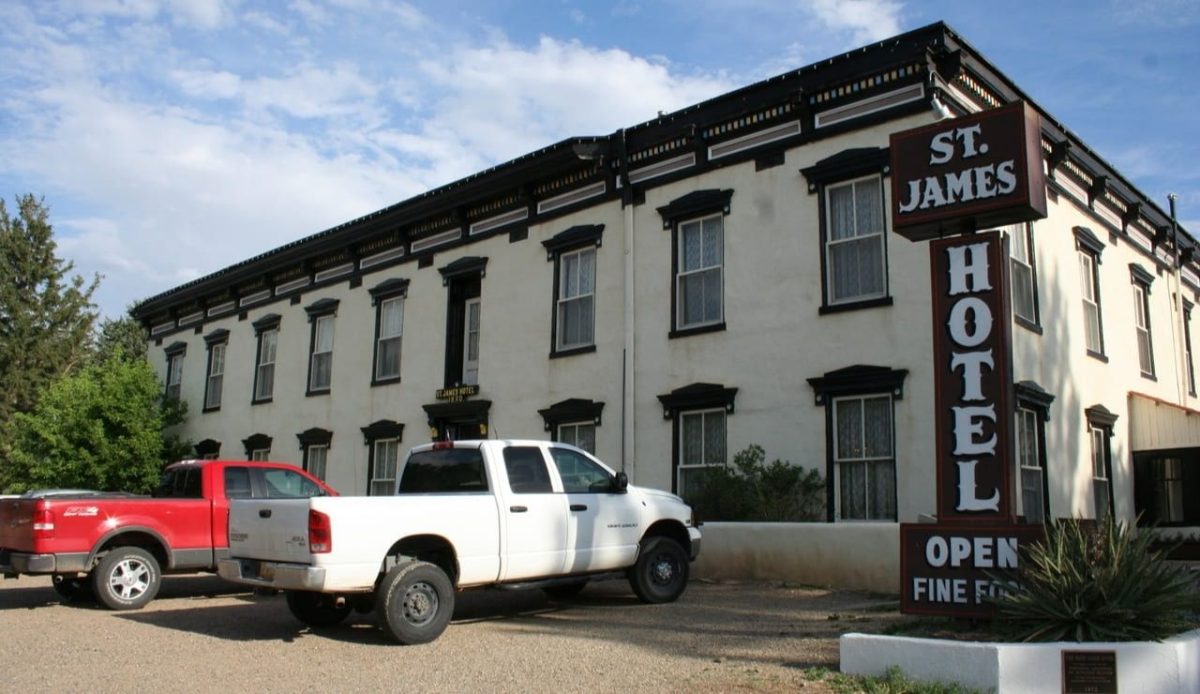
The St. James Hotel in Cimarron welcomed travelers, gamblers, and fugitives who needed a place where weapons stayed close by. Holes in the ceiling still show signs of heated disputes inside its narrow corridors. Guests may stay in rooms that once held well-known figures preparing for another day on the trail. Stories preserved by staff describe tense evenings and hurried decisions that shaped the reputation of the building. The atmosphere gives visitors a sense of how fragile calm remained during a period when danger followed people through each stop.
6. Cave in Rock, Illinois
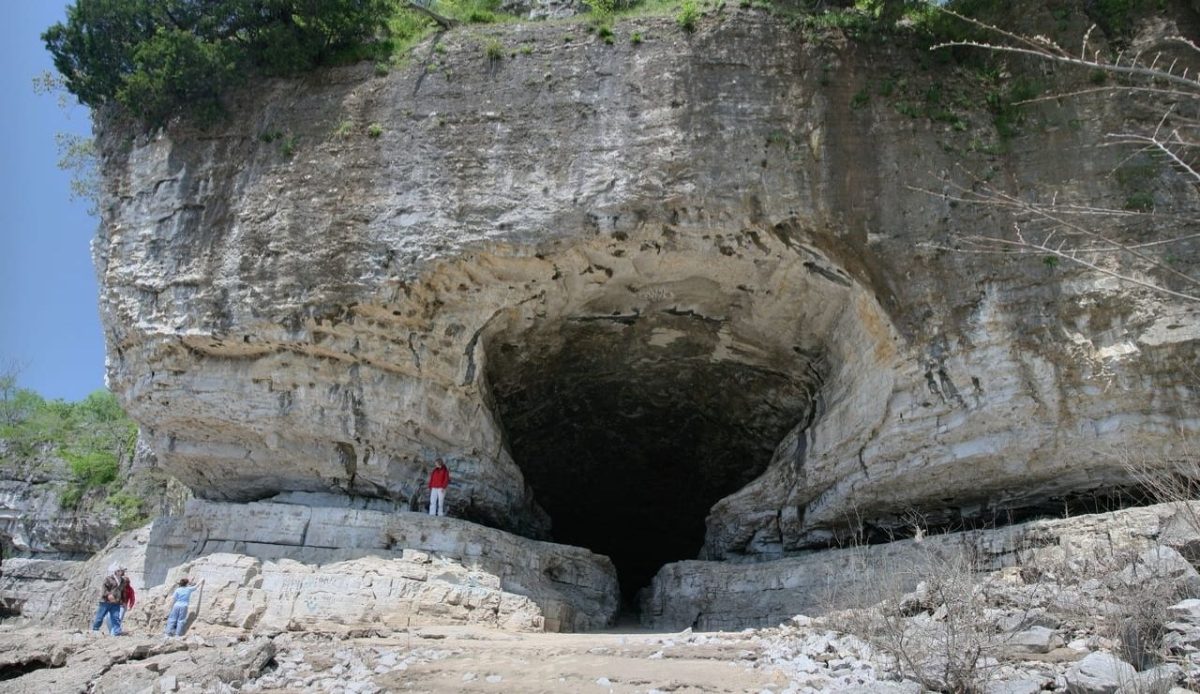
Cave in Rock rises above the Ohio River and once gave shelter to groups who needed distance from officers searching for them along river routes. The opening is wide enough for people to wait with limited light and steady quiet while watching the water for signs of pursuit. When you walk inside, you notice how sound moves through curved stone and how cool air gathers along the floor. A short trail leads visitors to the entrance, offering a moment to imagine groups who paused here during tense hours when each passing boat carried unknown risks.
7. Robbers Cave, Oklahoma
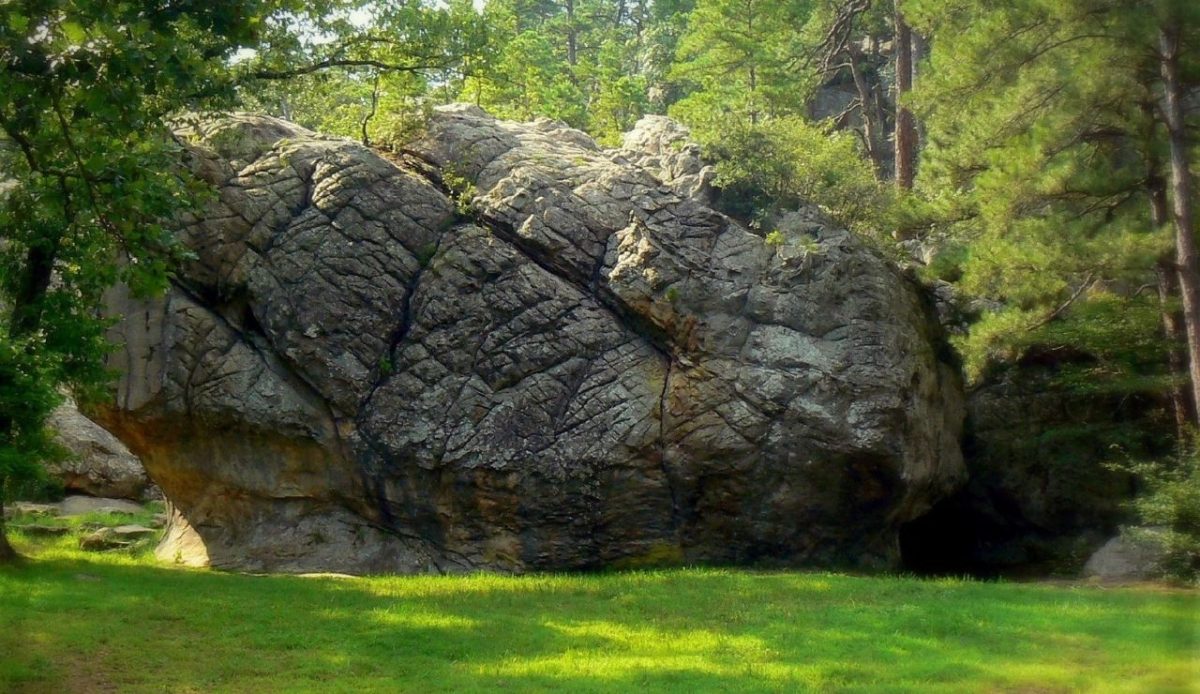
Robbers Cave lies within rough sandstone hills that supported Jesse James and others during uncertain times. The uneven terrain forms small pockets where riders could stay alert while keeping their horses within reach. Marked trails lead visitors toward the cave and surrounding cliffs, giving a clear sense of the ground that challenged anyone lacking experience. Wind moves through breaks in the stone, adding small movements across leaves that help you picture long nights when fires stayed low, and attention shifted to distant areas where threats might appear.
8. Josie Bassett Cabin, Utah
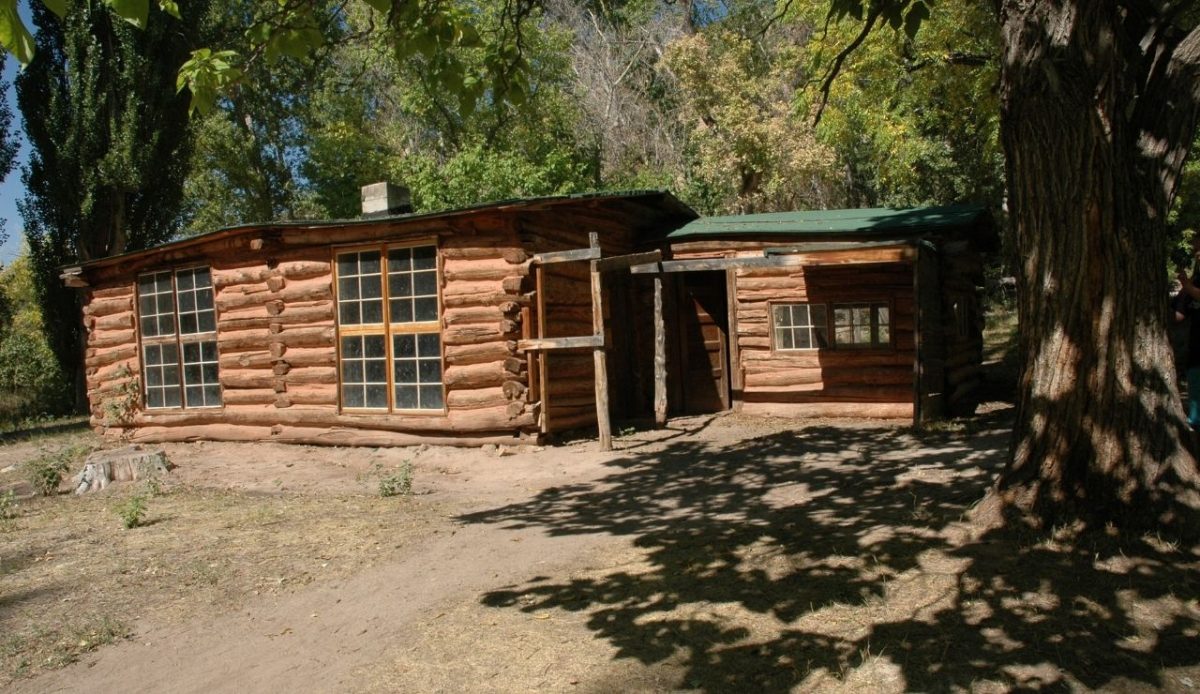
The Josie Bassett homestead sits in a sheltered part of Dinosaur National Monument and once gave support to riders connected to Butch Cassidy. Josie lived independently and offered help to people passing through during uneasy times. Her cabin, built from rough timber, remains close to its original form. Visitors walk along nearby trails that move through open ground and cottonwood groves, allowing them to picture earlier visitors who relied on this place for brief moments of calm before traveling onward.
9. Meramec Caverns, Missouri
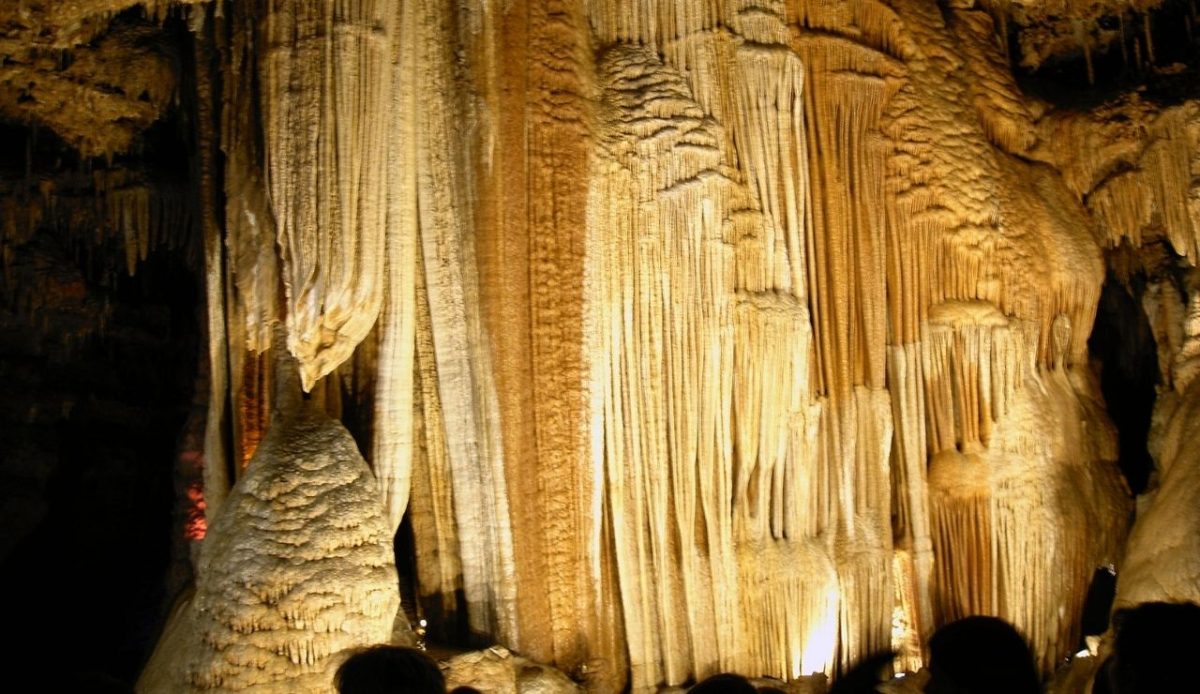
Meramec Caverns operates as a show cave today, yet stories linking its chambers to Jesse James remain part of local accounts and recovered items from earlier years. Branching rooms create shaded corners where riders could pause during stressful moments. Tours guide visitors through illuminated paths that highlight stone textures and broad passages. As you move through these sections, shifting light reveals openings that once served people searching for temporary cover. This underground setting gives visitors a direct sense of how sheltered spaces helped fugitives continue across the region.
10. Browns Park and John Jarvie Ranch, Colorado–Utah
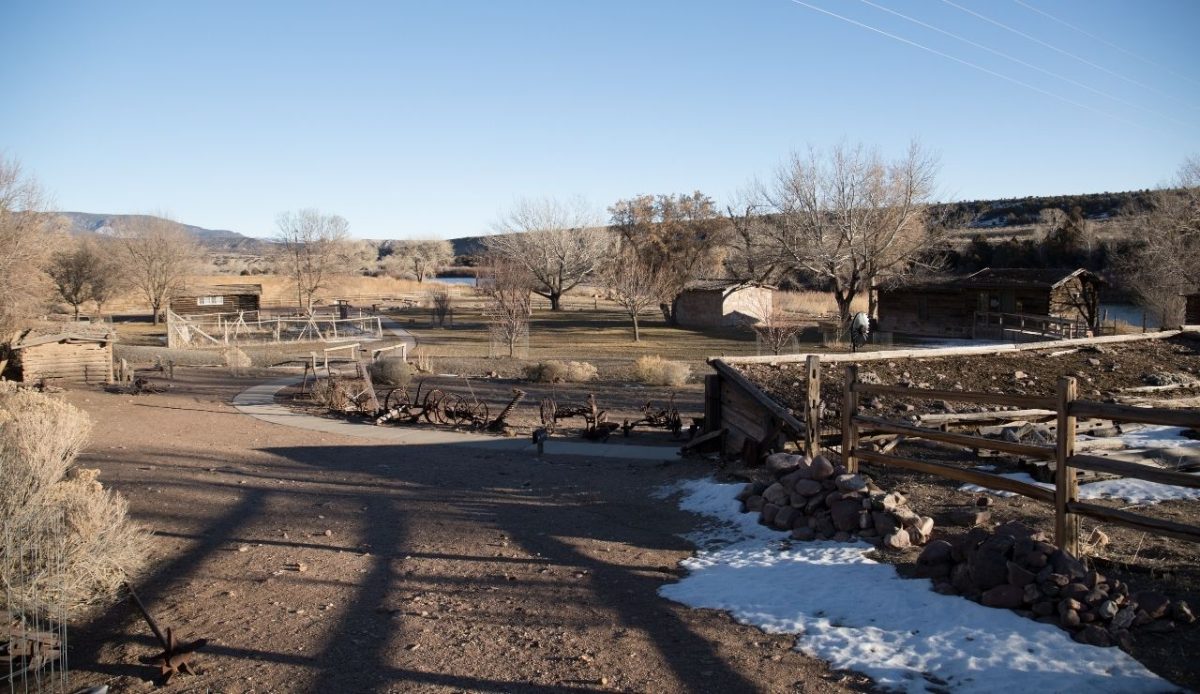
Browns Park covers a quiet valley along the Green River and once offered dependable shelter for riders linked to the Wild Bunch. The preserved Jarvie Ranch displays cabins, tools, and small storage areas that show how residents lived while handling long seasons with limited support. Visitors walk between these structures and read signs that describe how this remote area allowed outlaws to keep a distance from officers. The open valley and slow water help visitors picture earlier riders who relied on careful timing to avoid trouble.
