
Spontaneous travel has long been part of the appeal of U.S. national parks, allowing visitors to explore scenic roads, trails, and campgrounds with little planning. That flexibility has changed as reservation systems have expanded across the park system, now covering not only lodging but also park entry, parking, and popular activities.
These systems aim to manage crowding and protect sensitive landscapes, but they also limit access for travelers who plan trips on short notice. Visitors without reservations may face restricted entry or reduced options.
This article examines ten national parks where reservation requirements make spontaneous visits difficult, highlighting how planning has become necessary for many park experiences.
1. Yosemite National Park
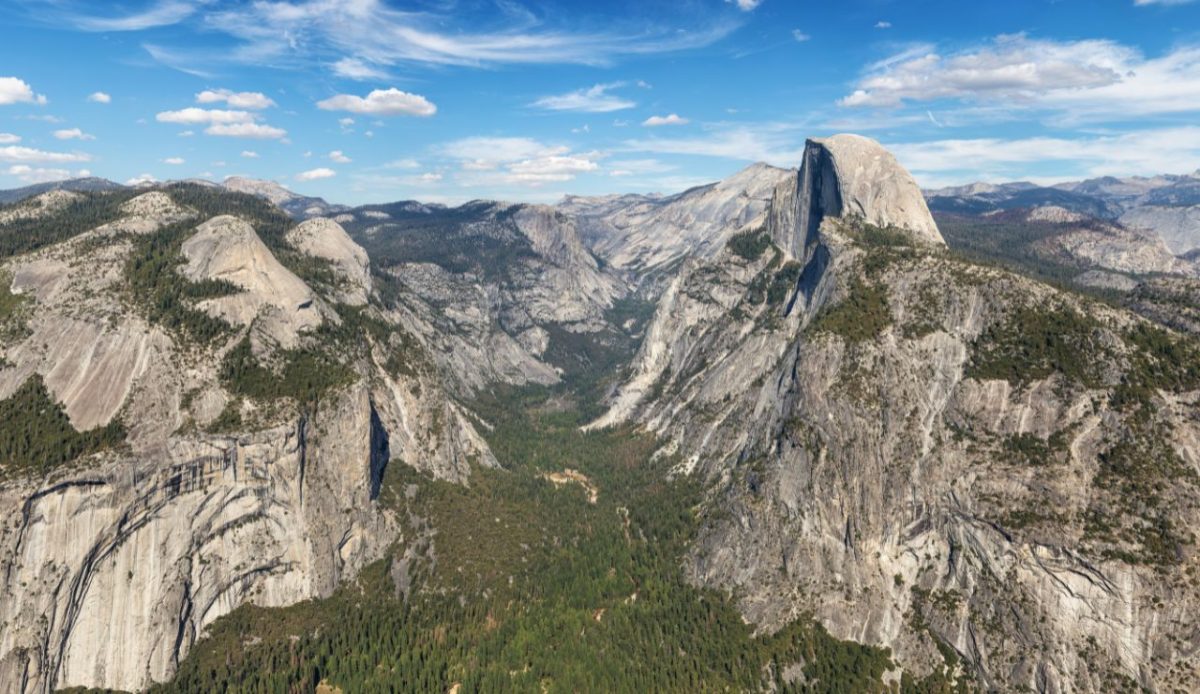
Yosemite National Park is known for its granite cliffs, waterfalls, and iconic valley views, but access is now more structured. During peak seasons, the park uses a timed entry reservation system that requires visitors to secure permits in advance. Without one, access to Yosemite Valley may be limited or denied.
Camping poses similar challenges for spontaneous travelers. Campground reservations often sell out months ahead of the travel season. Nearby lodging also fills quickly, leaving few options for last-minute visitors hoping to stay near the park.
Day visitors without reservations may find access during off-peak hours, but flexibility is limited. Yosemite now requires advance coordination, reducing the ease of unplanned road trips.
2. Zion National Park
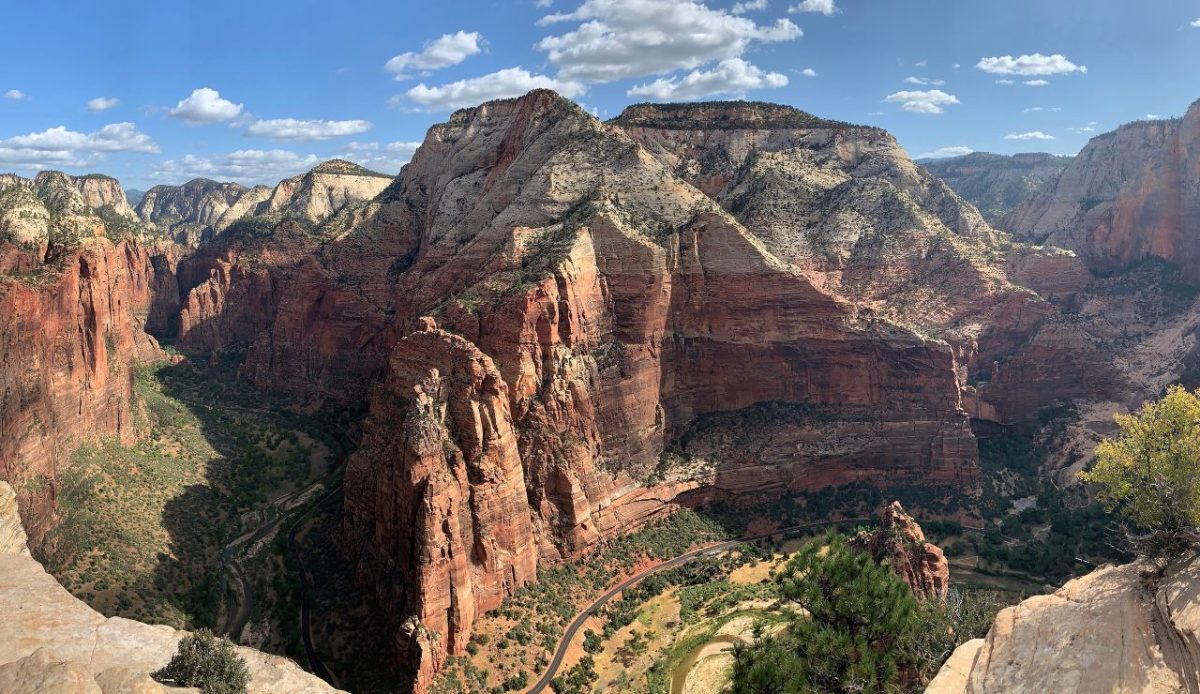
Zion National Park’s narrow canyons and popular hiking routes have made it one of the most visited parks in the country. To manage congestion, the park relies on a shuttle system, and access to some trails requires advance permits. These measures limit unplanned visits during busy seasons.
The Angels Landing hike shows this clearly. A permit lottery determines who may attempt the route, with applications submitted ahead of time. Visitors arriving spontaneously are often unable to hike without approval.
Parking limits and restricted vehicle access further reduce flexibility. While some areas remain open, travelers without reservations often have fewer options for spontaneous exploration.
3. Rocky Mountain National Park
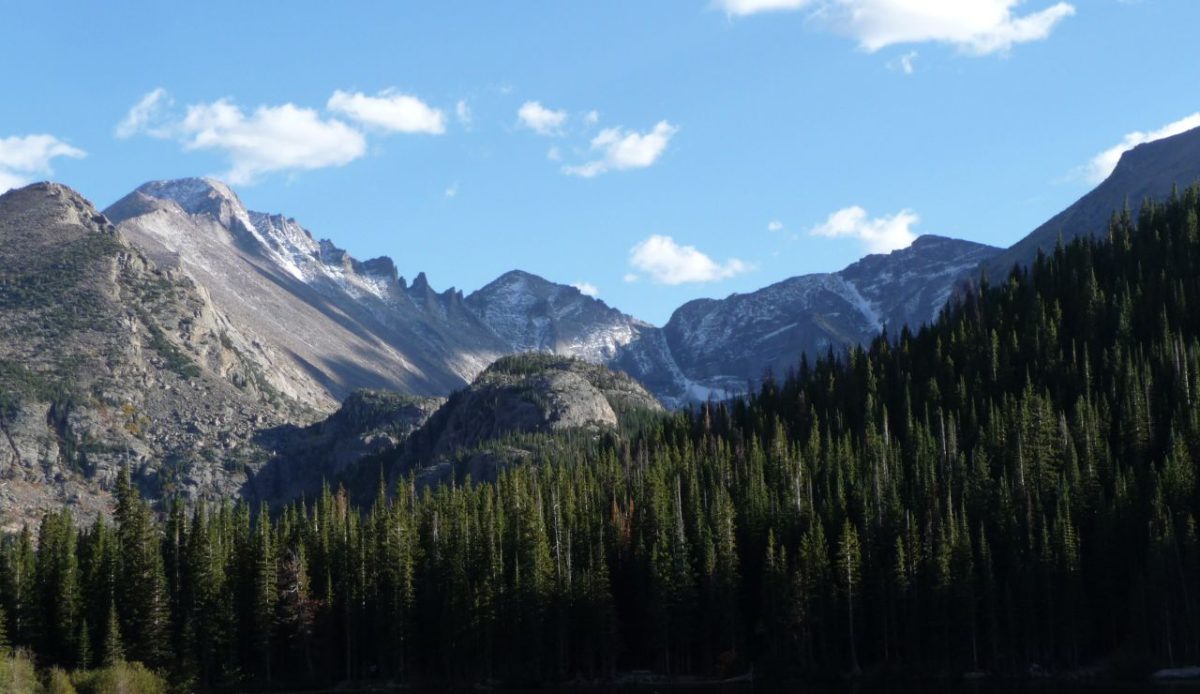
Rocky Mountain National Park has implemented a timed entry permit system to control traffic on its scenic roads and trailheads. Visitors must reserve entry windows in advance, particularly during the summer months, or risk being turned away at park entrances.
The system also applies to popular areas such as Bear Lake Road, where trailhead parking is limited. Without a reservation, spontaneous hikers may be unable to access some of the park’s most well-known alpine lakes and routes, even if they arrive early in the day.
While early morning and evening hours may offer limited access without permits, these windows do not suit all travelers. As a result, last-minute visitors often face restricted itineraries compared to those who planned ahead.
4. Glacier National Park
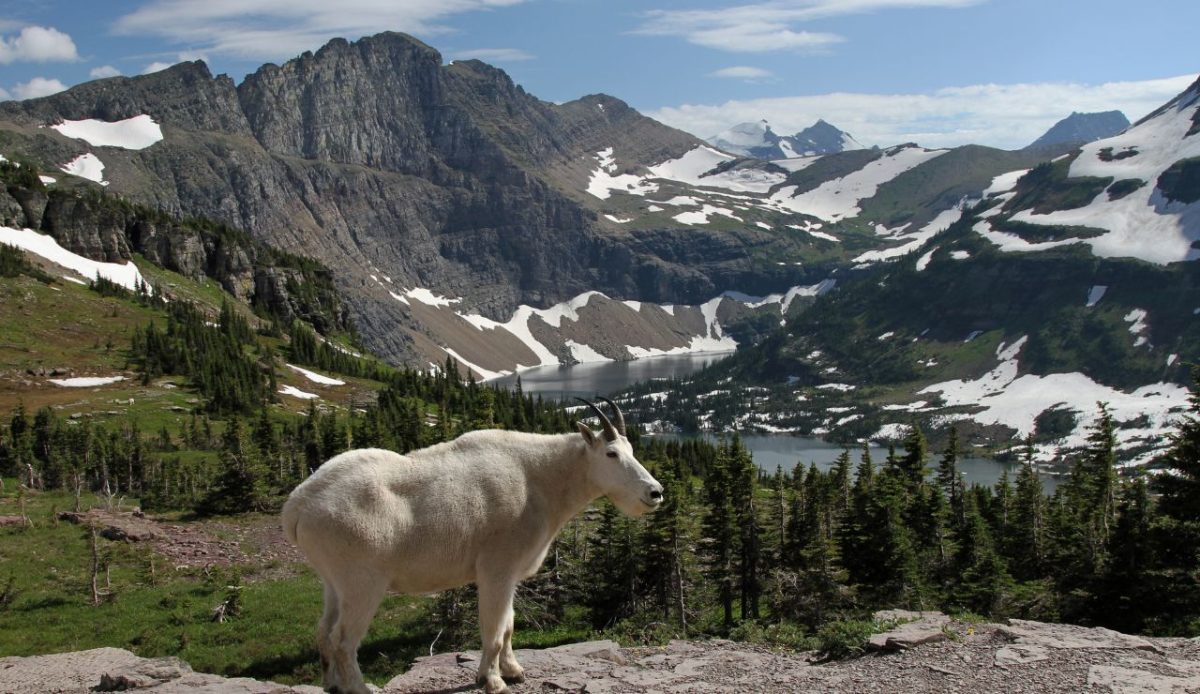
Glacier National Park’s dramatic mountain scenery draws visitors from around the world, but access now requires careful planning. The park uses a vehicle reservation system for the Going-to-the-Sun Road, one of its main attractions, during peak travel periods.
Without a reservation, drivers may be denied access to this route, limiting their ability to see much of the park in a single visit. Campgrounds and lodging within the park also book far in advance, reducing options for travelers arriving without plans.
Although some services are available on a first-come basis, availability is unpredictable. For spontaneous trips, Glacier’s reservation requirements can significantly shape what visitors are able to experience.
5. Arches National Park
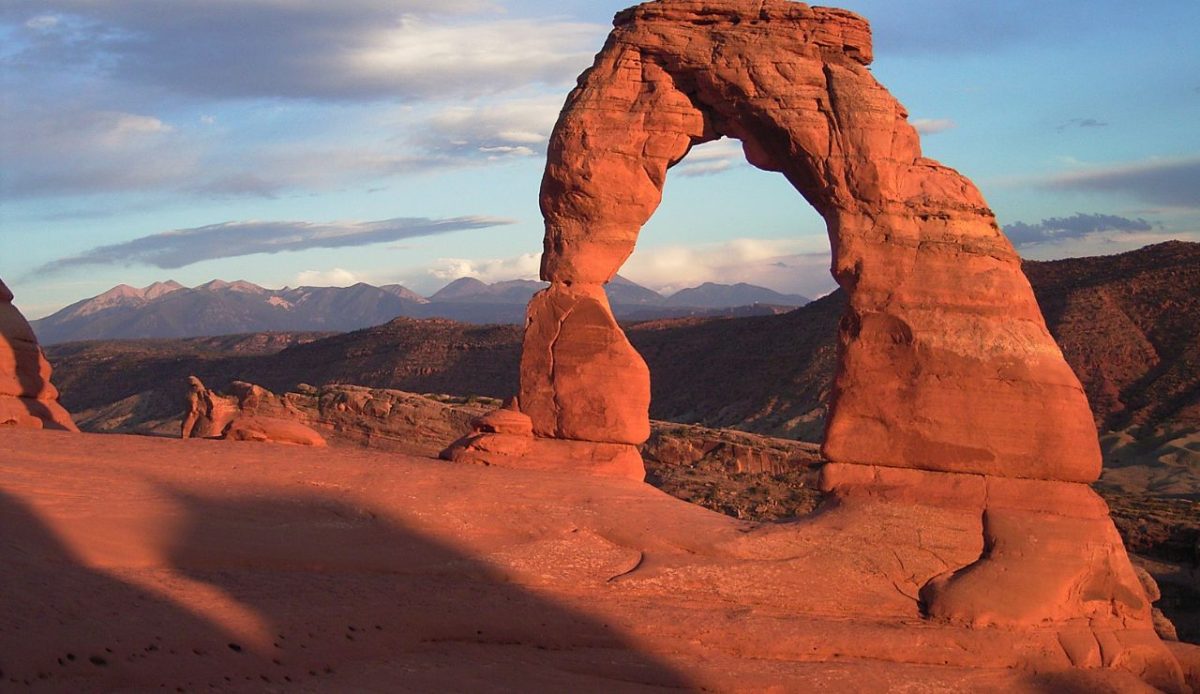
Arches National Park has introduced timed entry reservations to address crowding at its compact but highly popular sites. During much of the year, visitors must reserve an entry time slot in advance to drive into the park during daytime hours.
This system can be challenging for travelers passing through the region without fixed schedules. Without a reservation, entry is limited to early morning or evening periods, which may not align with travel plans or daylight availability.
Popular viewpoints and trailheads are close together, so restricted access affects most of the park experience. As a result, Arches has become less accommodating to those relying on last-minute decisions.
6. Mount Rainier National Park
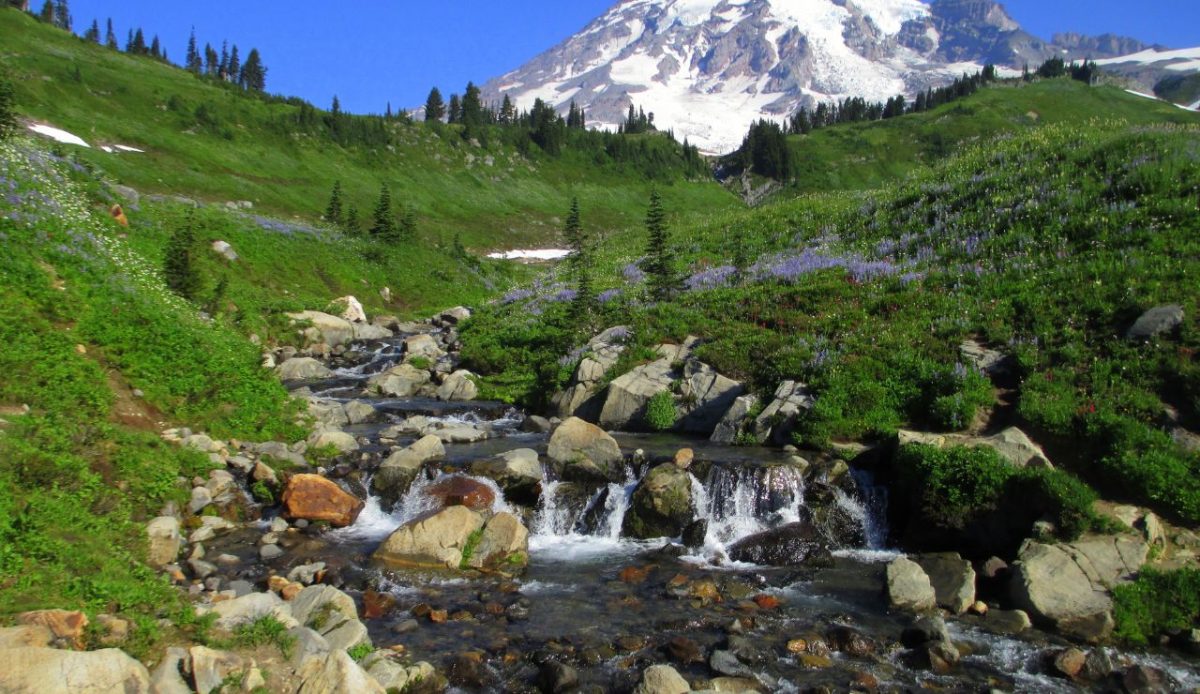
Mount Rainier National Park’s subalpine meadows and scenic drives attract large seasonal crowds. To manage visitation, the park has implemented timed entry reservations for key areas during peak months, especially around Paradise and Sunrise.
These reservations determine when vehicles may enter specific zones, limiting flexibility for travelers who arrive without advance planning. Parking availability is also tightly controlled, further complicating spontaneous visits during busy periods.
While some access remains outside reserved hours, weather conditions at higher elevations can change quickly. This unpredictability, combined with reservation requirements, makes impromptu trips more difficult to manage.
7. Acadia National Park
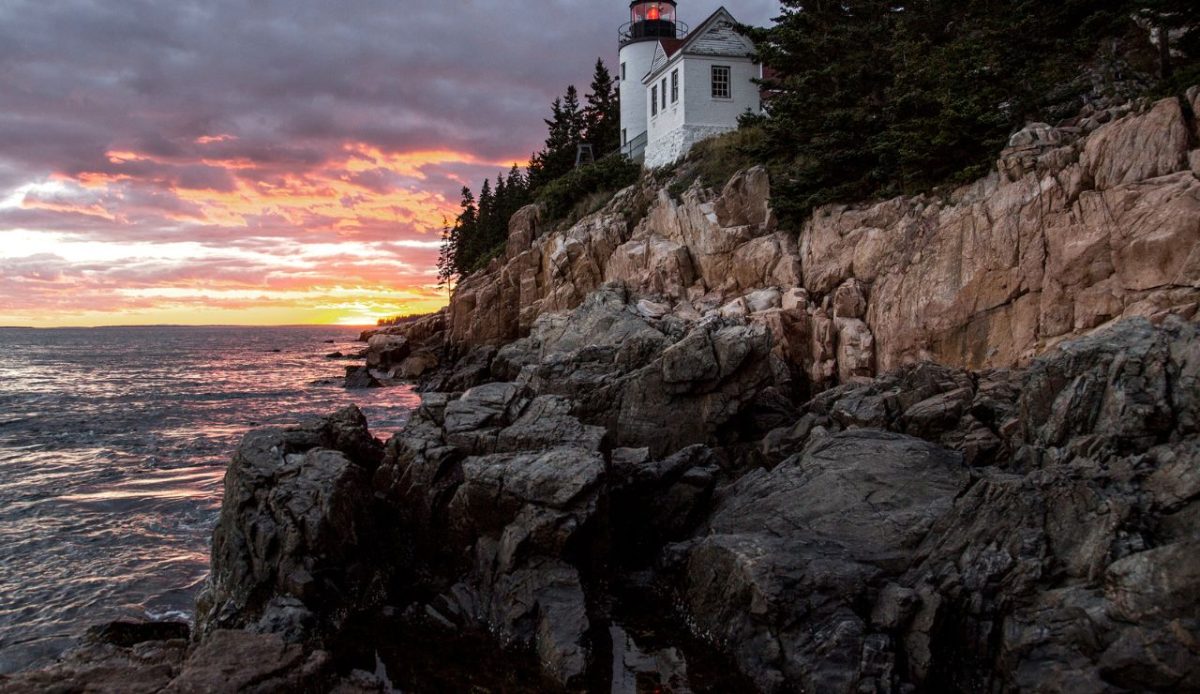
Acadia National Park is one of the most accessible parks on the East Coast, yet reservations still play a major role. Vehicle reservations are required to drive up Cadillac Mountain during peak seasons, a highlight for many visitors.
Spontaneous travelers may find that these permits are fully booked well in advance, removing a key experience from their visit. Parking limitations throughout the park also restrict access to popular trailheads and viewpoints.
Although Acadia offers alternative areas to explore, the need for reservations can reshape a last-minute itinerary. Visitors without permits often have to adjust expectations on arrival.
8. Haleakalā National Park
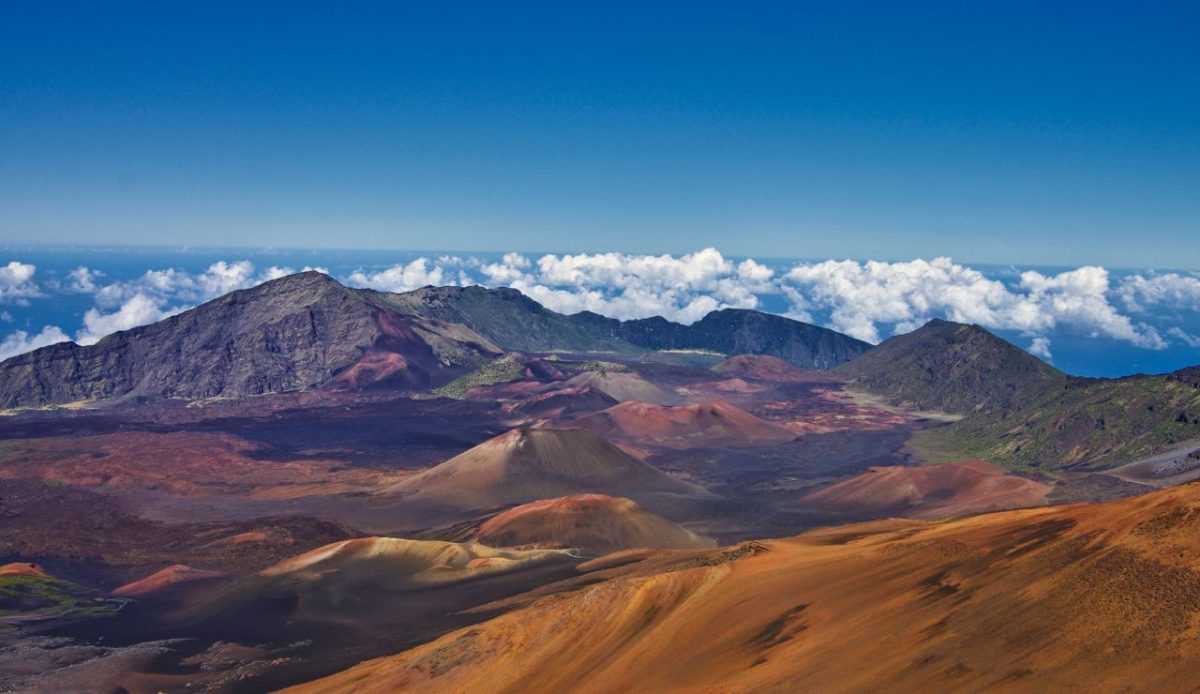
Haleakalā National Park is famous for its summit sunrise views, but access to this experience requires advance reservations. Permits for sunrise viewing are limited and often sell out quickly, sometimes months ahead.
Travelers arriving in Hawaii without these permits may find themselves unable to participate in one of the park’s signature activities. While daytime access remains open, the loss of sunrise entry can significantly change a visit.
For those planning trips on short notice, this reservation system can be a major obstacle. Haleakalā demonstrates how specific experiences, rather than entire parks, can limit spontaneity.
9. Joshua Tree National Park
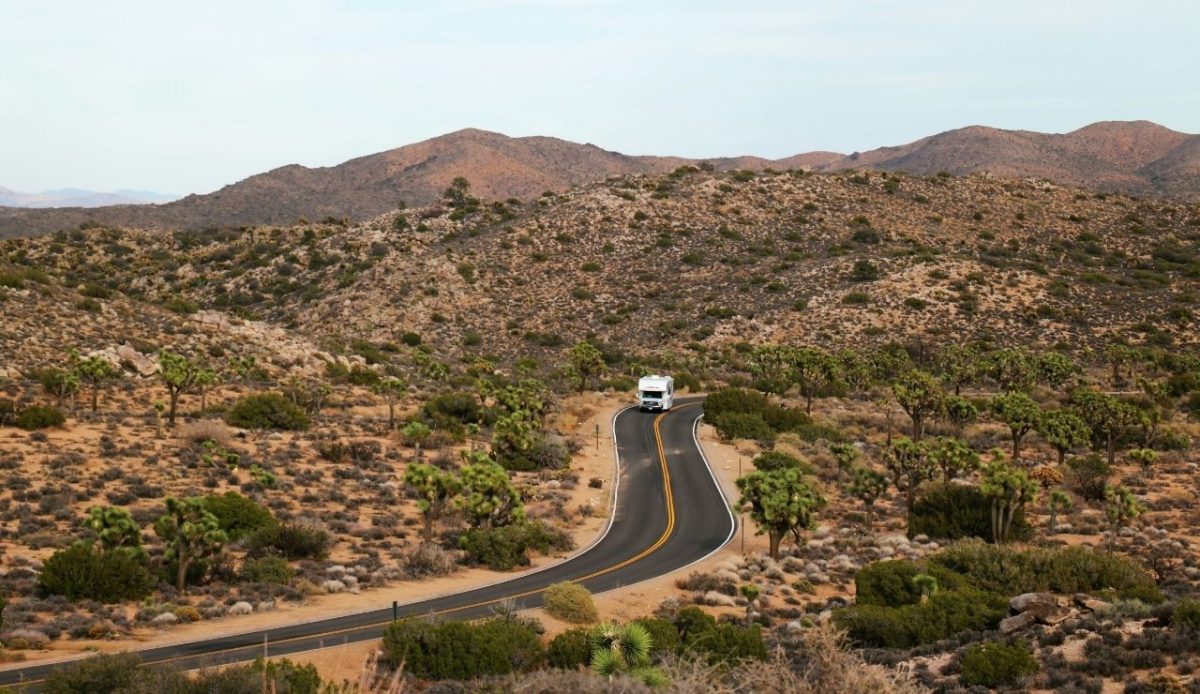
Joshua Tree National Park has seen rapid growth in visitation, leading to increased regulation of camping and parking. Most campgrounds require reservations, and available sites are often booked well in advance during peak seasons.
Spontaneous visitors may still enter the park, but overnight options can be limited or nonexistent without prior planning. This can affect travelers hoping to explore the park over multiple days or experience nighttime conditions.
While day use remains relatively flexible, the lack of last-minute camping availability changes how visitors experience the park. Planning has become essential for extended stays.
10. Denali National Park
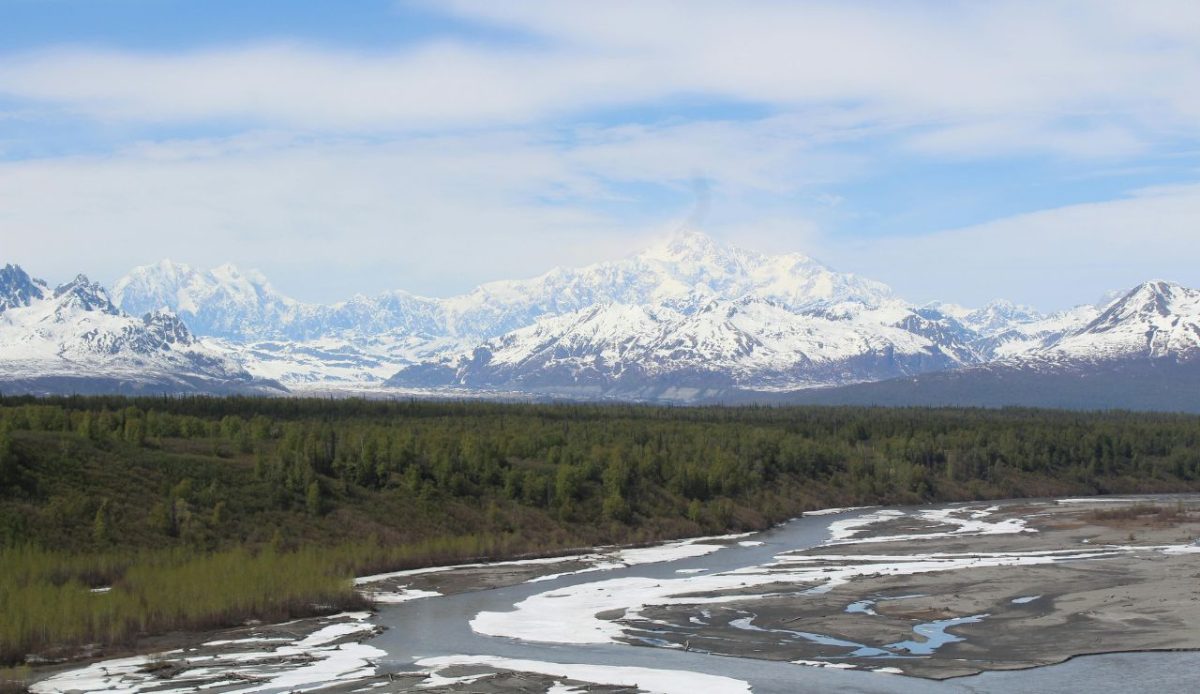
Denali National Park’s vast landscape offers a sense of remoteness, yet access is highly structured. Private vehicle use is restricted beyond certain points, and bus tickets for deeper access often require reservations.
These bus systems are the primary way to see much of the park, meaning spontaneous travelers may face limited options if tickets are sold out. Lodging and camping within the park also fill quickly during the short summer season.
As a result, last-minute visitors may only experience a small portion of Denali. The park’s size contrasts sharply with the level of planning required to explore it fully.
