
National park visits are booming, and many popular parks are now limiting daily entries to protect natural areas and improve visitor experiences. Starting in 2026, several parks may require timed-entry reservations, even for day visitors. From iconic mountains to famous trails, these rules are meant to prevent overcrowding, reduce traffic, and preserve fragile ecosystems. Knowing which parks require reservations will help travelers plan, avoid disappointment, and enjoy a more peaceful experience exploring America’s natural wonders while capturing the perfect photos and enjoying wildlife safely.
1. Rocky Mountain National Park
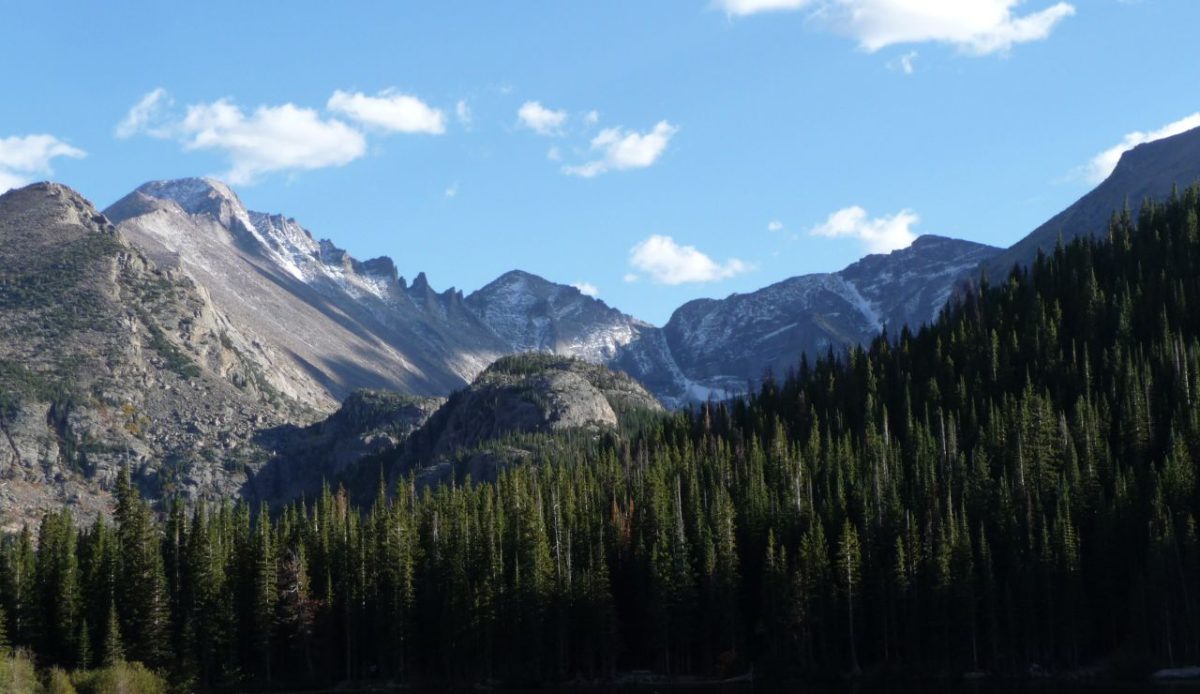
Rocky Mountain National Park in Colorado has a timed-entry system for the busiest trails and roads. Visitors will need a reservation to access the most popular areas, such as Bear Lake Road. These permits help manage crowds during peak seasons and ensure a safer, quieter visit. The system divides park access into full or partial permits and is available online through Recreation.gov. A small processing fee applies. By 2026, this reservation system is expected to continue, making early planning essential for travelers who want to enjoy alpine lakes, mountain scenery, and wildlife without the stress of congestion.
2. Glacier National Park
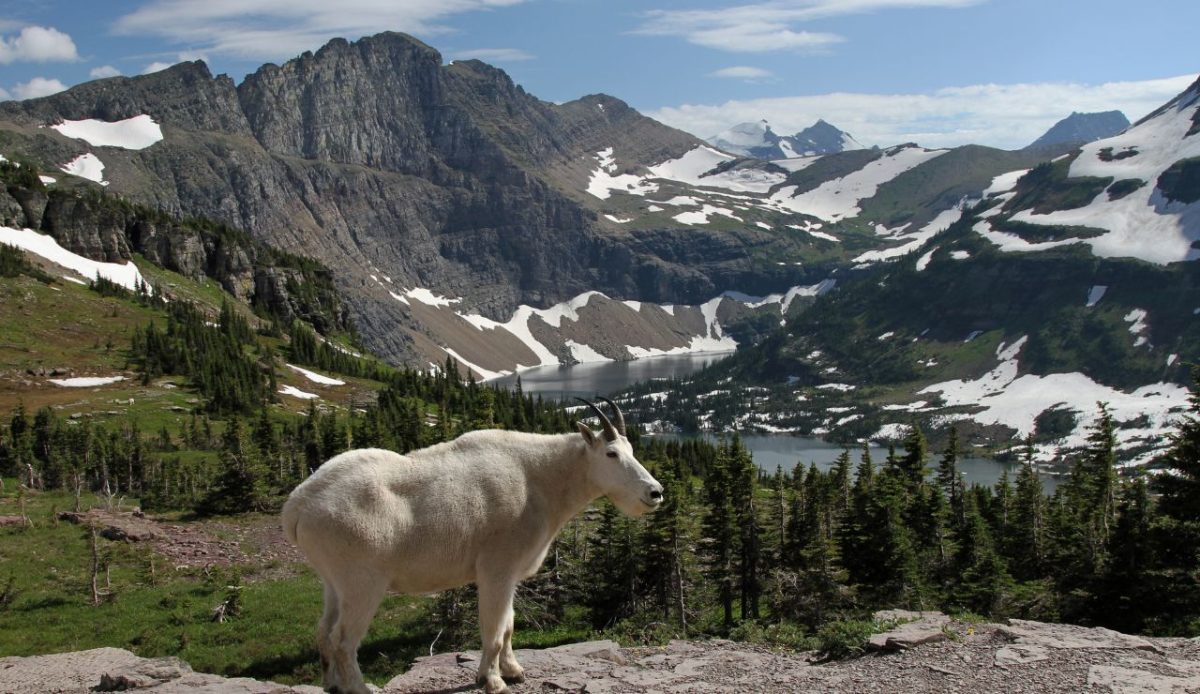
Glacier National Park in Montana requires vehicle reservations for the west side of Going-to-the-Sun Road and the North Fork during peak summer months. Timed permits limit entry from morning until early afternoon, helping manage traffic and protect fragile landscapes. Other areas remain accessible without a pass, but full daylight access requires a reservation. This system will likely continue in 2026, giving visitors a more organized experience while preserving glacial views and scenic trails. Planning ensures that travelers can enjoy hiking, wildlife spotting, and stunning vistas without long waits or denied entry at crowded trailheads.
3. Arches National Park
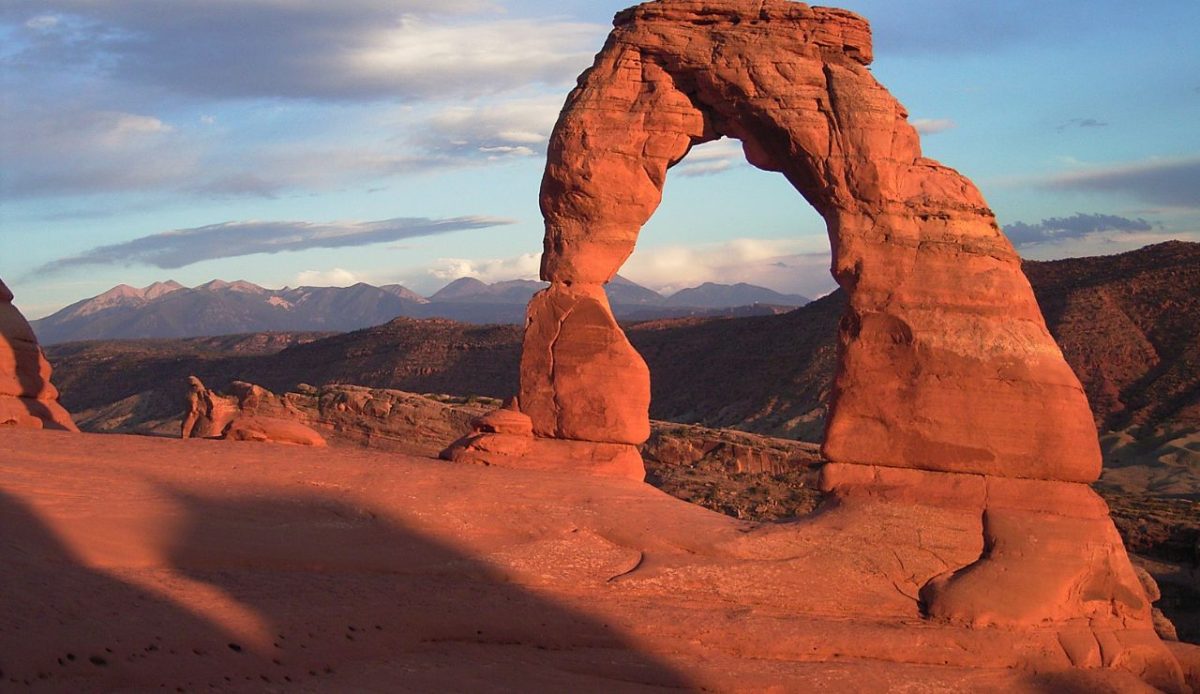
Arches National Park in Utah has introduced timed-entry permits for popular visitor times, especially in spring and summer. These reservations control access to the park’s iconic red-rock formations, preventing overcrowding and preserving trails. Visitors must book slots online, paying a small fee in addition to entrance costs. The timed system allows photographers, hikers, and sightseers to enjoy landmarks like Delicate Arch without struggling through crowds. This approach is expected to continue in 2026, so travelers should plan, secure a permit, and enjoy the park’s breathtaking scenery during daylight hours.
4. Yosemite National Park
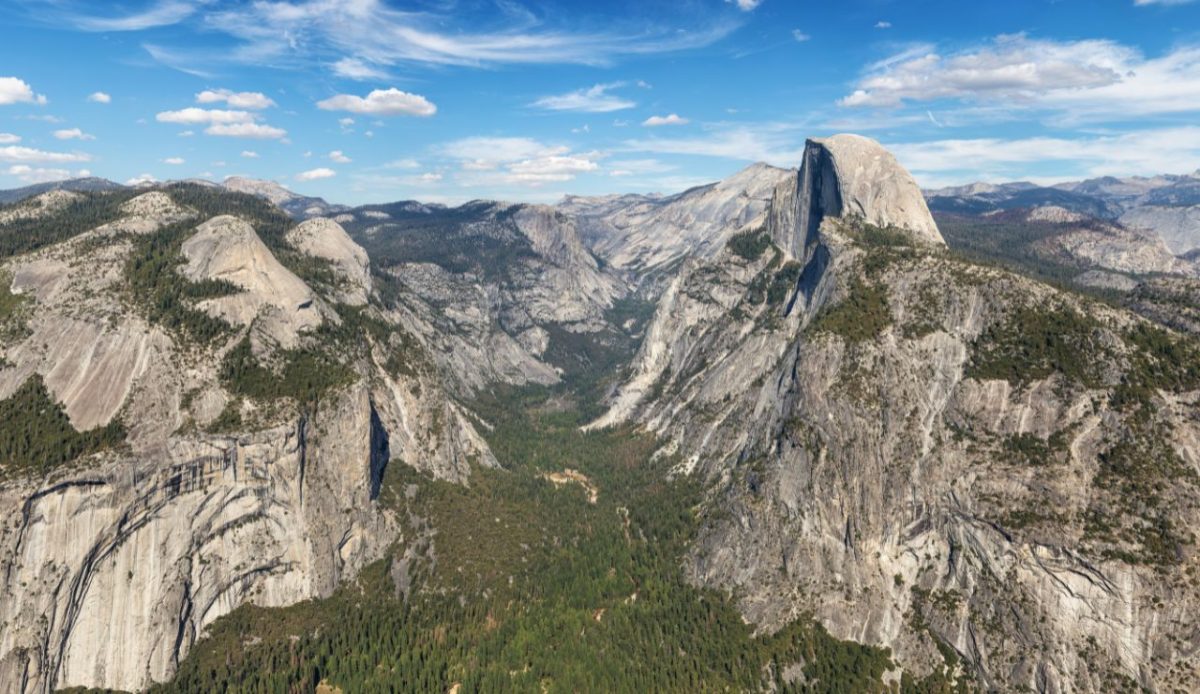
Yosemite National Park in California may reintroduce reservation requirements for high-traffic areas, including Yosemite Valley, to prevent congestion during peak seasons. Timed-entry passes will likely limit vehicles and visitors, ensuring that popular spots such as Yosemite Falls and Glacier Point remain accessible and enjoyable. Reservations help distribute visitors evenly throughout the day, reducing overcrowding on roads and trails. By 2026, these measures are expected to continue, making early booking essential. Visitors can enjoy giant sequoias, hiking trails, and scenic vistas, but planning will be critical.
5. Acadia National Park
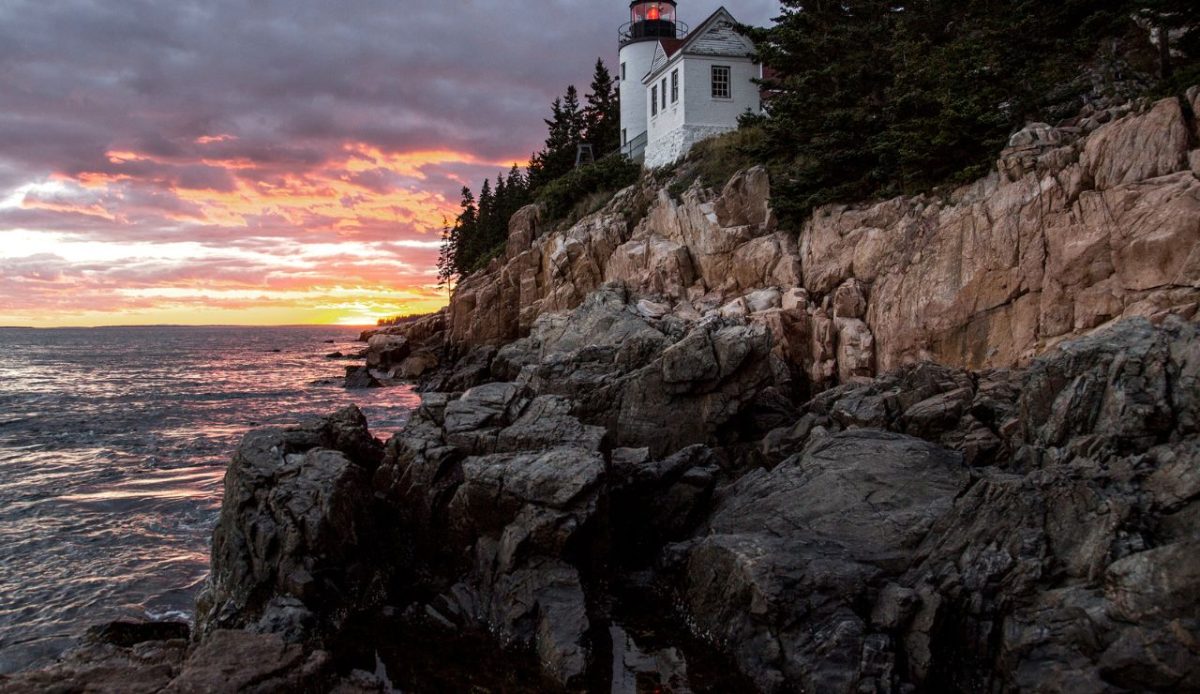
Acadia National Park in Maine may require vehicle reservations on popular routes like Cadillac Summit Road, particularly during the summer months. Timed permits reduce congestion and make it easier for visitors to experience sunrise views, coastal hikes, and mountain summits without delays. The system helps protect fragile ecosystems and ensures that both locals and tourists can enjoy park trails safely. Reservations are likely to remain in 2026, making early planning essential for anyone hoping to see Acadia’s rugged coastline, scenic drives, and wooded hiking trails without waiting in long lines or being turned away at busy entry points.
6. Haleakalā National Park
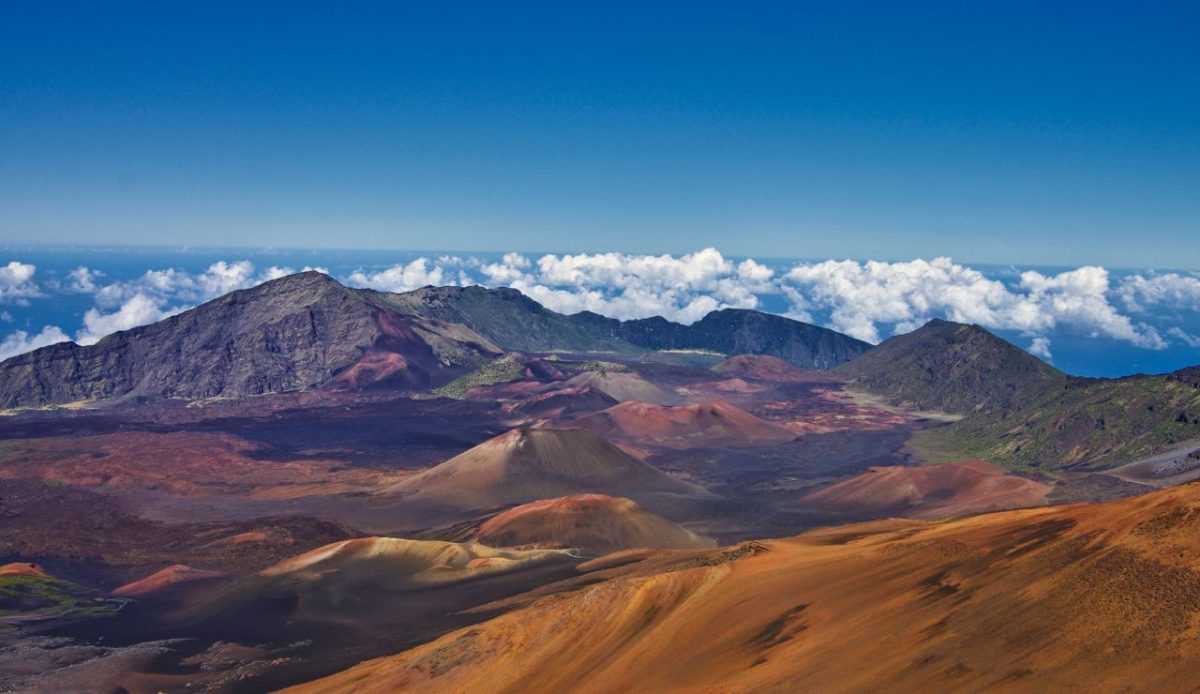
Haleakalā in Hawaii requires sunrise entry reservations, which help manage crowds and maintain a safe viewing experience at the summit. Visitors must book online well in advance to secure their spot between 3 a.m. and 7 a.m. The park limits daily entries to protect fragile ecosystems and avoid traffic jams on narrow mountain roads. This system will likely continue in 2026, so travelers should plan for sunrise visits. Bringing personal items such as warm clothing and water ensures a comfortable experience. Early reservations let visitors enjoy spectacular sunrises over volcanic landscapes without overcrowding or stress.
7. Zion National Park
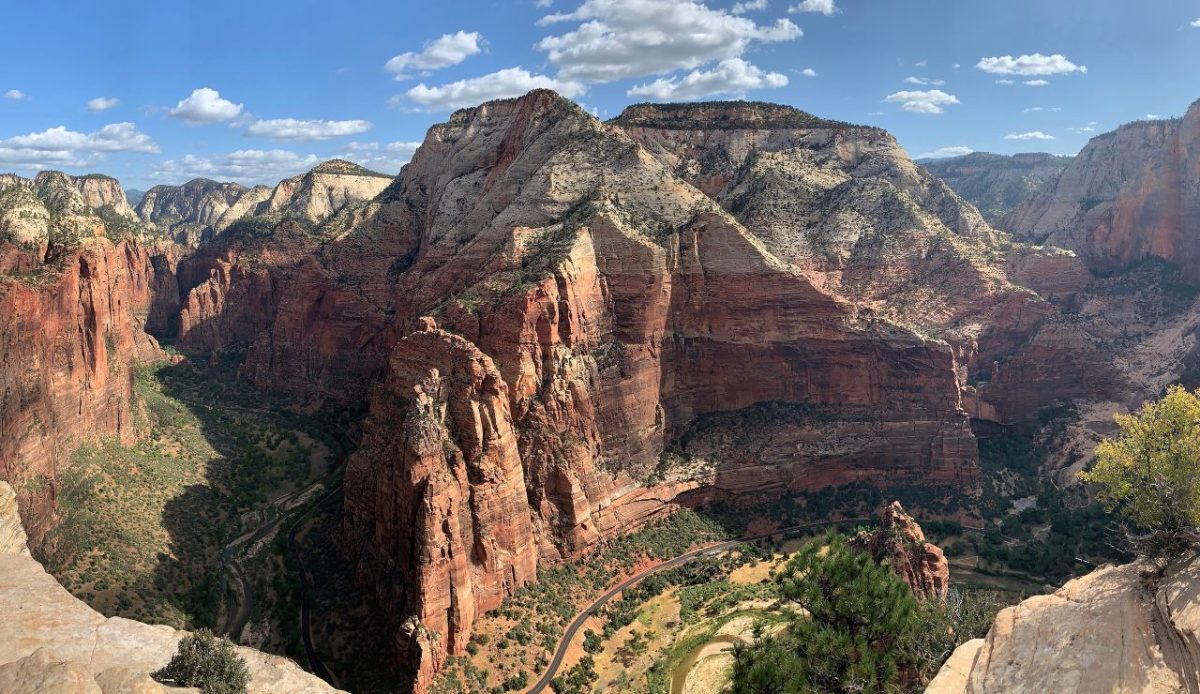
Zion National Park in Utah uses a permit system for its Angel’s Landing trail, controlling crowds on narrow ridges. Permits are obtained online via a lottery system and include up to six people. The goal is to protect hikers’ safety and preserve the trail environment. Zion may expand timed-entry or reservation systems in 2026 for other high-traffic areas. Early planning is recommended for visitors hoping to hike popular trails, enjoy canyon views, or experience the park’s unique sandstone formations. Reservations allow a safer, more enjoyable experience and reduce stress on park infrastructure.
8. Shenandoah National Park
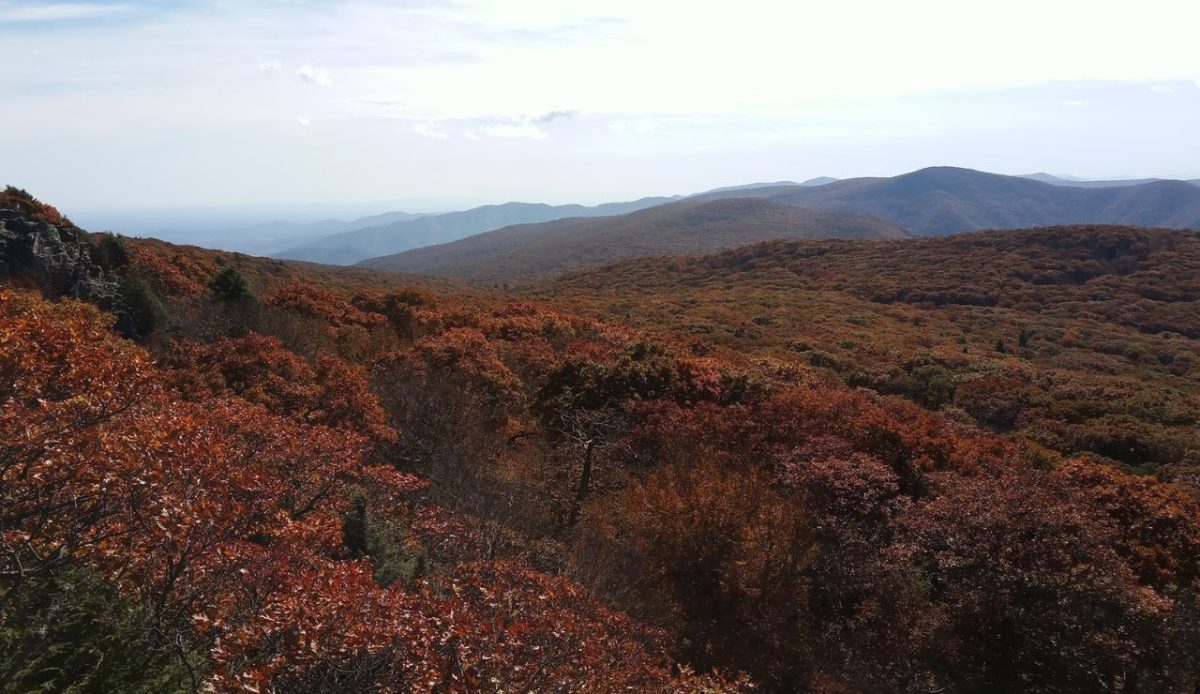
Shenandoah National Park in Virginia has implemented day-use reservations for popular hikes like Old Rag Mountain. Tickets are limited and released in batches, ensuring that hikers experience the park safely. Timed-entry permits reduce congestion on trails and protect the environment. These requirements are expected to continue in 2026, especially during weekends and peak foliage seasons. Visitors should book early to secure access and plan hikes carefully. By managing visitor numbers, Shenandoah provides a more peaceful, enjoyable experience for outdoor enthusiasts exploring Appalachian views, waterfalls, and scenic trails.
9. Carlsbad Caverns National Park
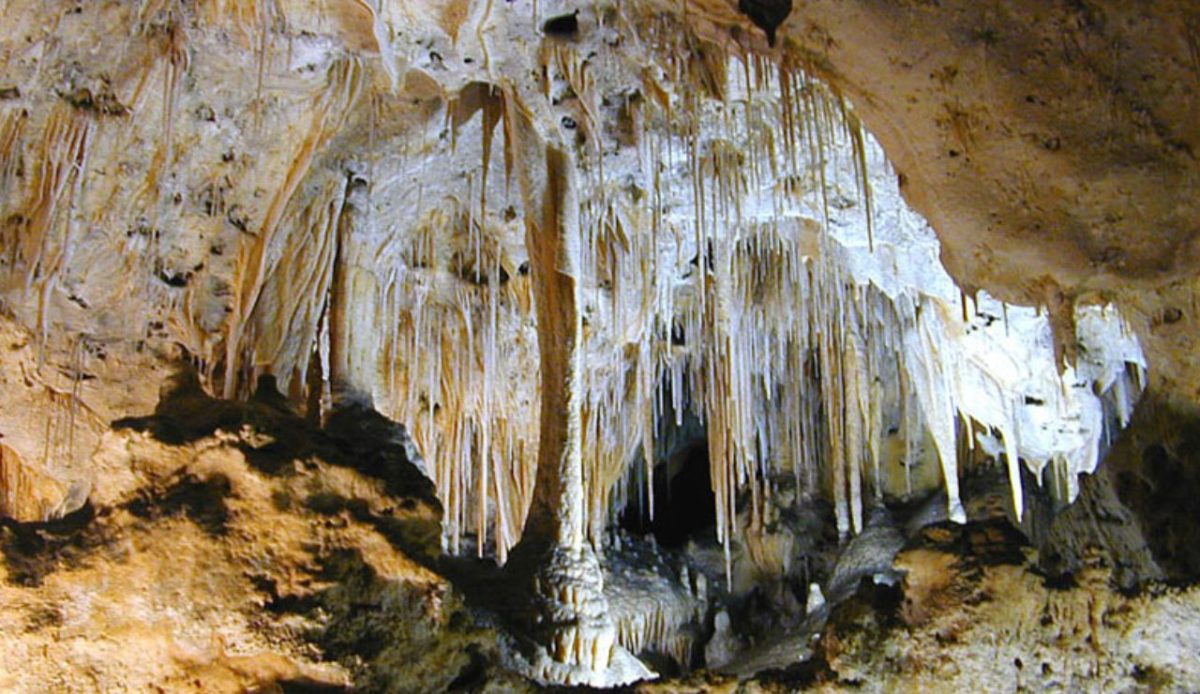
Carlsbad Caverns in New Mexico already uses timed-entry reservations for cave access to protect sensitive underground environments. Visitors exploring stalactites, caves, and passageways must secure slots through official channels. The system ensures safe flow through narrow corridors while preserving the park’s natural features. By 2026, these rules may expand to surface trails or visitor areas to reduce crowding. Planning is key, especially during peak seasons. Reservations let travelers fully enjoy the park’s unique subterranean landscapes without overcrowding, ensuring a memorable, stress-free experience.
10. Grand Canyon National Park
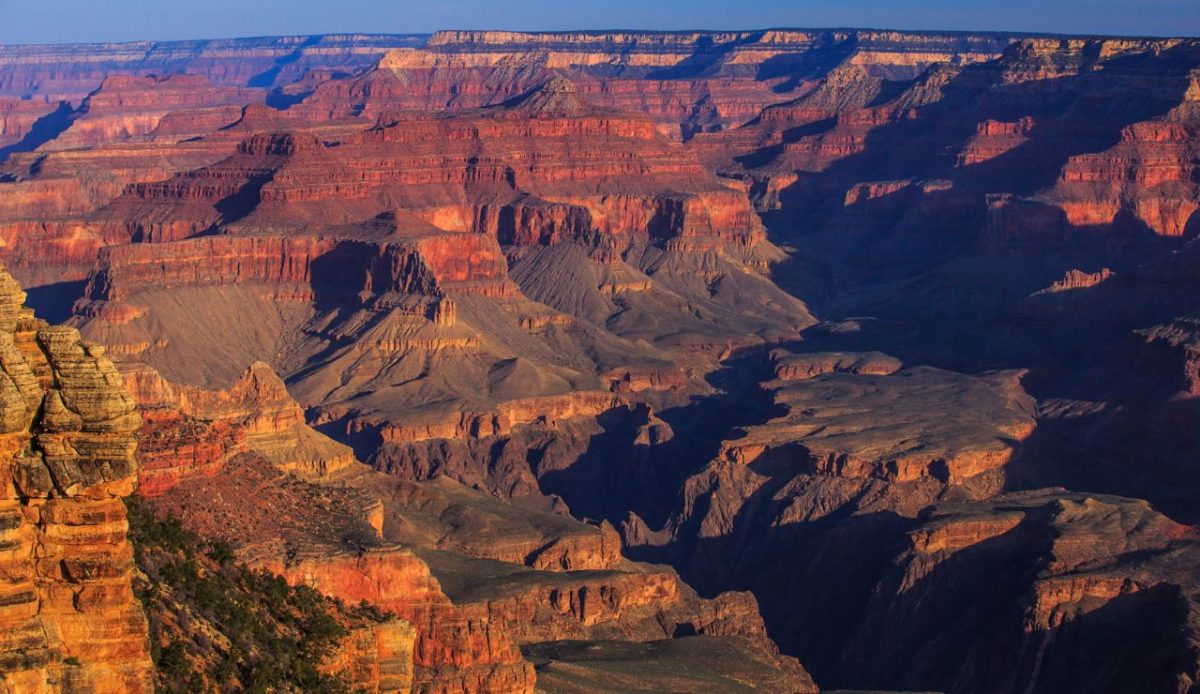
The Grand Canyon may introduce entry reservations or surcharges in 2026, particularly for non-U.S. residents. The goal is to reduce overcrowding and protect natural resources at this iconic site. Visitors may need to reserve entry in advance, especially for popular viewpoints along the South Rim. Planning ensures access to trails, overlooks, and scenic drives without long waits or denied entry. Early reservations allow travelers to enjoy the canyon’s immense vistas, hiking paths, and wildlife safely. Being prepared ahead of time helps guarantee an unforgettable Grand Canyon experience while adhering to new park regulations.
