
Uruguay often flies under the radar, overshadowed by flashier South American neighbors. Beyond Montevideo and Punta del Este lies a quieter, richer travel experience in small towns, wild coastlines, and preserved traditions. Many visitors stick to the usual stops, missing places where Uruguay’s slow pace, charm, and natural beauty shine brightest.
These overlooked destinations reveal the country’s authentic character, from colonial river towns to windswept Atlantic villages. They offer less crowds, lower prices, and a stronger connection to local life, perfect for travelers seeking substance over spectacle.
Exploring these lesser-known spots expands your understanding of Uruguay and rewards you with experiences most guidebooks barely mention.
1. Colonia del Sacramento
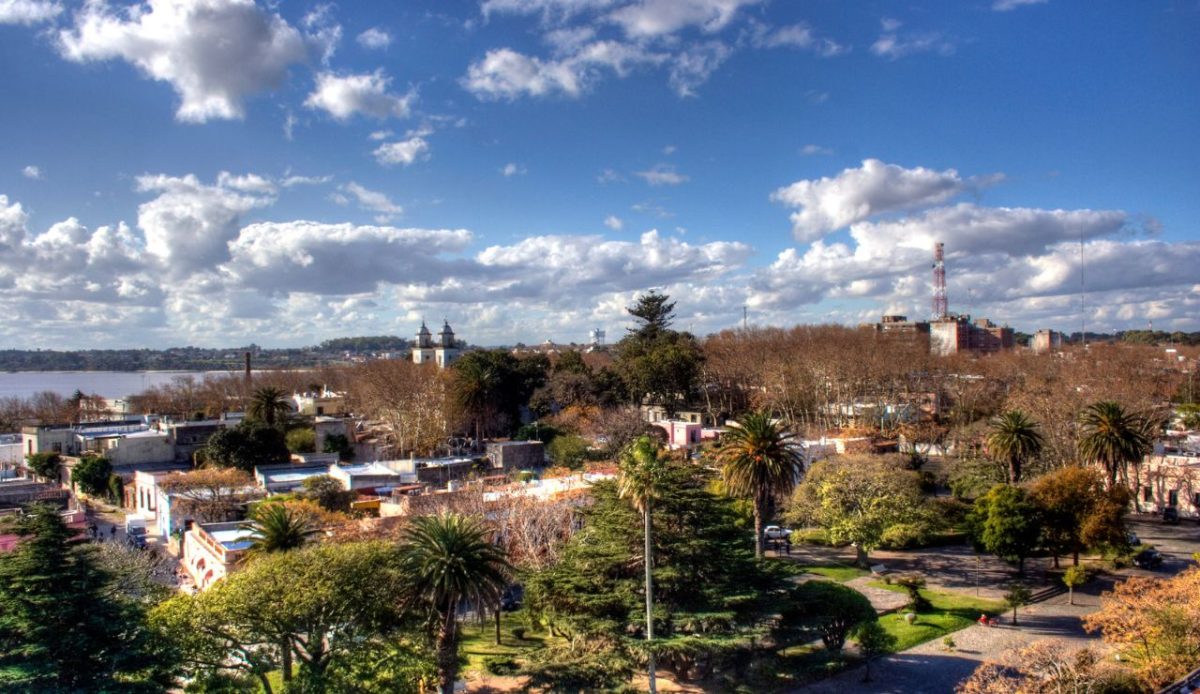
Colonia del Sacramento is one of Uruguay’s oldest towns, yet many travelers rush through it on a quick ferry stop from Buenos Aires. Its cobblestone streets, pastel houses, and crumbling stone walls preserve a rare blend of Portuguese and Spanish colonial influence that feels frozen in time.
Walking through the Barrio Histórico reveals lighthouse views, antique cars, and quiet plazas untouched by mass tourism. Unlike larger cities, Colonia invites slow exploration, where every corner feels lived-in rather than staged.
Despite its UNESCO status, Colonia remains calm after day-trippers leave, offering an intimate overnight experience most visitors miss entirely.
2. Cabo Polonio
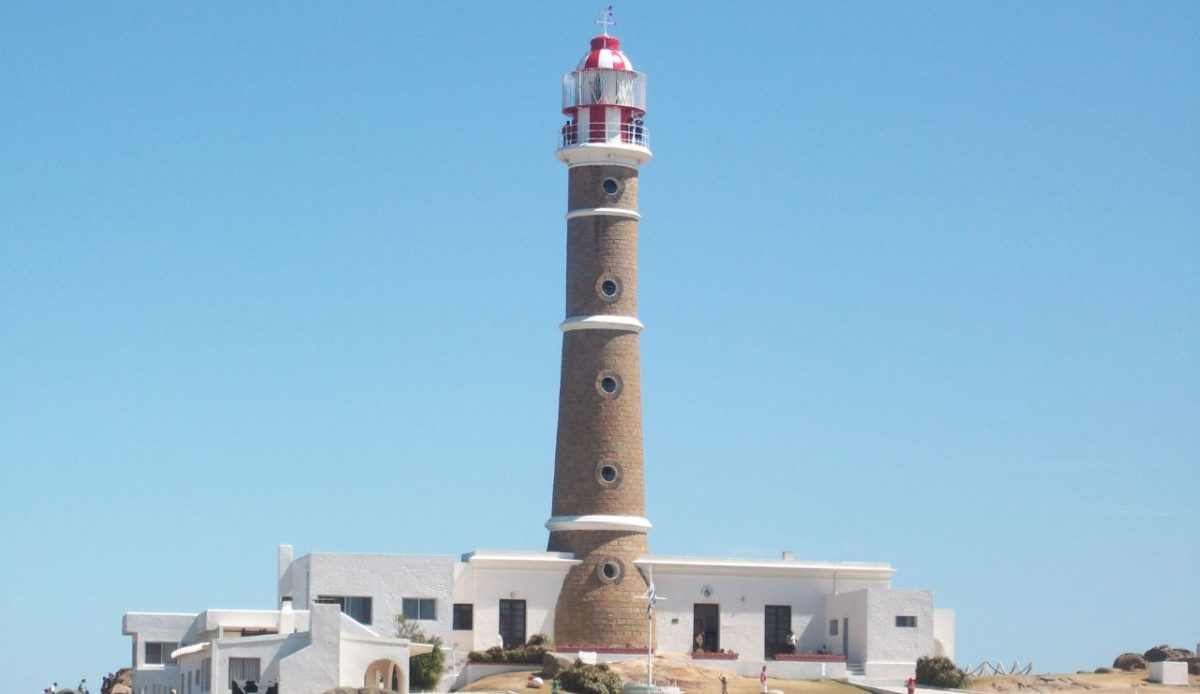
Cabo Polonio is unreachable by regular roads, accessible only by rugged 4×4 trucks across sand dunes. This isolation keeps it blissfully disconnected from modern tourism and preserves its raw, untamed character along Uruguay’s Atlantic coast.
There’s no conventional electricity, limited cell service, and wildlife roams freely, including one of South America’s largest sea lion colonies. Nights are lit by stars, not streetlamps, creating an atmosphere that feels almost prehistoric.
Travelers who make the effort discover a rare destination where nature dictates the rhythm, not schedules or conveniences.
3. Valle del Lunarejo
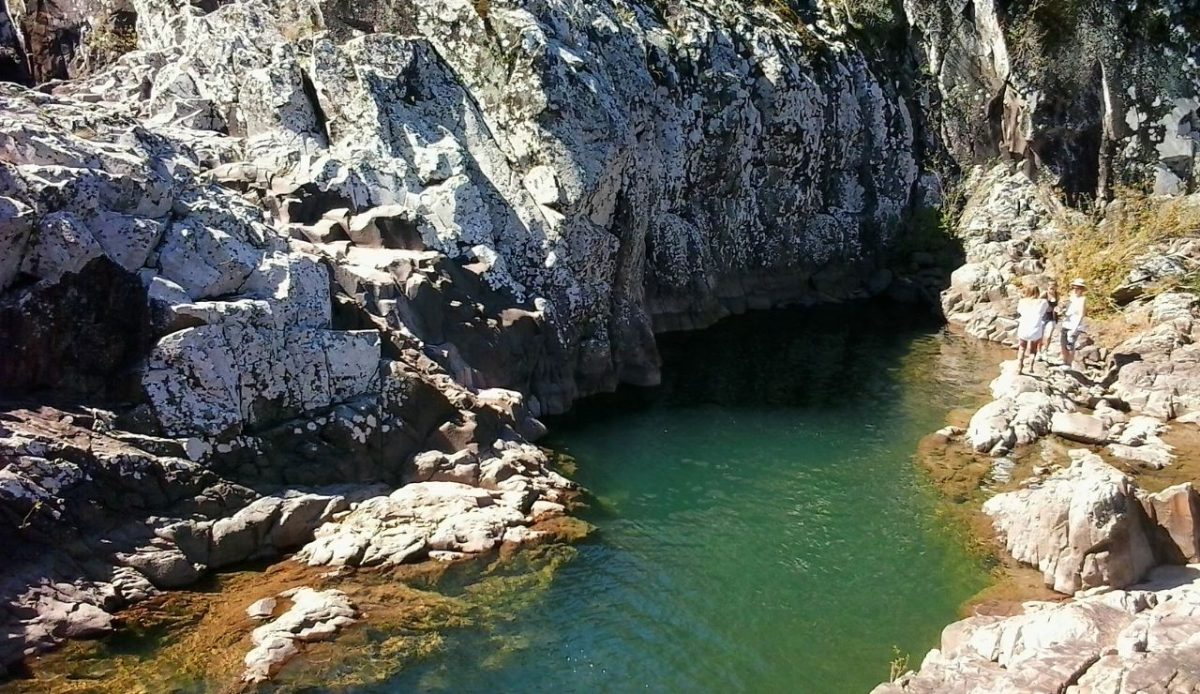
Hidden in northern Uruguay, Valle del Lunarejo feels worlds away from the country’s coastal identity. Rolling hills, deep ravines, and waterfalls dominate this protected landscape, surprising visitors who expect flat grasslands.
The region is rich in biodiversity, supporting rare bird species, forests, and even some small mammals rarely seen elsewhere in Uruguay. Trails wind through valleys shaped over millions of years, offering quiet hikes with little human presence, where each corner reveals the untouched beauty of South America.
Because it’s far from major cities, Lunarejo remains largely unknown, rewarding travelers with solitude, pristine scenery, and a sense of adventure few imagine exists, making it ideal for eco-minded tourists.
4. Punta del Diablo
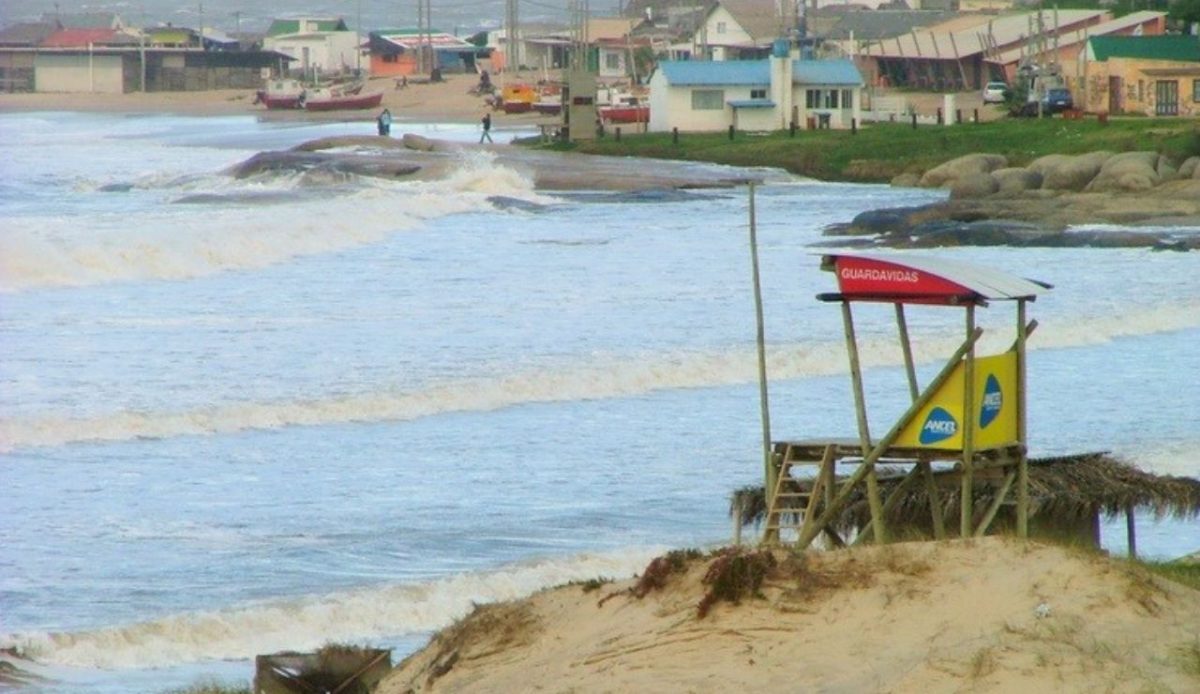
Often mistaken as just another beach town, Punta del Diablo retains a laid-back, fishing-village soul beneath its growing popularity. Unlike Punta del Este’s polished luxury, this town thrives on simplicity and creative energy.
Wooden cabins, sandy streets, and surf culture define daily life here. Fishermen still haul nets at dawn, while travelers gather for sunset views without curated experiences or dress codes. Artisanal shops, local music festivals, and community-run markets add authenticity to the coastal charm.
Those who linger beyond peak season discover a community-driven destination that balances tourism without losing its unpolished charm, offering the rare feeling of connection to Uruguay’s coastal traditions.
5. Carmelo
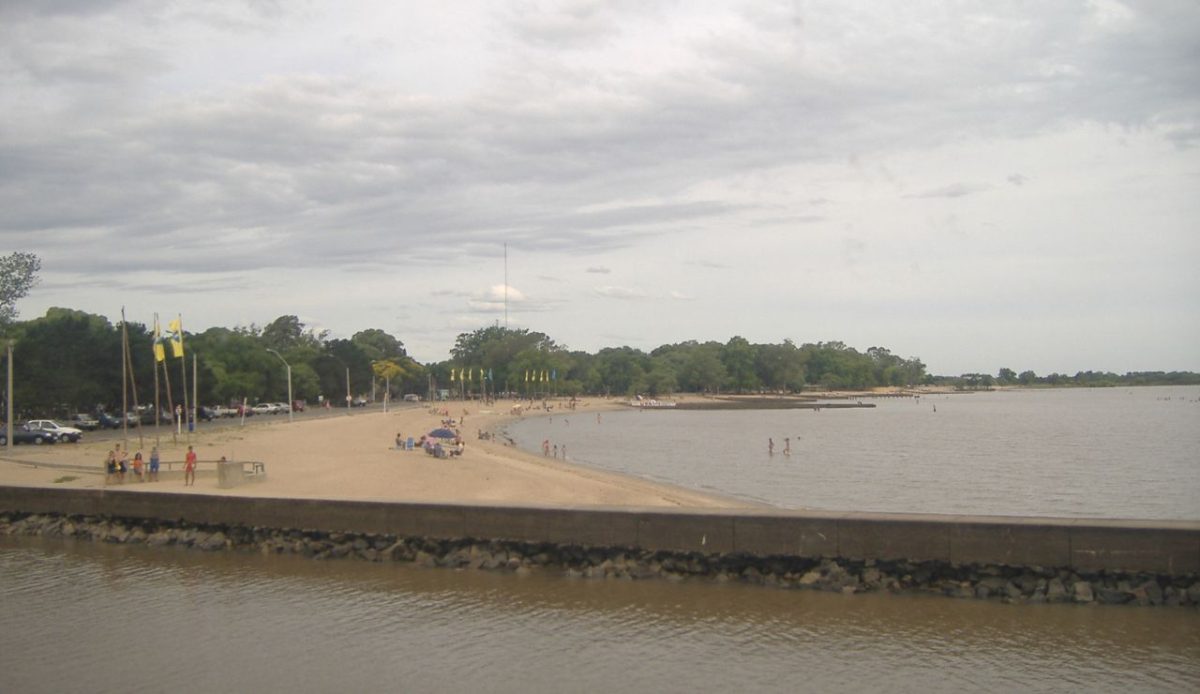
Carmelo quietly rivals Argentina’s wine regions but remains overlooked by international travelers. Nestled along the Río de la Plata, it blends vineyards, river beaches, and colonial heritage into a peaceful retreat.
Local wineries specialize in boutique production, offering tastings without crowds or inflated prices. The surrounding countryside invites cycling and slow drives through farmland, eucalyptus groves, and quiet riverside paths perfect for reflection.
Carmelo’s understated elegance appeals to travelers who value authenticity over hype, making it one of Uruguay’s most rewarding hidden gems, where every corner feels cultivated yet relaxed.
6. Rocha
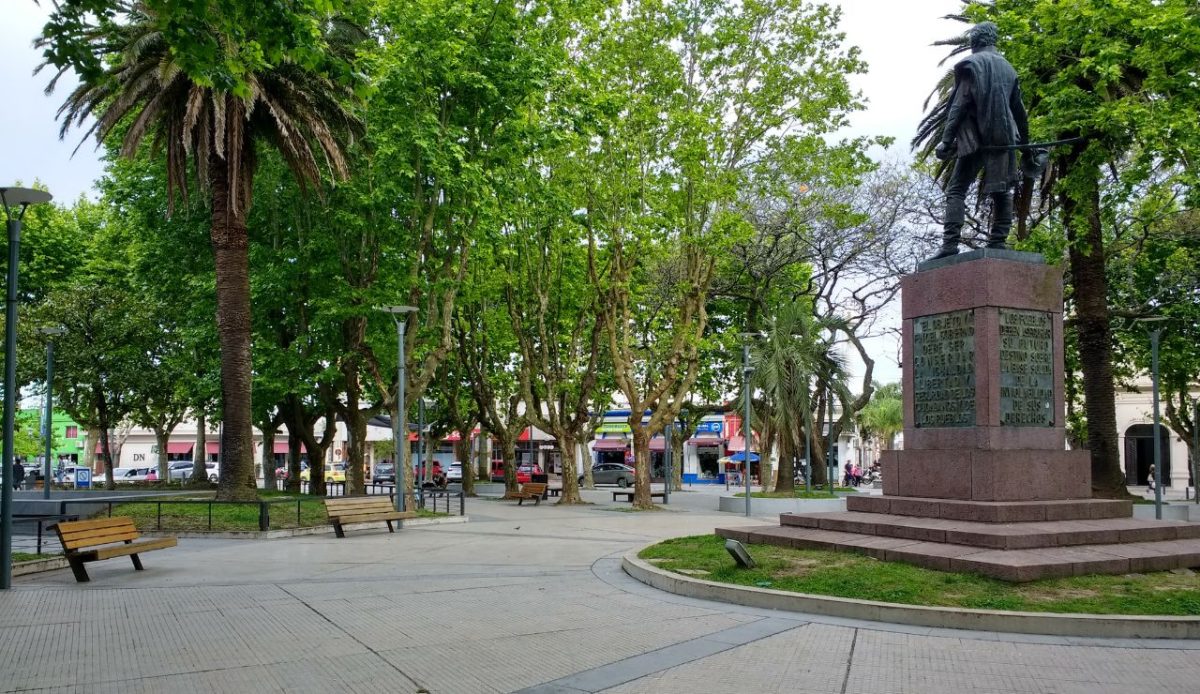
Rocha province is often reduced to its beaches, yet its inland towns and protected wetlands reveal a deeper identity. Small communities preserve gaucho traditions, regional cuisine, and strong ties to nature, while artisanal crafts flourish in local markets.
Lagoon systems support birdlife and sustainable fishing, while rural festivals celebrate local history rather than tourism trends. Quiet forest paths, salt marshes, and dune ecosystems make the region an ecotourism gem.
Visitors willing to explore beyond the shoreline uncover a region that feels proudly Uruguayan, not tailored for outsiders, with landscapes and traditions largely untouched by mass tourism.
7. Tacuarembó
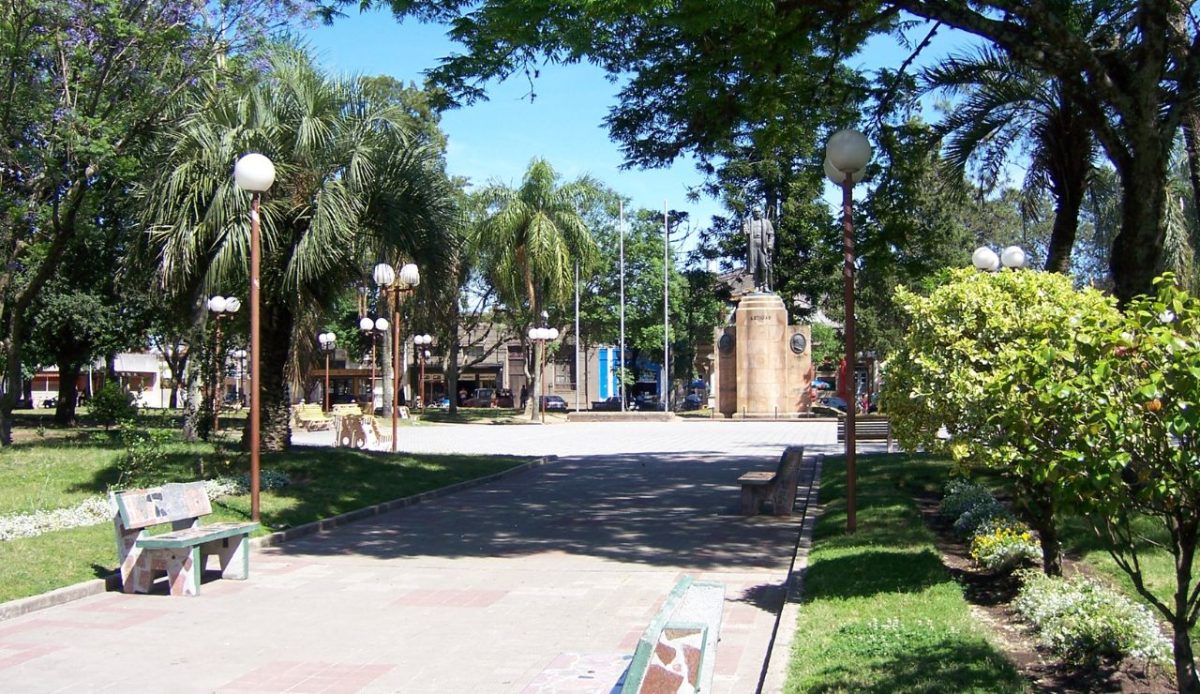
Tacuarembó sits at the heart of Uruguay’s gaucho culture, yet few international travelers venture this far north. It’s widely associated with folk music, traditional dress, and rural heritage that defines the country’s identity, including rodeos and cultural fairs.
Museums, ranches, and festivals celebrate legendary figures like Carlos Gardel, blending myth and history. Horse culture remains central, offering insight into Uruguay’s agricultural roots, alongside local artisan fairs that display handmade textiles and crafts.
For travelers seeking cultural depth rather than scenery alone, Tacuarembó delivers an experience rarely found on standard itineraries, leaving a lasting impression of Uruguay’s heartland.
8. La Paloma
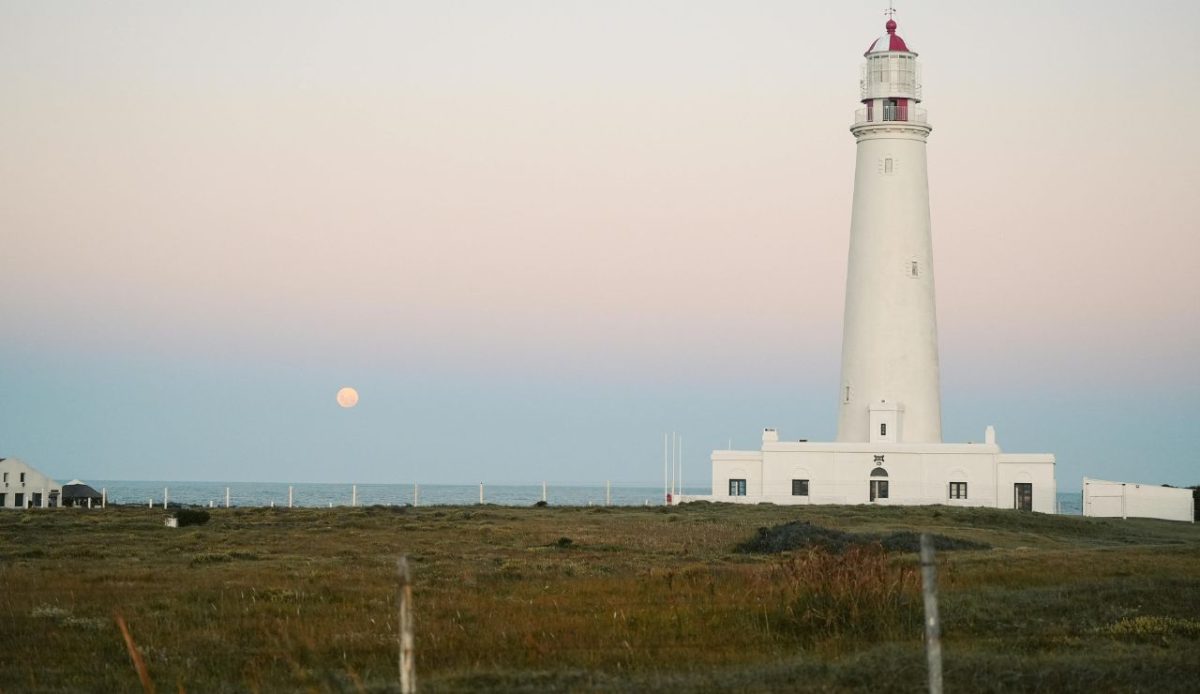
La Paloma is often bypassed in favor of trendier coastal towns, but its relaxed pace and working port atmosphere offer something different. This is a place where tourism coexists naturally with daily life, and community markets highlight local produce.
Long beaches stretch beyond crowded zones, and the lighthouse provides sweeping views of the Atlantic. Seafood comes straight from local boats rather than curated menus, while small cafes host local music and gatherings.
La Paloma appeals to travelers who prefer authenticity over nightlife, making it a quietly satisfying stop along Uruguay’s coast where natural beauty and local culture thrive hand in hand.
9. Minas
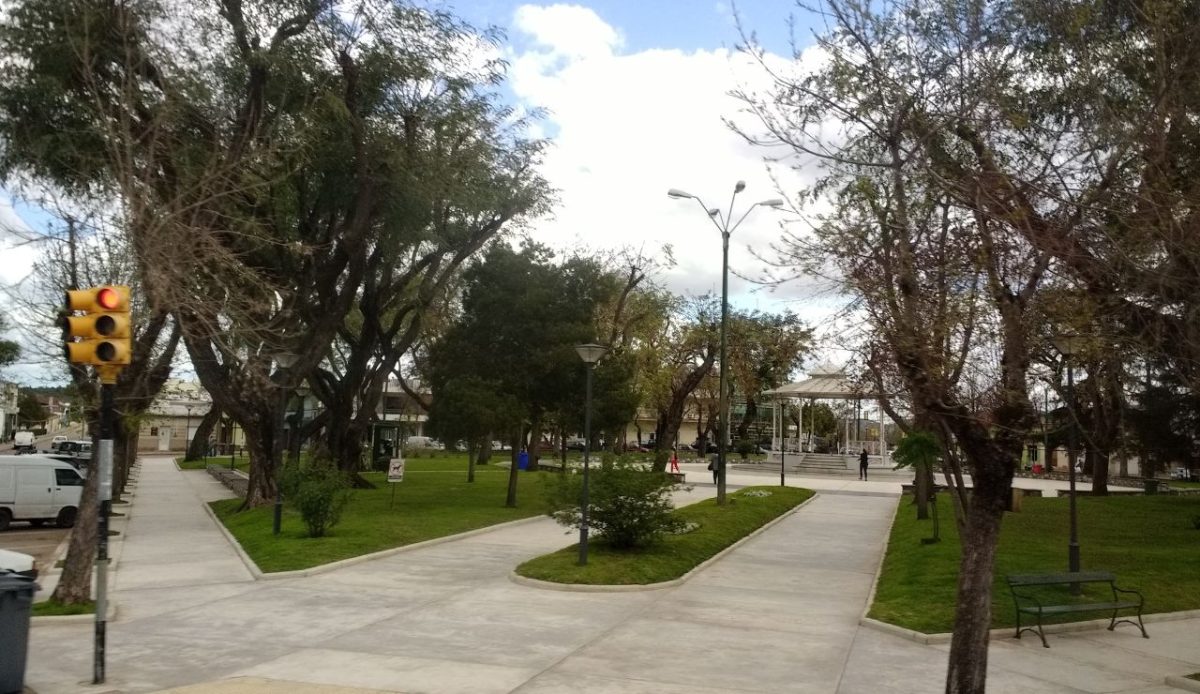
Minas sits at the gateway to Uruguay’s hill country, offering access to landscapes unlike the nation’s flat plains. Nearby Cerro Arequita and surrounding reserves provide hiking, caves, and panoramic views, as well as hidden waterfalls and nature trails for exploration.
The town itself blends colonial architecture with small-town warmth, serving as a base for exploring nature without sacrificing comfort. Religious festivals, local markets, and artisanal shops add cultural texture to any visit.
Minas is ideal for travelers seeking balance, natural beauty, paired with a genuine community atmosphere and immersive experiences that most tourists overlook entirely.
10. San Gregorio de Polanco
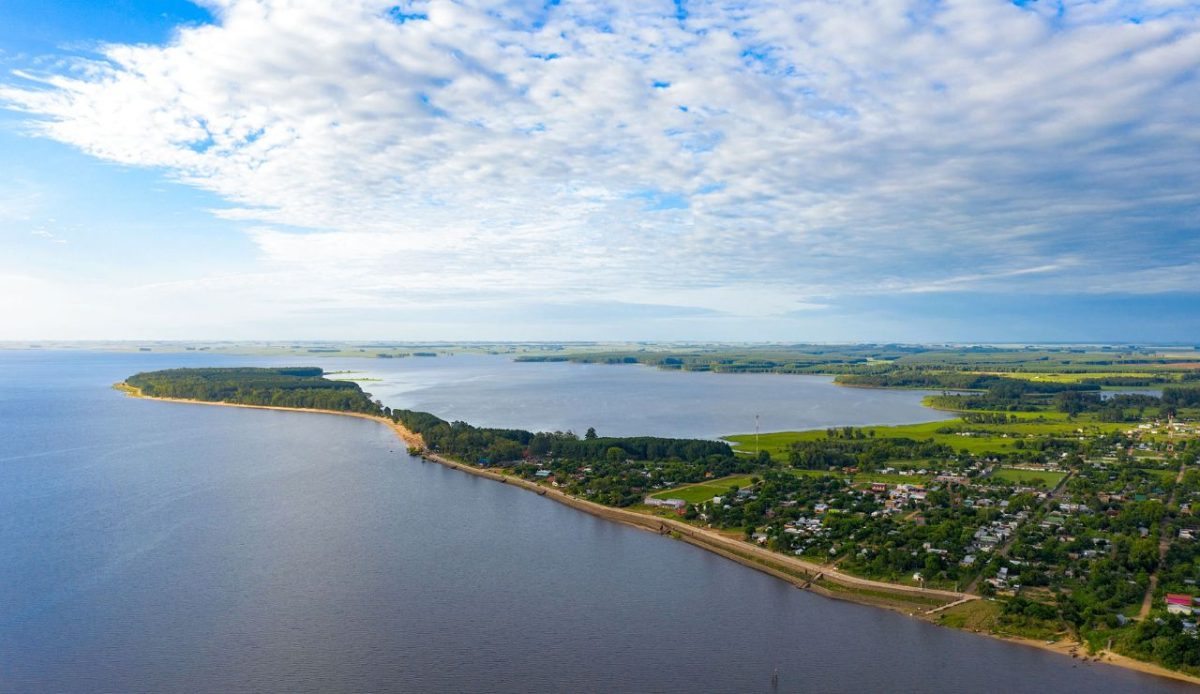
San Gregorio de Polanco stands apart for its open-air murals and lakeside setting along the Río Negro. Art covers walls, buildings, and public spaces, turning the town into a living gallery with creativity at every turn.
Despite its creativity, it remains uncrowded and relaxed, appealing to families and slow travelers. The waterfront offers swimming, fishing, and sunset walks without resort-style development, while small local eateries showcase traditional Uruguayan dishes.
This combination of art, water, and tranquility makes San Gregorio one of Uruguay’s most overlooked yet memorable destinations, offering culture, leisure, and serenity in one quiet town.
