
In today’s interconnected world, it can feel like every destination has been discovered. Yet, there are still places so remote and untouched that only the most determined travelers ever make it there. These corners of the planet require long journeys, multiple connections, or even special permits, but they reward adventurers with solitude, raw beauty, and a sense of discovery. From icy tundras to isolated islands, here are 10 of the world’s most remote destinations where few have set foot.
1. Tristan da Cunha, South Atlantic
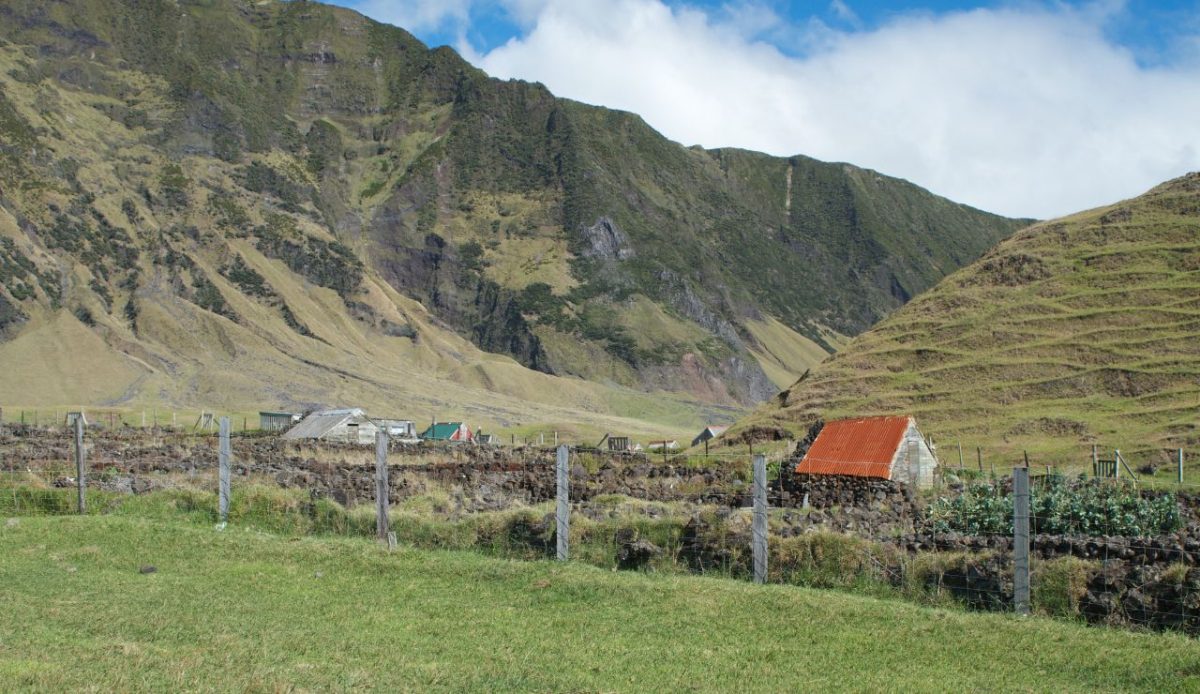
Known as the most remote inhabited island on Earth, Tristan da Cunha lies in the South Atlantic, accessible only by a six-day boat trip from South Africa. With fewer than 300 residents, the island offers rugged volcanic landscapes, cliffs teeming with seabirds, and a lifestyle largely untouched by modernity. There are no airports, no bustling resorts, and no crowds, just raw isolation. Visiting Tristan da Cunha means experiencing life on the edge of the world, literally.
2. Pitcairn Islands, Pacific Ocean
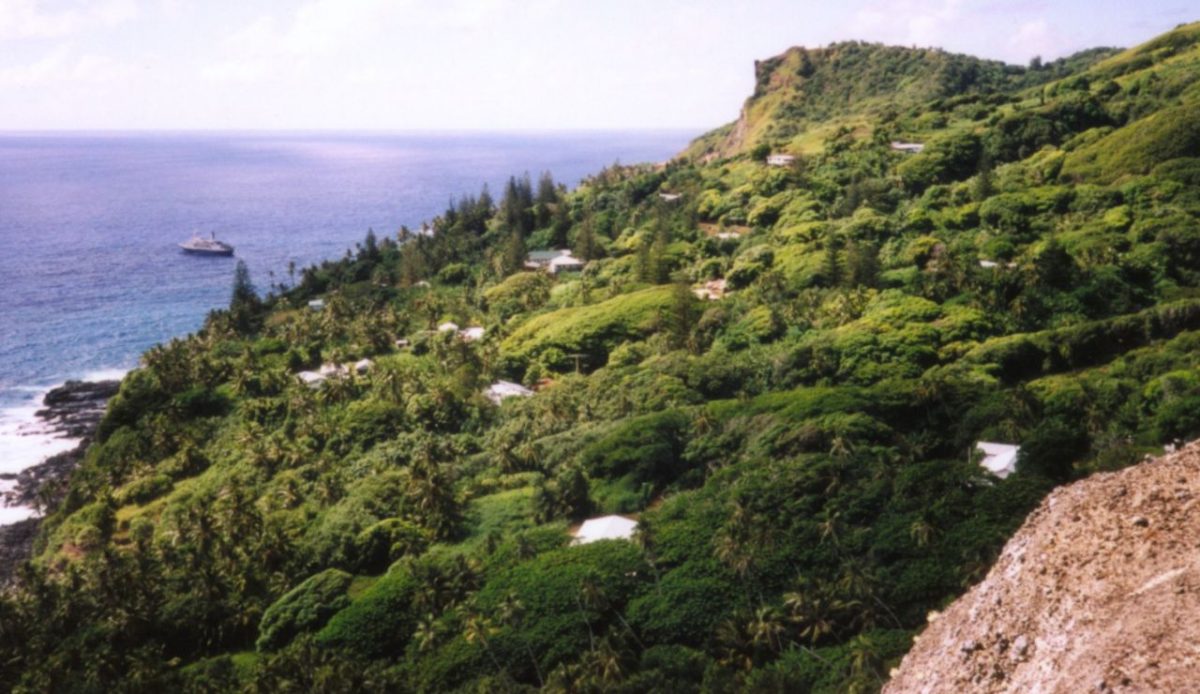
Home to descendants of the HMS Bounty mutineers, the Pitcairn Islands are among the least-visited places on Earth. With fewer than 50 residents, they’re reachable only by boat from New Zealand, a journey that takes days. The main island features dramatic cliffs, caves, and pristine waters perfect for diving. Pitcairn offers both isolation and fascinating history, blending stories of survival with untouched natural beauty. For travelers who make the journey, it’s like stepping into another century altogether.
3. Socotra, Yemen
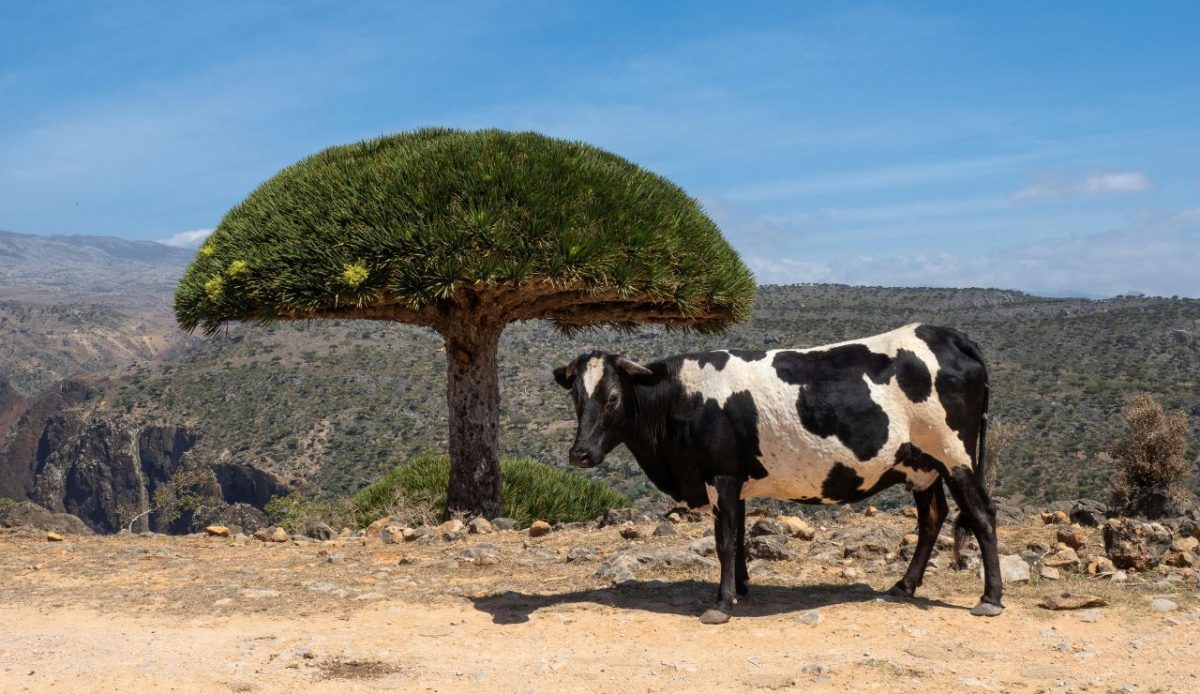
Socotra is often called the “Galápagos of the Indian Ocean” for its bizarre and otherworldly landscapes. Famous for dragon blood trees and alien-like flora, much of the island’s biodiversity is found nowhere else on Earth. Political instability and limited access keep Socotra far off the tourist trail. Flights are infrequent, and infrastructure is sparse, but its surreal beauty captivates those who reach it. Socotra remains one of the most unique and remote places travelers can experience.
4. Oymyakon, Russia
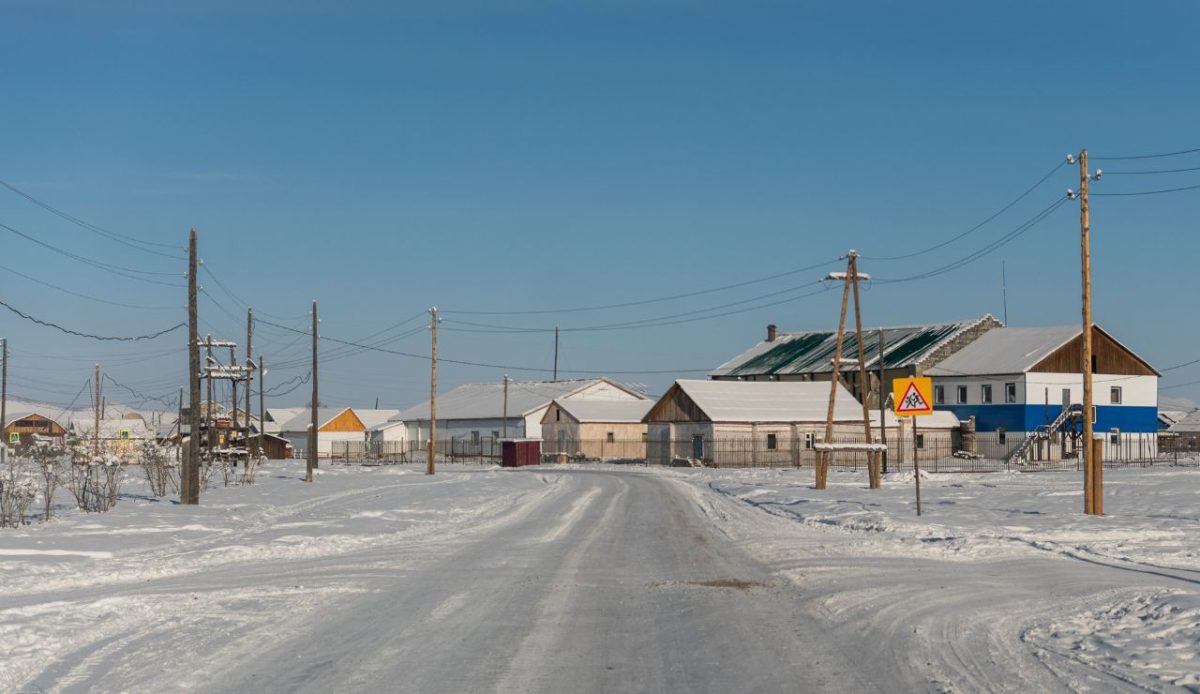
Located in Siberia, Oymyakon is known as the coldest permanently inhabited settlement on Earth. Winter temperatures plunge below –50°C, creating an environment where life seems almost impossible. Reaching the village requires long journeys across frozen landscapes, often on rough roads. Yet the community survives, offering a glimpse into extreme resilience. For those who make it, Oymyakon is both challenging and fascinating, showing how people adapt to the harshest conditions in one of the most remote corners of the planet.
5. Easter Island, Chile
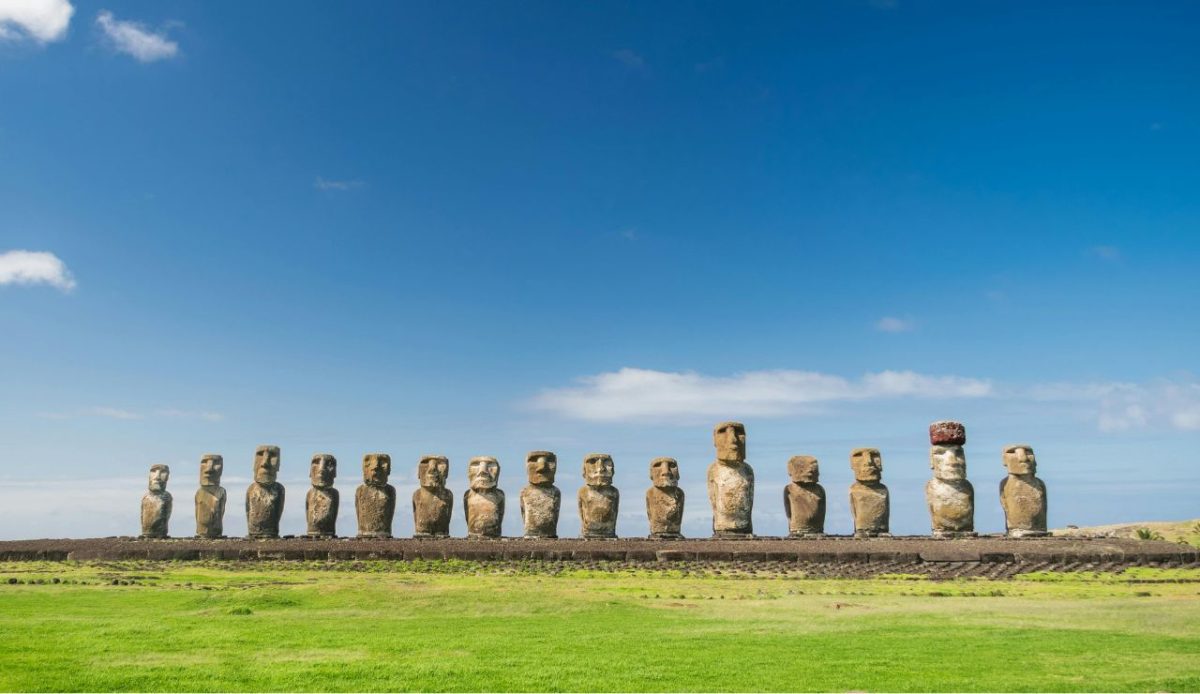
Sitting more than 2,000 miles from mainland Chile, Easter Island is one of the most isolated inhabited islands in the world. Accessible mainly by flights from Santiago, it captivates visitors with its mysterious Moai statues and windswept volcanic landscapes. Despite its fame, relatively few travelers make the long journey. The isolation adds to its allure, allowing Easter Island to preserve its culture and traditions. For those who go, the sense of remoteness is as powerful as the history itself.
6. Svalbard, Norway
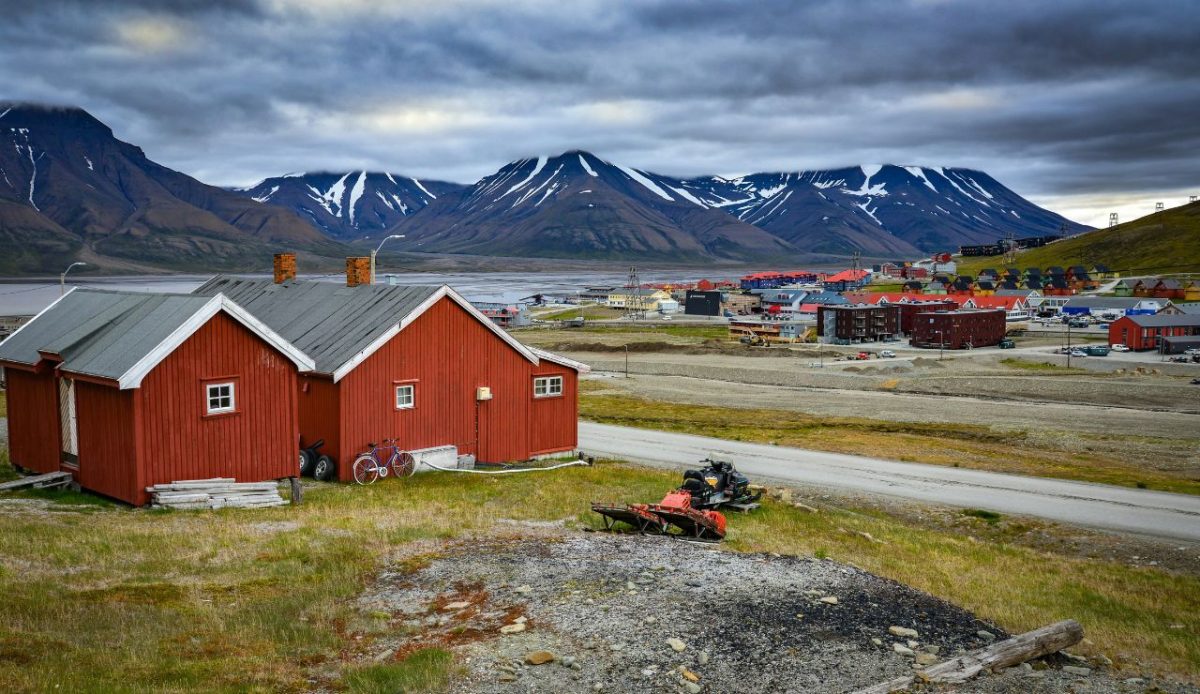
High in the Arctic Ocean, Svalbard is a place of glaciers, polar bears, and endless winter nights. Located between mainland Norway and the North Pole, it’s accessible only by specialized flights or ships. The towns here are tiny, and the wilderness stretches endlessly beyond them. Despite its remoteness, Svalbard attracts adventurers with dog sledding, ice caves, and northern lights. Its stark, icy beauty makes it one of the planet’s most unforgettable remote destinations, both wild and magical.
7. Kerguelen Islands, Indian Ocean
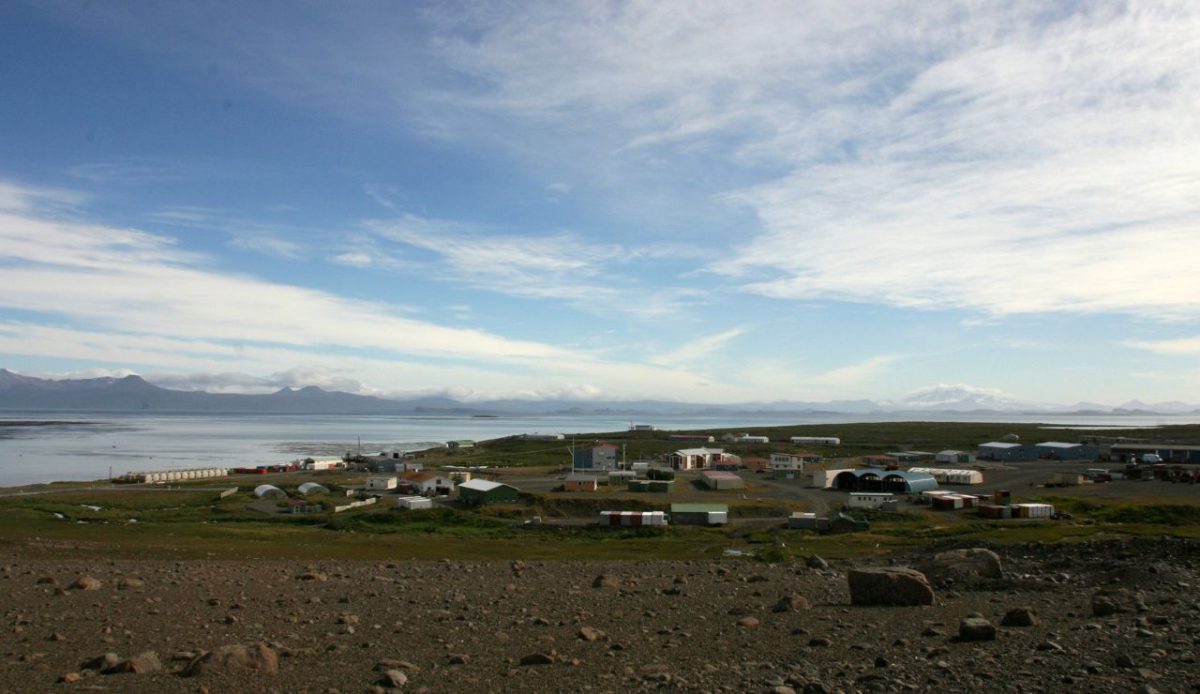
Nicknamed the “Desolation Islands,” the Kerguelen archipelago lies thousands of miles from any continent. Controlled by France, it’s reachable only by a long ship journey from Réunion Island. There are no permanent residents, just scientists and researchers. The windswept, volcanic landscapes are hauntingly beautiful, with glaciers, penguins, and seals dominating the scenery. Its remoteness ensures few visitors ever arrive, making it one of the most inaccessible yet strikingly beautiful places on Earth.
8. Ittoqqortoormiit, Greenland
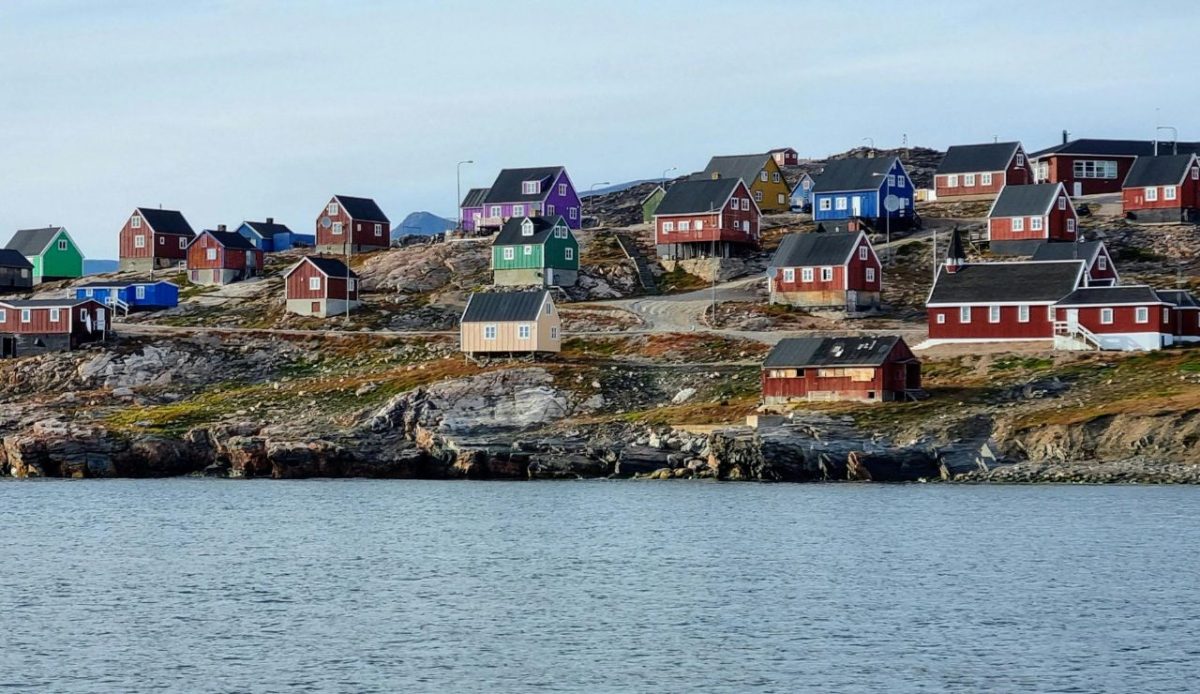
Ittoqqortoormiit is one of the most isolated towns in Greenland, perched on the edge of the Arctic wilderness. With only a few hundred residents, it requires flights and boat transfers to reach, often delayed by ice conditions. The surrounding landscape is a mix of fjords, sea ice, and polar bears, offering extreme adventure for those who make it. Life here is shaped by subsistence hunting and the rhythm of the Arctic seasons, creating a rare glimpse into true isolation.
9. Galápagos Islands, Ecuador
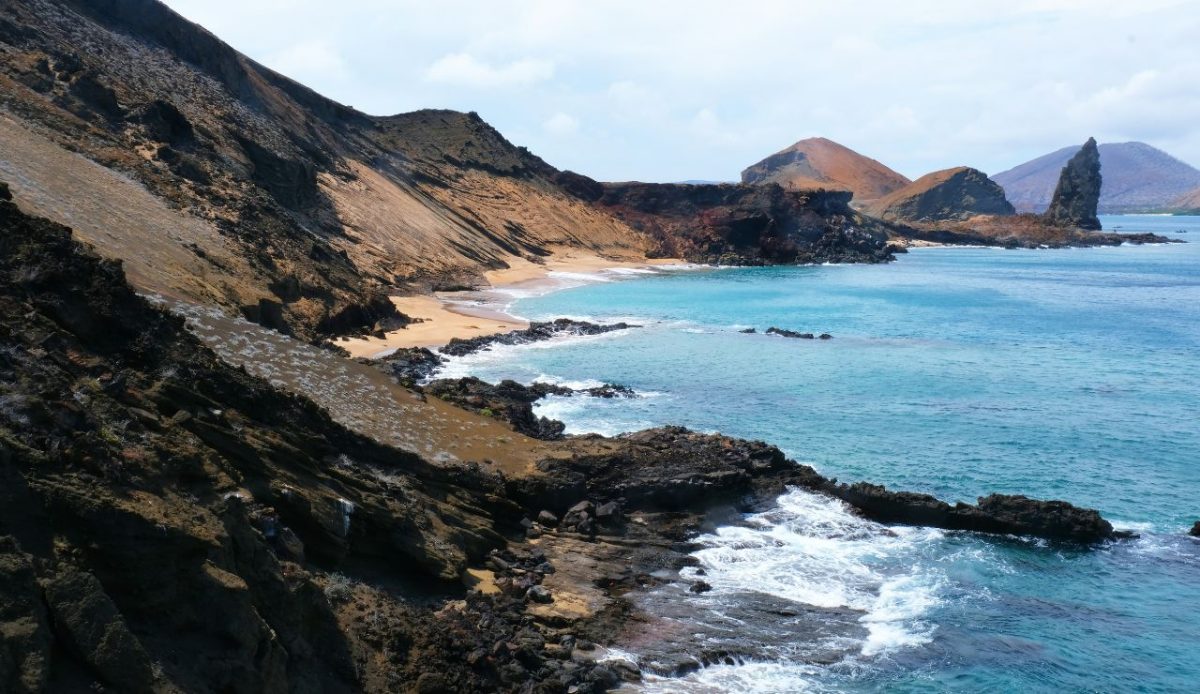
Though more famous than others on this list, the Galápagos remain remote, sitting nearly 600 miles off Ecuador’s coast. Limited flights and strict visitor regulations help preserve its fragile ecosystems. Travelers who do make it are rewarded with encounters with giant tortoises, marine iguanas, and volcanic landscapes that feel untouched by time. Its isolation shaped some of Darwin’s most important work, and today it continues to inspire with a mix of raw beauty, wildlife, and remoteness.
10. McMurdo Station, Antarctica
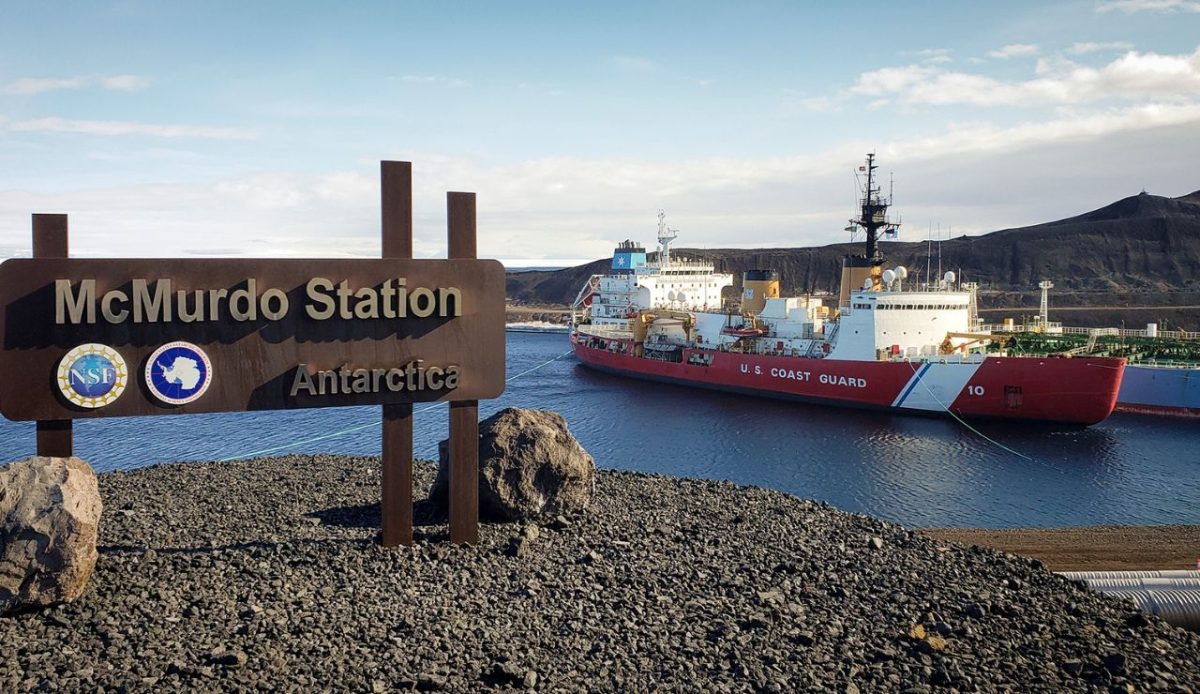
Antarctica remains the ultimate remote frontier, and McMurdo Station serves as one of its few entry points. Reaching it requires specialized flights or ships, often through New Zealand. While primarily a research base, some expeditions allow visitors to witness its icy wilderness. Towering glaciers, vast ice shelves, and penguin colonies define the landscape. With no permanent residents and harsh conditions, Antarctica is not a typical destination, but it’s the most remote place on Earth that most will never see.
