
Modern hippie hubs are less about costumes and more about daily systems that leave room for art, rest, and community. The best examples show working studios, open classes, and small businesses built around makers rather than fast turnover.
To fit this list, a place needed proof of ongoing creative infrastructure and a lifestyle that supports slower routines. That means walkable areas, shared spaces, and a culture that accepts people who work unusual hours or follow nontraditional paths.
Each section highlights what keeps creativity active and what makes life feel unhurried without being disconnected. The focus stays on signals such as institutions, markets, residencies, and repeatable habits that visitors can experience.
1. Ubud, Bali, Indonesia
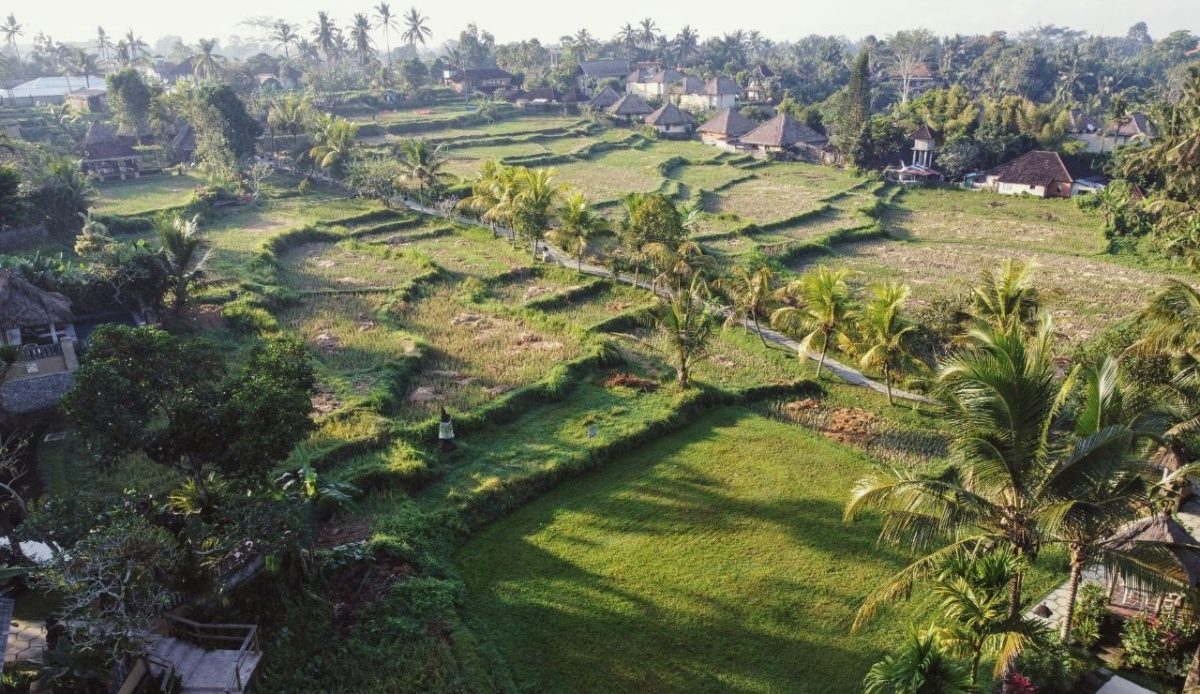
Ubud runs on a real arts economy. Museums, galleries, and dance venues keep local talent in view, and many makers sell work through cooperatives and small shops. Workshops in carving, batik, and painting run year-round, keeping skills moving across generations.
Life can be structured around craft. Short trips by scooter or foot make it easier to reach studios, markets, and cafés without losing hours to transit. Many residents balance paid lessons with personal projects, so output stays steady.
The wellness scene adds another lane for creators. Yoga rooms, sound sessions, and community talks create low-pressure ways to meet collaborators. That social layer supports artists who want routine plus connection without heavy nightlife.
2. San Marcos La Laguna, Guatemala
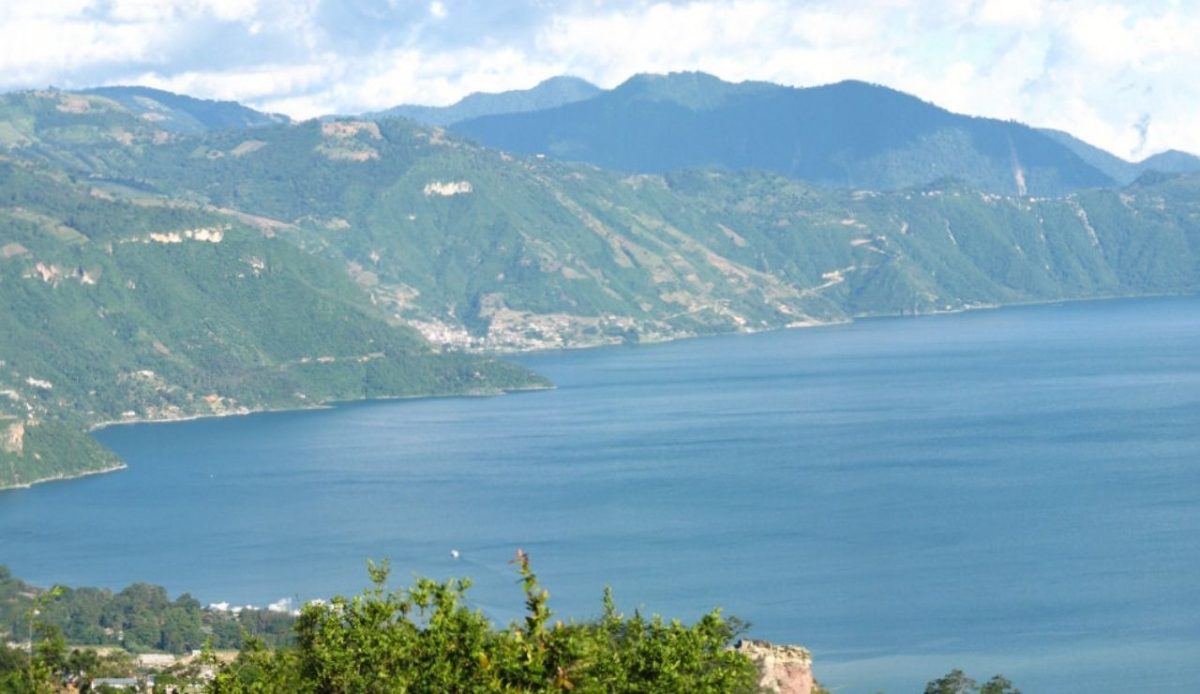
San Marcos La Laguna draws people who treat self-study and art as daily practice. Retreat centers, yoga schools, and learning spaces create work for teachers, musicians, and craft workers. Short stays happen, yet many residents remain for seasons and build programs.
The village pace helps focus. Nights are quiet, and the day often starts early, which supports writing, lesson planning, and studio work. With fewer distractions, routines are easier to keep, from morning practice to evening community meals.
Creative exchange happens in modest formats. Pop-up classes, shared gardens, and small events let newcomers join without pressure. That balance of openness and privacy keeps drawing people seeking quiet days with steady creative output.
3. Freetown Christiania, Copenhagen, Denmark
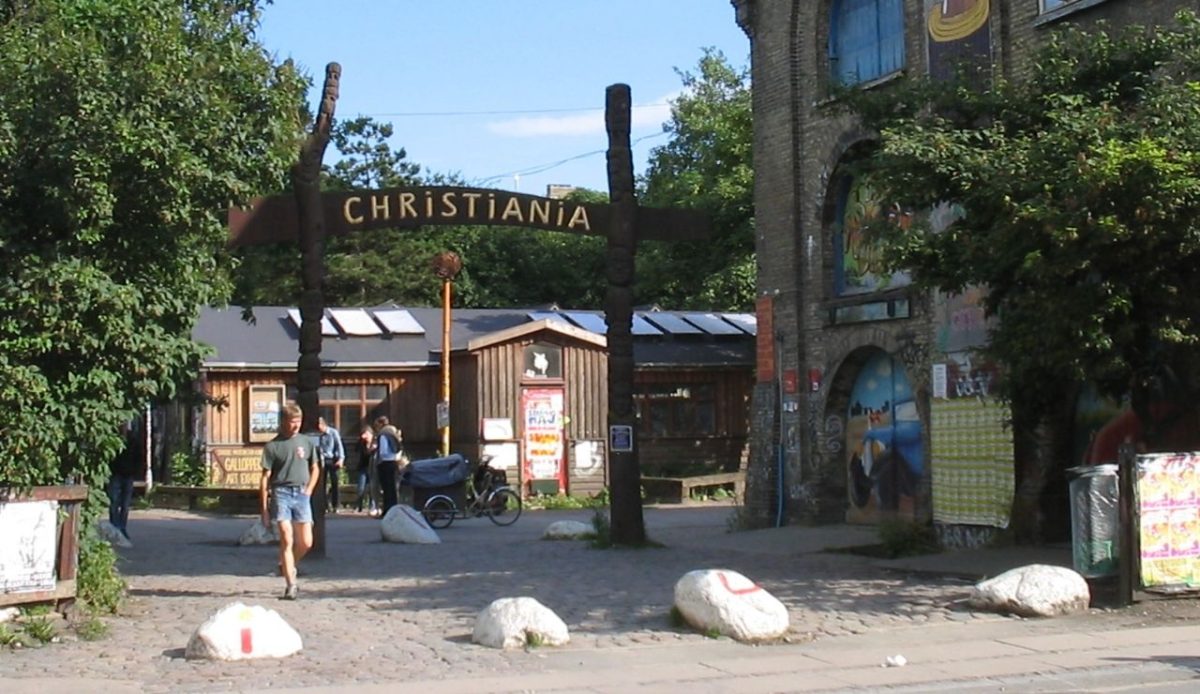
Freetown Christiania is an urban experiment that still makes room for art first. Shared governance supports workshops, rehearsal rooms, and maker spaces that would be priced out in much of Copenhagen. Street art and handmade design appear as part of daily life, not staged décor.
Creativity is supported by proximity. Residents can access a major city’s jobs and cultural events while keeping home life quieter and more communal. That combination lets people sustain independent work without a car or a long commute.
Recent policing and local reforms have changed how some areas operate, so the atmosphere is not static. Even so, the core idea remains: shared space, shared responsibility, and room for expression not tied to corporate branding.
4. Asheville River Arts District, North Carolina, USA
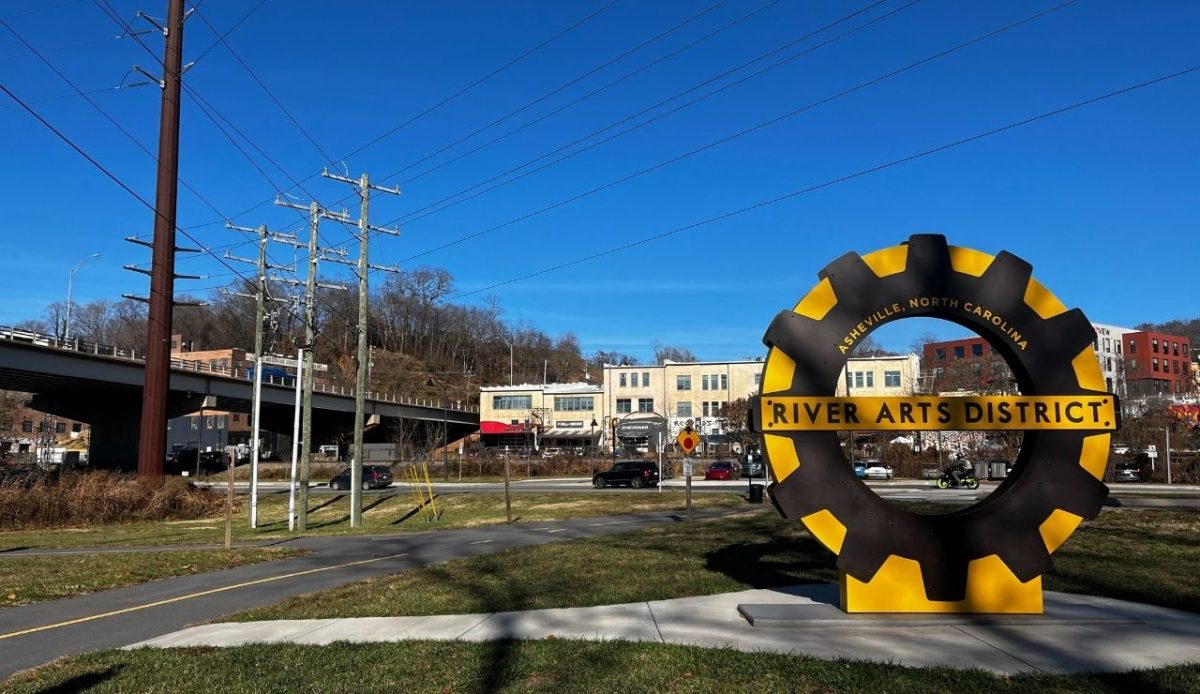
Asheville’s River Arts District is a working neighborhood where production is visible. Studios occupy renovated industrial buildings, and many artists sell directly from their spaces, keeping prices and feedback close to the source. Open studio days make the area feel like a campus.
The lifestyle is relaxed without being remote. Bike paths and short drives link studios to cafés, music venues, and outdoor trails, so work and downtime can share one day. Shared equipment and classes also lower the barrier for new makers.
Because studios cluster together, collaboration happens naturally. A potter can trade skills with a photographer, and both can find local buyers. That local loop supports steady practice instead of chasing distant markets.
5. Marfa, Texas, USA
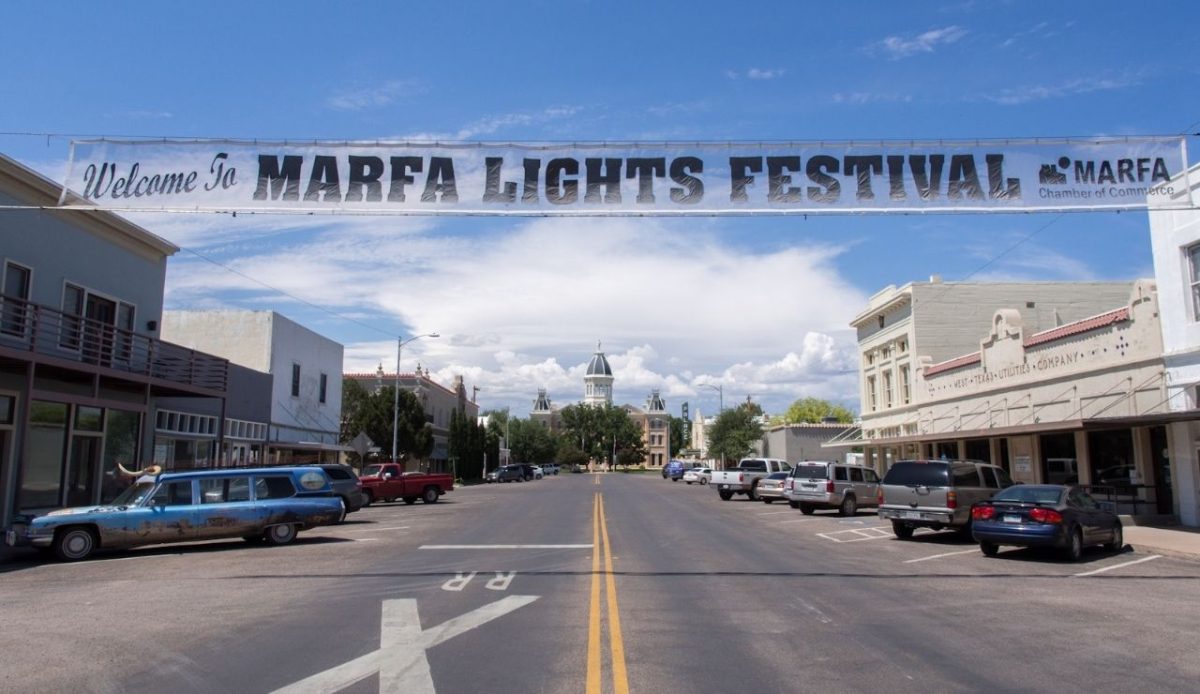
Marfa stays small, yet its contemporary art presence is anchored by permanent institutions and long-term installations. Residencies and visiting programs bring working artists who need time and space, not constant crowds. The scene is sustained by repeat visitors and locals.
Daily life is intentionally minimal. Few distractions and long, quiet hours help writing, sketching, rehearsing, or refining a series. People often plan errands in batches, leaving big blocks for uninterrupted work.
Community interactions tend to be direct. Conversations start at galleries, coffee counters, and small shows, then continue in studios or shared rentals. That social fabric supports experimentation, since failure is accepted as part of the process.
6. Taos, New Mexico, USA
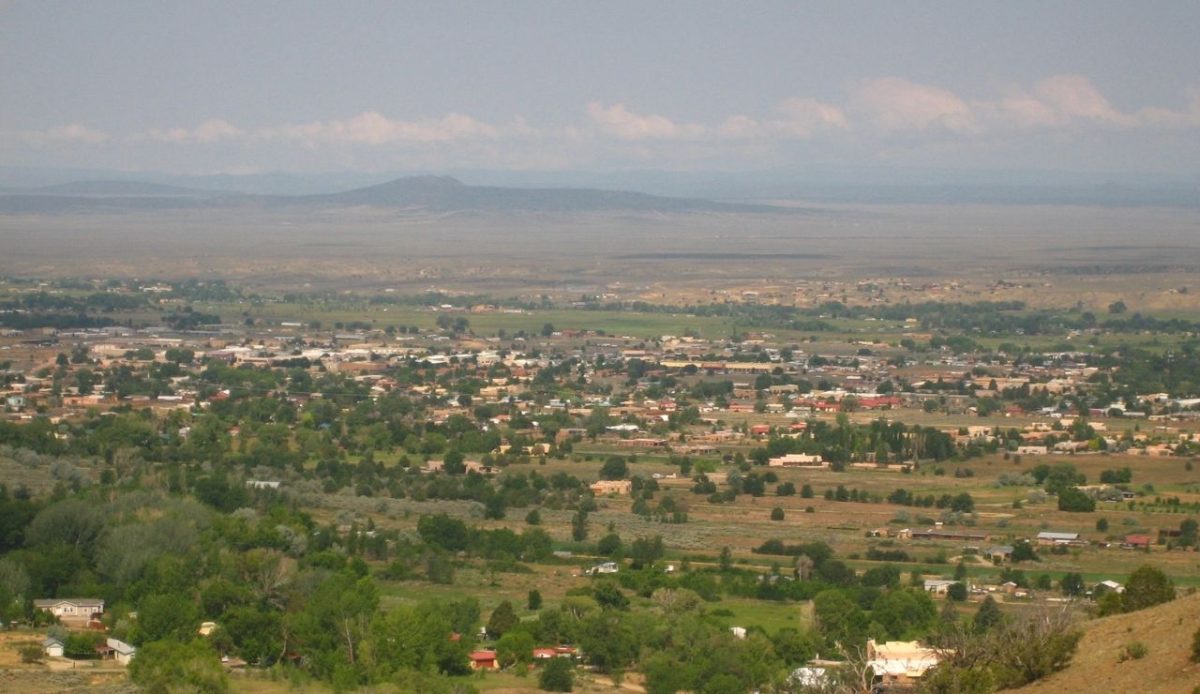
Taos has a long record as an art colony, kept active through museums, cooperative galleries, and cultural centers that program year-round. The town supports painters, printmakers, writers, and musicians who want a stable base. New work is produced, not only displayed.
The pace is steady. Neighborhoods are compact, and many residents build days around studio time, teaching, and outdoor breaks. Because the community is used to creatives, unusual schedules are accepted.
Local traditions influence what gets made. Indigenous and Hispanic arts stay visible in markets and festivals, and newer artists learn by joining in. That exchange keeps the creative scene grounded while leaving room for personal style.
7. Sedona, Arizona, USA
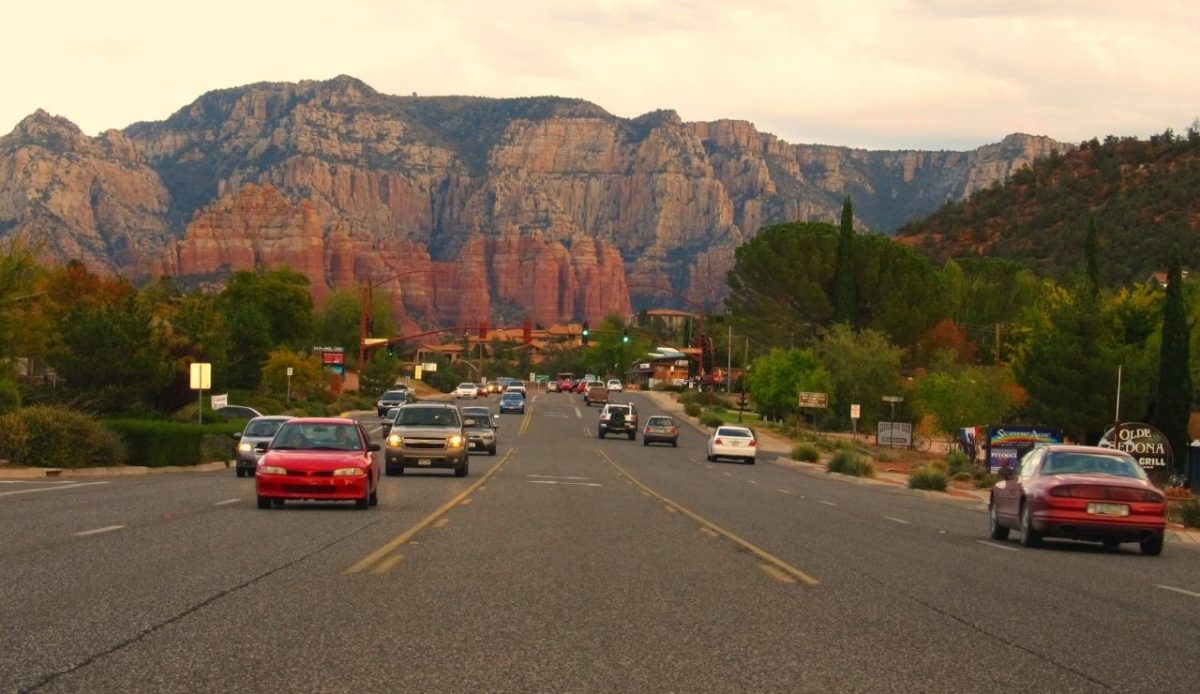
Sedona’s creative life is organized through institutions that keep opportunities predictable. Arts centers, juried festivals, and gallery districts offer regular outlets for painters, photographers, and craft makers. Because shows recur, artists can plan work cycles.
A slower rhythm is supported by the environment and local habits. Early starts, quiet evenings, and access to trails encourage routines that include both output and recovery. Many residents schedule studio hours around daylight and home time.
The wellness economy also supports makers who teach. Classes in movement, meditation, and sound work create income without demanding heavy marketing. That stability makes it easier to keep making art while living at a manageable pace.
8. Joshua Tree, California, USA
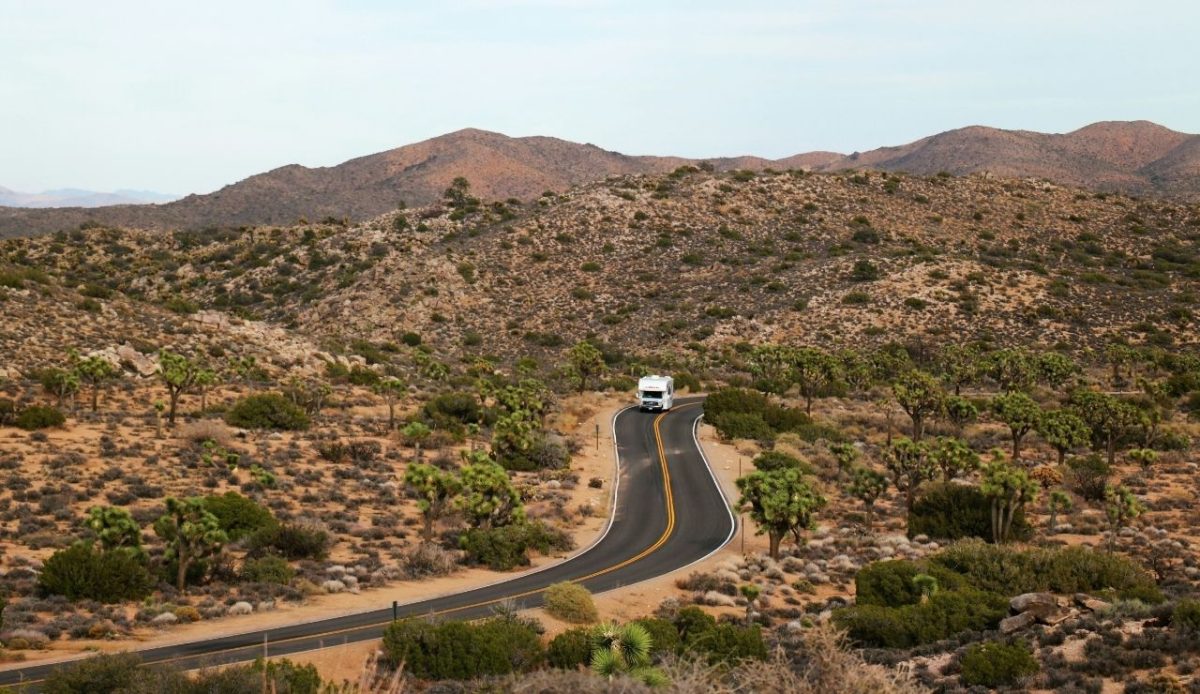
Joshua Tree and the high desert support a large community of working artists who use space as a tool. Home studios, small venues, and open studio tours show that production is part of local life. Many people relocate for quiet and lower density.
The area rewards routine. With fewer late nights and longer drives for errands, time is planned carefully, which often leads to longer creative sessions. Musicians record at home, and visual artists build series without constant interruption.
Community forms through small events. Art walks, maker markets, and workshop weekends create contact without forcing social overload. That light touch keeps the setting suitable for artists seeking quiet days while staying connected to other creators.
9. Anjuna, Goa, India
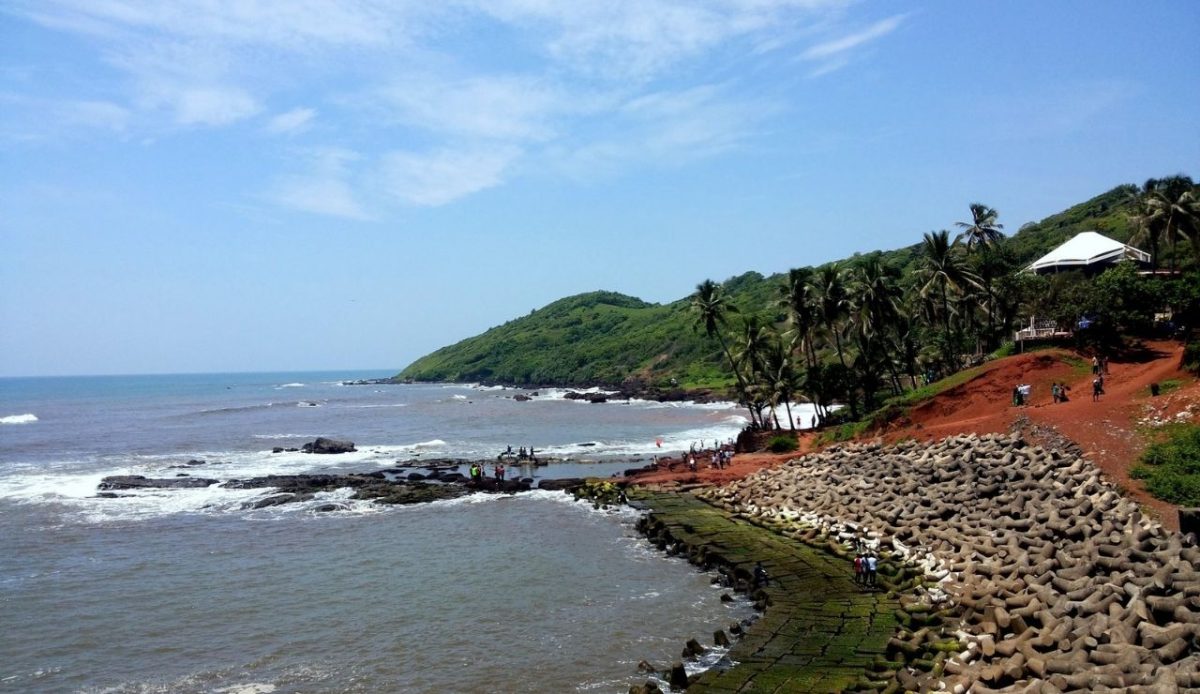
Anjuna is tied to Goa’s counterculture history, yet it still has a working maker economy today. The flea market and nearby stalls provide space for jewelry, textiles, and visual art sold by small producers. Live music and informal performance remain common.
A flexible schedule supports creative work. Many residents split time between making goods, teaching skills, and taking seasonal jobs. Because the social scene is casual, connections form through repeat encounters rather than formal events.
Costs and expectations vary across Goa, so location matters. In Anjuna, the walkable core and shared hangouts make routines simpler. That ease helps artists stay productive while enjoying a slower daily pace.
10. Ibiza, Spain
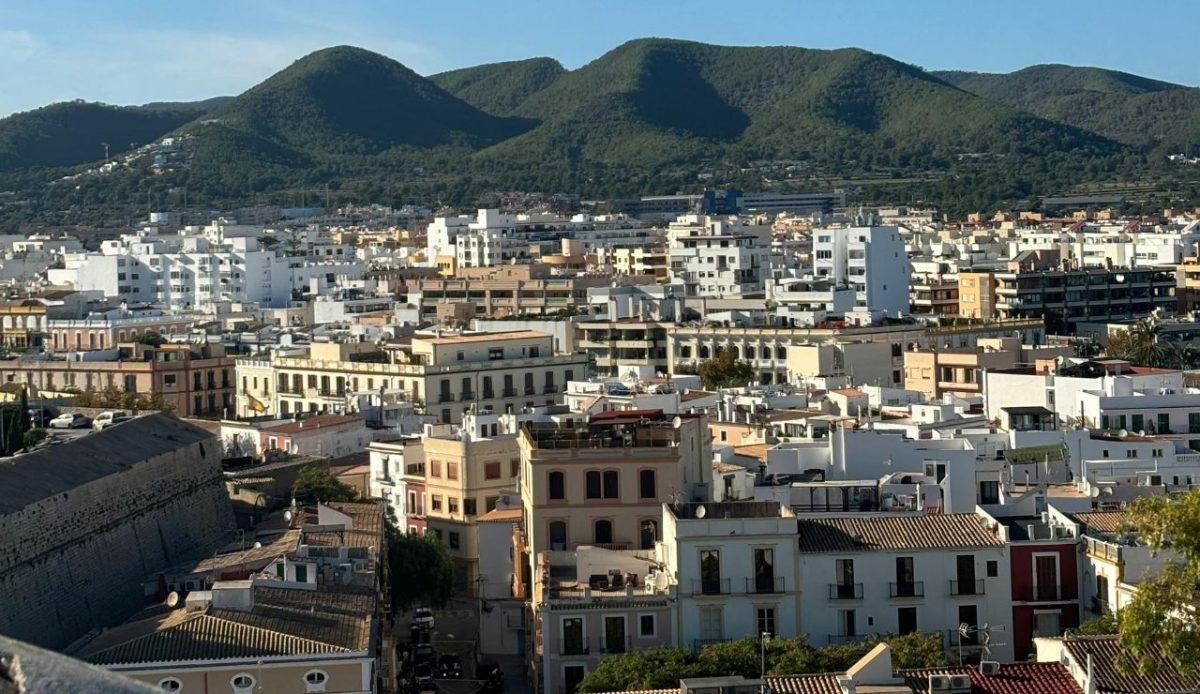
Ibiza is often reduced to nightlife, yet its artisan culture is sustained in markets and rural communities. Long craft fairs and handmade vendors offer outlets for designers, jewelers, and painters who work outside club circuits. Creative identity is visible beyond party zones.
Seasonality shapes routines. Quieter months are used for production and collaboration, while busy periods focus on selling work and teaching classes. That cycle suits people who prefer concentrated work blocks.
Laid-back living is easier in smaller towns than in the busiest beach strips. With a scooter and a modest budget, many residents center their days on studio time, markets, and swims. The result is a workable balance of income, community, and space to make things.
