
Many travelers book river cruises expecting an easy, all-inclusive vacation, only to discover later that a few overlooked details can change the entire trip. Factors such as water levels, cabin layout, and route timing differ across ships and regions, making careful planning essential. Understanding what affects comfort, cost, and scheduling helps prevent confusion before boarding. Travelers who compare itineraries, review fine print, and research seasonal patterns are better prepared for a smooth experience. The following fifteen mistakes show where planning often goes wrong and how early attention can make a cruise more enjoyable and predictable.
1. Booking Too Close to Departure
Waiting until the last minute to book a river cruise limits cabin choices and often raises fares. Early reservations usually include better options and discounted rates that disappear as departure dates near. Cruise lines also adjust itineraries when river levels fluctuate, leaving late bookers with fewer choices or revised routes. Booking early allows time to organize travel documents, insurance, and connecting flights. Most major lines open sales almost a year ahead, giving travelers the chance to compare prices and departure points. Confirming your booking early secures preferred cabins and reduces the chance of logistical stress later.
2. Ignoring Cabin Location and Layout
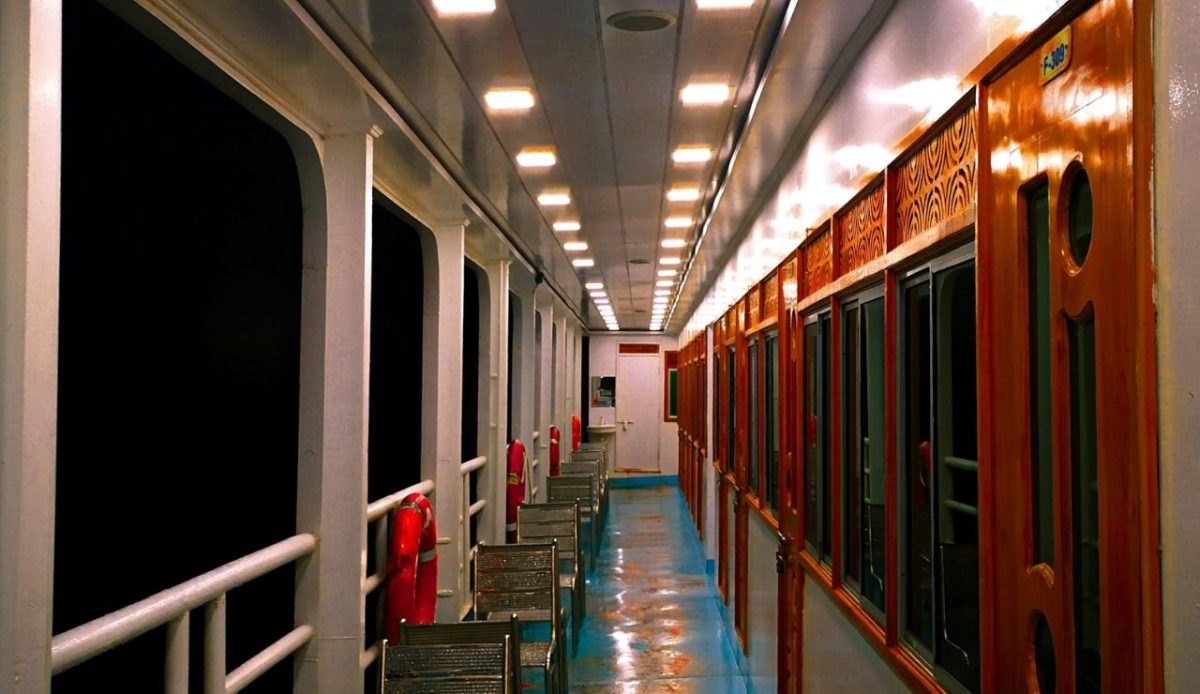
Cabin placement affects noise exposure, access, and the amount of available light. Rooms near stairways or machinery can be louder, while lower decks have smaller windows or restricted views. Cabins in central areas often provide a steadier experience and shorter walks to shared spaces. Checking the ship’s deck plan before purchase prevents unnecessary surprises. Some lines charge more for balcony cabins that may not offer significant advantages, depending on the route or weather conditions. Asking questions about cabin size, layout, and accessibility ensures you get a space suited to your comfort level and mobility rather than relying on brochure images.
3. Skipping Shore Excursion Details

Excursions define much of a river cruise’s appeal, yet many travelers fail to review how these activities are organized. Some cruises include guided tours, while others sell them separately or limit participation. The quality of local guides, group size, and accessibility options vary between ports. Reviewing excursion descriptions in advance ensures they align with your interests and physical ability. Travelers who prefer independent exploration should verify if time ashore allows for it. Knowing the difference between complimentary and paid tours prevents confusion once onboard. Proper preparation ensures every stop adds value to the overall experience.
4. Forgetting to Check Water Levels and Seasons
River cruises depend heavily on seasonal conditions. Extreme drought or flooding can interrupt routes, delay boarding, or require passengers to move between ships by bus. Each river has a known travel window, so it helps to review the weather and water history before committing. For instance, heavy spring rains can affect European rivers, and low levels late in the summer can reduce sailing depth. Operators often provide flexible travel guarantees to protect passengers from disruptions, but they still require early planning. Reviewing climate records and line policies lowers the risk of cancellations or rerouted segments.
5. Choosing the Cheapest Itinerary Without Context

Low fares can be appealing, but they often come with trade-offs such as older vessels, limited amenities, or less convenient ports. Some budget cruises dock farther from city centers to save fees, requiring additional travel to reach attractions. Travelers should compare what each fare includes rather than focusing only on cost. Reading recent reviews helps verify service quality and itinerary accuracy. Evaluating ship condition, route relevance, and overall experience alongside price provides a clearer picture of true value. Balancing cost with quality prevents disappointment once the trip begins.
6. Underestimating Travel to and From the Port
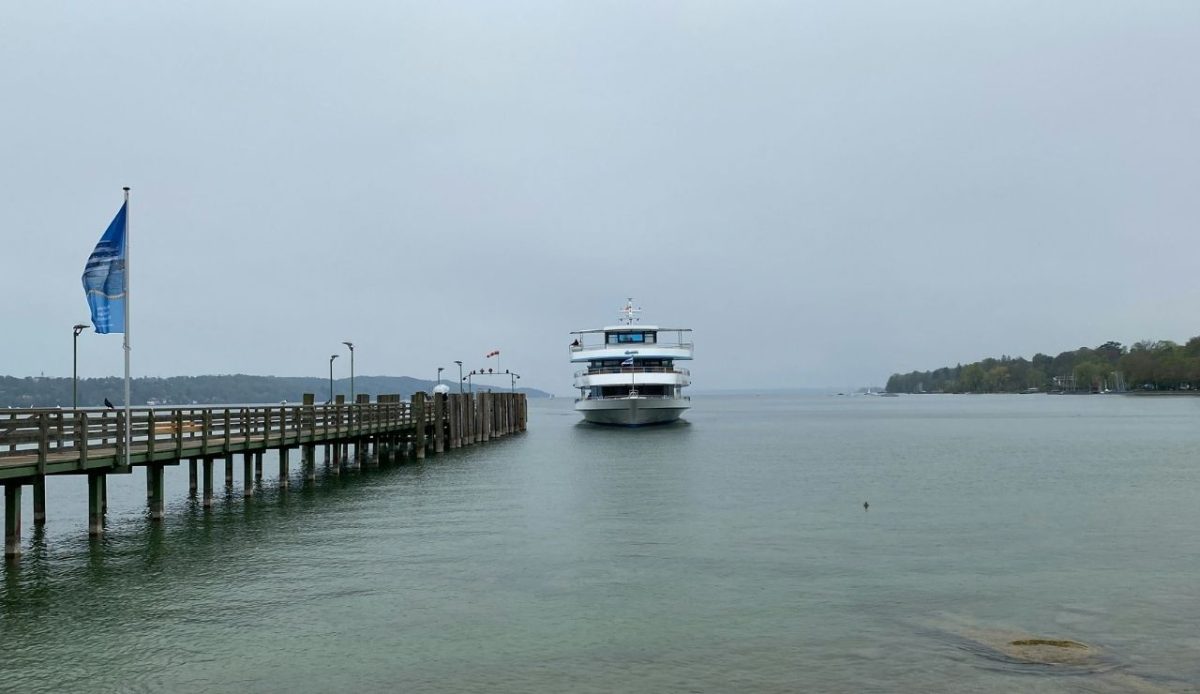
Many travelers focus on the cruise itself but forget to plan how they’ll reach the departure port. River ships often dock in smaller towns rather than major airports, requiring train transfers or regional flights. Some ports even shift based on water conditions or construction, which can change meeting points at short notice. Arriving the night before ensures a buffer for delays or lost luggage. Travelers should also confirm return transport from the final port, as disembarkation cities may differ from the starting point. Allowing extra time for transfers keeps the start and end of the journey predictable and stress-free.
7. Skipping Travel Insurance

River cruises operate under unique conditions where cancellations can occur because of weather, strikes, or low water levels. Without insurance, passengers risk losing deposits or paying for unexpected arrangements if a trip changes. Comprehensive coverage should include medical care, trip interruption, and evacuation options. Many policies now extend protection to itinerary adjustments or missed connections. Reviewing terms carefully before purchase avoids misunderstanding about what’s covered. For travelers booking months ahead, insurance provides both financial security and flexibility. It’s one of the most practical safeguards for any river cruise itinerary.
8. Not Reviewing Visa or Entry Rules
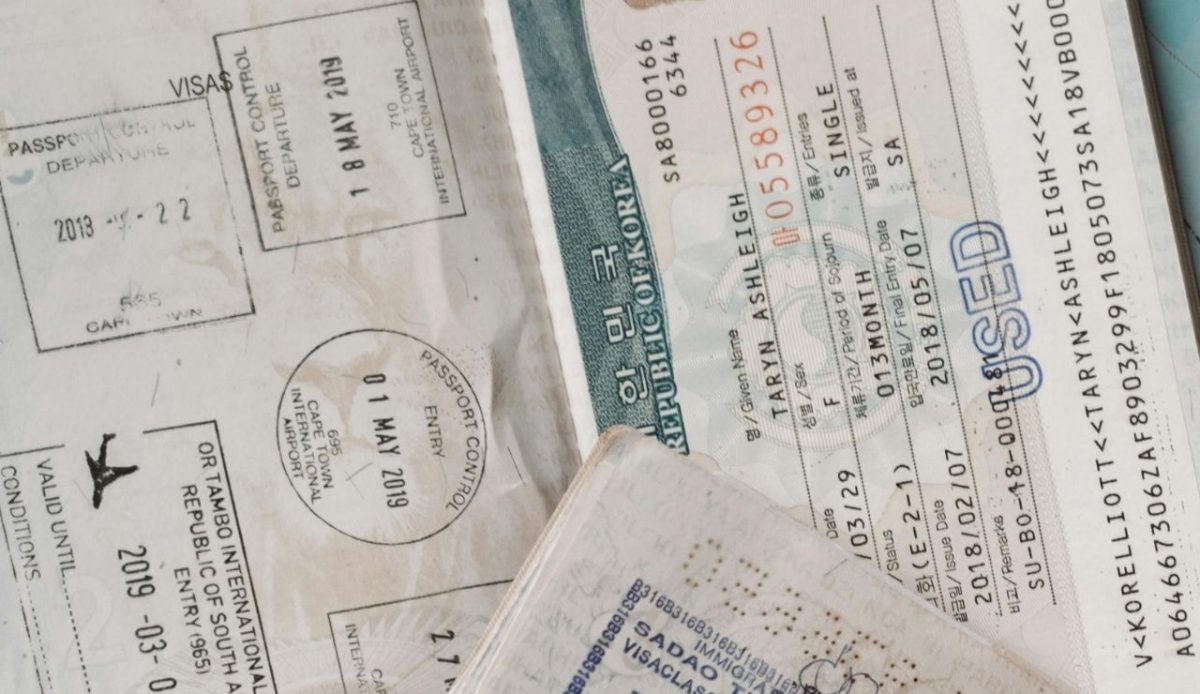
Assuming entry requirements are uniform across countries can cause serious issues at embarkation. Some river routes cross multiple borders, each with its own visa policy and documentation timeline. Even within Europe, Schengen rules differ for non-EU citizens, and certain itineraries pass through regions that require separate customs clearance. Checking embassy websites or consulting your cruise line ensures you meet every regulation before travel. Passports should remain valid for at least six months beyond return dates. Keeping digital copies of all documents helps in case of loss or inspection delays. Prepared travelers avoid the stress of last-minute border complications.
9. Misjudging Time Spent on the Ship

River cruises differ from ocean voyages in both distance and pace. Travelers expecting long stretches at sea are often surprised by how much time is spent in port. Ships dock frequently, sometimes overnight, allowing for land excursions but reducing onboard relaxation time. Reviewing sample schedules clarifies the balance between sailing hours and sightseeing stops. Some travelers prefer itineraries with longer cruising segments, while others value more time ashore. Understanding how daily activities are structured prevents disappointment and helps match expectations to reality. Choosing a schedule that fits your travel style ensures a smoother experience overall.
10. Overlooking Onboard Comfort and Capacity
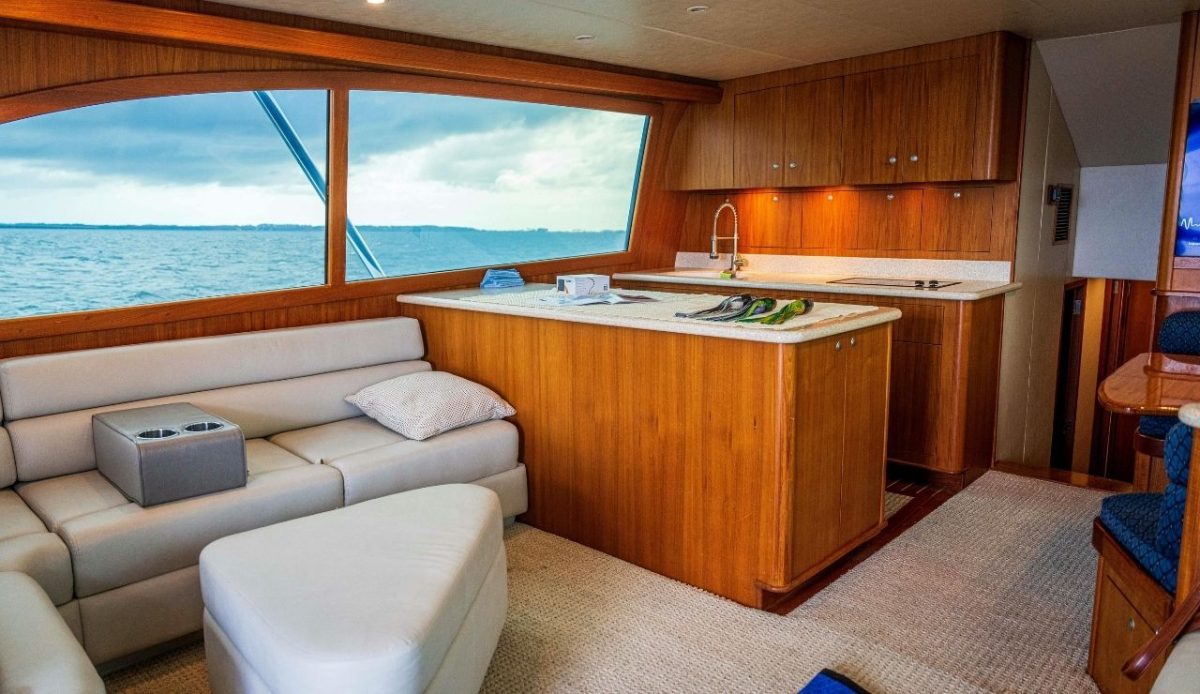
Ship size influences comfort, service, and atmosphere more than many travelers expect. Smaller vessels create a quieter experience but may have limited amenities, while larger ships accommodate more passengers with expanded facilities. Checking the passenger-to-crew ratio provides insight into service levels. Some lines specialize in intimate settings, while others focus on social environments. Reading recent feedback about crowding, dining schedules, and lounge space helps set expectations. Understanding how many passengers the ship carries allows you to choose a balance between privacy and convenience before you commit to a particular cruise line or itinerary.
