
East Asia rewards travelers who like cities that run well and still protect history. These ten stops were chosen for specific, documented experiences such as major heritage districts, national museums, waterfront culture, and transit systems that make independent trips realistic. Each place supports short stays and longer routes through clear visitor information, simple ticketing, and neighborhoods with distinct roles. The sections below explain what makes each city worth time on the ground and how a traveler can experience its core character without guesswork. Details stay practical, so planning remains straightforward for most budgets.
1. Tokyo
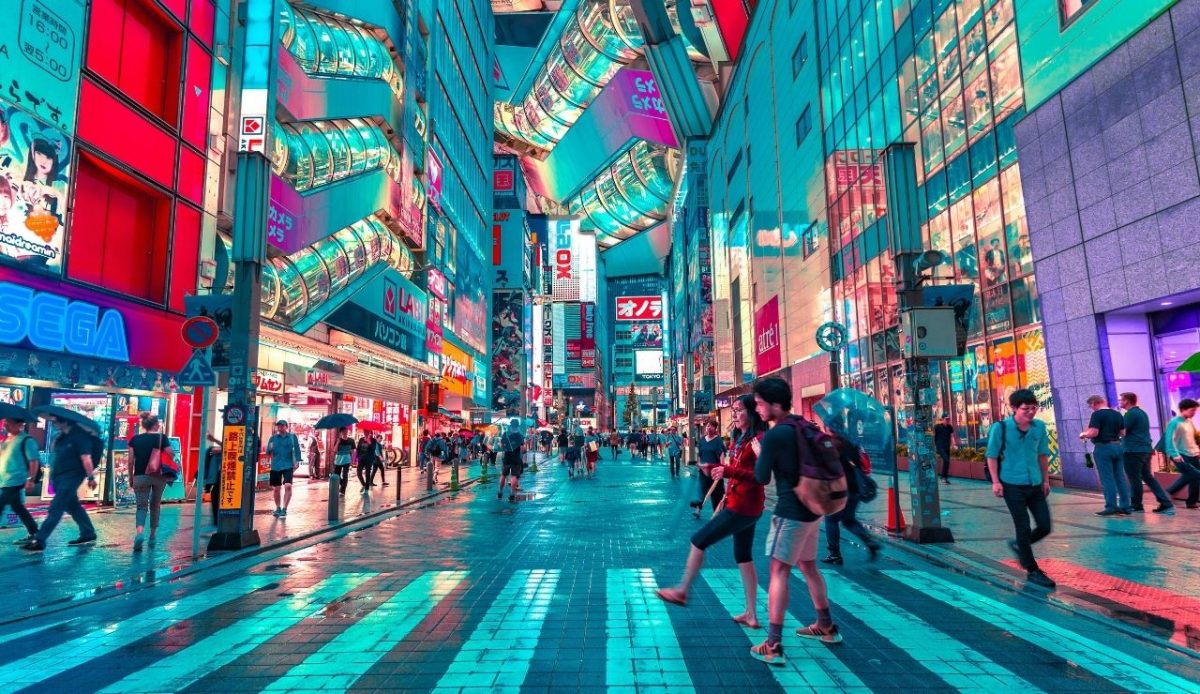
Tokyo works well for first-timers because the city is organized around rail lines and clear districts. Visitors can move from older temple areas to modern shopping streets with little downtime, since trains run frequently and signage is consistent. Food halls, small neighborhood eateries, and formal dining can all be reached without a car. Booking systems for museums and viewpoints are common, so popular places can be scheduled and visited on time. That structure lets travelers see variety in a few days without rushing. Practical norms like quiet train cars and orderly lines also reduce friction for newcomers.
2. Kyoto
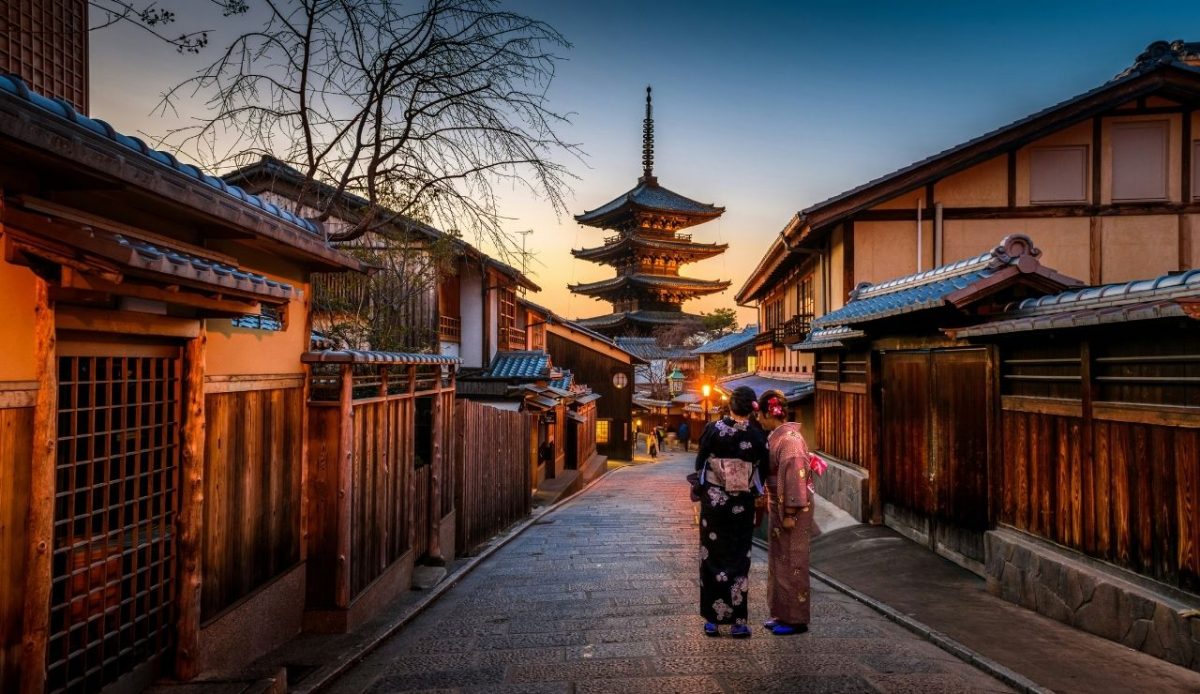
Kyoto is best experienced at a slower pace because many key sites sit in walkable clusters. Historic temples, gardens, and shrine paths connect to craft streets and traditional food districts, so a day can be built around one area instead of long transfers. Early mornings reward visitors with calmer grounds and clearer photos, while evenings suit neighborhood dinners. Local buses and rail links reach hillside zones, but many highlights remain close enough for walking, which helps travelers notice small details in daily life. Some attractions use timed entry, so checking official hours and ticket rules before arrival is useful.
3. Seoul
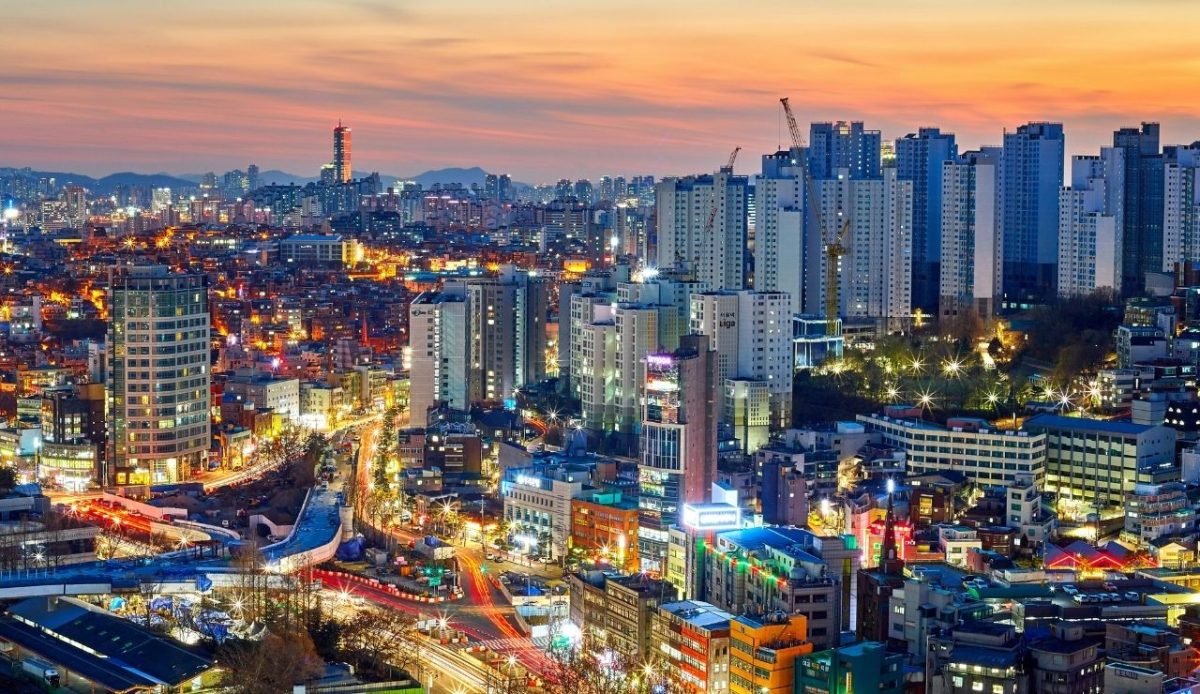
Seoul offers a clear view of how a modern capital keeps older culture active. Palace complexes and traditional alleys sit near business towers, and both are easy to reach by subway. Visitors can pair a museum morning with a market lunch and a river walk on the same day, because transfers are fast and stations are frequent. Many districts are built for late hours, which supports flexible pacing. Guided programs at major sites can add context without requiring a full tour schedule. For a quieter break, travelers often use city trails and small parks that connect to neighborhoods by transit. English help desks are common.
4. Busan
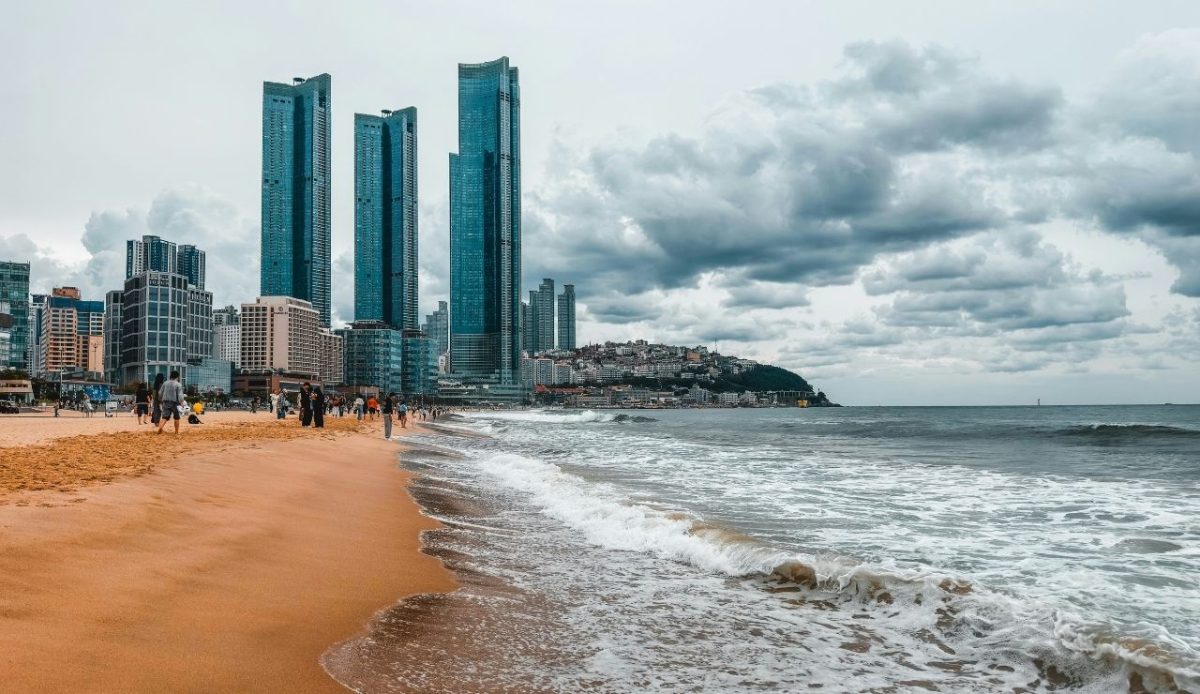
Busan feels different from Seoul because the coastline shapes daily routines and sightseeing. Travelers can split time between beaches, harbor views, and dense market streets where seafood is prepared quickly. Neighborhoods climb hills, creating lookout points and compact stairway routes that reward short hikes. The metro and buses connect major areas, yet taxis remain affordable for late returns. Seasonal festivals and waterfront walks make the city a strong second stop for anyone building a Korea itinerary. Art districts such as Gamcheon and temples near the sea add cultural depth beyond the shoreline.
5. Beijing
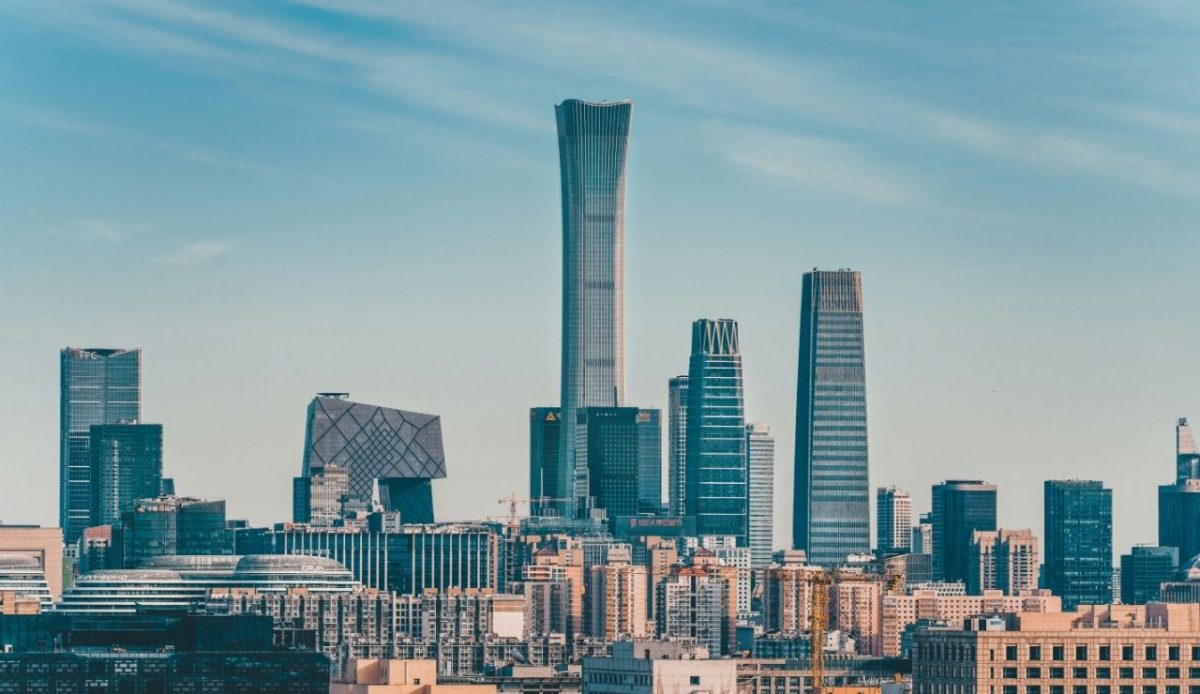
Beijing is the most direct city for learning about imperial China through preserved architecture and ceremonial spaces. Large landmark complexes can take hours, so travelers benefit from prebooking and arriving early. Subway lines and ring roads make it possible to combine historic sites with modern neighborhoods in one day, though distances are larger than they appear on maps. Museums add background on dynasties and ritual practice, helping visitors connect what they see to a wider timeline without needing specialist knowledge. Time spent in hutong lanes and local parks shows how older patterns still shape everyday movement.
6. Shanghai
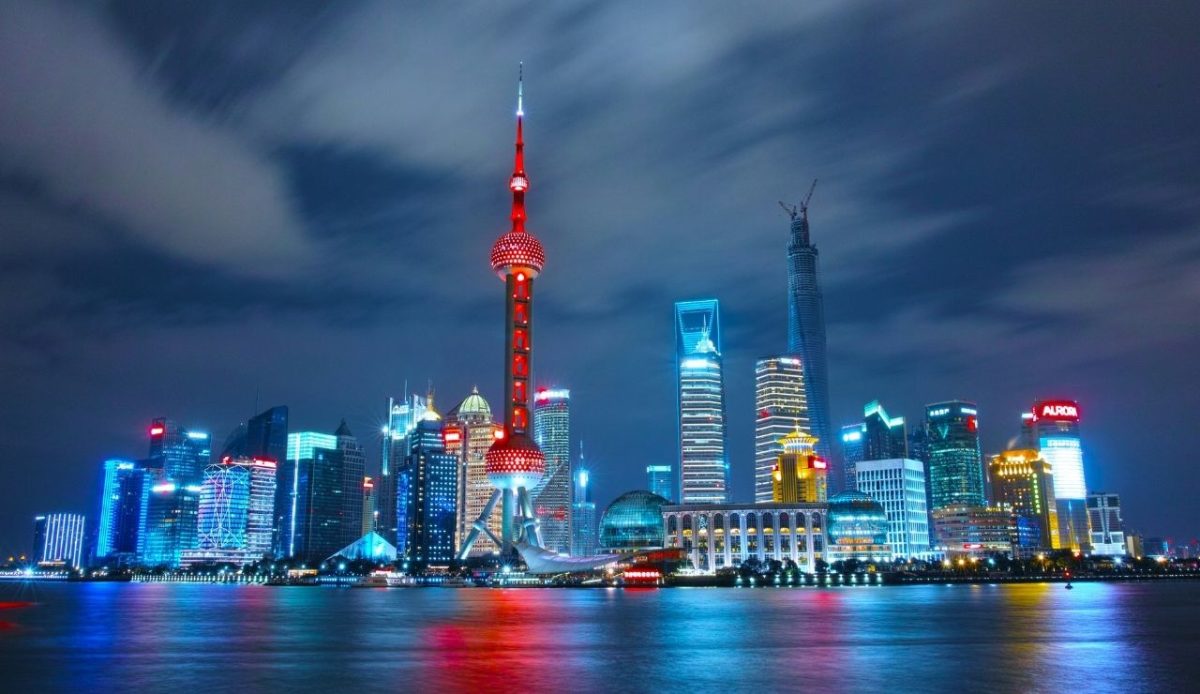
Shanghai helps travelers understand modern China through speed, scale, and contrasting districts. Riverfront promenades and historic streets can be paired with newer financial zones, showing how planning priorities changed over time. Metro coverage is extensive, so visitors can move between museums, shopping areas, and food neighborhoods without long waits. Many attractions use timed tickets and security checks, so keeping a flexible buffer improves the day. Even short stays can include art spaces, gardens, and street-level markets that reveal local routines. Nearby water towns support easy side trips by rail.
7. Xi’an
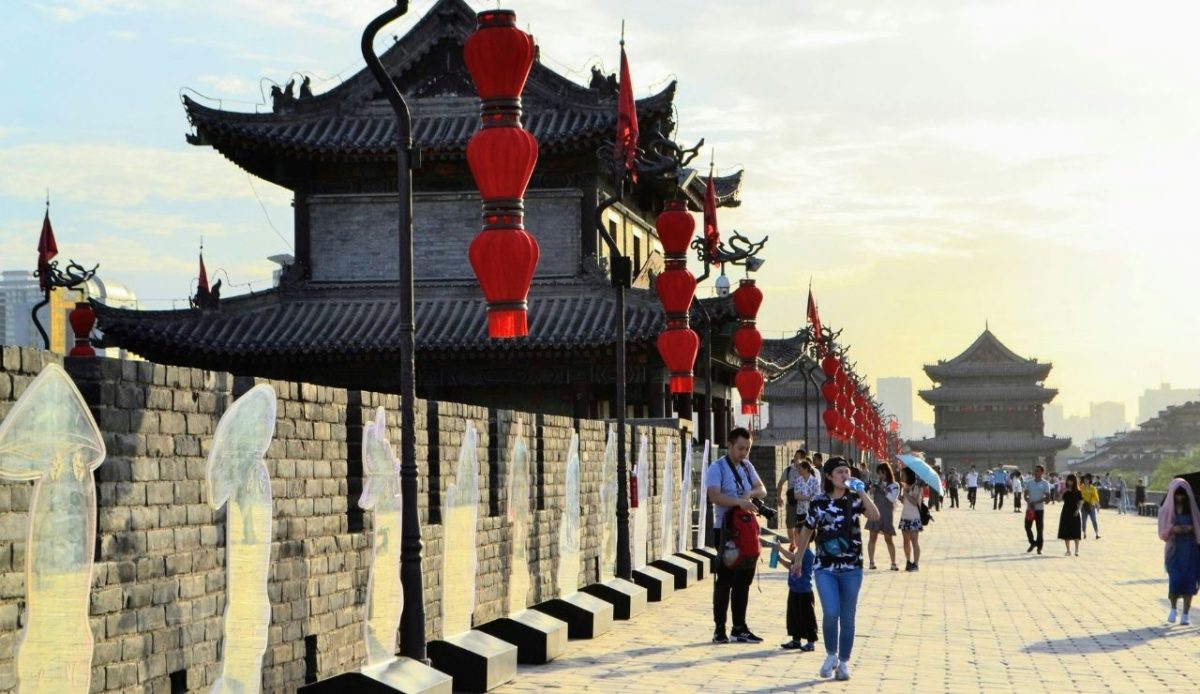
Xi’an offers a focused look at early Chinese state power and urban design. Visitors often start with the Terracotta Army site outside the center, then return to the old city to walk or bike the wall. That pairing links archaeology with a living street grid of markets, drum and bell towers, and night food streets. Transit and ride services make the main circuit straightforward, while guided interpretation at key sites can clarify context. The city’s scale helps travelers cover highlights without feeling scattered. Planning ahead matters because top museums and the army site limit daily entries during peak seasons.
8. Taipei
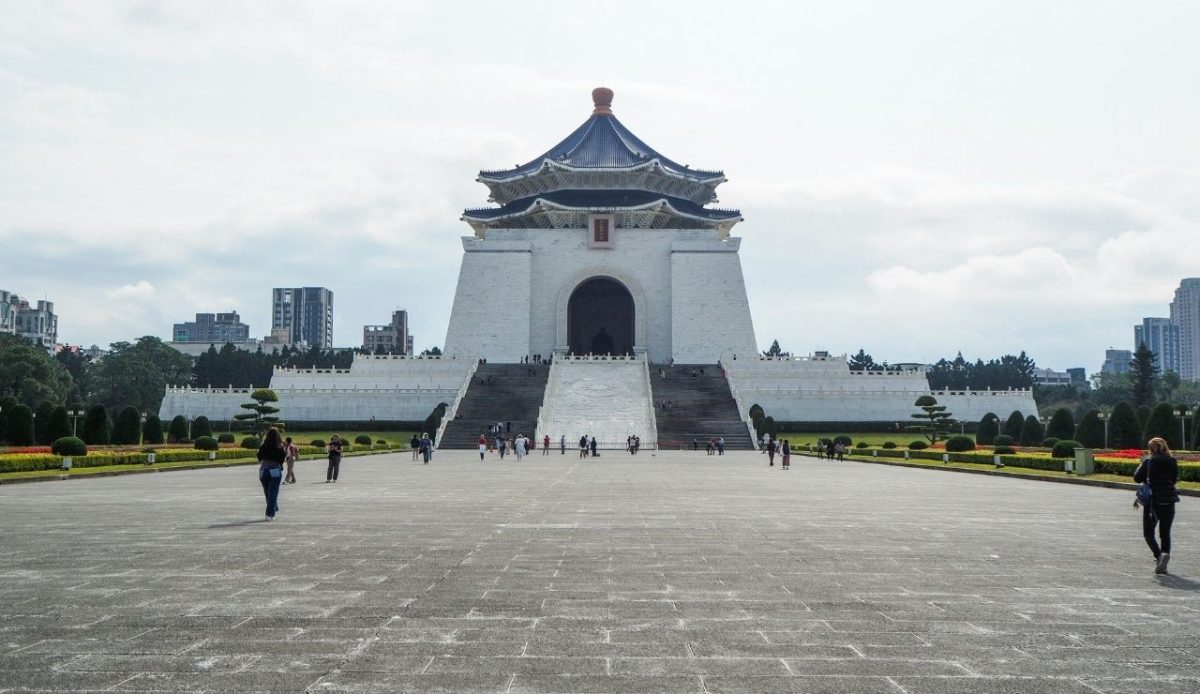
Taipei suits travelers who want a compact capital where culture and food stay close by. The metro connects museum time, temple stops, and night markets with simple fare systems and clear station layouts. Many people build days around one museum block, a lunch market, and an evening street food loop, keeping travel time low. Short hikes and hot spring areas sit near transit lines, so nature breaks can fit into a city schedule. Clear visitor information supports self-guided planning without much stress. Cashless payment is often common, yet having small bills helps at older stalls and temple vendors.
9. Hong Kong
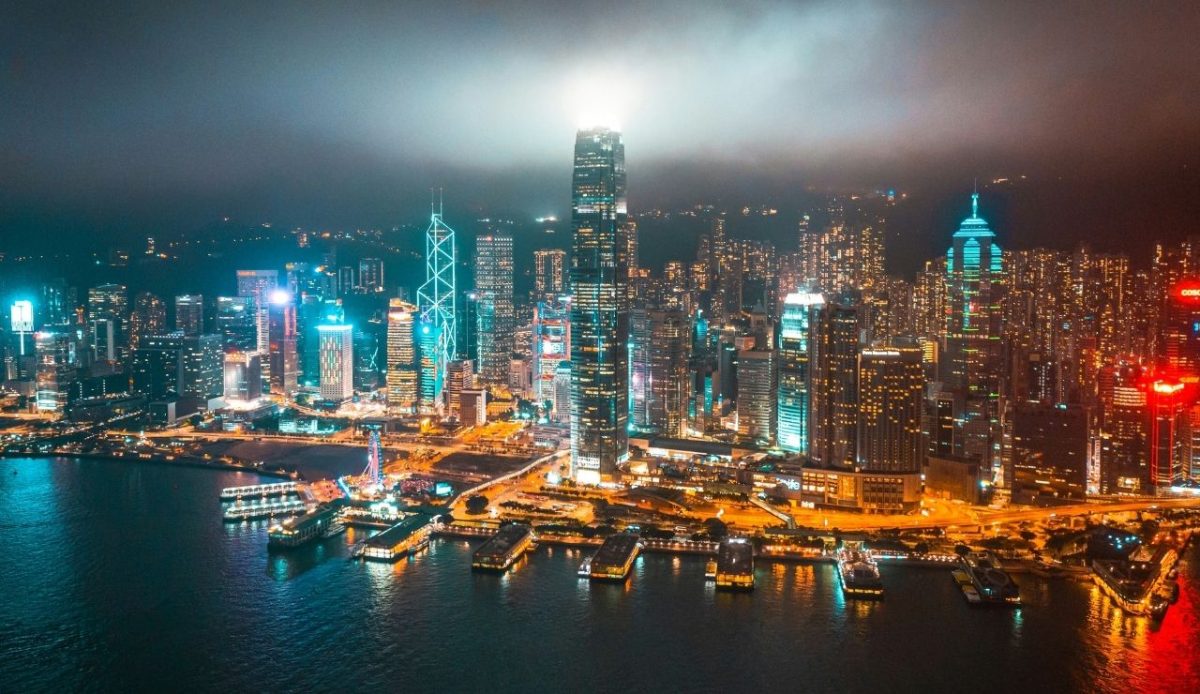
Hong Kong delivers fast changes in scene within short distances, thanks to dense neighborhoods and frequent transit. Ferries, trams, and the MTR make it easy to combine harbor views, markets, and cultural stops in one day. Observation points such as Victoria Peak give a clear sense of the city’s geography, while street-level areas show how commerce works in tight spaces. Food choices range from quick local canteens to formal dining, often on the same block. Travelers should plan around humidity and carry water. Using a stored-value transit card simplifies buses and ferries, and short hikes start near urban stations.
10. Macau
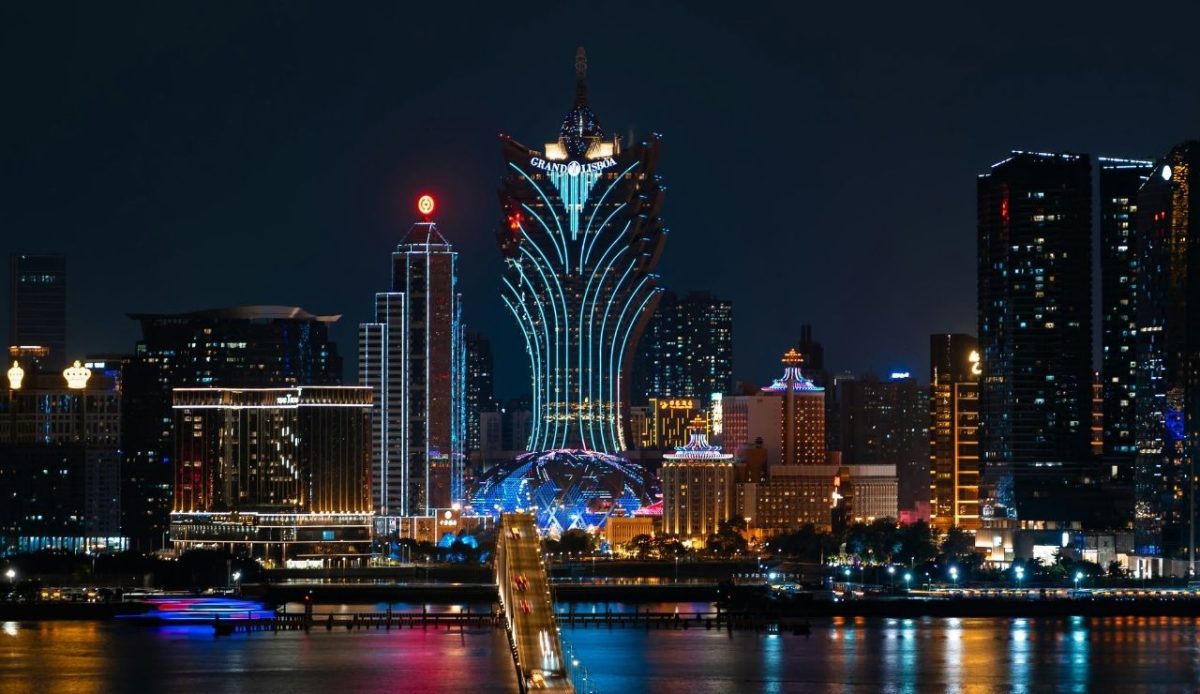
Macau is known for a walkable historic core where Portuguese and Chinese influences appear in streets, plazas, and religious sites. Travelers can follow mapped heritage routes that link churches, forts, and civic buildings without needing transport. Local food reflects blended history through pastries, seafood, and neighborhood cafés that serve both visitors and residents. Beyond the old center, modern resort zones can be visited briefly, yet most people find the strongest value in the heritage area. Weekdays are calmer, which helps with photos and museum time. Plan entry requirements and keep cash for smaller shops.
