
Markets have long been hubs of commerce, but some have gained reputations for shady deals and illegal trading. In certain corners of the globe, goods ranging from counterfeit electronics to smuggled antiquities flow freely, attracting curious visitors and wary locals alike.
These markets often thrive in areas with complex legal oversight, blending the legitimate with the illicit. Vendors maintain long-standing traditions while operating in gray zones, creating a unique mix of culture, risk, and commerce.
For travelers, visiting these infamous markets offers a glimpse into the hidden sides of global trade. From bustling streets to back-alley stalls, each location reveals both the thrill and danger of worlds operating on the edge of legality.
1. Chatuchak Weekend Market, Bangkok, Thailand
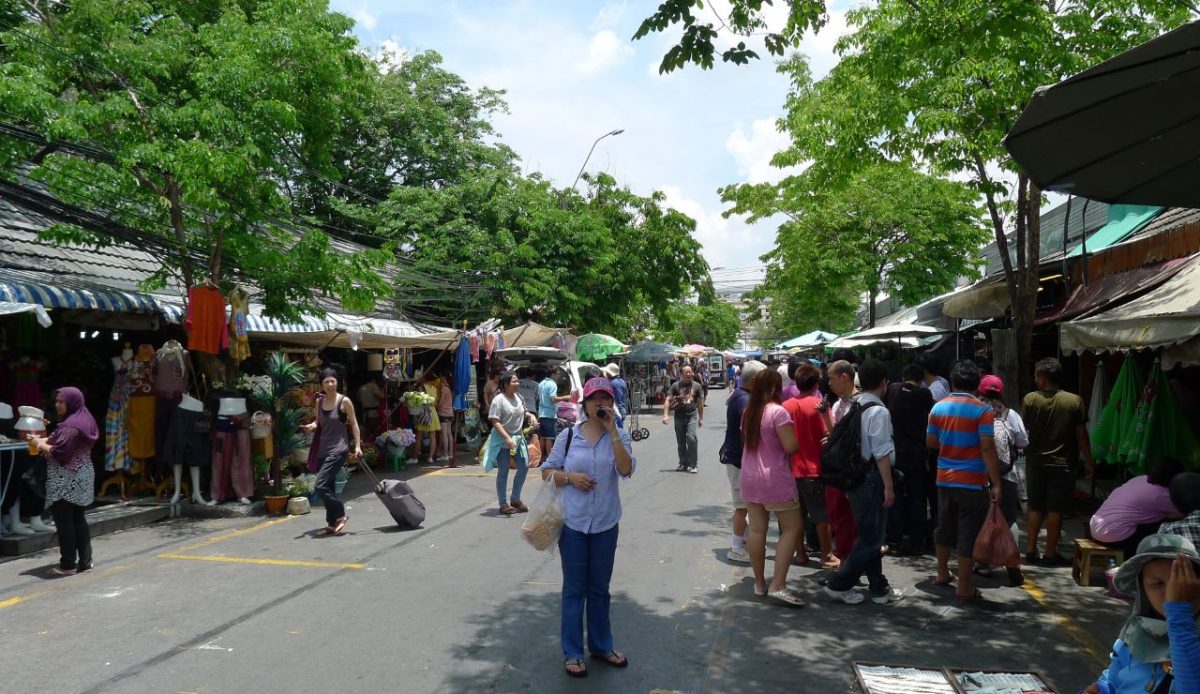
Chatuchak is one of the world’s largest markets, famous for endless stalls selling everything imaginable. Amid handcrafted goods and street food, some vendors also offer counterfeit or smuggled items.
Shoppers often need caution and vigilance; while the majority of vendors are legitimate, the sheer scale creates pockets where illegal trade occurs. Visitors can navigate safely with guides or local knowledge.
Despite these risks, the market remains an iconic Bangkok experience. The atmosphere of organized chaos, diverse goods, and cultural vibrancy makes it a must-visit, blending thrill and caution for adventurous travelers.
2. Souq Waqif, Doha, Qatar
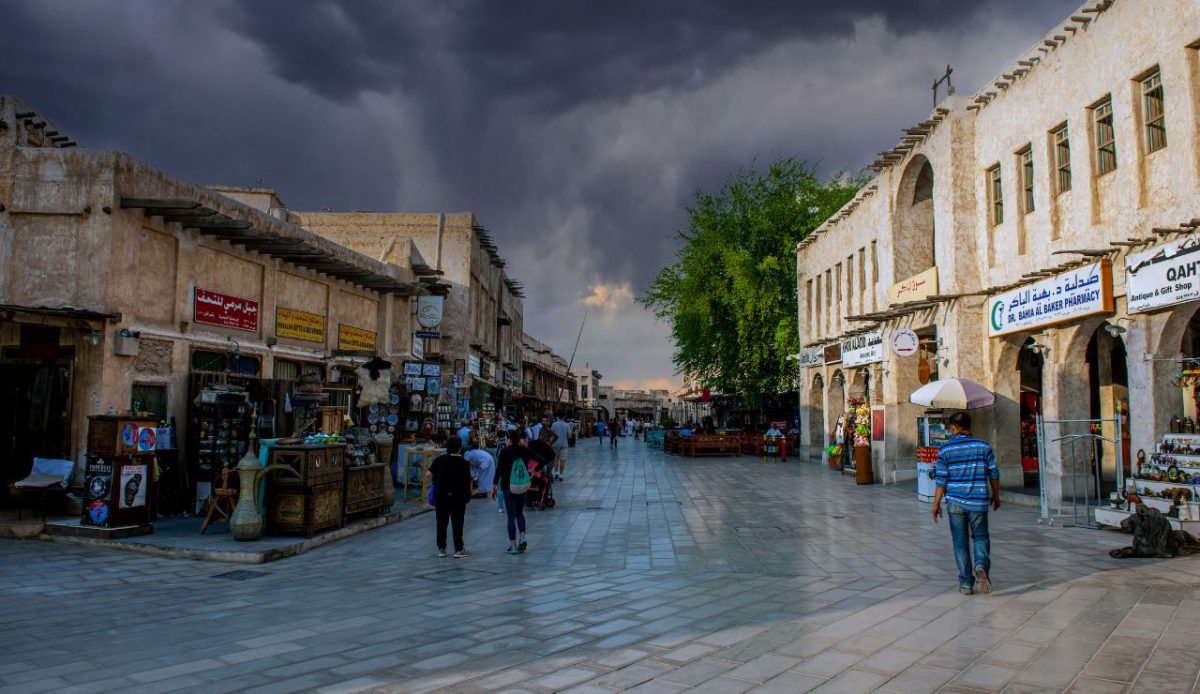
Souq Waqif is a historic market where traditional goods meet modern demand. Beneath the spice stalls and falcon shops, certain alleys have long been associated with counterfeit luxury products and smuggled curios.
Merchants maintain strict codes of conduct and appearance, but some operate in gray areas, taking advantage of complex customs enforcement. Observant shoppers can enjoy authentic items while avoiding risky purchases.
The souq’s charm lies in its architecture, social atmosphere, and cultural vibrancy. Visitors witness a blend of commerce, tradition, and subtle illicit trade, offering insight into local market dynamics.
3. Camden Market, London, UK
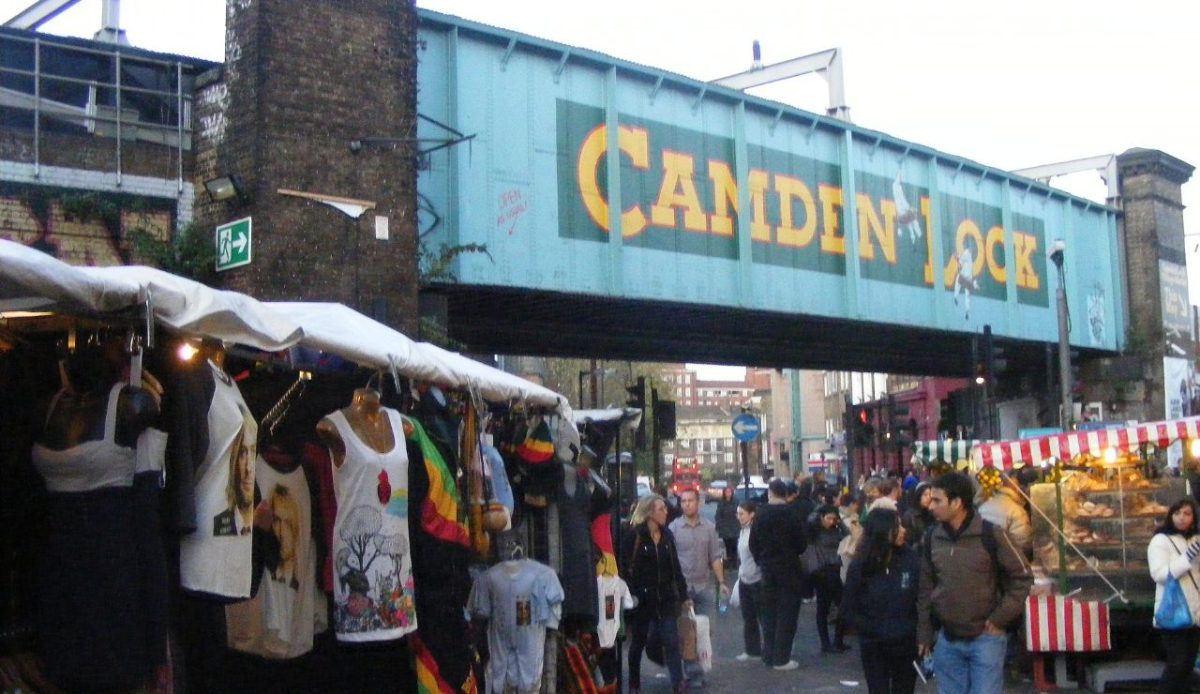
Camden Market is famous for alternative culture, arts, and fashion. However, some stalls have been linked to counterfeit clothing, smuggled electronics, and other illicit goods over the years. Visitors should remain aware while exploring the labyrinth of eclectic shops.
The market thrives on diversity and creativity, drawing tourists and locals alike. Management has implemented measures to limit illegal activity, but the sheer number of vendors makes complete oversight challenging, adding to the market’s edgy reputation.
Exploring Camden provides a window into London’s underground economy. Visitors enjoy live music, street food, and unique handmade items while remaining mindful of the market’s notorious edges and occasional hidden risks.
4. Mercado de Sonora, Mexico City, Mexico
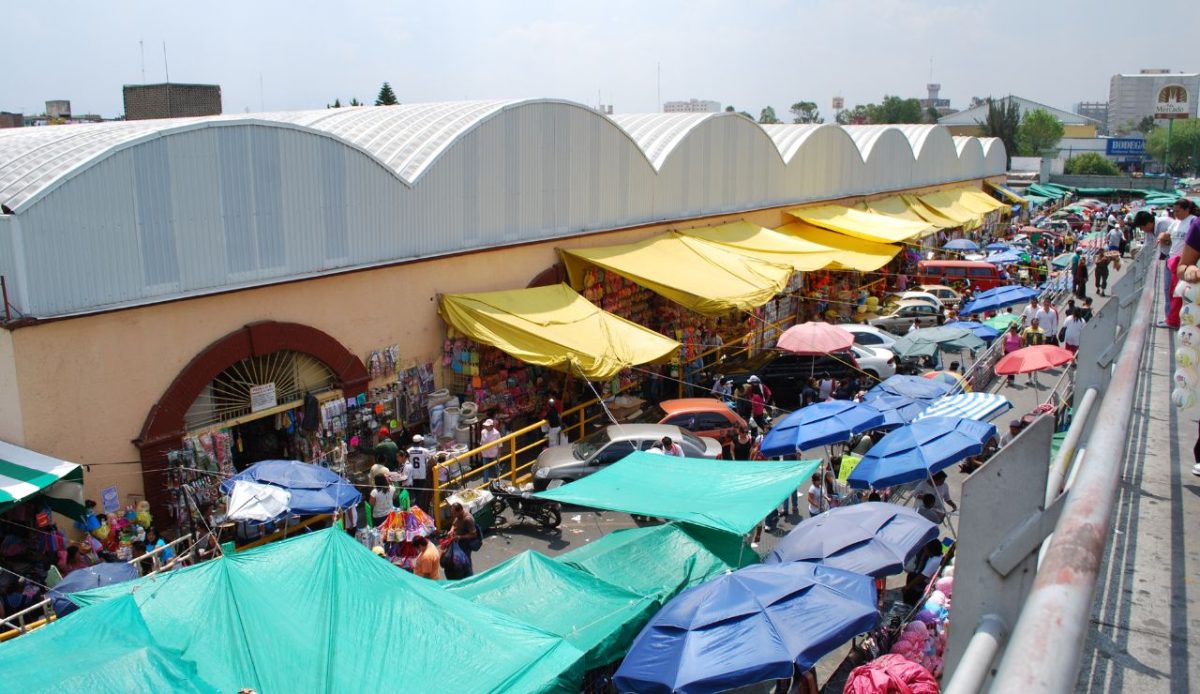
Mercado de Sonora is renowned for traditional medicines, curios, and occult items. Beneath its colorful and bustling stalls, some vendors offer smuggled wildlife products, counterfeit remedies, and other illicit goods that attract both tourists and locals.
Local authorities monitor the market carefully, but enforcement is complicated by its size and historical significance. Shoppers must exercise caution, verifying the authenticity of products and respecting ethical boundaries.
Despite its reputation for shady trade, the market remains culturally significant. Visitors experience a vibrant blend of ritual, commerce, and curiosity, gaining insight into Mexico City’s unique approach to balancing tradition with modern commerce.
5. Medina of Marrakech, Morocco
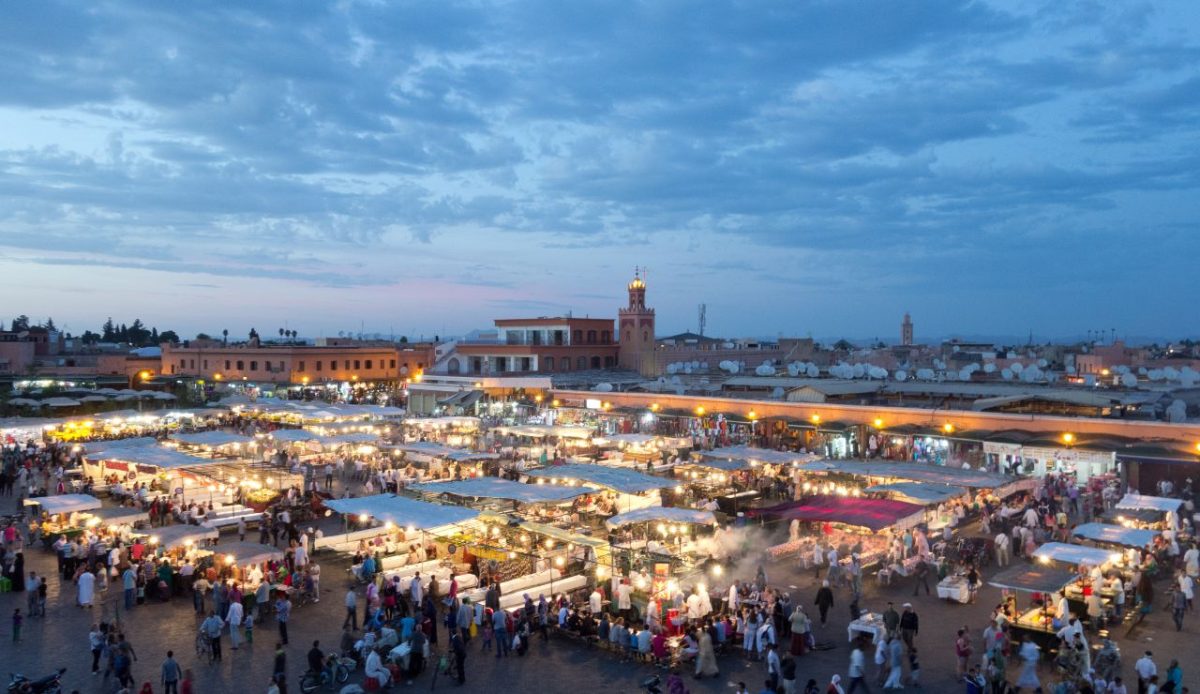
Medina’s labyrinthine souks are vibrant centers of commerce, offering spices, textiles, and crafts. Within these winding alleys, counterfeit goods, smuggled jewelry, and black-market items are occasionally found.
Experienced shoppers navigate carefully, relying on local guides to distinguish authentic products from illicit ones. Bargaining is both cultural and practical, with hidden corners often hosting riskier trades.
Visitors to Medina gain an immersive cultural experience. The architecture, traditions, and bustling energy coexist with subtle illicit activity, offering a dynamic glimpse into Morocco’s commercial heritage.
6. Chatou Island Market, Paris, France
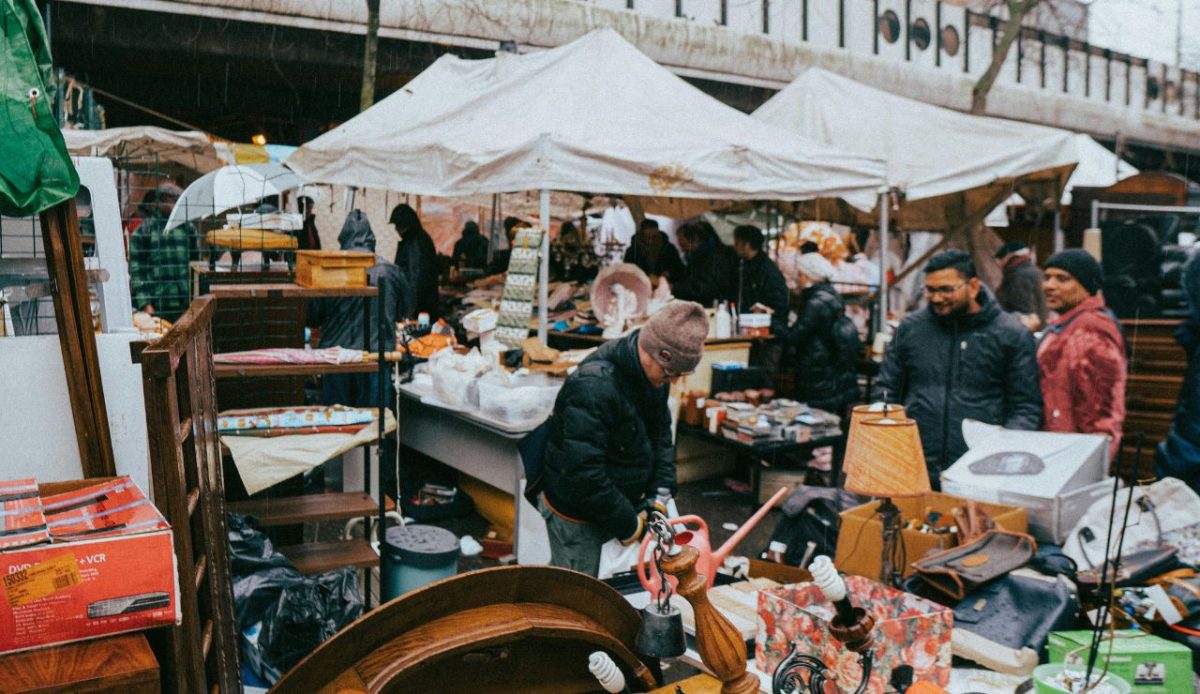
Chatou Island Market, or Marché de Chatou, attracts collectors of antiques, art, and curios. Among legitimate offerings, some rare items are rumored to include smuggled artifacts, unverified historical objects, and occasionally questionable collectibles.
Vendors operate under strict market regulations, but the high value of antiques encourages some to skirt legal boundaries. Discerning shoppers must research items carefully, ensuring purchases are authentic and ethically sourced.
The market’s appeal lies in its historic ambiance and eclectic offerings. Visitors enjoy both the thrill of discovery and the awareness of a market where legality, intrigue, and centuries of commerce intersect in one atmospheric location.
7. Grand Bazaar, Istanbul, Turkey
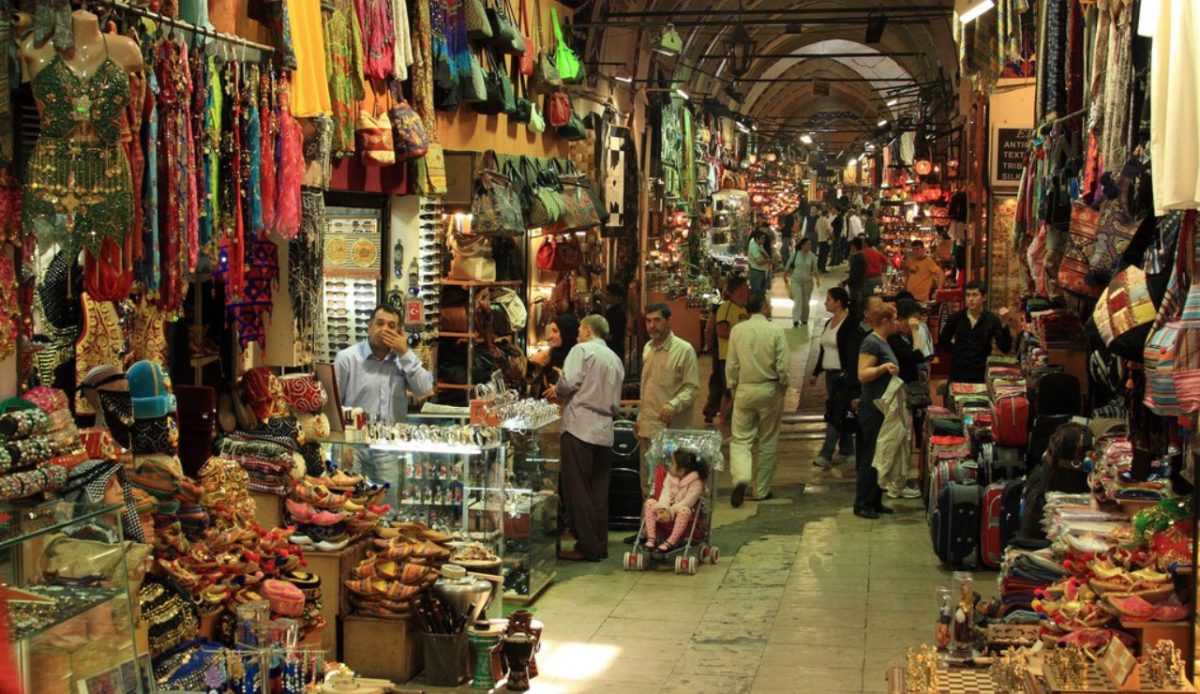
The Grand Bazaar is one of the oldest and largest covered markets in the world, offering jewelry, textiles, spices, and antiques. Its sheer size and popularity make it a hotspot for counterfeit products, smuggled goods, and black-market items alongside legitimate merchants.
While most vendors operate honestly, the maze-like structure provides opportunities for illicit trade. Travelers benefit from local guidance, reputable shops, and vigilance to navigate the bazaar safely.
Despite potential pitfalls, the bazaar is a cultural treasure. Its history, intricate architecture, and vibrant commerce make it a captivating destination where ancient trading practices coexist with modern challenges and subtle illicit activity.
8. Ben Thanh Market, Ho Chi Minh City, Vietnam
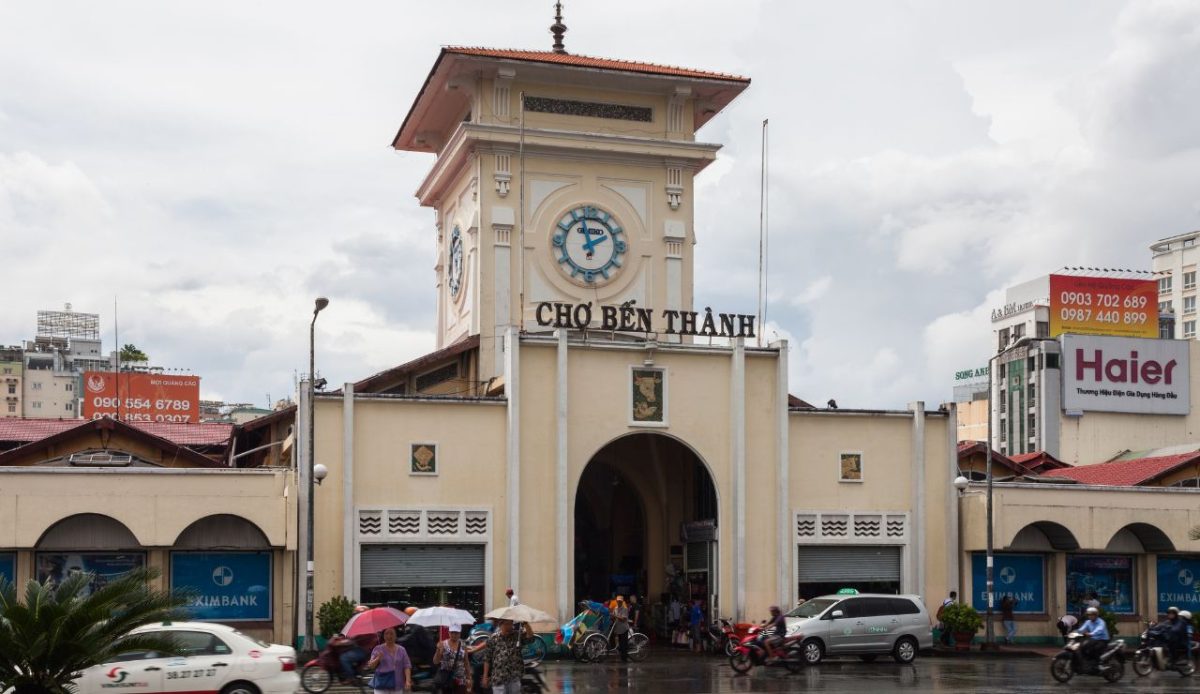
Ben Thanh Market offers a mix of culinary delights, handicrafts, and textiles, but it is also known for counterfeit clothing, watches, electronics, and occasionally illegally sourced products. The blending of legal and gray-market goods adds both thrill and risk.
Vendors work under varying regulatory oversight, and enforcement can be inconsistent. Visitors must carefully examine items, bargain cautiously, and stay aware of areas where smuggled or counterfeit goods may appear.
Despite these challenges, Ben Thanh Market remains a vital cultural hub. Its lively atmosphere, traditional commerce, and subtle shadow trade provide travelers with a fascinating glimpse into Vietnam’s dynamic urban marketplaces.
9. Sunday Street Market, London, UK (Portobello Road)
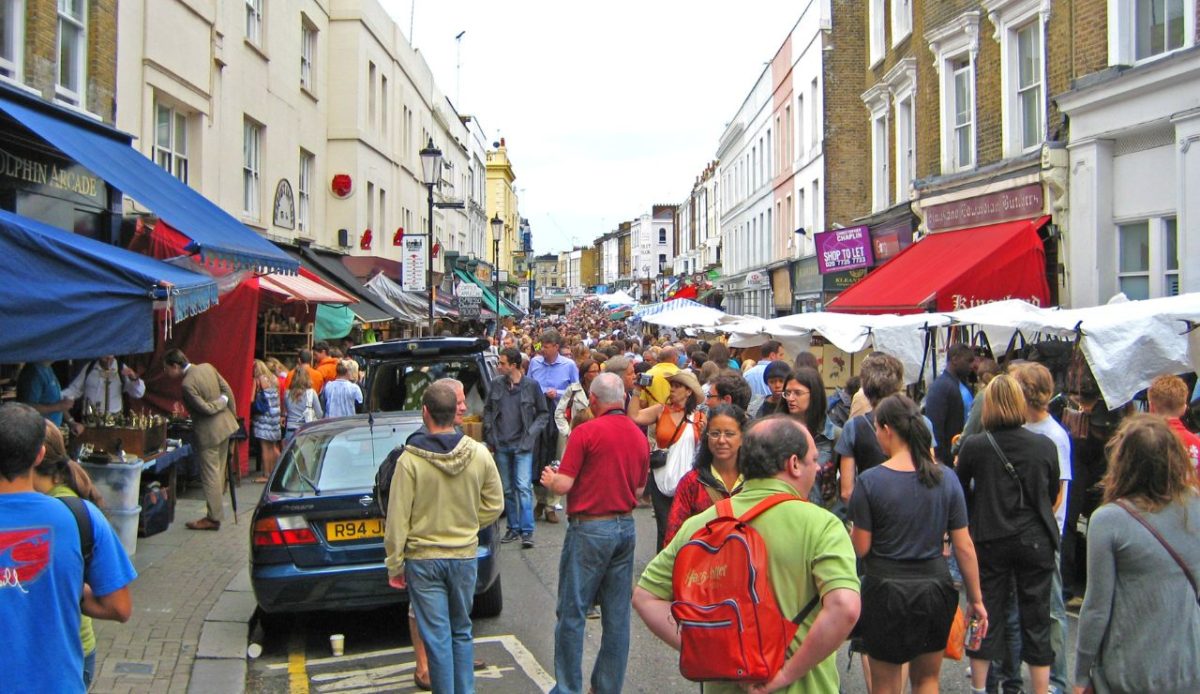
Portobello Road Market is famed for antiques, collectibles, and vintage finds. While most items are legitimate, some rare goods and curiosities have been linked to smuggling, counterfeit antiques, or unverified origins, requiring careful scrutiny from buyers.
Market organizers enforce regulations, but the high number of vendors and shoppers makes complete oversight difficult. Visitors need to approach purchases with discernment, especially for high-value items.
The market continues to attract enthusiasts worldwide. Its historic charm, lively atmosphere, and occasional edgy offerings illustrate the delicate balance between heritage, commerce, and subtle illicit trade that characterizes global markets.
10. Tsukiji Outer Market, Tokyo, Japan
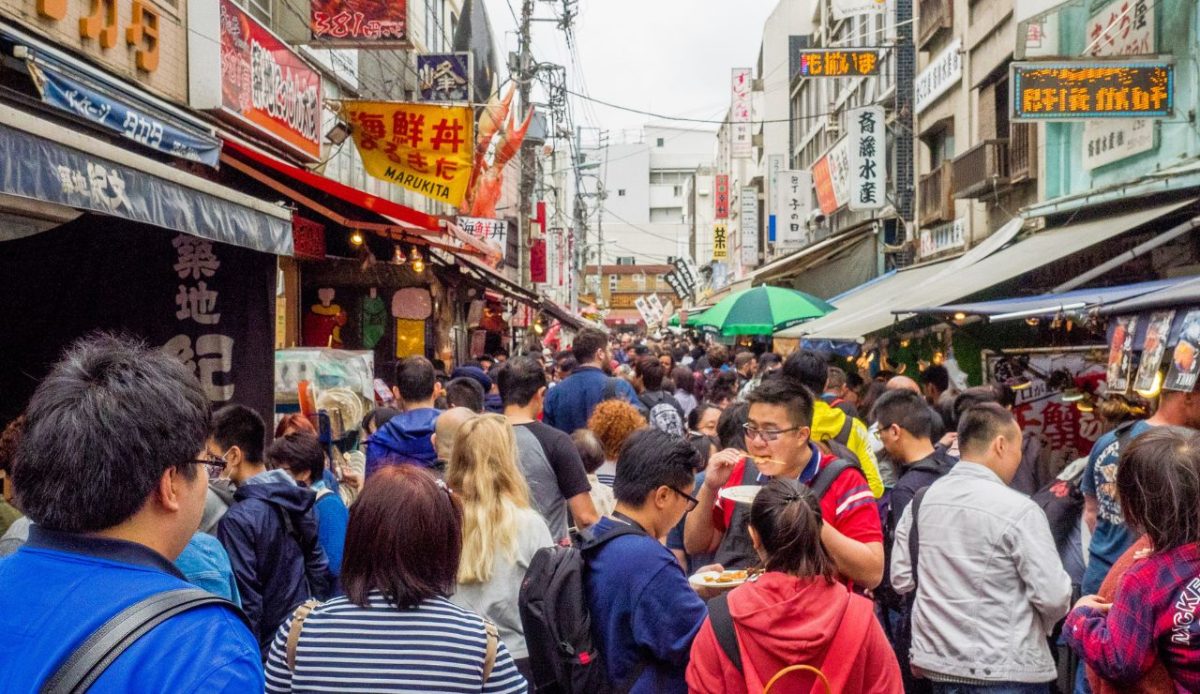
Tsukiji Outer Market is famous for fresh seafood, culinary tools, and traditional Japanese ingredients. Beneath the bustling stalls, rare or unregulated items occasionally appear, including black-market fish or other niche goods that fall outside strict legal control.
Japanese authorities monitor trade rigorously, but some niche vendors operate in legal gray areas. Visitors must respect regulations while enjoying the market’s culinary and cultural richness.
The market remains a cultural hub of gastronomy and heritage. Its combination of traditional commerce, rare finds, and discreet shadow trade illustrates how modern markets navigate legality while preserving centuries-old trading practices.
