
Borders do more than mark maps. At certain crossings, rules and infrastructure changed how people moved, how tickets were sold, and how long trips took. Some places reduced routine checks, letting trains and cars pass with minimal delay. Others became symbols of restricted movement, where permits and inspections decided who could proceed. A few were engineered links that rewired regional routes. The ten crossings below show how policy and geography redirected travel, from daily commuting to long-distance tourism, across different eras. Each example links to a turning point recorded in treaties, openings, or long-running controls.
1. Schengen, Luxembourg
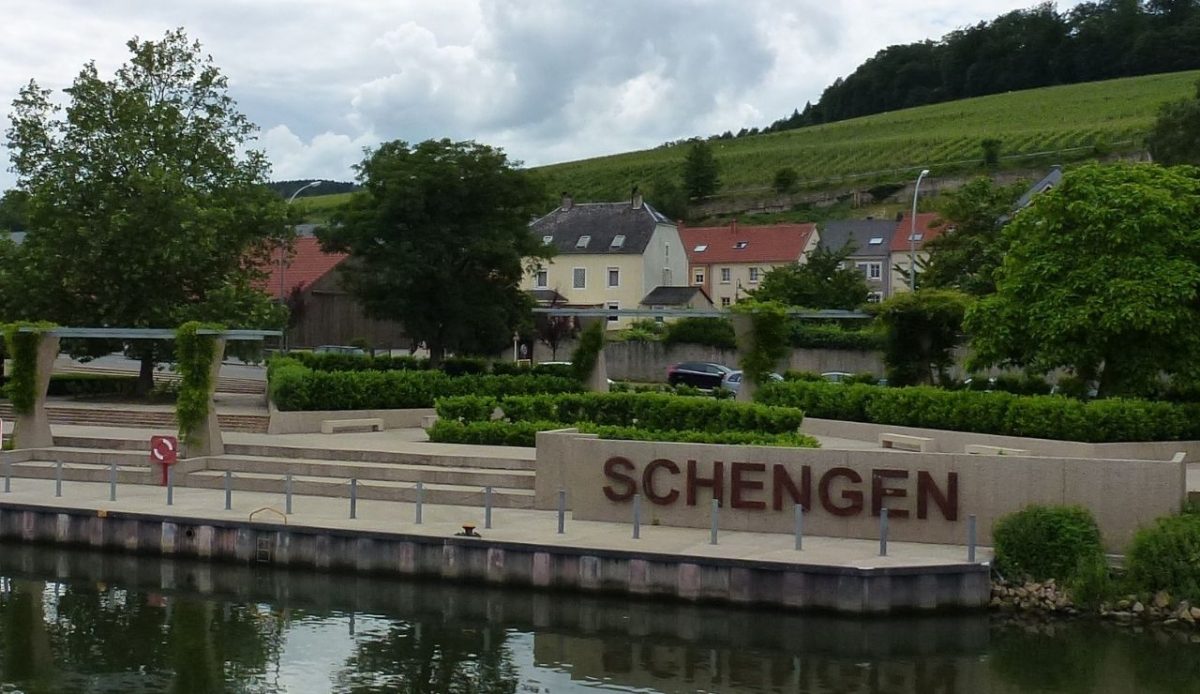
In 1985, officials met near the Luxembourg village of Schengen to sign an agreement that later removed routine passport checks among participating states. For travelers, border booths that once forced stops on highways and rail lines were gradually phased out, so multi-country trips could run on one timetable. Cross-border commuting grew because daily drives were no longer interrupted. A shared approach to visas and external checks was created, and European leisure travel was made simpler by design. Even when temporary controls return for security events, the baseline expectation has become open internal movement.
2. Checkpoint Charlie, Berlin
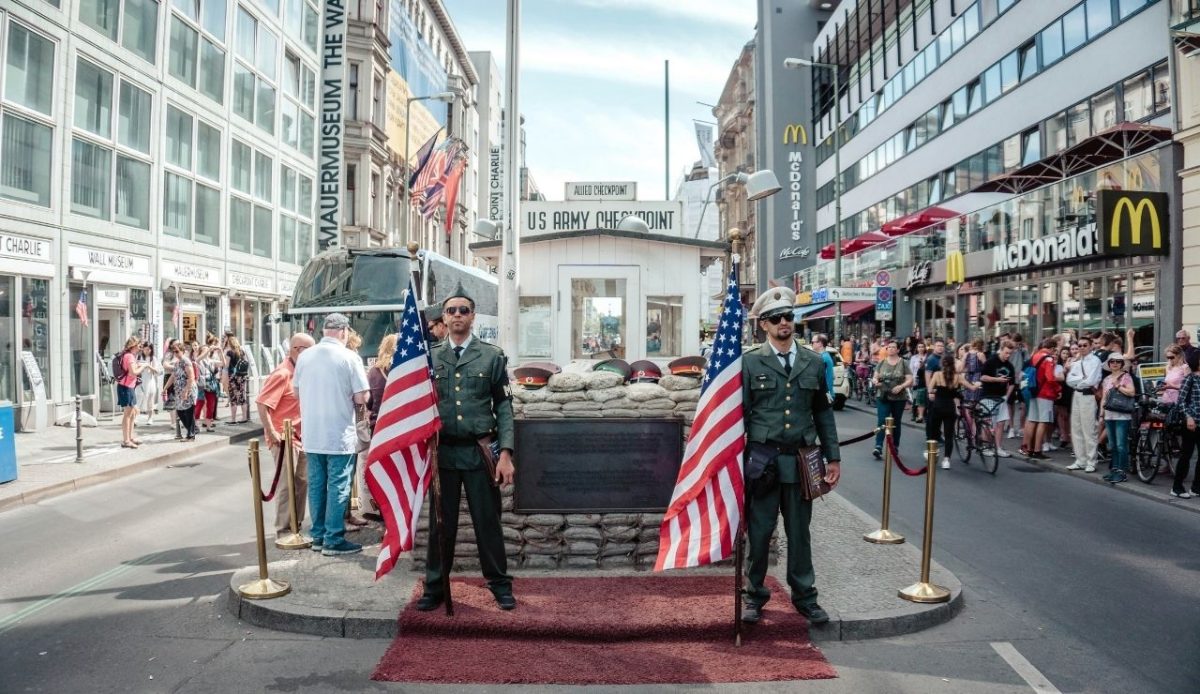
Checkpoint Charlie controlled the passage between West Berlin and East Berlin during the Cold War. Travel permits were required, documents were examined, and movement could be denied without appeal, so crossing was treated as a high-risk decision rather than a routine errand. Tour groups and journalists were processed under strict rules, while many locals were blocked entirely. After the border regime collapsed in 1989, street connections and transit links were reopened, and mobility across the city was restored in days, not years. The site remains a reference point for how a single checkpoint can define travel freedom in an entire region.
3. Glienicke Bridge, Germany
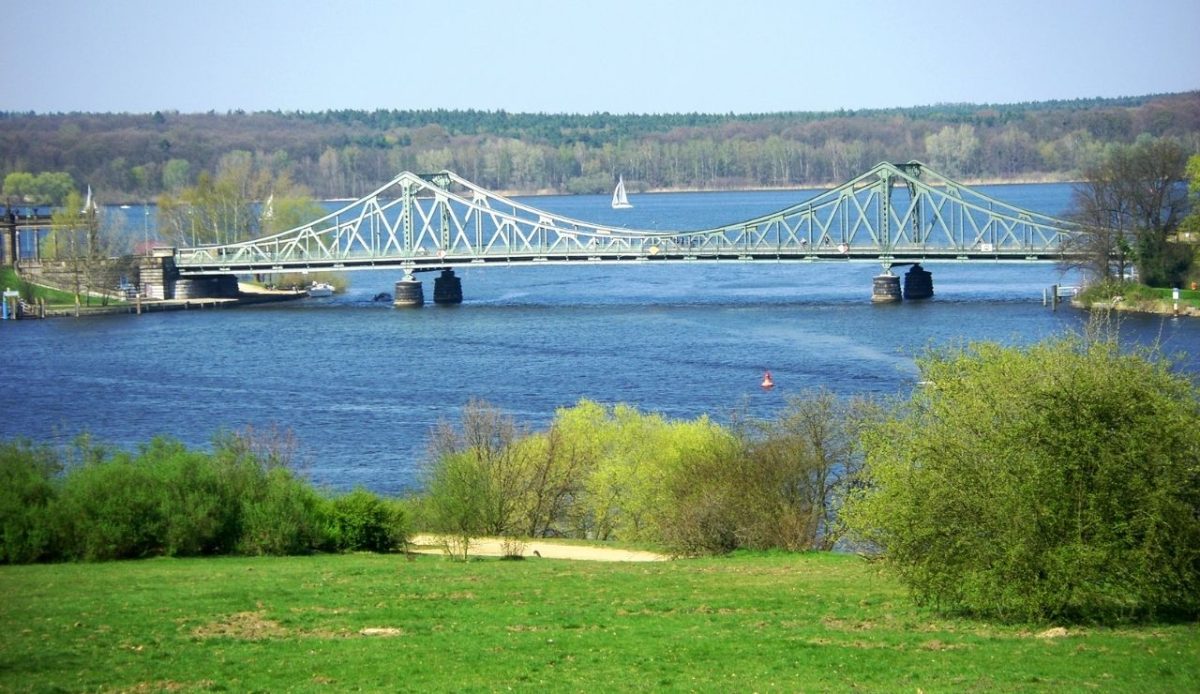
Glienicke Bridge linked West Berlin to Potsdam but was closed to ordinary travelers for long periods, despite being a fully built road connection. Access was reserved for controlled movements, and the bridge became known for state-arranged exchanges rather than everyday traffic. That unusual role showed how infrastructure can be present while mobility is withheld by policy. When restrictions eased and normal road use returned, local routes were reconnected, and cross-city trips stopped requiring detours that had been imposed for political reasons. The crossing shifted from a controlled symbol to a link once civilian access was permitted.
4. Channel Tunnel, United Kingdom and France
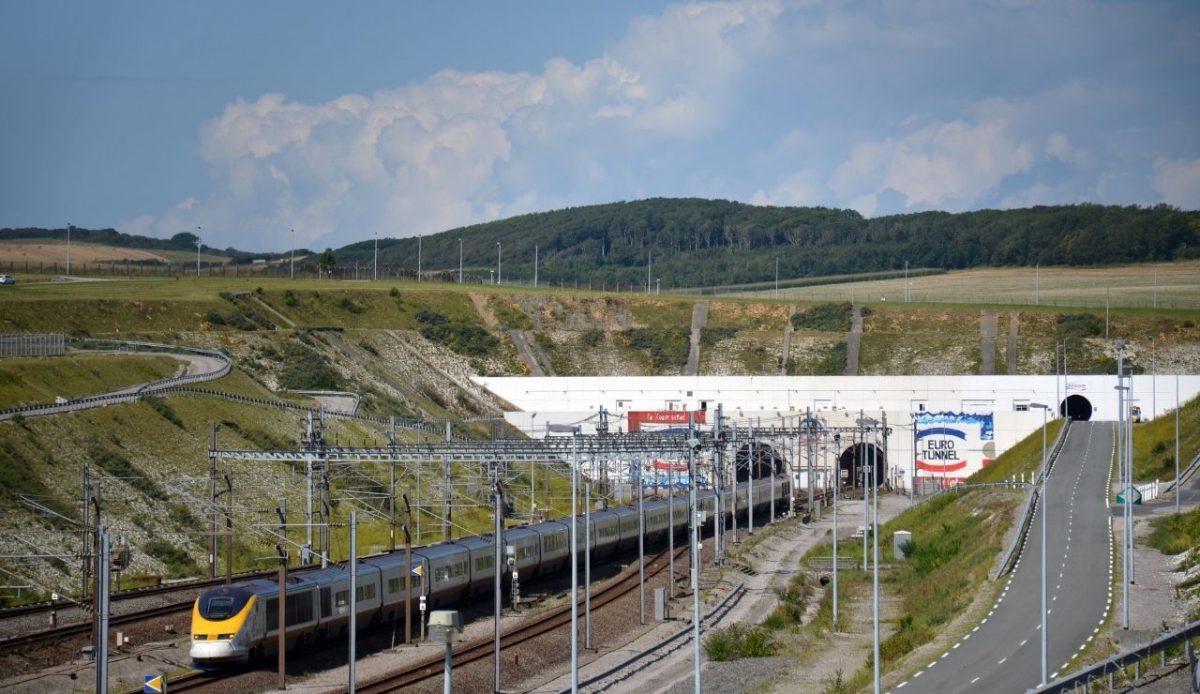
The Channel Tunnel opened in 1994 and created a fixed rail crossing between the United Kingdom and France. Passenger trains and vehicle shuttles could run under the sea on predictable schedules, reducing reliance on ferries and weather windows. Border checks were moved into terminals, which changed how international rail processing worked and made connections easier to plan. Tourism flows rose as travel time fell, and freight logistics were stabilized because crossings could be booked like regular rail slots instead of port sailings. The tunnel also set a template for later cross-water links where control is handled before boarding.
5. Oresund Crossing, Denmark and Sweden
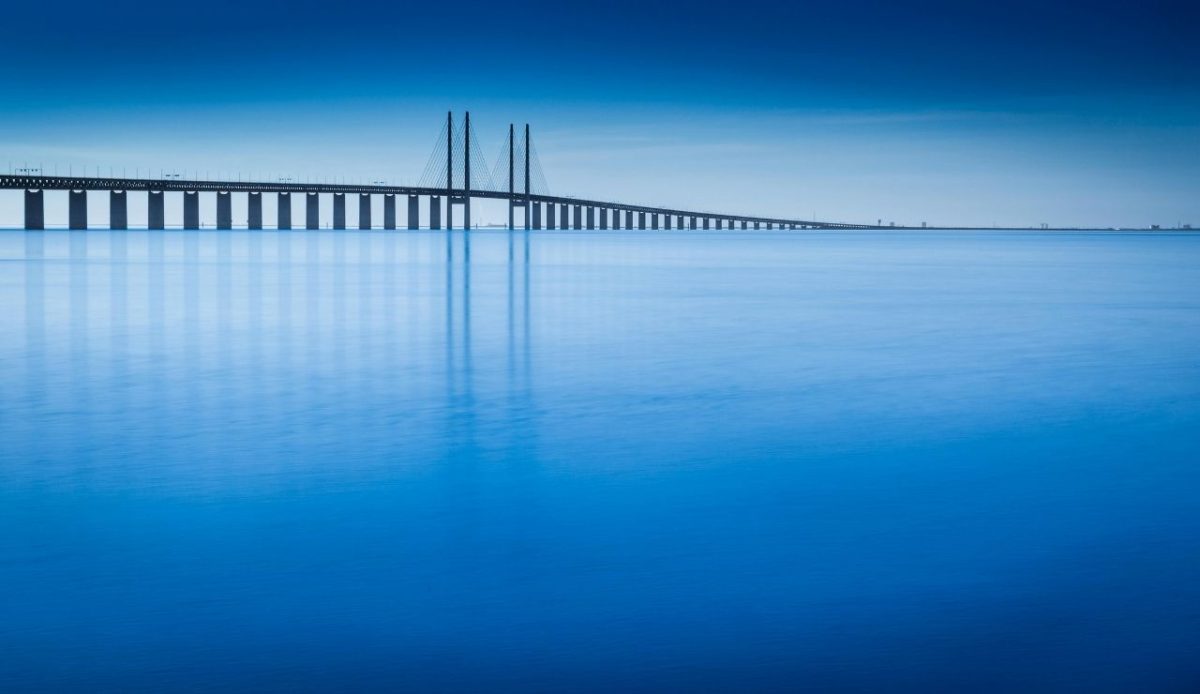
Completed in 2000, the Oresund crossing joined Copenhagen and Malmo with a dual motorway and rail route. It turned an international trip into a daily commute for many residents, because travel times were short and tickets could be used like regional transit passes. Employers gained a wider labor pool, and airports, hotels, and event venues began to draw travelers from both sides with less planning friction. When border checks have been reintroduced at times, queue time has increased quickly, showing the link’s dependence on policy. Even so, the bridge and tunnel system remains a core connector for southern Scandinavia travel.
6. Brenner Pass, Austria and Italy
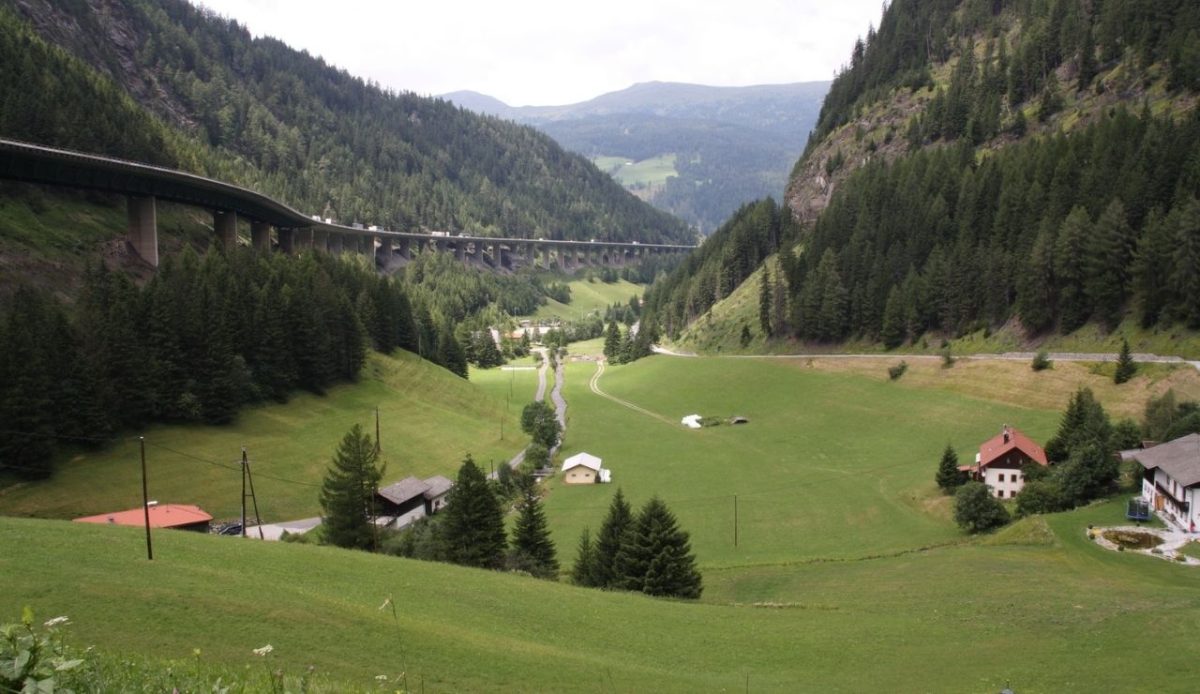
Brenner Pass is a major Alpine gateway between Austria and Italy, carrying highway traffic and key rail services. As European internal controls were reduced, long-distance buses and private cars could move through without routine stops, and freight schedules were tightened because delays were less common. When checks have been added back during security concerns, congestion has spread along approach roads, and travel times have been extended for hours. The pass shows how a single border decision can ripple across continental routes that rely on one narrow corridor. Few nearby routes offer comparable capacity.
7. San Ysidro Port of Entry, United States and Mexico
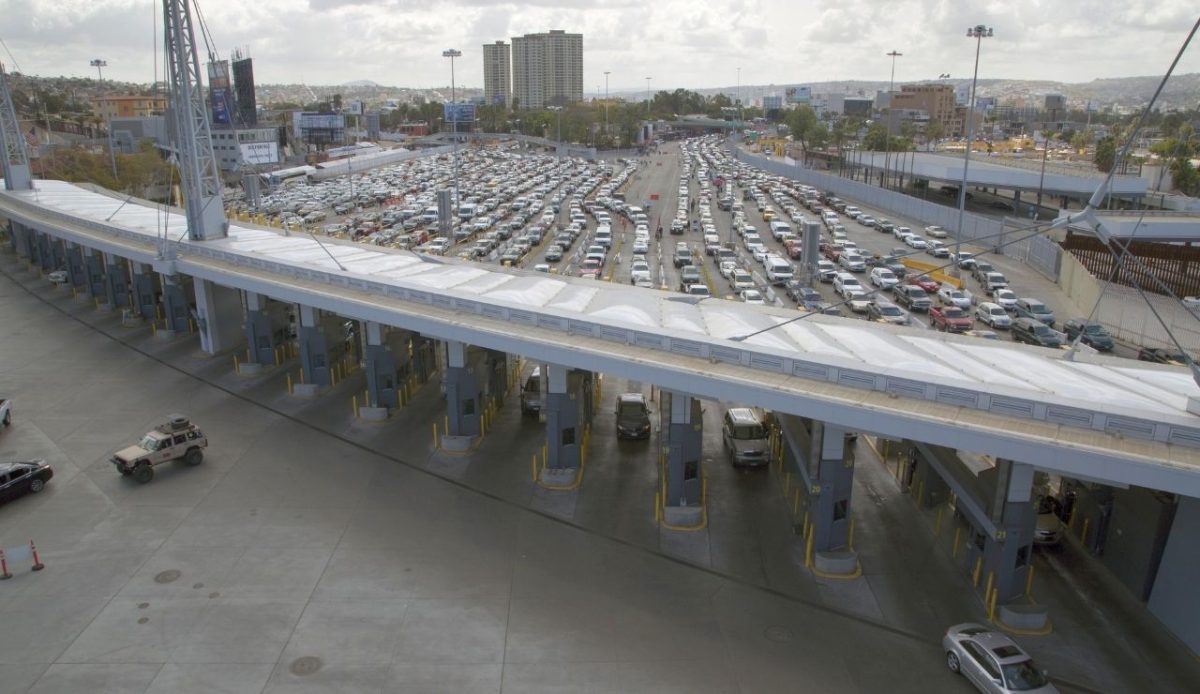
San Ysidro, between San Diego and Tijuana, processes enormous volumes of pedestrians and vehicles each day. Because so many crossings are tied to work, school, and shopping, the port became a testing ground for modern border design, from expanded lanes to inspection technology and dedicated pedestrian corridors. Travel behavior in the region was altered as the crossing functioned like a commuter gateway, not a rare international trip. Policy changes, such as new document requirements, have shifted wait times and pushed travelers toward alternate ports or different travel hours. For many, daily life is planned around its processing capacity.
8. Wagah Attari Border, India and Pakistan
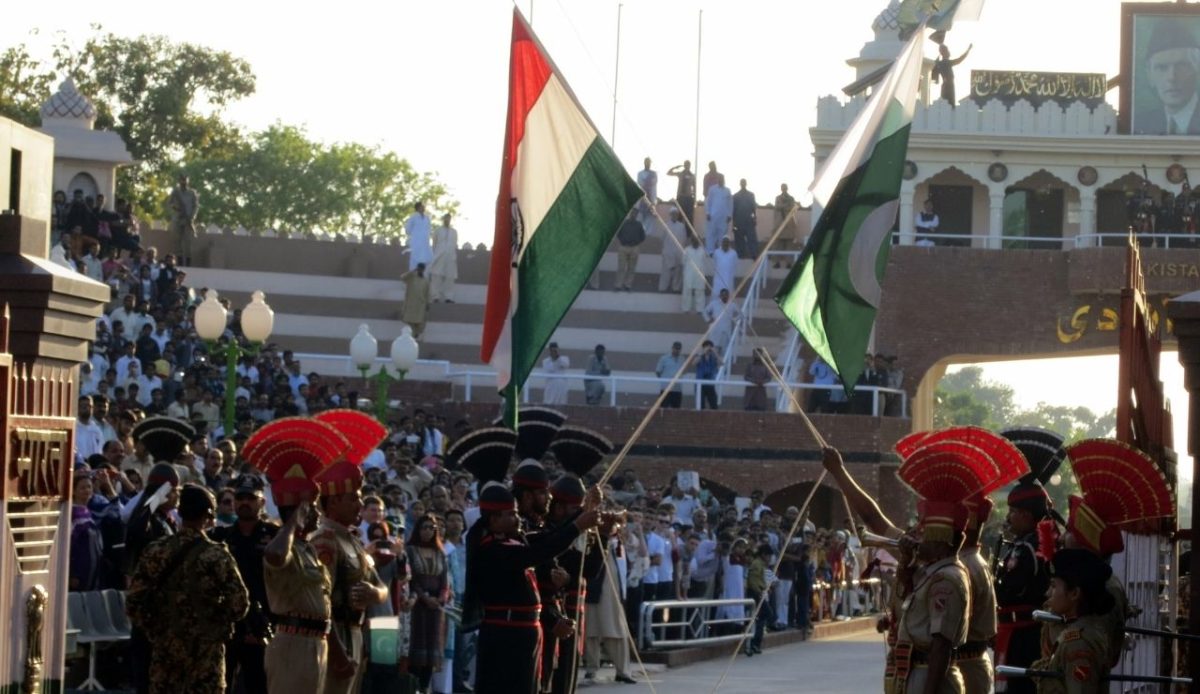
Wagah Attari became a principal legal road crossing between India and Pakistan after the 1947 Partition redrew borders. Older routes on the Grand Trunk Road corridor were interrupted, and travel that had been regional became international and permission-based. Visas, inspections, and limited transport services meant trips required planning, while rail and bus links were repeatedly suspended or restored depending on relations. The crossing influenced how families, pilgrims, and traders moved, because it concentrated legal overland travel into a narrow, heavily managed point. It also drew travelers for its formal daily ceremony.
9. Torkham Gate, Pakistan and Afghanistan
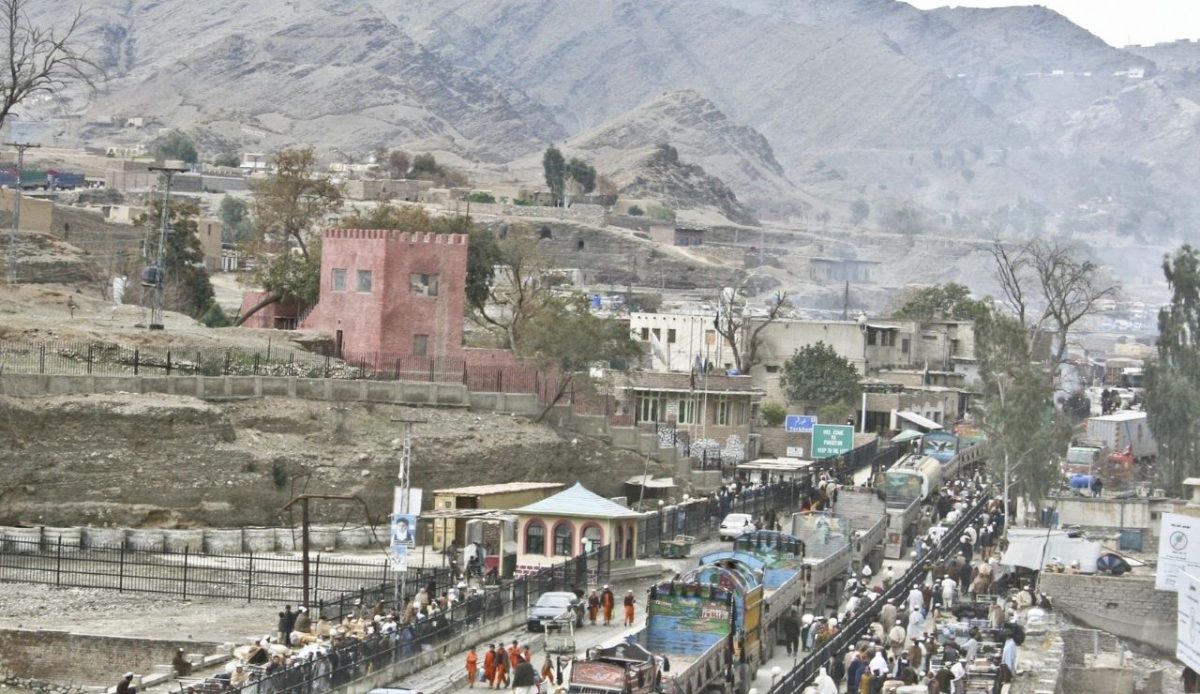
Torkham lies on the Khyber corridor and serves as a key crossing between Pakistan and Afghanistan. A route used for centuries by caravans became a regulated checkpoint where documents, security screening, and operating hours control movement. When the gate has been closed during disputes or attacks, travelers and truckers have been forced to wait or reroute, and local economies have been strained. Because alternate passages are limited, changes at Torkham affect regional bus travel, family travel, and supply chains that connect South Asia to routes farther northwest. It shows how security rules can override an old passage.
10. Allenby Bridge, West Bank and Jordan
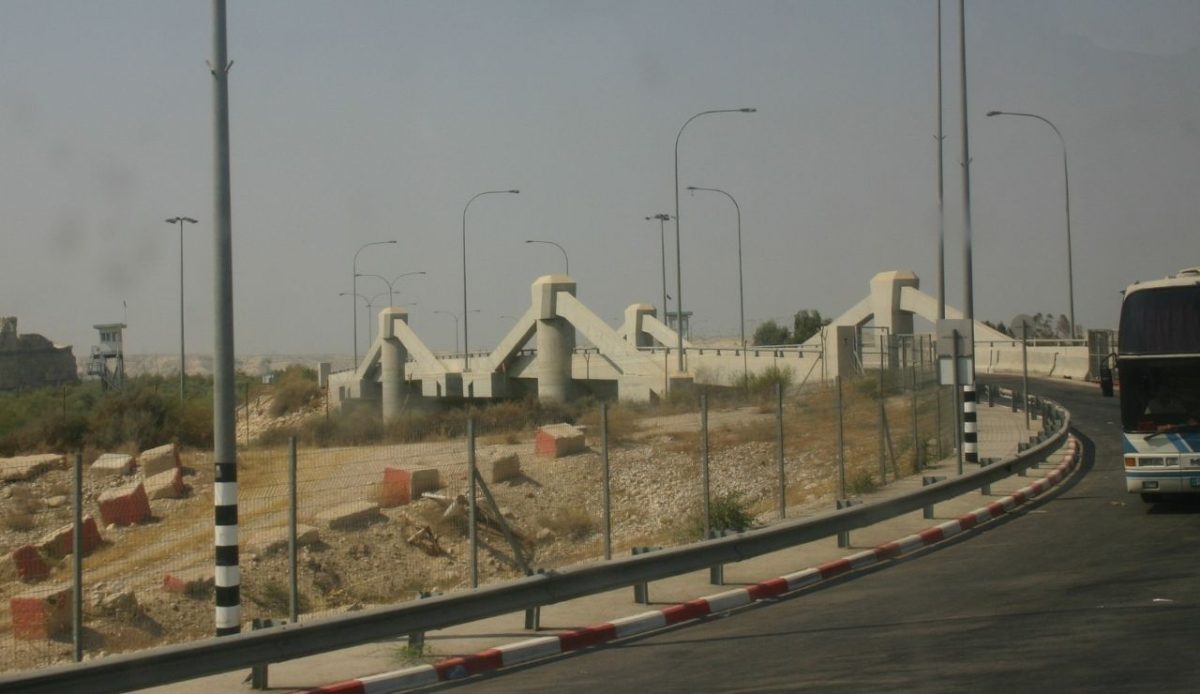
The Allenby Bridge crossing between the West Bank and Jordan is a primary land gateway for many Palestinians who need to reach airports and onward flights. Travel is governed by layered permissions, schedules, and screening steps, so timing can be as important as distance. When hours are reduced or closures occur, trips are disrupted across education, work, and medical needs, and alternate routes may not be available. The crossing shows how border administration can limit regional mobility even when roads exist, and how travelers must plan around rules that can change quickly. For many families, reunions depend on their daily operating window.
