
Travelling to Thailand offers an experience rich in culture, vibrant markets, temples with gilded spires, and islands with pristine beaches. The stunning scenery and hospitable locals attract many visitors. Yet what few first-time travellers realise is that Thailand enforces many laws that differ from those in their home countries, and ignorance of these rules does not exempt anyone from consequences. The following list outlines the top ten laws every visitor should know before arriving, so you can enjoy your journey with confidence and respect.
1. Complete the Thailand Digital Arrival Card (TDAC)
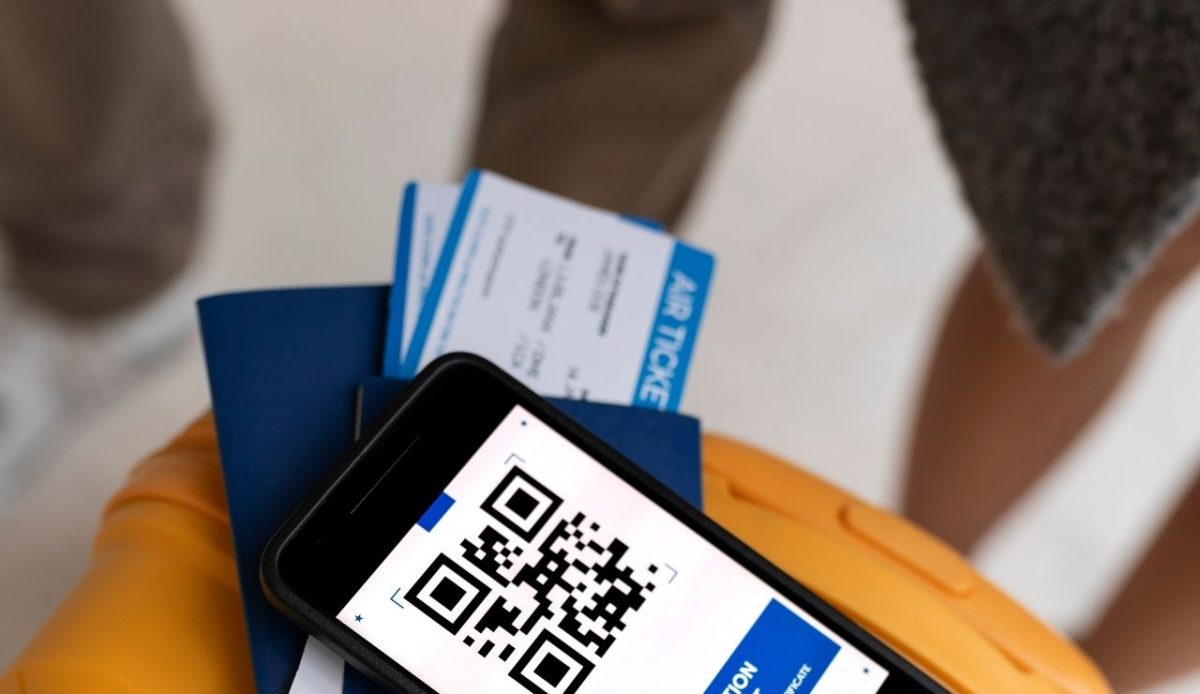
Beginning May 1, 2025, all foreign nationals entering Thailand by air, land, or sea must complete the Thailand Digital Arrival Card online at least 72 hours before arrival. This new digital form replaces the previous paper arrival card and applies to tourists, business travellers, and long-term residents alike. After submitting the form, you will receive a QR code that must be shown to immigration officers upon entry. Failure to submit the TDAC could lead to delays, extra questioning, or refusal of entry. To avoid problems, complete the form on the official site ahead of your journey.
2. Respect the Monarchy and Royal Family
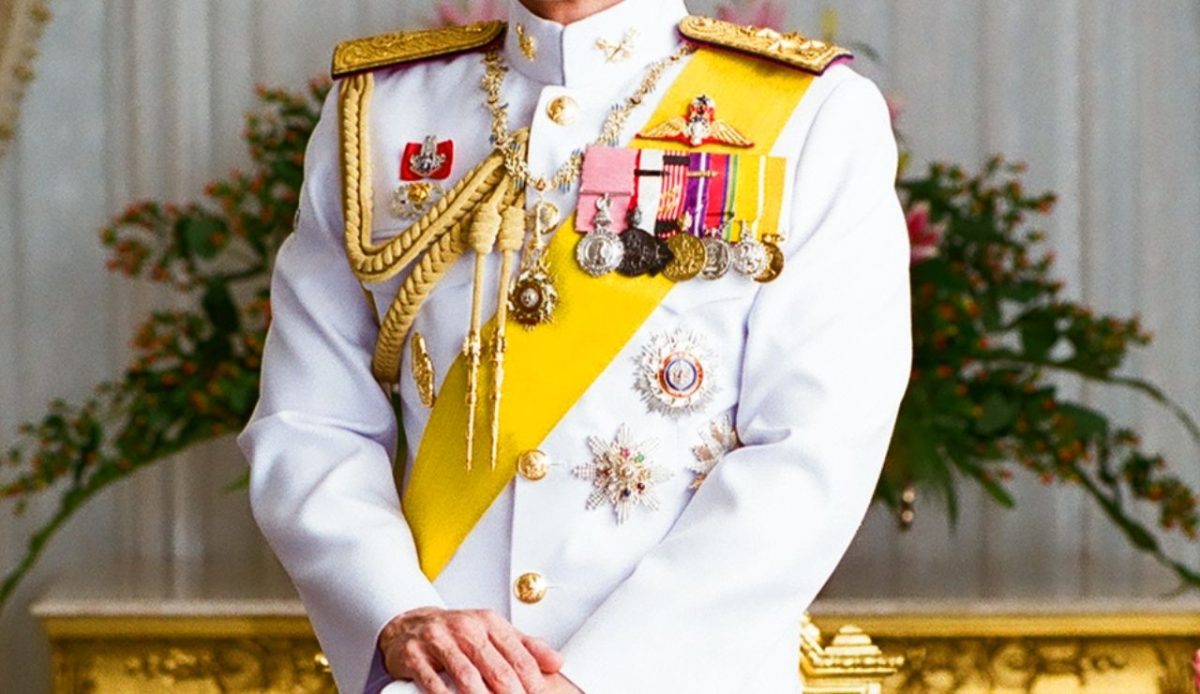
Thailand’s laws protect its royal family with severe legal consequences for any act that defames, insults, or threatens the King, Queen, heir-apparent, or Regent under Section 112 of the Criminal Code. Foreign visitors are not exempt, and even a single comment on social media can trigger prosecution. Punishments range from three to fifteen years in prison per offence. The safest course is to avoid public or online discussion of the monarchy, steer clear of jokes or criticism, and behave respectfully during any national event or memorial period. Paying heed to this rule demonstrates both respect and prudence.
3. E-Cigarettes and Vaping Are Banned
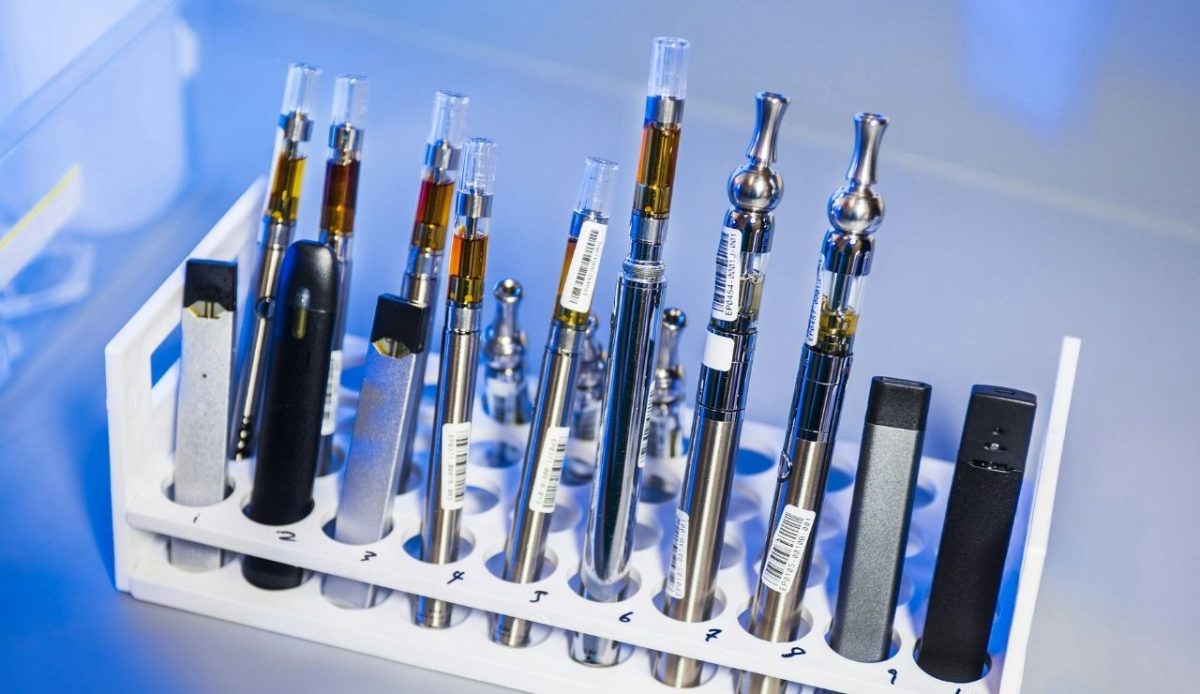
The importation, sale, possession, or use of e-cigarettes and vaping devices is strictly illegal in Thailand, with enforcement in airports and tourist areas. The ban has been in place since 2014 and continues to be enforced vigorously. Using or carrying vaping products exposes you to significant fines and possible jail time. No matter where you come from, do not bring any e-cigarette or related accessory into the country. Even private use in a rental or hotel can lead to trouble. Keeping vaping equipment out of your luggage entirely is the most reliable way to comply.
4. Drug Laws Are Extremely Severe

Thailand maintains a stringent zero-tolerance policy for illegal drugs. Possession, use, or trafficking of controlled substances such as heroin, methamphetamine, or ecstasy can result in long prison sentences or, in extreme cases, the death penalty. Although cannabis was decriminalised at one point, recreational use is again tightly regulated, and public consumption can lead to prosecution. Carrying even a small amount of an illegal drug or failing to declare a prescription medication can cause serious legal problems. Visitors should treat Thailand as though all unregistered substances are strictly forbidden and avoid any risk.
5. Visa Overstay Has Heavy Penalties
Overstaying your authorised stay in Thailand can carry far greater consequences than many visitors realise. A daily fine applies, and it can compound up to a maximum amount depending on your overstay length. More critical is the possibility of a ban from future re-entry. Voluntarily surrendering after overstaying may lead to a ban of one to ten years, depending on duration, while being caught leads to harsher restrictions. To avoid this risk, always monitor your passport stamp or visa expiry date, plan your departure or extension ahead of time, and keep proof of your exit or renewal.
6. Respect Buddha Images and Religious Sites
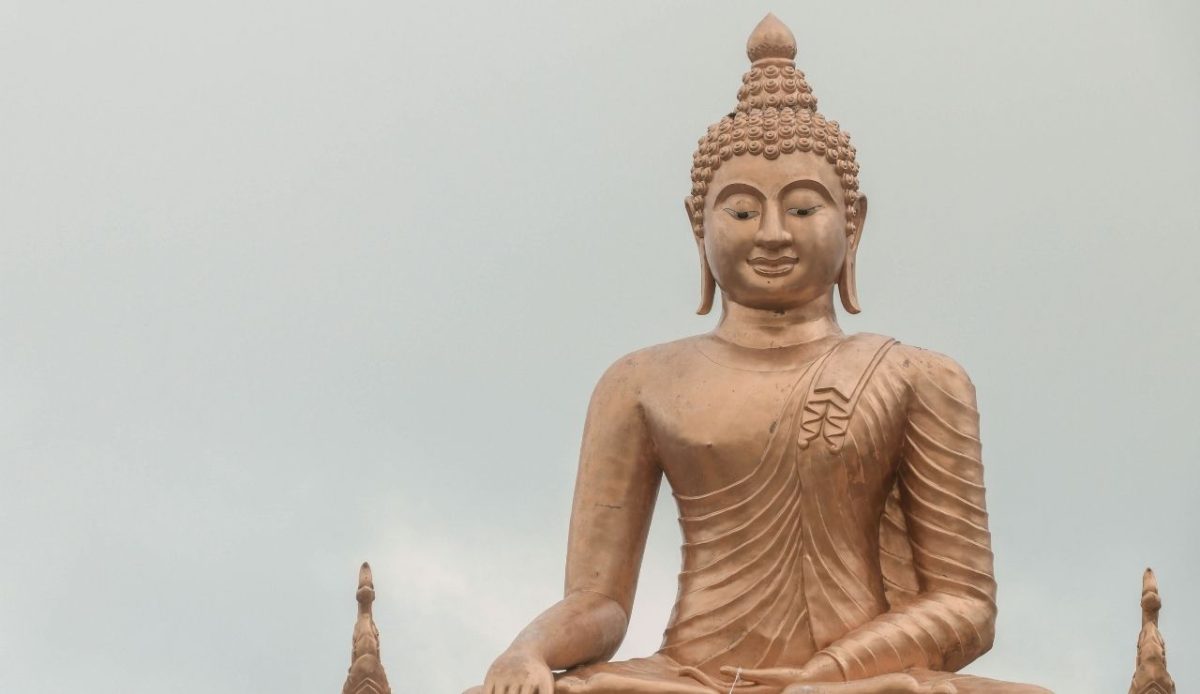
Thailand treats its Buddhist heritage and sacred sites with legal protection. Visitors must never climb on or pose inappropriately with Buddha statues, point their feet toward them, or show disrespect in temples. Exporting Buddha images above certain sizes requires a permit, and some artefacts are prohibited from leaving the country entirely. When visiting religious sites you should dress modestly by covering your shoulders and knees, remove your shoes before entering certain areas, and speak quietly. Respect for these practices is not just courteous—it is required by law and culturally important.
7. Driving Requires Proper Licensing and Safety Compliance
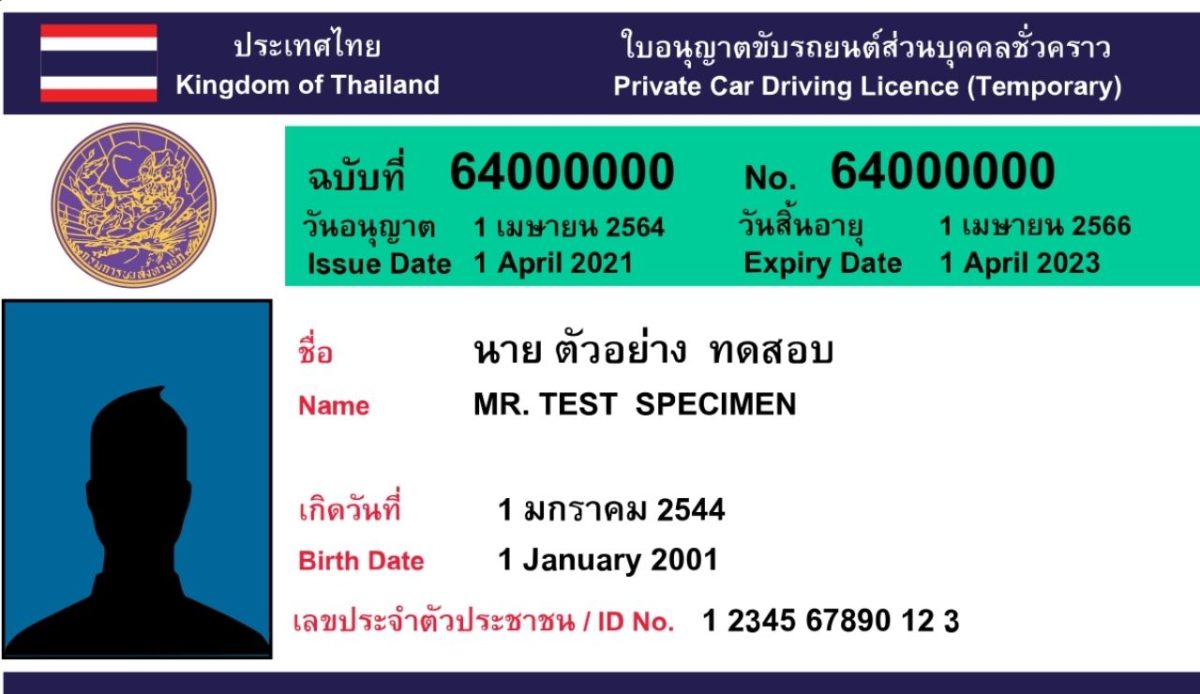
To drive legally in Thailand, foreign visitors must hold an International Driving Permit in addition to a valid licence from their home country. For motorcycles or scooters, you need a licence with a two-wheel endorsement. The legal driving age is 18, and Thailand drives on the left side of the road. Helmets are mandatory for riders, and driving under the influence is strictly prohibited. Police checkpoints in tourist zones are common, and fines for unlicensed driving are typically issued on the spot. Also, travel insurance may become void if you drive without proper licensing, so preparation is essential.
8. Drone Registration Is Mandatory
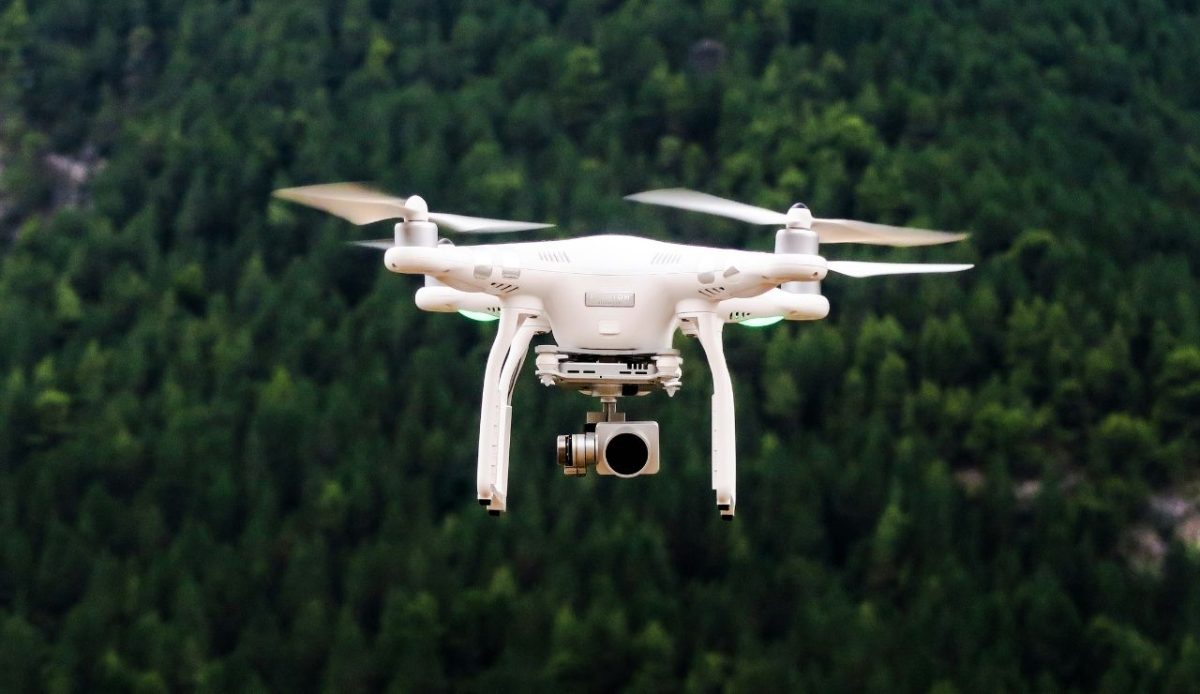
If you bring a drone with a camera into Thailand and plan to fly it, you must register it with the national telecommunications and aviation authorities. Operating an unregistered drone can lead to heavy fines or imprisonment. The registration process usually requires a passport copy, proof of address, photos of your drone model and serial number, and proof of insurance. Once approved the permit is valid for the duration of your stay. You must also respect local no-fly zones such as near airports, government buildings, or military areas. Proper registration and compliance keep your activities safe and legal.
9. Smoking and Littering Restrictions

Thailand enforces wide-ranging bans on smoking in many public spaces, including beaches, airports, restaurants, malls, parks, and within five meters of entrances to public buildings. Fines for smoking in prohibited areas can be several thousand baht. Littering also carries fines, with particularly high penalties in national parks and beach areas where trash may be mailed back to visitors. Travelers should look for designated smoking zones, carry a portable ashtray if needed, and always dispose of waste properly. These rules support Thailand’s efforts to protect its environment and maintain public order.
10. Stand Still for the National Anthem

Across Thailand, public spaces play the national anthem at eight in the morning and six in the evening. When the anthem begins, people are expected to stop all activity and stand still until it ends. This practice occurs in parks, train stations, shopping centres, and cinemas. The royal anthem is also played before films, and everyone must stand. While enforcement varies by location, participating quietly demonstrates cultural awareness and avoids standing out. If you hear the music and others around you pause, you should follow suit and show respect.
