
Heritage sites are more than just landmarks; they are living testaments to human history, culture, and resilience. From ancient wonders carved in stone to architectural marvels that shaped civilizations, these places connect us to the past while inspiring future generations. Exploring them offers travelers a chance to witness timeless beauty, learn powerful stories, and experience diverse cultures firsthand. Here are 10 iconic heritage spots around the globe that not only attract millions but also deserve a place on every traveler’s bucket list.
1. The Great Wall of China, China
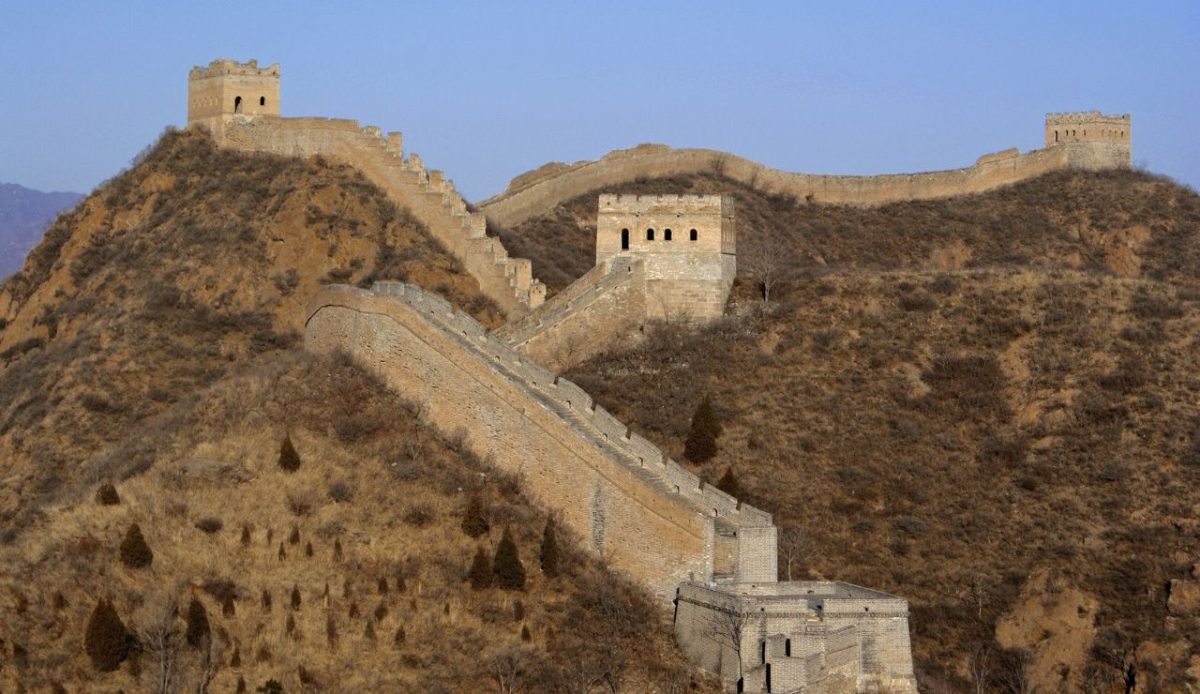
Stretching over 13,000 miles, the Great Wall of China is one of the most ambitious feats of human engineering. Built across centuries to defend dynasties from invasions, it weaves across mountains, deserts, and grasslands. Walking its ancient stones offers sweeping views and a sense of awe at the labor behind its construction. While some sections are restored for visitors, others remain rugged, adding authenticity. The Wall is not just a monument, but a symbol of perseverance and history.
2. Machu Picchu, Peru
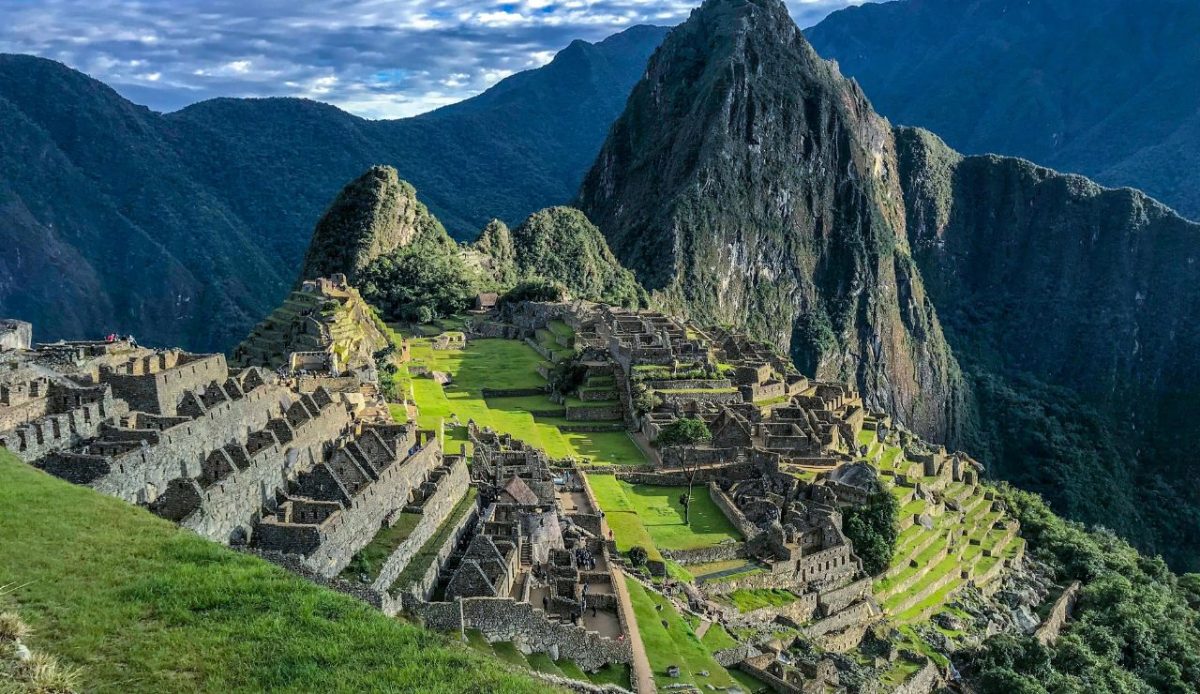
Hidden high in the Andes, Machu Picchu was once a thriving Incan city before being abandoned in the 16th century. Its terraces, temples, and breathtaking mountain backdrop make it one of the world’s most photographed heritage sites. Rediscovered in 1911, it has since become a symbol of mystery and resilience. Whether you trek the Inca Trail or take the train, the experience feels magical. Machu Picchu remains an unforgettable reminder of the ingenuity and artistry of the Incan civilization.
3. Petra, Jordan
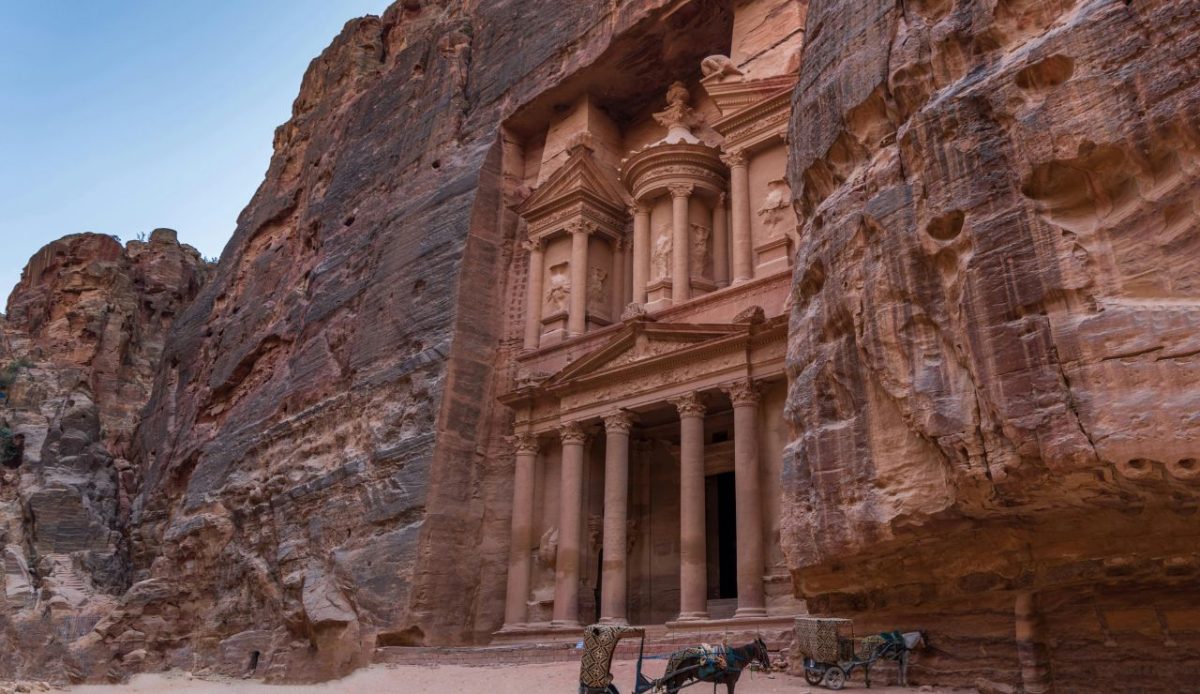
Known as the “Rose City” for its sandstone cliffs, Petra is a wonder carved directly into rock. Once the capital of the Nabatean kingdom, it thrived as a trading hub linking Asia, Africa, and Europe. Walking through the Siq canyon and emerging at the Treasury is one of travel’s most iconic moments. With temples, tombs, and amphitheaters still preserved, Petra tells stories of prosperity and craftsmanship. Its enduring beauty makes it a must-see for history lovers worldwide.
4. Pyramids of Giza, Egypt
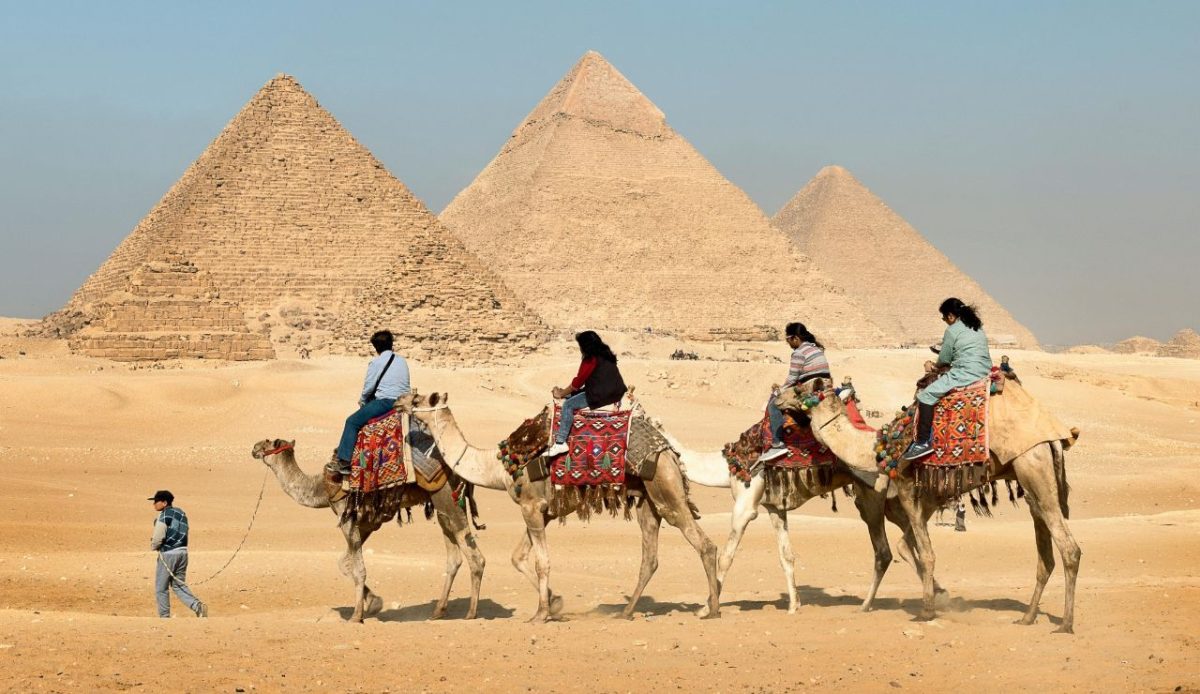
The Pyramids of Giza have stood for over 4,000 years, serving as tombs for pharaohs and symbols of ancient Egyptian power. The Great Pyramid, one of the Seven Wonders of the Ancient World, continues to amaze with its scale and precision. Nearby, the Sphinx adds another layer of mystery to the desert landscape. Visiting Giza is like stepping back into antiquity, where every stone reflects the brilliance of one of the world’s most influential civilizations.
5. The Colosseum, Italy
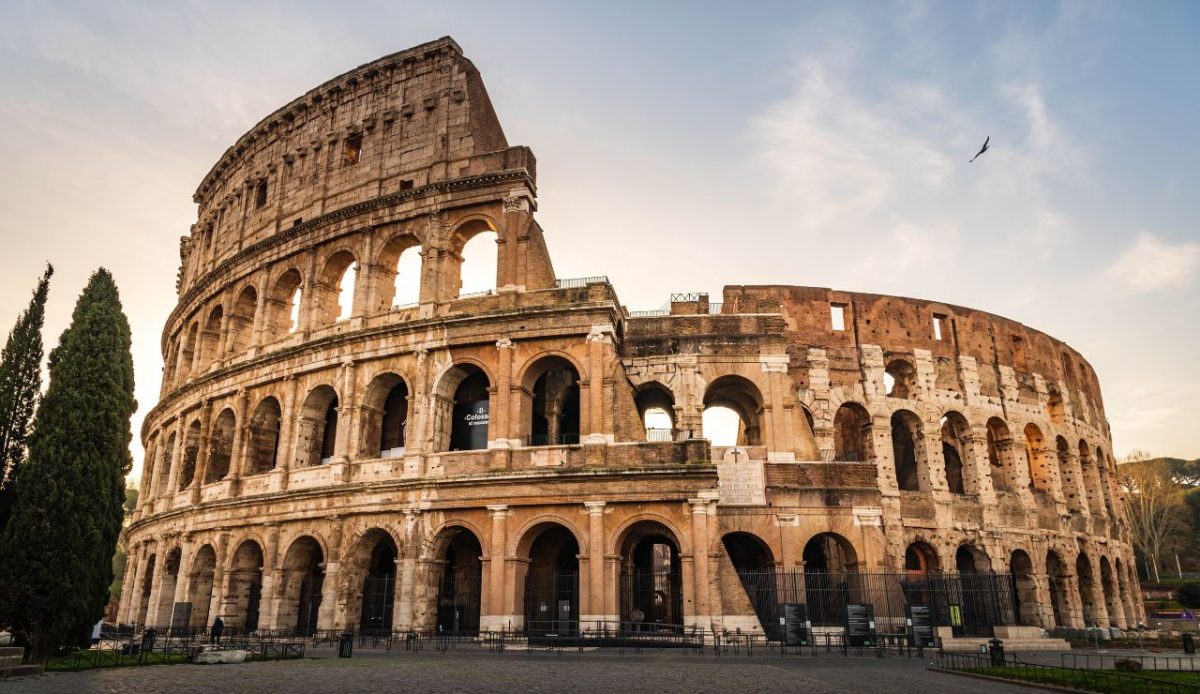
In the heart of Rome, the Colosseum stands as a grand reminder of the Roman Empire’s power and entertainment culture. Built in 80 AD, it hosted gladiatorial contests and spectacles that drew tens of thousands. Today, its ruins still evoke the drama of ancient times. As one of the most visited heritage sites in Europe, the Colosseum symbolizes both Rome’s grandeur and its complex history. Exploring it gives travelers a vivid glimpse into life during imperial times.
6. Angkor Wat, Cambodia
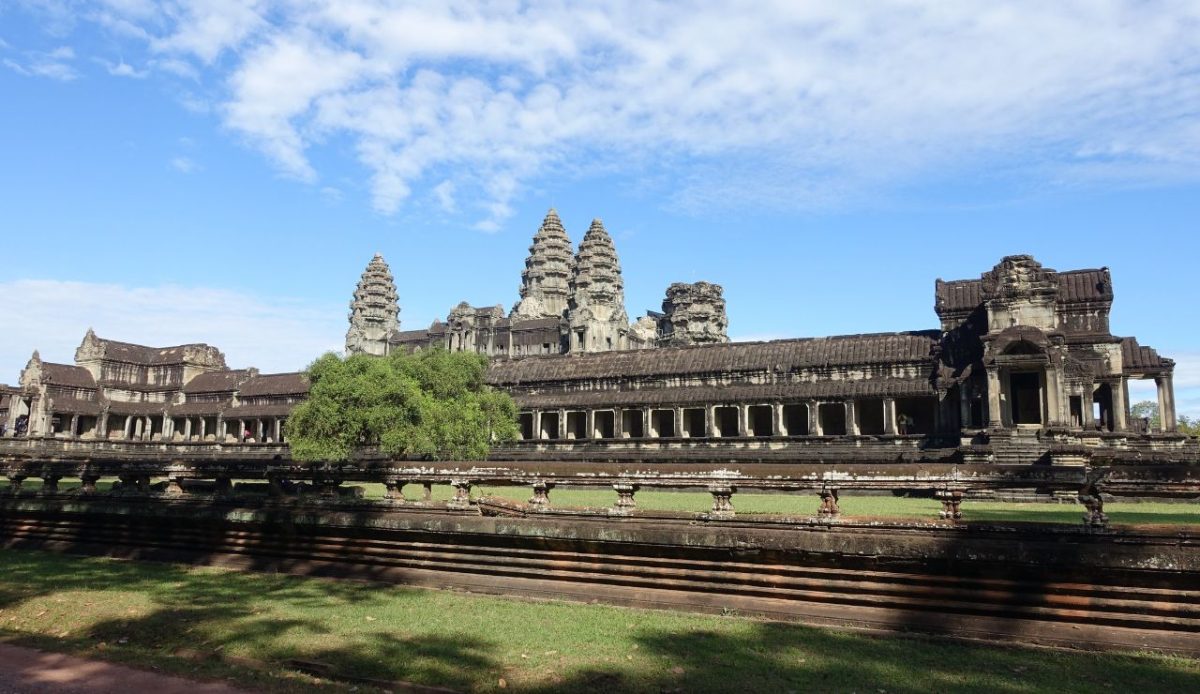
Angkor Wat is the largest religious monument in the world, built in the 12th century as a Hindu temple before becoming a center of Buddhism. Surrounded by vast moats and intricate carvings, it represents Khmer architectural genius and spiritual devotion. Watching sunrise over its towers is a bucket-list experience for many. Beyond its beauty, Angkor Wat stands as a symbol of Cambodia’s identity and resilience, drawing millions who marvel at its history and artistry each year.
7. Stonehenge, United Kingdom
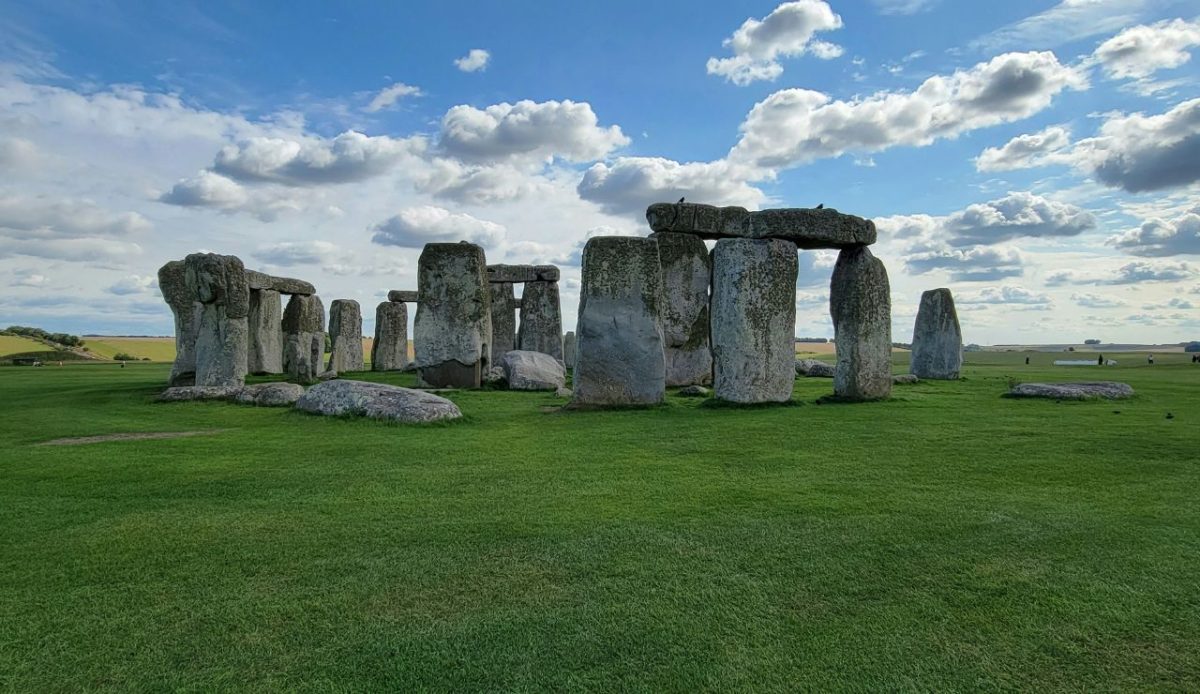
Stonehenge remains one of the world’s greatest mysteries, with its massive stones aligned to the movements of the sun. Built over 4,000 years ago, its purpose is still debated, from a ceremonial site to an astronomical calendar. The site’s enduring intrigue continues to draw visitors from around the globe. Surrounded by lush English countryside, it combines natural beauty with ancient wonder. Walking among the stones offers a powerful connection to humanity’s distant past and enduring curiosity.
8. Chichen Itza, Mexico
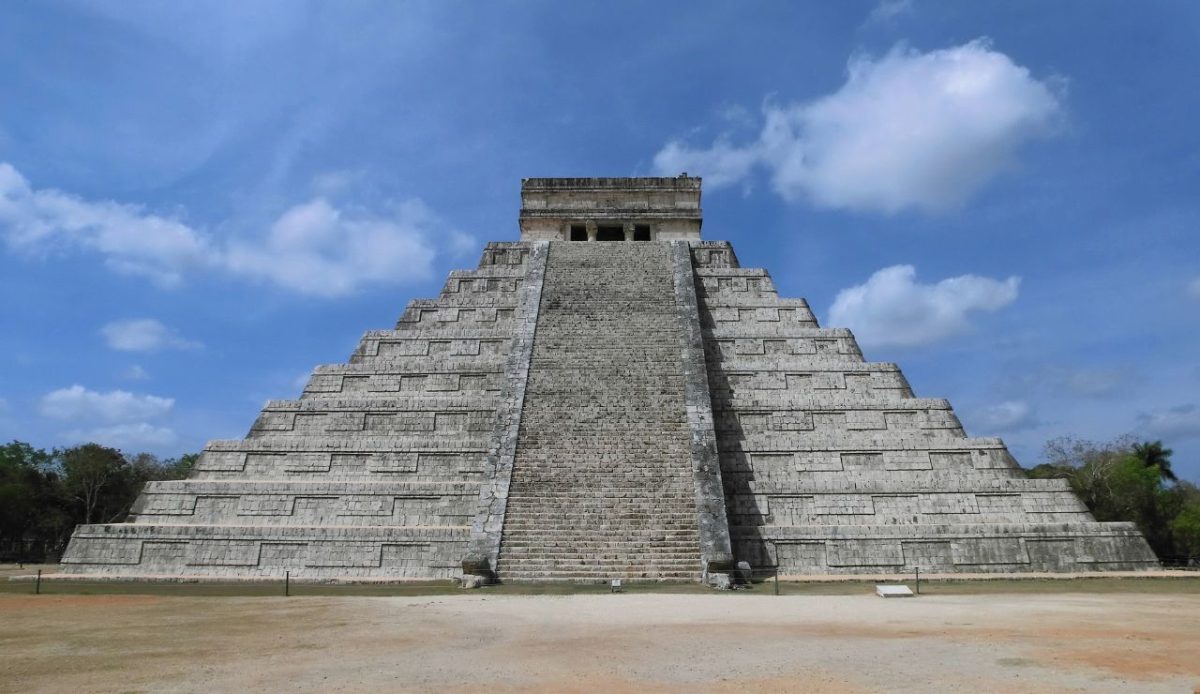
Chichen Itza was once a major Mayan city, famous for its pyramid, El Castillo, which aligns with the equinox sun. This UNESCO site also includes ball courts, temples, and observatories that reveal the scientific and cultural advancements of the Mayan people. Each structure tells a story of astronomy, ritual, and politics. Exploring Chichen Itza offers a chance to step into a civilization that shaped Central America, blending architectural brilliance with deep spiritual significance.
9. Taj Mahal, India
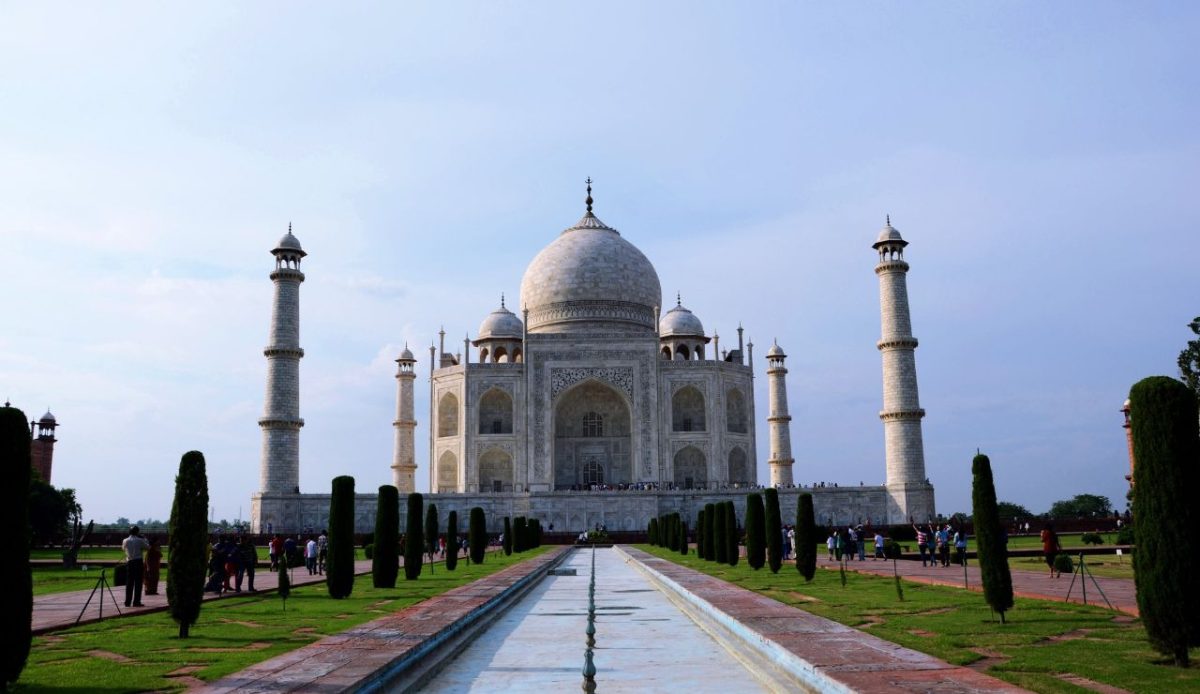
The Taj Mahal is a symbol of love and architectural mastery, built by Emperor Shah Jahan in memory of his wife Mumtaz Mahal. Its gleaming white marble, intricate inlay work, and perfect symmetry make it one of the most admired monuments worldwide. At sunrise and sunset, its façade glows in changing colors, creating a magical atmosphere. Beyond its beauty, the Taj represents enduring devotion and artistry, standing as India’s most iconic heritage site and global treasure.
10. Acropolis of Athens, Greece
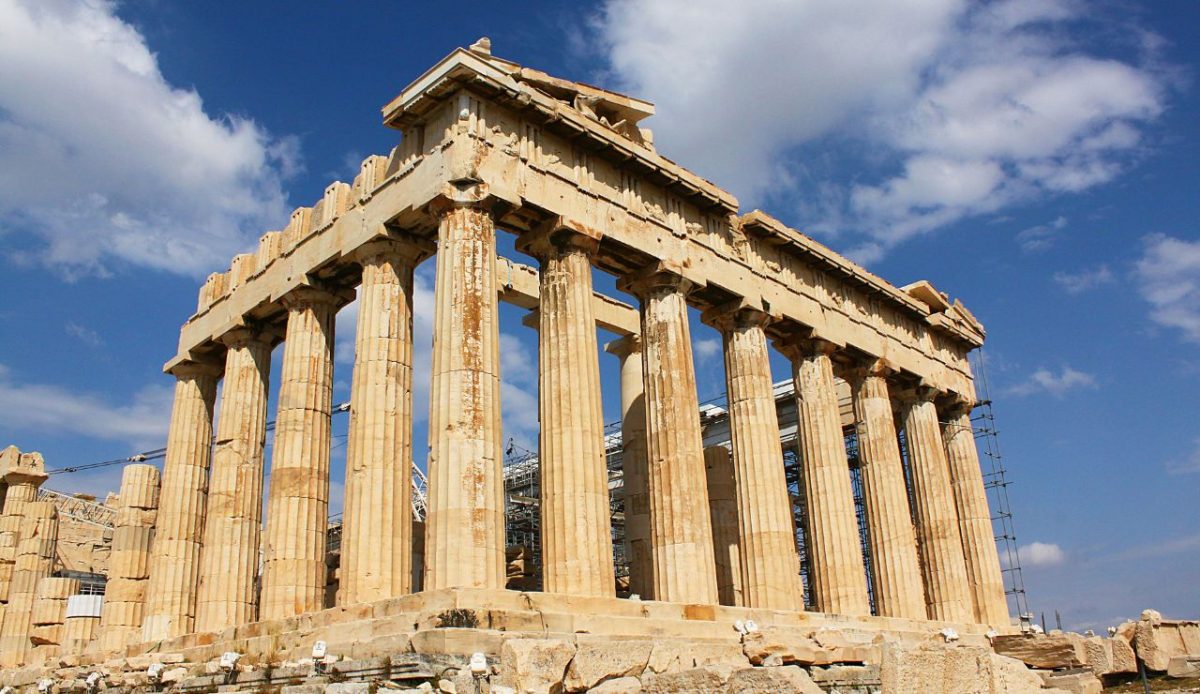
The Acropolis, perched above Athens, is the birthplace of democracy and Western civilization. Its crowning jewel, the Parthenon, honors Athena, the city’s patron goddess. Built in the 5th century BC, the site features temples, theaters, and structures that shaped architecture for millennia. Walking its grounds connects visitors to the ideals of philosophy, politics, and art. The Acropolis remains a powerful symbol of human achievement, where ancient history meets timeless inspiration for generations of travelers.
