
Hotel prices look simple until the final screen adds a stack of “mandatory” fees. Travelers complain most when a charge isn’t clearly tied to a service they chose, or when the same cost seems billed twice. These add-ons can turn a decent deal into a surprise, especially on short stays where fixed fees hit harder.
Some hotels do disclose them, but the placement and wording can be easy to miss in long rate details. At checkout, it can feel like the total changed after you committed, even if the fine print was technically there.
Below are ten fees people still call misleading. The goal isn’t to shame every property, but to help you spot common patterns and know what to ask about before you click “book.”
1. Resort or destination fee

Often bundled as a “resort,” “destination,” or “urban amenity” fee, this charge shows up even at non-resort hotels. Guests say it feels misleading when it’s mandatory but marketed like an optional upgrade or a special package.
Hotels usually tie it to perks like pool access, gym entry, local calls, or bottled water. The frustration comes when those perks aren’t used, or are already expected basics in the advertised room category.
Because it’s commonly quoted separately from the nightly rate, the fee can change the real price by a lot on short stays. Travelers recommend asking what it covers, whether credits have blackout dates, and if any parts can be removed when services are unavailable.
2. Mandatory “amenity” or facilities fee

Similar to a resort fee but broader, an amenity or facilities fee can appear at airports, downtown hotels, or budget properties. Travelers call it misleading when the name sounds discretionary, yet it’s required for every booking.
It may be justified as paying for common areas, business centers, pool towels, or “enhanced cleaning.” The problem is that the benefits are often vague, and the hotel may not list a clear breakdown.
This fee also gets confusing when the property advertises the same amenities as included in the rate. If you see it, look for an itemized description in the booking terms and screenshot it before arrival for reference.
3. Parking fees that aren’t clear upfront

Parking can be a genuine cost in dense areas, but travelers get annoyed when the fee isn’t obvious until checkout. It feels misleading when a listing says “parking available” without stating the nightly price or whether it’s mandatory.
Valet-only policies add another layer, especially if self-parking is not allowed or the garage is off-site. Some guests also report surprise “in-and-out” limits or extra charges for oversized vehicles.
Because parking can rival the room rate in some cities, clarity matters. Before booking, check whether parking is optional, what the daily cap is, and if taxes or service charges apply to the parking line item.
4. Wi-Fi or internet access charges

Charging for basic Wi-Fi still irritates travelers, especially when the fee appears at checkout after a rate was advertised. It feels misleading when “internet” is mentioned as a perk, but it only applies to slow speeds or one device.
Hotels sometimes sell premium bandwidth for streaming or video calls, which can be fair. The confusion comes when standard connectivity is blocked behind a fee, or when access is bundled into a mandatory daily charge.
Another common gripe is per-device pricing that multiplies quickly for families. To avoid surprises, ask whether Wi-Fi is free in rooms, how many devices are included, and whether a loyalty login changes the cost.
5. Early check-in or late checkout fees

Many properties charge for early check-in or late checkout, but travelers object when the policy is unclear until the bill. It feels misleading if the front desk implies it’s “no problem,” then adds a sizable fee afterward without a clear quote.
Some hotels set fixed tiers, like half-day or full-day rates, and others charge by the hour. The risk is highest when guests request flexibility after a flight delay or with kids in tow.
These fees can be legitimate because they disrupt housekeeping schedules, but transparency is the issue. Before accepting, ask for the exact price in writing and whether the fee is waived when the room is already ready or not yet sold.
6. Housekeeping or service fees on top of rates

Travelers increasingly see “service,” “staffing,” or “housekeeping” fees added as separate line items. People call them misleading when they feel like a hidden wage surcharge rather than a choice tied to an optional service.
In some cases, limited housekeeping is offered while a daily service fee still applies, which can feel backwards. Guests also complain when the fee is charged per night even if they decline cleaning during a short stay.
Hotels may frame it as covering labor and operating costs, but many travelers expect that to be in the room rate. If you spot this charge, ask how it differs from the nightly price and whether opting out of cleaning changes anything.
7. “Energy,” “utility,” or sustainability surcharges

Energy or sustainability surcharges are usually small, but travelers say they feel misleading when they appear without context. The name can sound like a tax, even when it’s a hotel-set fee that varies by property.
Some hotels use the money for green programs, water conservation, or carbon-offset initiatives. Guests tend to accept it more when the purpose is specific and the amount is clearly stated before booking.
The backlash happens when it looks like a blanket markup added after a low headline rate. If you see it, check whether it’s per night or per stay and ask what program it funds, especially if “sustainability” is used as the label.
8. Mini-bar, snack tray, or “automatic purchase” charges

Mini-bar systems can trigger fees when items are moved, not just consumed. Travelers call it misleading when sensors charge them immediately and the reversal process is slow, manual, or requires a dispute.
Some rooms also have snack trays or “market” setups with unclear pricing or restocking rules. Guests may discover a charge at checkout for something they thought was complimentary, or simply relocated to make space.
This issue is worst on family trips where kids explore, or on business stays where people assume a bottle of water is free. To protect yourself, read the in-room notice, ask the desk how the system works, and take a quick photo of the mini-bar area on arrival.
9. Automatic gratuities or “service charge” add-ons
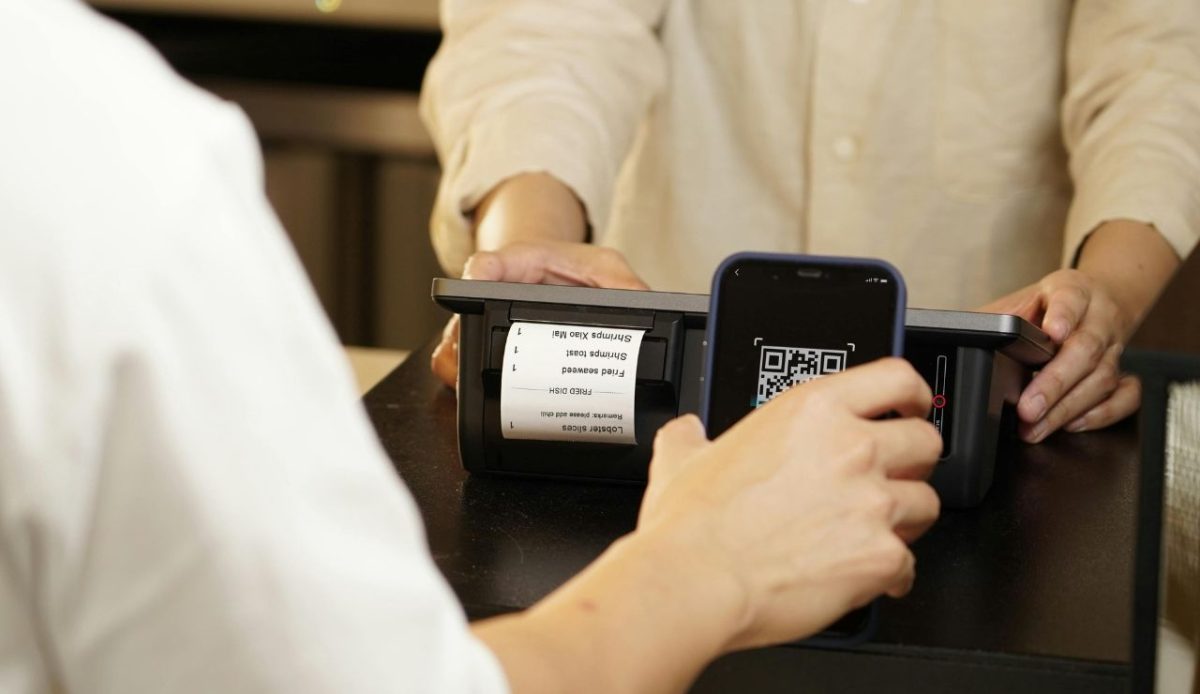
Automatic gratuities for bell service, room service, or large parties can be normal, but travelers dislike surprise add-ons. It feels misleading when a “service charge” is applied broadly, even when no specific staffed service was used.
Another confusion point is when a service charge is added and the receipt still suggests tipping, making guests worry they’ll double-pay. Clear labeling and an explanation of who receives the money make a big difference.
If you notice an automatic charge, ask whether it replaces a tip or is separate. For room service, check whether delivery fees, service charges, and taxes are all stacked, since those can add up fast on a single meal.
10. Administrative, processing, or “property fee” at checkout
Some bills include an administrative, processing, or generic “property fee” that doesn’t clearly match a service. Travelers call it misleading because it can look like a catch-all charge added after the advertised total.
Sometimes it covers payment handling, local compliance paperwork, or third-party booking costs. But when the description is vague, guests can’t tell whether it’s a duplicate of something already included.
These fees are especially frustrating because they’re hard to compare across hotels. If one appears, ask for a plain-language explanation and whether it was disclosed in the booking terms. Request a corrected folio if the hotel can’t justify the line item.
