
Hot springs offer travelers relaxation, stunning scenery, and natural healing waters, but not all are without risk. Some destinations require careful research due to unstable geothermal activity, extremely hot water, or environmental hazards. Understanding local conditions, guidelines, and safety measures ensures a secure and enjoyable experience. From volcanic landscapes to remote mountain pools and hidden geothermal spots, these ten destinations highlight the beauty and potential risks of hot springs. Travelers can soak safely while appreciating the unique geological, cultural, and historical context surrounding each site.
1. Blue Lagoon, Iceland
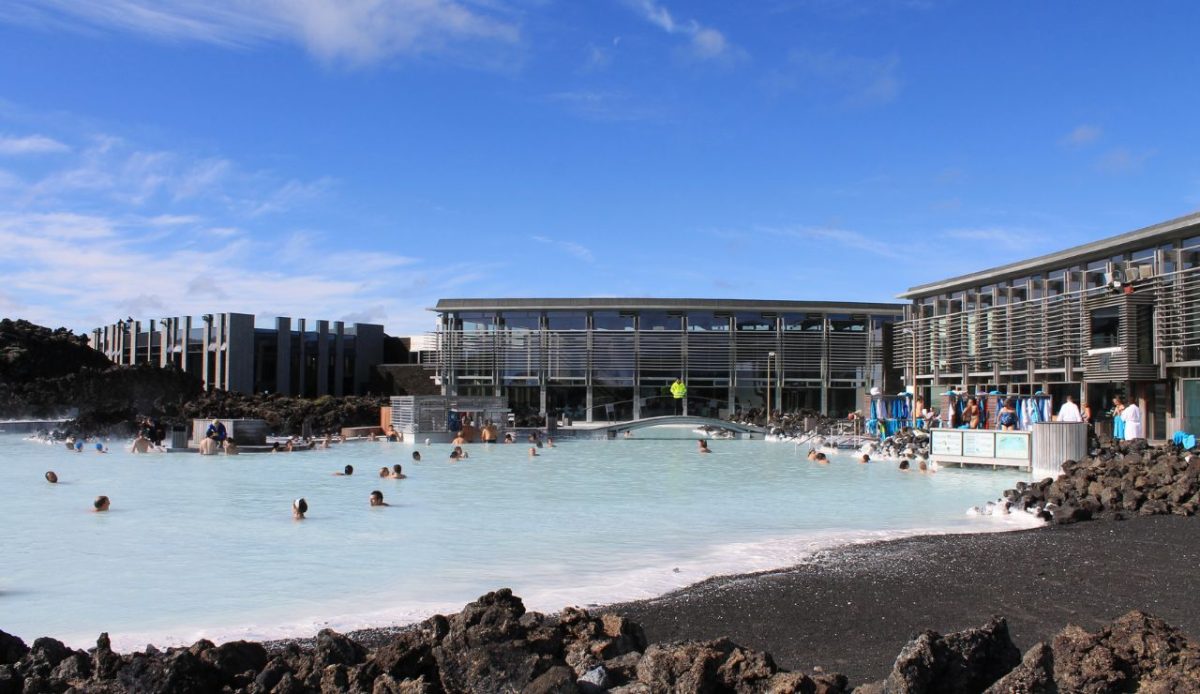
The Blue Lagoon in Iceland is a world-famous geothermal spa, known for its milky-blue waters and silica-rich mud. While safe for visitors, travelers should follow local guidelines regarding water depth, temperature, and bathing duration. The lagoon’s controlled environment reduces risk, but nearby volcanic activity underscores the importance of heeding safety warnings. Visitors enjoy spa treatments, warm waters, and dramatic lava field scenery. By researching safety precautions and respecting the rules, travelers can enjoy Iceland’s iconic hot spring destination while minimizing exposure to geothermal hazards.
2. Beppu Onsen, Japan
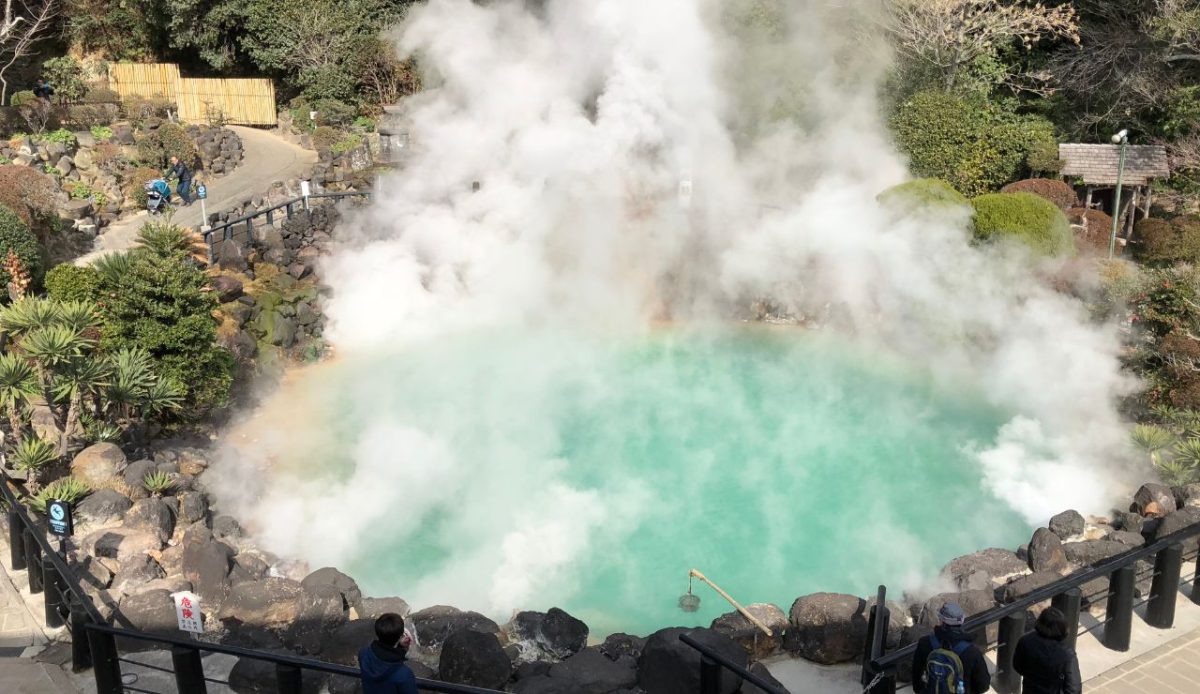
Beppu Onsen, located on Japan’s Kyushu Island, features dozens of hot springs, ranging from bubbling mud pools to steaming geysers. Many springs are safe for bathing, but some are extremely hot and unsuitable for direct use. Travelers should carefully consult local guides, posted signs, and staff advice to avoid hazards like scalding or unstable terrain. Traditional ryokan accommodations provide controlled access to thermal baths. Visiting Beppu offers cultural immersion, relaxation, and scenic beauty, but preparation and adherence to safety protocols are essential to fully enjoy this geothermal wonder responsibly.
3. Rotorua, New Zealand
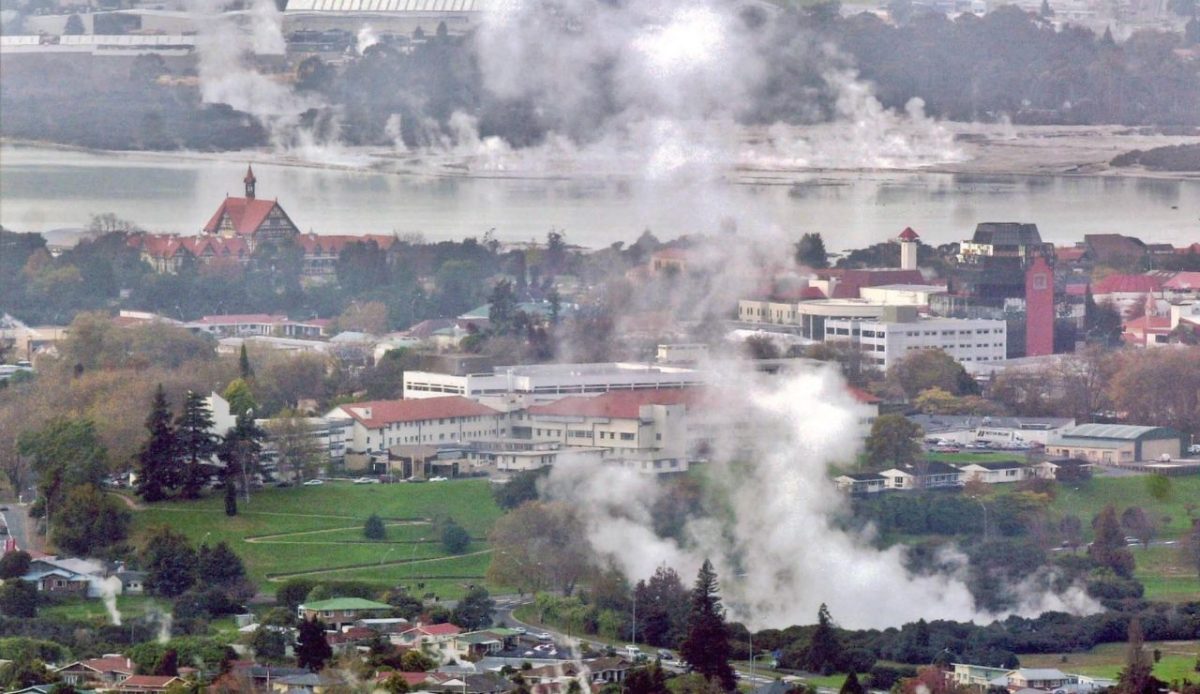
Rotorua is renowned for its geothermal activity, including hot springs, geysers, and mud pools, offering a wealth of natural wonders. While many thermal pools are safe for bathing, geothermal areas can be unpredictable, with varying temperatures, toxic gases, and unstable ground in some zones. Guided tours and clearly marked paths reduce risk, providing safe access to mineral-rich pools. Travelers can explore Maori culture, scenic landscapes, and therapeutic waters while following local advice. Researching conditions, wearing proper gear, and following guidelines ensure an enjoyable and secure visit to Rotorua’s unique geothermal features.
4. Pamukkale, Turkey
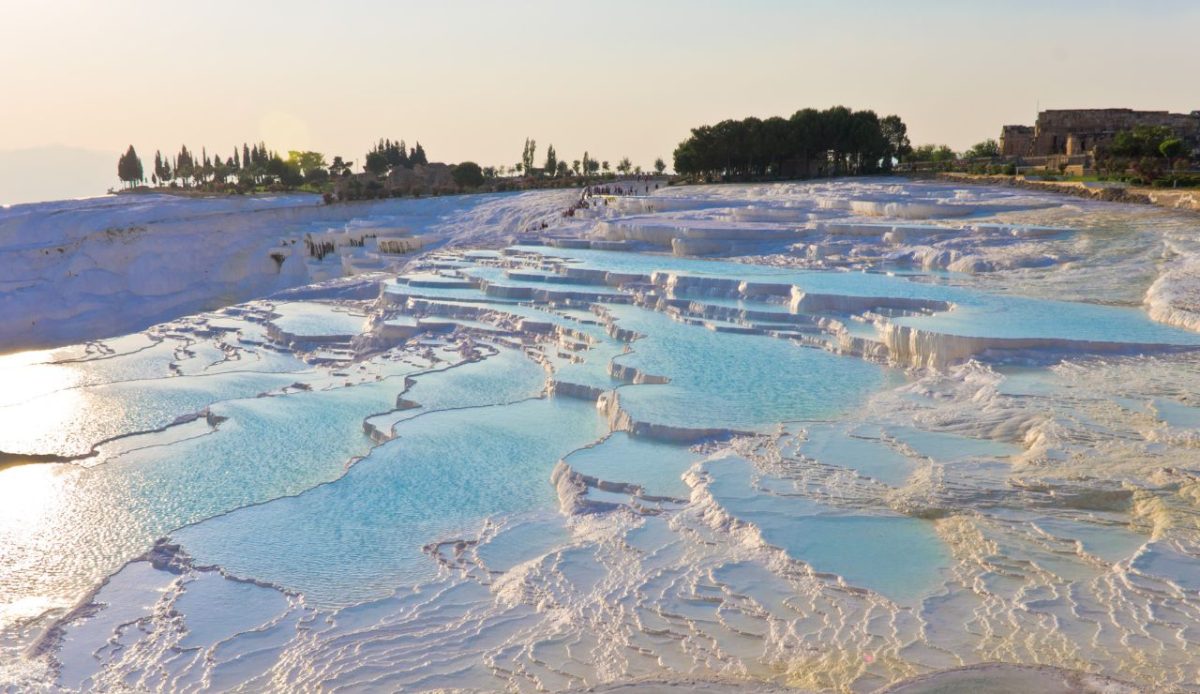
Pamukkale’s terraces of mineral-rich thermal waters are a UNESCO World Heritage Site, offering stunning natural beauty. While most pools are safe for wading, some areas have slippery surfaces or unstable mineral deposits. Visitors must follow designated walkways and respect rules to prevent accidents. The hot waters are famed for their therapeutic properties, attracting tourists seeking relaxation and wellness. By researching safety guidelines and practicing caution, travelers can experience Pamukkale’s iconic terraces, enjoying the warm waters and striking white limestone formations without compromising their safety.
5. Banff Upper Hot Springs, Canada
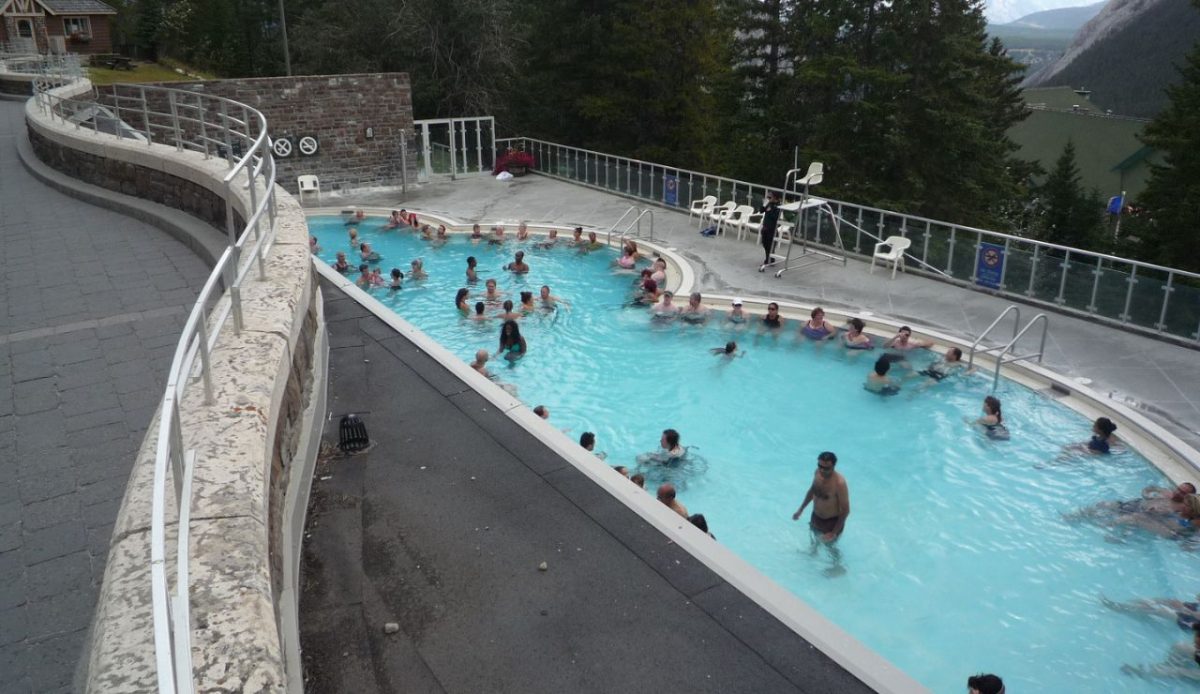
Banff Upper Hot Springs in the Canadian Rockies provides a safe, controlled environment for soaking in natural mineral waters. However, the surrounding mountainous terrain and fluctuating weather conditions require travelers to be prepared. Bathers should follow posted guidelines regarding temperature limits and pool usage. The hot springs offer stunning alpine views, combining relaxation with majestic scenery. Researching local safety tips, such as proper attire and avoiding dehydration, ensures visitors enjoy this destination without risk, while appreciating the therapeutic benefits and spectacular surroundings.
6. Arenal Hot Springs, Costa Rica
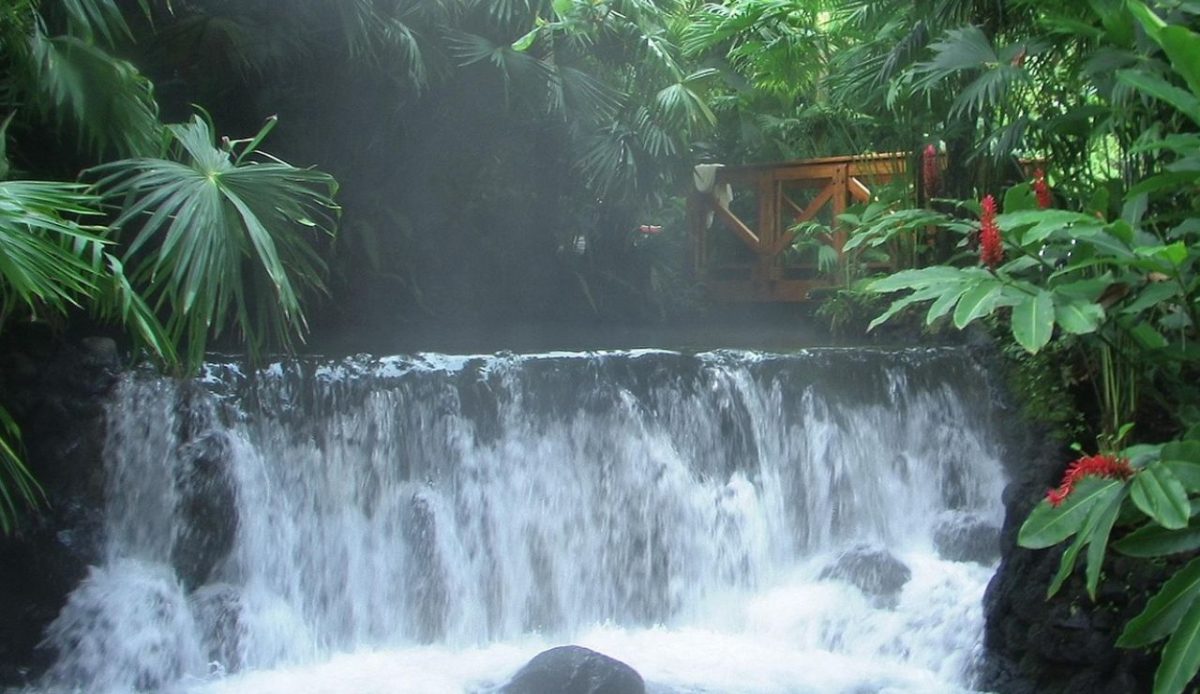
Arenal Hot Springs, near the Arenal Volcano, offers mineral-rich waters surrounded by lush rainforest. While pools are safe, the active volcano and uneven terrain demand attention to safety protocols. Travelers should stick to designated areas, follow staff instructions, and avoid wandering into unstable zones. Soaking in thermal waters, enjoying spa treatments, and observing wildlife are highlights of a visit. By researching potential hazards and respecting safety rules, visitors can experience Costa Rica’s geothermal beauty while minimizing risk, combining relaxation with adventure in a tropical mountain setting.
7. Saturnia Hot Springs, Italy
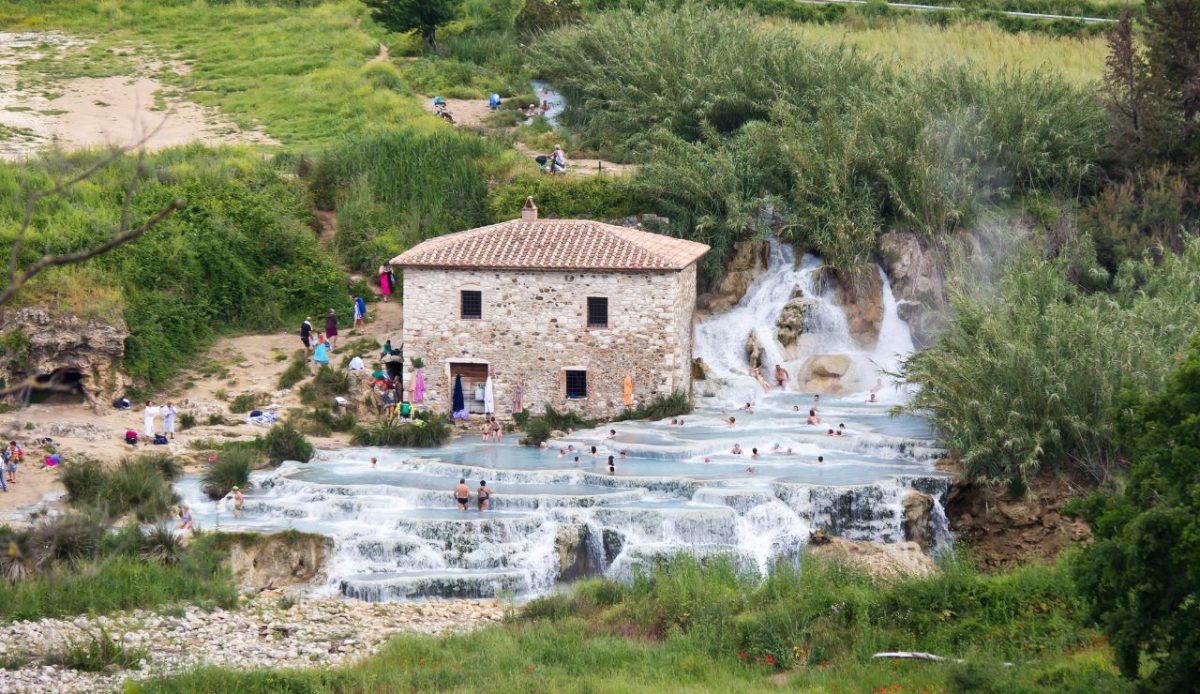
Saturnia in Tuscany is famous for its natural sulfuric thermal waters cascading into terraces. While generally safe, travelers should exercise caution around slippery rocks and uneven surfaces. Water temperatures can vary, so testing before immersion is advised. Local guidelines ensure visitor safety and preservation of this delicate environment. The hot springs offer therapeutic benefits, scenic views, and a serene atmosphere. Researching proper access points and safety precautions allows travelers to enjoy Saturnia’s natural baths, combining wellness, relaxation, and the stunning Italian countryside responsibly.
8. Chena Hot Springs, Alaska, USA
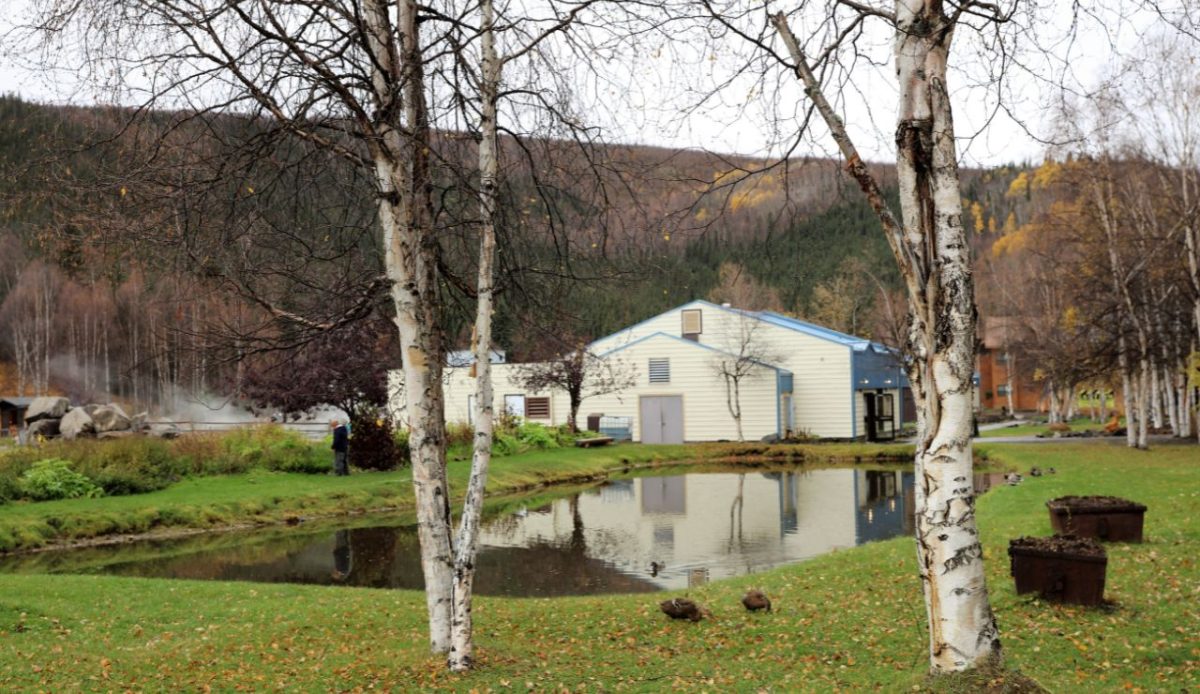
Chena Hot Springs in Alaska offers geothermal pools amidst snowy landscapes, attracting visitors seeking a unique warm-water experience. While maintained for safety, extreme winter conditions require preparation, including appropriate clothing and caution on icy paths. Soaking in mineral-rich waters while viewing the Northern Lights is a rare experience, but travelers must follow safety instructions to avoid hypothermia or slips. Researching weather conditions and site-specific guidance ensures a safe visit, allowing guests to enjoy Alaska’s unique combination of hot springs, natural beauty, and adventure without undue risk.
9. Rotorua Mud Pools, New Zealand
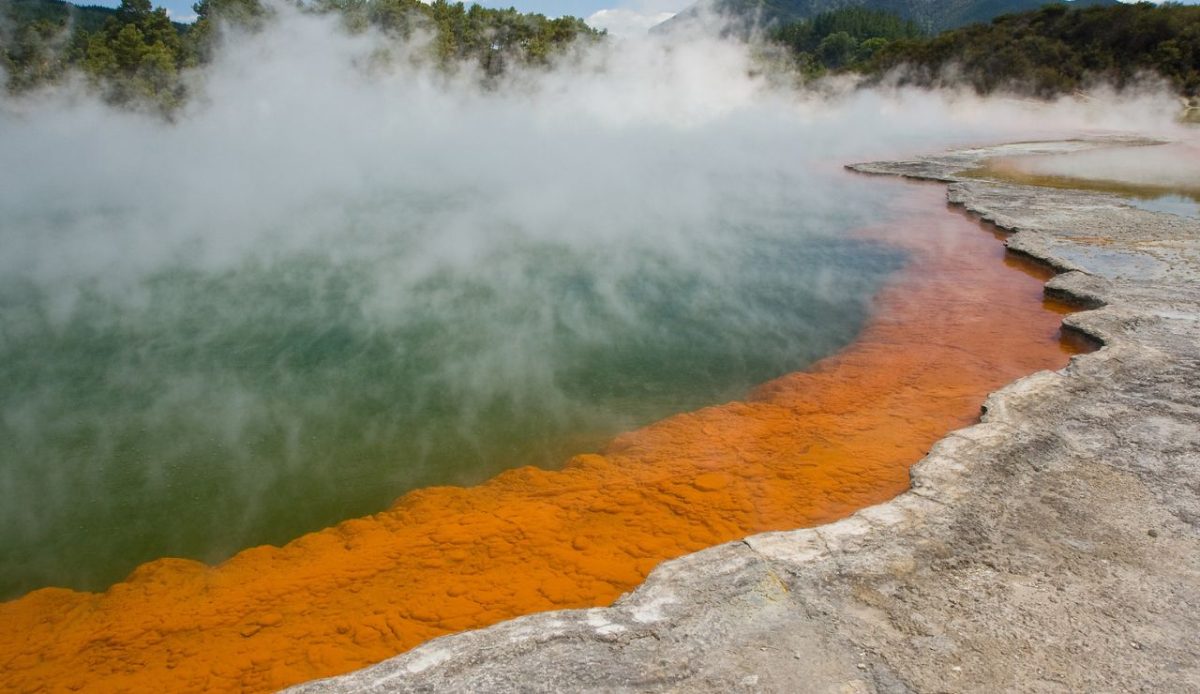
Rotorua’s mud pools provide a more adventurous hot spring experience with bubbling clay and mineral-rich mud. While engaging, these pools can be dangerously hot or acidic. Travelers should follow signs and avoid entering uncontrolled areas. Guided tours and boardwalks ensure safe access while preserving natural formations. The mud baths offer unique therapeutic and cultural experiences linked to Maori heritage. Researching site-specific hazards and adhering to safety measures allows visitors to safely enjoy these geothermal wonders, combining fun, health benefits, and the thrill of witnessing raw volcanic activity.
10. Reykjadalur Hot River, Iceland
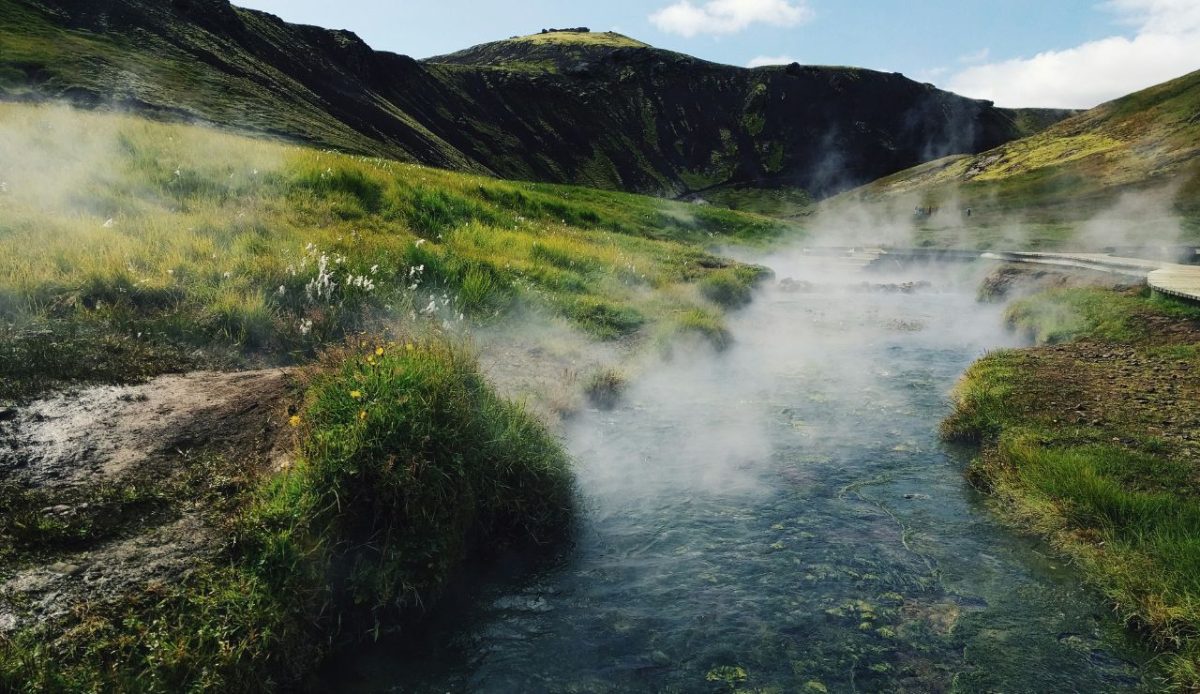
Reykjadalur, or “Steam Valley,” features a natural hot river heated by geothermal activity, offering a scenic hike and soaking opportunity. While the waters are generally safe, temperatures vary, and some areas can be dangerously hot. Hikers should wear appropriate footwear, follow marked trails, and test water temperature before entering. The valley’s volcanic scenery, hot springs, and green landscapes create a memorable experience. Researching trail conditions and safety guidelines ensures travelers can safely enjoy Iceland’s natural hot river, combining adventure, relaxation, and breathtaking landscapes responsibly.
