
In an age of surveillance cameras, political unrest, and social distrust, paranoia has become a defining feature of modern urban life. Some cities watch their residents more closely than others, driven by fears of crime, terrorism, or instability. While safety is the goal, the constant sense of being observed changes how people live and interact. From over-policed capitals to tech-driven monitoring zones, these global cities reveal what happens when caution turns into a way of life.
1. Beijing, China
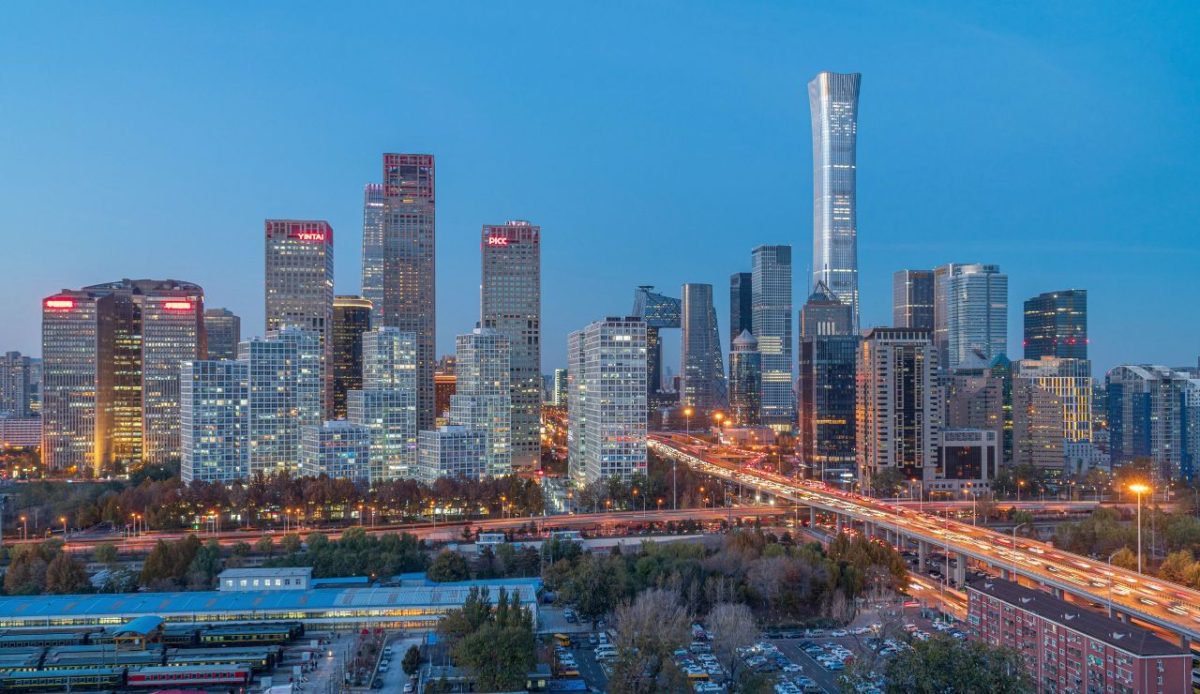
Beijing is one of the most heavily surveilled cities in the world, with millions of cameras tracking movement daily. Facial recognition technology monitors subway stations, neighborhoods, and even school grounds. While officials frame it as a public safety measure, residents often feel constantly observed. Combined with strict internet controls and real-time data tracking, Beijing’s digital vigilance has turned everyday activities, even crossing the street, into acts of quiet awareness.
2. London, United Kingdom
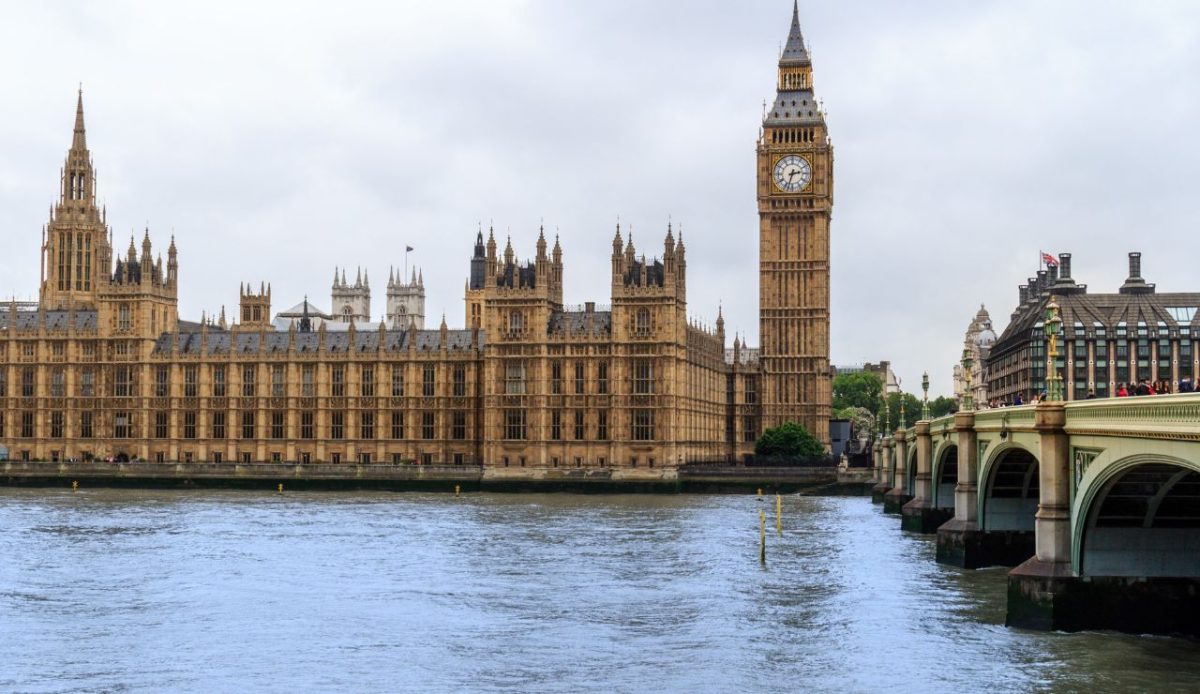
London’s famous CCTV network makes it one of the most-watched cities on Earth. With nearly a million cameras scattered across streets, buses, and stores, residents joke they’re never out of frame. After decades of terror alerts and public safety campaigns, London’s caution culture runs deep. While most Londoners accept surveillance as part of life, visitors often feel its subtle tension, an invisible reminder that privacy here is limited and conditional.
3. New York City, USA
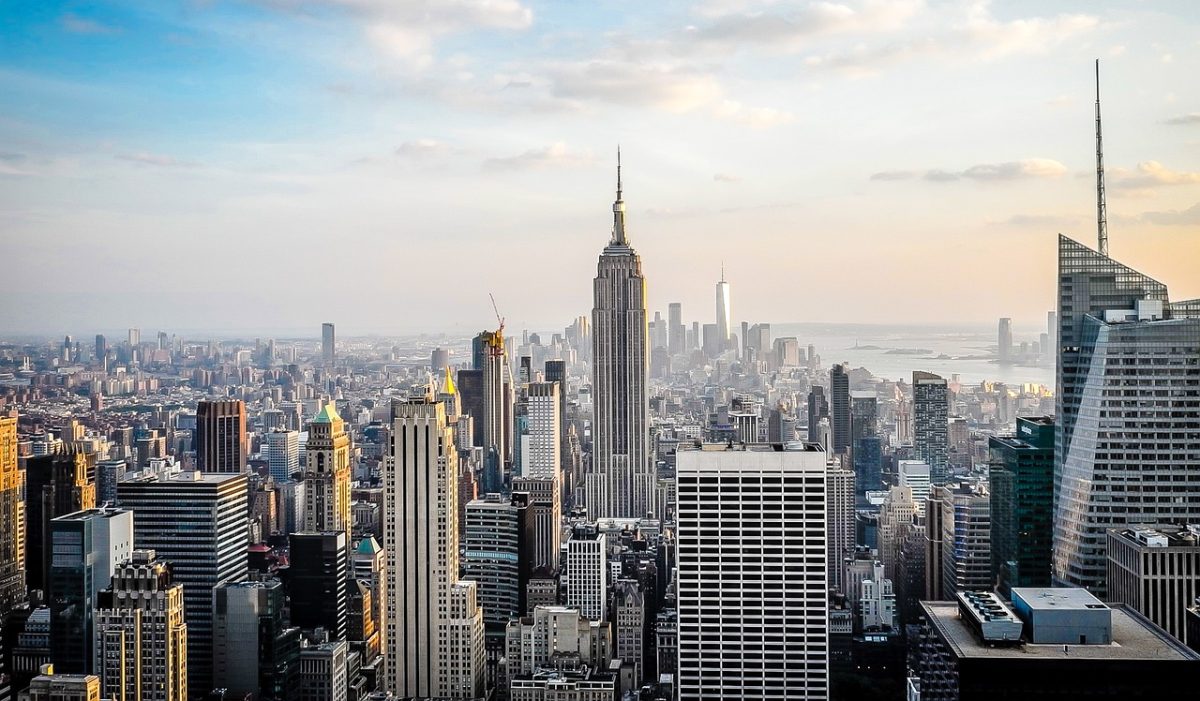
Post-9/11, New York became one of the most closely watched cities on Earth. Cameras, police drones, and sensors feed into the NYPD’s massive Domain Awareness System, tracking cars, faces, and even crowd movement in real time. Safety measures are everywhere, from subway platforms to skyscraper lobbies. While many residents find comfort in the protection, others see it as a quiet invasion. Life in New York moves fast, but behind the noise, there’s always an unseen observer.
4. Moscow, Russia
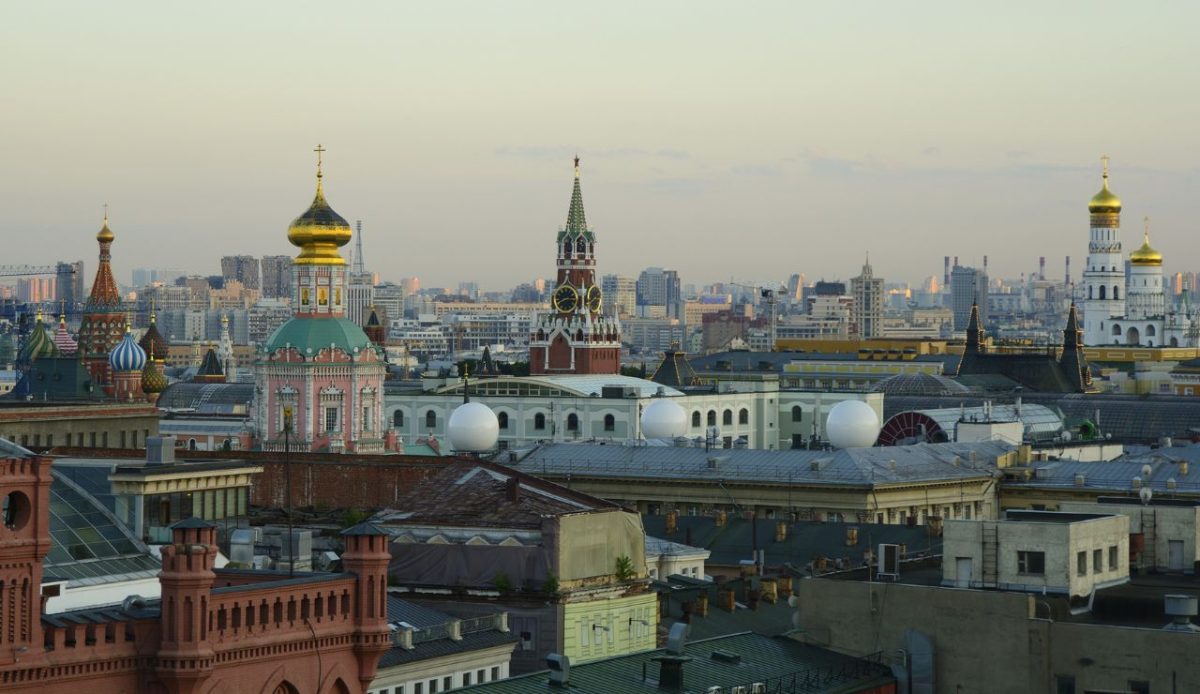
Moscow’s surveillance expansion has transformed its streets into zones of quiet scrutiny. Thousands of facial recognition cameras track public movement, and authorities use digital tools to monitor social media and protests. Years of political tension have fueled a culture of caution, where residents often self-censor and avoid public dissent. While the city remains vibrant and beautiful, beneath the surface lies a constant unease, one built on decades of control and suspicion.
5. Tel Aviv, Israel
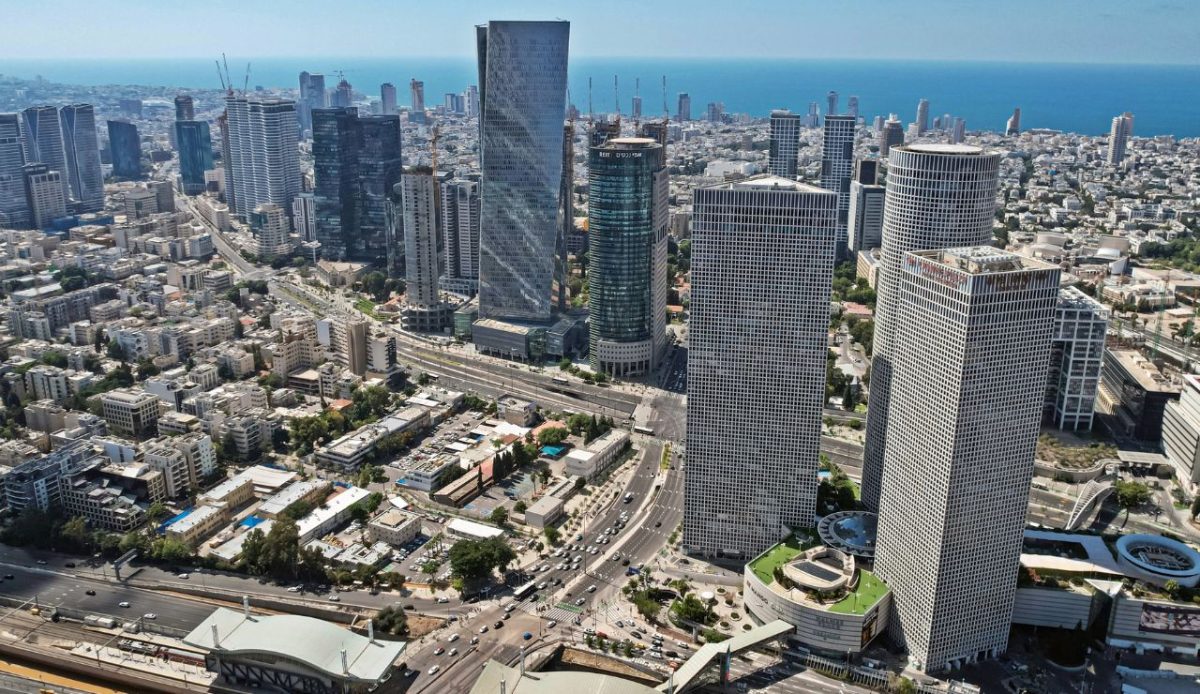
In Tel Aviv, security isn’t optional; it’s instinct. Surrounded by regional tension, the city maintains a constant watchful rhythm. Armed guards stand at malls, hotels, and train stations, and bag checks are routine even at cafés. Yet beneath the alertness, life thrives: beaches buzz, nightlife roars, and creativity flourishes. Locals adapt with resilience, balancing freedom and fear seamlessly. In Tel Aviv, vigilance has become second nature, a survival habit woven into everyday joy.
6. Tokyo, Japan
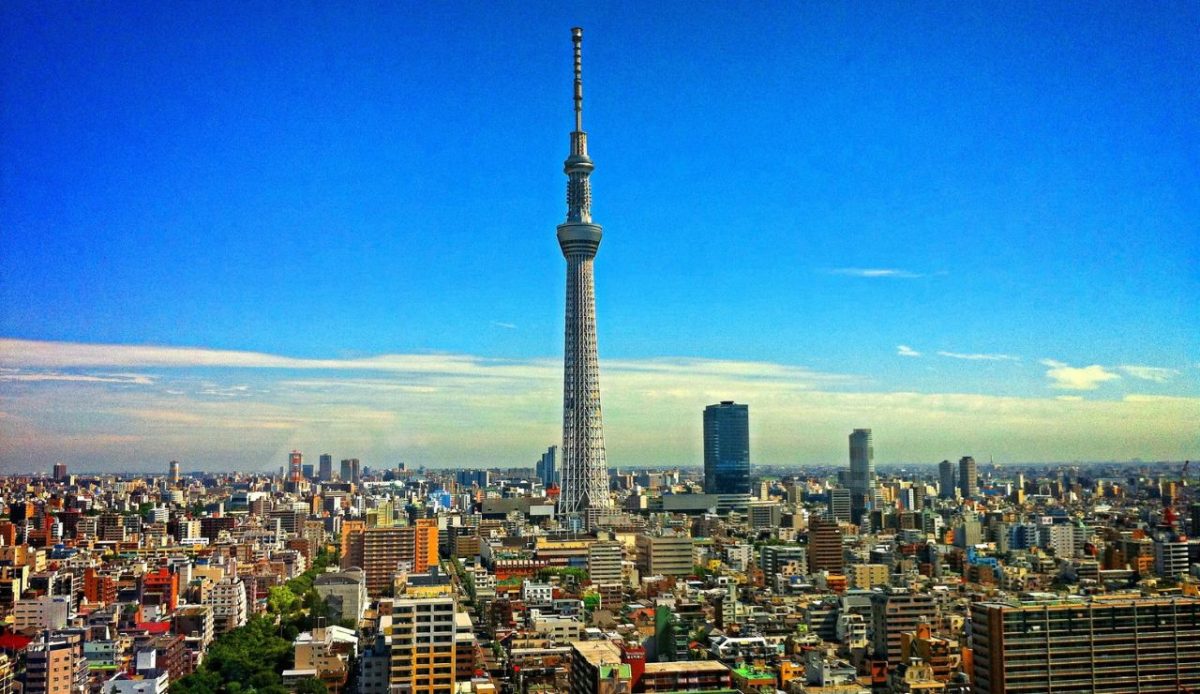
Tokyo’s paranoia is quiet and cultural rather than political. Safety and order are prized so highly that social pressure creates its own invisible surveillance. Cameras are common, but the deeper watchfulness comes from collective discipline, an unspoken expectation to conform and avoid disruption. From subway etiquette to neighborhood watch groups, Tokyo’s caution isn’t fear-based; it’s built on harmony. Yet for outsiders, that constant awareness can still feel suffocating.
7. Washington, D.C., USA
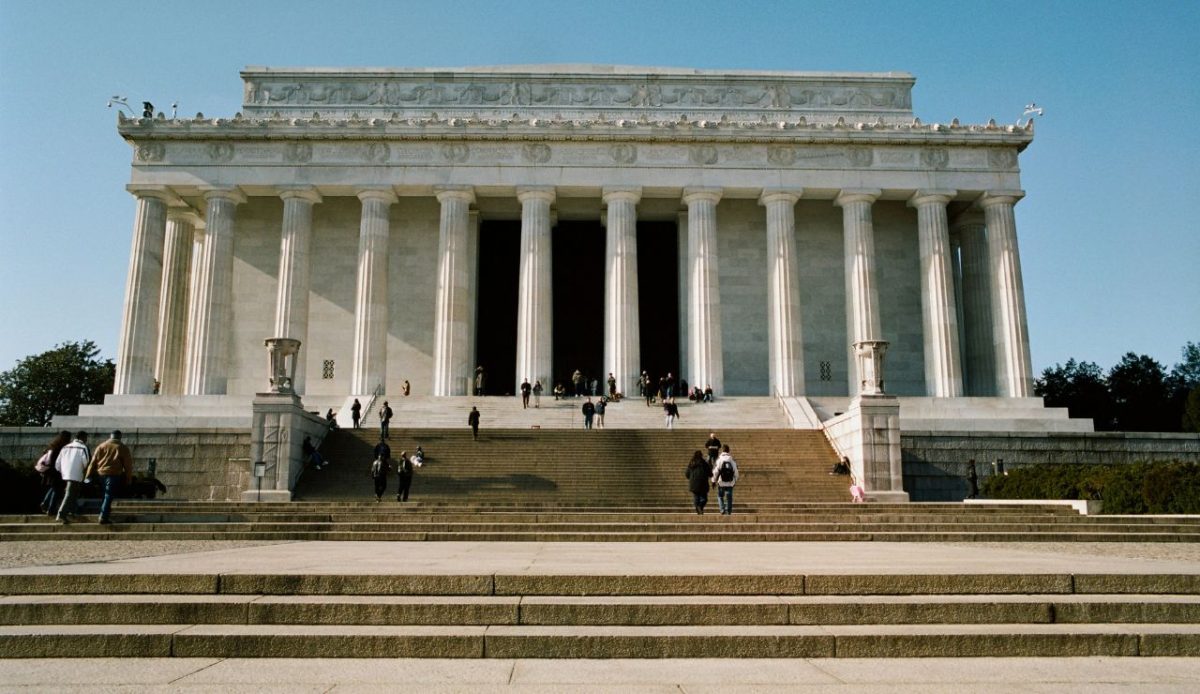
As the seat of American power, Washington, D.C., operates under perpetual scrutiny. Streets near federal buildings are lined with barriers, checkpoints, and surveillance systems. Locals grow accustomed to security sweeps and restricted zones, while visitors feel the tension between openness and control. The city’s political pulse keeps it on edge, where protests, espionage fears, and tight security coexist. D.C.’s paranoia isn’t imagined; it’s a reflection of its global significance.
8. Hong Kong
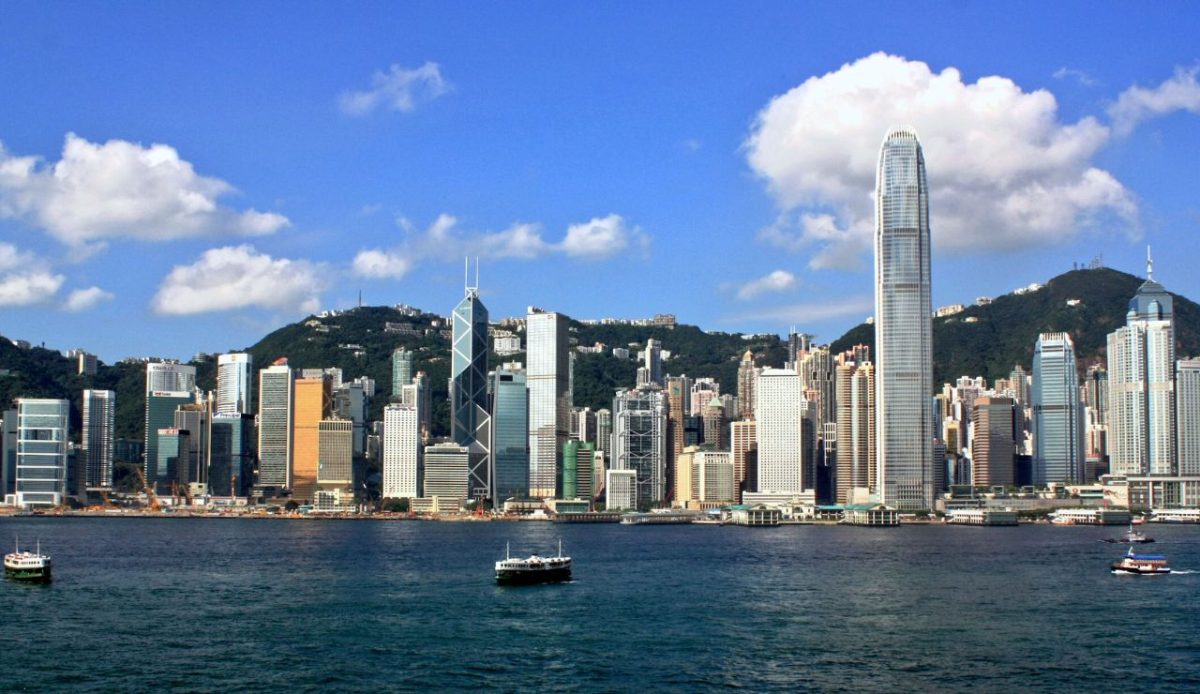
Once a symbol of open exchange, Hong Kong now lives under a new lens of control. Cameras blanket intersections, shopping districts, and public transport hubs, while online monitoring has intensified since political protests reshaped its streets. Conversations are quieter, expressions more cautious, as trust erodes between citizens and authority. The city still dazzles with its skyline and efficiency, but many residents feel its soul under constant watch, freedom replaced by careful calculation.
9. Dubai, United Arab Emirates
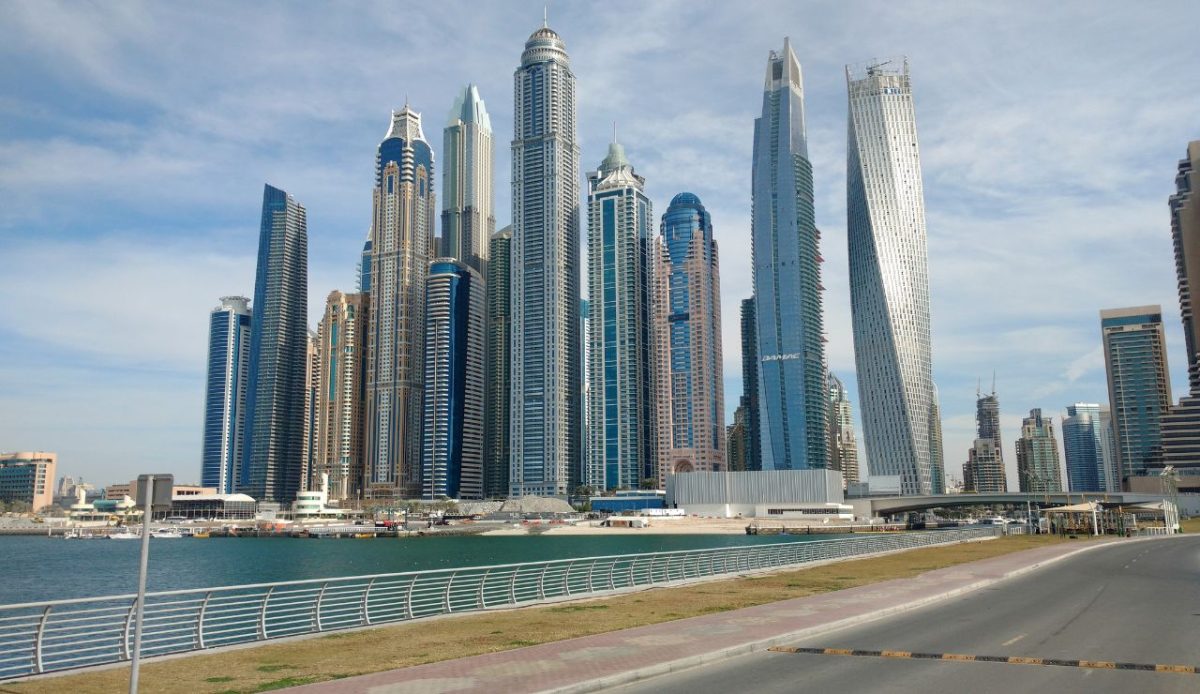
Dubai’s glittering skyline hides one of the world’s most tightly controlled environments. Every corner is monitored, from smart traffic cameras to biometric airport systems. While crime rates are impressively low, the tradeoff is constant observation. Speech, online behavior, and even attire can attract attention. Tourists marvel at the safety, but residents know it comes with limits. In Dubai, order reigns, and privacy quietly disappears behind luxury.
10. Seoul, South Korea
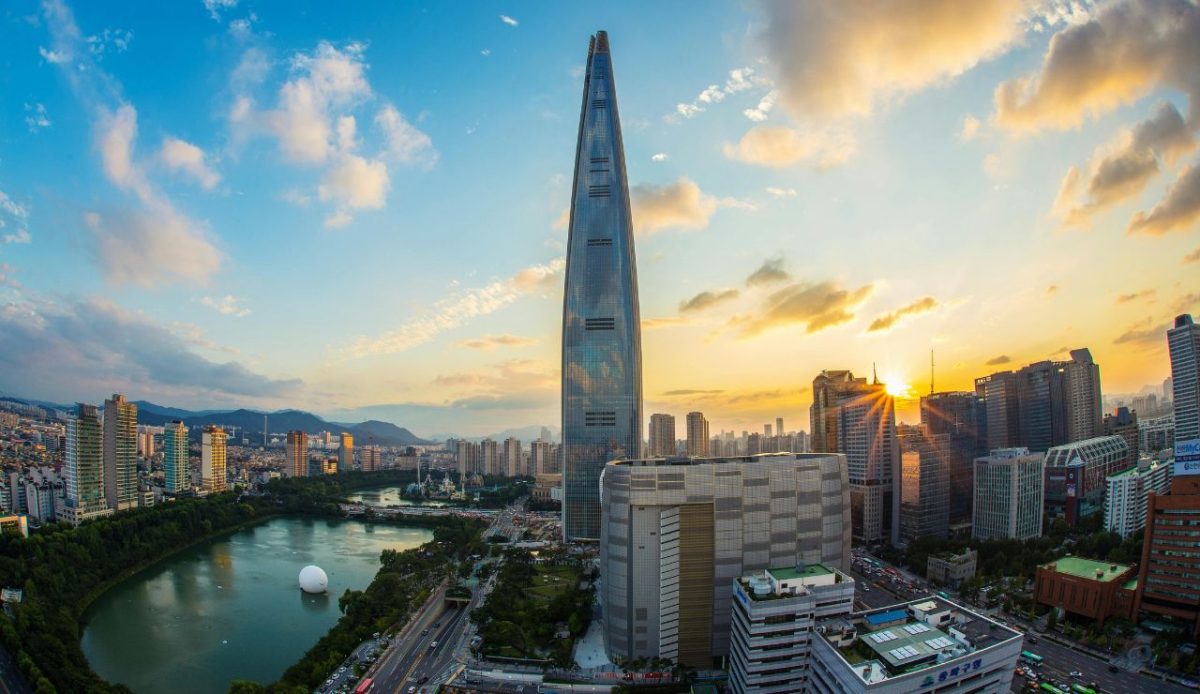
Seoul’s obsession with safety and reputation has created an atmosphere of digital hyper-awareness. From ubiquitous security cameras to social media monitoring, image and behavior are constantly under review. The pressure extends beyond government surveillance; even neighbors watch each other online. Though it’s one of the world’s safest cities, anxiety runs deep. Seoul’s paranoia is subtle but real, rooted in a culture where privacy often yields to perfection.
