
Checking in for a flight may seem simple, but small mistakes during this step can result in lost seats, denied boarding, or expensive rebooking fees. Travel experts warn that airlines strictly enforce check-in rules, especially on full flights where overbooking is common. Missing deadlines, choosing the wrong check-in option, or failing to confirm details can put travelers at risk. Understanding airline policies, timing requirements, and digital check-in systems helps protect your seat. These ten common check-in mistakes explain how travelers lose seats, and what you can do to avoid unnecessary stress at the airport.
1. Waiting Until the Last Minute to Check In
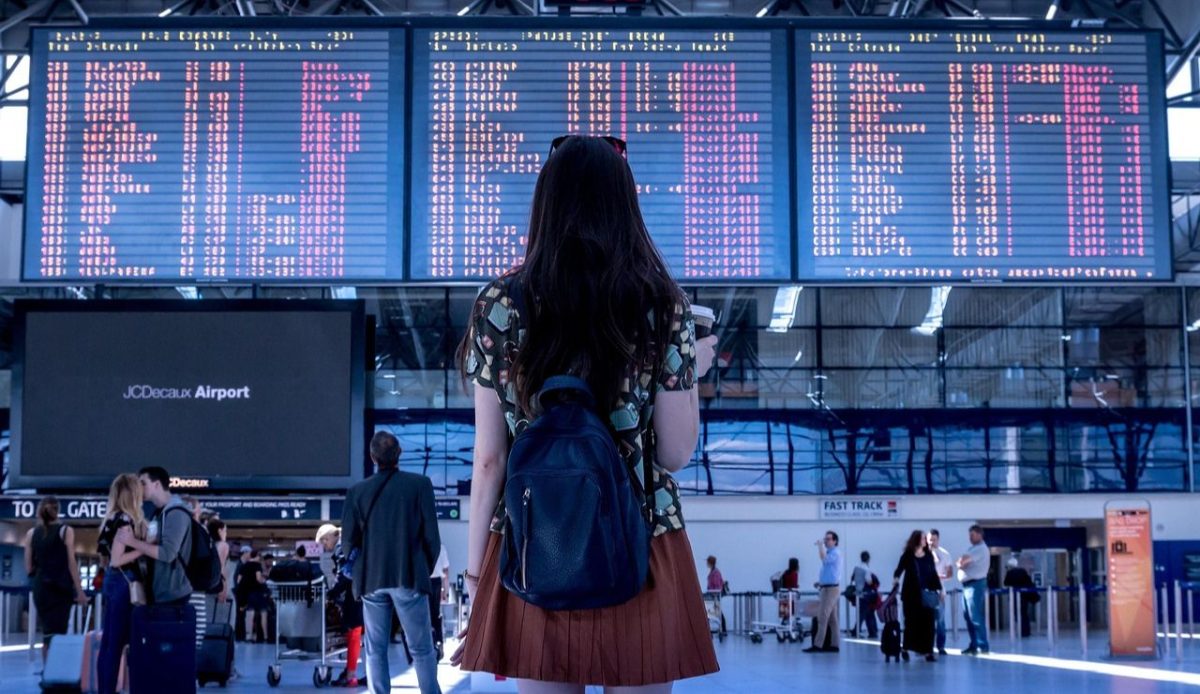
Many travelers assume they can check in right before boarding, but airlines often close check-in windows well before departure. If you miss the cutoff, typically 30 to 60 minutes before takeoff, you may be considered a no-show. On busy flights, airlines can reassign your seat to standby passengers. Checking in early confirms your intent to fly and secures your seat assignment. Experts recommend checking in online as soon as it opens, typically 24 hours before departure, to avoid technical issues, long lines, or unexpected delays that could result in losing your place on the plane, thereby ensuring peace of mind.
2. Ignoring Online Check-In Availability
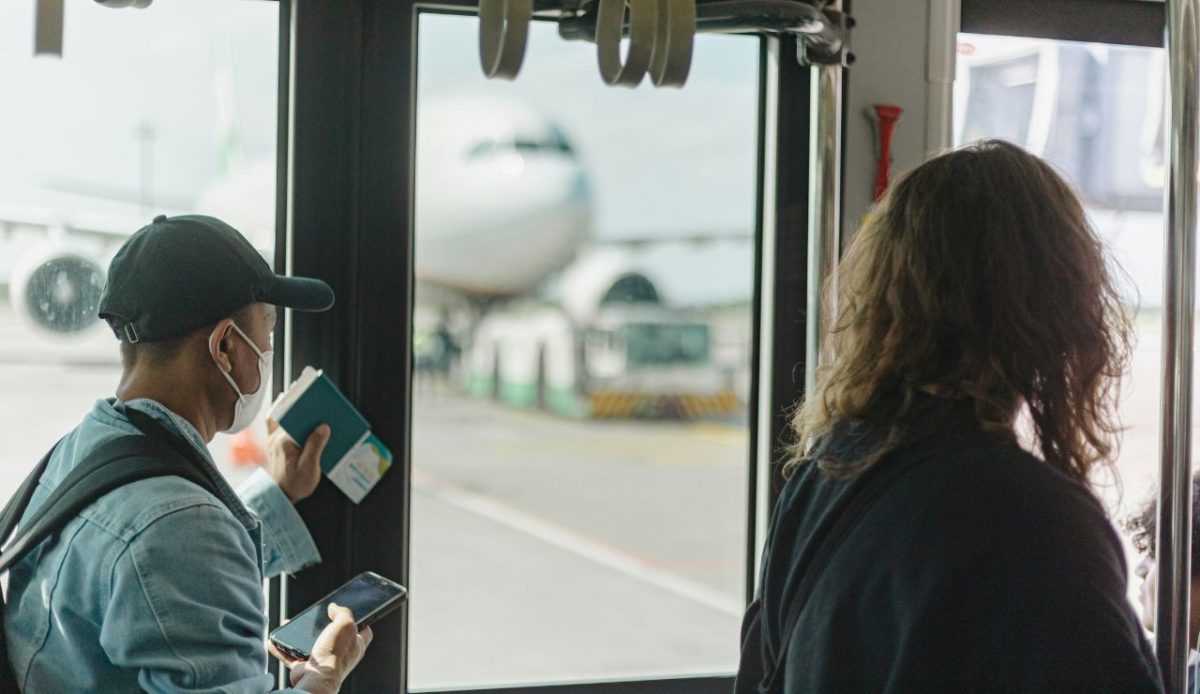
Some travelers skip online check-in, assuming airport counters are safer. In reality, online check-in often protects your seat earlier in the process. Airlines prioritize passengers who check in digitally, especially on oversold flights. If you wait to check in at the airport, you may be placed lower on the boarding priority list. Online check-in also allows you to spot errors, seat changes, or schedule updates ahead of time. Travel experts recommend using online check-in whenever possible to reduce risk, save time, and maintain better control over your reservation, giving you confidence before arriving at the airport.
3. Missing Airline-Specific Check-In Deadlines
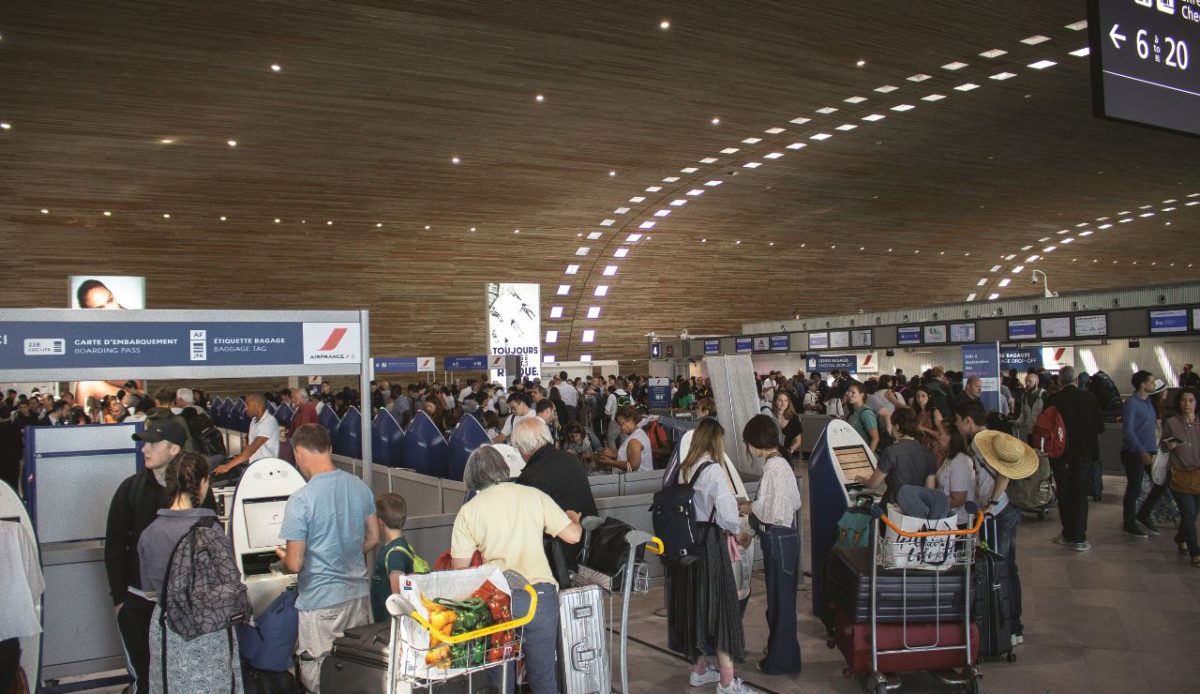
Each airline sets its own check-in deadlines, which vary by route and airport. International flights often require earlier check-in than domestic ones. Travelers who assume all airlines follow the same rules may arrive too late and lose their seats. Some carriers close the bag drop or counter check-in much earlier than boarding time. Experts advise checking your airline’s policies in advance and planning arrival times accordingly. Knowing the exact cutoff protects you from being denied boarding, even if you arrive at the airport with time to spare, and ensures smooth navigation through airport procedures.
4. Not Confirming Seat Assignments After Check-In
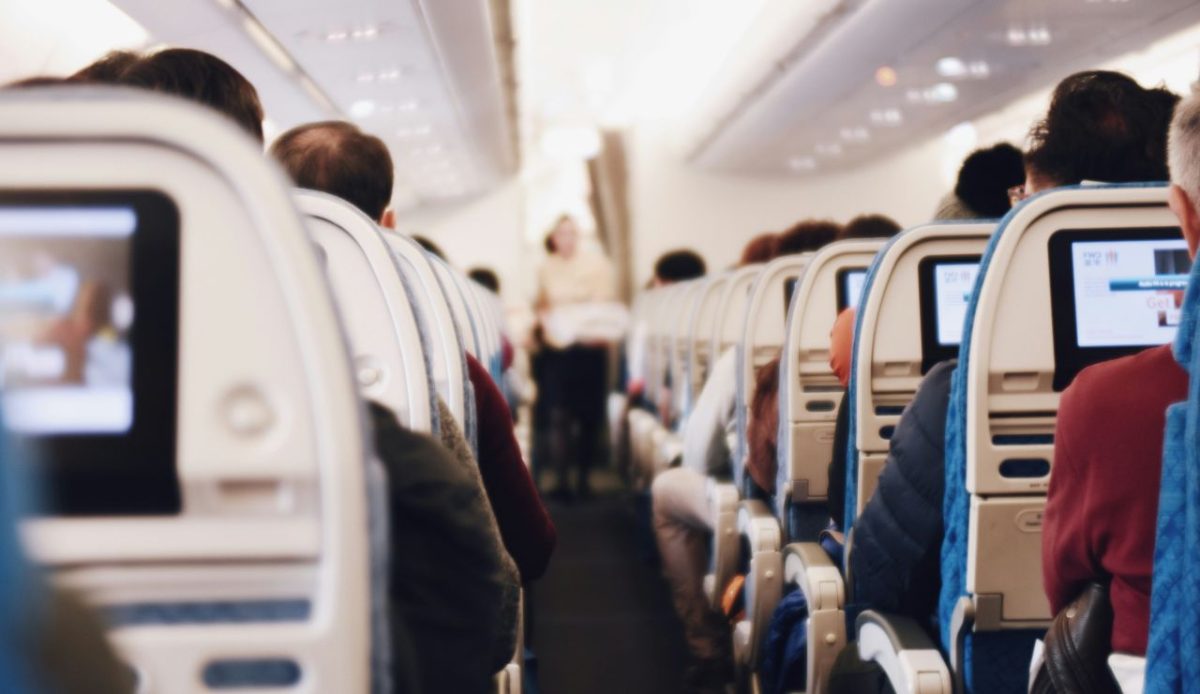
Checking in does not always guarantee your preferred seat. Airlines may change seat assignments due to aircraft swaps or operational needs. Travelers who fail to confirm their seat after check-in may find themselves reassigned or separated from companions. On full flights, unconfirmed seats may be redistributed. Experts recommend reviewing your boarding pass immediately after check-in and again before departure. Confirming seat details early allows time to address changes with the airline before boarding, reducing the chance of last-minute surprises that could affect your comfort or seating status.
5. Skipping Mobile App Notifications

Many airlines communicate important check-in updates through their mobile apps. Travelers who don’t enable notifications may miss alerts about gate changes, seat reassignments, or check-in issues. In some cases, airlines request immediate action to keep a seat confirmed. Missing these messages can result in forfeited seating. Travel experts suggest downloading airline apps and allowing notifications before travel day. Staying informed helps you respond quickly to changes, confirm details, and protect your reservation. Ignoring app alerts increases the risk of missing critical updates that affect your seat.
6. Checking in With Incorrect Passenger Information
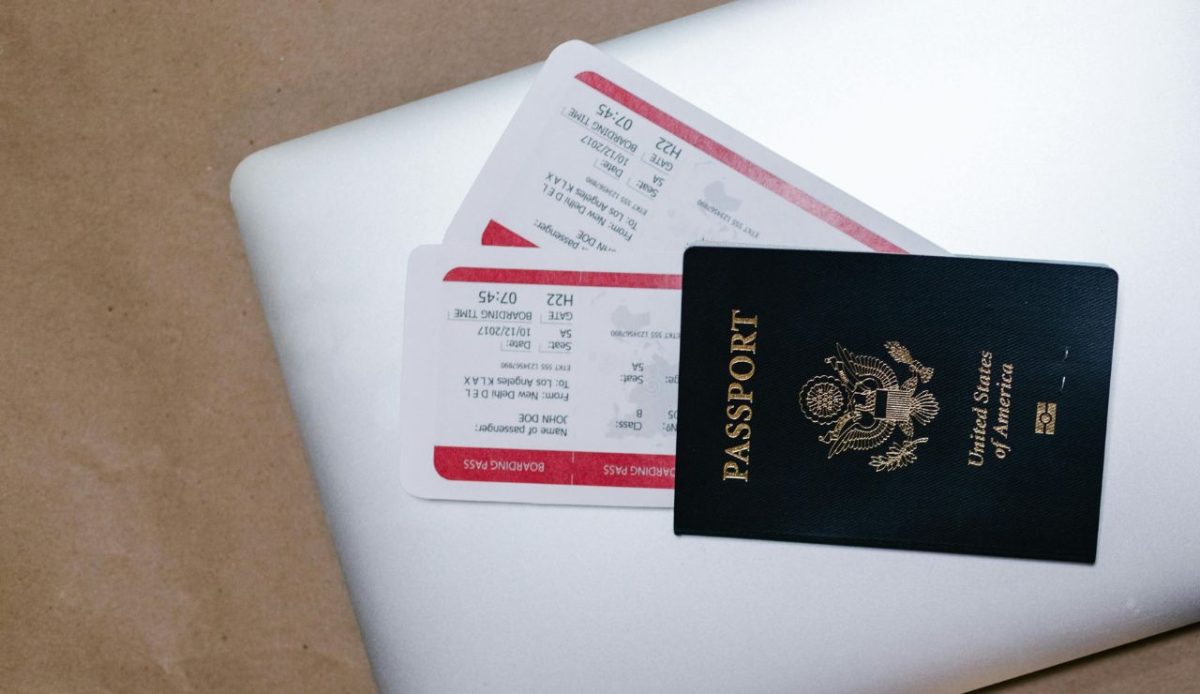
Small errors during check-in, such as misspelled names or incorrect document details, can cause serious problems. Airlines require passenger information to match identification exactly. Discrepancies may prevent boarding or trigger extra verification steps. Travelers sometimes rush through check-in without reviewing details carefully. Experts advise double-checking all personal information before finalizing check-in. Fixing mistakes early is far easier than resolving them at the airport. Accurate details ensure smooth boarding, reduce delays, and prevent the risk of losing your seat due to documentation issues.
7. Forgetting to Complete Passport or Visa Verification
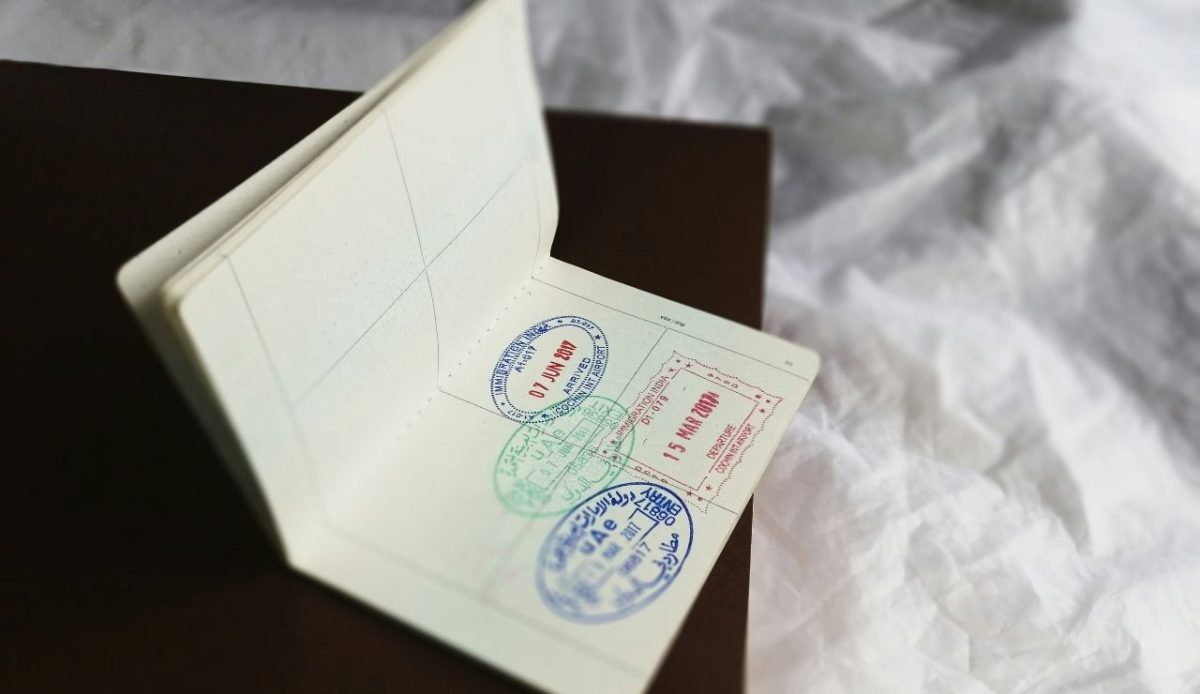
For international flights, some airlines require additional document verification during check-in. Travelers who skip this step may be unable to board, even if checked in online. Passport expiration rules and visa requirements vary by destination. Experts warn that incomplete verification can result in denied boarding at the gate or extra processing delays. Completing all required document checks early allows time to resolve issues calmly. Confirming travel eligibility during check-in protects your seat and prevents last-minute cancellations that airlines may enforce if documentation requirements are not met.
8. Assuming Group Check-In Covers Everyone
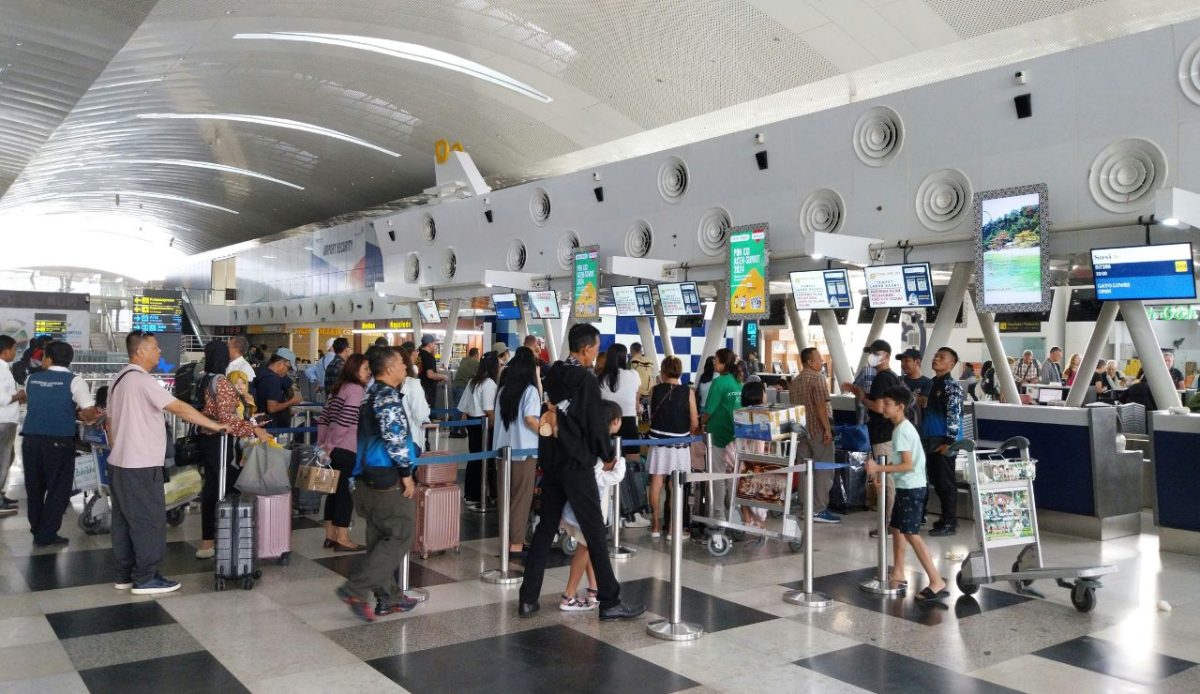
Families or groups sometimes assume one person’s check-in covers all travelers. However, errors can occur if individual confirmations are missed. If one traveler is not properly checked in, their seat may be released or reassigned. Experts recommend verifying each passenger’s boarding pass individually, even when traveling together. Reviewing names, seat numbers, and check-in status prevents accidental no-shows or confusion at the gate. Ensuring every traveler is fully checked in protects group seating and avoids unexpected separation or denied boarding due to incomplete check-in records. This step is especially important for large groups.
9. Ignoring Overbooking Warnings
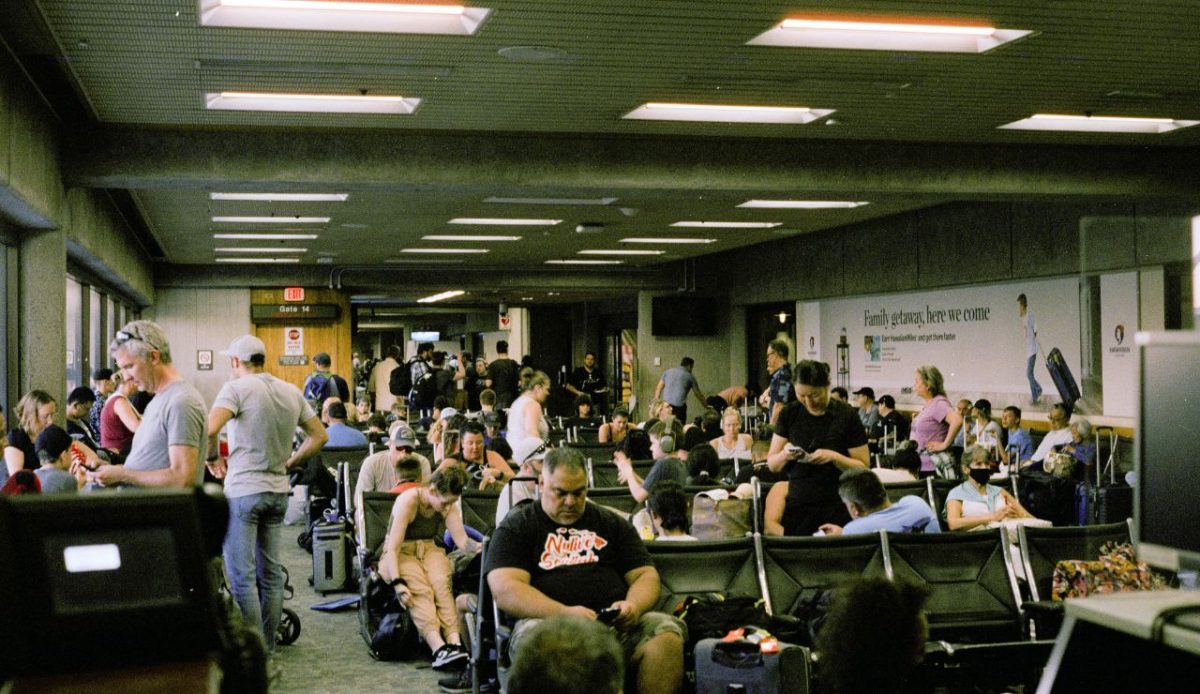
Airlines routinely overbook flights, counting on some passengers not to show up. Travelers who check in late or fail to confirm seats are more likely to be bumped or reassigned. Experts advise paying attention to overbooking notices and checking in as early as possible. Early check-in signals commitment to travel and improves boarding priority. Ignoring overbooking risks can result in losing your seat, especially on popular routes or during peak travel seasons. Understanding how airlines manage capacity helps travelers take proactive steps to secure their place on crowded flights and avoid unnecessary stress.
10. Not Printing or Saving Boarding Passes Properly
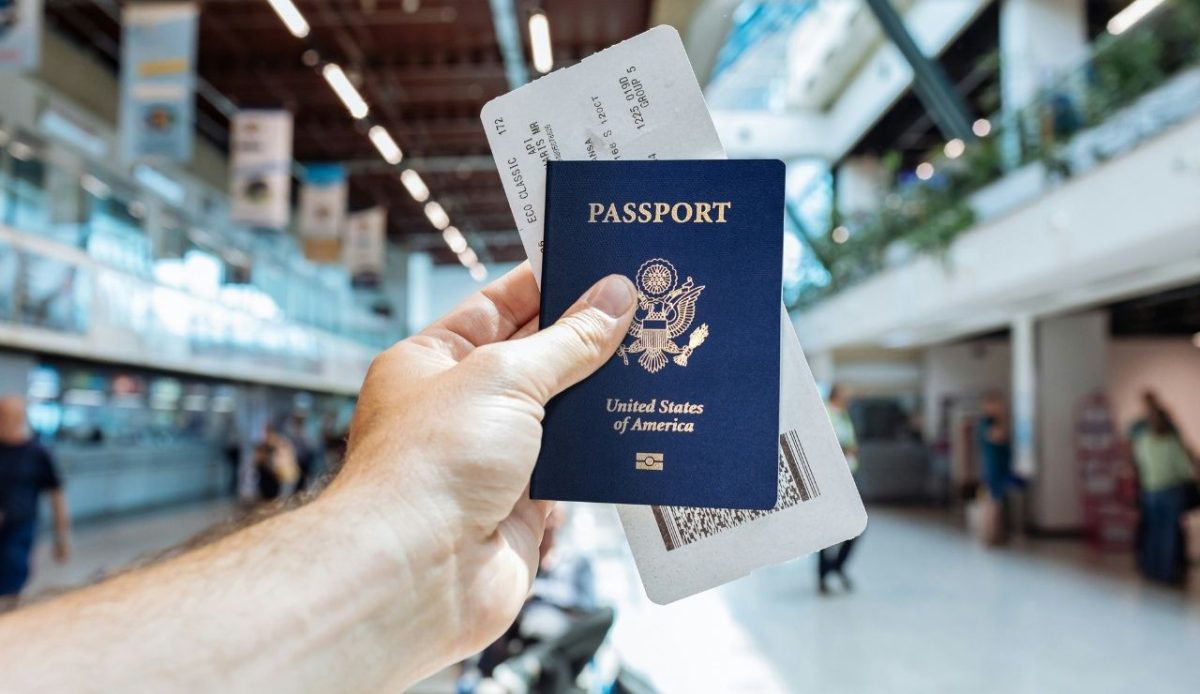
Relying solely on digital boarding passes without backups can cause issues if phones die, apps malfunction, or connectivity is lost. Travelers who cannot present a valid boarding pass may face delays, denied boarding, or missed flights. Experts recommend saving boarding passes offline or printing copies when possible. Having immediate access prevents last-minute panic and ensures smooth boarding. Prepared travelers reduce the chance of missing boarding calls or losing seats due to technical problems during the final stages of check-in and boarding. A printed or saved backup is a simple precaution that saves time and stress.
