
Wildfire risk is part of hiking in many regions in 2026, and the biggest danger is getting surprised by how fast heat, wind, and terrain change conditions. This guide breaks down common “fire trap” situations hikers run into, plus the simple choices that reduce exposure.
None of these hazards require flames to be right next to you, smoke, embers, and sudden wind shifts can cut off a trail faster than people expect. Knowing what to watch for helps you turn around early.
Use this as a planning checklist: check local fire alerts, understand the landscape you’re entering, and treat any sign of active fire activity as a cue to leave, before you start.
1. Wind-Driven Ridge Corridors
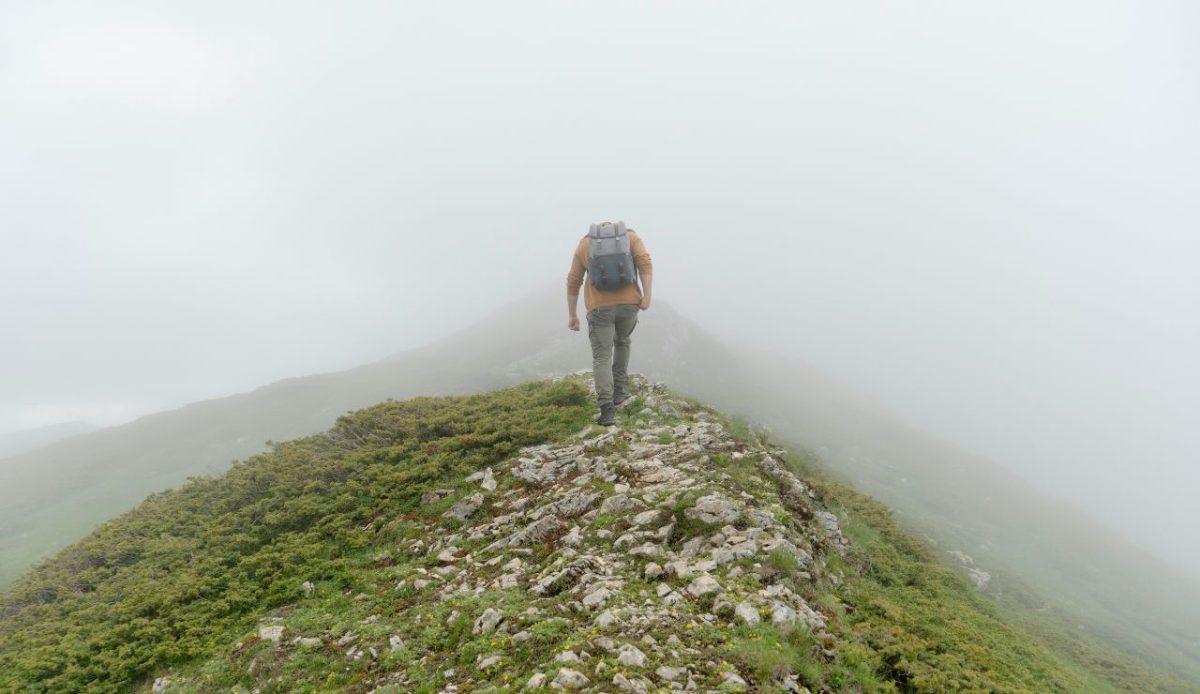
Ridge trails look breezy and open, yet they often channel wind like a hallway, especially on exposed summits. If a wildfire is active in the area, that wind can drive heat, smoke, and embers uphill and along the crest far quicker than most hikers expect.
The trap is hiking past a safe turnaround where the route pinches, becomes rocky, or drops into steep side slopes. Even a single ember can start a spot fire behind you, turning your return path into the problem.
Reduce risk by checking wind forecasts, avoiding long ridge out-and-backs on red-flag days, and turning around the moment you smell smoke or see ash drifting, before visibility and options shrink.
2. Chimney Canyons and Narrow Drainages
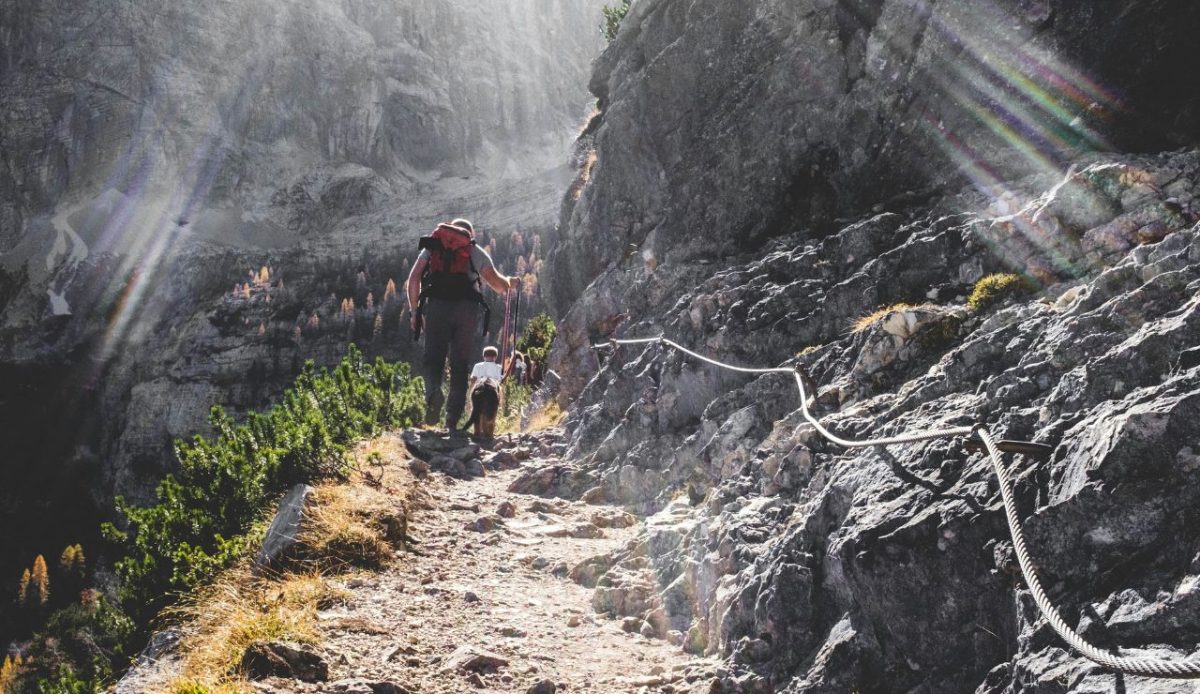
Canyons, gullies, and tight drainages can behave like chimneys in a fire. Hot air rises, pulling flames and superheated gases uphill, while smoke pools low and makes it harder to judge where the fire edge actually is.
The trap is following a pleasant creek trail that turns into a steep, brushy corridor with limited exits. When conditions shift, you may have only one way out, and it can fill with smoke fast, even on calm mornings.
If you’re hiking in a drainage during fire season, favor routes with frequent side trails, wide gravel bars, or open benches. At the first sign of thickening smoke, move out of the drainage and toward an open area.
3. Uphill Switchbacks Above Active Fire Zones
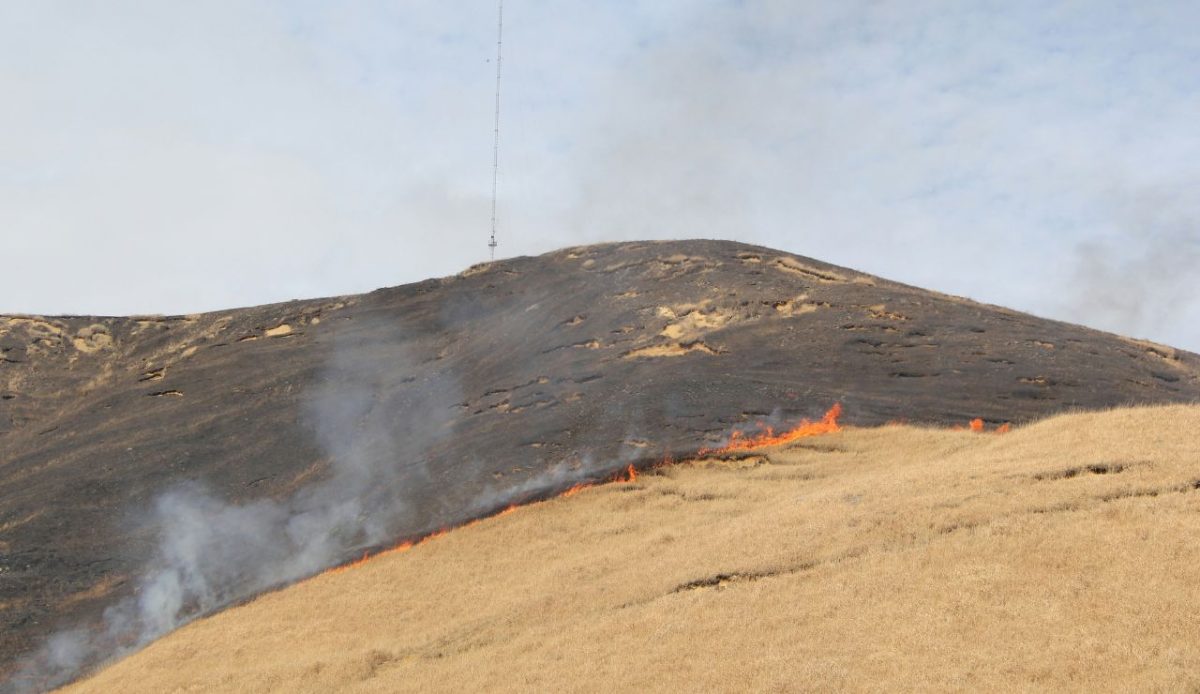
Fire spreads uphill efficiently because heat preheats fuels above it. A trail that climbs via switchbacks can put you directly in that path, especially when the slope is covered in grass, chaparral, or dry pine litter.
The trap is assuming distance equals safety while you keep gaining elevation. If the fire is below and wind turns upslope, the climb can become a race you can’t win, and the switchbacks limit how quickly you can reverse.
Before committing to a big climb, check incident maps and closures, and avoid trails that sit directly above valleys with smoke columns. If you see a growing column or feel rising heat, descend early to a cleared road or parking area.
4. Flashy Fuels in Dry Grass and Sage Flats
Open grasslands can look harmless, but dry grass is a “flash fuel” that ignites and moves rapidly with even moderate wind. Fire can run across a flat faster than people can navigate uneven ground or fences and gates.
The trap is crossing long, exposed stretches with only a single trail and no bare-soil breaks. If a nearby ignition starts, smoke may be minimal at first, so hikers underestimate how quickly a line can advance.
On grassland routes, prioritize mornings, avoid windy afternoons, and note the closest paved road, plowed field, or wide gravel track. If you spot flames in grass, don’t try to outrun it along the trail, angle away toward the widest cleared surface.
5. Deadfall Forest Pockets and Snag Zones
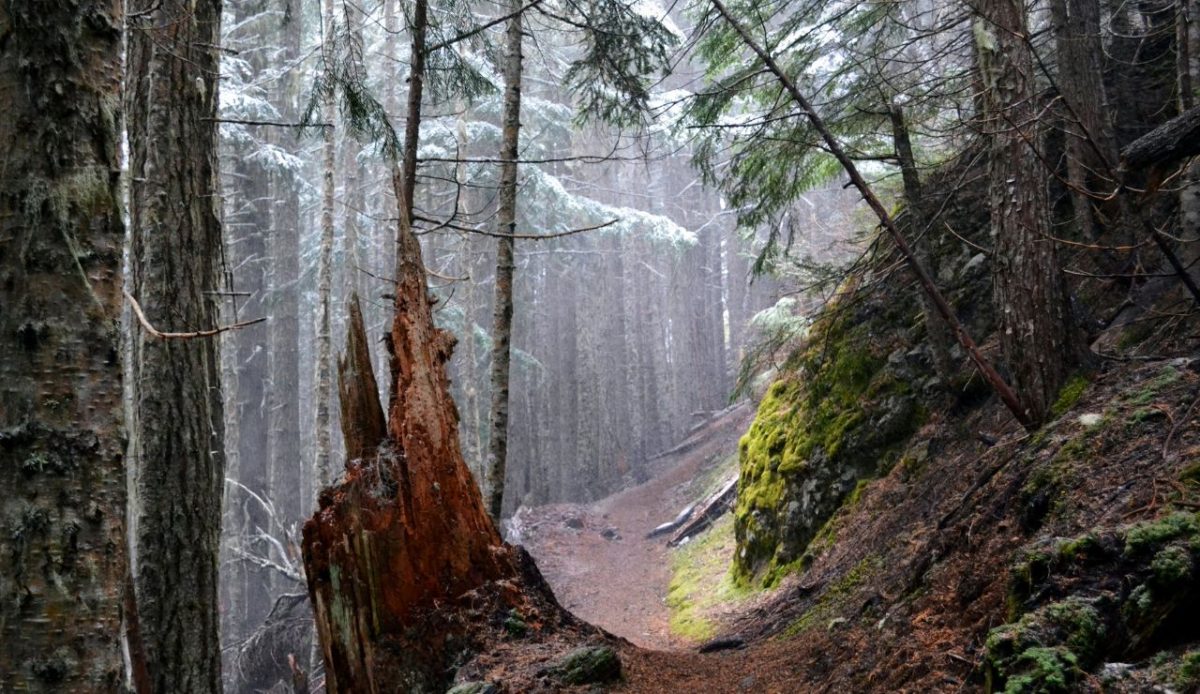
Stands with heavy deadfall, beetle-killed timber, or dense needle litter burn hotter and produce more rolling embers. Smoke can build under the canopy, and falling branches or snags become a separate hazard even if flames are still distant.
The trap is taking a shaded detour through thick forest to “get away” from the smoke. Canopy cover can hide wind-driven embers and make it harder to find a quick, clean exit if a spot fire starts nearby.
If forest conditions look dry or you hear active firefighting nearby, choose wider trails, roads, or open meadows instead of deep timber. Watch for ash on leaves, fresh scorch marks, and increasing crackling, signals to leave promptly.
6. Single-Road Trailheads and Bottleneck Exits
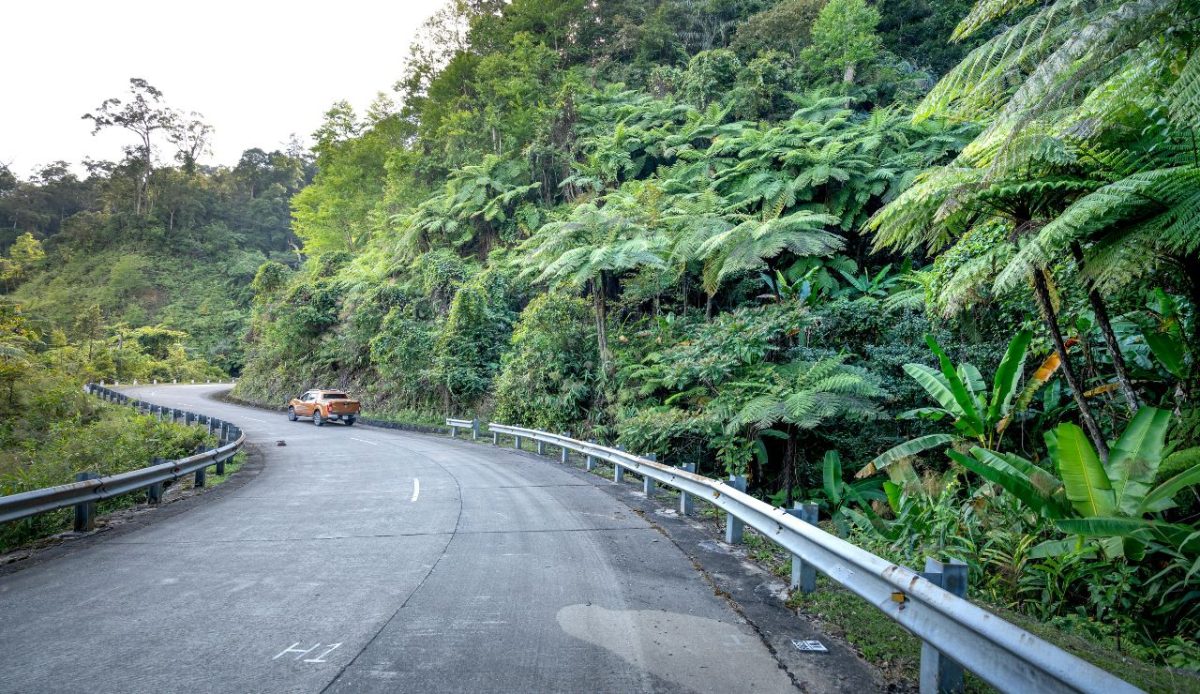
Some popular hikes rely on one access road in and out. During a fire, that road can be closed, blocked by traffic, or reduced to poor visibility as smoke settles in low areas near the trailhead.
The trap is starting a hike when conditions seem “fine” at the parking lot, then returning to a jammed exit with emergency vehicles arriving. Even without flames nearby, delays can expose you to smoke and stress that leads to bad decisions.
Pick routes with multiple exits when fire danger is elevated, keep your car fueled, and park facing out for a quick departure. If you hear sirens, see aircraft working, or receive an alert, end the hike immediately and leave before congestion builds.
7. Smoke Inversions That Hide the Real Situation
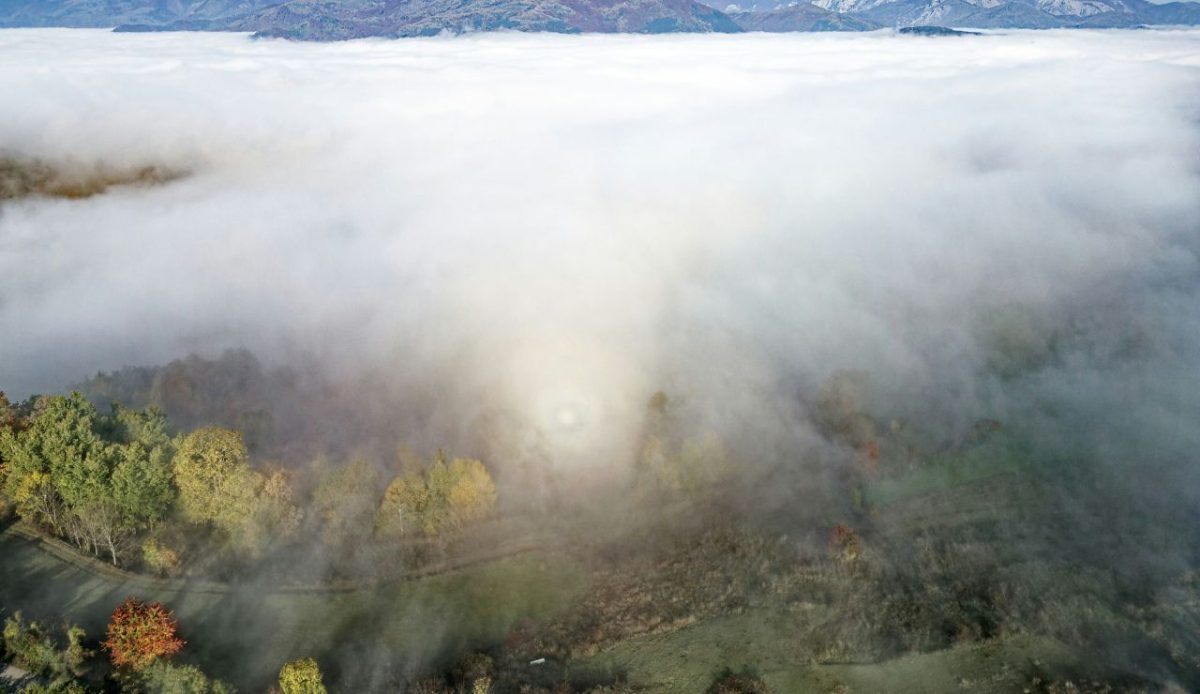
In valleys and basins, cooler air can trap smoke beneath a warmer layer, creating an inversion. You get a low, dirty haze that tanks visibility and air quality even when the fire is miles away, and it can worsen fast as winds change.
The trap is treating smoke as “just annoying” and hiking deeper because you can’t see flames. Poor visibility complicates navigation, and breathing irritation can slow you down when you need steady movement, hydration, and clear thinking.
Use smoke as a go-home signal. Choose routes with clear sightlines on lower-risk days, keep a simple turnaround plan, and leave if your eyes sting or you start coughing at all.
8. Spot Fires Started by Wind-Blown Embers
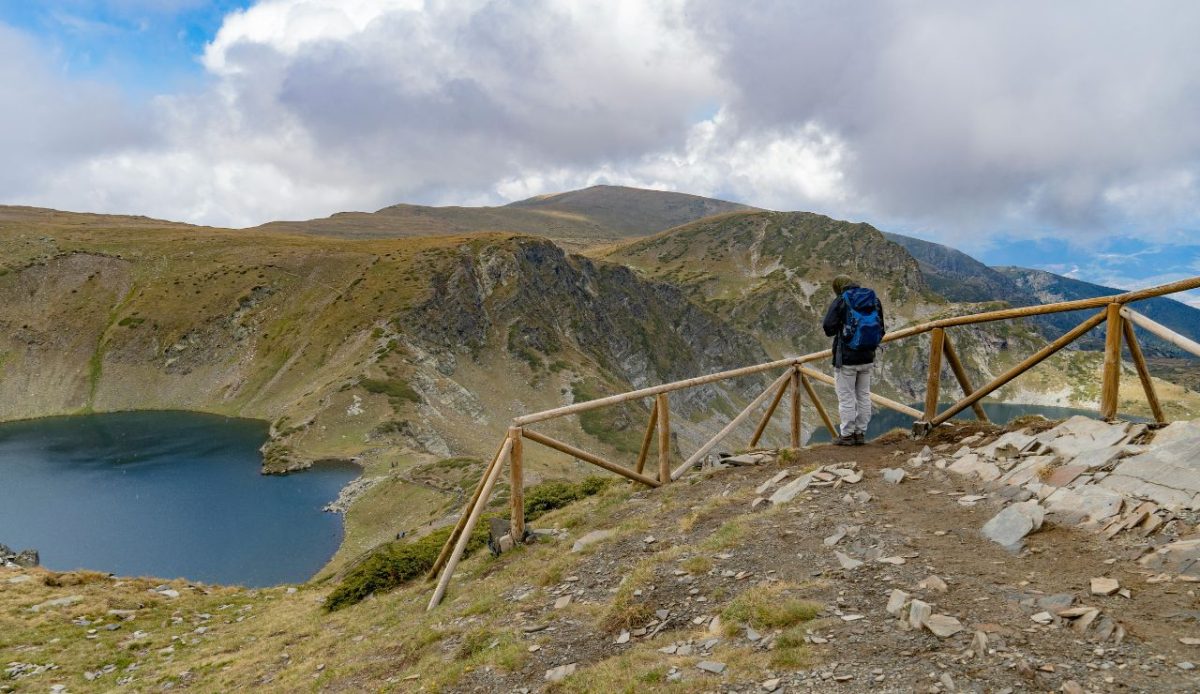
Wildfires don’t always move as one continuous front. Wind can carry embers far ahead of the main fire, dropping them into dry leaves, duff, or grass. That creates small spot fires that appear “out of nowhere” along trails and ridgelines.
The trap is walking past a faint wisp of smoke or a small smoldering patch and assuming it will burn out. In dry conditions, a spot can grow quickly and cut off the route you planned to use to return.
If you notice fresh smoke threads, tiny flame pockets, or warm, ashy ground, turn around immediately and move toward the widest, least vegetated surface you can reach. Report the location to local authorities once you’re safe.
9. Wooden Footbridges and Boardwalk Crossings
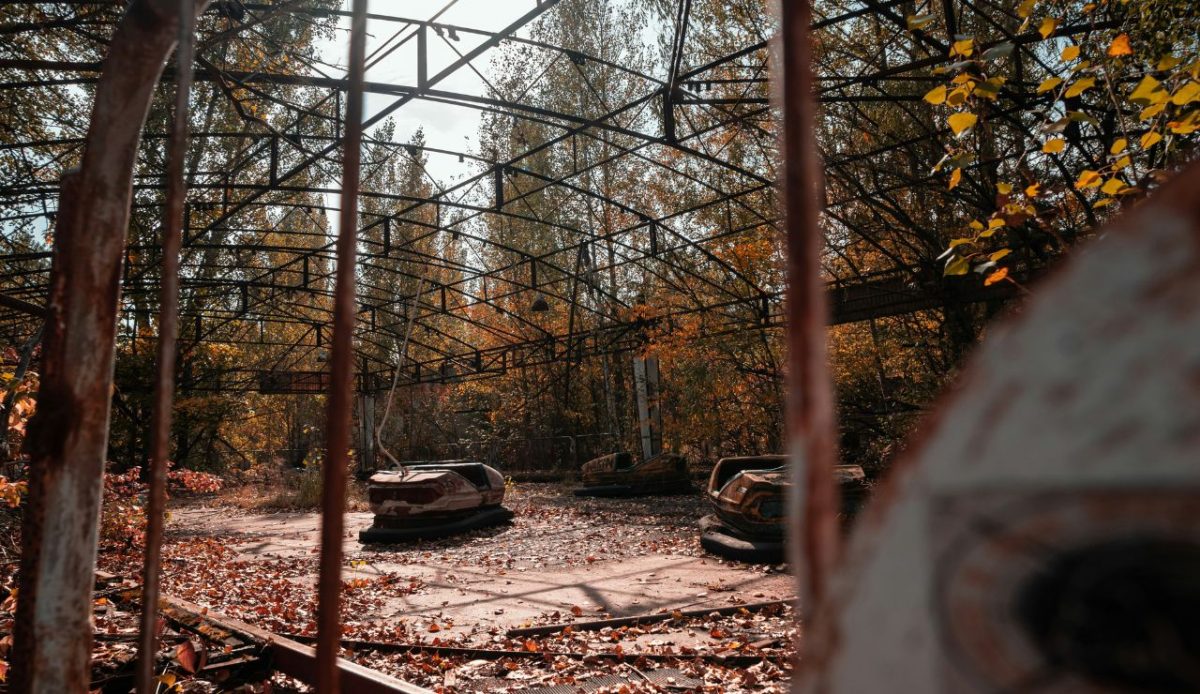
Some trails rely on wooden bridges, raised boardwalks, or stair sections over wetlands and creek beds. In a nearby fire, embers can lodge in cracks and edges, and the structure can become hot or unstable long before you see active flames.
The trap is committing across a long elevated section with no easy way to step off onto bare ground. If smoke thickens or you smell burning wood, you may be forced to backtrack the entire length under worsening conditions.
When fire danger is high, avoid routes that depend on long wooden crossings. If you’re already on one and conditions change, move calmly and directly to the nearest solid non-vegetated surface, then reassess whether to exit immediately.
10. Late-Day Starts When Fire Behavior Peaks
Afternoons often bring lower humidity and stronger, gustier winds, conditions that can increase fire spread and make smoke unpredictable. Starting a long hike late in the day also reduces your daylight buffer if you need to exit quickly.
The trap is being far from the trailhead as visibility drops, temperatures shift, and alerts start coming in. Navigation errors rise in the dark, and a wrong turn can waste the time you need to get back to the car.
Plan earlier starts during fire season, set a firm turnaround time, and keep your route simple when risk is elevated. If you’re already out late and smoke increases, skip the “one more viewpoint” mindset and head straight back.
