
Famous freshwater lakes are changing fast as heat, shifting rain, and nutrient pollution push systems past old norms. Researchers track water levels, ice cover, oxygen, and algae using satellites, buoys, and long-running surveys. When those signals drift, fisheries, drinking water, and shoreline habitats are affected. The lakes below were chosen because documented trends show serious change, not just local worry. The focus is on natural lakes, not reservoirs, and on shifts observed within the last few decades.
1. Lake Chad, Central Africa
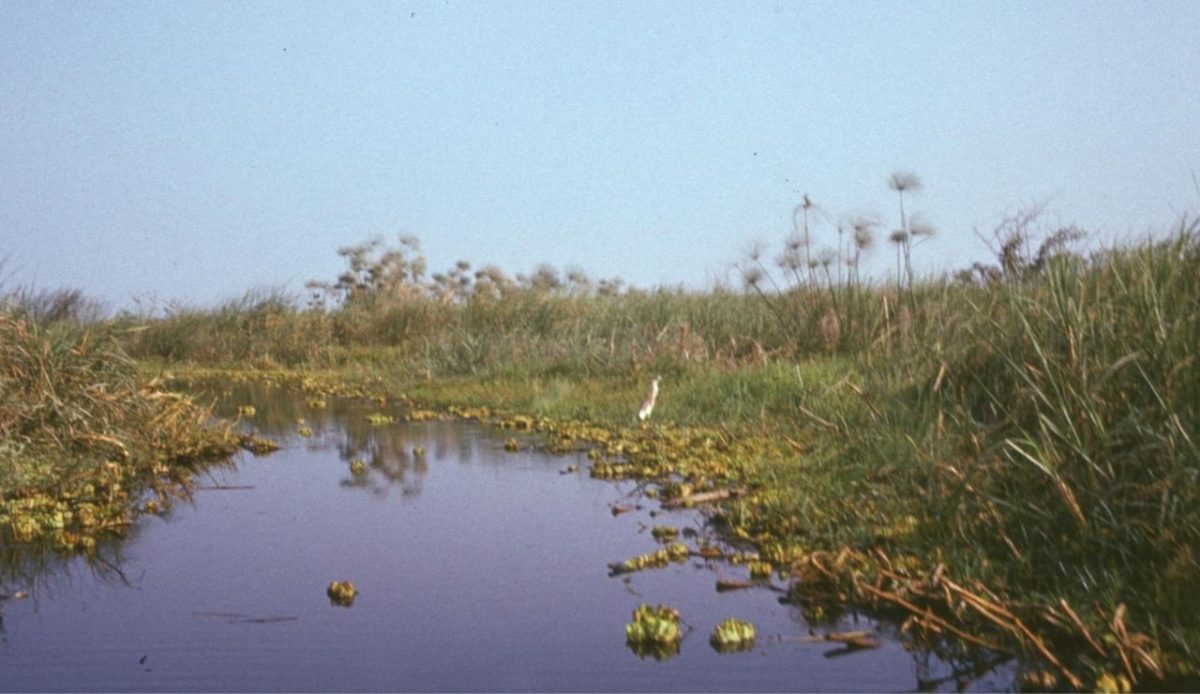
Lake Chad, in Central Africa, has lost a large share of open water since the 1960s as Sahel drought, higher evaporation, and irrigation withdrawals reduced inflow from the Chari Logone system. Seasonal water now spreads into shallow pools and wetlands that shift year to year, which complicates fishing and grazing routes. New shorelines invite farming on exposed beds, yet the remaining water is more vulnerable to wind-driven turbidity and local contamination. Satellite maps and on-the-ground surveys show repeated low stands, and fish spawning areas shrink when channels dry early, reducing catches each year.
2. Lake Titicaca, Peru and Bolivia
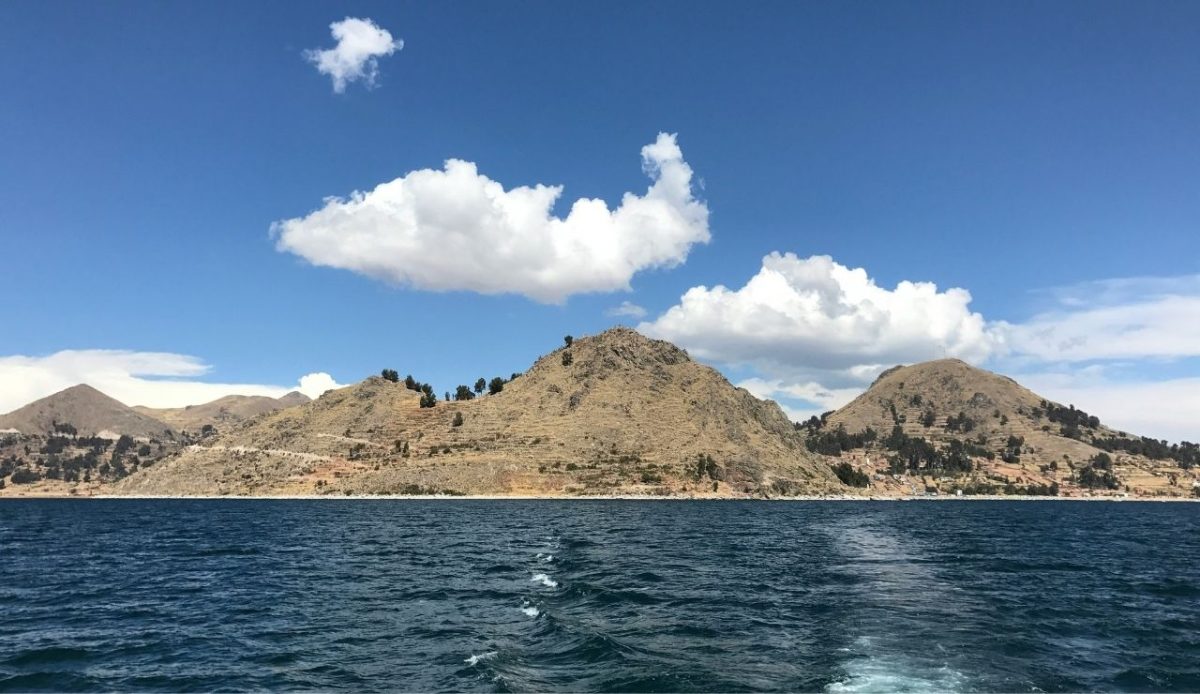
Lake Titicaca, Peru, and Bolivia have faced multi-year low levels tied to reduced wet season rainfall and hotter dry seasons on the Altiplano. Lower water exposes reed belts that shelter birds and support traditional harvesting, while shallow bays warm faster and lose oxygen. Near major cities, untreated wastewater and solid waste add nutrients and pathogens, raising health risks for communities using the shore for washing and small-scale fishing. Declines also affect boat access to islands and ports, and concentrated salts can stress native species such as karachi and ispi. Monitoring reports link the sharpest drops to recent drought episodes.
3. Lake Victoria, Kenya, Uganda, and Tanzania
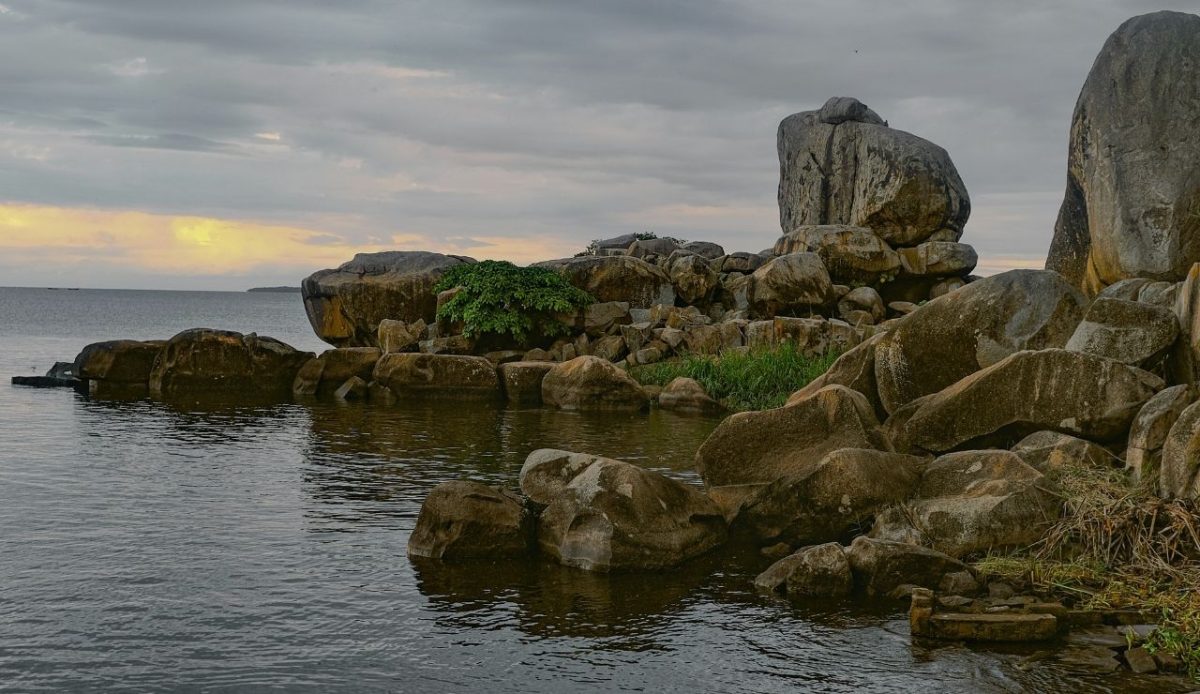
Lake Victoria, Kenya, Uganda, and Tanzania, is being reshaped by nutrient runoff from farms, sewage, and industry across a huge basin. Added phosphorus and nitrogen feed frequent algal blooms that cloud the water and reduce light for aquatic plants. As algae decay, oxygen is depleted, and deeper zones become less usable for fish, especially native cichlids. Managers also report clogged intake screens and higher treatment costs when bloom intensity rises during warm calm periods. Floating weeds such as water hyacinth can expand under nutrient-rich conditions, trapping sediment and slowing boat travel in sheltered gulfs.
4. Lake Tanganyika, Tanzania, DRC, Burundi, and Zambia
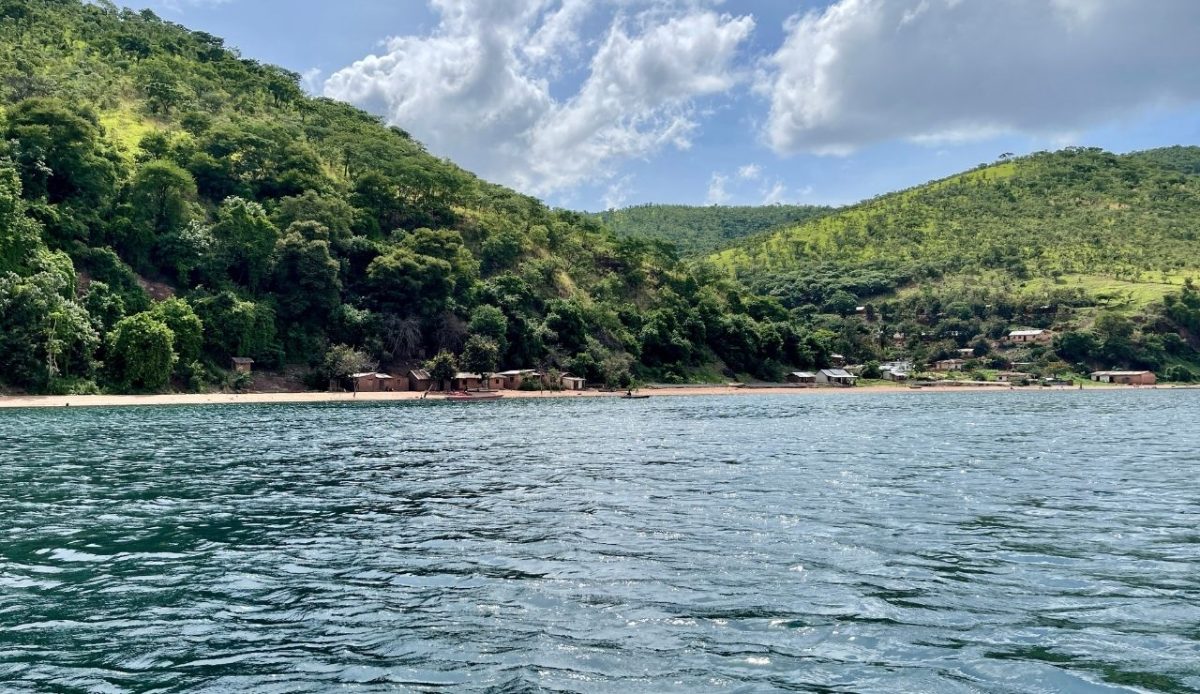
Lake Tanganyika, Tanzania, DRC, Burundi, and Zambia is warming at the surface, which strengthens stratification and limits mixing between layers. With weaker mixing, fewer nutrients reach sunlit waters where plankton grow, and less oxygen is carried downward. Long records link this pattern to lower primary productivity and reduced yields of small pelagic fish that supply affordable protein. Communities along the rift shore feel the shift through shorter seasons and greater uncertainty in daily catches. Because the lake is very deep, even small temperature changes can alter upwelling timing and the balance between clear and cloudy water years.
5. Lake Baikal, Siberia, Russia
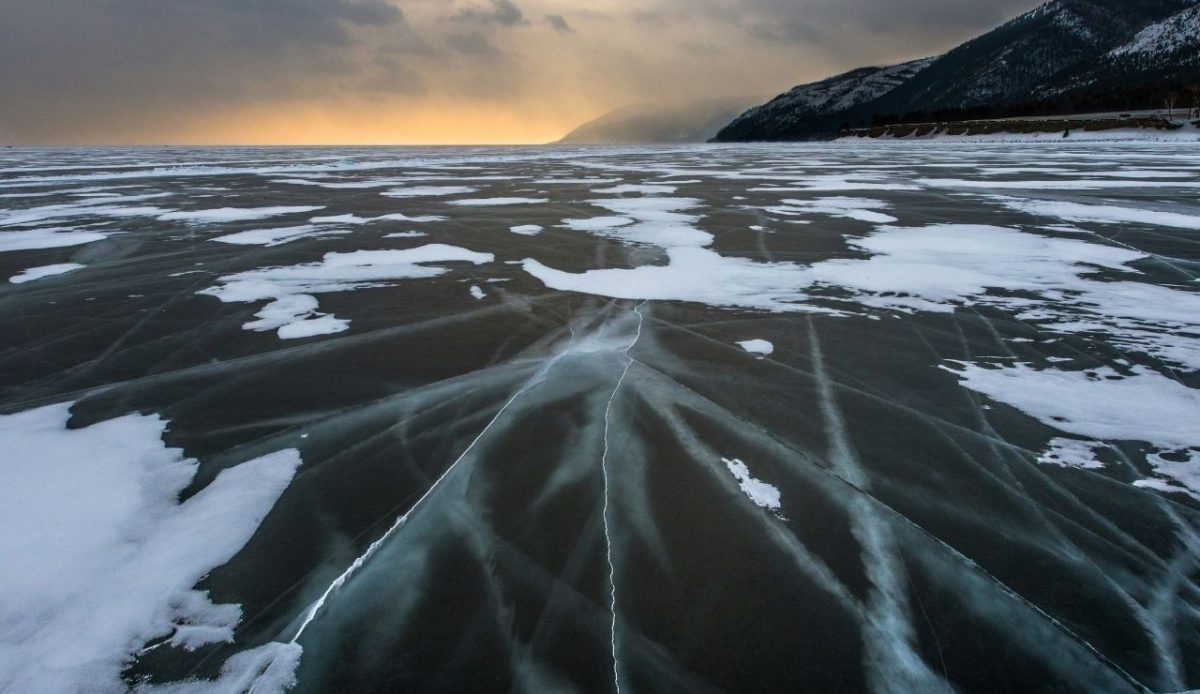
Lake Baikal, Siberia, Russia, faces growing stress along its nearshore zone where people live and visit. Warmer summers and higher nutrient inputs from rivers and shoreline development have supported mats of filamentous algae in some bays. Scientists have also reported disease and die-offs in endemic sponges that filter water and provide habitat. While the open lake remains cold and oxygen-rich, localized degradation can spread through food webs and threatens species found nowhere else. Shorter ice seasons affect breeding sites for the Baikal seal and change spring conditions that normally reset coastal ecosystems after winter.
6. Lake Erie, United States and Canada
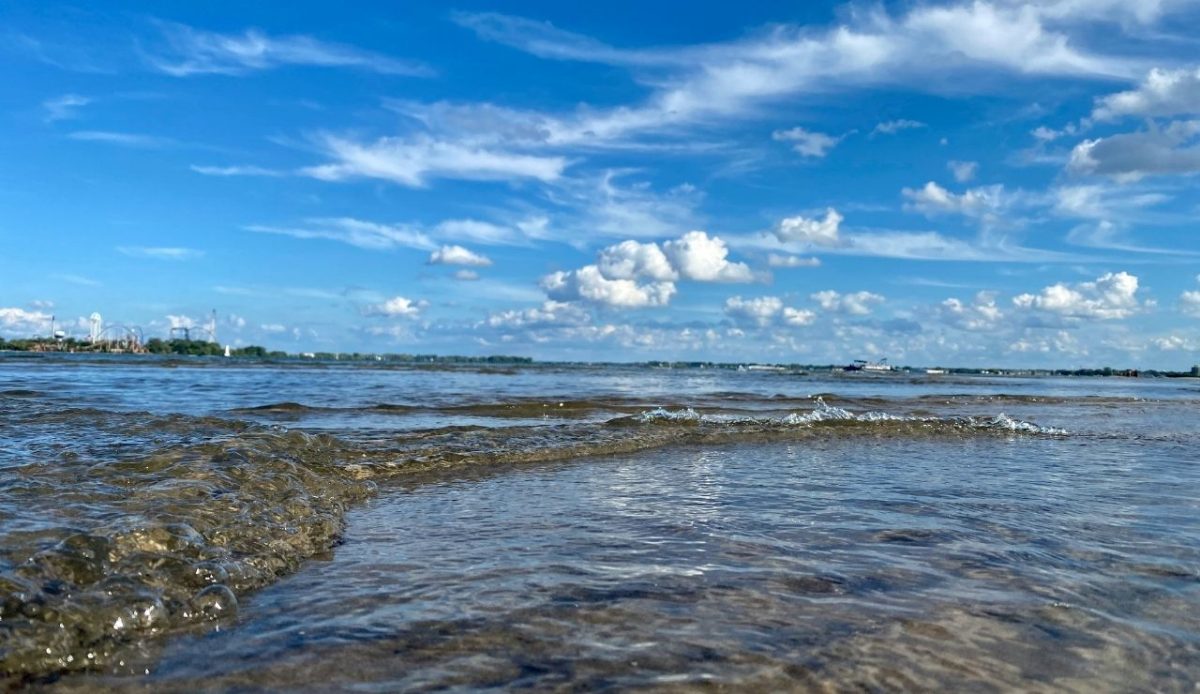
Lake Erie, United States and Canada, remains a hotspot for harmful cyanobacteria blooms fueled by phosphorus runoff and warm shallow water. Blooms can produce microcystin, which forces drinking water advisories and limits recreation along beaches and marinas. Storm-driven pulses of nutrients from tributaries such as the Maumee River often set the stage, then calm sunny weather lets blooms expand. Cleanup programs have reduced some inputs, yet year to year bloom risk remains high as rainfall extremes increase. The central basin can also develop low oxygen zones in late summer, stressing fish and benthic insects that support the food chain.
7. Lake Winnipeg, Manitoba, Canada
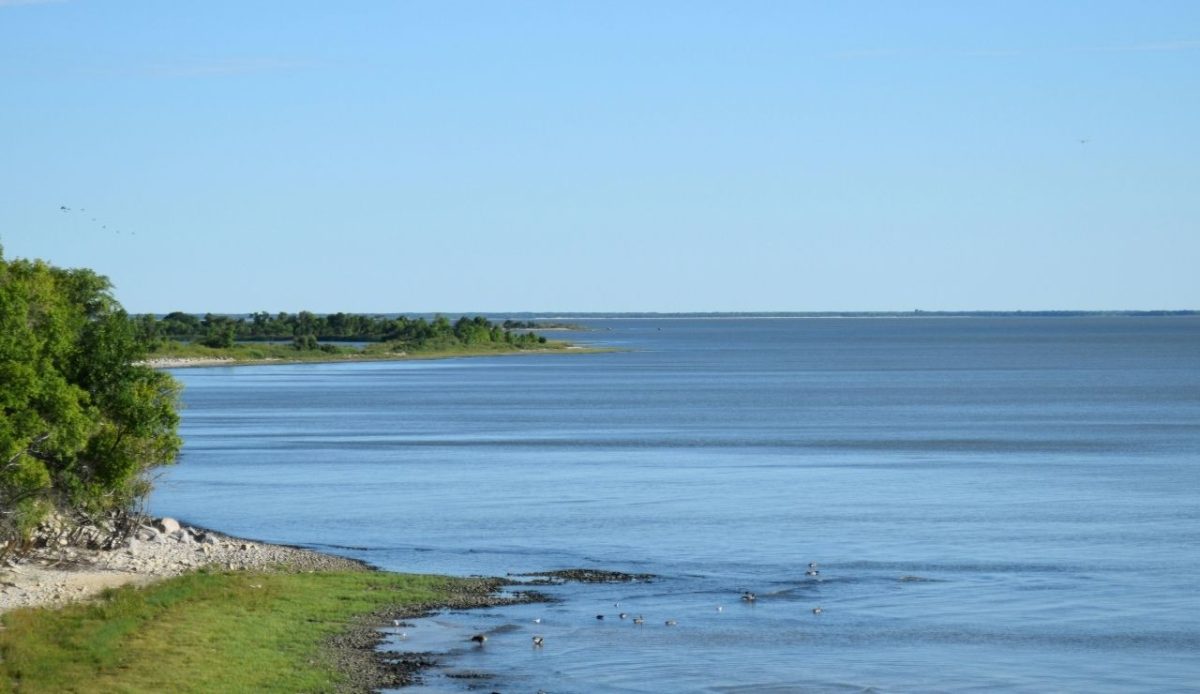
Lake Winnipeg, Manitoba, Canada, has long struggled with eutrophication as phosphorus enters from the Red River and other tributaries draining farmland. Large blooms reduce clarity, create foul odors, and can release toxins that affect pets and people near shore. Because nutrients are stored in sediments, internal recycling keeps feeding algae even after external loads are cut, slowing recovery. Warmer water and longer ice-free seasons extend the window for blooms, raising costs for water utilities and harming tourism. Habitat shifts also affect walleye and other species as oxygen drops in sheltered bays during peak summer heat.
8. Poyang Lake, Jiangxi Province, China
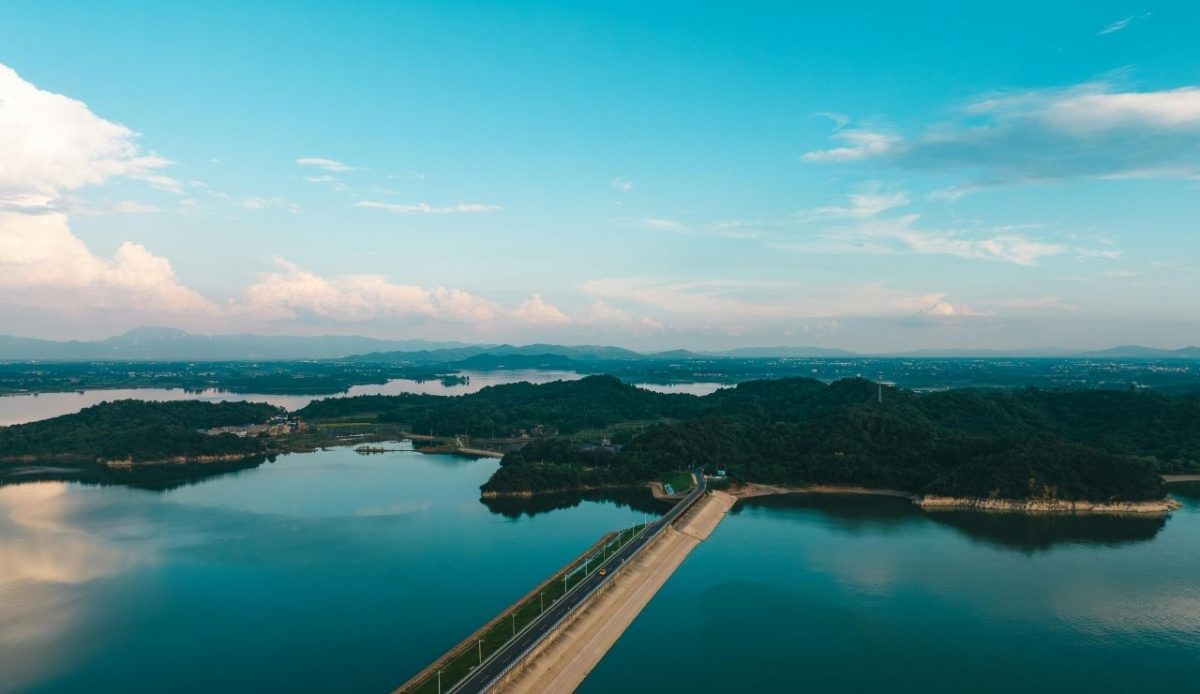
Poyang Lake, Jiangxi Province, China, has shown dramatic swings, including prolonged low water events tied to drought and altered river lake exchange with the Yangtze. When levels fall early, wetlands contract and mudflats harden, changing feeding areas for migratory birds such as the Siberian crane. Lower stages also concentrate pollutants and make navigation harder for local transport. Researchers warn that repeated low years can shift vegetation zones and reduce the lake’s role as a seasonal flood buffer for nearby communities. Sand extraction and channel changes have been cited as added pressures that may speed drainage during dry spells.
9. Lake Tahoe, California and Nevada, USA
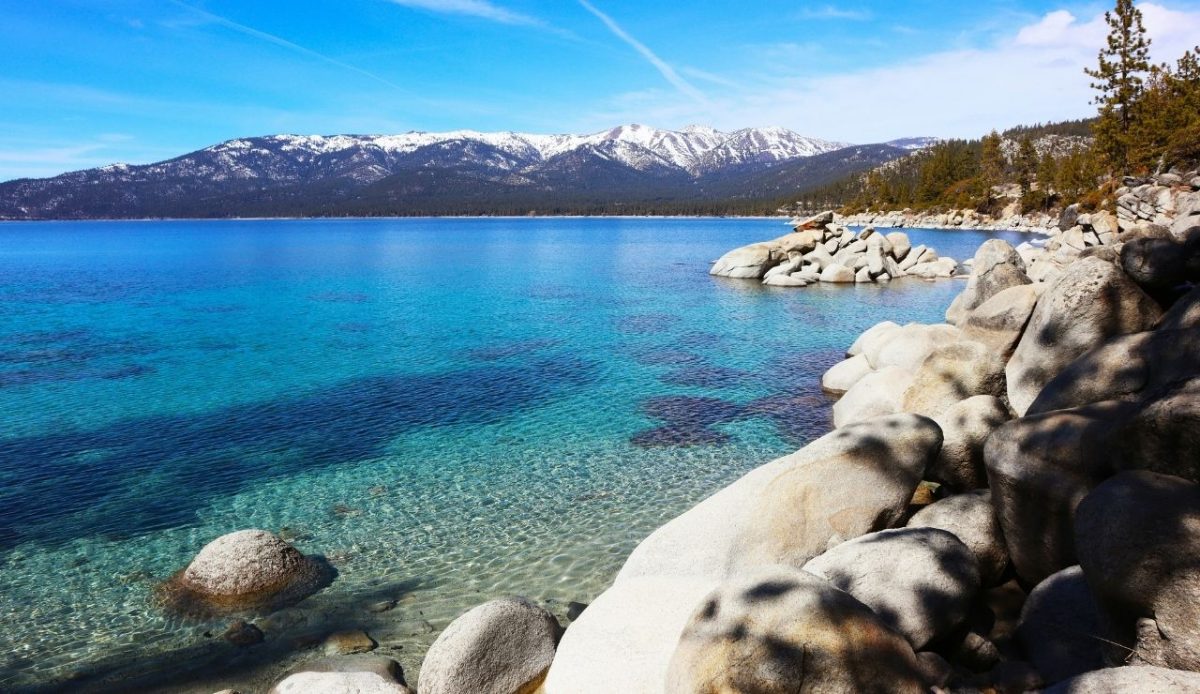
Lake Tahoe, California and Nevada, USA, is tracked closely for clarity, and long-term measurements show sensitivity to fine sediment and nutrient inputs. Wildfire scars and intense storms increase erosion, sending tiny particles that stay suspended and scatter light through the deep blue water. Warmer surface temperatures also favor algae growth in some years, further reducing transparency. Restoration work on streams and roads has helped, yet climate-driven extremes now make gains harder to hold from one season to the next. Invasive species, including plants and clams, can alter nearshore conditions and trap nutrients close to beaches.
10. Lake Superior, United States and Canada
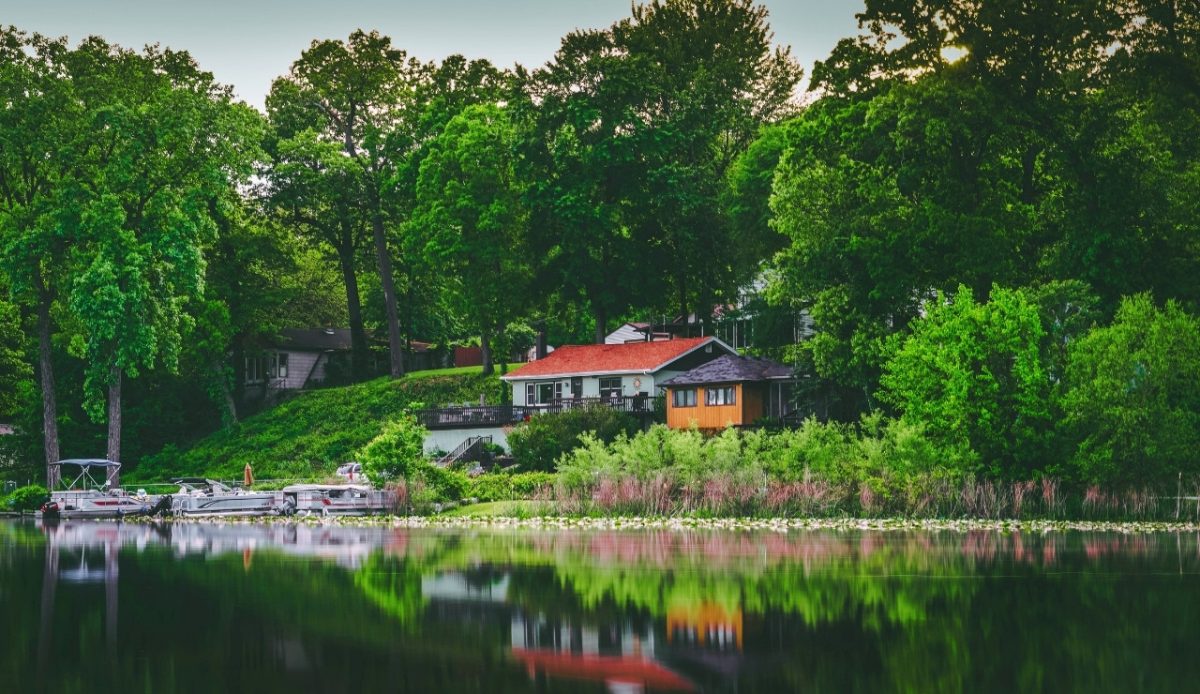
Lake Superior, in the United States and Canada, has warmed in surface layers and has seen major declines in winter ice cover over recent decades. With less ice, winter winds build larger waves that accelerate coastal erosion and resuspend sediments in nearshore waters. Changing ice and temperature patterns can shift spring mixing and the timing of nutrient delivery that supports plankton blooms. Cold water fish such as lake trout are affected as habitat temperatures shift, while coastal infrastructure faces higher storm exposure during open water winters. Longer open water seasons can also aid invasive species movement.
