
In many parts of Europe, English drops away once the highway ends and the tourist loop thins out. Small towns run on local language for errands, family visits, and quick chats at the bakery, so visitors often rely on patience, gestures, and a few practiced phrases. Cultural life is shaped by harvests, church days, and weather, which keep schedules and customs rooted in place. The towns below were selected for strong continuity in food, craft, and community habits, and for settings where English is not a dependable default outside a hotel desk. Each stop rewards slowing down and listening more than talking.
1. Bulnes, Asturias, Spain
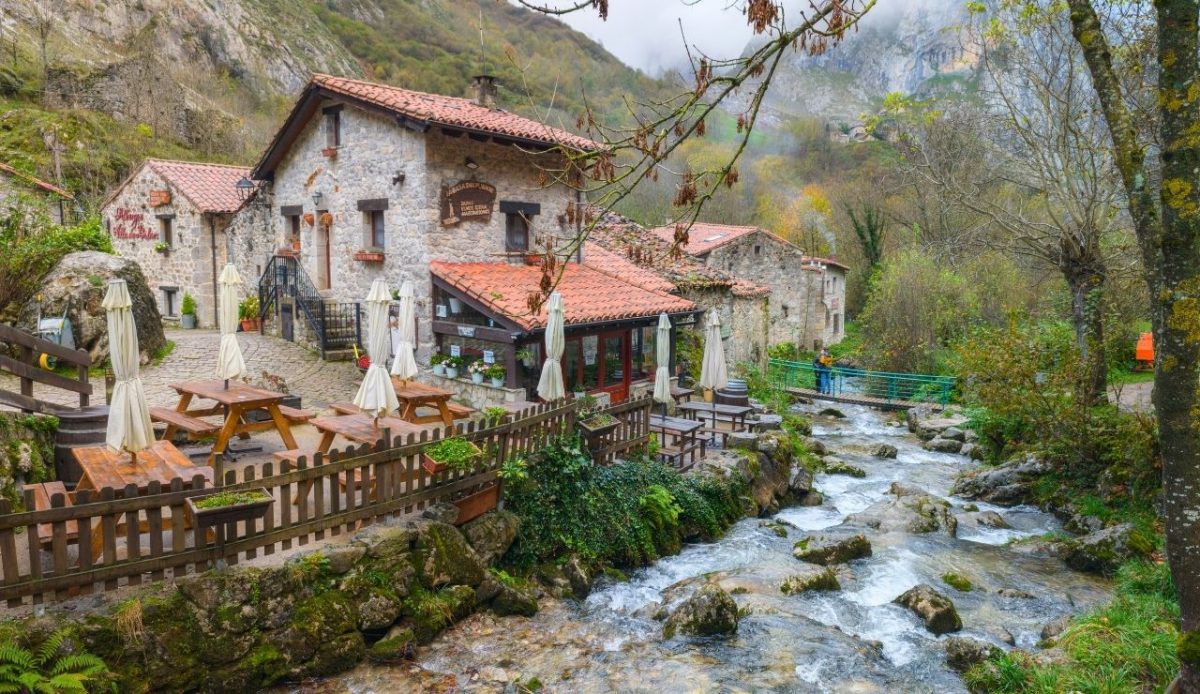
Bulnes lies inside the Picos de Europa with no road access, so travel is controlled by footpaths and a single funicular. That constraint keeps services small and aimed at residents who know one another. Spanish is used for everything from ordering lunch to swapping travel news, and English is rarely offered unless a guide has been arranged. Signs, prices, and opening hours are written for locals, not for visitors. Because the village is reached with effort, traditions around mountain meals, livestock, and seasonal repairs remain visible instead of being staged. Phone service can be spotty, which reinforces face-to-face help.
2. Sotres, Asturias, Spain
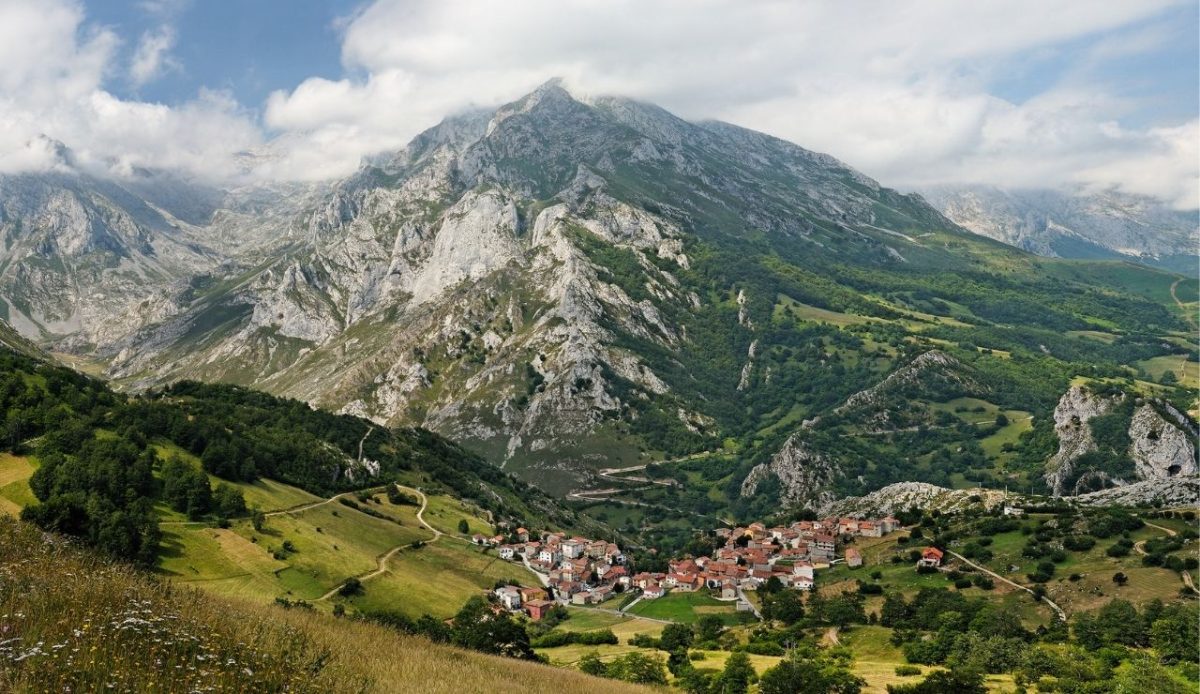
Sotres sits high above the Asturian valleys, where cold air and fog still decide what gets done each day. The town is known for pastoral work and Cabrales-style cheese making, so talk in shops stays practical and local. Spanish and Asturian phrases are heard more than English, especially outside summer weekends. Visitors who ask for directions often receive careful explanations that are spoken quickly and may be repeated in simpler words. Meals follow regional habits, with hearty plates and long pauses that suit mountain life. A village fiesta or cheese sale is planned locally, and notices stay in Spanish.
3. Tresviso, Cantabria, Spain
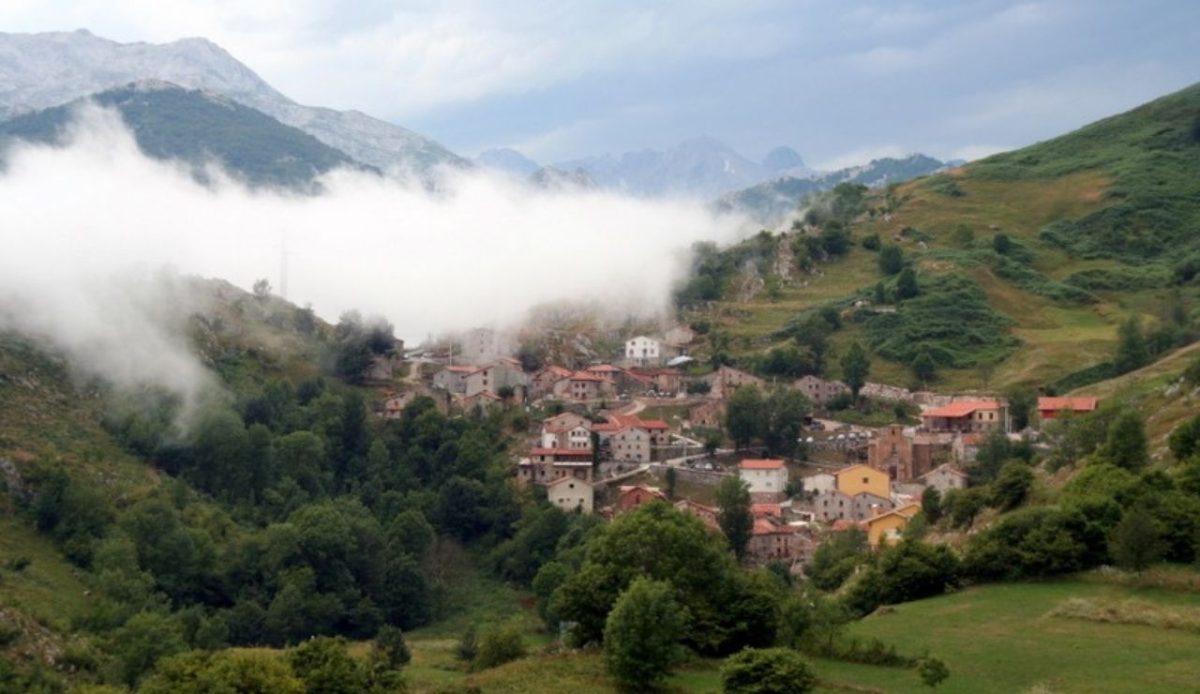
Reaching Tresviso means committing to steep mountain roads, and that simple fact filters out casual visitors. With a tiny population, the social center is the bar, the square, and the shared work that keeps homes winter-ready. Cheese making and hiking routes draw travelers, yet English is seldom built into service and may not be understood in stores. Questions are answered in Spanish, sometimes with hands and landmarks rather than street names. Because tourism arrives in small waves, traditions around meals, processions, and neighborly help are kept intact. Reservations are often handled by phone, so clear Spanish is appreciated.
4. Ceillac, France
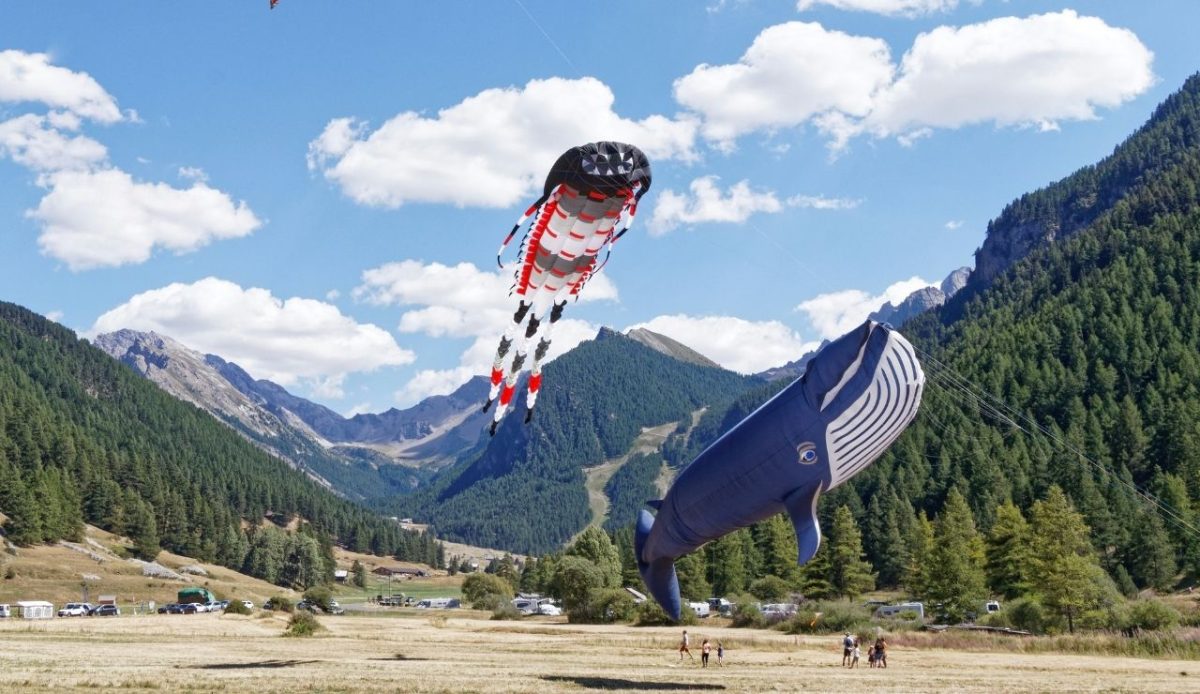
Ceillac is a working Queyras village where farming, winter access, and school schedules still set the tone. French dominates routine interaction, and English might not be understood when booking a table or asking about bus times. The setting draws hikers and skiers, yet the town stays focused on community needs rather than constant turnover. Markets and small shops operate with local expectations about timing and courtesy. Because visitors must adjust to these norms, everyday culture stays visible in the way people greet, share news, and plan around the weather. Events are posted on noticeboards in French with little translation.
5. Trevélez, Andalusia, Spain
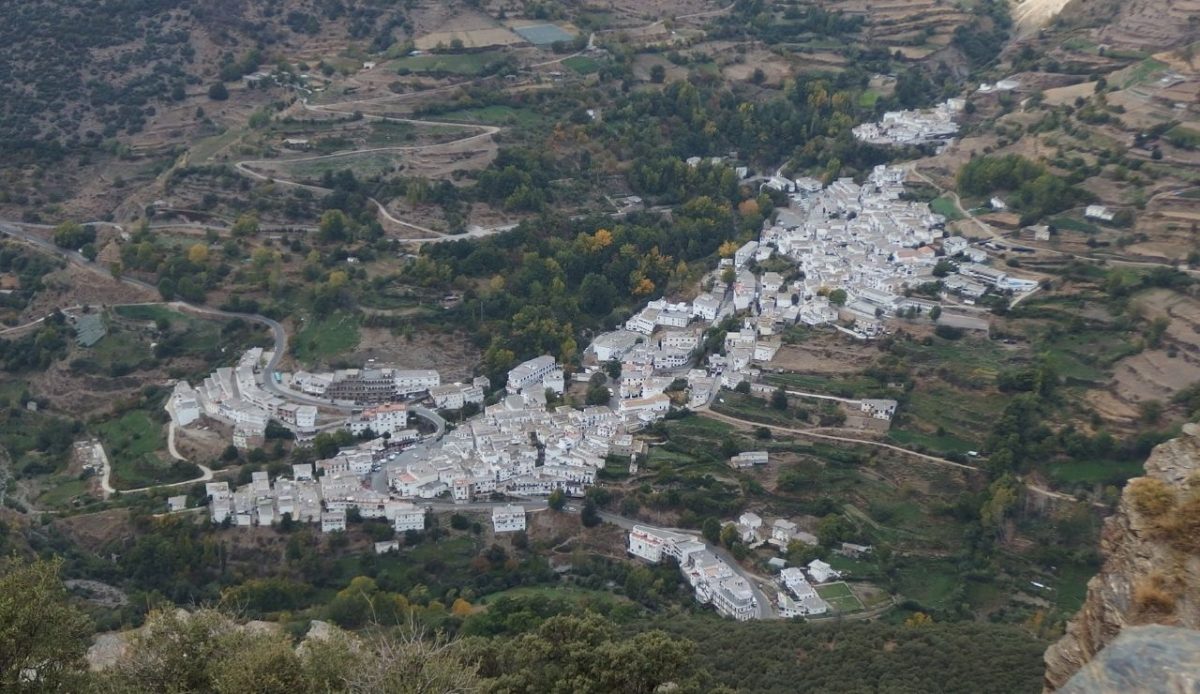
Trevélez stands high in the Alpujarra mountains, where dry air has long supported the curing of jamón and other mountain foods. That craft is still the headline, so conversation in shops focuses on cuts, timing, and family producers. Spanish is the working language, and English may be absent once you step away from a main restaurant. Many streets are steep and narrow, so directions are offered through landmarks and local names. The town’s pace is shaped by altitude and winter access, and routines are preserved through yearly cycles of work and festivals. Even the ham dryers and small museums’ label displays mainly in Spanish.
6. Castelmezzano, Basilicata, Italy
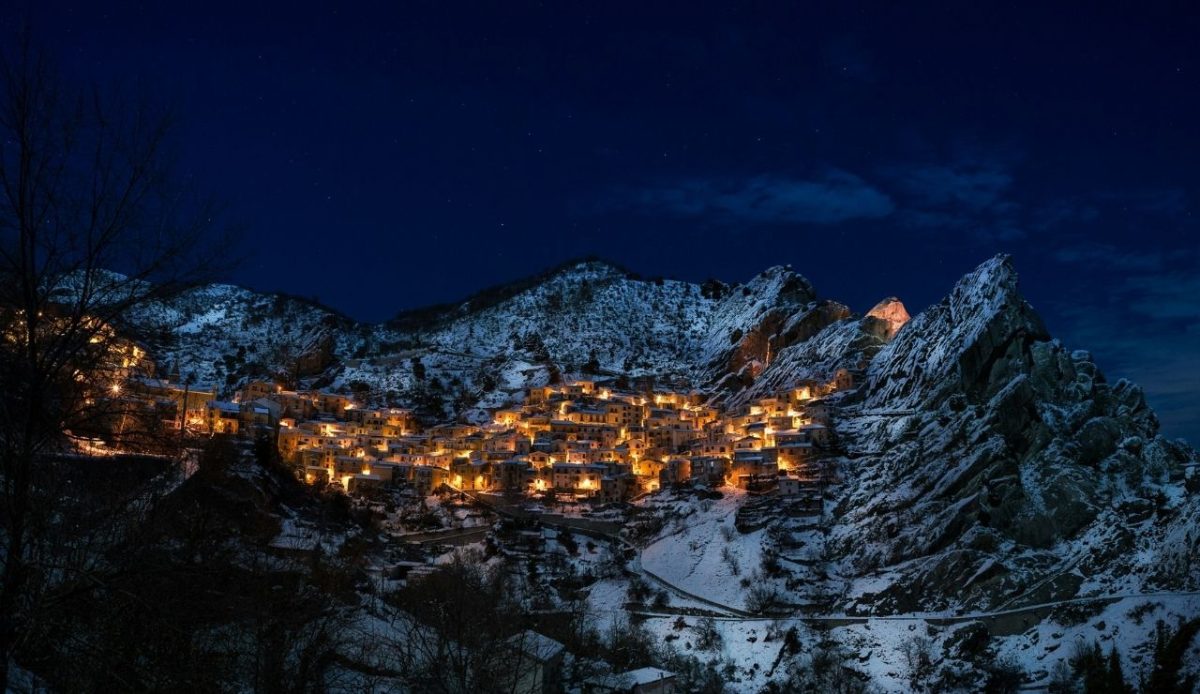
Castelmezzano is anchored to jagged rock in Basilicata, and the terrain limits sprawl and quick change. Italian is heard in every routine exchange, from ordering coffee to arranging a ride to nearby trails. English appears only when seasonal visitors arrive for the zip line or viewpoints, and it is not guaranteed. Local dishes feature peppers, cured meats, and breads that reflect inland traditions rather than coastal menus. Because streets are compact and social life is shared, customs are reinforced through daily greetings and evening gatherings. Notices for events and parking are posted only in Italian on walls near the square.
7. Civita, Calabria, Italy
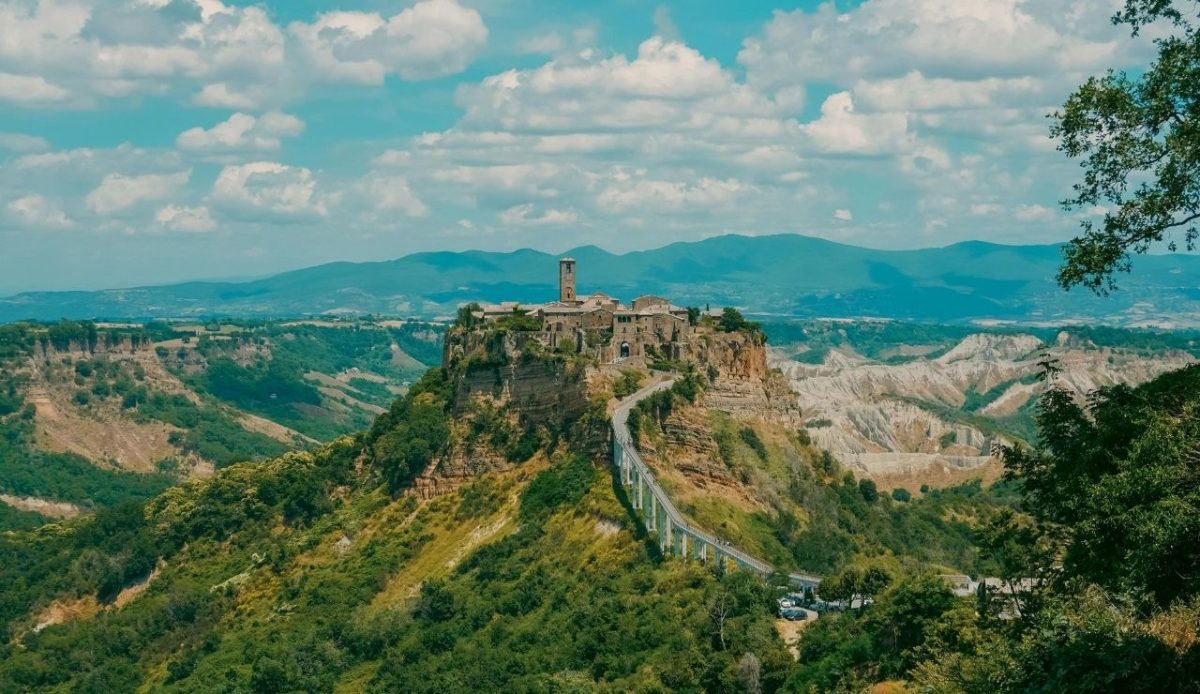
Civita is an Arbëreshë village in Calabria, where identity has been maintained through language, food, and ritual. Italian is standard, and Arbëreshë words still surface in family talk and community events. English is uncommon outside a few guesthouses, so simple requests work best when spoken slowly. The stone lanes lead to viewpoints and the Devil’s Bridge, yet the visit is shaped more by local households than by tours. Costumes, songs, and seasonal processions are carried on because participation is expected from residents, not staged for strangers. Museum notes, when present, are often translated into Italian before anything else.
8. Bova, Calabria, Italy
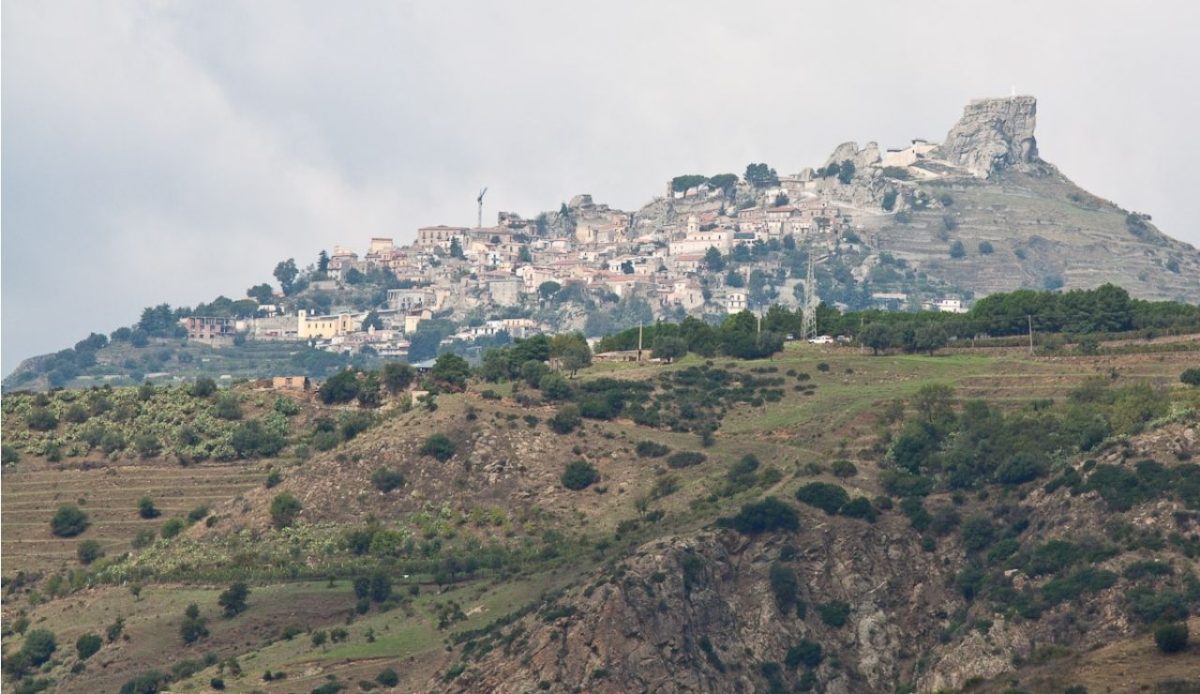
Bova lies in the Area Grecanica above the Ionian coast, where Greek-derived speech and local history remain part of daily reference. Italian is used in public life, while dialect terms are kept alive at home and during feast days. English is rarely expected in cafés or shops, so travelers benefit from learning numbers and polite greetings. Streets are quiet, and the town rewards slow walking through churches, small museums, and overlooks. Because the community is small, traditions are reinforced through repetition and shared responsibility rather than by visitor demand. Public notices are pinned to doors in Italian.
9. Sauris Zahre, Friuli Venezia Giulia, Italy
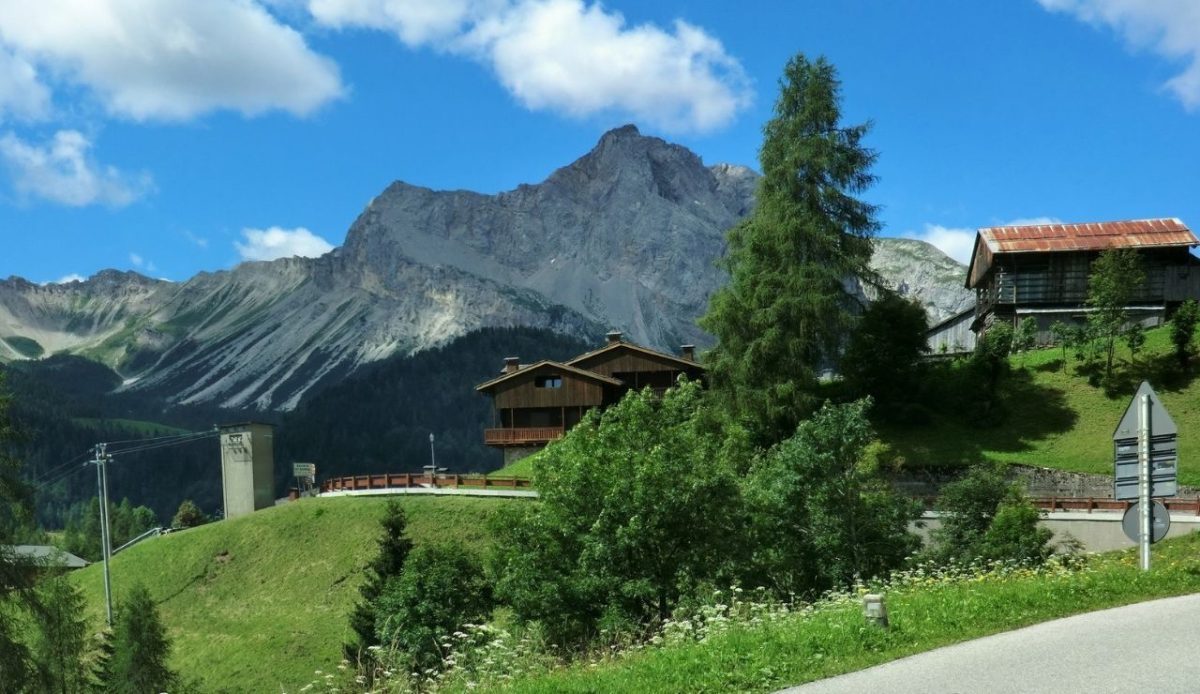
Sauris Zahre is a mountain enclave in Friuli, and its distance from large cities helped protect a distinct Germanic dialect. Residents switch between Italian, local speech, and sometimes Friulian, while English plays little role in ordinary errands. Guest services exist, yet the default is still local, especially in family-run places. Food traditions such as smoked meats and hearty soups match the climate and the long winters. Community events are planned for neighbors, so announcements and conversations stay rooted in the languages that are spoken at home. Trail markers may include Italian, but shop chatter remains almost entirely local.
10. Saint Veran, France
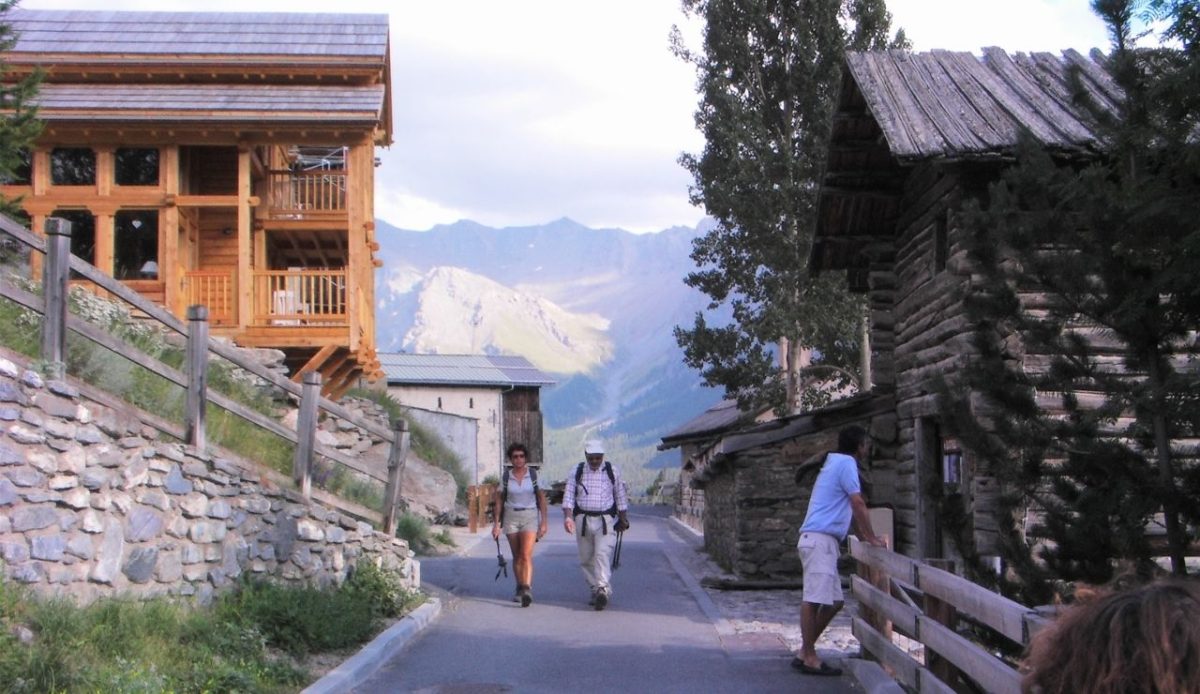
Saint Veran lies high within the Queyras, where altitude shapes building design and keeps the season short. French is used nearly everywhere, from the bakery line to notices about road conditions, and English is limited to occasional visitor contact. Life is organized around snow, pasture time, and maintenance that must be finished before storms return. Visitors notice that service is polite but direct, and explanations are given in French first. Because the village remains small, local crafts, chapel visits, and shared meals are kept as normal practice, not as a show. A few phrases can open warmer exchanges with older residents.
