
England’s growth story in 2026 will not be decided only by London and the usual regional giants. Mid-sized cities are being pulled forward by funded regeneration, cultural programming, and transport upgrades that are already underway. When delivery dates land in 2026, the effects are felt quickly through footfall, rentals, hiring, and new builds. This list favors cities where money is committed, works are active, or demand has been measured in the market. Each section explains the driver that is most likely to move the needle next year. Results will vary, but the evidence points to real change rather than buzz.
1. Plymouth
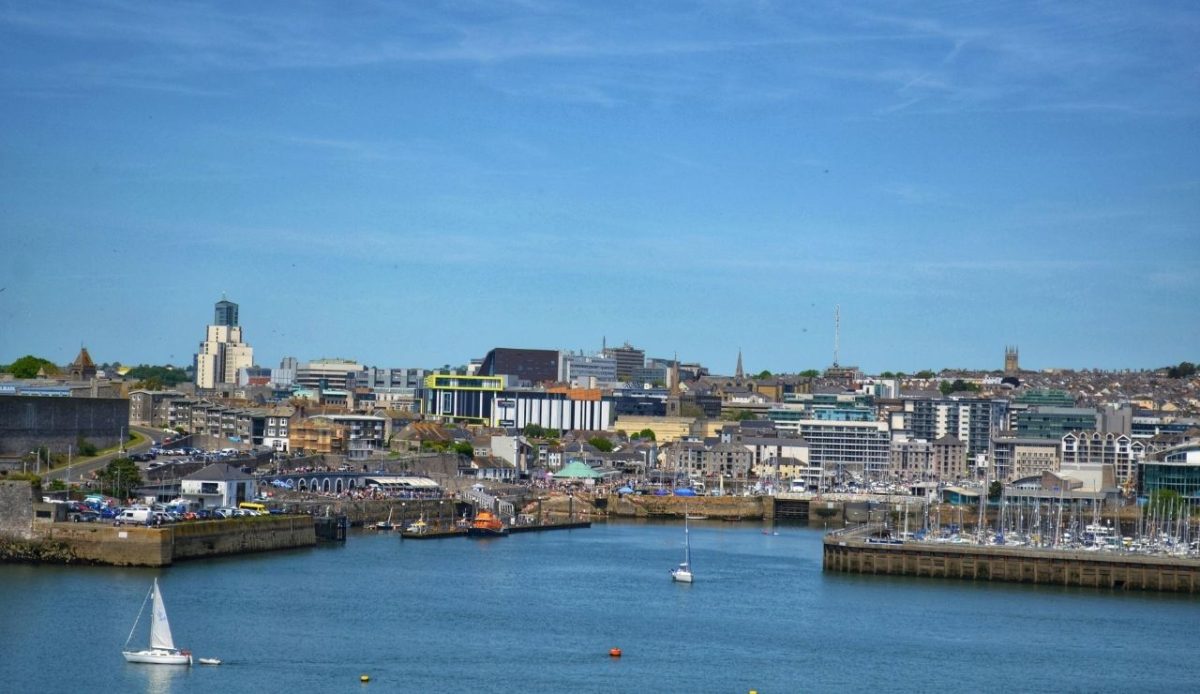
Plymouth is being watched because recent home value data has shown unusually strong annual gains, a sign that migration and local confidence are rising. That demand is being met with new housing and public realm work around the waterfront and central districts, so spending is likely to be spread beyond a single project site. Defense, marine engineering, and port activity keep payrolls steady, while new cafes and services are being added for a larger resident base. If the current build-out continues, more private investment should be pulled in during 2026. Shorter commutes within the city are also being improved through street works.
2. Hull
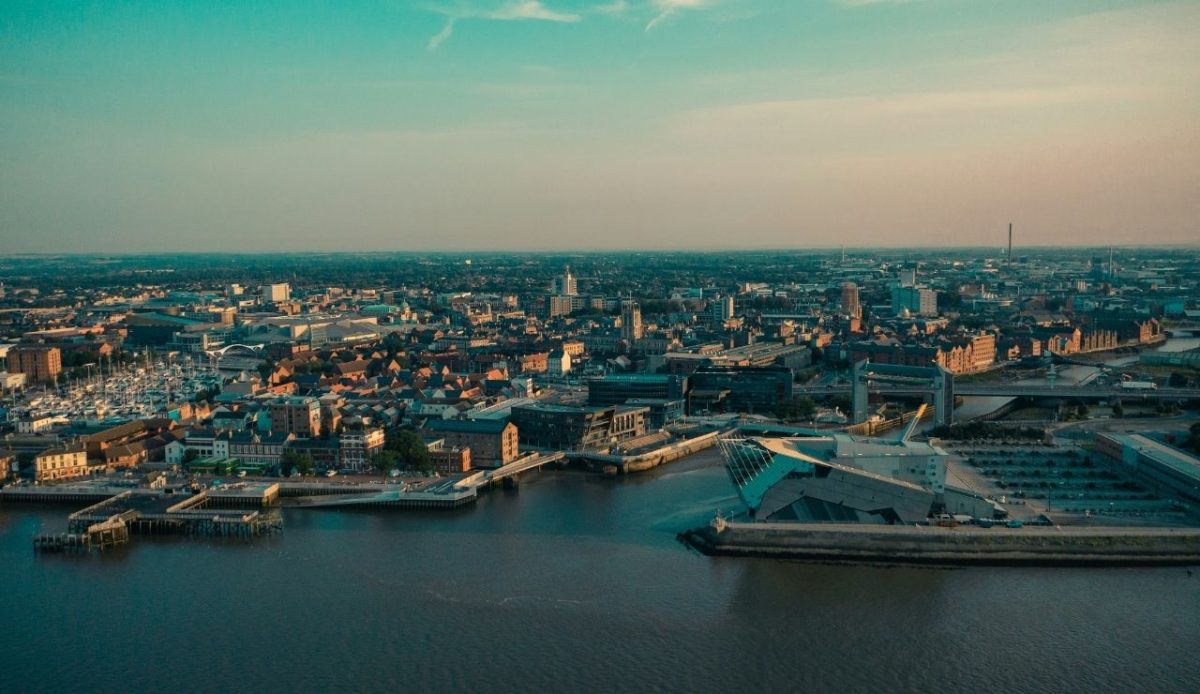
Hull is shifting from recovery to expansion as port-linked activity and renewables work keep attracting skilled jobs. Offshore wind servicing has become a durable employer, which supports steady spending in shops and rentals. City center upgrades have improved the visitor experience, and more hotel capacity is being added ahead of fresh cultural attention. Because the waterfront has room for further mixed use building, growth can be absorbed without pushing everything into one crowded core. By 2026, that mix of jobs, travel demand, and redevelopment should be reflected in new openings and higher occupancy.
3. Canterbury
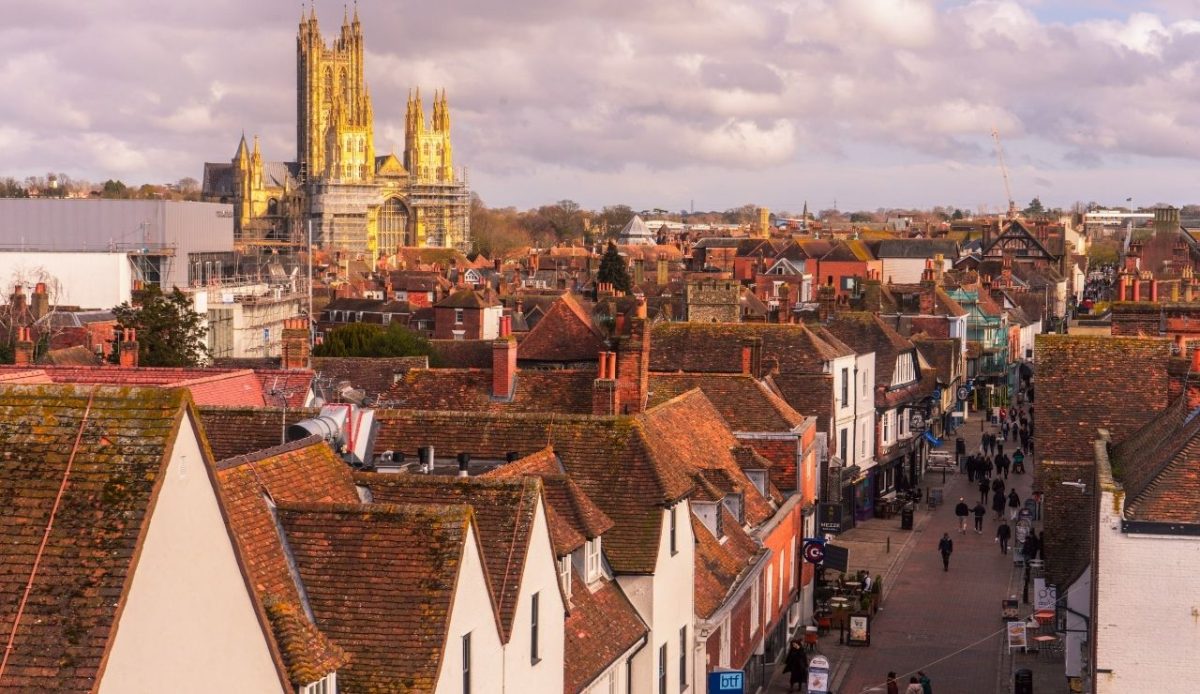
Canterbury has a clear 2026 trigger through the Connected Canterbury program, with works planned to finish by summer 2026. The focus is on heritage sites, greener public spaces, and better links between key areas, which can change how people move through the center. That matters in a university city where daily foot traffic drives small businesses and supports short-term lets. Disruption is being handled now, while the payoff is expected when routes reopen, and restored assets are used more fully. If the timetable holds, spending and visitor numbers should rise during the 2026 season. Local hiring for services is likely to follow.
4. Bradford
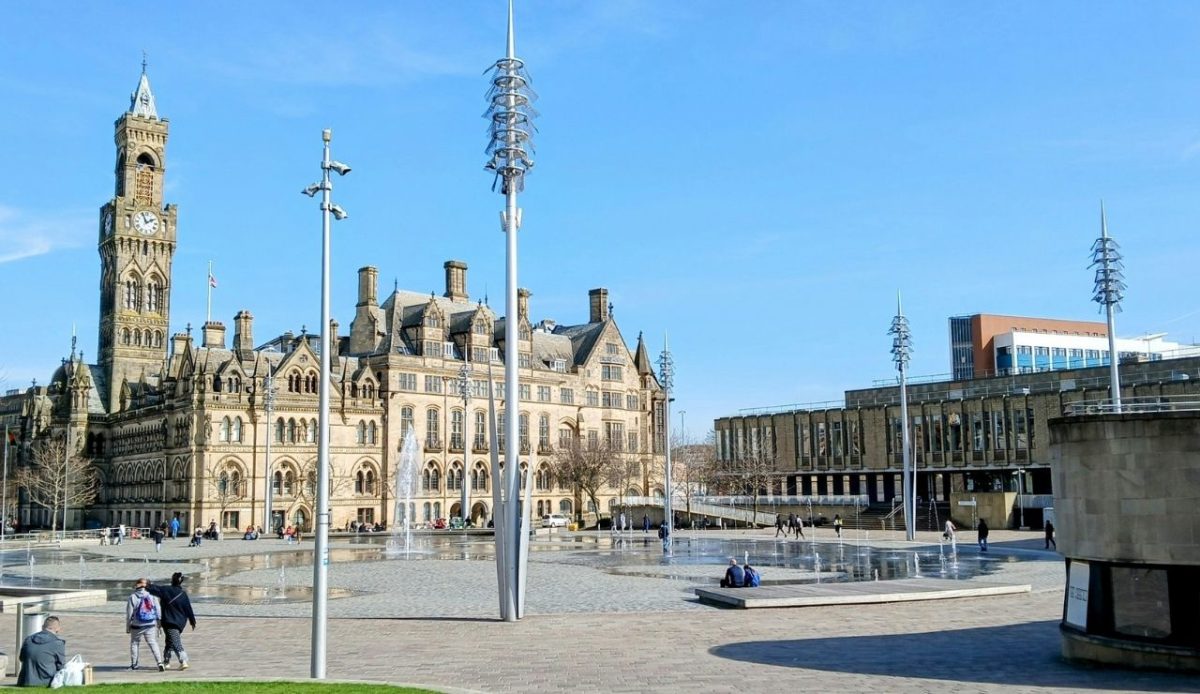
Bradford’s boom case is tied to its UK City of Culture program, which has been running through 2025 and into early January 2026. Thousands of events have brought visitors back repeatedly, while grants have supported venues, skills training, and creative production. Unlike a one-off festival, the local culture company has planned activity beyond the headline year, which can keep footfall from dropping fast. That momentum tends to lift food, lodging, and retail, and it can also attract small firms that want lower costs than Leeds or Manchester. By late 2026, the strongest gains should be seen in the city center economy.
5. Portsmouth
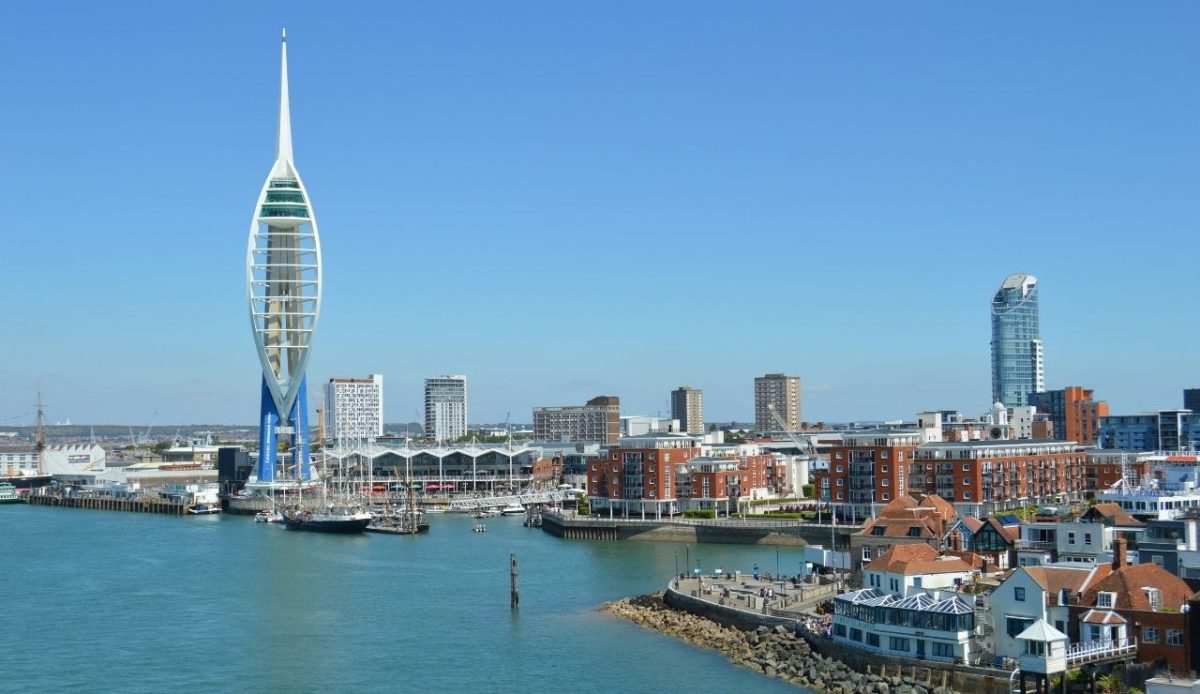
Portsmouth is positioned for a step change as the City Centre North area is being prepared for a large mixed-use build-out. Plans cover thousands of homes plus a new public realm and green space, which can reshape the core between the stations and shopping streets. Because the scheme is phased, early delivery can start lifting demand before the full site is complete. The naval economy supplies stable employment, and improved bus links are being aligned with future streets, so access will not rely on cars alone. If the first phases move on schedule, 2026 should bring visible cranes and new retail leasing.
6. Stoke On Trent
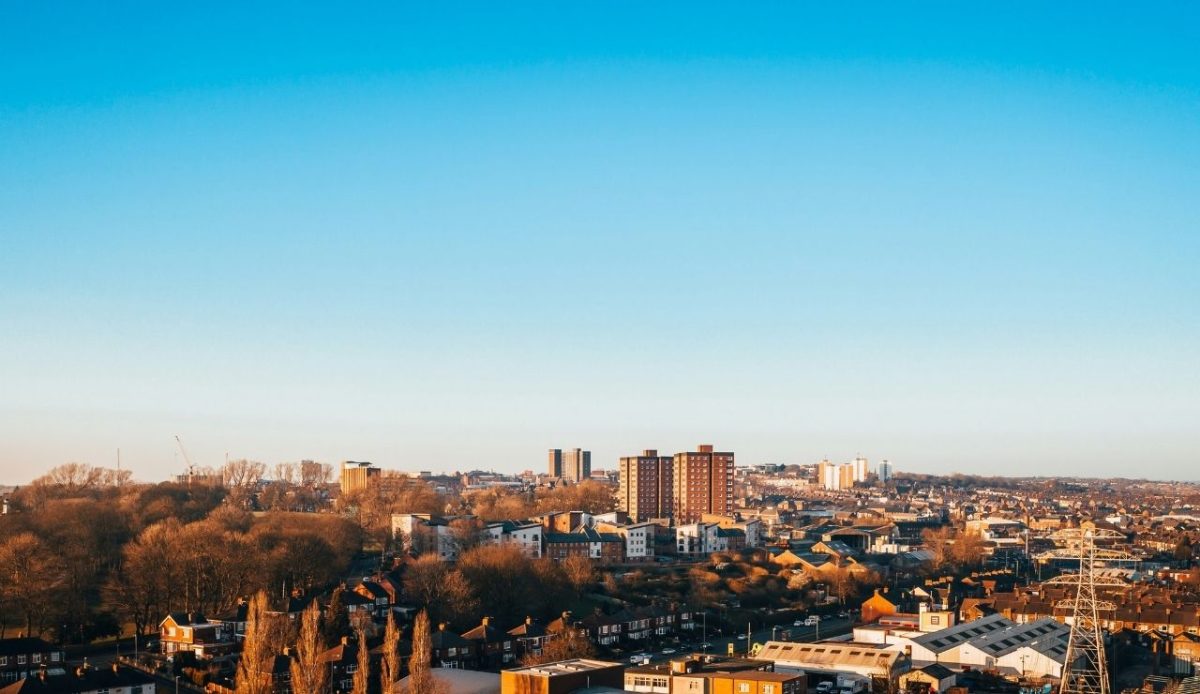
Stoke on Trent is being pushed by regeneration plans that target cleared brownfield land and civic space, backed by Levelling Up funding. Sites such as Etruscan Square have been framed as anchors for housing, jobs, and events that can change how the center functions after dark. Early demolition and remediation were reported as underway, which reduces the risk that projects remain only on paper. The city also benefits from its position on the rail corridor between Manchester and Birmingham, so improved perception can translate into commuter demand. In 2026, progress will be judged by the start on site and tenant commitments.
7. Milton Keynes
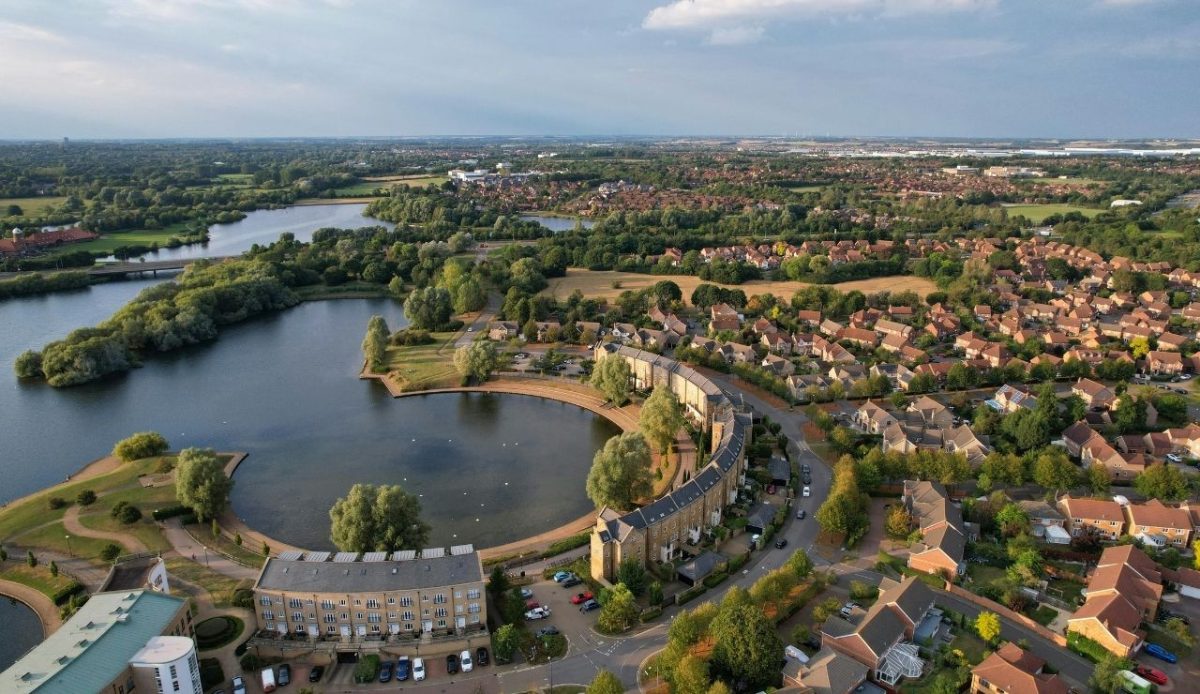
Milton Keynes has a different boom profile because growth is planned in waves, with new neighborhoods and employment land released in steps. That pipeline supports builders, schools, and services, so demand does not depend on one employer deciding to relocate. Its location between London and the Midlands keeps logistics and tech firms interested, especially when office teams can split time across sites. New links for walking, cycling, and bus travel are being added as estates are built, which can protect quality of life as density increases. By 2026, the city is likely to show higher job counts and continued housing absorption.
8. Wolverhampton
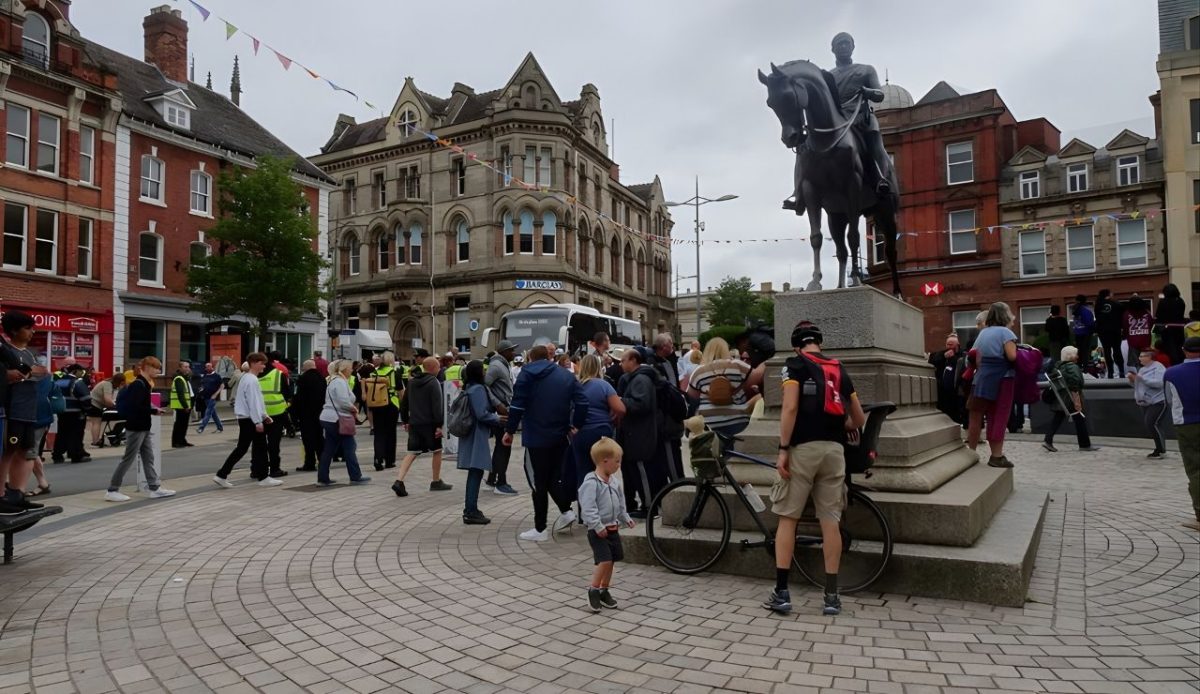
Wolverhampton is gaining pace as education growth, manufacturing, and stronger rail access combine into a better city center outlook. University expansion supports steady rental demand, while new training routes connect residents to higher-paid roles. Regeneration around key streets aims to add homes and improve public spaces, which helps keep activity in the core after business hours. Because the city is part of the West Midlands travel network, employers can recruit across the region without long journeys. If current schemes keep moving from approval into delivery, 2026 should bring more openings and firmer confidence.
9. Sunderland
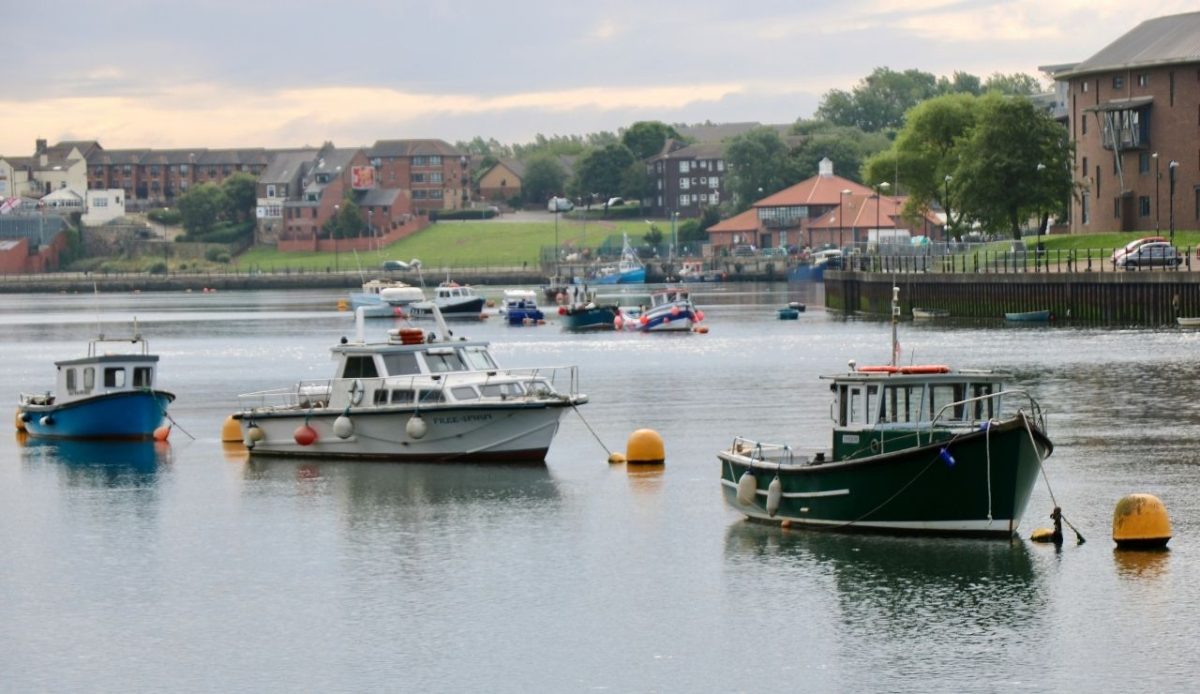
Sunderland has a clear industrial tailwind as electric vehicle supply chains are being scaled around the Nissan plant and new battery capacity. AESC has opened a new gigafactory, and further expansion has been backed by major financing, putting manufacturing hiring in focus. The new Nissan Leaf has been tied to early 2026 deliveries, which can lift supplier demand, training, and logistics activity across the area. When large plants ramp up output, service firms follow, from housing to food and transport. If production stays on track, 2026 should bring stronger wages and more private development near employment corridors.
10. Norwich
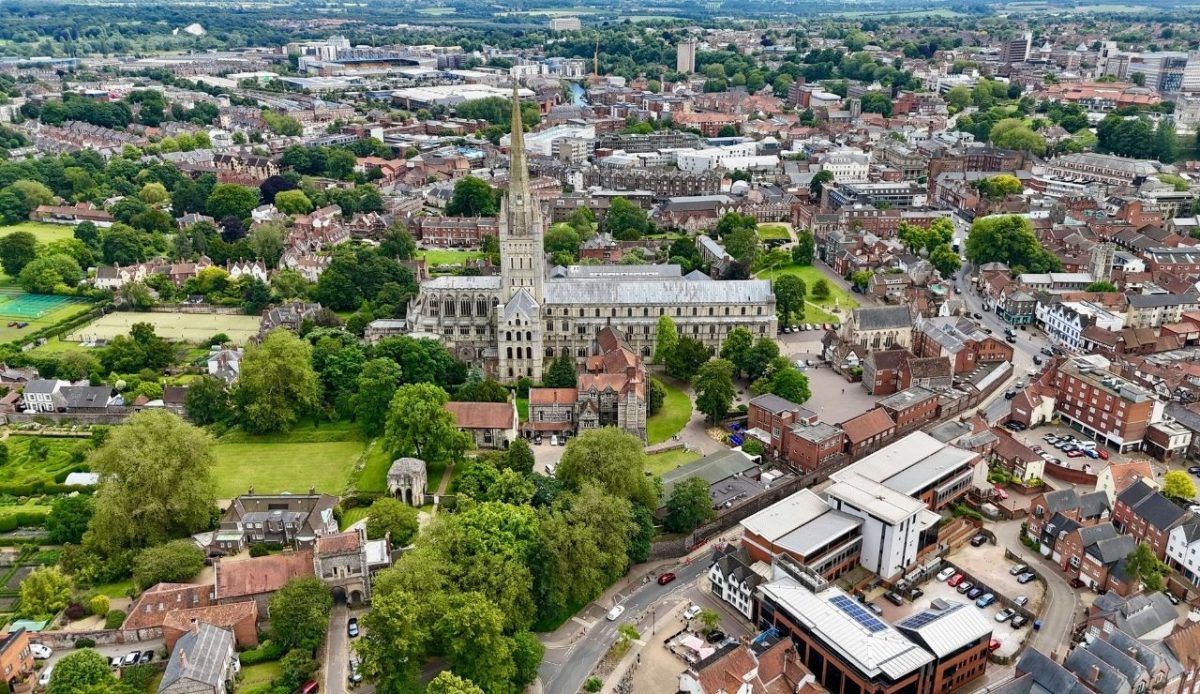
Norwich is entering a rebuild phase as the Anglia Square redevelopment moves from planning toward on-site delivery. The council states that demolition is followed by a phase one start in spring 2026, with further deadlines later in the year. A large range of homes, workspaces, and public spaces is planned, which can rebalance demand away from older retail-only streets. Even before the first homes arrive, construction spend and new temporary uses can increase daily activity around Magdalen Street. If early phases proceed, 2026 should mark a shift in confidence for a key central district. That can support small firms and fresh leasing.
