
Eastern Asia has a short list of dive sites where uncommon animals are still recorded because habitat rules are enforced and coastal runoff is lower. The places below were chosen for repeatable sightings tied to known behaviors, not for hype or easy access.
The region blends warm Kuroshio water with colder currents, so cleaning stations, upwelling edges, and soft coral beds form narrow niches. When those niches stay intact, the same sharks, rays, whales, and small cryptic species are seen again.
Each section names one precise location and the rare or regionally important species most linked to it. Details emphasize protected status, monitoring, and ecology so readers can judge claims without guesswork.
1. Yonaguni Island, Japan
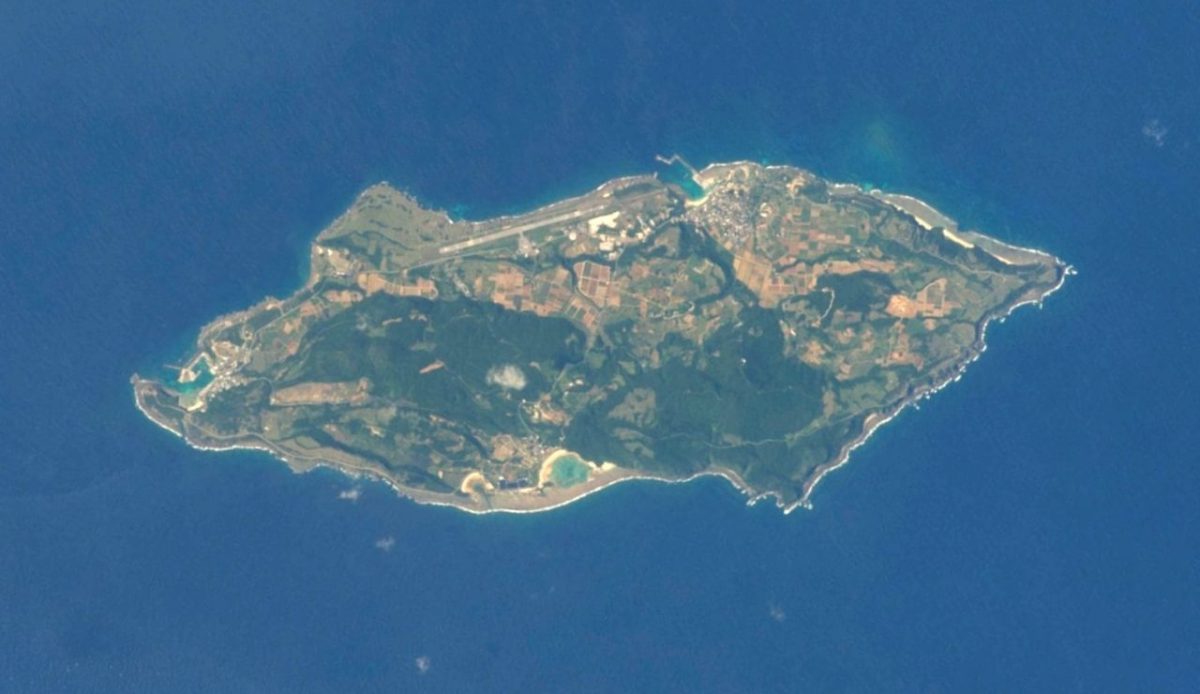
Yonaguni lies at Japan’s far southwest edge, where winter currents and steep walls line up with large schools of scalloped hammerhead sharks. The draw is not a single reef but an offshore zone where sharks can circle without boats above them.
Hammerheads are pelagic and avoid shallow coral traffic, so they gather along deeper ridges where bait fish and cleaner fish occur in the water column. This repeatable timing fits what is known about temperature and prey cues for the species.
Access is weather-limited, and the dives are technical, which naturally reduces crowding. That constraint, along with local codes of conduct, helps the seasonal encounters stay consistent.
2. Mikomoto Island, Japan
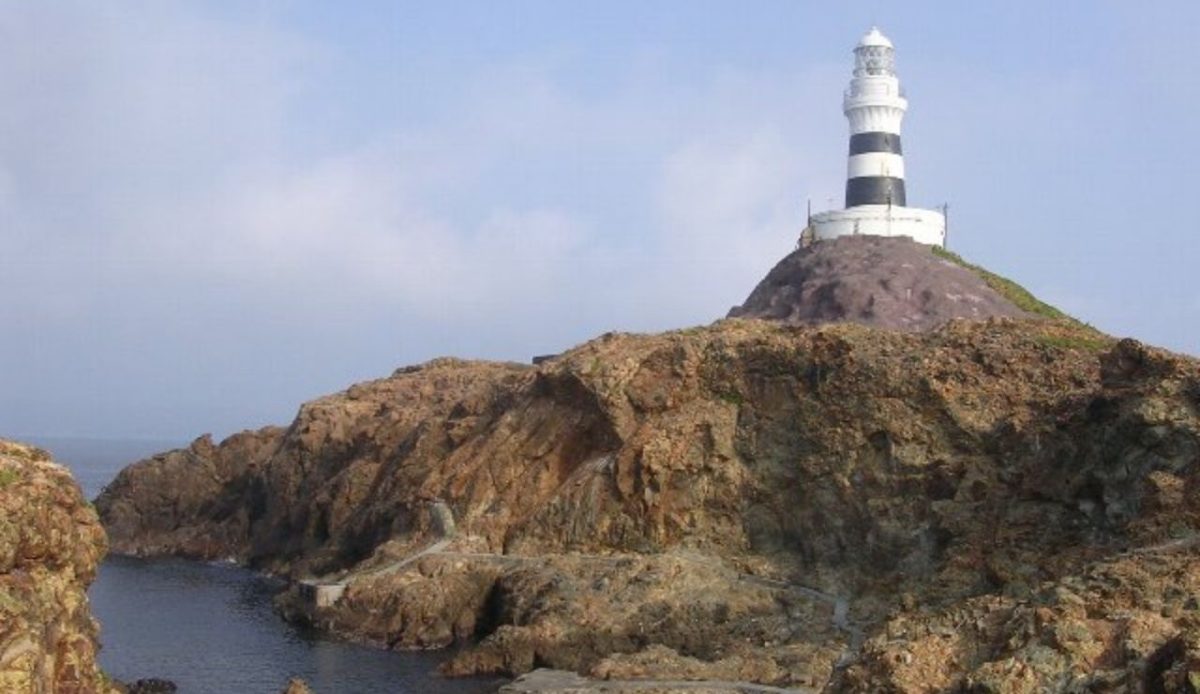
Mikomoto Island off the Izu Peninsula is linked to seasonal scalloped hammerhead activity documented by conservation mapping and long-running dive monitoring. Sightings cluster around submerged rock where currents collide, especially during the warm season window.
Those currents create a conveyor of oxygen and prey, and sharks are often seen moving in loose lines rather than tight balls. The behavior suggests transit and feeding, not a short photo stop.
Diving is restricted by strong flow and requires precise entry and exit, so visitor numbers stay smaller. With fewer disturbances near the drop-offs, the same aggregation window has been reported year after year.
3. Ishigaki Island, Japan
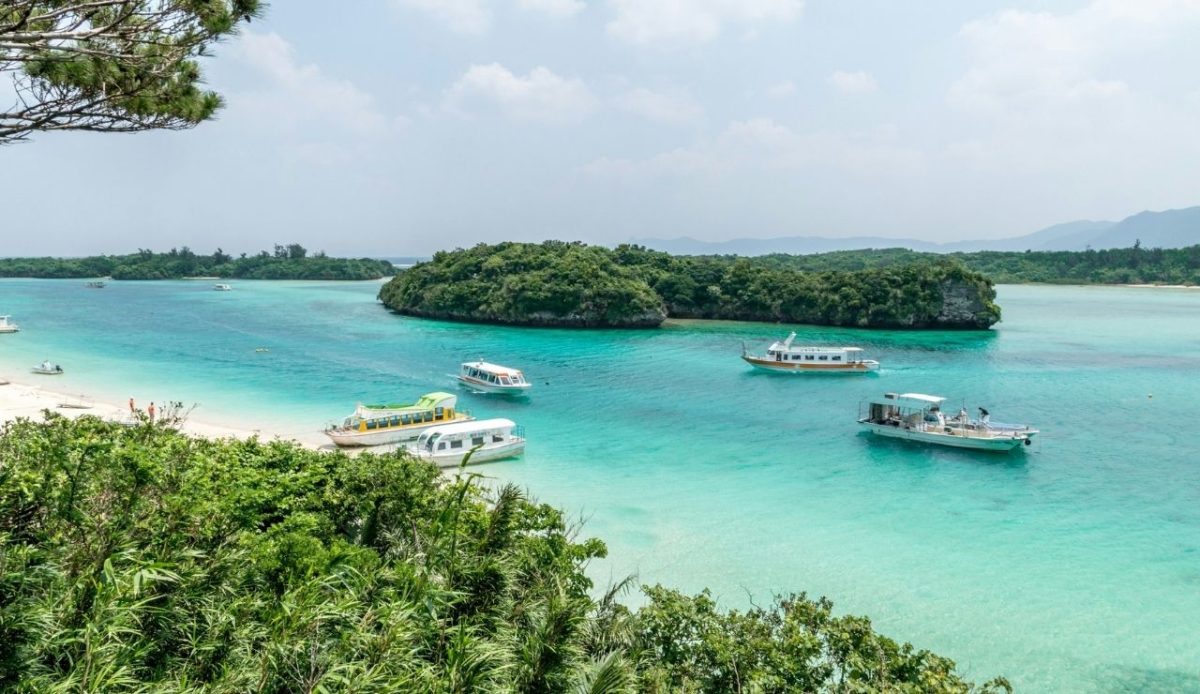
Off Ishigaki, several reefs function as manta ray cleaning stations where reef mantas slow down and circle above coral heads. Warm Kuroshio water supports cleaner fish and plankton that keep the station active.
Mantle markings allow individuals to be recognized, so repeat visits can be logged over time by researchers and operators. That record-keeping is why the area is treated as a dependable observation site rather than random luck.
Boat rules that limit approach distance reduce stress and prevent divers from blocking the cleaning run. When those rules are followed, mantas keep returning, and the reef community that supports them stays stable.
4. Kerama Islands, Japan
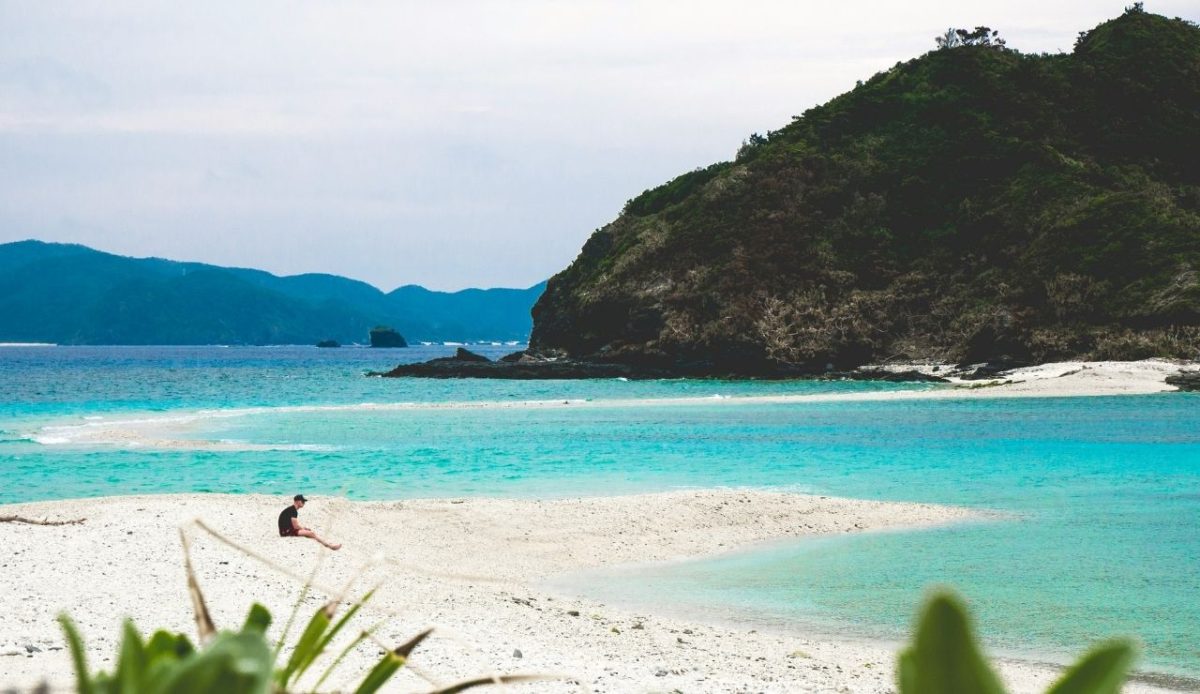
The Kerama Islands are within a national park where coral cover and clear water support green and hawksbill sea turtles that feed on reef growth. Turtles are seen resting on ledges and cruising between bommies on many standard routes.
In winter, humpback whales pass through nearby waters on migration, and surface activity is often reported from boats between dives. That overlap makes Kerama unusual for pairing reef life with large mammals.
Fishing pressure has been reduced by zoning and enforcement, and anchor damage is limited through moorings. When reef habitat stays healthy, turtles are common, and juvenile recruitment is still observed across the island group.
5. Ogasawara Islands, Japan
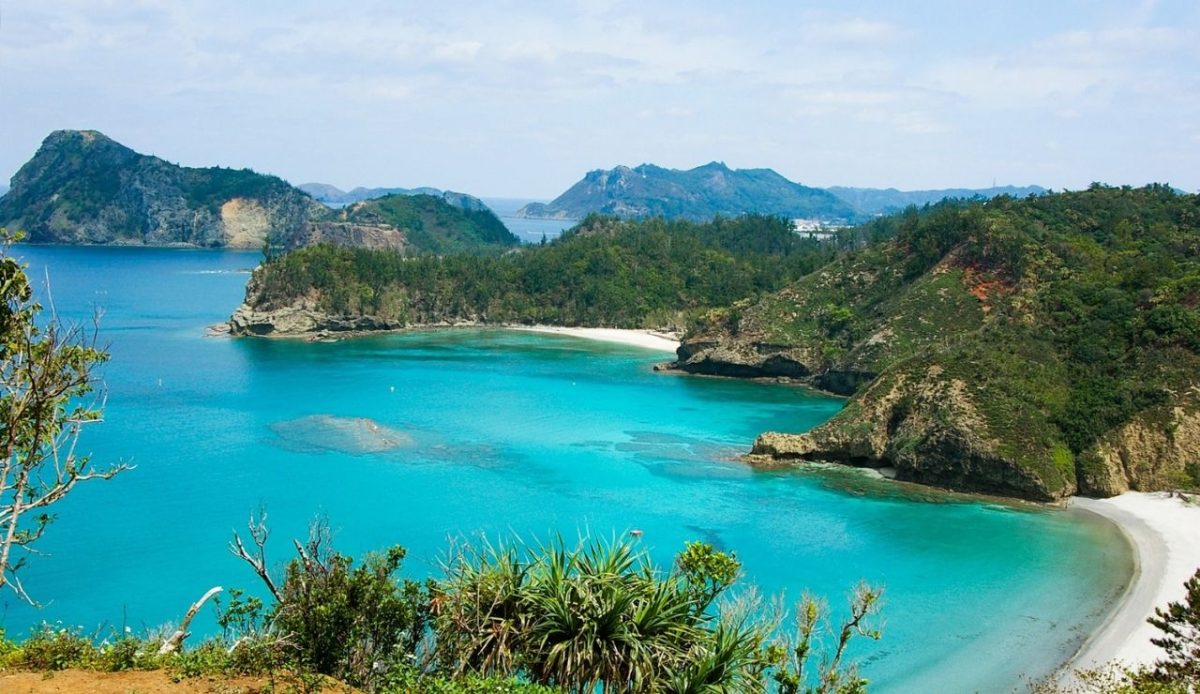
The Ogasawara Islands are far from mainland Japan, and their deep ocean setting supports toothed whales that are rarely seen near busy coasts. Sperm whales and several dolphin species are regularly reported in the archipelago.
Because the sea floor drops quickly, pelagic prey such as squid can be reached close to shore, which suits deep-diving mammals. Coral communities also occur in clear water that is less affected by river sediment.
Strict access control and limited development reduce noise and pollution in key bays. When disturbance stays low, predictable whale seasons remain possible, and long-term wildlife surveys can be compared year to year.
6. Shiretoko Peninsula, Japan
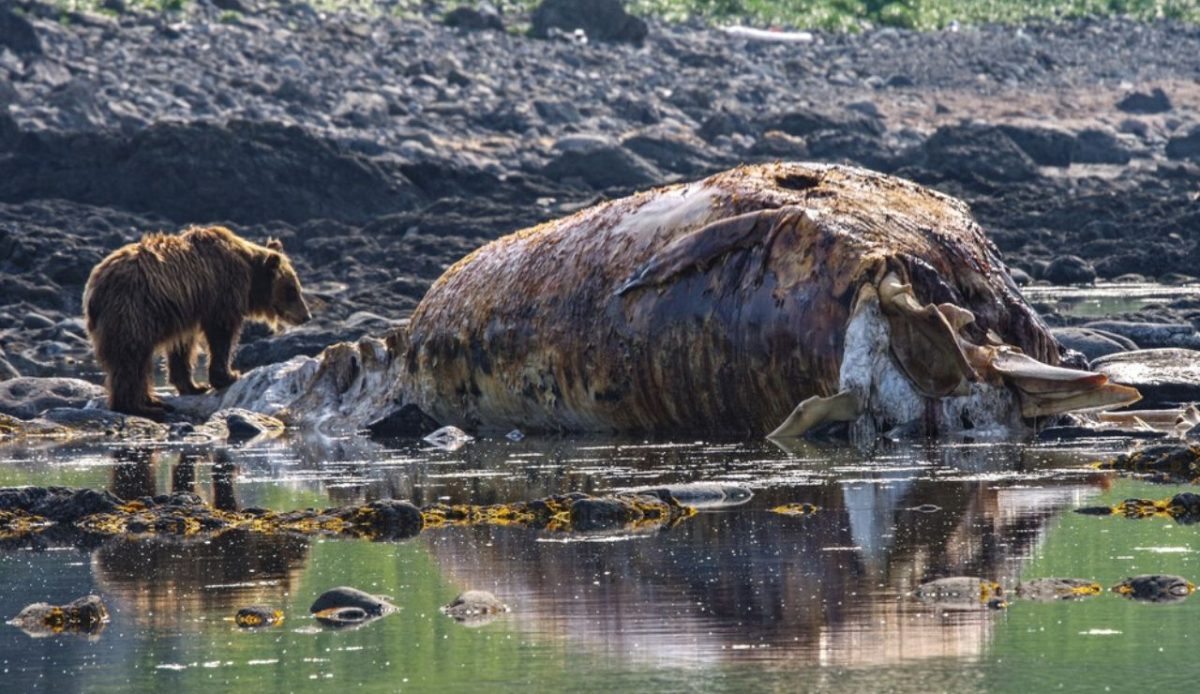
Shiretoko in northern Japan is tied to a sea ice-driven food web that feeds salmon, pollock, and the predators that follow them each year. Orcas and Steller sea lions are documented in the area during productive periods.
Cold currents limit tropical coral but support kelp, invertebrates, and fish that rely on nutrient pulses from ice melt. That seasonal nutrient delivery is a key reason the ecosystem is studied and protected.
Coastal use is tightly managed, and some waters are restricted, so pressure on prey species is reduced. With less disruption, apex predators keep using the corrido,r and sightings remain consistent across recent monitoring.
7. Green Island, Taiwan
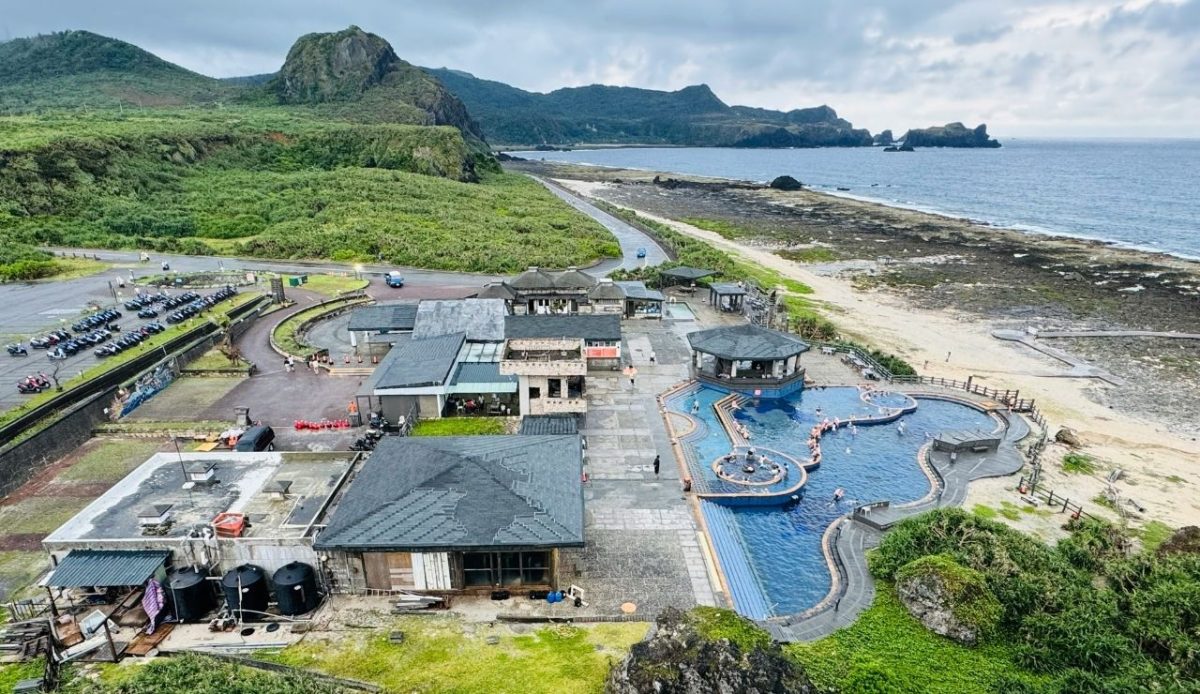
Green Island off Taiwan has reefs and seagrass patches that support frequent green turtle sightings at dive depth, especially around Turtle Bay. Government descriptions of the site highlight turtles and coral habitat.
Turtles return where algae and seagrass are available and where cleaning fish are present, so the same coves can produce repeat encounters. Stable water clarity also helps divers observe natural behavior without chasing.
Local marine zoning reduces destructive fishing and limits damage from anchors. When feeding areas are kept intact, turtles remain a reliable indicator that the nearshore ecosystem is functioning as expected.
8. Longdong Coast, Taiwan
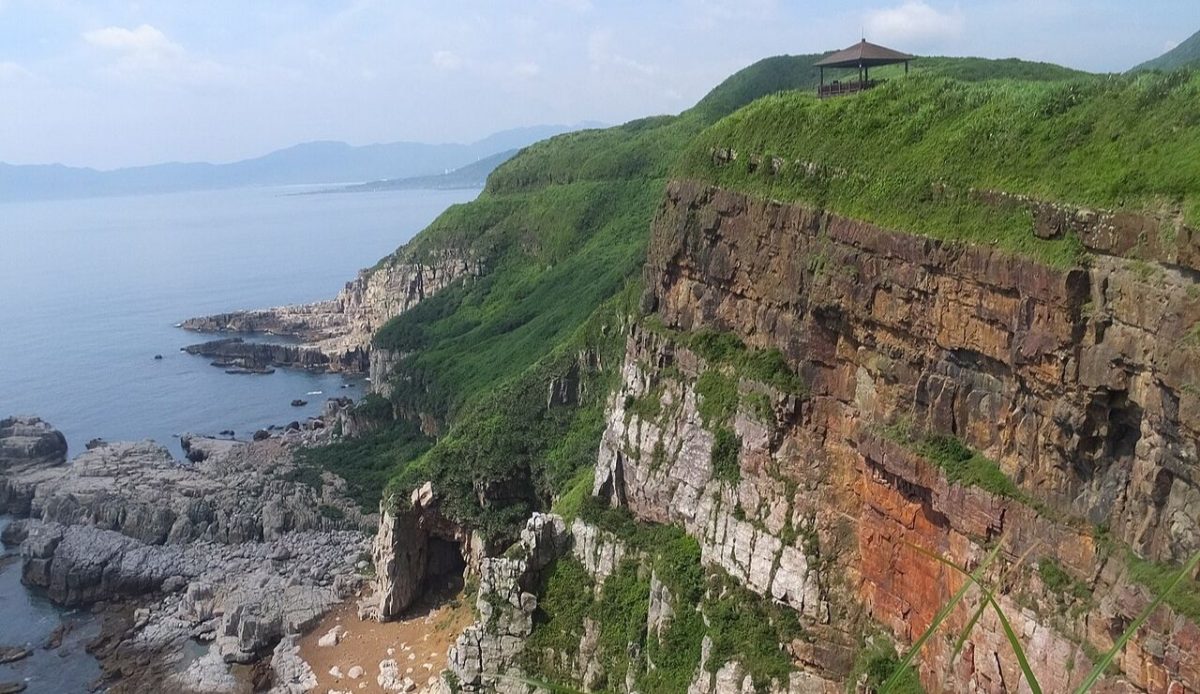
The Longdong coast in northeast Taiwan is a temperate shore dive zone where rocky reefs support nudibranchs, octopus, and dense invertebrate life. Rare finds have included pygmy seahorse records tied to suitable soft coral growth in sheltered pockets.
Seasonal temperature shifts create short windows for species that prefer cooler water and high oxygen. That makes the site useful for comparing warm-season and cold-season community change.
Because access is local and wave conditions often limit diving, overall pressure stays moderate. When harvesting and contact are minimized, fragile macro habitats can persist and uncommon species can remain observable.
9. Munseom Island, South Korea
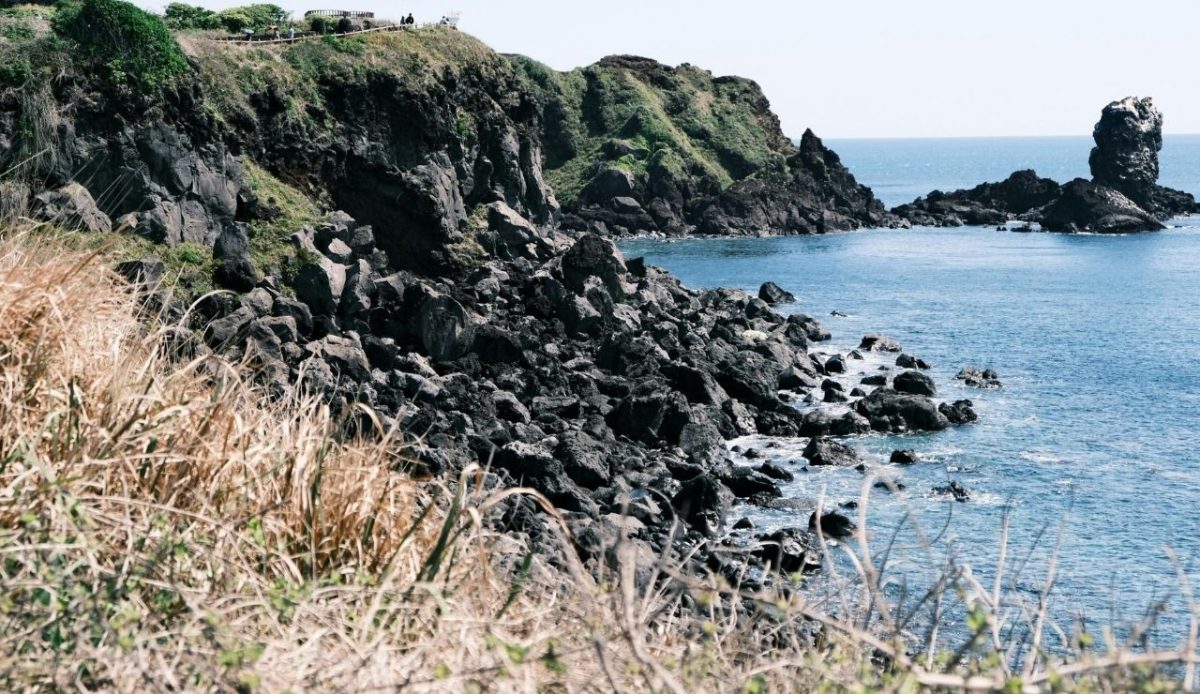
Munseom near Jeju is known for extensive soft coral communities that survive in cooler water than typical reef builders. These corals form a complex cover that shelters juvenile fish and invertebrates across much of the wall.
Soft corals depend on steady flow that brings plankton, so sites with consistent current often support thicker colonies. When water quality stays high, the colonies can persist for long periods.
Diving activity is managed through local regulations and site guidance to reduce fin contact and souvenir collection. With lower physical damage, the soft coral habitat remains one of South Korea’s most distinctive underwater ecosystems.
10. Hoi Ha Wan, Hong Kong
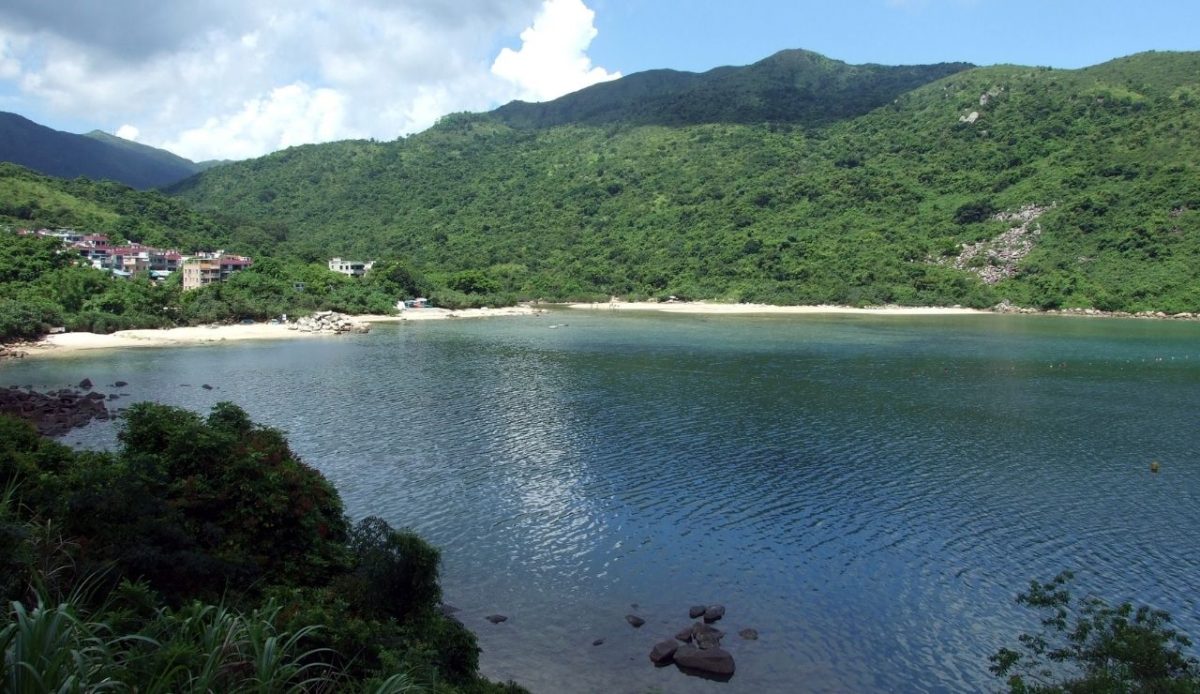
Hoi Ha Wan in Hong Kong is a marine park where corals and seagrass are protected inside a sheltered bay. Hard coral patches and sandy channels create varied microhabitats within a short boat ride of shore.
Seahorses and pipefish are among the animals reported in the park’s shallow zones, along with juvenile reef fish that use the grass as cover. They need calm water and vegetation for anchoring and hunting small crustaceans.
Park rules restrict fishing methods and support education dives, which reduces direct removal and habitat damage. When enforcement holds, the bay provides a rare example of monitored coastal biodiversity close to a major city.
