
Some places on Earth protect plant species that exist nowhere else, surviving extreme climates, isolation, or human pressure. These landscapes are not just beautiful, they are living laboratories where nature continues to adapt and endure.
From remote islands to harsh deserts and hidden mountain valleys, rare flora have found ways to survive in environments that seem impossible for life. These destinations reveal how fragile ecosystems coexist with dramatic scenery and challenging conditions.
For travelers, these regions offer more than scenic views. They provide a chance to witness rare biodiversity firsthand, understand conservation struggles, and explore environments where plant life continues to thrive despite constant threats.
1. Socotra Island, Yemen
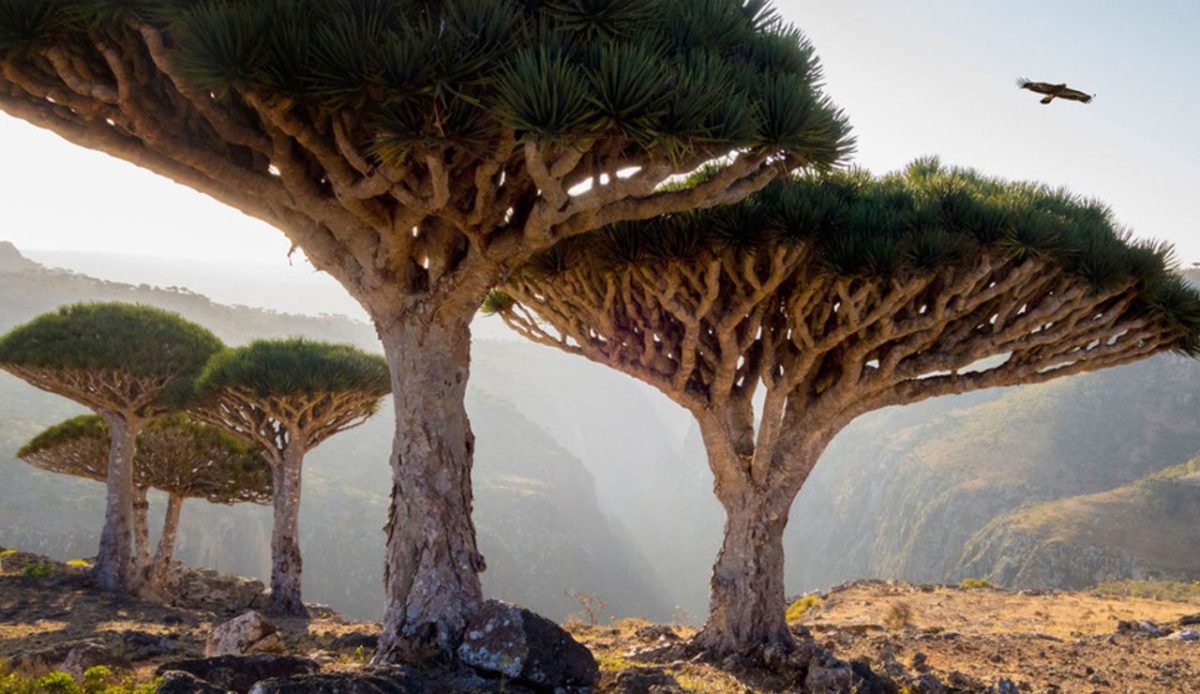
Socotra Island is often described as the most alien-looking place on Earth, home to plant species found nowhere else. Its isolation in the Arabian Sea has allowed rare flora like the dragon blood tree to evolve independently for millions of years.
Harsh winds, limited rainfall, and rugged terrain make survival difficult, yet unique plant life has adapted with unusual shapes and survival strategies. Many species here are endemic and highly vulnerable to climate change and human activity.
Travelers who reach Socotra encounter landscapes unlike any other, where surreal trees and desert-like plains coexist. The island stands as a powerful example of how rare plant ecosystems can persist even in extreme isolation and environmental pressure.
2. Atacama Desert, Chile
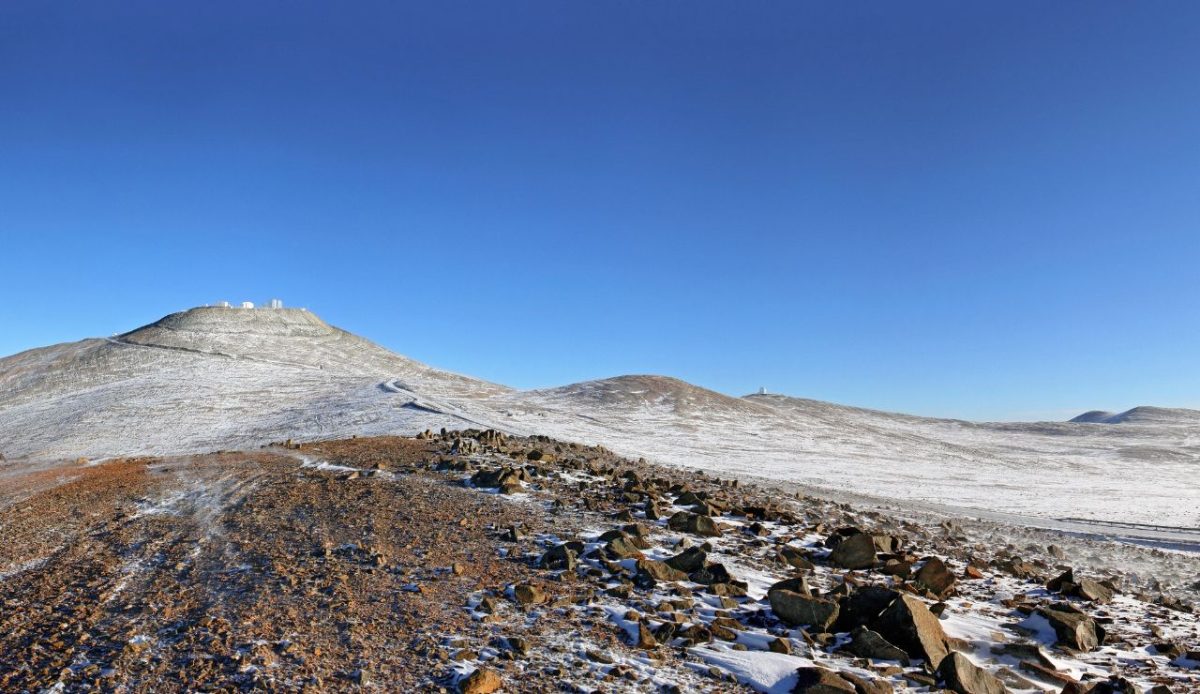
The Atacama Desert is one of the driest places on Earth, yet rare plant species manage to survive in its harsh conditions. During rare rainfall events, the desert blooms with flowers that remain dormant for years beneath the soil.
Extreme aridity, intense sunlight, and poor soil make survival difficult, forcing plants to develop extraordinary adaptations. Some species rely on fog moisture, while others store water in specialized tissues to endure long droughts.
For travelers, the Atacama offers a dramatic contrast between barren landscapes and sudden bursts of life. Witnessing rare desert flora here highlights nature’s resilience and the delicate balance that allows plant life to exist in seemingly impossible environments.
3. Madagascar’s Eastern Rainforests
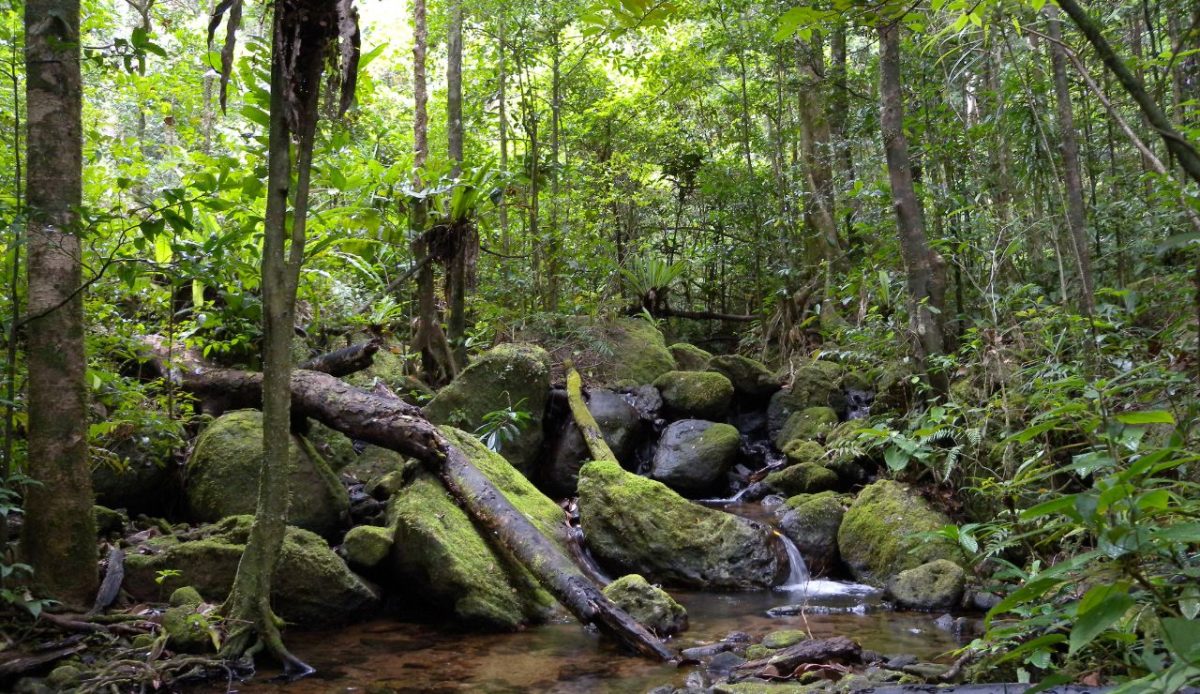
Madagascar is famous for its biodiversity, with many plant species found nowhere else on Earth. Its eastern rainforests shelter rare orchids, palms, and medicinal plants that evolved in isolation for millions of years.
Deforestation and habitat loss threaten these ecosystems, yet pockets of untouched forest still protect remarkable plant diversity. The tropical climate and geographic isolation have created one of the world’s most unique botanical regions.
Travelers exploring Madagascar’s rainforests encounter dense vegetation and rare flora that feel prehistoric in origin. These forests show how isolated ecosystems nurture extraordinary plant life, even as human pressure challenges survival.
4. Table Mountain, South Africa
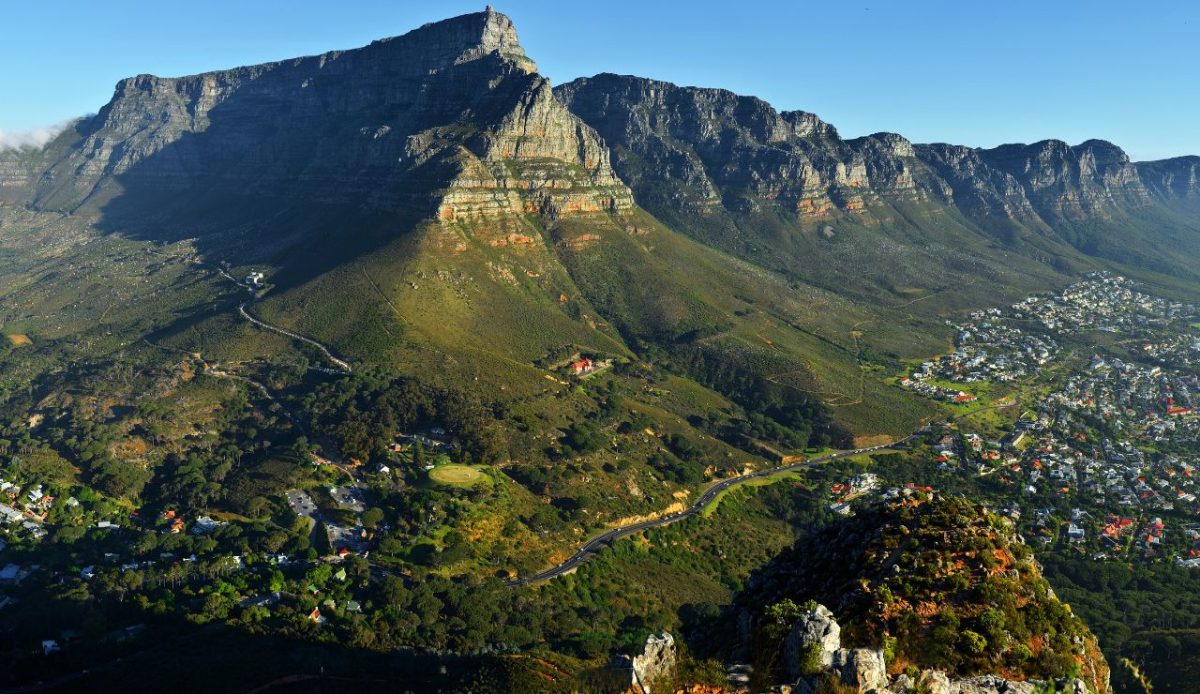
Table Mountain is home to the Cape Floristic Region, one of the world’s richest plant biodiversity hotspots. Thousands of plant species thrive here, many of which exist only within this small geographic area.
The region’s unique climate, soil conditions, and fire cycles have shaped a highly specialized ecosystem. Despite urban expansion around Cape Town, rare plant species continue to survive on the mountain’s slopes and protected areas.
Visitors hiking Table Mountain experience an extraordinary variety of flora in a compact space. The landscape proves that rare plant ecosystems can persist even near major cities, offering a striking example of coexistence between nature and human development.
5. Mount Kinabalu, Malaysia
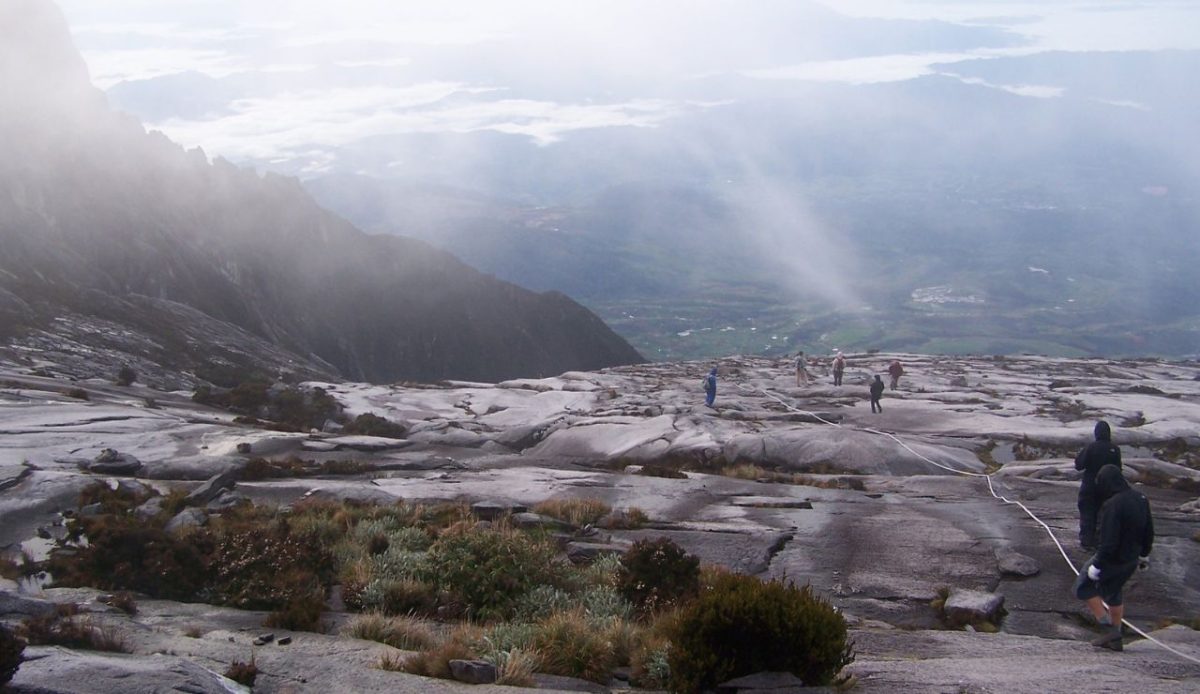
Mount Kinabalu is one of Southeast Asia’s most biologically diverse mountains, hosting rare plant species adapted to its varying altitudes. From tropical rainforest to alpine zones, each elevation supports unique flora.
Extreme changes in temperature and soil composition create challenging conditions, yet orchids, pitcher plants, and endemic species flourish here. Many plants have evolved specialized traits to survive the mountain’s harsh climate and nutrient-poor soils.
For travelers, Mount Kinabalu offers a journey through multiple ecosystems in a single climb. The mountain’s rare plant life highlights how altitude and isolation can create extraordinary biodiversity in environments where survival demands constant adaptation.
6. Galápagos Islands, Ecuador
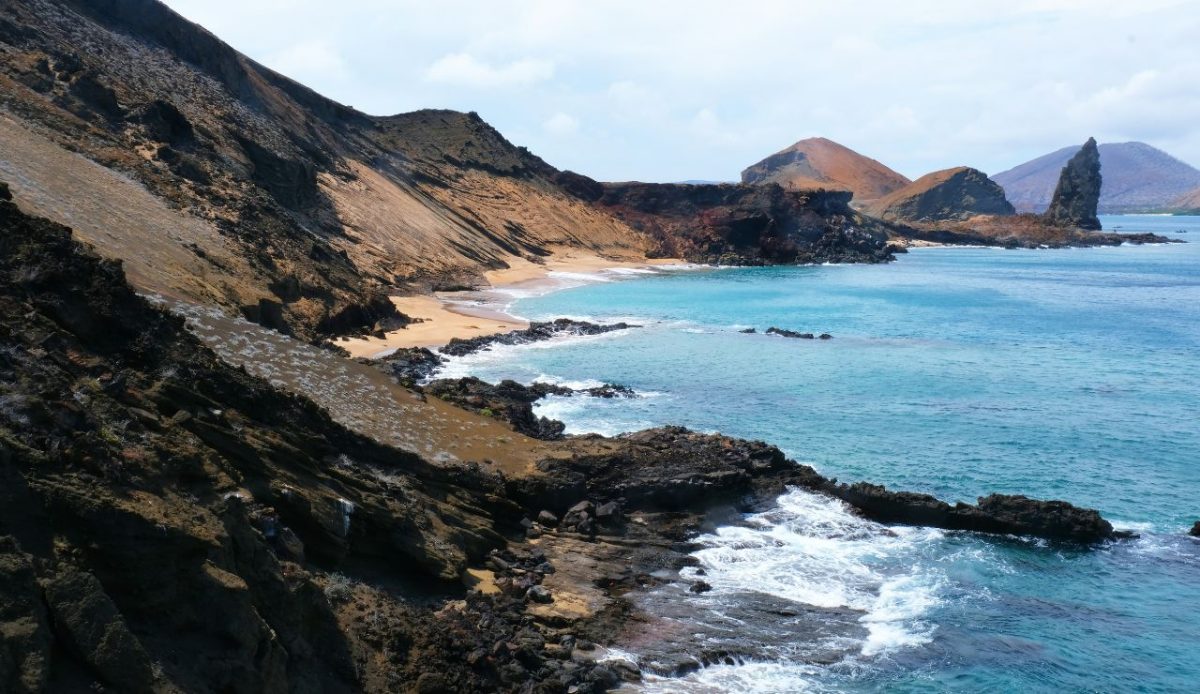
The Galápagos Islands are famous for their wildlife, but their plant life is equally remarkable. Many endemic plant species evolved alongside the islands’ unique animals, adapting to volcanic terrain and limited freshwater resources.
Harsh volcanic soil, strong winds, and isolation have forced plants to develop specialized survival strategies. Some species have thick leaves to retain moisture, while others thrive in lava fields where few organisms can survive.
Travelers exploring the Galápagos encounter landscapes shaped by both fire and life. The islands demonstrate how rare plant ecosystems can emerge in extreme environments, offering insight into evolution and the delicate balance of isolated natural systems.
7. Great Basin Desert, USA
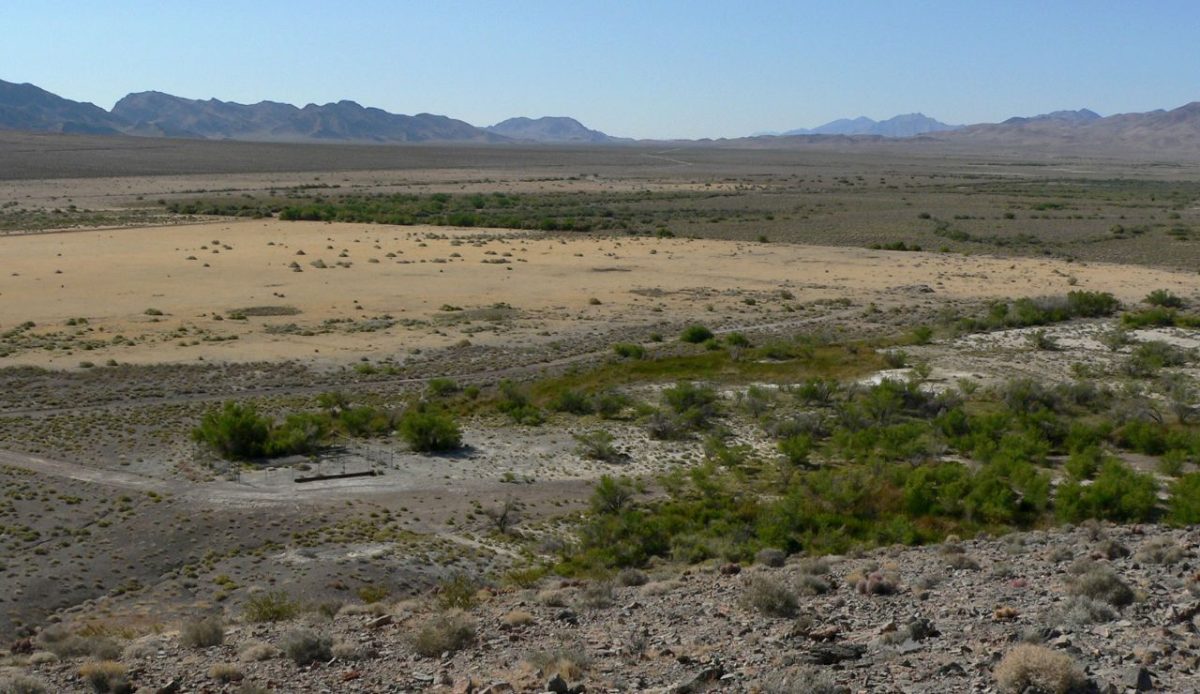
The Great Basin Desert is often overlooked, yet it supports rare plant species adapted to cold winters and arid summers. Sagebrush, wildflowers, and endemic plants thrive in this challenging environment across vast open landscapes.
Extreme temperature swings and limited rainfall create harsh living conditions. Plants here survive through deep root systems and seasonal growth cycles, allowing them to endure drought and frost in equal measure.
For travelers, the Great Basin reveals subtle beauty rather than dramatic scenery. Its rare plant life illustrates how resilience and adaptation can sustain ecosystems in environments that appear barren but are rich with hidden biodiversity.
8. Mount Roraima, Venezuela
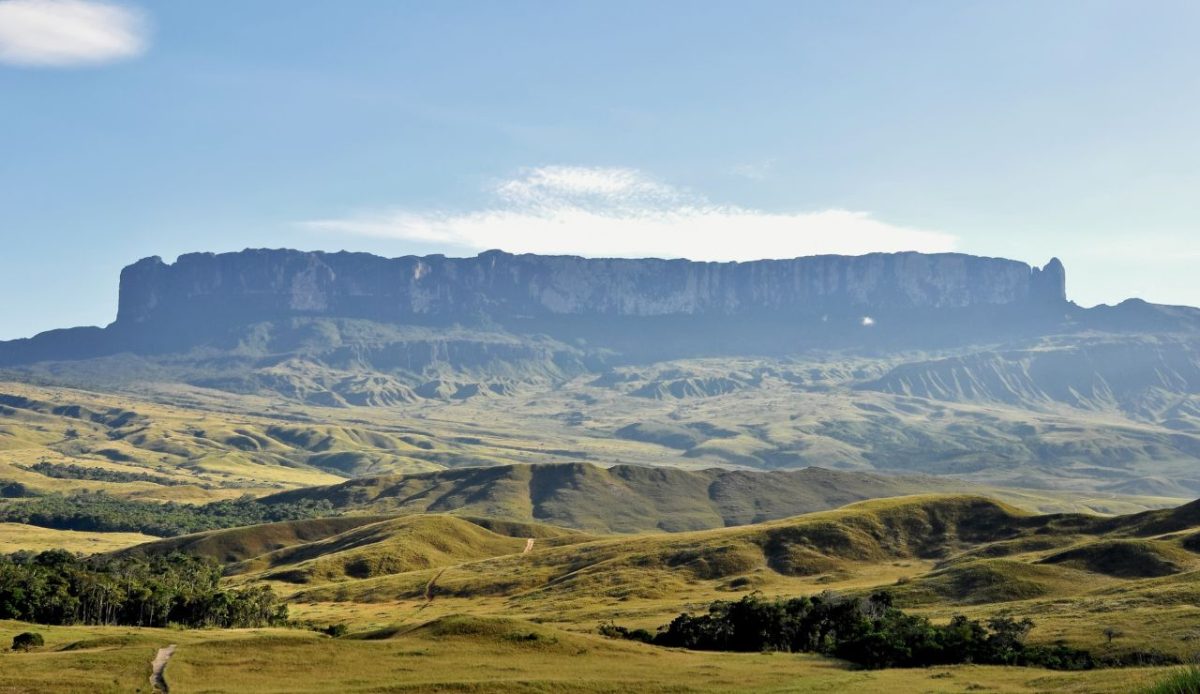
Mount Roraima is a tabletop mountain rising above the surrounding rainforest, with a summit ecosystem isolated for millions of years. This isolation has allowed rare plant species to evolve independently from the lowlands below.
Constant mist, poor soil, and strong winds create a harsh environment, yet carnivorous plants and endemic species thrive on the plateau. Many plants here exist nowhere else on Earth due to the mountain’s extreme isolation.
Travelers reaching Mount Roraima encounter landscapes that feel prehistoric and otherworldly. The mountain’s unique flora demonstrates how geological isolation can preserve rare plant life in environments that challenge conventional ideas of survival.
9. Svalbard Archipelago, Norway
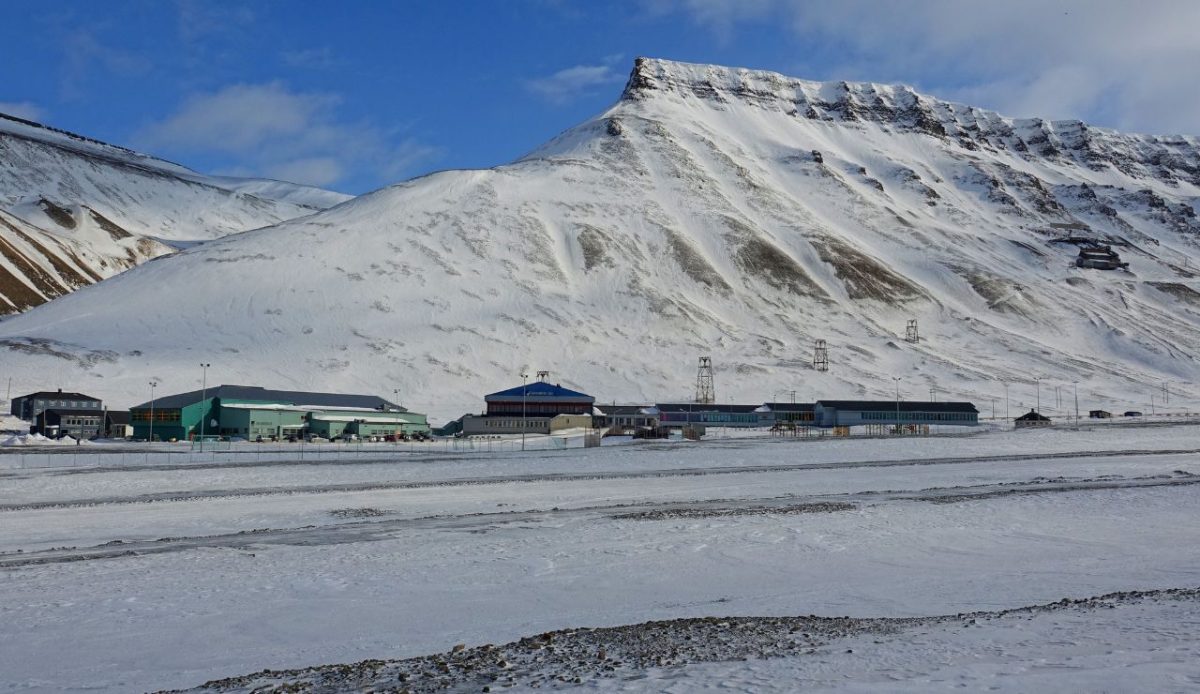
Svalbard lies deep within the Arctic Circle, where extreme cold and short growing seasons limit plant life. Despite these conditions, rare Arctic plants survive in tundra landscapes shaped by ice and permafrost.
Plants here grow low to the ground to resist wind and conserve heat. Many species complete their life cycles in a few short weeks of summer, adapting to one of the harshest climates on Earth.
For travelers, Svalbard offers a stark yet fascinating environment where life persists against extreme odds. The archipelago’s rare flora highlights the resilience of Arctic ecosystems and the delicate balance that sustains plant life in polar regions.
10. Western Ghats, India
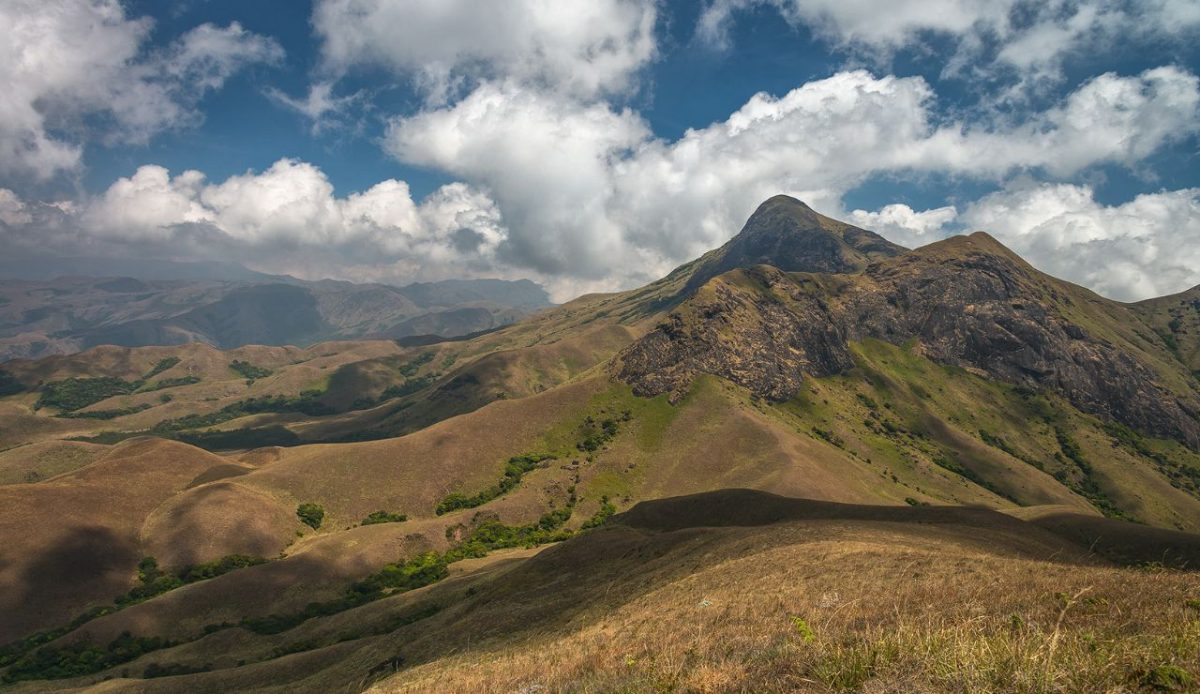
The Western Ghats mountain range is one of the world’s biodiversity hotspots, home to rare and endangered plant species. Its monsoon climate and varied terrain create ideal conditions for unique flora to flourish.
Dense forests, mist-covered hills, and isolated valleys support endemic plants that have evolved over millions of years. However, deforestation and development continue to threaten these fragile ecosystems and their rare species.
Travelers exploring the Western Ghats encounter lush landscapes filled with unusual plant life. The region shows how ancient mountain systems can preserve rare biodiversity, even as modern pressures challenge the survival of some of the world’s most distinctive ecosystems.
