
Rare birds often thrive in habitats as breathtaking as they are challenging. These dangerous wildlife hotspots demand careful planning, courage, and sometimes expert guides, as conditions can be harsh and unpredictable.
From dense jungles to storm-lashed coasts and perilous wetlands, these regions protect avian species found nowhere else. Travelers face extreme conditions for the chance to witness wings, colors, and behaviors rarely seen by humans, often requiring specialized knowledge and patience.
For bird enthusiasts, visiting these places is more than spotting a species. It’s immersed in fragile ecosystems where survival is a daily struggle, and every rare sighting feels extraordinary, hard-earned, and truly unforgettable.
1. Danum Valley, Malaysia
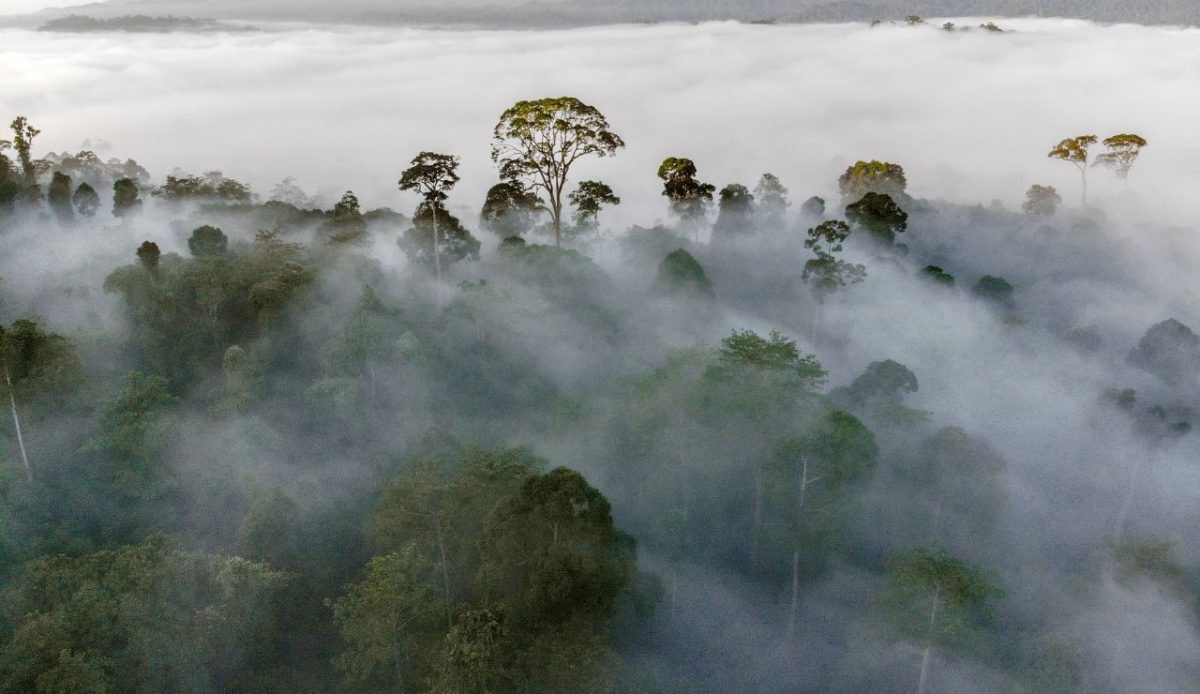
Danum Valley, in Borneo, is a dense rainforest home to elusive hornbills, pittas, and rare songbirds. Trekking here means navigating muddy trails, leeches, and tropical downpours.
The valley’s extreme biodiversity includes species entirely dependent on undisturbed forest. Camouflage and quiet observation are critical, as many birds appear fleetingly and rarely tolerate human presence.
Adventurous travelers rewarded with vibrant sightings of Rhinoceros Hornbills witness how danger and rarity combine. Danum Valley offers a captivating immersion into ecosystems that remain largely untouched and extraordinarily fragile.
2. Kakadu National Park, Australia
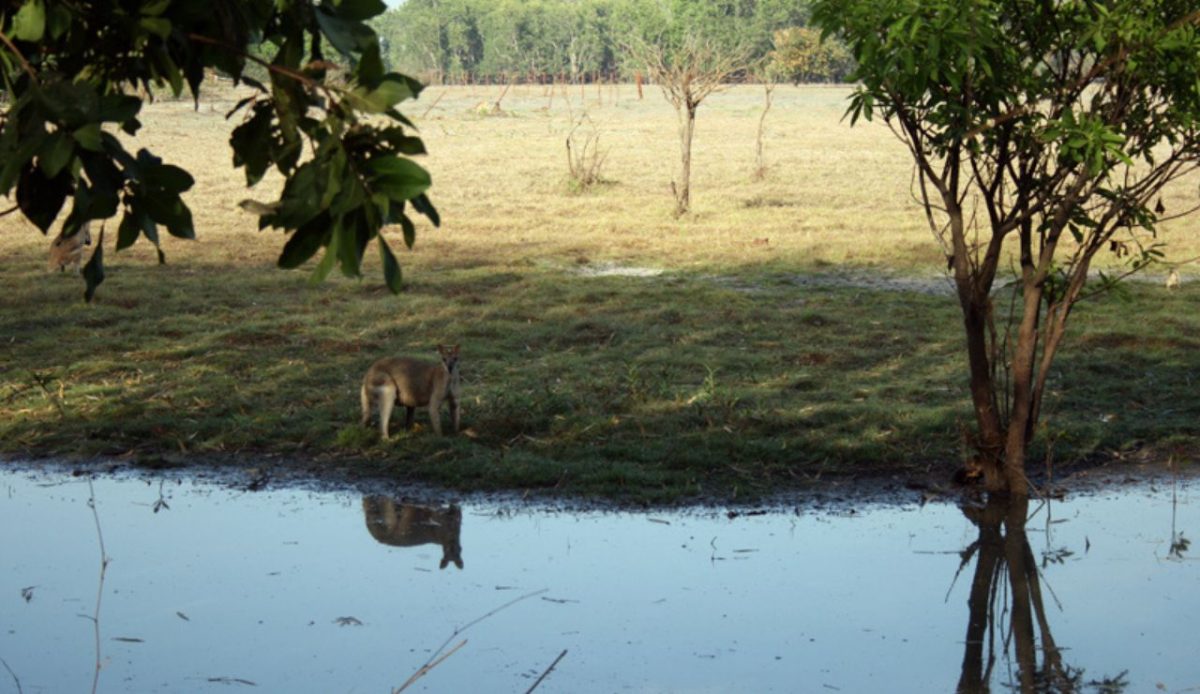
Kakadu National Park’s wetlands host rare waterbirds, including the Gouldian Finch, amidst crocodile-infested rivers, unpredictable weather, and sudden floods that challenge visitors’ navigation.
Birds rely on seasonal patterns and protected nesting areas. Spotting them requires patience, long hikes, and careful movement across rugged terrain, often in harsh sunlight or sudden storms. Knowledge of water levels and nesting behaviors increases the chance of rare sightings.
Visitors experience the thrill of witnessing rare species in their untamed environment. Kakadu demonstrates that truly remarkable wildlife encounters often come with real-world hazards, adding both excitement and a sense of accomplishment.
3. Manu National Park, Peru
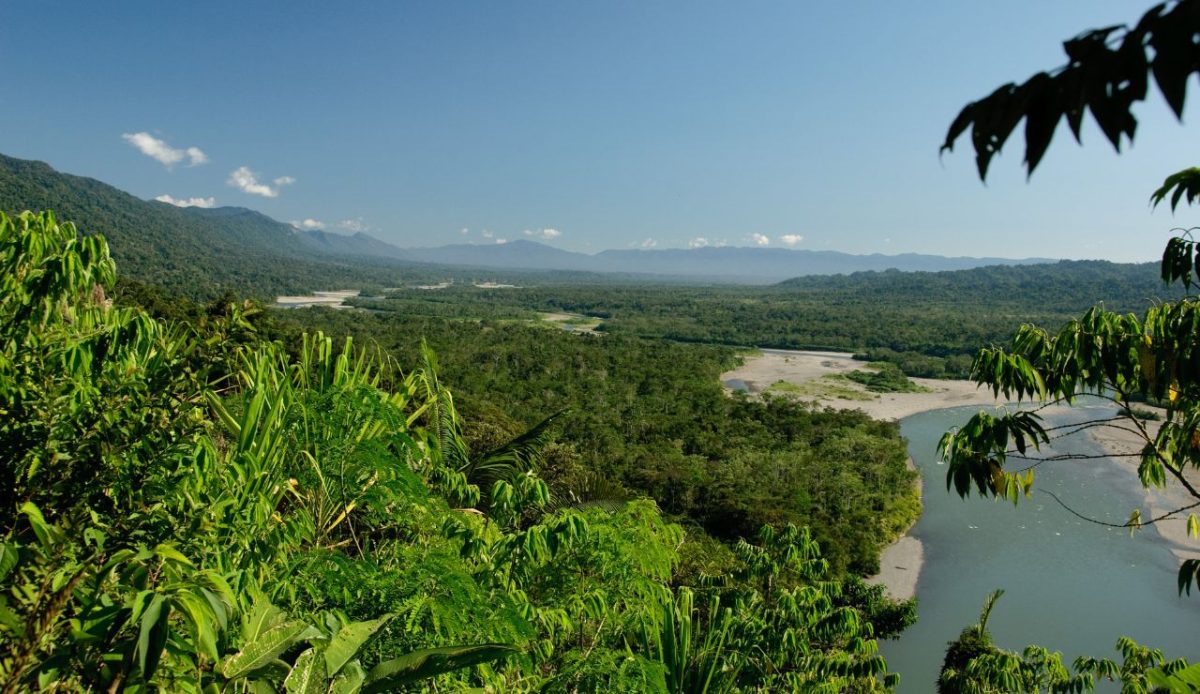
Manu National Park shelters dozens of rare species, like the Andean Cock-of-the-Rock. Dense jungle, steep valleys, and river crossings make exploration challenging for even seasoned travelers.
Birds inhabit different altitudes and microhabitats, from lowland rainforest to cloud forests. Early morning treks with guides maximize chances of spotting elusive species in their natural territories.
Witnessing vivid plumage and extraordinary mating displays feels like stepping into a living natural documentary. Manu proves that extreme landscapes nurture some of the world’s rarest and most visually stunning birds.
4. Sunderbans, India/Bangladesh
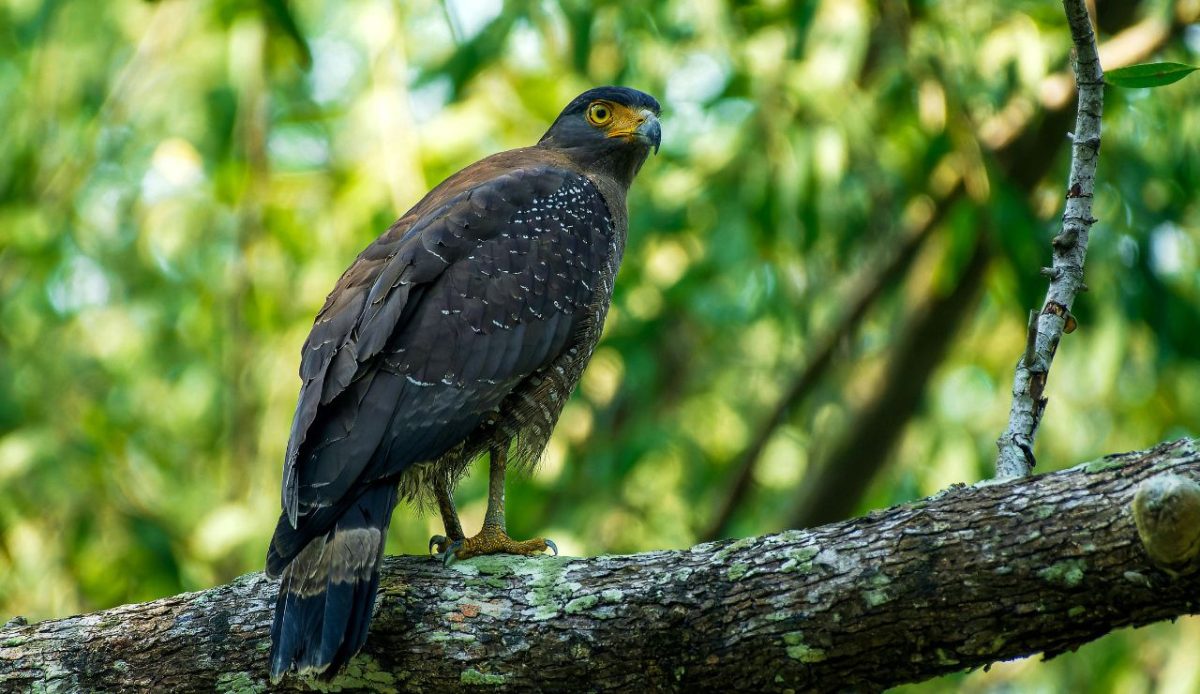
The Sunderbans’ mangrove forests shelter rare birds such as the Masked Finfoot amidst tidal rivers and crocodile-filled channels, where strong currents and unstable banks create high-risk conditions.
Navigating this UNESCO World Heritage site is hazardous due to tides, unpredictable water paths, and potential wildlife encounters. Local guides are essential for safety and maximizing chances of spotting these elusive species in dense mangrove thickets.
Visitors rewarded with fleeting glimpses of uncommon birds experience the magic of an untouched ecosystem. The Sunderbans reveal how dangerous wetlands sustain rare species, making every sighting an extraordinary and memorable accomplishment.
5. Madagascar Rainforests
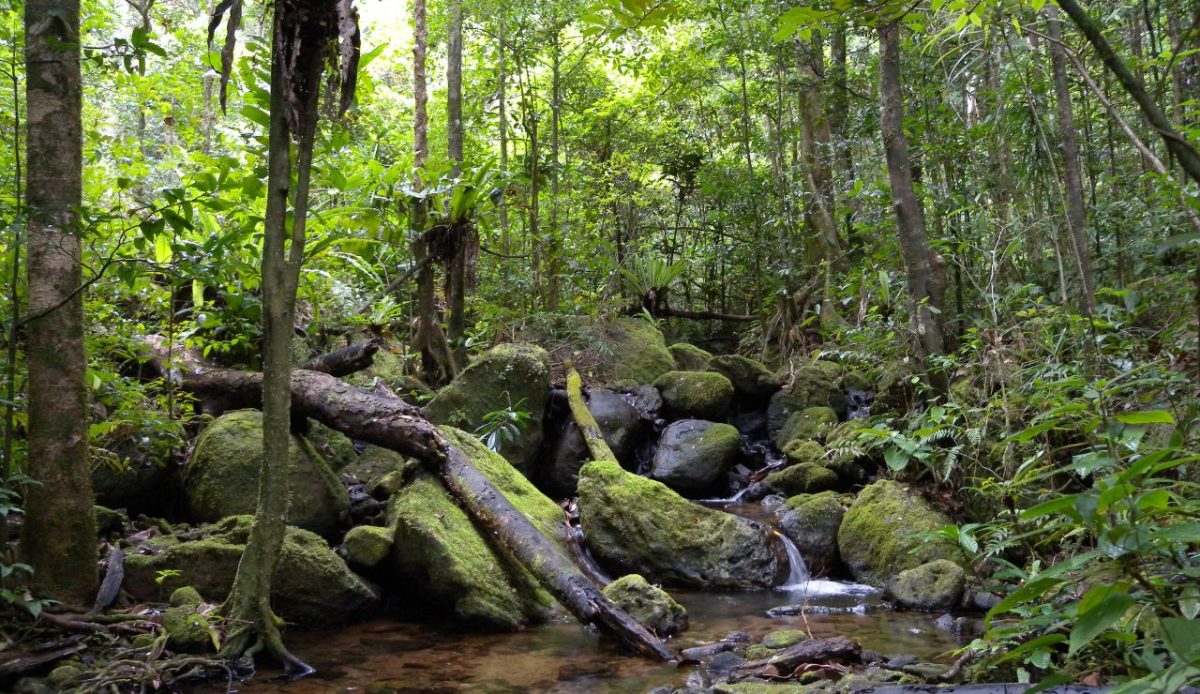
Madagascar’s rainforests host endemic birds like the Madagascar Pygmy Kingfisher. Thick vegetation, slippery slopes, sudden rain, and dense undergrowth challenge even the most determined birdwatchers navigating remote areas.
Species evolved in isolation, exhibiting unique behaviors, colors, and calls. Spotting them requires patience, quiet movement, and a deep understanding of forest microhabitats, including listening for subtle calls and observing hidden perches.
Travelers experience extraordinary rare avian life in a fragile ecosystem. Madagascar demonstrates that danger and isolation are often the guardians of biodiversity, rewarding explorers with unforgettable encounters in stunning, secluded habitats.
6. New Guinea Highlands
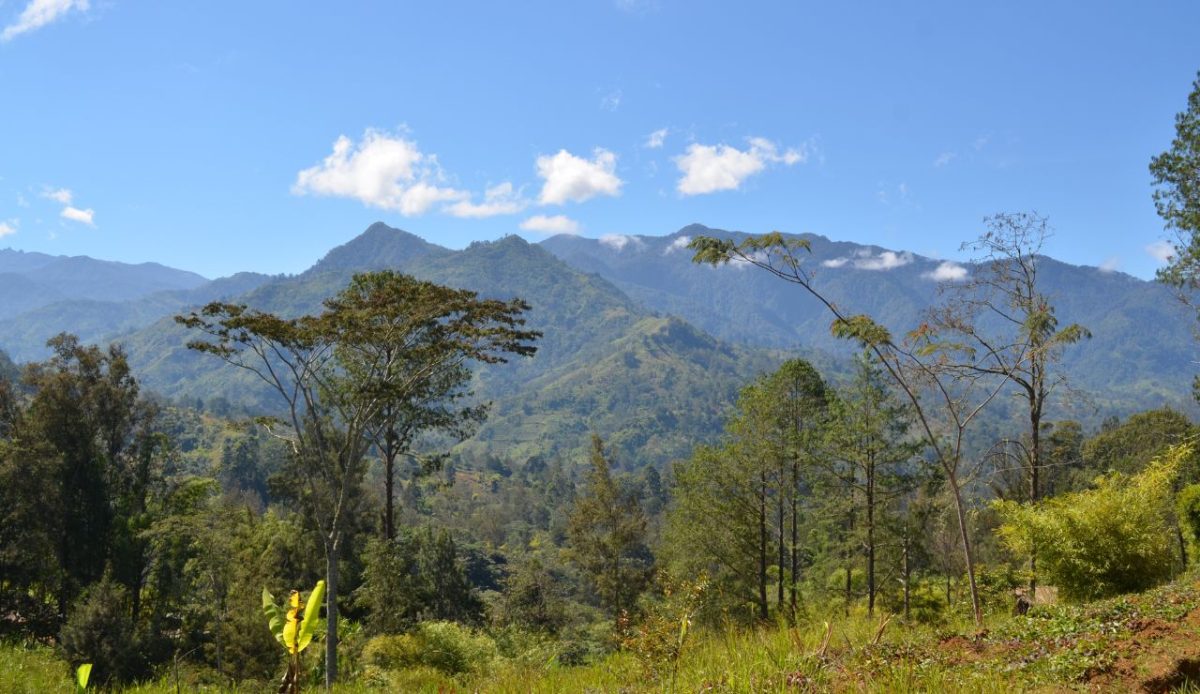
The New Guinea Highlands are home to birds-of-paradise with spectacular courtship displays and iridescent plumage, set against rugged mountains, steep slopes, and unpredictable weather that test even seasoned travelers.
Steep mountain paths, sudden storms, and dense jungle demand stamina, planning, and caution. Birds are highly territorial and camouflaged, often visible only during specific hours or seasons, making observation both difficult and thrilling.
Observing rare species like Wilson’s Bird-of-Paradise offers unmatched rewards. These highlands illustrate that extreme effort and careful strategy bring travelers face-to-face with extraordinary, uncanny avian life thriving in isolation.
7. Pantanal, Brazil
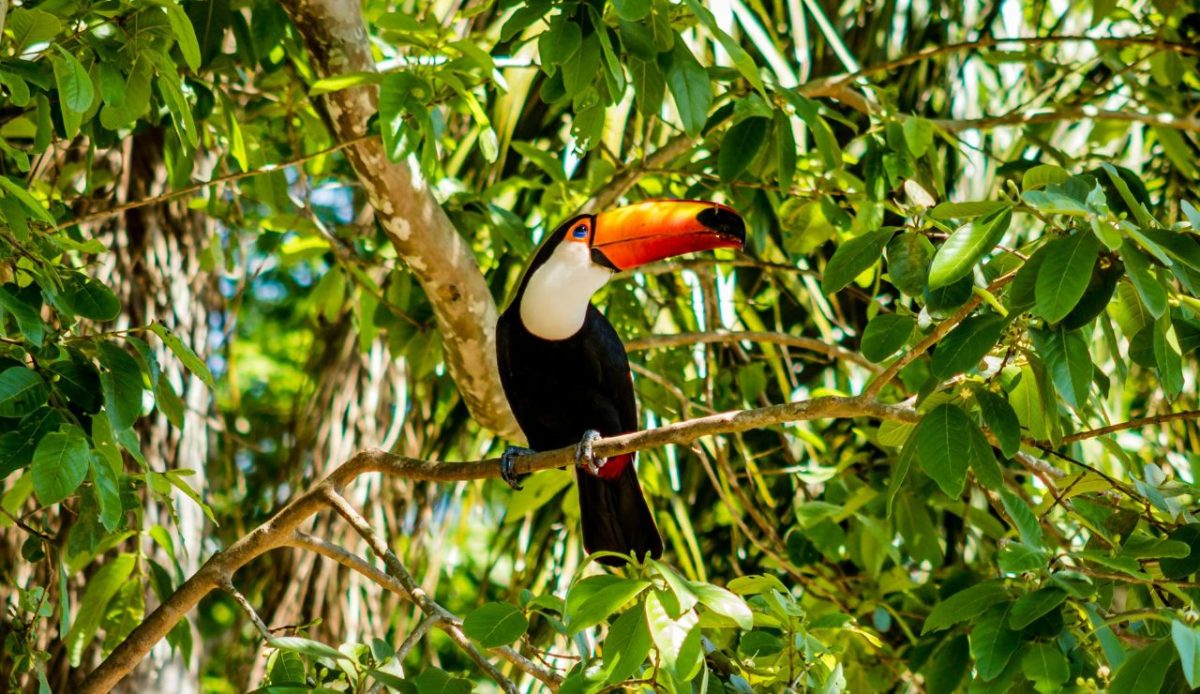
The Pantanal wetlands shelter rare herons, ibises, and the Hyacinth Macaw. Seasonal flooding, jaguars, caiman-infested waterways, and unpredictable rains make travel hazardous, requiring expert navigation.
Birds depend on aquatic and terrestrial habitats, moving with seasonal cycles. Spotting them requires boat rides, early morning treks, and careful tracking in vast, ever-changing landscapes, often under intense sunlight or heavy rainfall.
Travelers gain access to one of the richest bird ecosystems globally. The Pantanal’s combination of danger, biodiversity, and rarity makes for a truly memorable wildlife adventure that challenges and rewards those who explore it.
8. Bako National Park, Malaysia
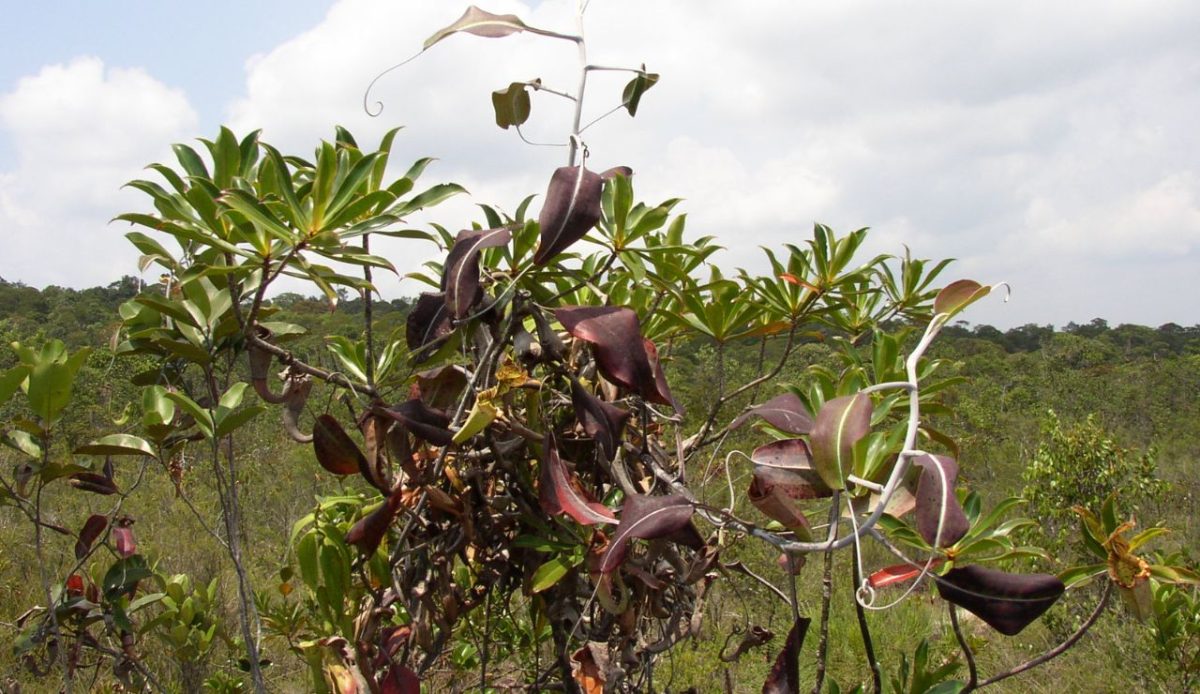
Bako National Park offers sightings of rare forest birds like the Bornean Bristlehead alongside proboscis monkeys. Steep cliffs, slippery trails, torrential tropical storms, and dense vegetation challenge visitors daily.
Birds are extremely localized, requiring quiet, patient observation. Dense foliage and rugged terrain mean sightings are fleeting and require timing, alertness, and sometimes a guide to interpret subtle movements and calls.
Exploring Bako rewards travelers with uncanny wildlife encounters. Rare birds flourish in this rugged, dangerous environment, highlighting how perilous habitats often protect unique species, creating experiences that remain etched in memory.
9. Okavango Delta, Botswana
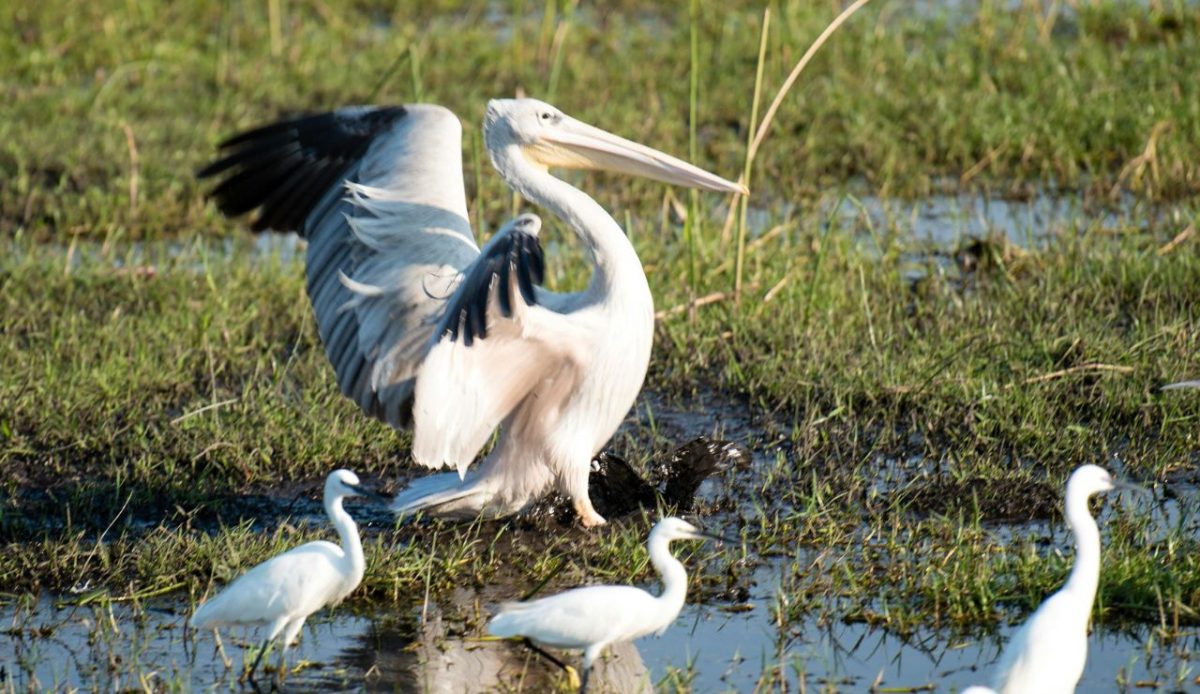
The Okavango Delta supports rare species like Pel’s Fishing Owl in its seasonal floodplains. Navigating this wetland is hazardous due to crocodiles, hippos, shifting waterways, and unexpected weather events.
Birds rely on water levels and specific microhabitats, making timing and route selection critical. Expert boat navigation and careful trekking are essential to access dense areas while avoiding dangerous encounters with wildlife.
Visitors witness extraordinary avian behavior in a dynamic ecosystem. The Okavango Delta proves that rare wildlife thrives in danger-filled, shifting habitats, offering unforgettable and exclusive birdwatching opportunities for dedicated explorers.
10. Solomon Islands

The Solomon Islands host rare species such as the White-Collared Fruit Dove across remote, rugged islands. Dense jungle, challenging coastal access, and sudden storms make exploration both physically demanding and risk-filled.
Many birds remain isolated to specific islands or habitats. Spotting them requires patience, keen observation, and local guidance due to their shyness, camouflage, and unpredictable movement through dense tropical forests.
Travelers are rewarded with glimpses of extraordinary, rare avian life. These islands exemplify how remote, hazardous habitats serve as refuges for some of the world’s rarest birds, making sightings exceptional, memorable, and highly coveted.
