
Hiking offers breathtaking views and unforgettable experiences, but some trails demand far more than casual effort. Even seasoned adventurers face serious challenges on certain paths, where cliffs, unpredictable weather, and technical obstacles test skill and endurance. Danger doesn’t always come from length alone; narrow ledges, loose rock, and altitude changes can make a trail risky. Understanding which hikes push limits helps travelers prepare and choose routes suited to their experience. This guide highlights ten trails in the U.S. and beyond that are notorious for testing even the most capable hikers.
1. Angels Landing, Utah
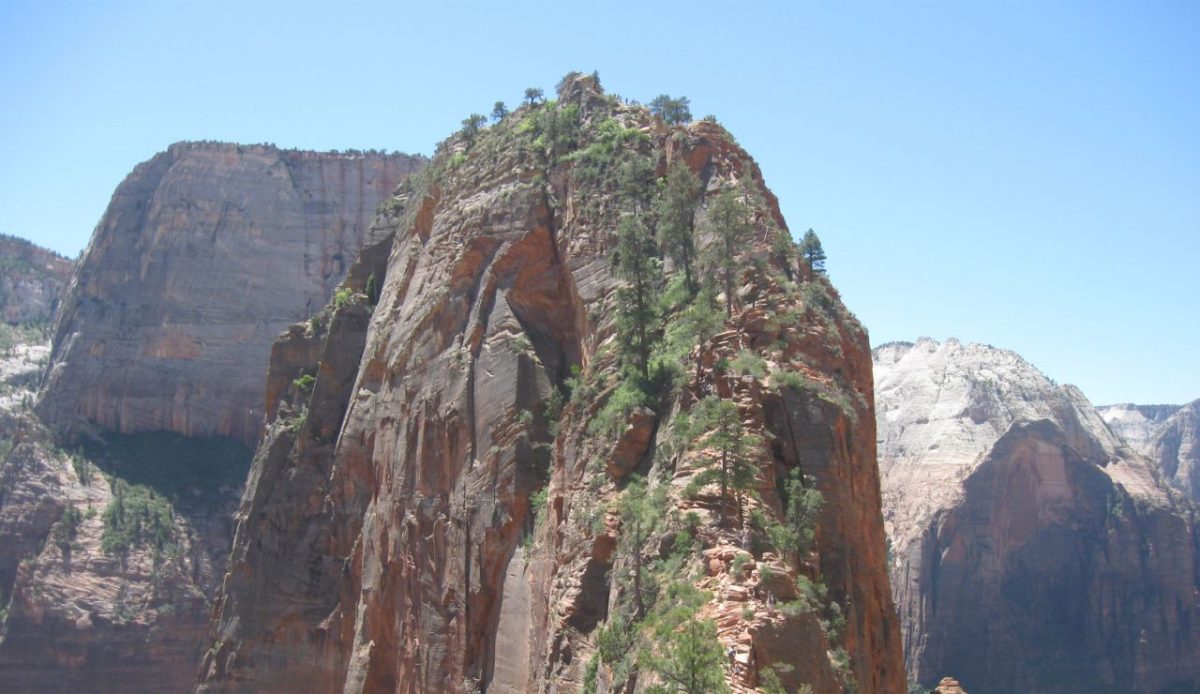
Angels Landing in Zion National Park is famous for its dizzying heights and narrow ridges. Experienced hikers must navigate steep drop-offs with minimal barriers, making balance and focus essential. The trail combines strenuous climbs, rocky terrain, and switchbacks that test endurance. Sudden weather changes can intensify the risk, while crowded conditions sometimes make passing difficult. Despite its popularity, Angels Landing demands respect; even strong hikers should prepare for exposure, heat, and the mental challenge of facing vertigo-inducing views along one of the nation’s most iconic and perilous trails.
2. Half Dome, California
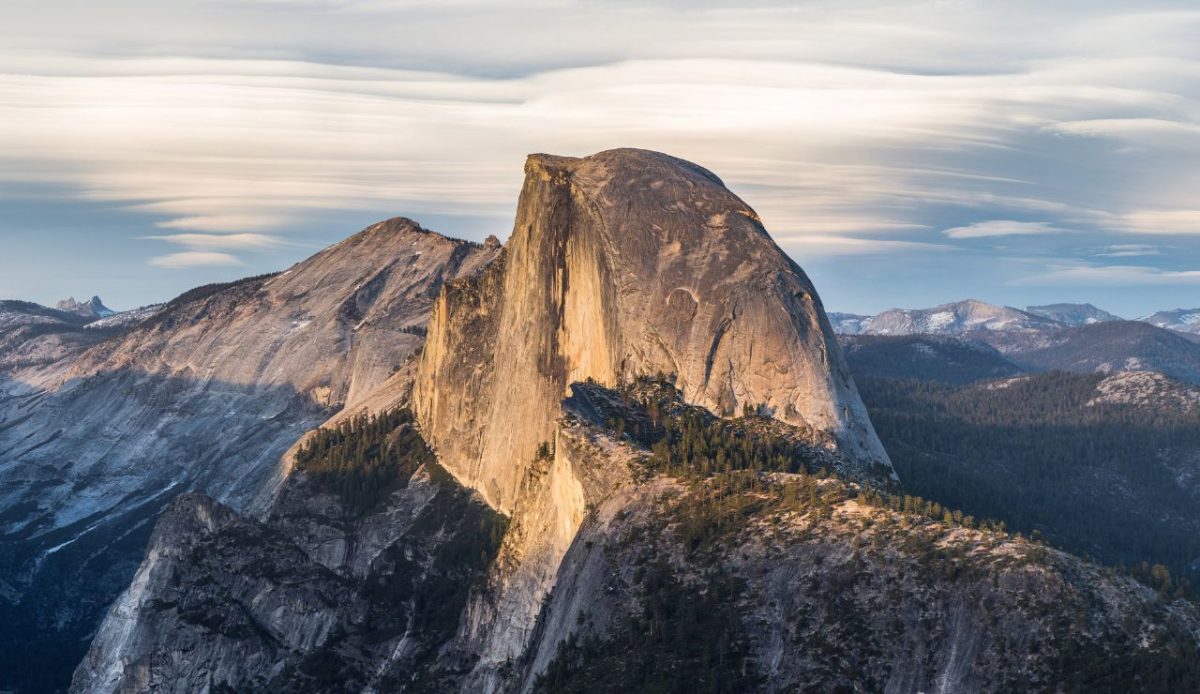
Half Dome in Yosemite National Park challenges hikers with both physical and technical demands. The final ascent involves steep cable sections where proper grip and caution are critical. Total elevation gain and long mileage require peak endurance, while thunderstorms or slippery granite increase hazards. Even experienced hikers must manage energy, hydration, and pacing carefully. The route combines backcountry trekking with the adrenaline of exposure, making it unforgiving to those unprepared. Preparation, permits, and respect for the trail’s difficulty are essential for a safe and successful climb up this iconic California landmark.
3. The Maze, Utah
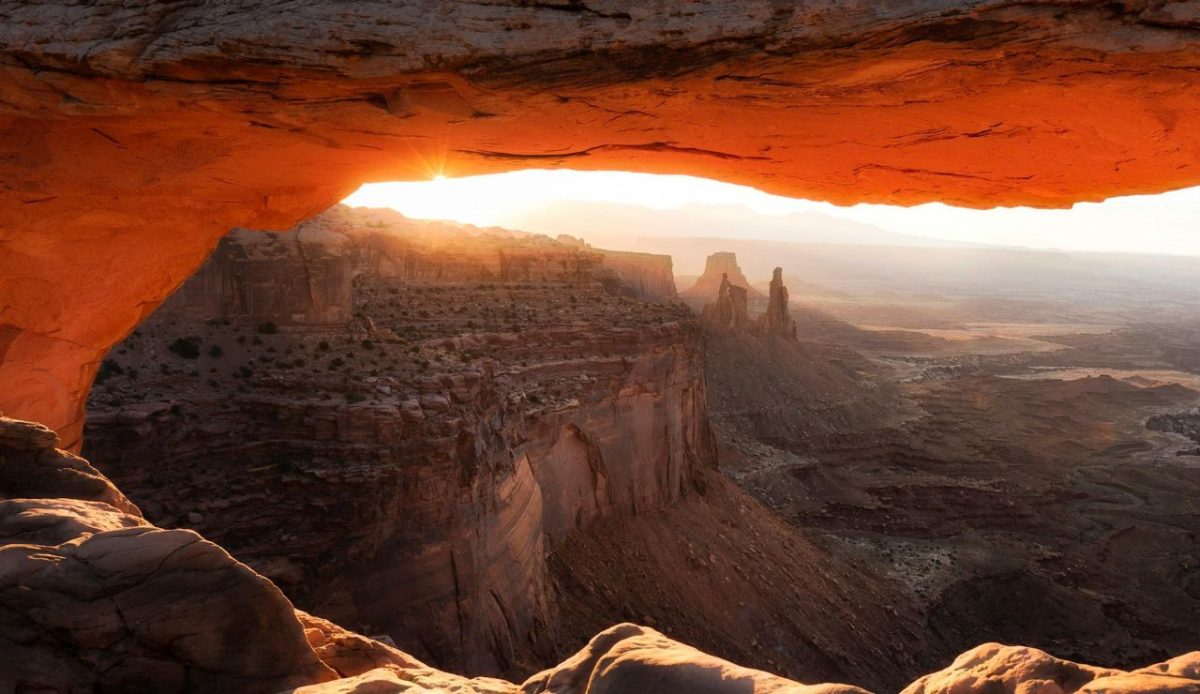
The Maze in Canyonlands National Park is a labyrinth of remote canyons and rugged terrain. Navigation is challenging due to limited marked trails, steep canyon walls, and vast stretches between water sources. Hikers face extreme isolation; rescue options are minimal, and communication is often impossible. Technical skills in route-finding and survival are necessary for even short excursions. The weather can shift rapidly, turning dry terrain into dangerous conditions. The Maze tests endurance, decision-making, and resilience, making it one of the most mentally and physically demanding hiking areas in the United States.
4. Kalalau Trail, Hawaii

Hiking the Kalalau Trail along Kauai’s Napali Coast is both stunning and treacherous. Narrow cliffs, slippery mud, and sudden rainfall increase the risk of falls. The trail spans 11 miles one-way, with steep ascents and descents that challenge strength and stamina. Overexertion, dehydration, and exposure to sun or storms can quickly turn a scenic hike into a dangerous endeavor. While views of the coastline are spectacular, hikers must be prepared for emergencies, carry sufficient supplies, and exercise caution, especially on sections with little protection between the path and sheer drop-offs.
5. Mount Washington, New Hampshire
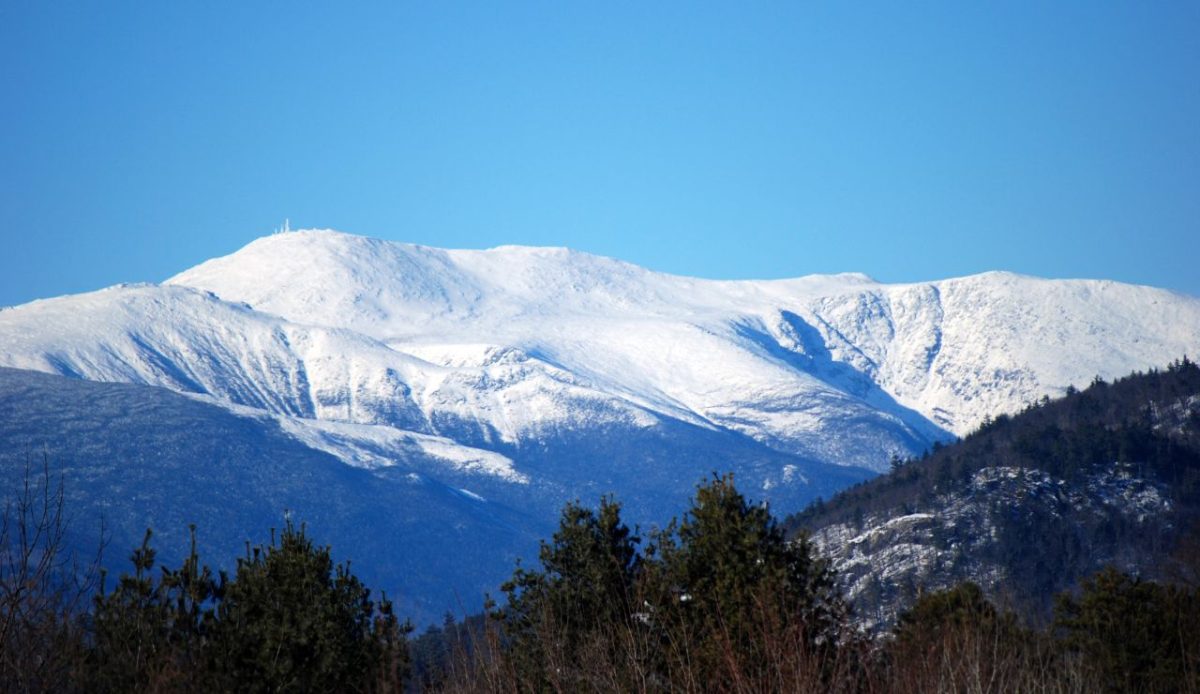
Mount Washington’s reputation for extreme weather precedes it. Hikers face rapidly changing conditions, including wind gusts, rain, snow, and freezing temperatures, even in summer. Trails are steep and rocky, demanding strong navigation and survival skills. Hypothermia and fatigue are real risks, especially for unprepared hikers. The trail’s elevation gain challenges cardiovascular endurance, while exposed ridges test confidence and balance. Despite being a well-known peak, Mount Washington requires careful planning, weather monitoring, and respect for its unpredictable nature, making it a true test for even experienced adventurers.
6. Bright Angel Trail, Arizona
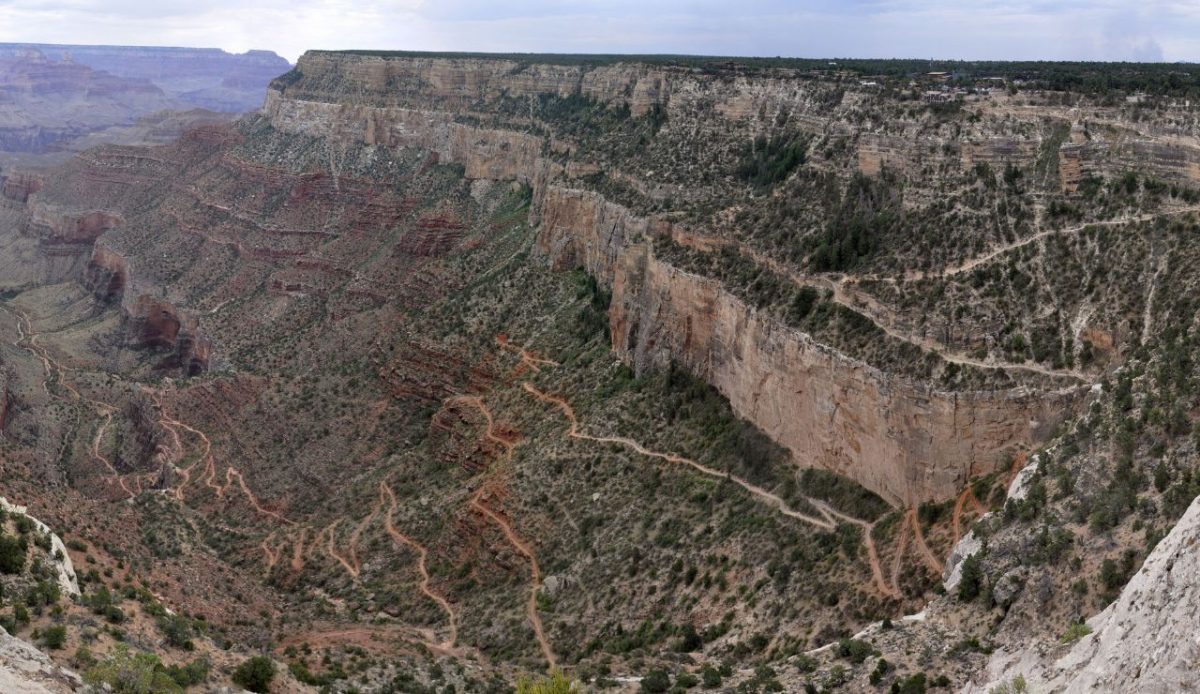
The Bright Angel Trail in the Grand Canyon seems approachable at first, but quickly tests stamina and planning. Descending may be manageable, but the return ascent demands significant energy and careful hydration management. Temperatures can exceed 100°F, and shaded rest areas are limited. Misjudging pace or supplies can lead to heat exhaustion or severe fatigue. Even seasoned hikers must consider elevation changes and distance carefully. The trail is deceptively challenging, offering stunning canyon vistas while emphasizing the importance of preparation, pacing, and awareness of physical limits to safely complete the hike.
7. Longs Peak, Colorado
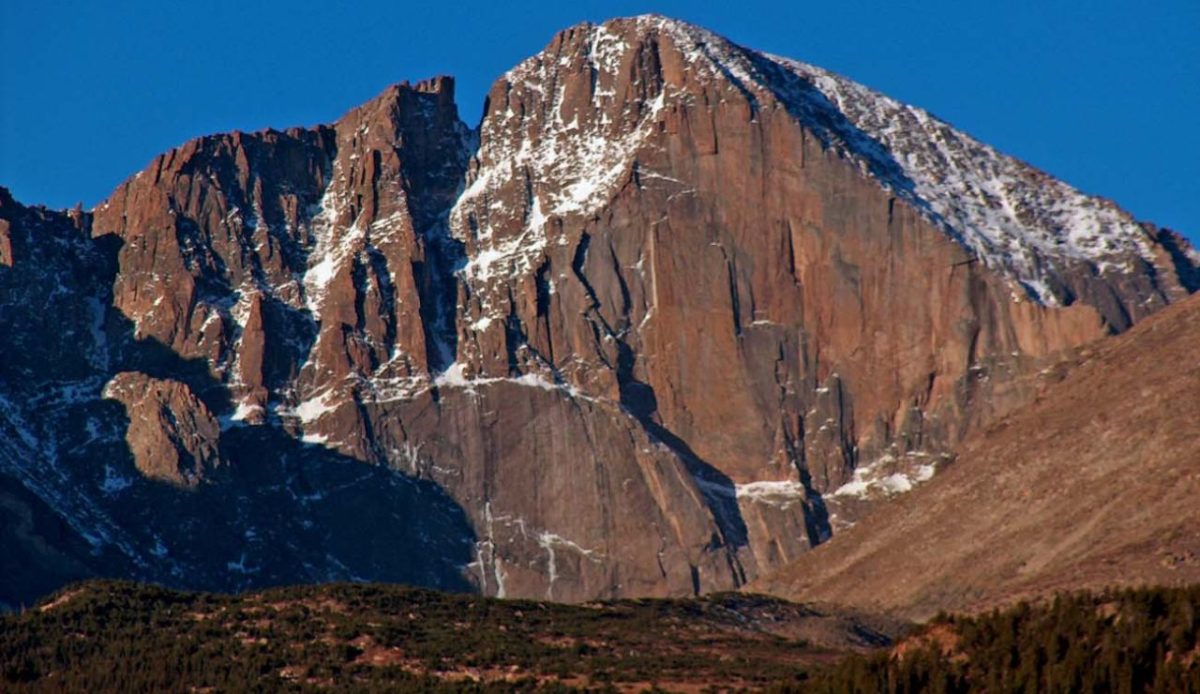
Longs Peak in Rocky Mountain National Park features steep scrambles and exposure that challenge climbers year-round. The Keyhole Route demands balance and stamina over jagged terrain and narrow ledges. Afternoon storms, lightning, and sudden snow can amplify danger. Hikers must carry appropriate gear, monitor the weather, and manage energy for long ascents. Even experienced mountaineers report that fatigue and altitude can compromise safety. The combination of technical climbing, elevation gain, and unpredictable conditions makes Longs Peak a demanding adventure, rewarding those who prepare but unforgiving to the unprepared.
8. Half Dome Cables via Mist Trail, California
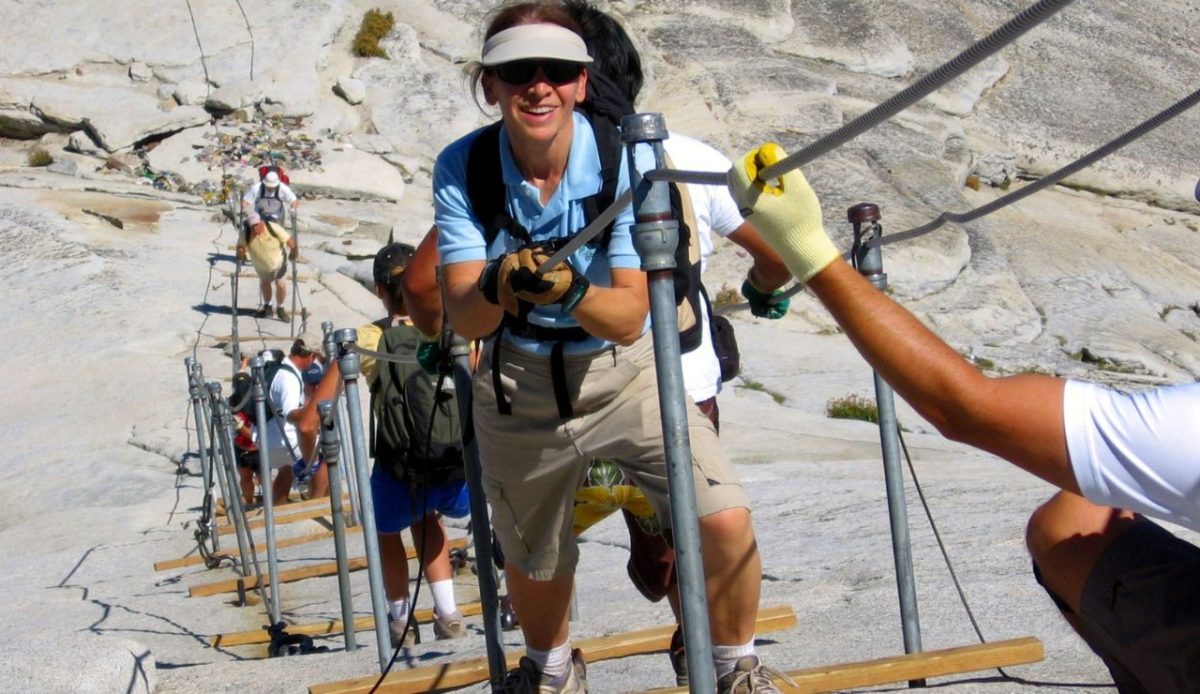
The Mist Trail leading to Half Dome adds another layer of challenge due to wet, slippery rock near waterfalls. Rapid water flow can make footing unstable, increasing fall risk. Steep inclines, exposed cable sections, and crowded conditions require careful navigation. Hikers must balance pace with safety, as energy depletion can heighten danger on the cables. Weather shifts, from sudden rain to lightning, further test readiness. Despite its breathtaking scenery, the Mist Trail demands respect, physical preparedness, and mental focus to safely complete the route and enjoy the full Half Dome experience.
9. Angel’s Rest, Oregon
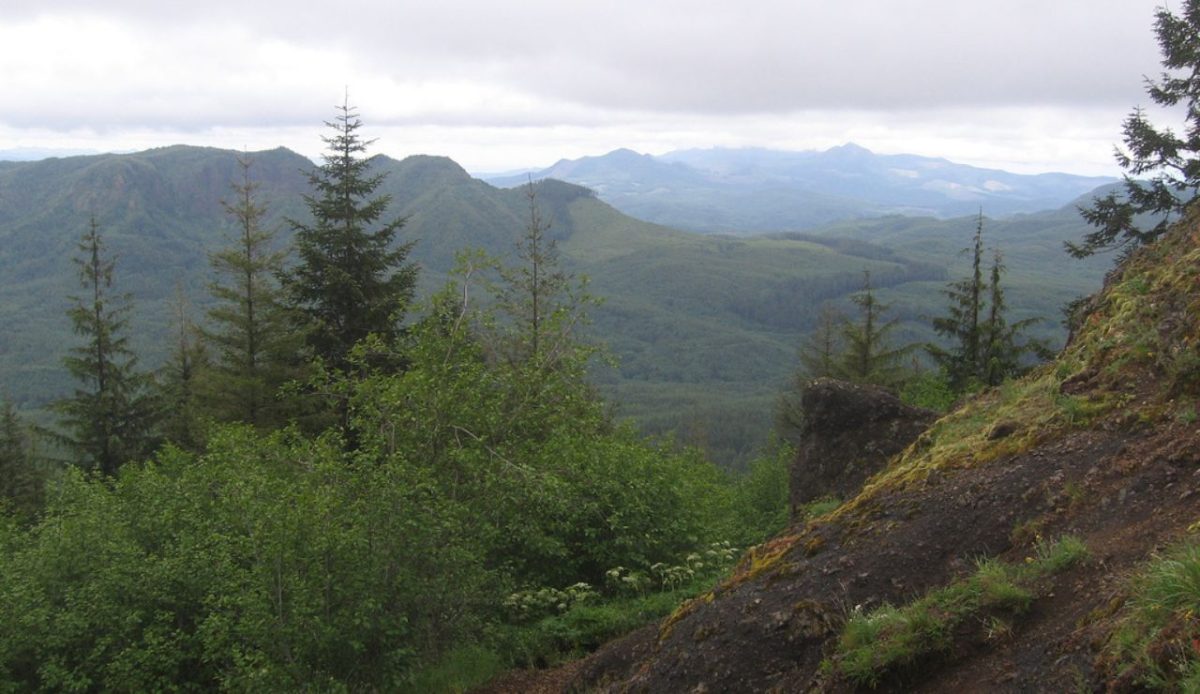
Angel’s Rest in Oregon’s Columbia River Gorge offers views that belie the trail’s challenges. Steep, rocky ascents and muddy sections can make the route treacherous, especially after rain. Narrow pathways along cliffs require careful footwork and balance. While the trail is shorter than many high-altitude treks, it demands constant attention to footing and stamina, particularly when descending. The weather can change quickly, creating slick surfaces and reduced visibility. Even experienced hikers must approach Angel’s Rest with caution, proper footwear, and a focus on safety to enjoy its vistas without incident.
10. Devil’s Path, New York
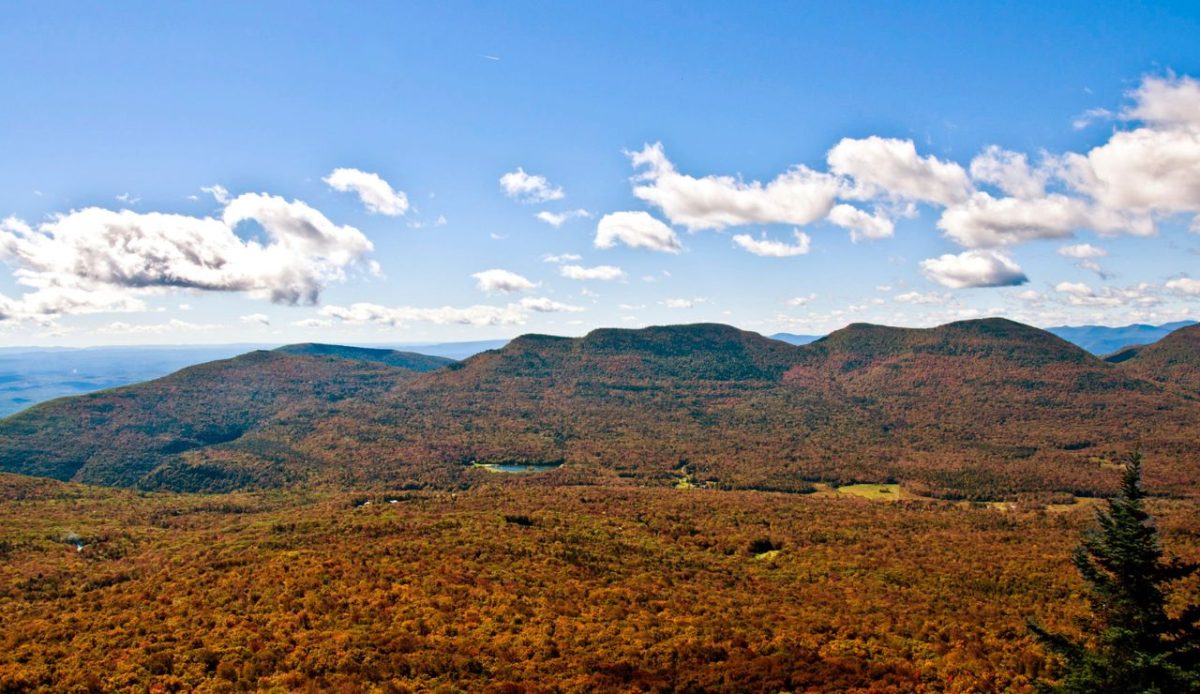
The Devil’s Path in the Catskills is known for its rugged terrain and continuous elevation changes. Hikers face steep climbs, rocky scrambles, and long stretches between water sources. Weather can intensify difficulty, and fatigue sets in quickly due to cumulative ascents and descents. Trail markers are present but require constant attention, and rescue options are limited in remote sections. Even seasoned hikers report that this trail pushes limits, both physically and mentally. Proper preparation, pacing, and gear are essential to safely navigate Devil’s Path, making it a benchmark for challenging hikes in the Northeast.
