
Cruise vacations are designed to feel relaxing from the moment you arrive at the port, but security screening can quickly become stressful if your luggage includes restricted items. Many travelers assume cruise rules are more flexible than airport regulations, yet cruise ships follow strict safety policies of their own. Items that seem harmless at home may be flagged, confiscated, or held until the end of the trip once bags are scanned. Delays at port security can disrupt boarding plans and set a frustrating tone before the journey begins. Knowing what not to pack helps ensure a smoother embarkation and a stress-free start to your cruise.
1. Surge-Protected Power Strips
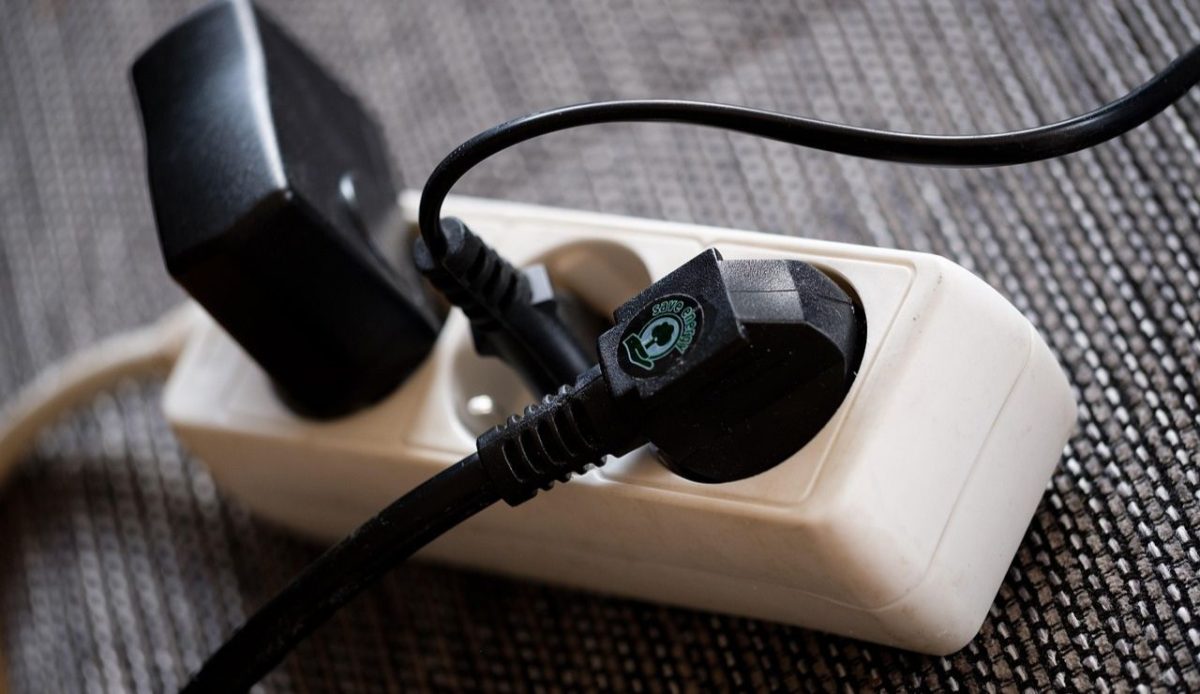
Surge-protected power strips are among the most commonly confiscated items at cruise ports. Travelers often pack them to charge phones, tablets, and cameras in one place, but cruise lines prohibit them due to fire and electrical safety concerns. The surge protection feature can interfere with ship power systems, especially in compact cabins designed for limited electrical load. Port scanners easily identify these devices, and they are removed from luggage before boarding. Some ships allow basic, non-surge power strips, but rules vary. Packing the wrong type can result in delays and the inconvenience of retrieving it after the cruise ends.
2. Travel Irons and Steamers

Wrinkled clothing is frustrating, but packing a personal iron or steamer can cause serious trouble at port security. These heat-producing appliances are banned on most cruise ships because they increase fire risk in small cabins. Even compact travel versions are usually prohibited and quickly flagged during bag screening. When discovered, irons and steamers are confiscated without exception and stored until disembarkation. Many travelers are surprised to lose access to them for the entire trip. Cruise lines typically offer pressing services or laundry rooms, making these items unnecessary and not worth the hassle at security checkpoints.
3. Extension Cords
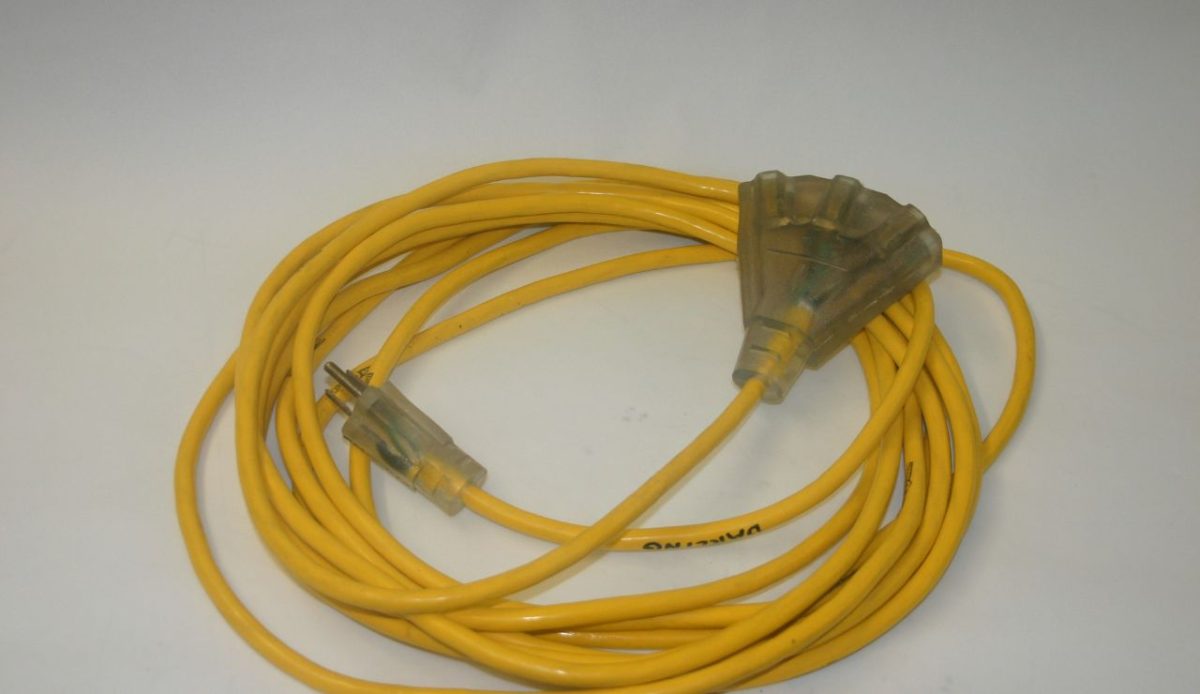
Extension cords may appear harmless, but they often violate cruise safety policies. Loose cords can overload outlets or become tripping hazards in tight cabin spaces. Security teams routinely confiscate them during port screening, especially longer or heavy-duty versions. Some travelers pack them assuming they’re allowed, only to receive a notice later that the item has been removed. While a few cruise lines allow short, approved cords, the rules vary by ship. Bringing one without checking can lead to frustration, especially if you were relying on it to keep multiple devices powered during sea days.
4. Alcohol Hidden in Luggage

Attempting to sneak alcohol onboard is a mistake that frequently leads to trouble at port security. Cruise lines carefully scan bags for bottles, and hidden alcohol is easy for screening teams to detect. When discovered, it is confiscated and either stored until the end of the cruise or discarded altogether. Repeated violations may result in warnings added to your passenger record. Some cruises allow limited wine or champagne under specific conditions, but hiding liquor in luggage can delay boarding and create unnecessary tension before your vacation even begins and may affect future sailings.
5. Sharp Personal Items

Everyday items such as pocket knives, multi-tools, scissors, and certain grooming tools can trigger security alerts at cruise ports. While these objects may seem harmless, cruise ships restrict sharp items due to onboard safety regulations. Security scanners don’t assess intent, meaning even small blades can lead to confiscation. Travelers often forget these items are tucked into carry-ons or toiletry bags, resulting in unexpected delays. Once removed, the item is usually held until disembarkation. Checking luggage carefully before arriving at the port helps avoid losing useful gear and dealing with extra screening.
6. Candles and Incense

Candles and incense are strictly prohibited on cruise ships because open flames pose a serious fire risk. Even unused or decorative candles can be confiscated if discovered during luggage screening. Many travelers pack them hoping to create a relaxing cabin atmosphere, not realizing ships already provide safe alternatives. Port security removes these items immediately, and they are rarely returned. Bringing candles or incense can slow boarding and result in disappointment once you reach your cabin. Cruise lines enforce fire prevention policies rigorously, making it best to leave any flame-related items at home.
7. Drones
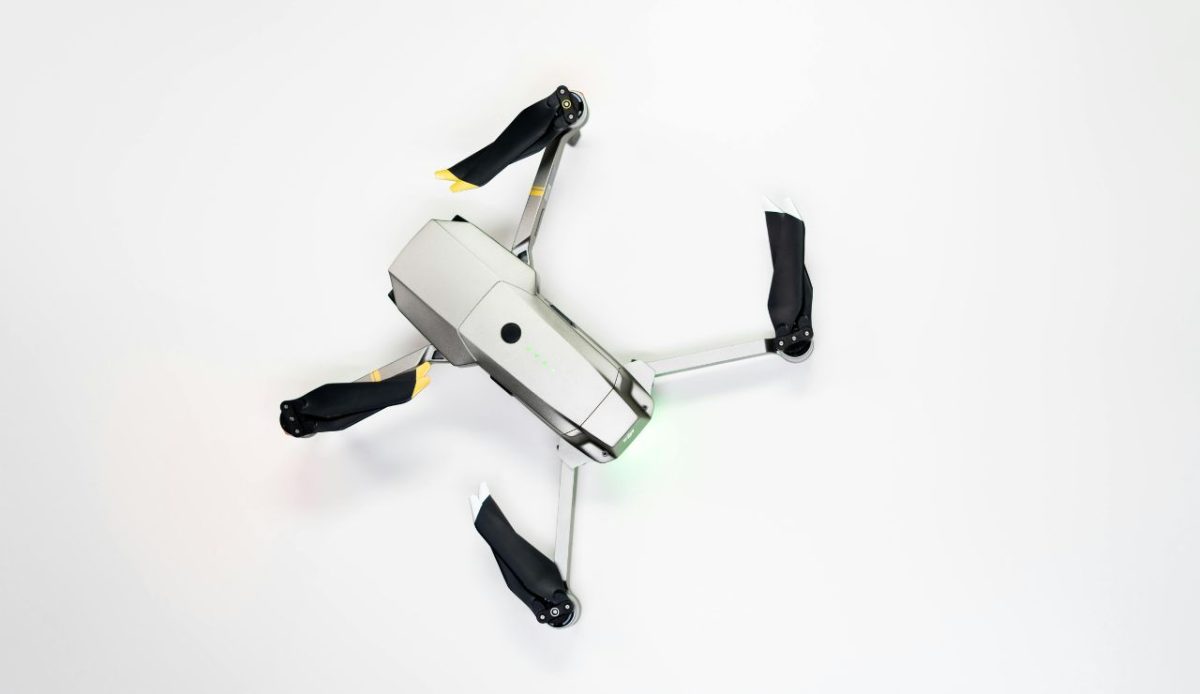
Drones are popular travel gadgets, but they can create complications during cruise embarkation. Some cruise lines ban them entirely, while others restrict their use to specific ports or conditions. Port security may confiscate drones upon boarding and hold them until the end of the voyage. Even when allowed onboard, using them improperly can violate ship rules or local laws at destinations. Many travelers are surprised to lose access to expensive equipment for the entire trip. Reviewing drone policies in advance helps prevent disappointment and ensures compliance with cruise and port regulations.
8. High-Wattage Hair Tools

High-wattage hair dryers, curling irons, and straighteners can trigger alarms during port security screening. Cruise ships limit electrical output in cabins, and powerful styling tools may exceed safe limits. While some low-wattage devices are permitted, stronger tools are often confiscated. Travelers may not realize their styling equipment poses an issue until it’s removed from their luggage. Most cruise cabins include basic hair dryers, reducing the need to pack heavy appliances. Leaving high-powered tools at home avoids delays and ensures a smoother boarding experience while also protecting ship-wide electrical systems from overload risks.
9. Sports Equipment with Restrictions

Sports gear such as baseball bats, hockey sticks, or weighted fitness equipment can raise red flags during port screening. Even if intended for shore activities, these items may be classified as potential safety risks onboard. Security teams may confiscate them or store them until the cruise ends. Travelers are often surprised to learn that sporting equipment is restricted, especially when it fits easily into luggage. Checking cruise policies before packing prevents confusion and helps ensure your gear doesn’t spend the entire vacation locked away instead of being available for excursions or port-day recreation.
10. Illegal or Restricted Medications

Certain medications that are legal at home may be restricted on cruise ships or in international ports. Unlabeled pill containers, large quantities, or controlled substances can draw attention during security screening. This may lead to questioning, delays, or confiscation if proper documentation isn’t provided. Cruise lines must follow international regulations, making compliance essential. Keeping medications in their original packaging and carrying prescriptions helps avoid problems. Proper preparation ensures you have access to necessary medication without unwanted scrutiny from port security before boarding.
