
Cruise lines ban a surprising amount of travel “gear,” and the rules can vary by brand, ship, and itinerary. Most restrictions come down to fire risk, electrical load, weapons policy, or aviation-style safety concerns. The catch is that confiscations are common, and getting the item back may mean waiting until the end of the cruise.
This guide flags 10 bans that most often wreck packing plans for tech, outdoor, and hobby travelers. Use it as a checklist: what to leave at home, what to swap for a safer alternative, and what to verify in the line’s prohibited-items policy before you arrive at the terminal.
Pack smart, not heavy. The goal is simple: bring only gear you can actually use onboard, not stuff security will hold.
1. Surge-protected power strips and multi-plug blocks
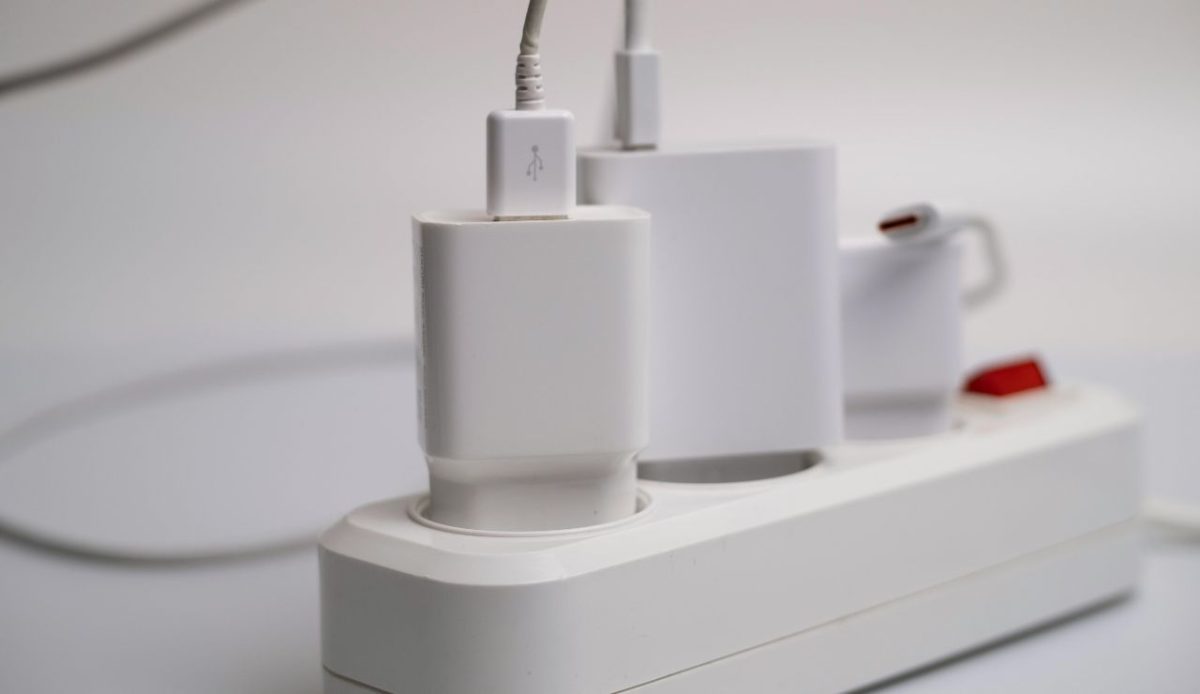
Many lines prohibit surge-protected power strips and multi-plug blocks, even if they’re “cruise approved” on a shopping page. Ships use different electrical systems and load management, and surge circuitry is treated as a fire or overload risk.
Result: you show up with the one thing that makes a tiny cabin livable, then it gets pulled at screening. Some brands also ban extension cords or multi-outlet devices entirely, so you can’t just swap at the last second.
Bring a plain USB charging hub that plugs into a single outlet, or a non-surge adapter if your line allows it. When unsure, assume surge protection is a no-go and pack fewer devices overall.
2. Clothing irons and handheld steamers
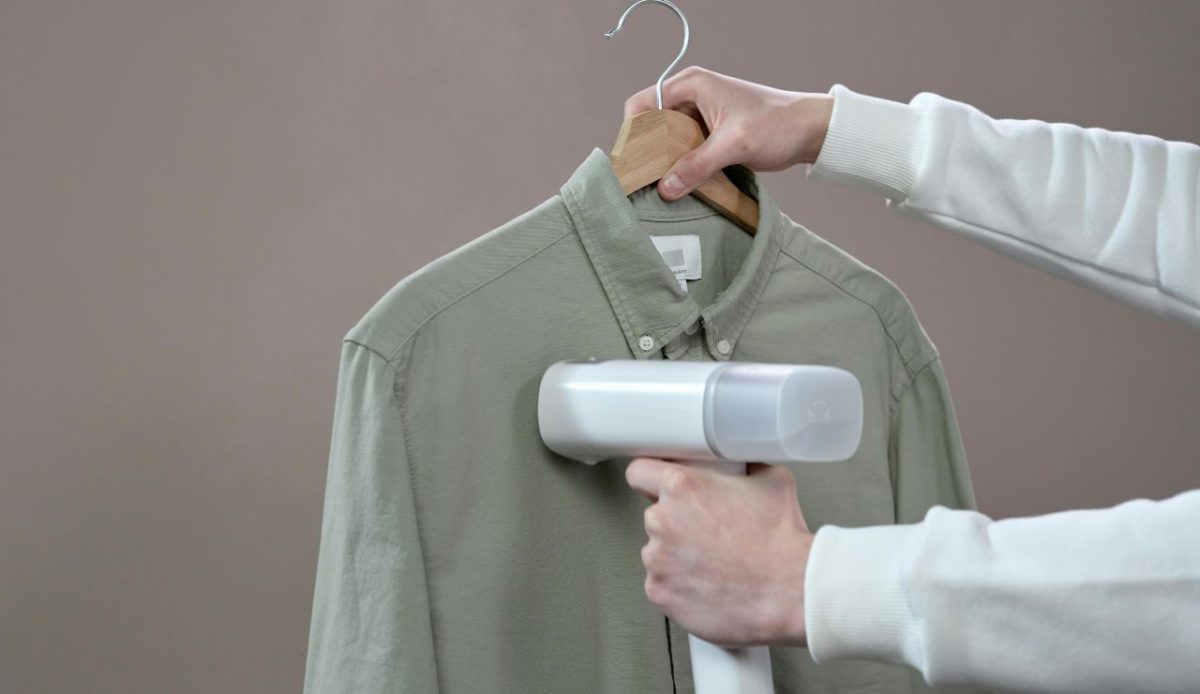
Clothing irons and handheld steamers are classic confiscation targets. They’re small, easy to pack, and easy to forget about, until security flags the heating element as a cabin fire hazard.
Even if you only planned to use it for five minutes, ships treat personal heating appliances as high risk in tight staterooms. Many lines point guests toward self-service laundry rooms, or onboard pressing and valet services instead.
Fix: pack wrinkle-resistant outfits, a travel-size spray wrinkle releaser, and hang clothes in the bathroom during a hot shower. If you need crisp formalwear, budget time and money for ship laundry or professional pressing onboard.
3. Travel kettles, immersion heaters, and mini coffee makers
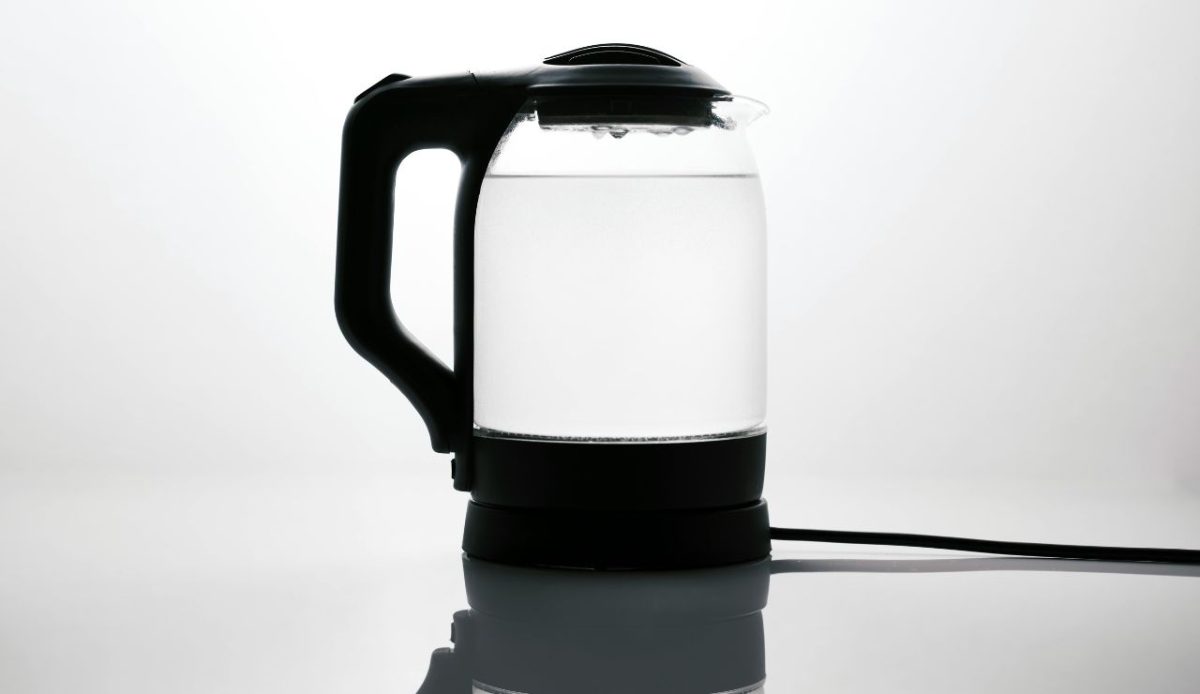
Anything with an exposed heating element can be trouble: travel kettles, immersion heaters, hot plates, and mini coffee makers often fall under “no personal appliances.” Even if it’s a tiny mug-warmer, the ship sees it as an unattended fire risk.
This ban hits hard if you’re used to making your own tea, baby bottles, or specialty coffee. On some ships, the cabin outlets are limited and not designed for constant high draw, so these devices raise flags fast.
Workarounds: use the ship’s beverage stations, request hot water through room service where available, or pack insulated bottles you can fill at approved locations. Don’t try to hide it; screening usually finds it.
4. Candles, incense, and heat-based scent gear

Scented candles, incense, and flame-based “vibe” items are almost always prohibited, and some lines also restrict plug-in wax warmers or oil diffusers because they heat up. It’s not personal; ships are basically floating fire codes.
Travelers get burned (pun intended) when they pack a candle for a birthday cabin surprise or a relaxing scent after a long excursion day. Security tends to treat open flame and smoldering items as non-negotiable, regardless of how careful you are.
If you want the mood, go flameless: battery-powered LED candles and small, non-heating room sprays are safer choices. Keep sprays within airline-style limits if you’re also flying, and avoid aerosols that your cruise line restricts.
5. Hoverboards and recreational e-scooters
Personal rideables, hoverboards, e-scooters, and some e-skates are commonly banned because lithium batteries can overheat, especially while charging in a cabin. Even brands with good safety reputations may be treated the same under a blanket policy.
This “gear ban” surprises people who planned to zip around port areas or use the device for last-mile commuting. The ship may allow mobility aids, but recreational rideables are typically the ones that get stopped at embarkation.
Plan on renting at the destination instead, or stick to non-motorized options that don’t need charging. If your device is medically necessary, contact the cruise line well before sailing and get written approval for boarding and charging rules.
6. Drones and onboard flying devices
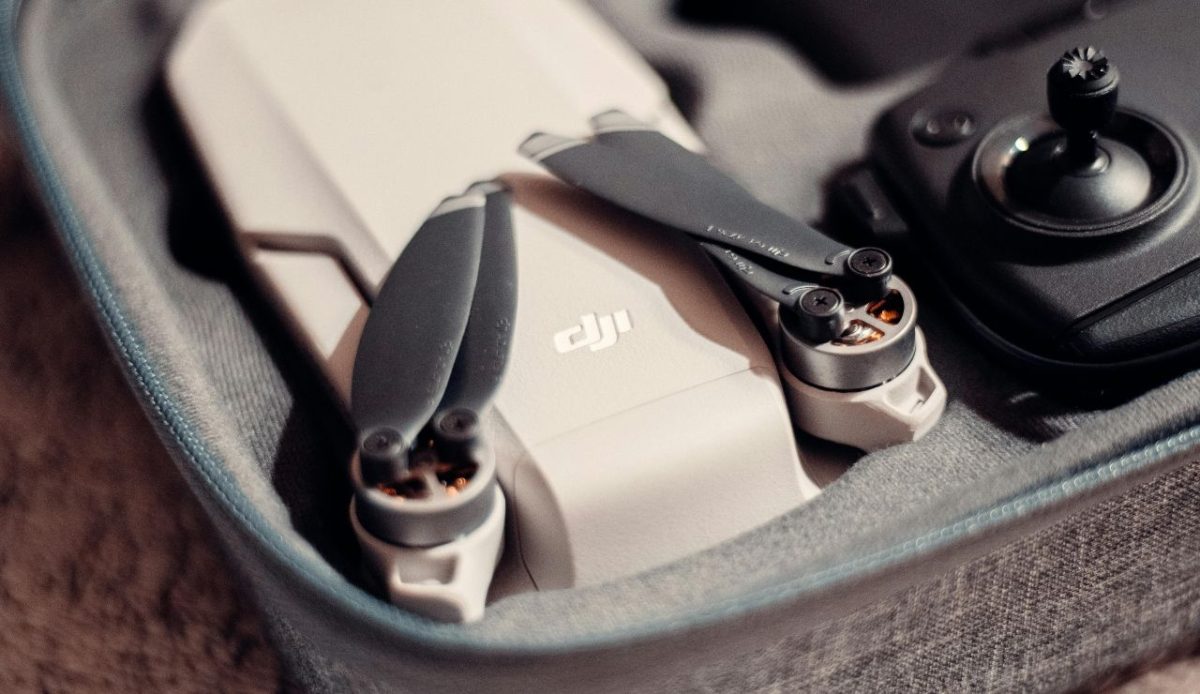
Drones are a frequent pain point for photographers. Many cruise lines restrict them entirely or require them to be stored by security and only released in port, because flying near ships, crowds, and restricted areas creates safety and security issues.
That ruins the plan if you wanted sunrise deck footage or sail-away shots. It can also complicate excursions, because some ports and national parks have their own drone rules, and the ship’s policy is only one layer of the problem.
If you must bring a drone, assume you won’t be allowed to fly it onboard, and you may not have access to it whenever you want. Pack a compact action camera or gimbal phone setup as a backup so your “content plan” survives.
7. Pocket knives and multi-tools
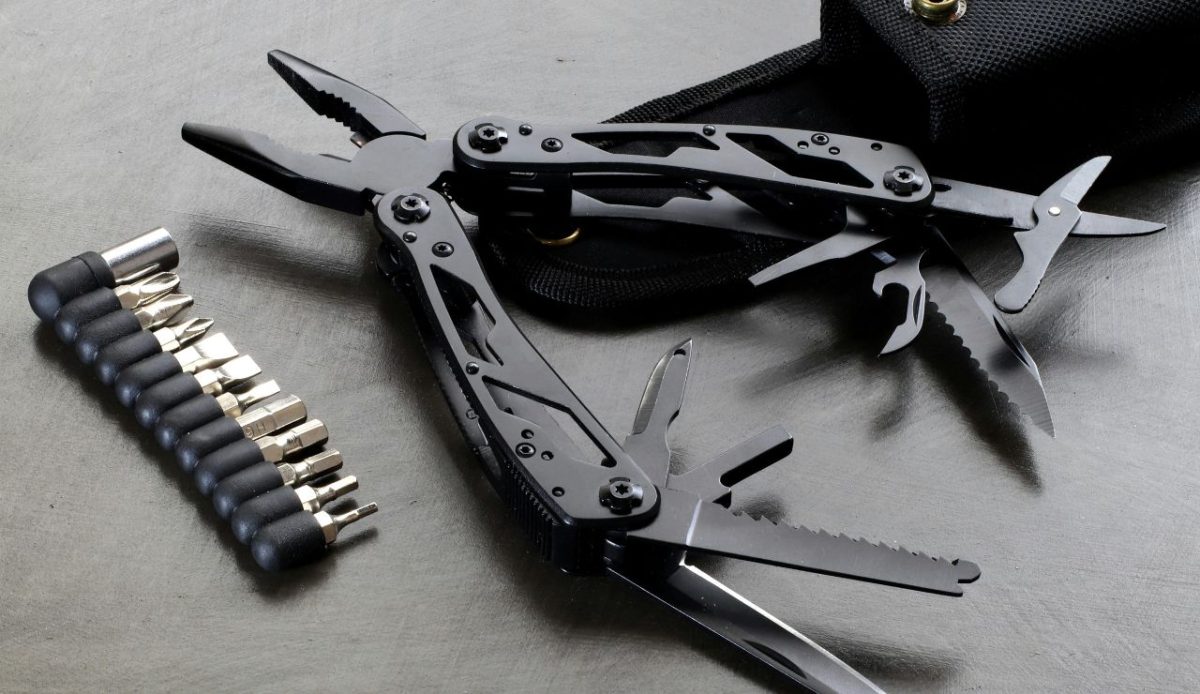
Pocket knives, multi-tools, large scissors, and dive or fishing knives can trigger weapons restrictions. Even if your goal is practical, cutting fishing line or prepping gear, ships prioritize onboard safety and may confiscate blades above certain sizes.
This is especially annoying for snorkelers and anglers who pack a full kit. A tool that’s normal in a tackle bag can be treated differently once you’re entering a controlled, crowded environment with security screening.
Best move: leave blades at home and buy a cheap tool at your destination if you truly need one, or use equipment provided by the excursion operator. If a line allows checked storage for sharp items, ask ahead; don’t assume.
8. Spearfishing and projectile-style sporting gear
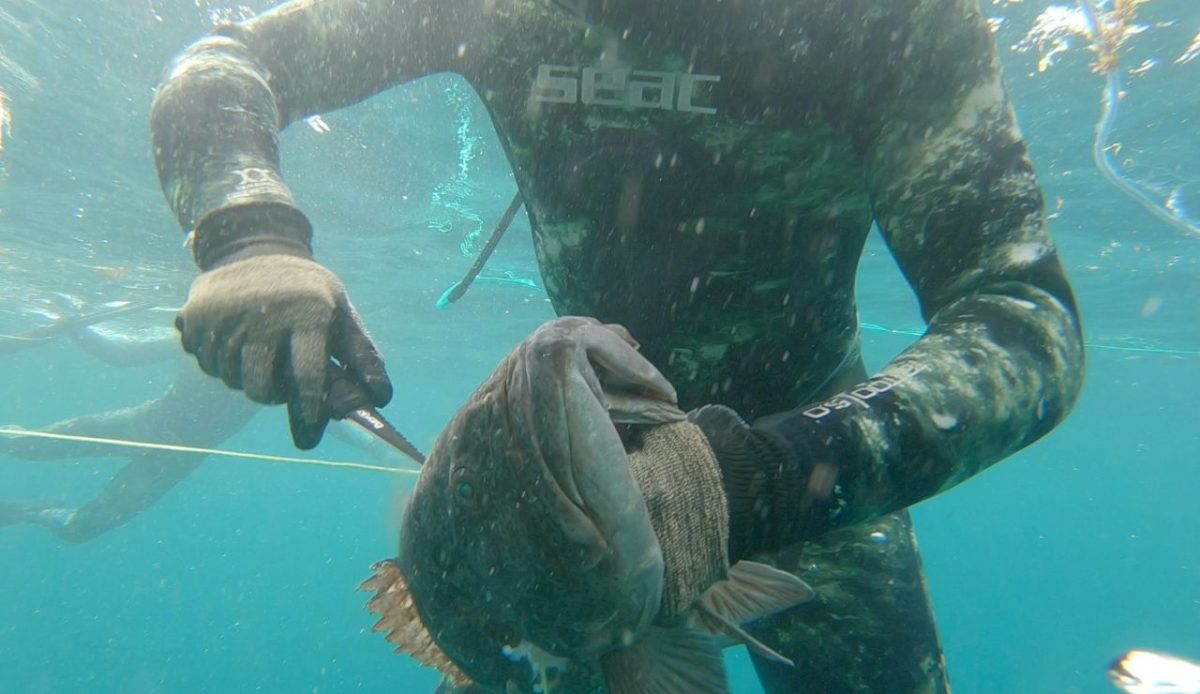
Spearfishing rigs, slingshots, and other projectile-style sporting gear often fall into “weapons or weapon-like items,” even when they’re used for recreation back home. Harpoon tips and spear shafts can be enough to get gear held.
For travelers heading to reef destinations, that can blow up a plan to bring personal equipment for a private guide or an independent shore day. Even if the port allows it, the ship might not transport it in your cabin luggage.
To avoid a gear tragedy, rent through a licensed local operator that already complies with the destination’s rules. If you insist on bringing your own, get pre-approval in writing and be ready for secure storage rather than cabin access.
9. Big speakers and “party setup” electronics
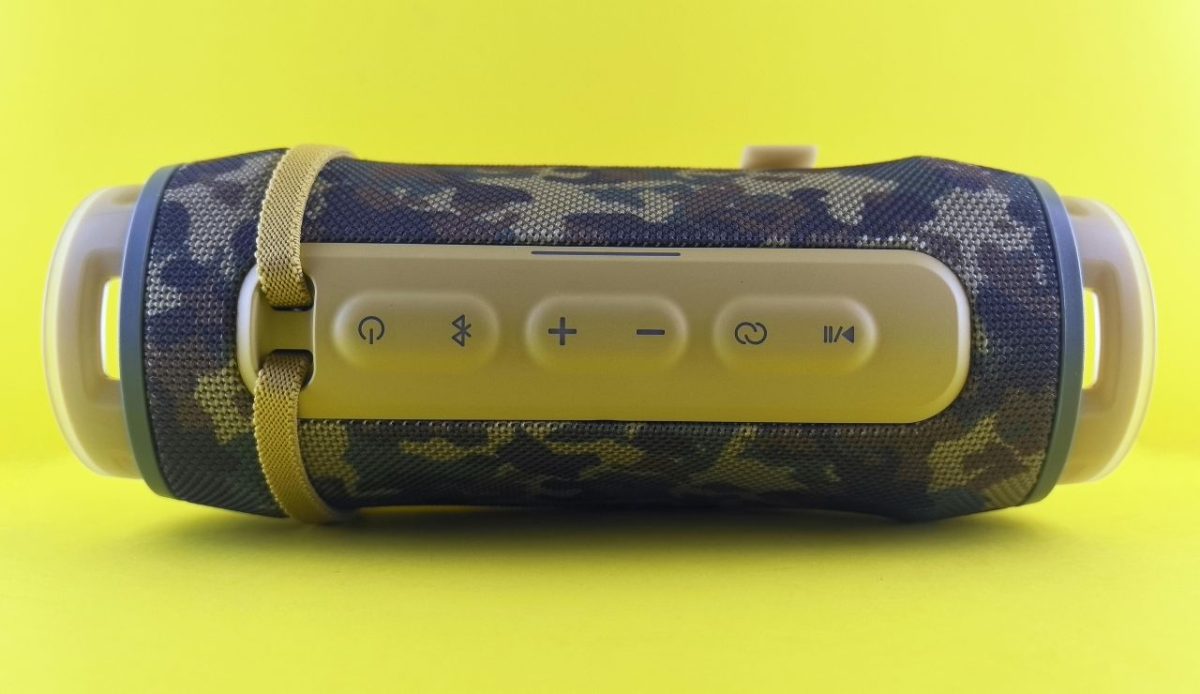
Big portable speakers, DJ controllers, and “party setup” gear can run into onboard rules about safety and guest comfort. Some lines explicitly ban large speakers or will remove devices they judge to be a nuisance or hazard in public areas.
That’s rough if you planned beach-club vibes for your balcony or a cabin meetup. Even if it’s allowed through security, the crew can still shut it down later under noise and crowd-control policies, especially at night.
Go smaller and stay respectful: earbuds, a compact speaker for quiet daytime use, and playlists that don’t require extra hardware. If you’re traveling with a group, book a venue or shore activity designed for music instead of forcing it onboard.
10. Pressurized cylinders and CO₂ cartridges
Pressurized cylinders are a sneaky packing trap: CO₂ bike inflators, small propane canisters, and even some scuba-related cylinders may be restricted because pressurized containers are treated as hazardous materials.
Adventure travelers get caught when they pack cycling kits, paintball-style cartridges, or specialty cooking gear for a long shore day. Even if the item is sealed and unused, the ship may not want it stored in cabins or transported at all.
Solution: travel without pressurized canisters and rent or buy locally, ideally through an excursion operator that already handles compliance. If you’re bringing dive gear, confirm what the line allows and rely on the dive shop for tanks and weights.
