
Sleep patterns vary across the world, yet recent global studies show that a small group of countries consistently record longer rest periods than most others. Researchers track this through time-use surveys, sleep apps, and national health data that measure nightly duration and bedtime habits. Results from 2024 and 2025 show that longer sleep often links to predictable work schedules, shorter commute times, and strong social norms around evenings at home. These factors affect when people go to bed and how long they stay there. The countries below appear repeatedly near the top of global rankings because residents protect nighttime hours more consistently than elsewhere.
1. Netherlands

The Netherlands ranks at or near the top of global sleep studies, with residents averaging just over eight hours per night. Work schedules tend to end earlier than in many industrialized nations, which supports consistent bedtimes on both weekdays and weekends. Long commutes are less common due to compact cities and strong public transport systems. Evening routines favor home meals and limited late-night work communication. National labor policies also restrict excessive overtime, reducing sleep disruption tied to work stress. Researchers note that these habits lead to steady sleep patterns rather than occasional catch-up rest, which explains why Dutch averages remain high across different surveys.
2. Finland
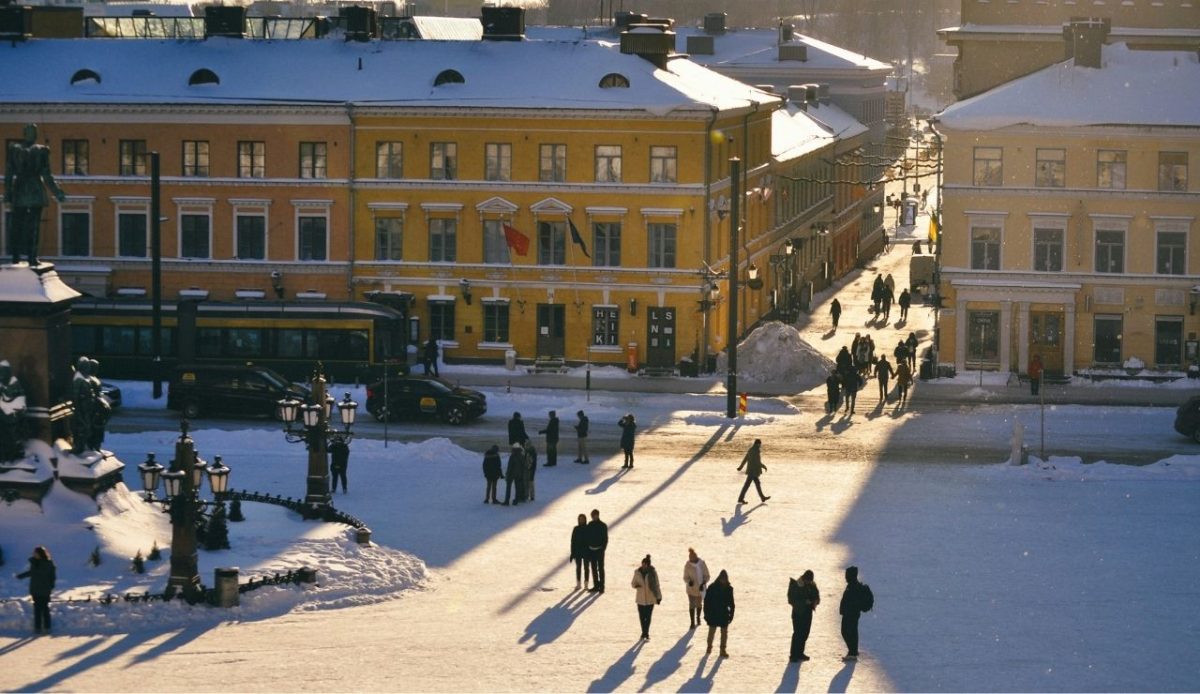
Finland regularly reports average sleep close to eight hours, supported by firm boundaries between work and personal time. Flexible schedules and widespread acceptance of remote work reduce early wake-ups tied to commuting. Seasonal light changes affect routines, yet residents often use structured daily rhythms to protect rest. Schools and workplaces generally avoid late starts or extended evening hours. Health surveys show that consistent sleep timing, rather than unusually late mornings, drives Finland’s high totals. Public health messaging also treats sleep as a basic requirement, reinforcing habits that favor longer nightly rest.
3. France

France records high sleep duration despite later dinner hours than many neighboring countries. Studies show that extended evenings do not always translate to later bedtimes because workdays often end earlier. Legal limits on after-hours work communication reduce nighttime interruptions. Urban planning in many regions supports shorter daily travel, which allows more time at home before bed. Time-use data suggests that people in France maintain steady routines during the week, resulting in sleep totals that rival Nordic countries. These patterns explain France’s strong position across both survey and app-based datasets.
4. Australia

Australia consistently places near the top of global sleep rankings, with averages approaching eight hours. Earlier evening schedules play a major role, especially outside large city centers. Many workers begin and finish the day earlier, which shifts rest periods forward. Outdoor activity and daylight exposure also influence bedtime consistency. National surveys show fewer extreme late-night work habits compared to other developed countries. These factors combine to produce long, regular sleep periods rather than wide weekday-weekend swings, keeping national averages high across multiple studies.
5. New Zealand

New Zealand frequently competes for the highest sleep averages worldwide, driven by some of the earliest reported bedtimes. Work culture places a strong value on personal time, limiting late evening obligations. Commute distances remain shorter in many regions, reducing early morning pressure. Research data highlights stable sleep timing as the main contributor, not extended mornings. Even in urban areas, residents tend to settle in earlier than peers in similar economies. This consistency explains why New Zealand remains firmly placed among the top countries for overall sleep duration.
6. Belgium

Belgium appears near the top of multiple sleep datasets, with averages close to eight hours per night. A predictable work structure helps, as many employees follow fixed office hours with clear limits on overtime. Strong labor protections reduce late-night emails and weekend demands, which protects bedtime routines. Public transport networks and compact urban areas shorten commutes for many residents. Cultural habits favor shared evening meals at home, and social plans often end before very late hours on weeknights. These conditions support regular sleep schedules that remain fairly stable across seasons and different age groups.
7. United Kingdom

People in the United Kingdom log relatively long nightly rest compared with many large economies, often just under eight hours. Office work still plays a major role in daily life, yet hybrid schedules and remote work options cut down commute pressures for many households. National health guidance promotes consistent bed and wake times, and public campaigns highlight sleep as part of basic health, not a luxury. Late-night entertainment exists, but most adults still keep weekday evenings structured. Surveys show that British sleepers tend to maintain similar patterns on weekends, which helps raise their average duration in large studies.
8. Denmark

Denmark regularly ranks among the countries with both high sleep duration and strong satisfaction with rest. Shorter average work weeks and predictable schedules give residents more control over evenings. Many offices shut down on time, and legal rules limit extended overtime. Childcare access and social support programs reduce stress that can disrupt rest in other regions. People often prioritize family dinners and early nights, especially outside major cities. Time-use research shows Danes devoting significant portions of each day to rest and recovery, which contributes to their reputation as one of the most well-rested populations.
9. Canada

Canada posts solid sleep averages that place it inside the global top ten. Large regional differences exist, but national surveys still show many adults approaching eight hours per night. Flexible work options have expanded since the rise of remote jobs, which cuts long commutes in several major metro areas. Cooler climates in much of the country encourage indoor evening routines that align with earlier bedtimes during long winter nights. Health agencies promote regular sleep as part of cardiovascular and mental health guidelines. These combined factors help Canada maintain a strong position in modern sleep research.
10. Sweden

Sweden closes out the top ten, with residents reporting steady and relatively long sleep durations. A strong focus on predictable schedules, including limited overtime and generous vacation policies, shapes daily routines. Many workplaces encourage employees to disconnect after hours, which reduces late-night digital interruptions. Seasonal light swings present challenges, yet households often adapt with structured routines, blackout curtains, and planned morning exposure to daylight. Time-use and health studies consistently show Swedish sleepers protecting nighttime hours across the workweek. As a result, Sweden joins its Nordic neighbors near the top of global rankings for nightly rest.
