
Warnings often echo louder than encouragement when women consider traveling alone. Concerns about safety, loneliness, or judgment get repeated until they feel like truths, even though countless women prove them false every day. These myths do more harm than good, discouraging independence while offering little practical guidance. The reality is that solo travel can be both safe and rewarding when approached with awareness and preparation. Myths collapse once tested against real experience, and what remains is the freedom to design a journey on personal terms. Women do not need permission to travel; they need confidence to begin.
1. Traveling Alone Is Always Unsafe
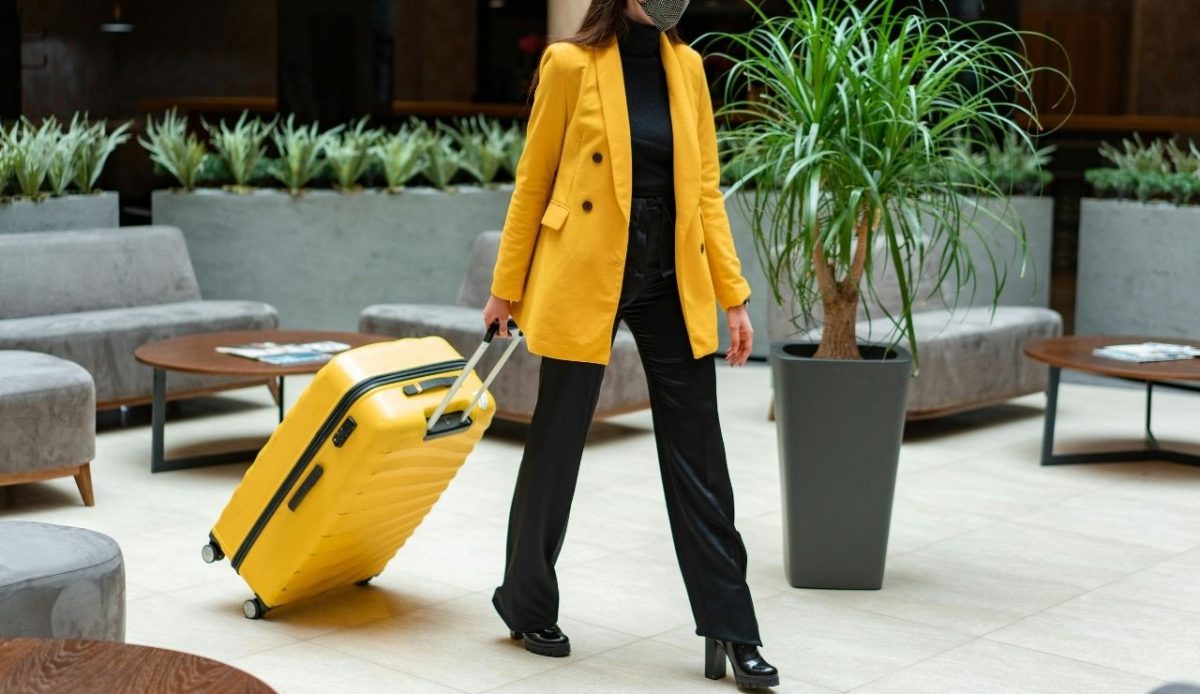
This myth remains one of the most misleading for women. Traveling alone does not automatically mean constant danger. Risks exist, but most destinations welcome visitors and provide systems that help travelers stay safe, such as regulated taxis, public transport, and well-reviewed hostels. Taking steps like sharing itineraries, booking transport through trusted apps, and staying in visible areas lowers exposure to problems. Many women describe positive experiences where locals showed kindness rather than harm. Staying alert is wise, but believing solo travel is unsafe by default denies women the freedom to explore and grow with confidence.
2. Only Extroverts Can Handle Solo Trips

Another myth suggests that solo journeys suit only people who enjoy constant social interaction. In reality, introverts often thrive when traveling alone because they control how much energy to spend with others. Quiet time in a café, a museum, or a park can be deeply rewarding without forced group schedules. Meeting people becomes easier on the traveler’s terms through hostels, tours, or shared activities. Solo travel allows freedom to recharge privately or join a company when desired. Women who prefer quiet spaces gain as much from the road as those who seek nonstop conversation.
3. Women Should Avoid Hostels Altogether
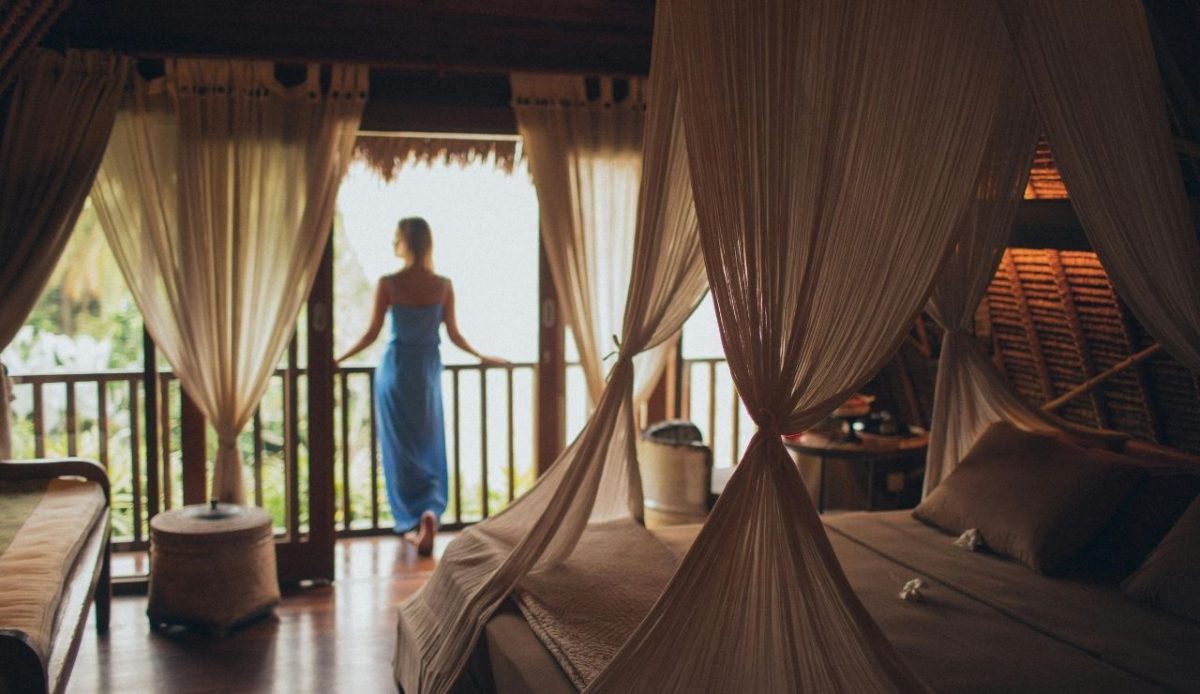
Hostels often carry a reputation for being unsafe or chaotic, especially for solo women. The truth is that many hostels now provide female-only dorms, lockers, and clear security measures. Reviews on trusted platforms help travelers pick properties that focus on safety and comfort. Shared spaces also encourage friendships with other women who may share similar concerns. Hostels can be cost-friendly, social, and safe when chosen wisely. Avoiding them entirely closes doors to community and budget-friendly options. Women do not need to fear hostels; they simply need to select the right ones.
4. You Must Sacrifice Comfort for Safety
Many believe women must trade comfort for safety, yet that is not true. Comfortable travel and safe travel can work together with planning. Choosing reputable hotels, booking transport in advance, and checking reviews allows travelers to enjoy both security and comfort. Modern hostels, boutique stays, and budget hotels often offer private rooms alongside shared spaces. Women do not need to sleep in fear or stay in low-quality places just to remain safe. Paying attention to location, lighting, and staff presence makes a bigger difference than giving up comfort. Solo trips should provide ease as well as security.
5. Night Travel Is Never an Option

Another common myth is that women cannot travel at night without facing certain harm. While late hours carry extra risks, many women manage night journeys safely by making smart choices. Booking trusted trains, buses, or flights in advance ensures secure seating and avoids last-minute chaos. Ride-hailing apps with tracking features help when taxis are needed. Waiting in well-lit, busy areas rather than dark corners adds protection. Informing friends or family of expected arrival times offers further reassurance. Night travel requires planning, not avoidance, and women should know it can be handled responsibly with the right steps.
6. Solo Women Only Belong in “Safe” Countries
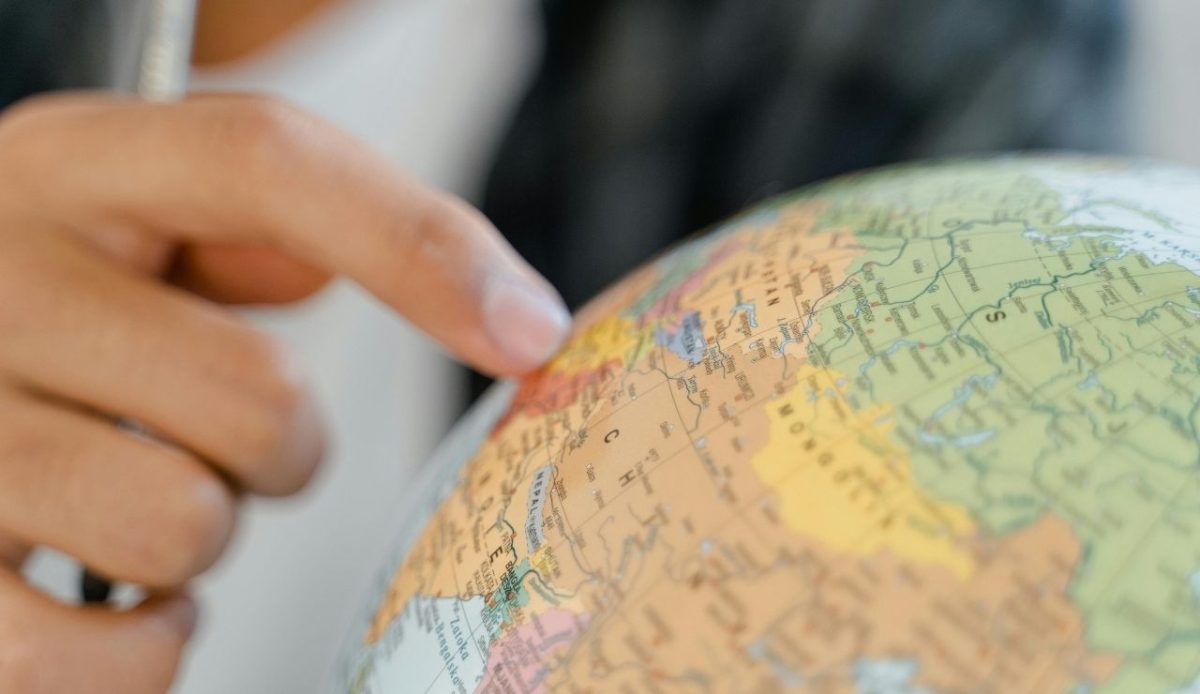
Limiting solo travel to a small set of supposedly safe countries is another myth. Safety varies within each country, and risk depends more on behavior and awareness than on the country itself. Women can explore many regions confidently when they prepare well. Checking travel advisories, learning cultural norms, and choosing lodging in reliable areas matter far more than sticking to a narrow list of destinations. Every country has areas to avoid and areas that are welcoming. Believing safety exists only in certain places restricts opportunity and denies women the chance to experience wider cultures and new perspectives.
7. Eating Alone Means You Are Lonely

Many women hesitate to dine alone, fearing others will assume loneliness. In truth, eating solo can be one of the most enjoyable parts of travel. Sitting with a book, journal, or simply people-watching makes meals feel relaxed instead of awkward. Restaurants and cafés are filled with solo diners, especially in cities that welcome travelers. Choosing busy places creates both safety and atmosphere. Waitstaff often treat solo guests with extra care, and locals sometimes start conversations that enrich the experience. Dining alone is not a sign of loneliness. It shows independence and the ability to enjoy personal time fully.
8. Solo Travel Is Too Expensive to Manage
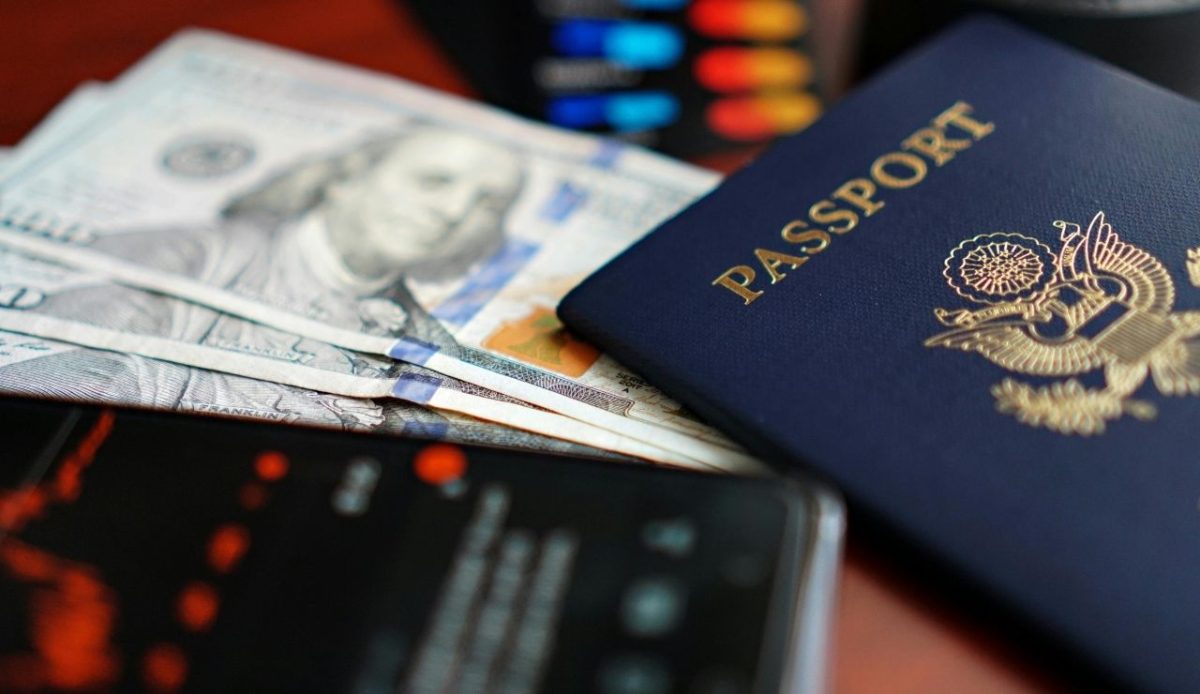
A common belief is that traveling alone drains money quickly since costs cannot be shared. Careful planning proves otherwise. Hostels, guesthouses, and even hotels often offer affordable single rooms. Booking platforms list discounts and budget options in nearly every destination. Cooking meals, using public transport, and visiting free cultural sites keep expenses low. Solo women also enjoy full control over spending without compromise. Many discover that independence leads to smarter financial choices. Solo travel can be affordable when approached with awareness, turning the myth of high cost into another barrier that women should ignore confidently.
9. Dressing Conservatively Guarantees Zero Unwanted Attention

Some travelers think modest clothing alone prevents all unwanted attention. Respectful dress can help women blend in, but it does not guarantee total privacy. Unwanted comments may still happen in certain places regardless of attire. What matters is combining clothing choices with awareness, confidence, and safe behavior. Watching how locals dress provides guidance, but comfort and practicality also matter. Believing that clothing solves every problem gives a false sense of control. Dressing thoughtfully supports safety, yet women should not feel guilty or blame themselves if attention occurs despite careful choices made along the way.
10. Solo Trips Damage Relationships Back Home

Some women fear that traveling alone will harm relationships with partners, family, or friends. In reality, time apart can often strengthen bonds. Sharing updates, photos, and stories helps loved ones feel included even from a distance. Independence also builds confidence, which benefits relationships when travelers return. People who care about you may worry, but clear communication eases concerns. Solo travel proves that personal growth does not mean neglecting others. Healthy relationships allow room for individual experiences. When approached with honesty and respect, solo trips become proof that freedom and connection can exist together without conflict.
