
Insurance has become a primary constraint in coastal vacation towns where ownership costs once remained predictable.
Premiums rise when hurricane and flood exposure is priced higher, building materials cost more, and insurers tighten renewals, reduce limits, or require larger deductibles.
The ten markets below are selected because public rate filings, residual market enrollment, and nonrenewal data show measurable cost pressure. That pressure affects escrow requirements, renovation choices, and whether rental income can still cover fixed bills after storms and inflation. Each section links the local risk mechanism to real ownership outcomes today.
1. Florida Keys, Florida
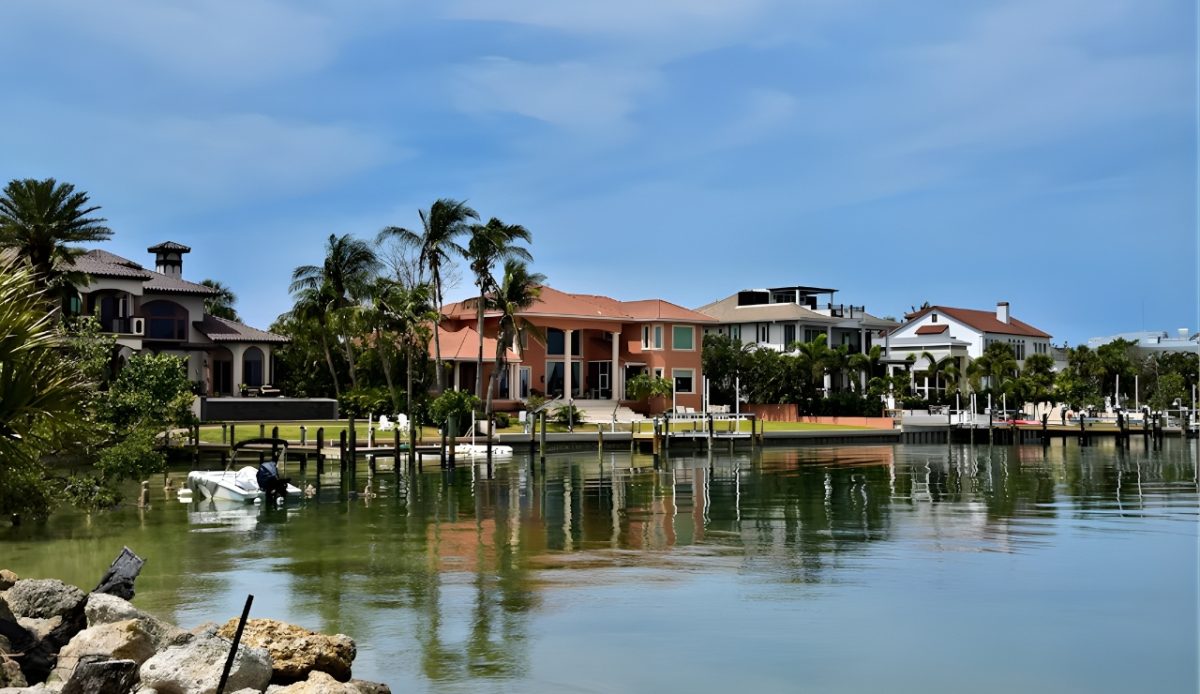
Florida Keys ownership often needs wind coverage paired with flood insurance because many homes sit low and near open water.
State market reports have listed Monroe County among Florida’s highest average homeowners’ premiums, driven by hurricane risk, reinsurance cost, and expensive reconstruction.
Policies increasingly carry percentage hurricane deductibles and stricter roof age rules, so renewals can require upgrades or inspections. For vacation rentals, the jump is felt as a higher fixed overhead. Owners raise weekly rates, shorten open seasons, or accept thinner margins when demand softens outside holidays. Some sell to cash buyers who can self-insure.
2. Miami Beach, Florida
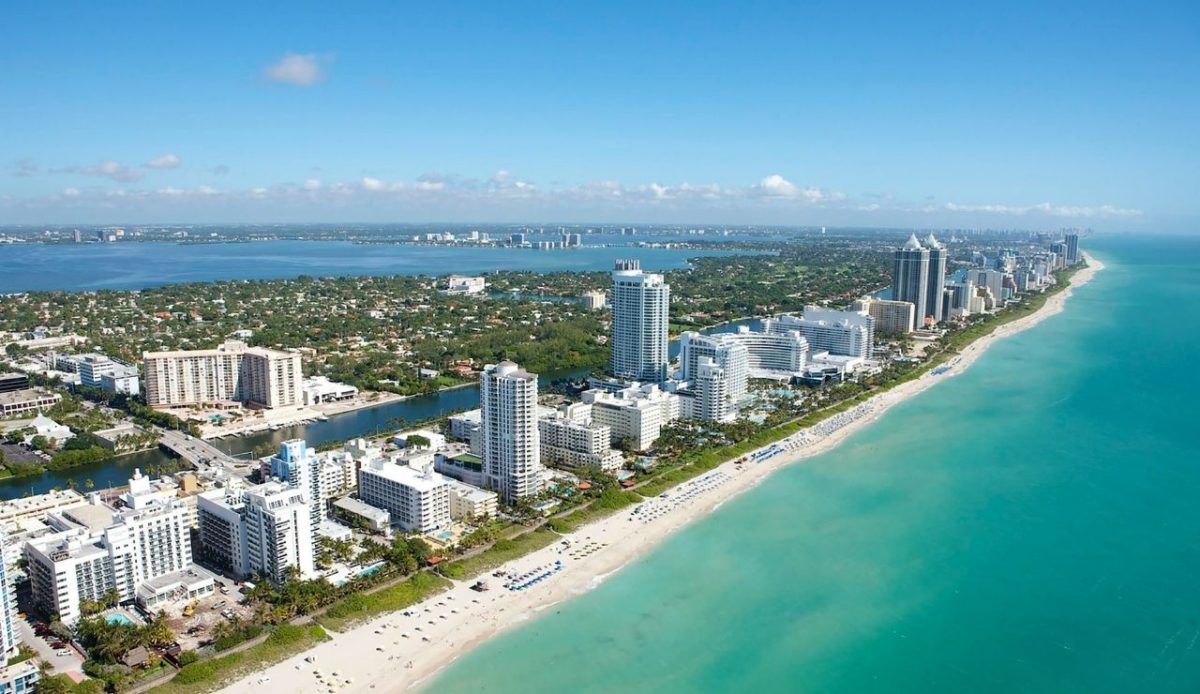
Miami Beach combines barrier island wind exposure with high insured values and dense condo stock, which pushes premiums and association master policies upward.
Florida county premium summaries have kept Miami-Dade near the top tier, and lenders still require continuous coverage even when carriers restrict new business.
Owners often add separate flood coverage, while wind policies carry larger deductibles and tighter roof and water damage terms. Condo boards pass rising master policy costs into monthly fees and special assessments. Investors then face higher break-even occupancy. Some units shift from short stays to longer leases to reduce turnover and loss risk flagged by insurers.
3. Naples and Marco Island, Florida
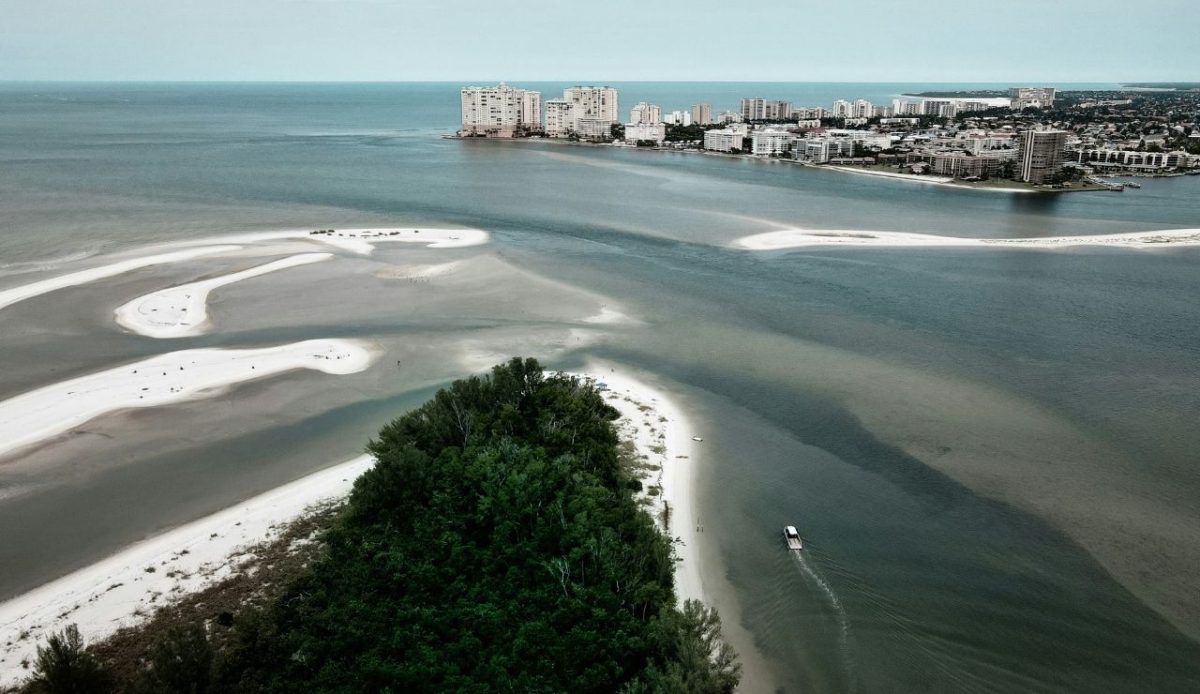
Naples and Marco Island sit in Collier County, where affluent coastal housing meets Gulf storm exposure, so replacement cost and wind risk interact in pricing.
Florida insurance stability reports have shown Collier with elevated average premiums, and post-storm reinsurance pricing feeds into local renewals.
Many second homes stack homeowners, wind, and flood policies, so total annual insurance can rival a month of peak season rent. Higher deductibles also shift more loss costs to owners. Renovations raise insured values, which can lift premiums again at renewal. Rental operators respond with higher minimum stay rules and more conservative booking calendars to protect cash flow.
4. Scenic Highway 30A, Florida
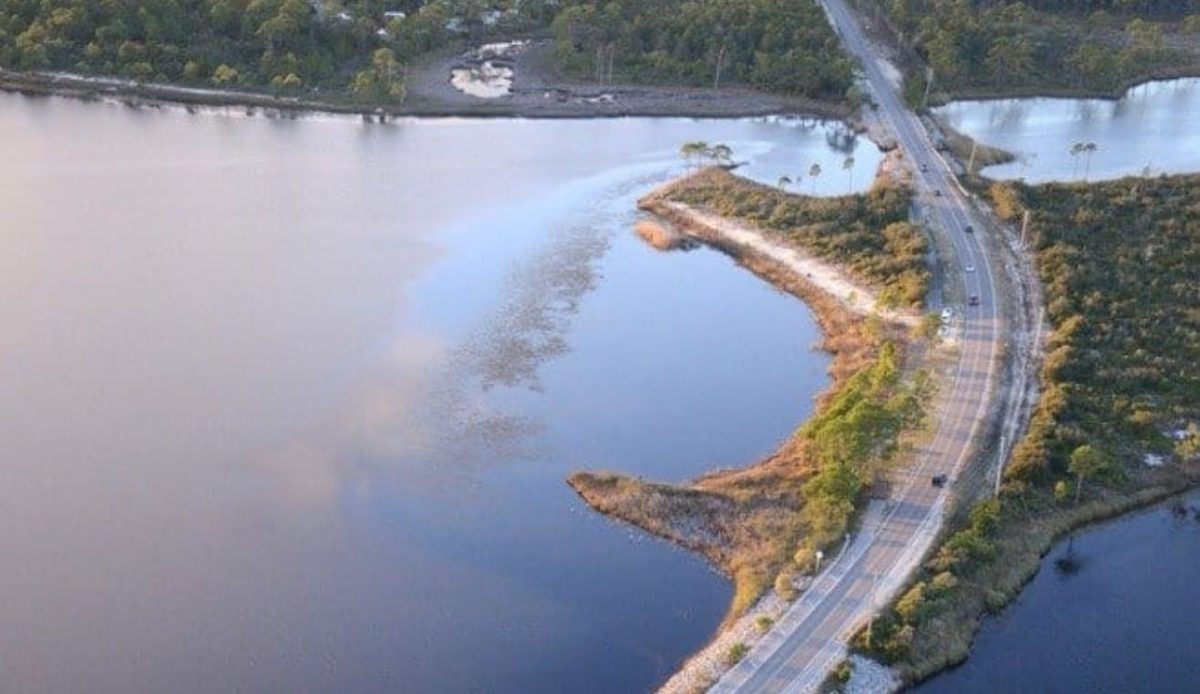
Along Scenic Highway 30A, vacation homes in South Walton rely on coastal wind coverage even when they are newer builds with modern codes.
Florida county premium data has placed Walton among higher cost markets, reflecting hurricane paths, high demand for skilled labor, and rising rebuild estimates.
Short-term rentals are common, so insurance becomes a core operating expense rather than a background bill. Owners frequently face insurer requirements for fortified roofs, updated openings, and proof of maintenance before renewal. When coverage costs jump, nightly rates rise, but shoulder season demand can lag. Smaller operators feel the squeeze first and may reduce inventory, sell, or fold costs into HOA and cleaning fees.
5. Outer Banks, North Carolina
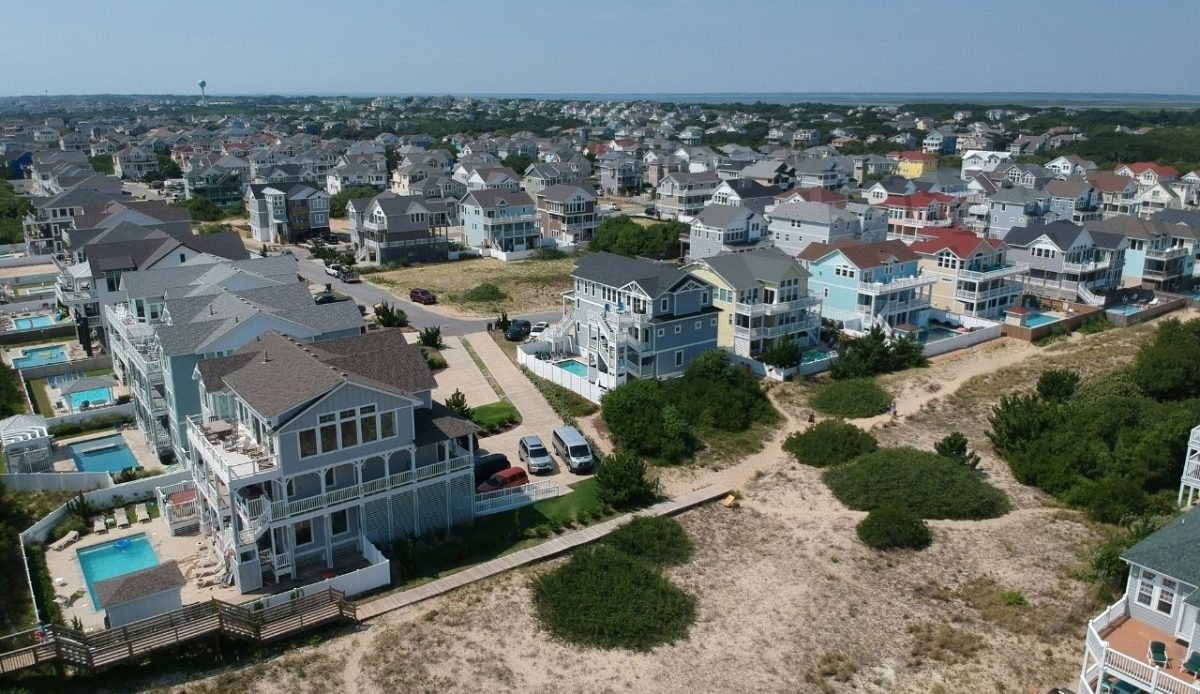
The Outer Banks depend on a narrow barrier island road network and face frequent coastal storms, so insurers price broad regional exposure into policies.
North Carolina rate filings have highlighted beach territories with large requested increases, and even settled changes can outpace inland adjustments for years.
Erosion, salt corrosion, and elevated flood risk increase claims potential and raise maintenance standards expected by underwriters. Owners often accept higher deductibles or reduced coverage features to keep premiums manageable. Because rental seasons are short, a large renewal hike can erase profit, leading some homes to leave the weekly rental market.
6. Myrtle Beach, South Carolina
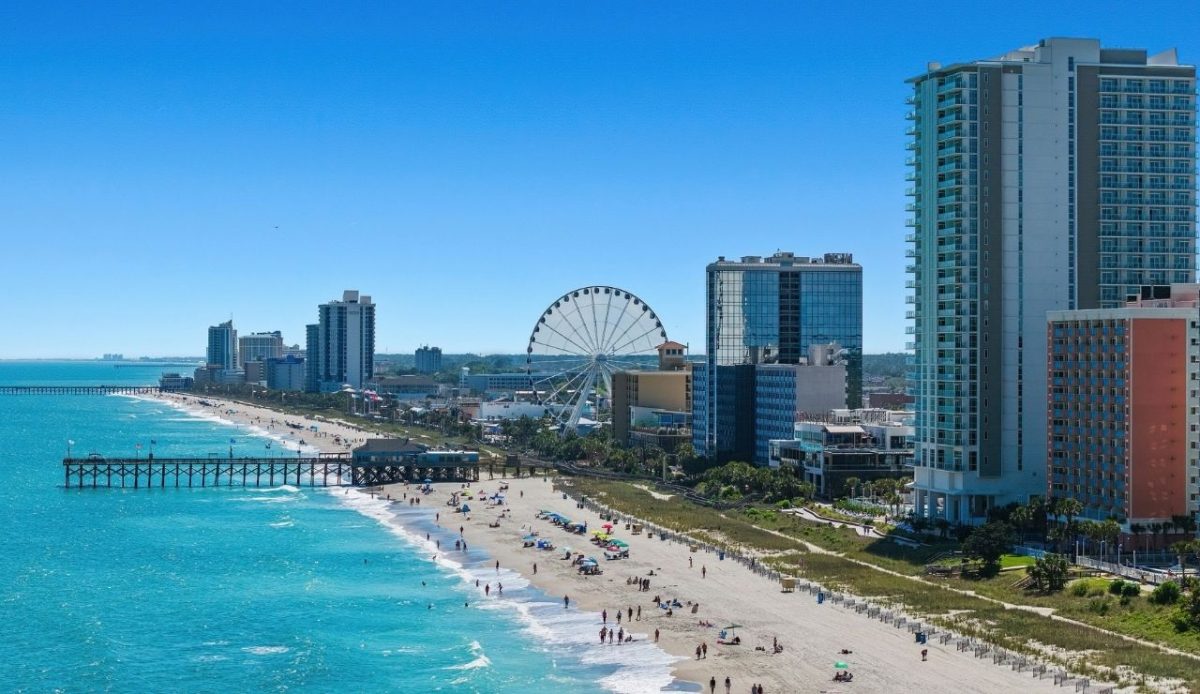
Myrtle Beach sits in Horry County, where wind coverage can be pushed into the South Carolina Wind and Hail Underwriting Association for many properties.
State coastal insurance reports describe rate increases for the wind pool, which raises the baseline cost for exposed dwellings and small businesses.
Owners may carry one policy for basic homeowners coverage and another for wind, adding fees and renewal friction. Deductibles are often stated as a percentage of insured value, which can mean a large out-of-pocket loss sharing. For vacation rentals, this increases required revenue per booking, so pricing rises, or owners reduce amenities and capital upgrades.
7. Hilton Head Island, South Carolina
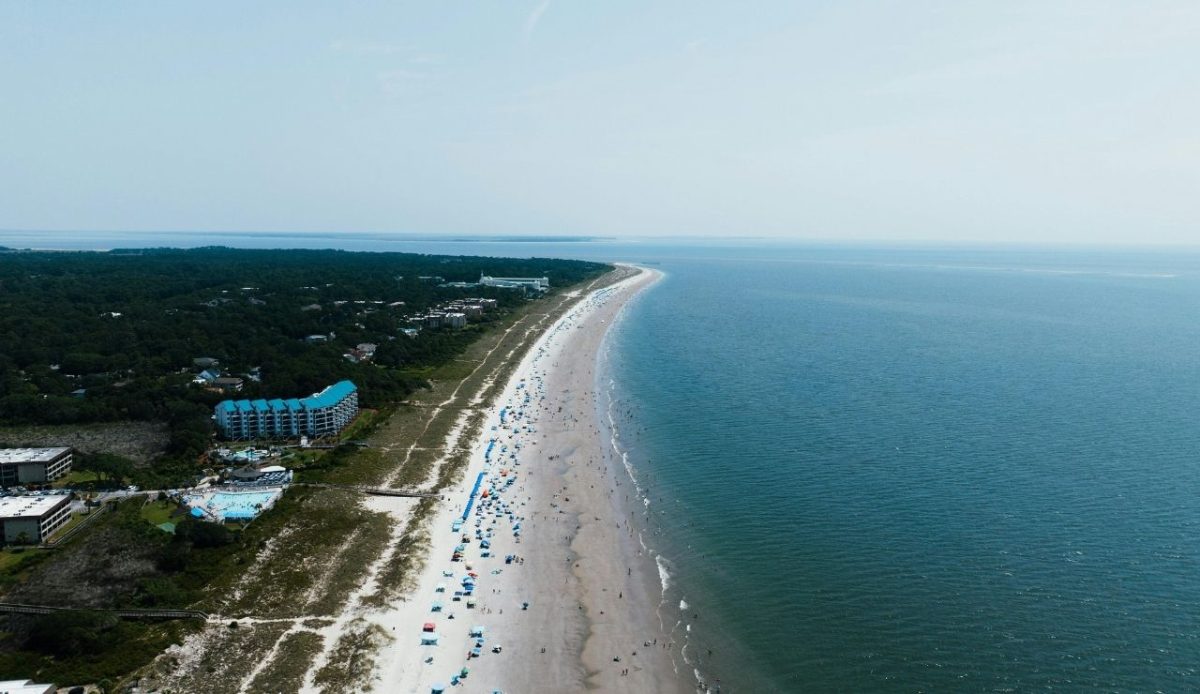
Hilton Head Island has high property values on a low-lying barrier island, and wind coverage availability is shaped by the same residual market system used statewide.
South Carolina coastal market status reports note ongoing wind pool rate actions and exposure concentration in coastal counties, which influences renewals in Beaufort.
Insurance increases show up through higher premiums, storm deductibles, and tighter water damage limits. Many owners also maintain flood policies that rise with mapping and elevation factors. For seasonal rentals, this can shift strategy toward longer stays and fewer turnover events, since claims frequency and liability exposure are closely watched by insurers.
8. Cape Cod, Massachusetts
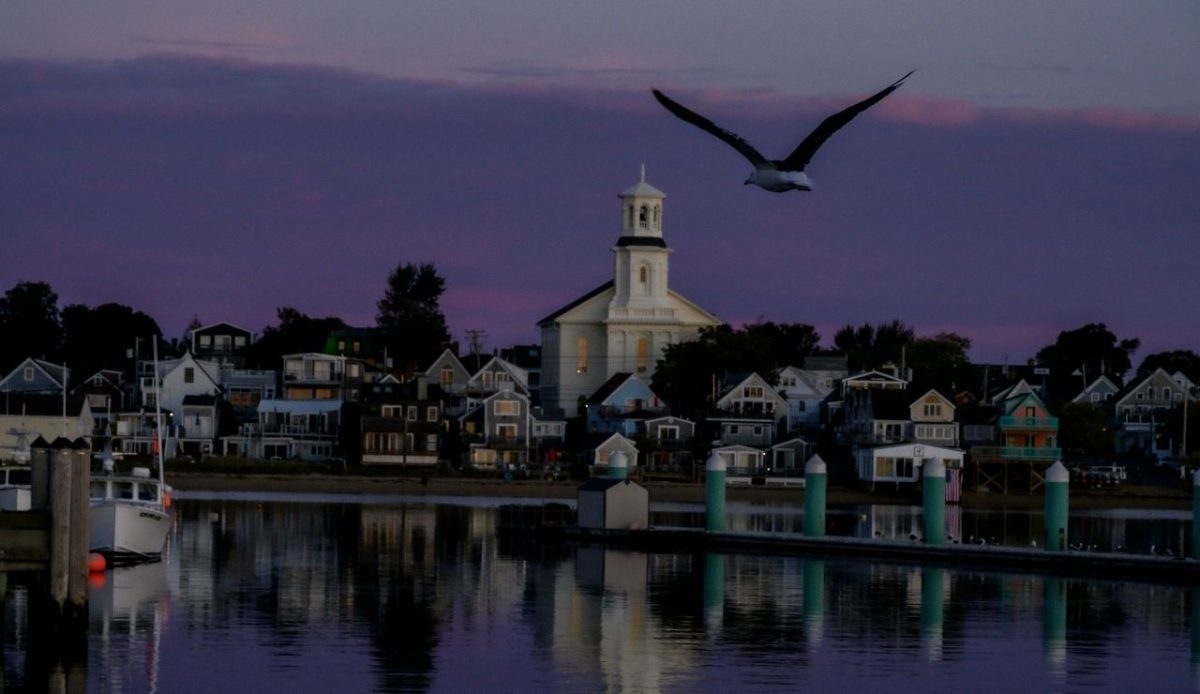
Cape Cod’s vacation housing stock faces nor’easter wind, coastal flooding, and high rebuild costs, and private carrier appetite has tightened in some ZIP codes.
Enrollment growth in the Massachusetts FAIR Plan has been widely cited as a sign that more homes are relying on the insurer of last resort on the Cape and Islands.
FAIR Plan policies can cost more and may require companion coverage for liability or broader peril protection. Owners also face stricter inspection standards for roofs, wiring, and heating systems. When premiums rise, seasonal owners raise rents, but the market can resist large increases in quieter months. Some buyers renegotiate prices to offset higher insurance escrow.
9. Cape May County, New Jersey

Cape May County is a major Jersey Shore vacation area with repeated coastal storm exposure, so insurance availability and renewal behavior matter as much as price.
Federal and academic analyses of nonrenewal patterns have flagged coastal counties where policy cancellations increased faster than in inland areas over recent years.
When a carrier exits or nonrenews, owners may move to more expensive coverage or accept tighter terms, raising annual fixed costs. Flood policies add another layer, and elevation rules can change premiums after mapping updates. Short-term rental operators respond by increasing minimum nights, reducing discounts, and setting aside larger reserves for deductibles and vacancy risk.
10. Galveston, Texas

Galveston’s coastal housing relies heavily on the Texas Windstorm Insurance Association, so wind pricing is shaped by state-governed rate actions.
TWIA committee and board processes have discussed rate adjustments for coastal policies, and higher wind premiums add to already rising homeowners’ costs in Texas.
Owners often pair TWIA wind with a separate homeowners policy and sometimes flood insurance, creating a layered bill with multiple renewals. After storms, material and labor costs push replacement values upward, which can lift premiums again. For vacation rentals, this reduces net yield, so some owners increase cleaning and damage deposits, limit peak discounts, or sell to buyers who plan more personal use.
