
Civil War sites attract stories that feel like settled truth, yet many were shaped by later retellings. When a narrative is repeated on tours, in films, or in family lore, it can outrun the paperwork that first recorded the event.
Misunderstandings spread through copied quotes, selective memoirs, and postwar politics. Gaps in field reports, lost letters, and biased newspapers left room for claims that sound precise but were never firmly documented.
Each section below names a site and isolates one dark myth tied to that place. The focus stays on how the claim formed, what evidence is available, and why a clearer account matters for visitors reading history on the ground.
1. Gettysburg Battlefield, Pennsylvania
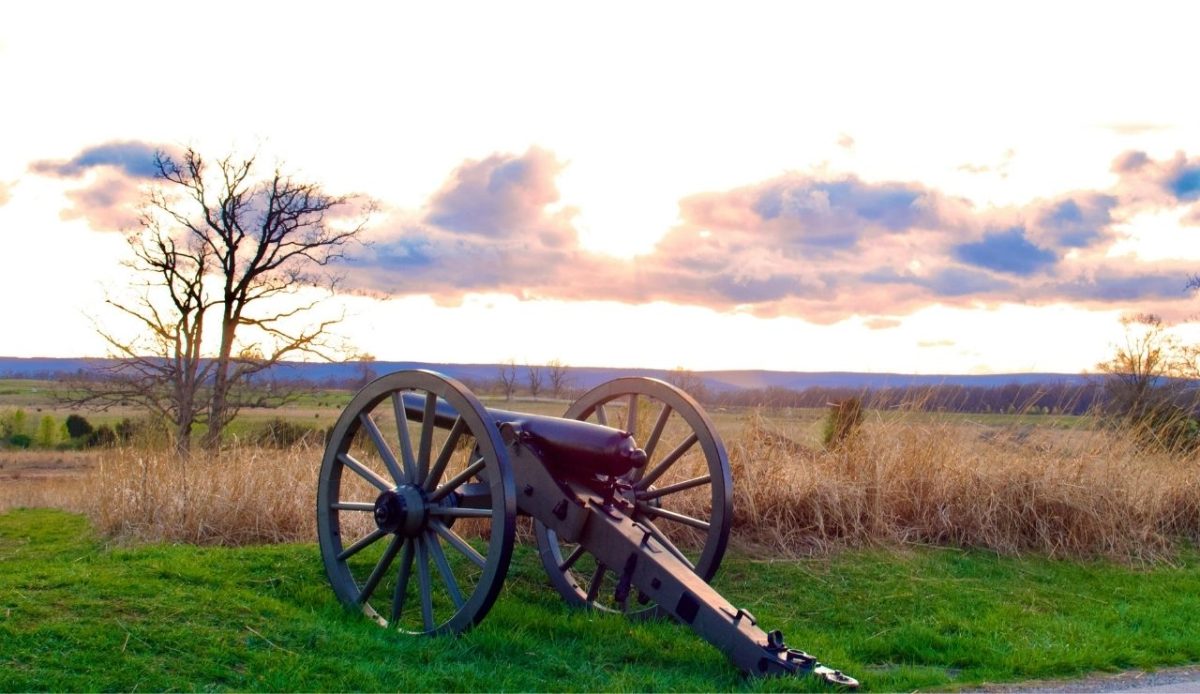
One popular claim says the battle began because Confederates went into town looking for shoes. Short supplies did exist, but the first clash fits better with scouting, road control, and contact with Union cavalry outside Gettysburg.
The shoe story spread later because it supplies a simple cause for an enormous fight. Strategy, foggy intelligence, and fast decisions get replaced by a single errand that sounds believable and easy to retell.
Early reports and movements show a probing encounter that escalated as units arrived. The darker effect is that leadership choices fade from view, so the opening day can be misread as accidental fate rather than command-driven risk.
2. Andersonville Prison, Georgia
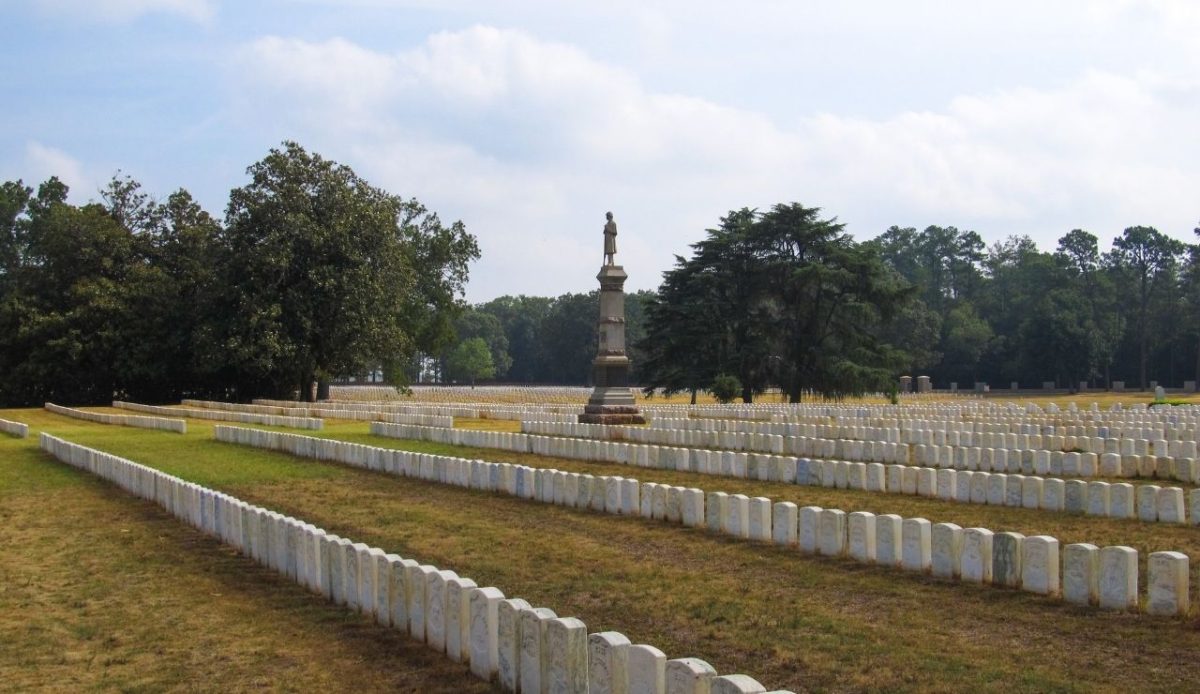
Andersonville is often framed as cruelty designed by one man, as if one commander engineered the misery. Records point instead to overcrowding, failed supply lines, disease, and a Confederate system strained beyond capacity by 1864.
After the war, trials, and public memory narrowed blame into a single villain script. That version offered moral clarity, but it hid how policy, transport breakdown, and shortages created conditions that no camp could easily manage.
Prisoner letters, inspection notes, and Confederate correspondence show neglect mixed with scarcity. The myth darkens understanding by turning structural collapse into personal intent, which keeps visitors from seeing how administrative failure amplifies suffering.
3. Antietam National Battlefield, Maryland
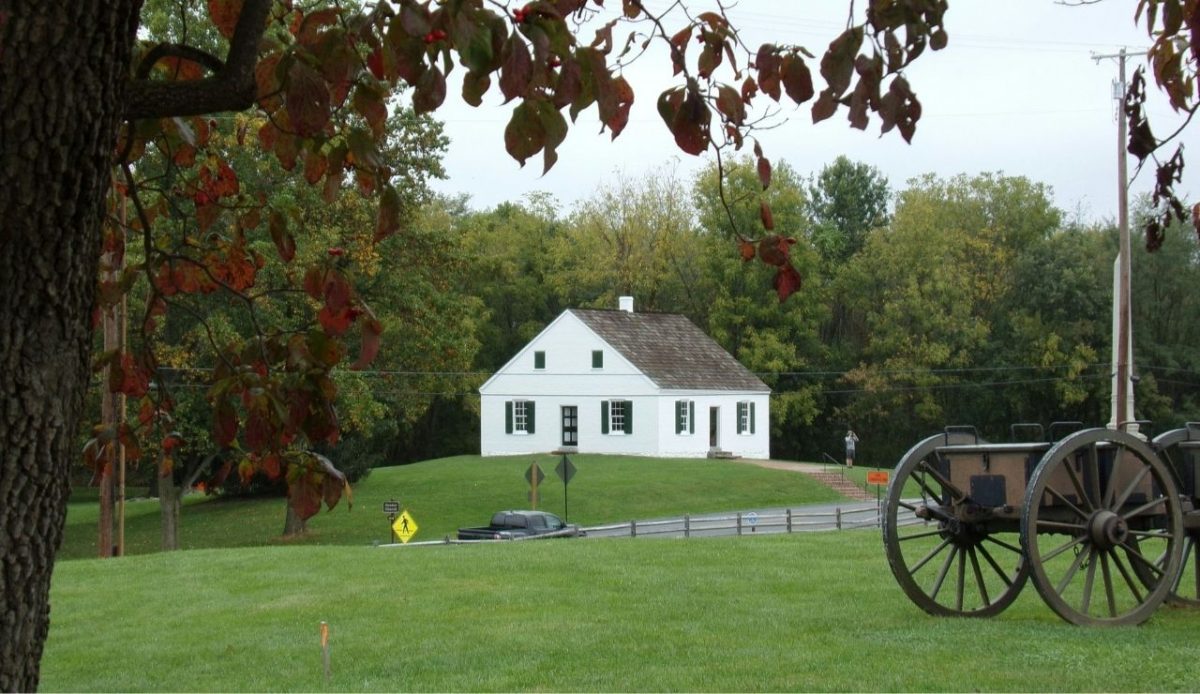
At Antietam, a common tale says the bridge delay happened because Ambrose Burnside froze or moved too slowly. The crossing problem was shaped by steep banks, a tight approach, and defenders who could concentrate fire on a narrow target.
Early narratives favored personality blame because it creates a clear lesson. Tactical geometry and communication friction were minimized, so a hard engineering and infantry task became a morality play about hesitation.
Maps, timing studies, and after-action reports show repeated assaults and costly progress. When the delay is reduced to character, the real mechanism is missed, since terrain and exposure drove outcomes even when soldiers pushed forward.
4. Fort Pillow, Tennessee
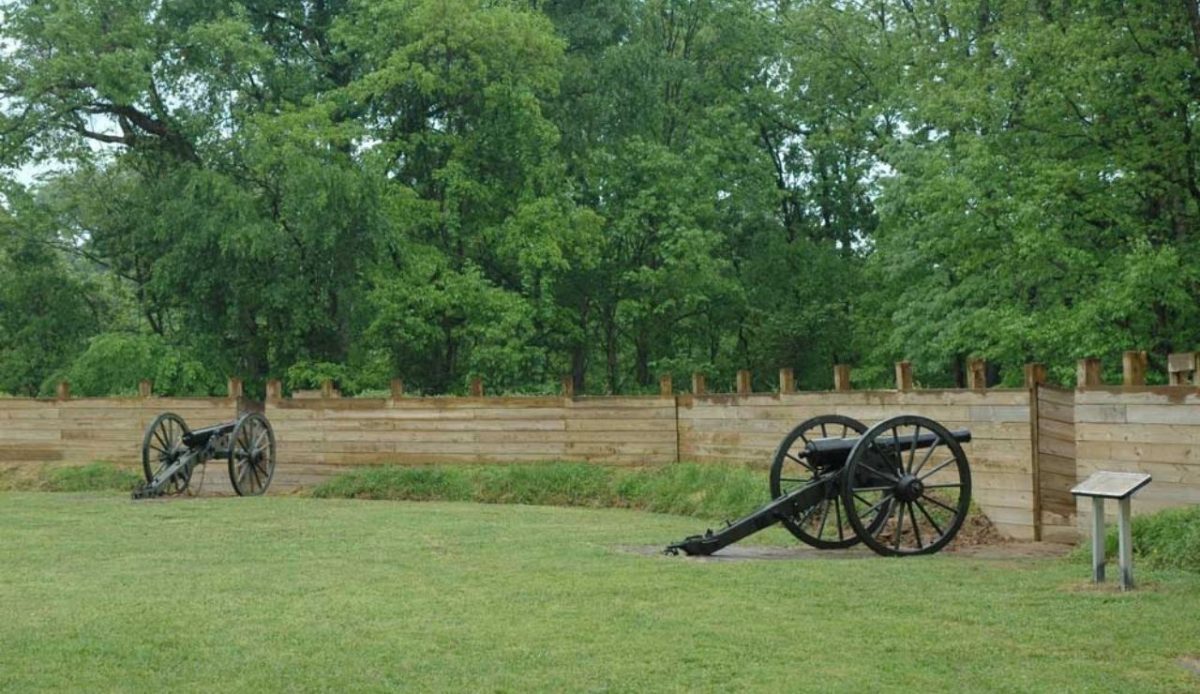
Fort Pillow is surrounded by claims that the fight ended like any other assault, with no clear break between battle and surrender. Yet multiple testimonies describe killings after the collapse of organized resistance, especially among Black troops.
Competing accounts appeared quickly, shaped by wartime propaganda and later political needs. By arguing over exact totals, some retellings blurred whether deaths occurred during combat or after control had been gained.
Investigations and eyewitness statements allow the sequence to be checked even if numbers vary. The myth functions as cover because if the event is treated as ordinary combat loss, accountability for post-capture violence becomes harder to face.
5. Harpers Ferry, West Virginia
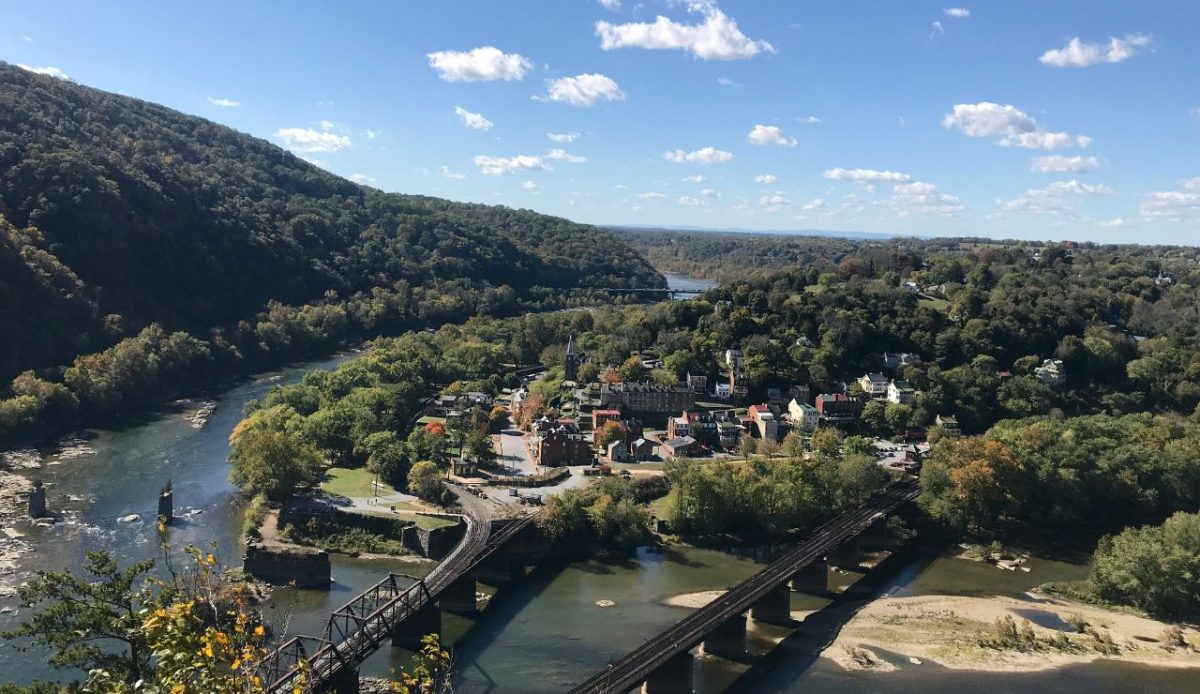
John Brown’s raid at Harpers Ferry is sometimes dismissed as theatrical and pointless, as if it barely touched the nation. Contemporary reporting shows deaths, a hostage crisis, and rapid fear across slaveholding communities and federal officials.
Later storytelling leaned on symbolism and skipped the operational details of taking an armory, holding positions, and negotiating under pressure. That shift made the episode seem like a brief stunt instead of a violent spark in a tense system.
Newspapers, court records, and eyewitness accounts show a local event with national ripples. The myth narrows the stakes, so visitors can miss how the raid changed security thinking and hardened attitudes well before the first major battles.
6. Shiloh Battlefield, Tennessee
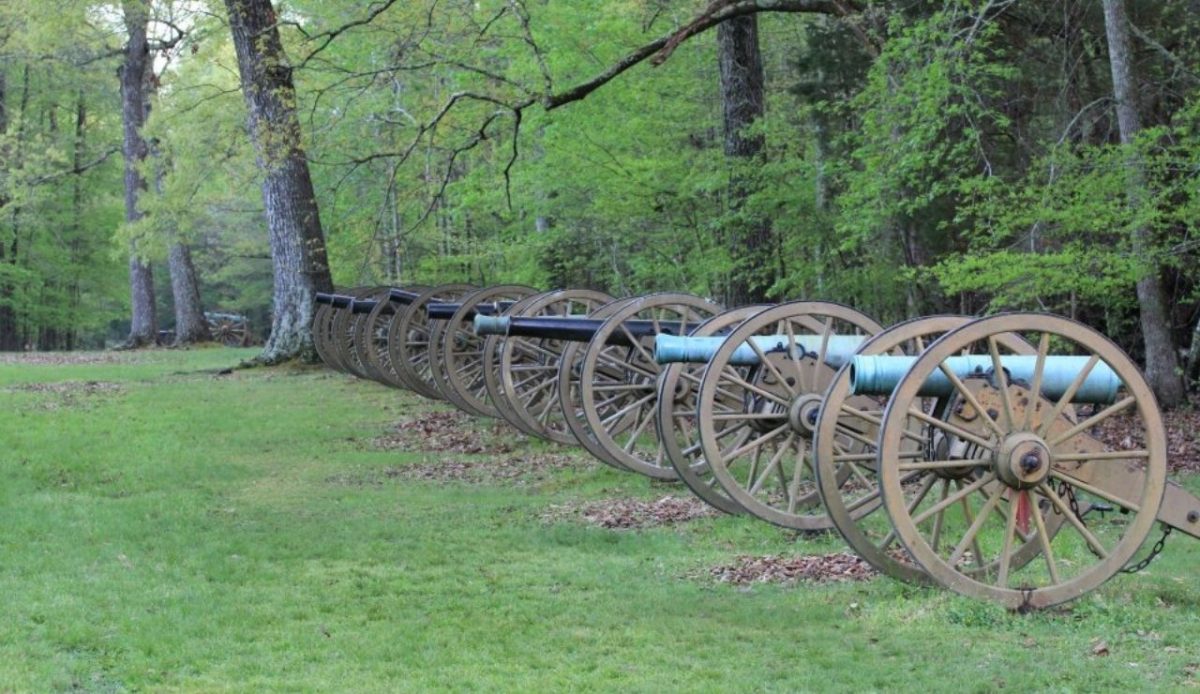
Shiloh is often summarized as a total surprise, with Union camps asleep and unaware until shots arrived. Evidence indicates warnings were received, skirmishes occurred, and patrols reported signs, but leaders discounted what they heard.
The surprise label endured because it communicates shock and scale in one word. It also shifts attention away from routine choices, such as where pickets were placed, how reports were weighed, and which assumptions guided readiness.
Orders, dispatches, and survivor accounts support a pattern of missed signals rather than complete ignorance. When the myth dominates, the lesson becomes fate, not decision, and the battlefield is misunderstood as a sudden accident instead of a preventable risk.
7. Appomattox Court House, Virginia
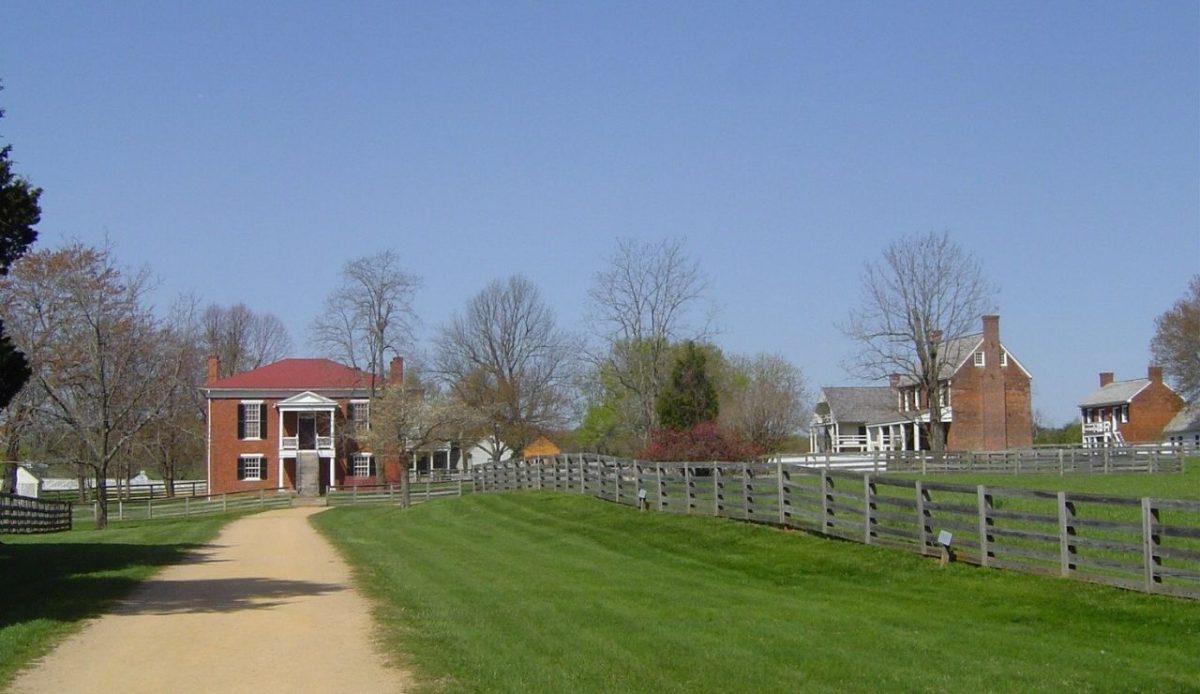
Appomattox is widely treated as the moment the Civil War ended, full stop. The surrender there was major, but other Confederate forces remained in the field, and additional surrenders unfolded over subsequent weeks across the South.
The clean ending became popular because it centers on two famous commanders and produces a neat final scene. That framing was reinforced in school narratives and commemorations that prefer a single closing date.
Official surrender terms, troop movements, and later capitulations show a drawn-out shutdown of armies. The myth can mislead visitors into thinking conflict stopped instantly, when in fact the war’s end was a staggered process shaped by geography and command.
8. Fort Sumter, South Carolina
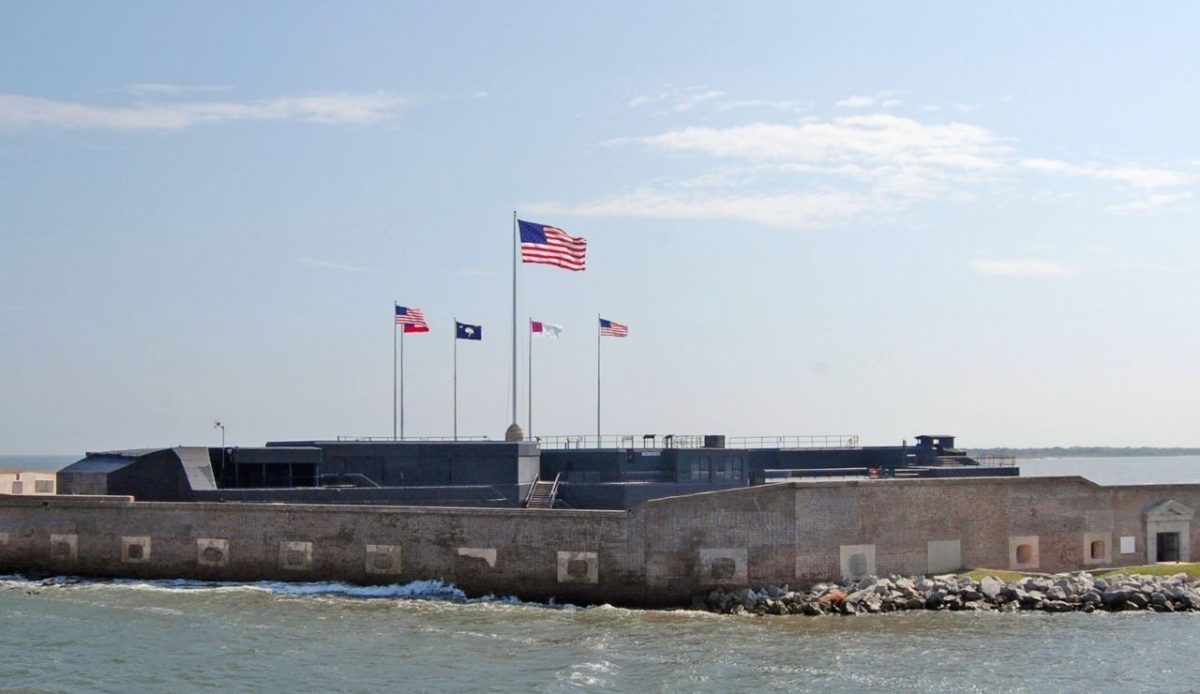
Fort Sumter is often described as producing deaths during the bombardment that opened the war. Official accounts show the shelling caused damage and fire, but no direct combat fatalities during the exchange itself.
The confusion comes from a later accident during the surrender salute, when an explosion killed soldiers after fighting had ceased. In retellings, that sequence is compressed, so cause and timing become tangled.
Casualty lists and reports separatethe bombardment from the post-action incident. The myth persists because the first battle is expected to include immediate deaths, so a later tragedy gets folded into the opening narrative and reshapes how the event is remembered.
9. Libby Prison, Richmond, Virginia
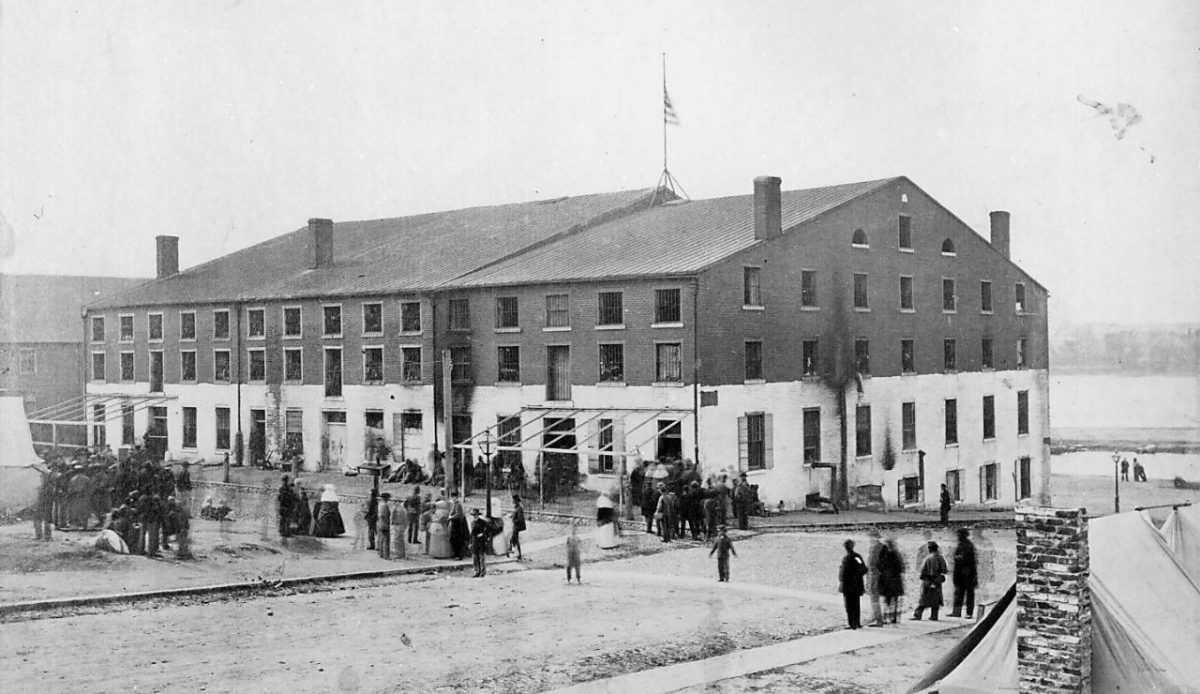
Libby Prison in Richmond is sometimes portrayed as uniquely brutal compared with all other wartime prisons. Conditions were harsh, but comparable hunger, crowding, and disease were reported in many facilities as resources failed on both sides.
After the war, Libby became a powerful symbol in memoirs and public exhibits, especially after the building was moved and marketed as a relic. That visibility helped one site stand in for a larger, varied prison system.
Records from different prisons show wide swings by season, management, and supply access. The myth distorts by ranking cruelty as if it were fixed, when the evidence points to changing conditions that depended on logistics and policy, not one notorious address.
10. Vicksburg National Military Park, Mississippi
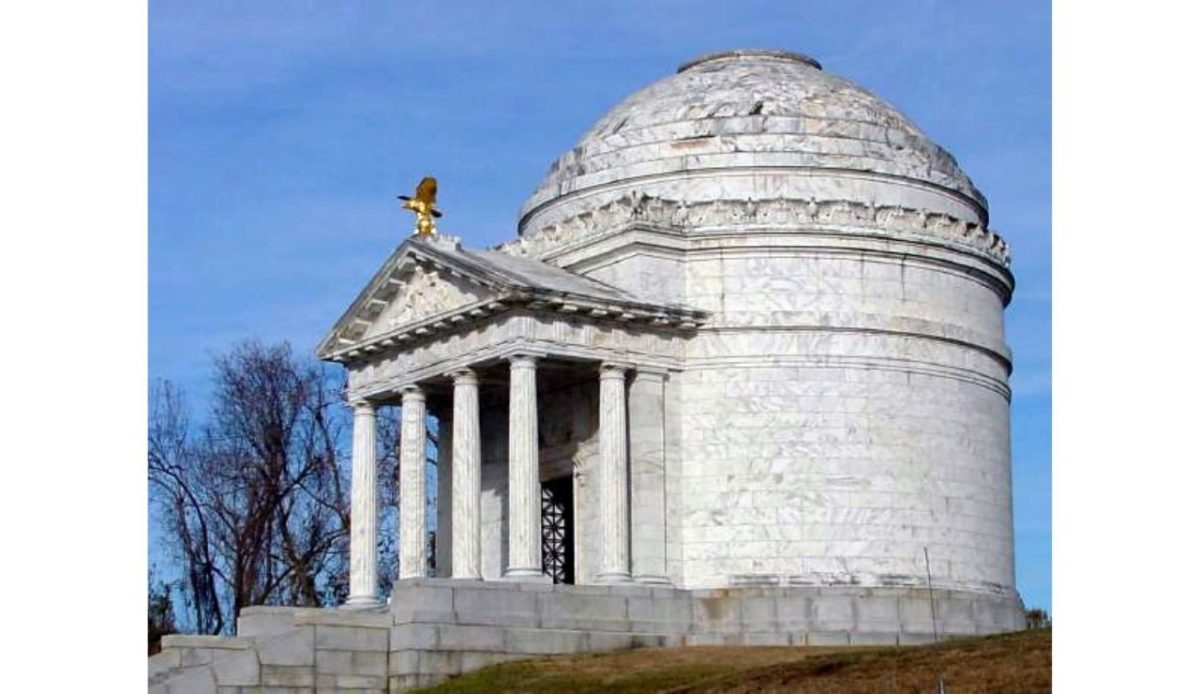
Stories about Vicksburg often claim that most civilians lived in caves for the entire siege, nearly abandoning surface life. Diaries and reports confirm cave use was common, yet households varied in how often they sheltered and where they stayed.
Later accounts favored extreme images because they communicate hardship instantly. As these descriptions were copied, the range of experience was squeezed into a single picture of constant underground living.
Primary writing, military notes, and site studies support a mixed pattern driven by shelling intensity and location. The myth can misdirect visitors by implying uniform behavior, while the documented reality shows adaptive choices shaped by proximity to fire and available space.
