
Livability is now measured through daily systems that let residents live well for years, not just visit briefly. When transport works and clinics are reachable, time remains for museums, music, and public events.
The Economist Intelligence Unit rates 173 cities using 30 indicators across five categories: stability, healthcare, culture and environment, education, and infrastructure. Scores reward places where cultural life is backed by safe streets, reliable utilities, and schools that retain talent.
This article uses the 2025 top ten from that index, where Copenhagen moved to first, and Vienna slipped after a lower stability score. Each city below pairs cultural amenities with high performance on core services tracked in the same dataset.
1. Copenhagen, Denmark
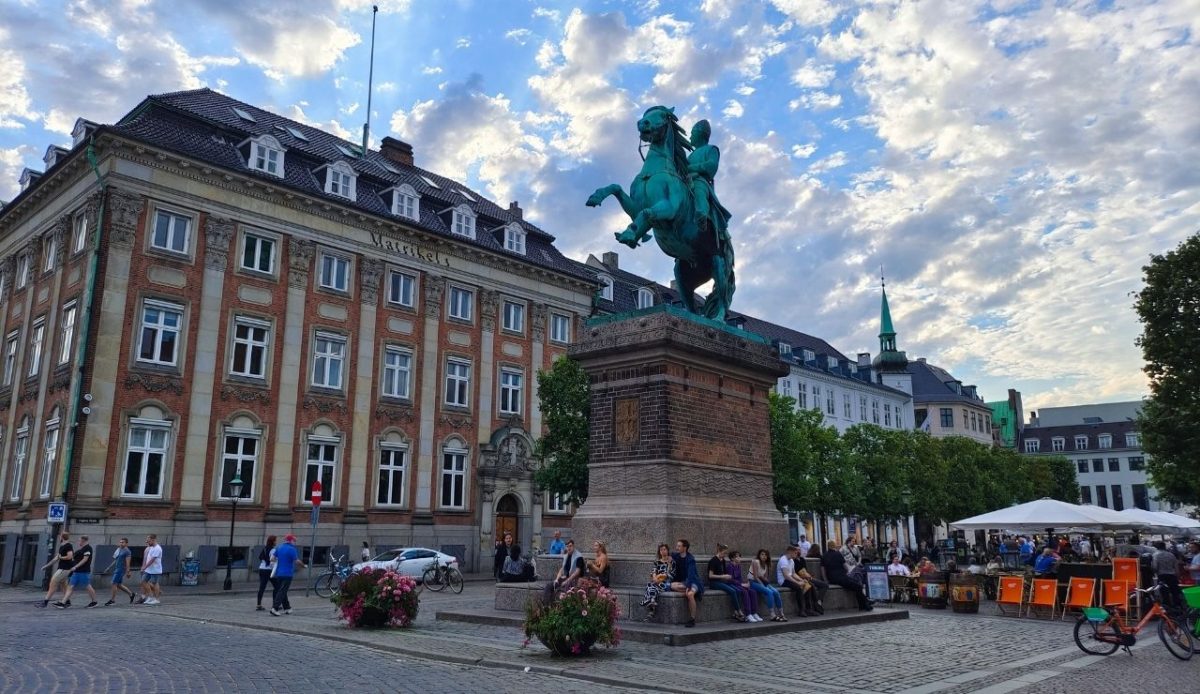
EIU 2025 places Copenhagen first overall, with perfect marks in stability, education, and infrastructure, plus a strong healthcare score and a high culture and environment rating.
Those metrics map to daily life through reliable metro and bus service, protected bike lanes, and short access to clinics, parks, and schools across most districts. Planning also limits noise and traffic stress in central areas.
With friction reduced, cultural activity stays routine rather than occasional. Residents can reach museums, design centers, and neighborhood stages without long commutes, helping participation stay broad instead of limited to tourists often.
2. Vienna, Austria
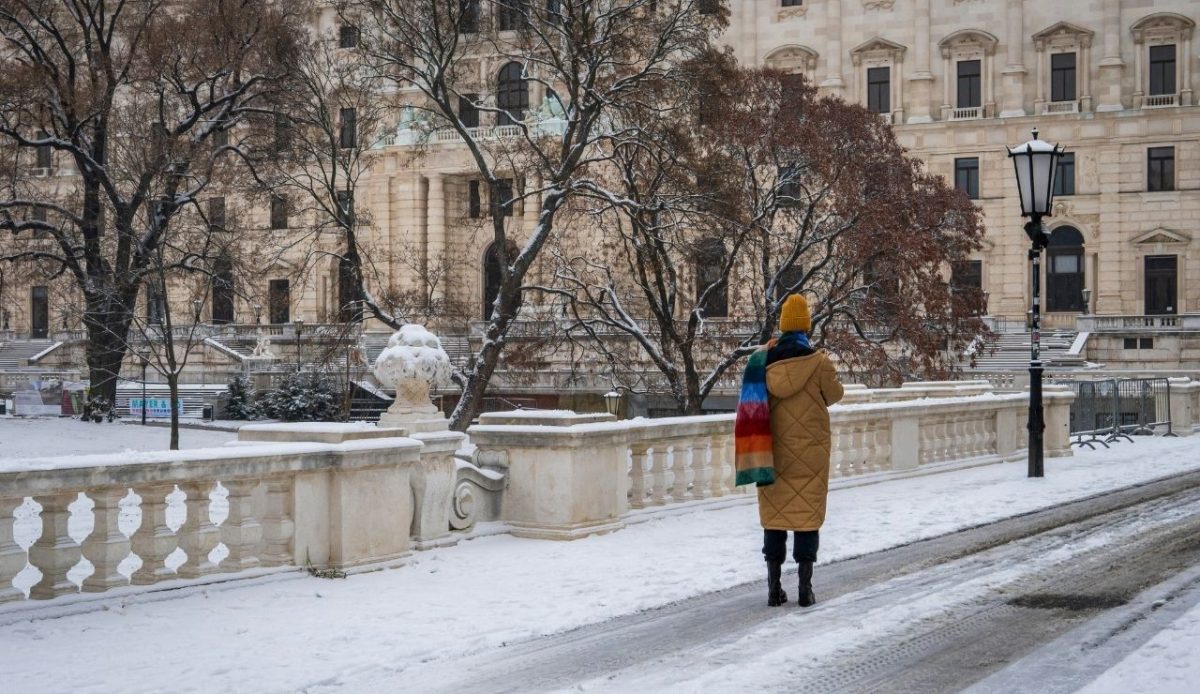
Vienna ties for second in EIU 2025 with an overall score near the top, including perfect healthcare, education, and infrastructure marks, while stability fell from recent security concerns.
Strong public transport and widely used public housing keep central neighborhoods functional, which helps residents access major museums, opera, and local music spaces on ordinary weekdays. Daily errands can be combined with cultural stops.
The index treats culture as a scored input, and Vienna benefits from that alongside services. When schools and clinics perform consistently, cultural venues can be used by locals regularly, not only during peak visitor seasons.
3. Zurich, Switzerland
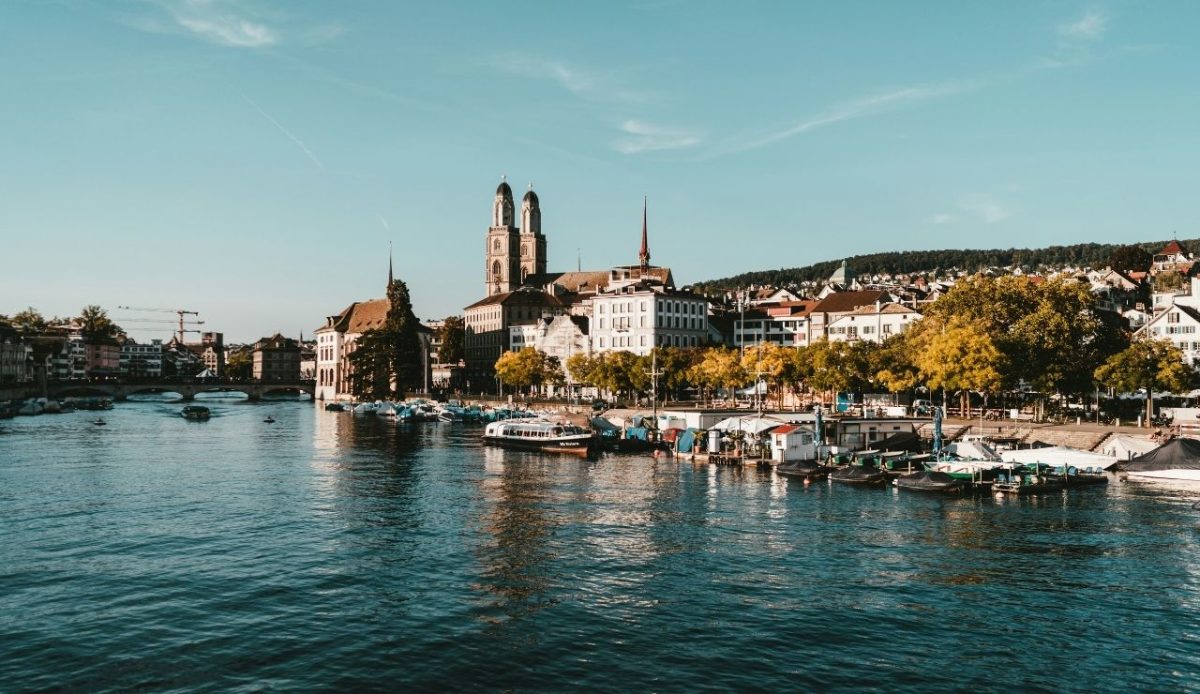
Zurich ties for second in the EIU 2025 ranking, backed by perfect healthcare and education results and strong infrastructure performance. Mercer also ranked Zurich first for quality of living in 2024, supporting the same direction.
High safety levels and punctual transit make it easy to use cultural assets without planning around risk or delays. Galleries, theaters, and public lakefront programming sit close to residential areas.
Because services run smoothly, cultural spending is not limited to special occasions. The city sustains everyday participation through accessible venues and reliable mobility, which aligns with the index model that weighs culture and environment alongside core services.
4. Melbourne, Australia
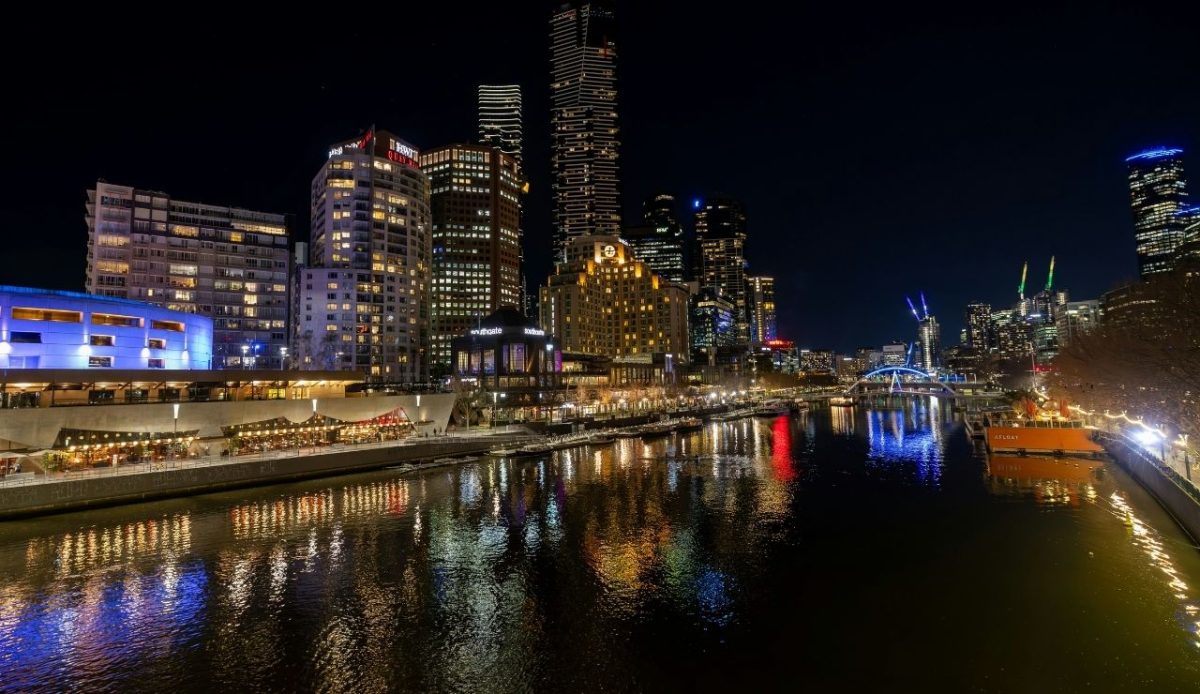
Melbourne ranks fourth on EIU 2025, with perfect scores for healthcare and education, and high results for infrastructure, while culture and environment also rate strongly.
That balance supports a large local audience for theater, music, and sports-linked events, plus extensive library and museum networks that serve residents across suburbs and the inner city. Public spaces are programmed most weeks.
Reliable services reduce the tradeoff between creative life and convenience. When transit and public health hold steady, cultural calendars stay active and affordable for locals, matching why the city remains a repeat top performer across multiple index years.
5. Geneva, Switzerland

Geneva ranks fifth in EIU 2025, earning perfect healthcare and education scores and strong infrastructure results. Mercer placed Geneva third in its 2024 quality of living ranking, reinforcing the city’s service profile.
International institutions add multilingual cultural programming, while compact geography and dependable transit keep museums and events reachable from residential districts without long travel times.
The city shows how global roles can coexist with resident comfort. High safety and stable utilities allow public spaces to host cultural activity regularly, and that consistency fits indices that score culture and environment as part of livability rather than a side topic.
6. Sydney, Australia
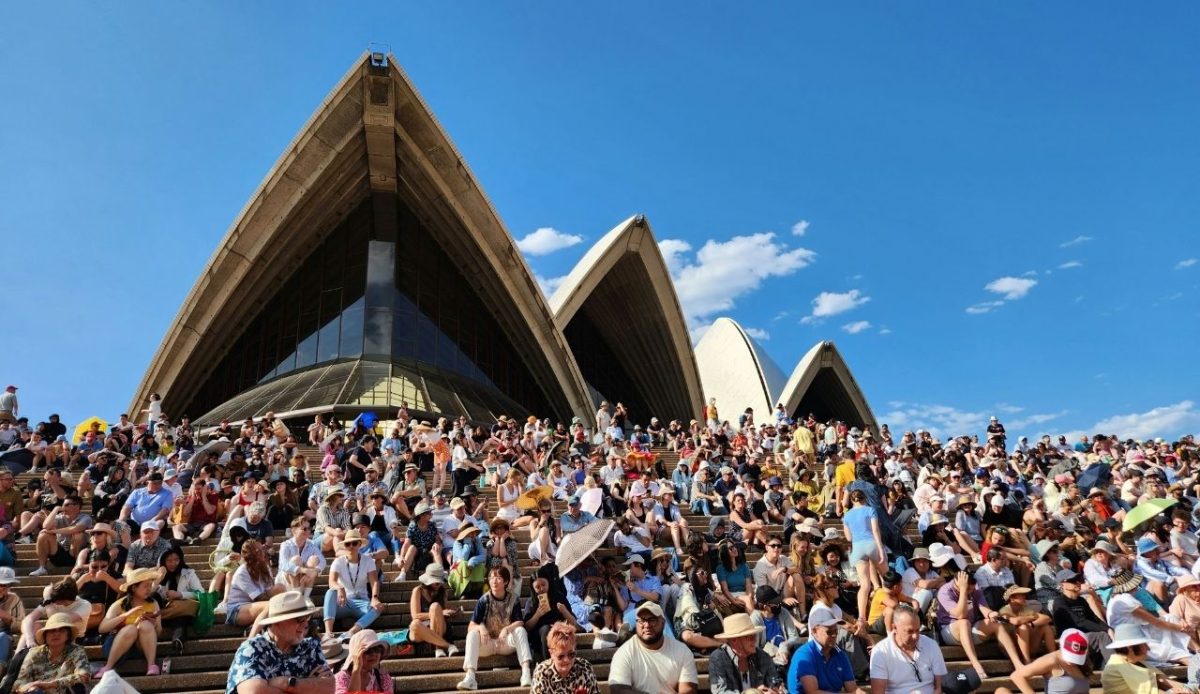
Sydney ranks sixth in EIU 2025, scoring 100 in healthcare and education and posting strong infrastructure results, which offset pressures common in large metros. Stability is rated high by the index.
Cultural assets such as major performing arts venues and museums sit on transit lines used for work commutes, so residents can attend events without adding complex logistics.
Public beaches and parks also function as civic spaces for festivals and outdoor arts. When stability and services remain high, cultural life becomes part of regular routines, supporting the index idea that livability depends on both amenities and the systems that keep them accessible.
7. Osaka, Japan
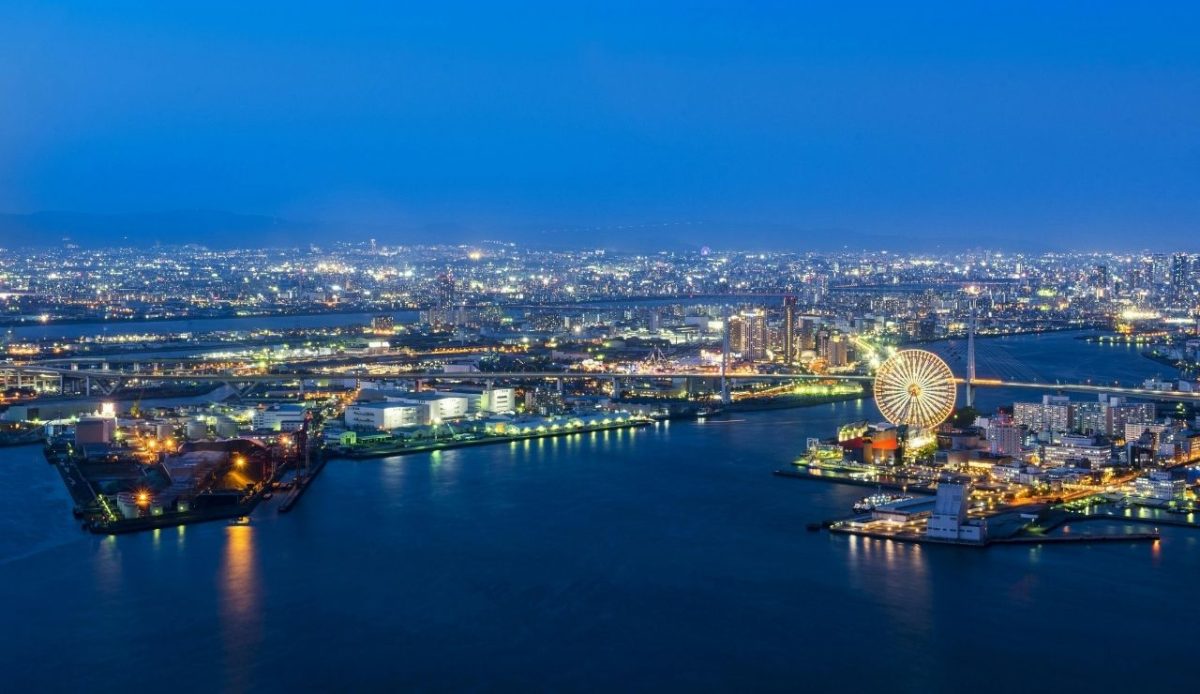
Osaka ties for seventh in EIU 2025 with perfect scores in stability, healthcare, and education, plus strong infrastructure. Its culture and environment score is lower than peers, yet overall results remain top tier.
Daily livability is helped by dense rail coverage, consistent cleanliness, and low-friction services that keep errands, school, and recreation running on time.
Local culture is expressed through food districts, neighborhood festivals, and shopping streets that residents use frequently. Because safety and transport stay strong, cultural participation stays common even without the museum density seen in some European entries today.
8. Auckland, New Zealand
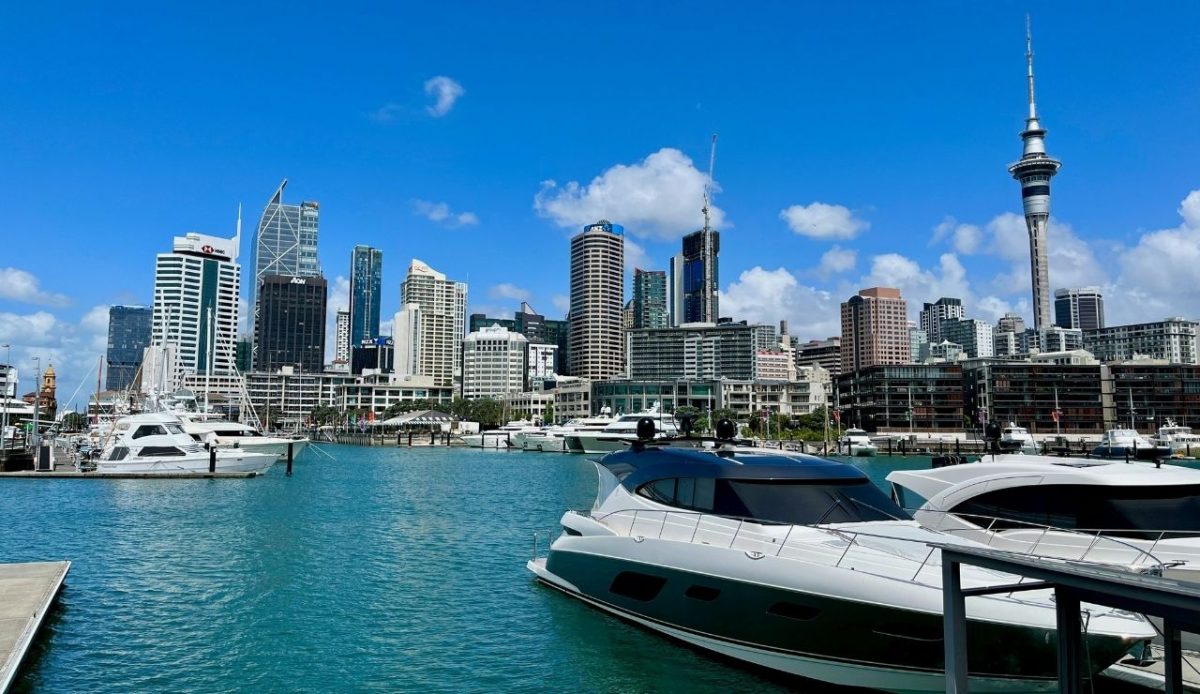
Auckland ties for seventh in EIU 2025 and stands out for a very high culture and environment score, paired with strong education results and solid stability. Infrastructure scores lower than the leaders, but overall performance stays elite.
Clean air, green space access, and coastal geography support daily wellbeing, while cultural institutions and public programming reflect both Māori heritage and newer migrant communities.
The index framework links environment with cultural access, and Auckland fits that logic. When safety and schools rate well, events and museums attract local audiences throughout the year, not only during holiday peaks, keeping culture aligned with resident life.
9. Adelaide, Australia
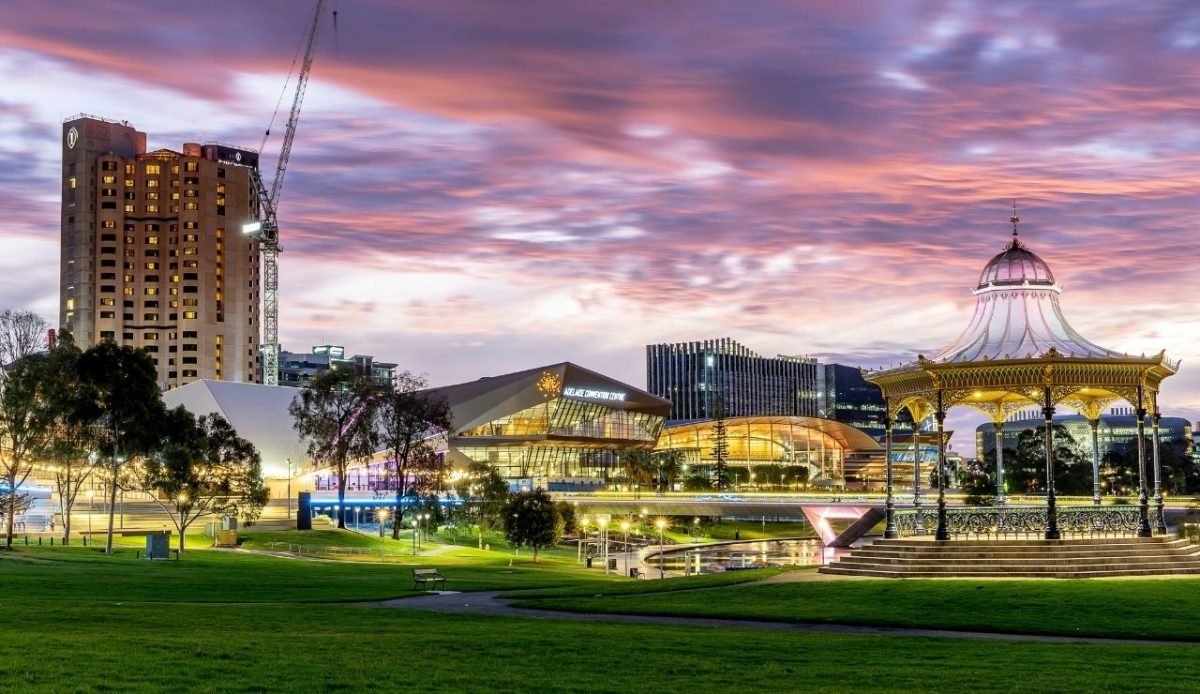
Adelaide ranks ninth in EIU 2025, with perfect healthcare and education scores and strong infrastructure performance. Its culture and environment rating supports the city’s reputation for festivals and accessible arts.
Lower congestion than larger metros helps residents reach galleries, markets, and performance venues quickly, and regular public events draw local participation across age groups.
The city shows how mid-sized scale can support both comfort and cultural output. When clinics, schools, and transport score near the top, creative programming becomes a normal part of weekend planning, aligning with livability measures that treat culture as a daily good.
10. Vancouver, Canada
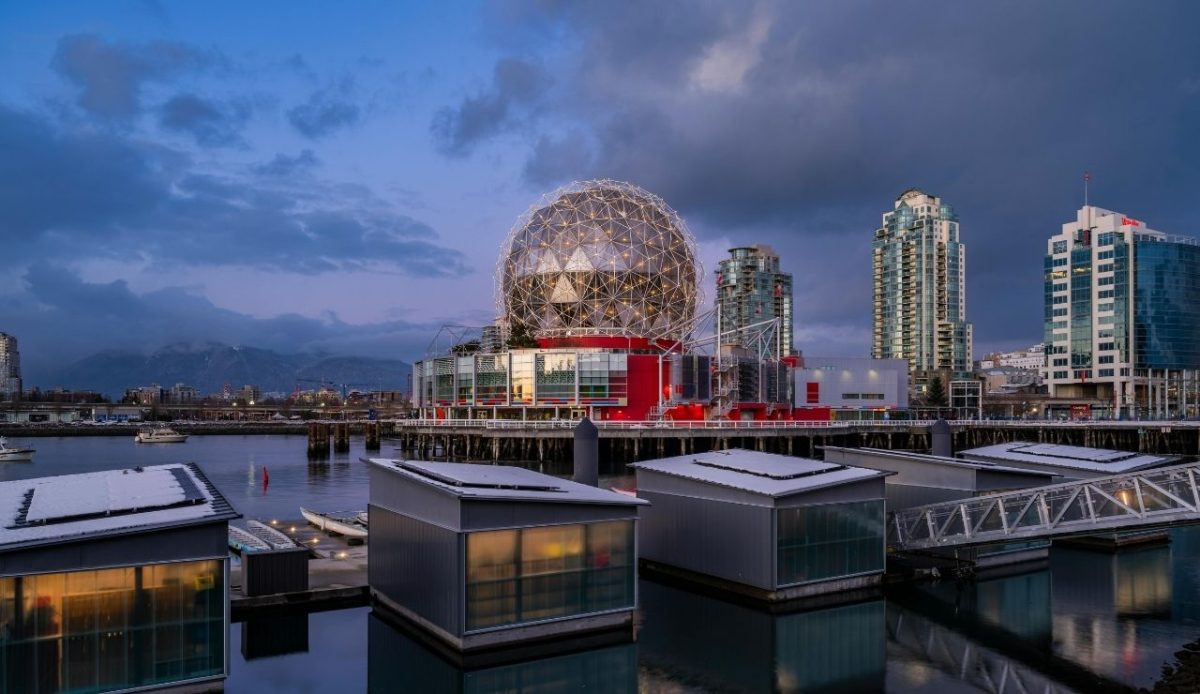
Vancouver ranks tenth in EIU 2025 and leads North America in the top ten, posting high scores for education and culture and environment, along with strong healthcare and stability.
Public waterfront access and park networks support daily activity, while a diverse population sustains food culture, festivals, and film production that residents can reach by transit.
Housing costs remain a pressure point, yet the index placement shows core services still rate highly compared with many peers. Cultural life benefits from that base, since safe streets and reliable schools support steady attendance at museums, events, and neighborhood venues citywide.
