
Housing decisions for many people in their forties in 2026 are being guided by mortgage rates, insurance costs, taxes, and resale risk. Moves are often tied to career stability, caregiving needs, and the desire for neighborhoods with reliable services.
Recent housing outlooks point to metros where demand remains steady without extreme bidding pressure. These places tend to have diversified jobs, manageable supply growth, and price paths that track local incomes.
This list uses 2026 homebuying hot spot research to stay close to measurable trends. Each city is framed around conditions that typically matter to midlife buyers, including inventory, commute patterns, and long-term carrying costs.
1. Charleston, South Carolina
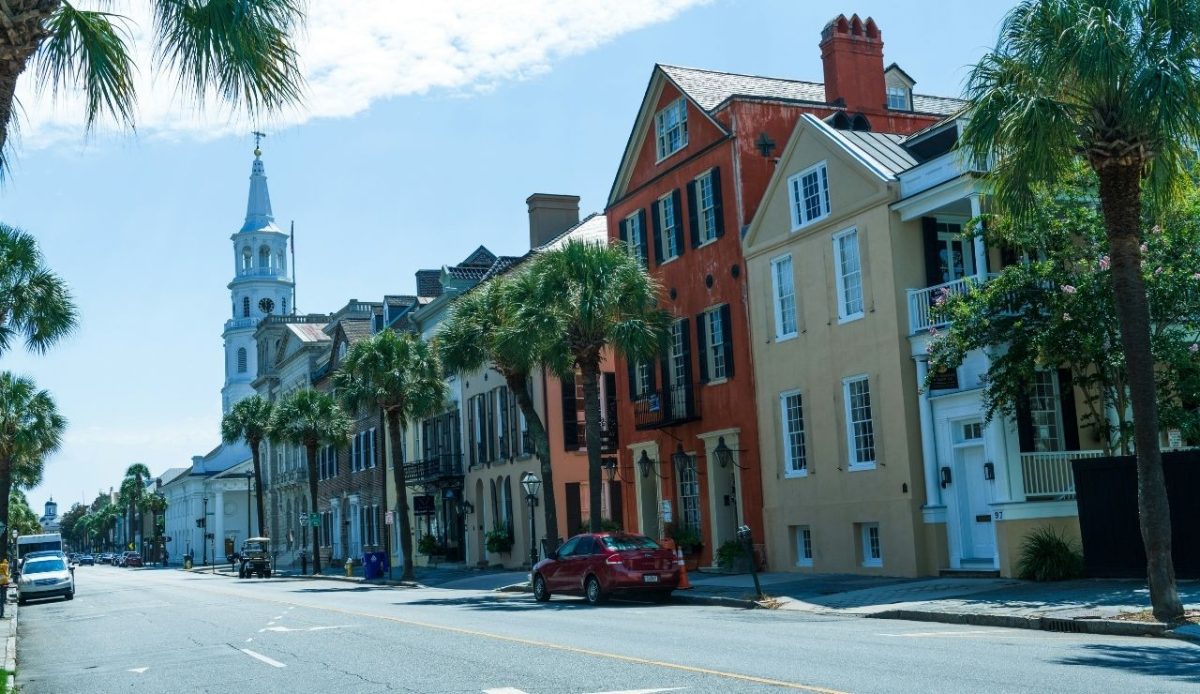
Charleston draws midlife buyers because supply is tight while demand is supported by steady payrolls. New builds are limited by geography and permitting, so prices tend to move in smaller steps over time.
Port activity, health systems, and defense-related work help keep job losses from swinging too sharply. That stability matters for households financing a purchase while also planning for college or elder care.
Insurance premiums and flood risk are reviewed closely, yet many buyers still choose Charleston after budgeting. The appeal often comes from established neighborhoods, shorter commutes than larger metros, and durable resale interest.
2. Charlotte, North Carolina

Charlotte attracts forty-something movers through a large job base and a wide range of housing types. Prices are still below many coastal hubs, and new supply has been added without fully erasing competition.
Banking, energy, and professional services keep payroll growth steady, which supports purchase confidence. For buyers in their forties, that matters because a move can coincide with peak earnings and larger loans.
Demand has shifted toward suburbs with good schools and reasonable drive times. Transit upgrades and freeway access shape where buyers shop, and resale value is helped by continued corporate expansions. Property tax levels also remain a key budgeting point for relocating families.
3. Columbus, Ohio

Columbus is pulling in midlife movers because the payment-to-income relationship is still workable. Prices have risen, yet they track local wages better than many fast-growth metros, which helps planning.
Large employers in health care, higher education, and tech operations reduce dependence on one sector. That diversification lowers the risk of a sudden demand drop, which protects owners who may need to sell later.
Inventory has been tighter than pre-pandemic norms, but it remains less strained than many Sun Belt markets. Buyers often find more choices across suburbs and older neighborhoods, searching less time-pressured overall right now.
4. Indianapolis, Indiana

Indianapolis appeals to buyers in their forties because home prices still allow space without a luxury budget. The metro offers newer subdivisions and older housing stock, so shoppers can match costs to upkeep tolerance.
Logistics hubs, health networks, and advanced manufacturing provide stable employment across skill levels. That job spread supports steady demand and reduces the odds that one industry shock will hit local prices.
A common draw is predictable commuting within the region, which makes school runs and caregiving schedules easier. For owners, slower price growth can also mean fewer assessment jumps and more control over yearly housing costs.
5. Jacksonville, Florida
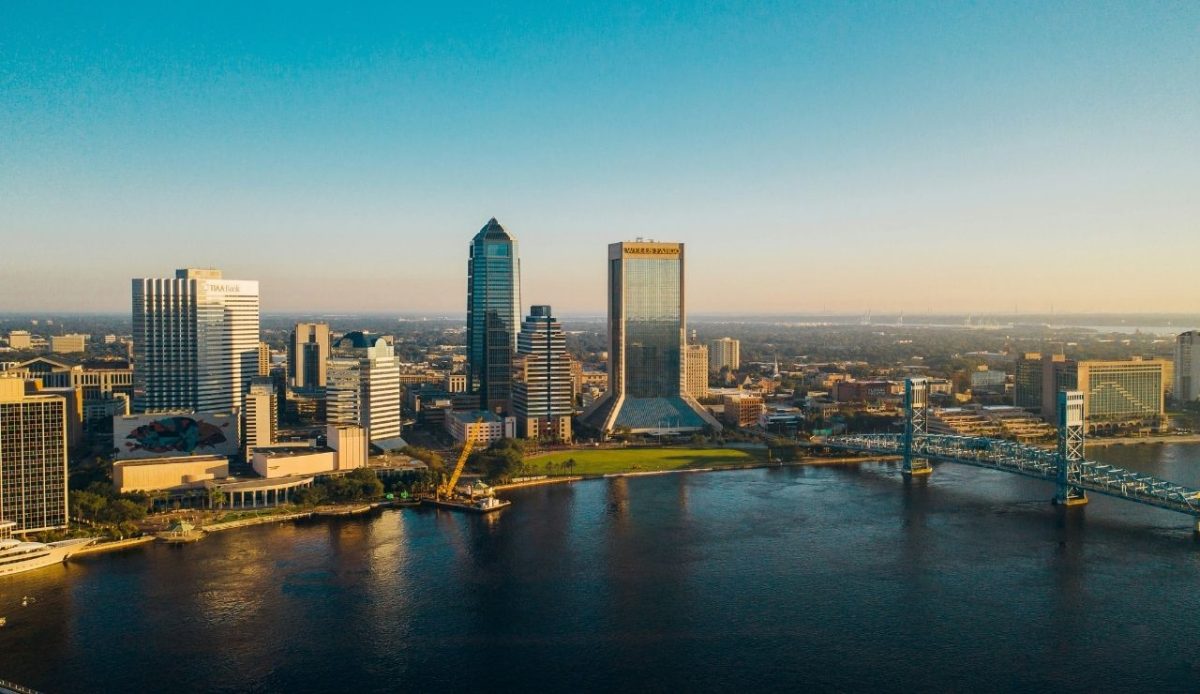
Jacksonville attracts midlife movers because it is large enough to add housing supply while keeping jobs diverse. Compared with smaller Florida markets, price pressure has been moderated by continued building and a broad area.
State tax policy matters to many forty-somethings in peak earning years, yet the decision is rarely tax alone. Health care, finance back offices, and logistics tied to the port support the income side of the equation.
Buyers also weigh insurance premiums and storm exposure, then shop by neighborhood elevation and construction type. Those who budget carefully often find a workable path to ownership with room for home offices and family needs.
6. Minneapolis and St Paul, Minnesota

Minneapolis and St Paul draw forty-something buyers with incomes that align better with prices than many peer metros. That balance supports sustainable mortgages and reduces the chance that buyers are forced into long commutes.
A diverse set of employers in health care, retail headquarters, engineering, and education supports housing demand. When layoffs are spread across sectors, prices are less likely to swing, which helps owners plan for a decade.
Housing stock includes many established neighborhoods with schools, parks, and services already in place. Midlife movers often prefer that maturity over rapid new development, even if winters require higher utility budgeting.
7. Raleigh, North Carolina

Raleigh remains on the 2026 hot spot lists because population inflow continues while job growth stays broad. Tech, universities, and medical centers provide demand that is less tied to one employer cycle.
For buyers in their forties, school quality and commute reliability often outrank trendy districts. Many target suburbs where new homes are available, yet the resale pool stays active due to incoming professionals.
Supply has increased, but it has not fully caught up with long-run demand, which supports price firmness. At the same time, appreciation has been steadier than in boom towns, making budgeting and refinancing plans clearer in 2026 too.
8. Richmond, Virginia

Richmond is drawing experienced buyers who want East Coast access without the price tag of nearby capitals. Housing costs can be lower than in Northern Virginia, yet amenities and job options remain solid.
Government work, health systems, and universities anchor employment and keep demand from collapsing in slowdowns. That matters for forty-somethings who may need to refinance or sell during life changes.
Many buyers favor older neighborhoods with established utilities and shorter drives, while renovations are budgeted carefully. Property taxes and maintenance costs are reviewed in advance, which supports fewer unexpected costs after the move.
9. Salt Lake City, Utah
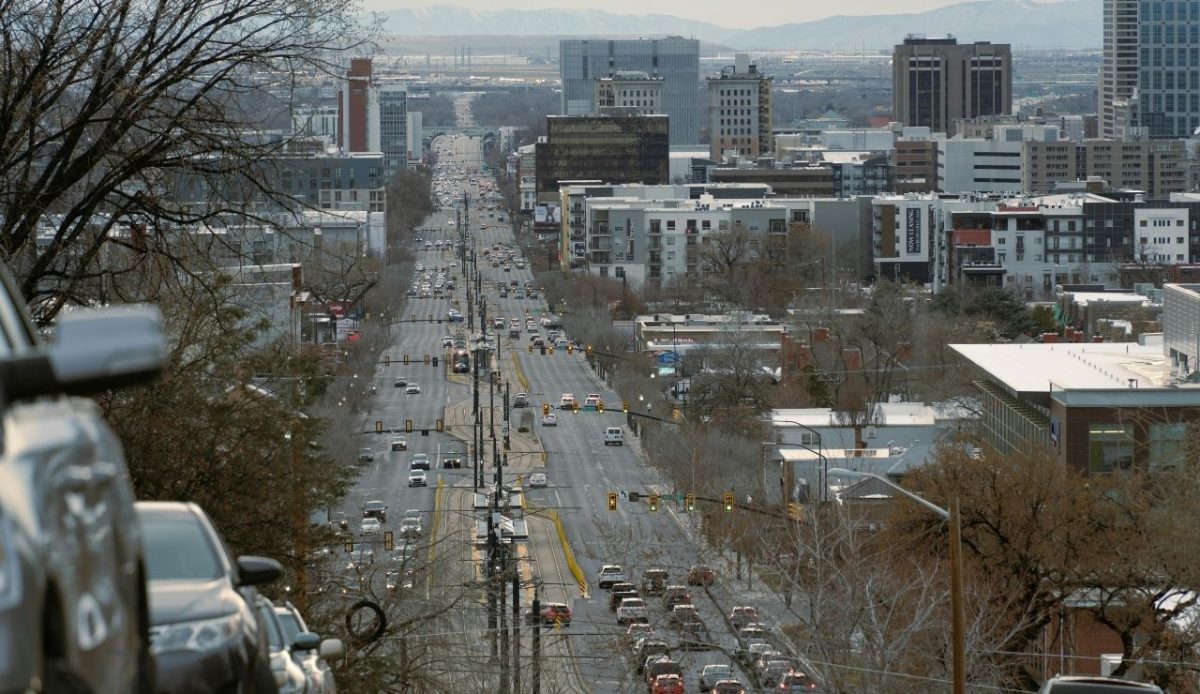
Salt Lake City continues to draw midlife movers because demand stays strong while land limits cap sprawl. That constraint can support long-term value, even when the broader market cools. Buyers often see fewer vacant lots and steadier neighborhood turnover.
Employment in tech, logistics, and health care offers options for dual-income households. For forty-somethings, that flexibility matters when one partner changes roles or when remote work policies shift.
Many buyers shop in nearby suburbs to balance price with commute time, then compare property taxes and utilities. A focus on newer construction and energy costs is common, since winter heating and summer cooling affect budgets.
10. Spokane, Washington

Spokane is attracting forty-something movers priced out of larger West Coast metros but still wanting regional access. Entry costs tend to be lower than in Seattle or Portland suburbs, which can reduce down payment strain.
Health care, education, and public sector employment provide a steady demand floor. That matters for buyers planning to hold a home through retirement saving years and potential job changes. A smaller market can also mean less investor competition in many zip codes.
Housing searches often focus on neighborhood safety, school options, and winter maintenance costs. Many buyers also compare property insurance and wildfire exposure, then choose construction types that lower risk.
