
Circus remains a live, working art in a small set of cities where big tops return on schedule, historic arenas keep calendars full, and schools train performers for professional stages. In these places, local audiences treat acrobatics, clowning, and aerial work as routine culture, not a rare touring stop. Each city below is included for a clear reason: a major annual festival, a dedicated year-round venue, or a recognized training pipeline that feeds local productions. Workshops, youth programs, and rehearsal facilities add depth, so skills are renewed and new acts are tested in public season after season.
1. Monte Carlo, Monaco
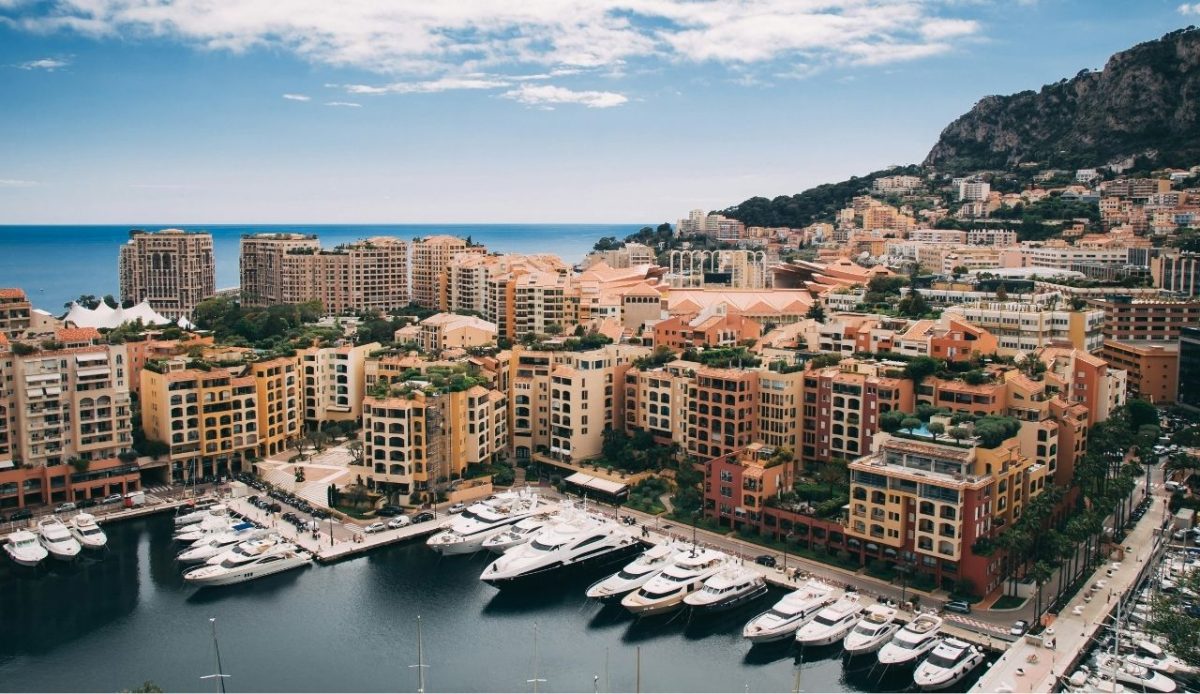
Monte Carlo’s January International Circus Festival puts top acts under the Chapiteau de Fontvieille, where juries, press, and paying audiences assess the same program. Awards like the Golden Clown carry weight, so training and act design are treated as serious craft. Because the festival returns every winter, rigging crews, costume makers, and local vendors build predictable capacity around it. The New Generation showcase highlights younger artists, linking the city to classic families and newer contemporary styles. Closing galas add prestige and push companies to premiere fresh material each season.
2. Paris, France
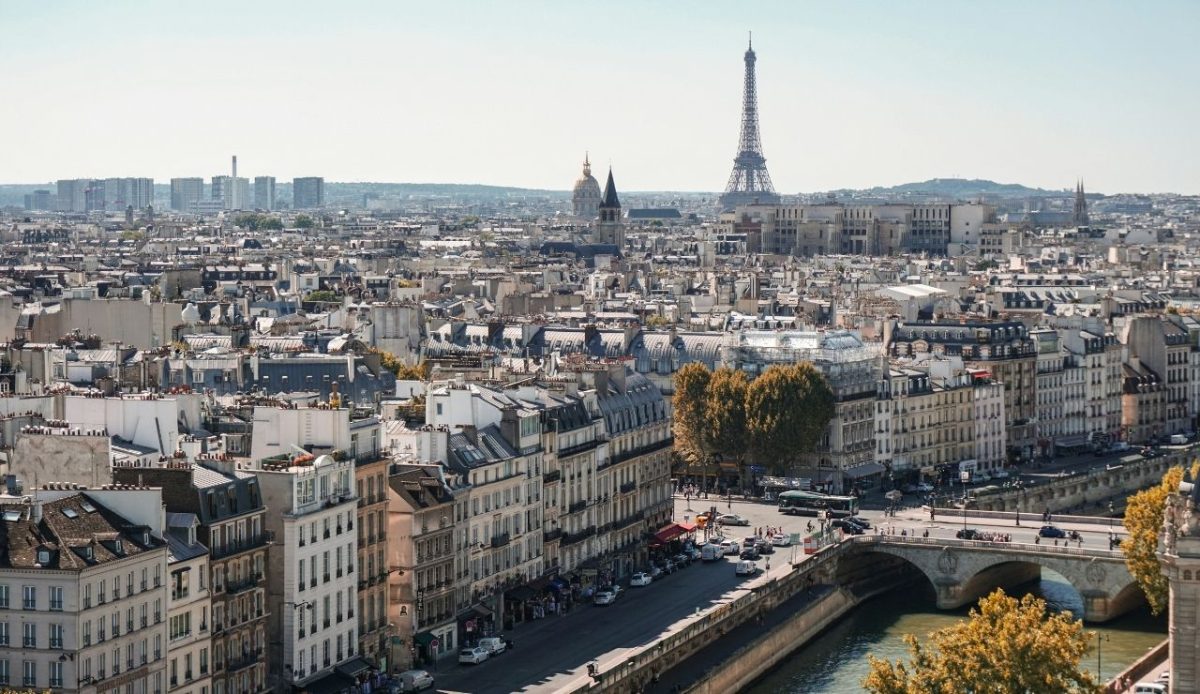
Paris keeps circus in everyday circulation through Cirque d’Hiver Bouglione, a permanent arena that stages scheduled productions beyond holiday runs. Because the building is fixed, lighting grids, seating sightlines, and sound can be tuned for acrobatics in ways a temporary tent cannot match. Programs rotate, mixing trapeze, juggling, animal-free spectacle, and comedy, so repeat visitors see change rather than one touring package. The house also hosts concerts and special events, which keep crews working and the venue maintained. Easy metro access helps steady local attendance. That reliability sustains skills.
3. Montreal, Canada
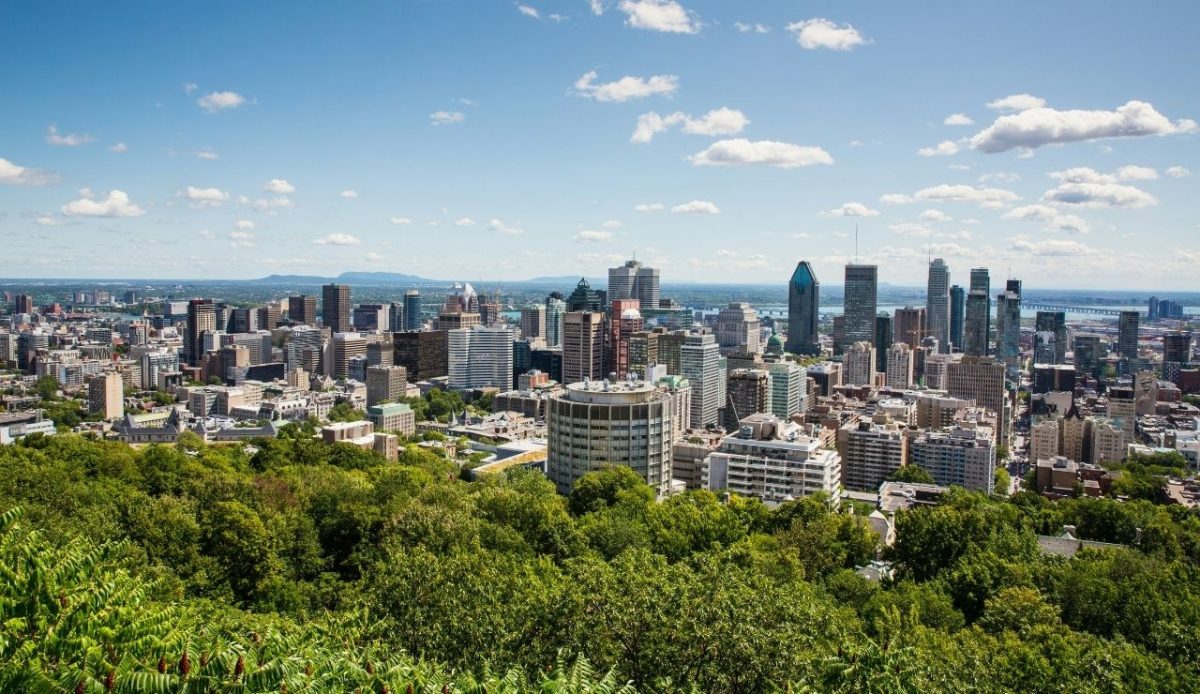
Montreal operates as a year-round circus production hub because training, creation, and hiring happen in the same metro area. Students at the National Circus School focus on specific disciplines, then graduate into professional casts that rehearse locally. When large companies develop new work nearby, workshops and tryouts draw coaches, riggers, and choreographers who live in the city. Public showcases keep the circus visible to residents, while the constant pipeline supports safer techniques and higher standards. A dedicated summer circus festival also expands the audience beyond ticketed theaters.
4. London, England
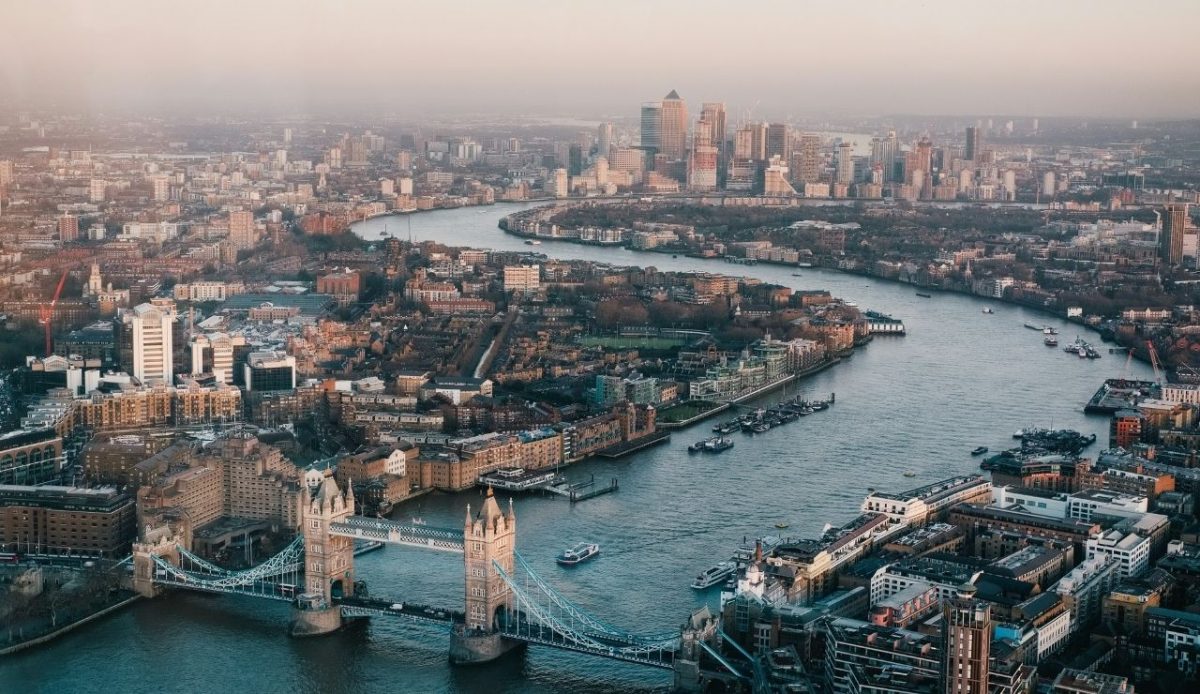
London’s circus scene is anchored by the National Centre for Circus Arts, which runs degree programs and open training that feed the local talent pool. Because students learn alongside working professionals, new acts are refined in studios before they reach festival stages or cabaret bookings. The city’s theater infrastructure also supports circus-inflected productions that blend movement with narrative, keeping demand broader than a single tent season. Short runs across different venues encourage experimentation, and the steady class culture keeps aerial and acrobatic skills current for local performers.
5. Prague, Czech Republic
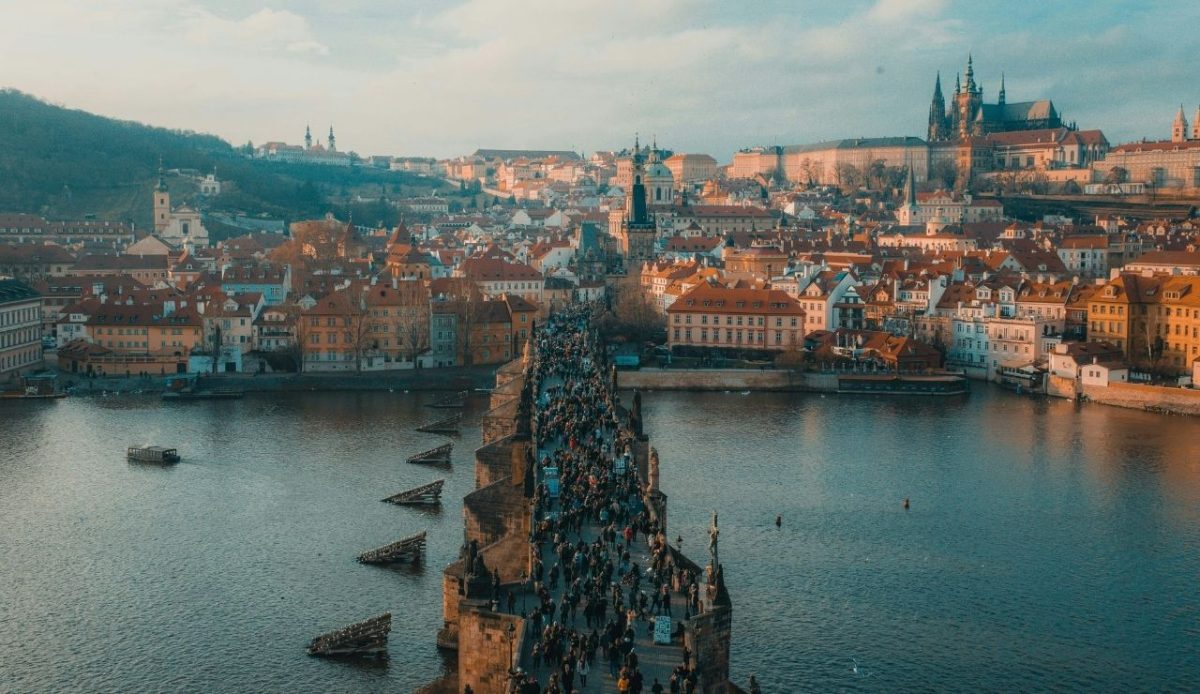
Prague becomes a circus city each summer during Letní Letná, an international festival that brings contemporary companies into purpose-built tents and outdoor sites. The program mixes headline tropes with Czech ensembles, so visitors see both imported styles and a local scene developing its own voice. Workshops, talks, and family matinees build future audiences, while late-night shows appeal to adults who might not seek out the circus otherwise. Because the festival repeats annually, production partners and sponsors plan long-term, giving performers stable opportunities to return across multiple seasons.
6. Moscow, Russia
Moscow maintains a strong mainstream circus audience through permanent venues such as the Nikulin Circus on Tsvetnoy Boulevard, where shows run on set schedules. Large stages allow full apparatus rigs, ensemble choreography, and live music, which keeps productions closer to repertory theater than to pop-up entertainment. Training systems and youth coaching feed new performers into established houses, so techniques are renewed rather than only preserved. Because families grow up attending regular performances, the circus remains a familiar night out, supporting ticket sales even outside peak tourist months.
7. Saint Petersburg, Russia
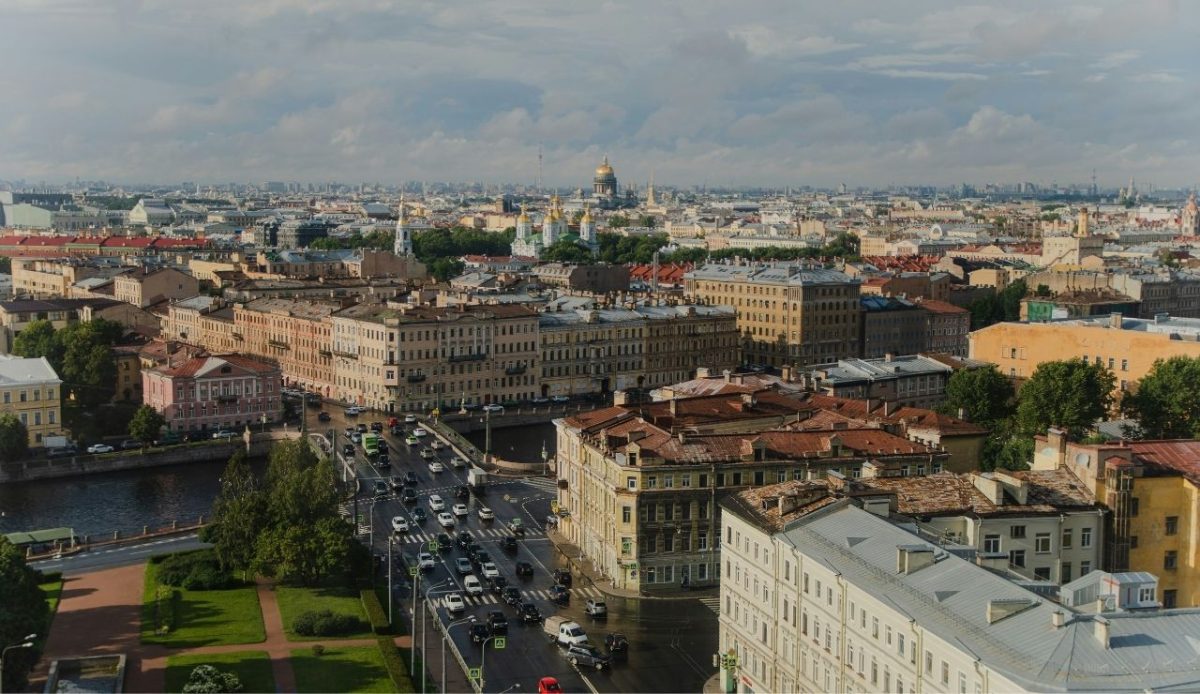
Saint Petersburg’s Circus Ciniselli links history to current programming in a purpose-built building opened in the 19th century and still used for performances. A fixed dome and ring layout supports classic equestrian and aerial traditions, yet modern staging can be introduced without rebuilding a temporary structure. The venue’s long continuity makes it a symbol of civic culture, drawing residents who seethe circus as part of the city’s arts calendar. Museums and archival collections connected to the site also reinforce public knowledge of the craft, encouraging deeper interest than a one-off show.
8. Barcelona, Spain
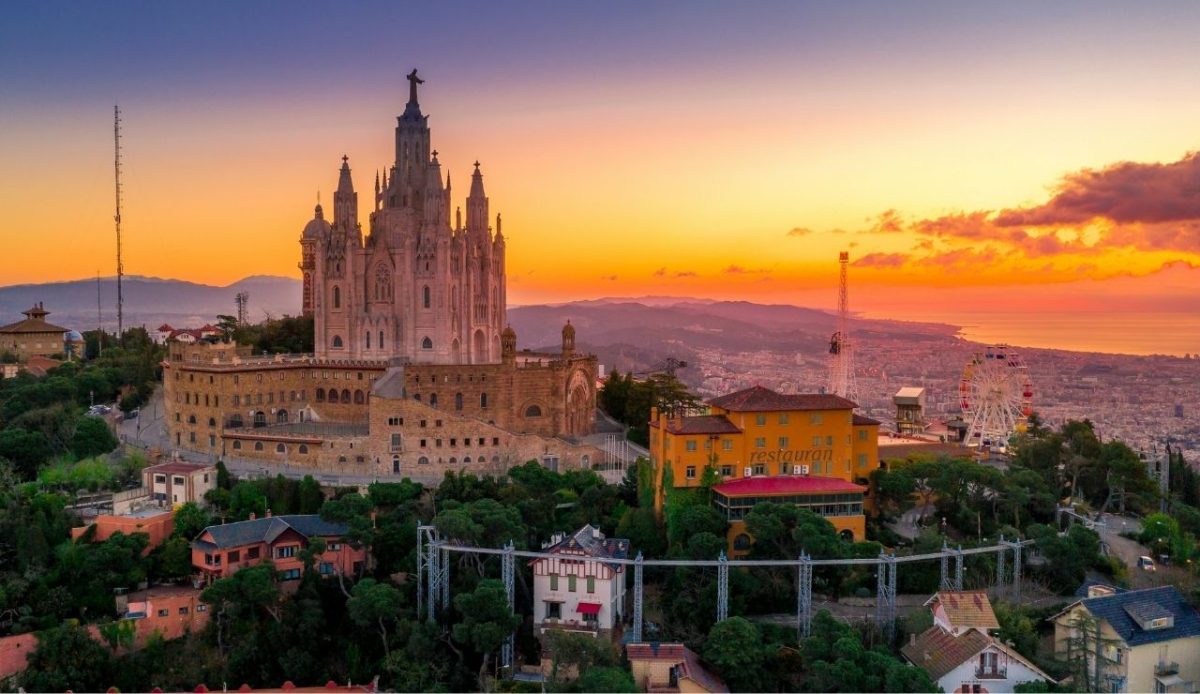
Barcelona supports contemporary circus through the Rogelio Rivel school, which trains artists in acrobatics, aerial work, and stage practice within the city. Graduates from small companies that tour Catalonia and return for residencies, keeping a local circuit active between larger events. Because training is tied to performance-making, new acts are developed with dramaturgy and safety oversight, not only raw tricks. Street festivals and theater venues provide varied booking options, so the circus appears in public squares as well as formal auditoriums. That variety keeps the art visible year-round.
9. Turin Area, Italy
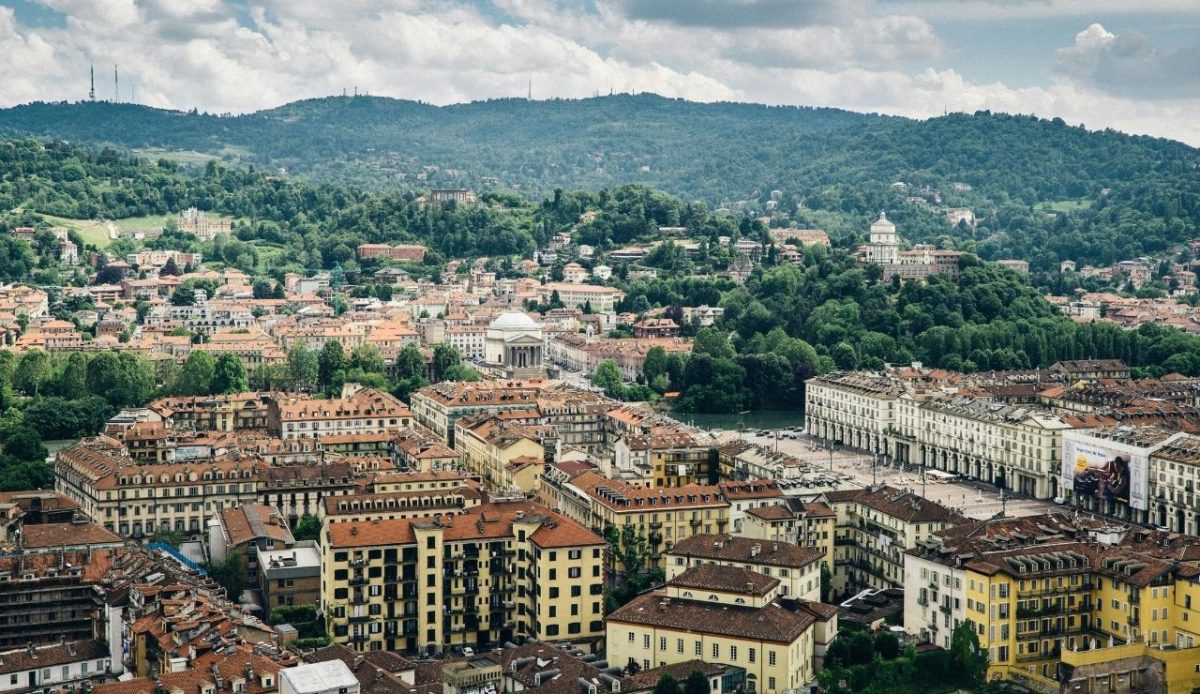
The Turin area, especially Grugliasco, has become a training node through Cirko Vertigo, which offers professional circus education linked to higher study. Students learn technique alongside choreography, physical conditioning, and production planning, creating performers who can sustain long careers. Because the school hosts visiting coaches and collaborative projects, new ideas circulate even when touring shows are elsewhere. Graduates often form companies that rehearse locally before touring Italy and Europe, which keeps rehearsal spaces, rigging expertise, and local audiences engaged on a steady cycle.
10. New York City, USA
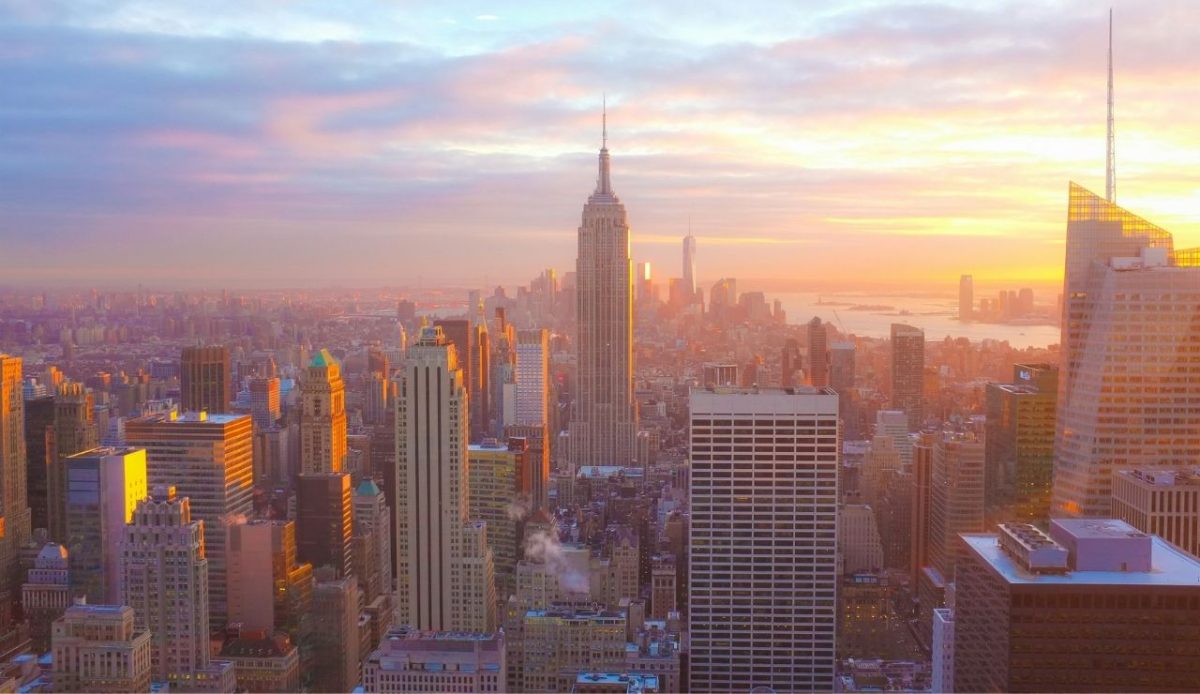
New York City sustains circus through a mix of resident companies, training spaces, and steady demand for live variety shows. Big Apple Circus, long associated with the city, helps keep the one-ring tradition present for families, while smaller troupes work in theaters and cabaret rooms. Because the local entertainment market is large, circus skills are hired for Broadway, film, and corporate events, creating jobs beyond the tent. That wider labor base supports continuous practice, coaching, and equipment suppliers, so performers can stay in town and still build full careers without constant relocation.
