
Central Asia has treks where altitude and logistics decide outcomes. Many routes stay above 3000 meters, and storms can block exits when roads fail. Rescue may be days away.
To keep this list exact, every item is a named trek or base camp approach with published distance or elevation figures, not a broad mountain range. Locations stay within Kazakhstan, Kyrgyzstan, Tajikistan, and Uzbekistan. Each destination is used by multi-day hikers.
Difficulty here means sustained gain, thin air, rough ground, and limited resupply. Permits, border zones, and short weather windows add pressure. The details below reflect how these routes are actually done.
1. Pamir Trail, Tajikistan
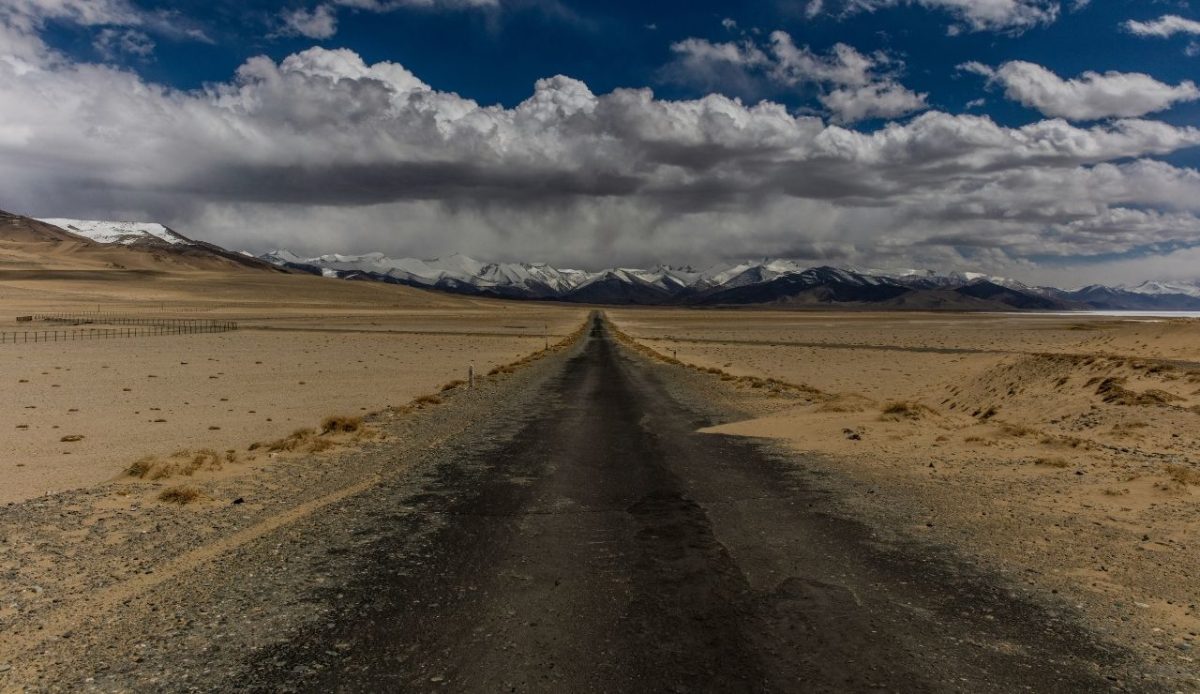
The Pamir Trail is a through-hike across Tajikistan that was completed as a full route in 2024. Its published length is 1310 km, with about 61000 meters of total climbing.
High passes above 4000 meters are common, so acclimatization has to be built into the schedule. Many stages run between small settlements, so food can stretch for several days. Night temperatures can drop fast.
Several segments sit near border areas, and access roads can be cut by landslides. Navigation is usually done with GPS tracks and offline maps because signage is rare. Spotty phone service and scarce medical care raise the stakes on even routine days for most hikers.
2. Jizeu Valley Trek, Tajikistan
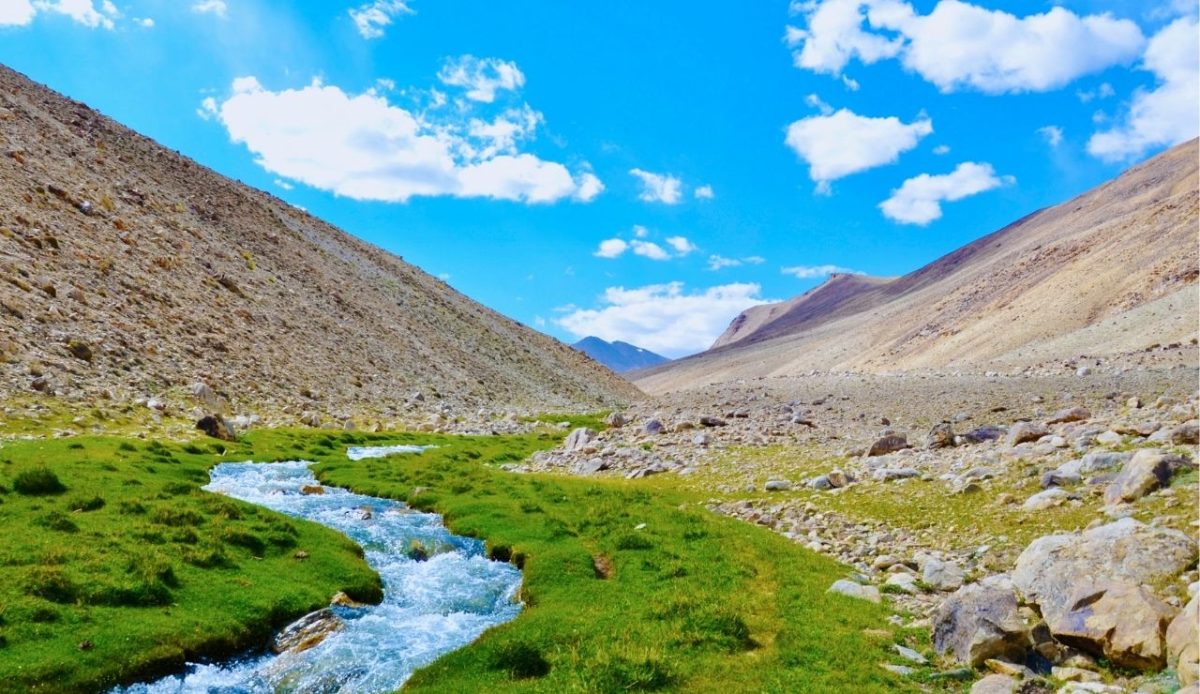
The Jizeu Valley trek branches from the Bartang Valley in Tajikistan’s Pamirs, reached by a rough river road where rockfall and washouts are frequent. Reaching the start often takes a full day.
The hiking itself is short compared with a thru route, but the climb is steady from the Bartang River to higher hamlets and pastures. Effort is amplified once camps sit well above 2500 meters, and narrow trails traverse loose slopes.
Support is limited to a handful of homestays, with few shops and unreliable messaging. A bad forecast can trap groups if the road closes, so extra food days and a fixed return plan are standard safety practice. Stream levels also rise after rain.
3. Chimtarga Pass Trek, Tajikistan
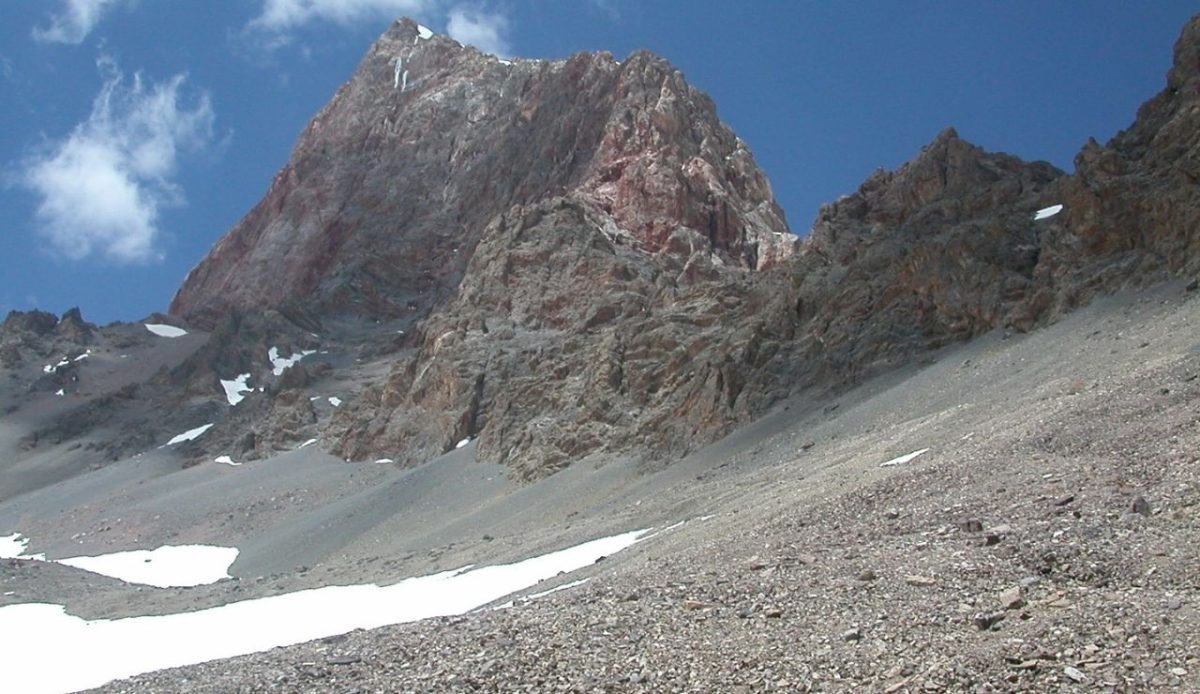
Chimtarga Pass in Tajikistan’s Fann Mountains tops out around 4750 meters and is widely cited as the highest pass in the range that can be crossed without technical climbing gear.
Typical crossings include a steep final push of roughly 800 meters of vertical ascent to the pass, followed by a long descent that can exceed 1600 meters in one day. Thin air slows pace and increases dehydration risk.
Near the crest, the path can fade into rock fields, so line choice matters for safe footing. Early-season hard snow can demand traction, while late-season rubble punishes ankles. A spare weather day is often built in by guides. Route timing stays conservative.
4. Ak Suu Traverse, Kyrgyzstan
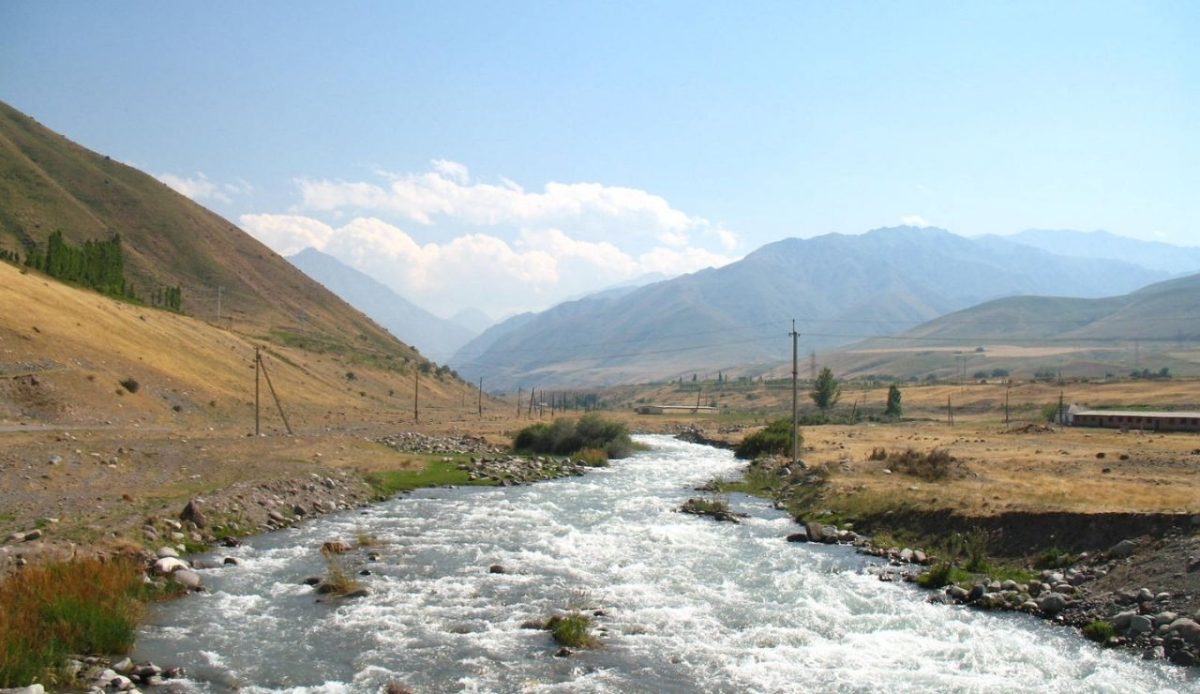
The Ak Suu Traverse in Kyrgyzstan crosses the Terskey Ala Too between the Jyrgalan area and the Jeti Oguz side. A common six-day line is 93.3 km with about 6520 meters of ascent. The low point is near 2032 meters.
The highest point is reported near 3925 meters, so altitude effects stack with repeated climbs and descents. River crossings and snow patches can appear early in the season and slow progress.
Trail marking is inconsistent in scree and wide valleys, so navigation errors cost time and energy. Most hikers target July through mid-September for safer passes. A buffer day and strict turnaround rules reduce injury risk even for fit groups.
5. South Inylchek Glacier Trek, Kyrgyzstan
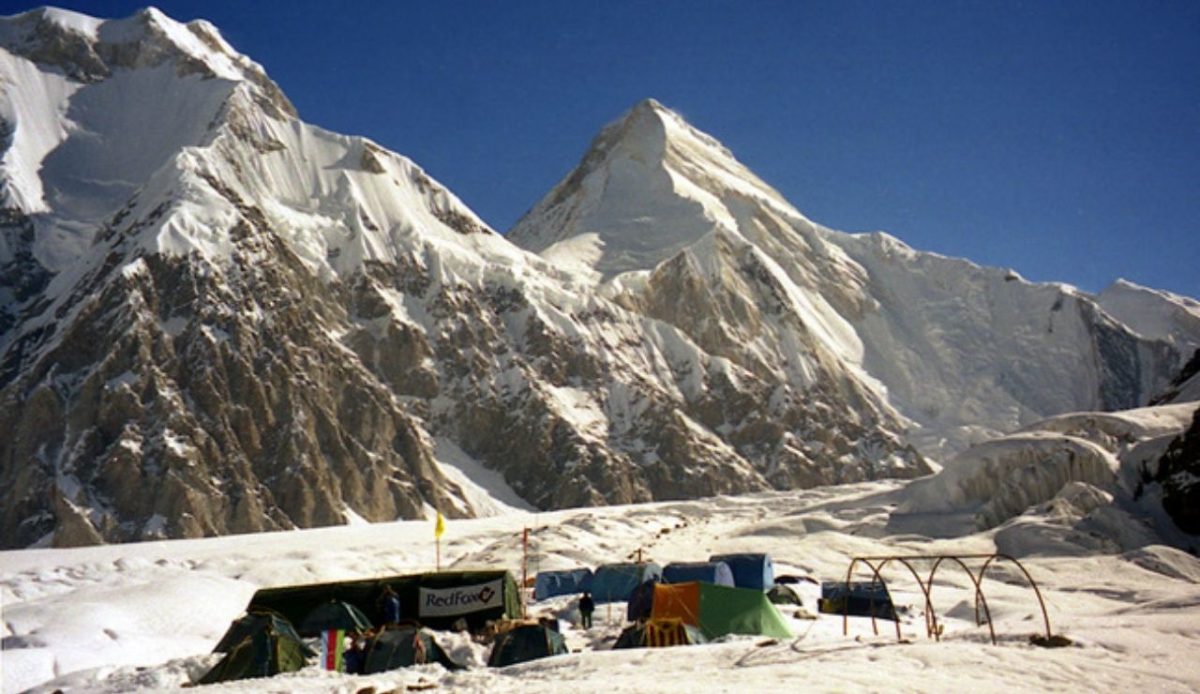
The South Inylchek Glacier trek in eastern Kyrgyzstan leads to the South Inylchek Base Camp used for Khan Tengri trips. The maximum trekking altitude is commonly listed at 4100 meters.
From base camp, Khan Tengri at 7010 meters and Victory Peak at 7439 meters are often cited landmarks, but the trek itself is the test. Days are spent on moraines and shifting gravel, with occasional ice travel where crevasses may be present.
Once past the last valley camps, there are no villages, and evacuation is complex, often relying on arranged logistics. Weather can pin teams down on the glacier, so extra rations and strict camp routines are applied to manage risk.
6. Lenin Peak Base Camp Trek, Kyrgyzstan
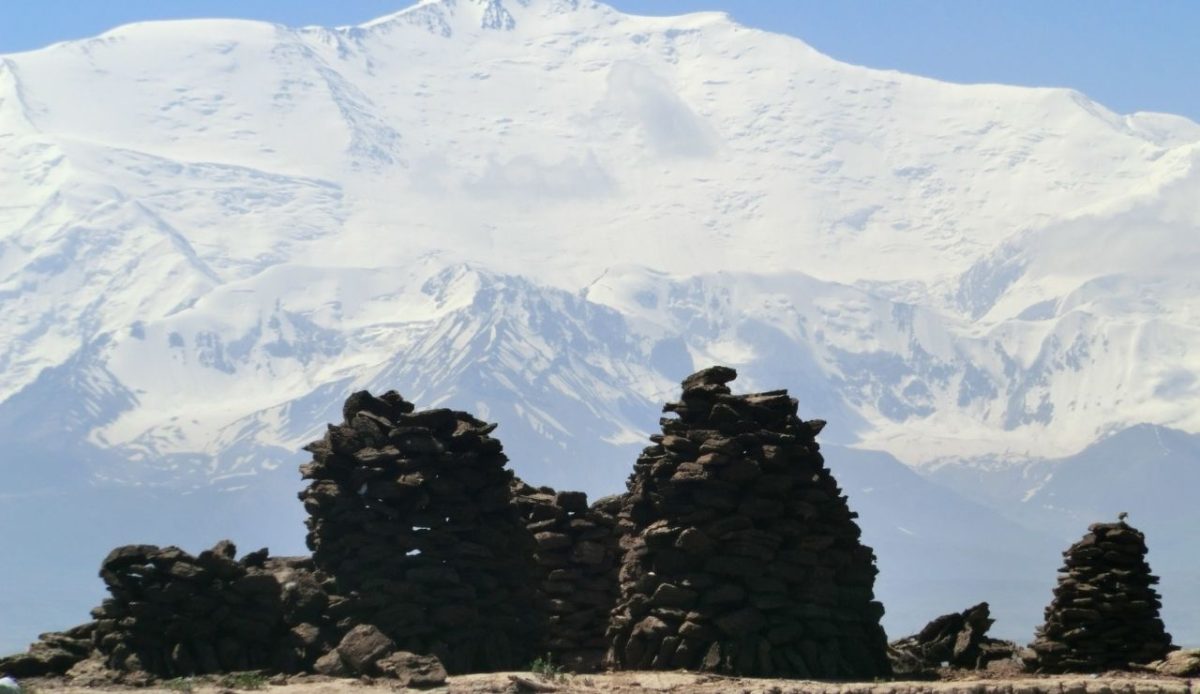
The Lenin Peak base camp trek in Kyrgyzstan’s Alay Valley is non-technical, yet it reaches a high elevation under Lenin Peak, which rises to 7134 meters. Many itineraries place the upper base camp around 4400 meters.
At that height, sleep quality drops and appetite can fade, so acclimatization days are not optional. Wind is frequent in the open basin, and sudden snow can hit even during summer windows.
Some hikers add a walk to Travelers Pass for extra acclimatization, then return to camp. The route punishes fast ascents more than steep terrain. Conservative pacing, hydration tracking, and symptom checks are used to prevent altitude emergencies.
7. Asian Patagonia Trek, Kyrgyzstan
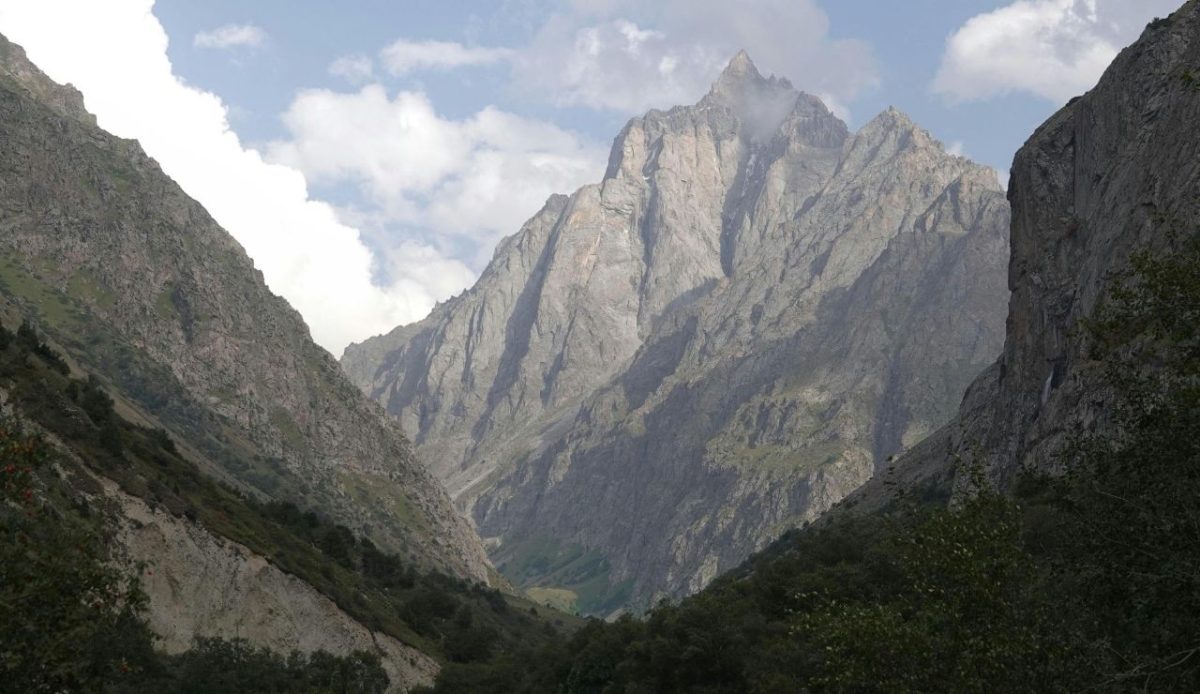
The Asian Patagonia trek runs in Kyrgyzstan’s Turkestan Range, a remote part of the Pamir Alay system reached from the Batken side. Trailheads sit far from services, so transport delays are common.
Routes are built around high passes, long ridge traverses, and steep drops into narrow valleys. Water can be scarce on upper slopes late in the season, while afternoon storms can flood side streams below.
Navigation is harder than in well-signed parks because paths split into livestock tracks. Camps are fully self-supported, and injuries can end the trip quickly due to slow evacuation. Strong route planning and early starts are standard for safety.
8. Karavshin Valley Trek, Kyrgyzstan
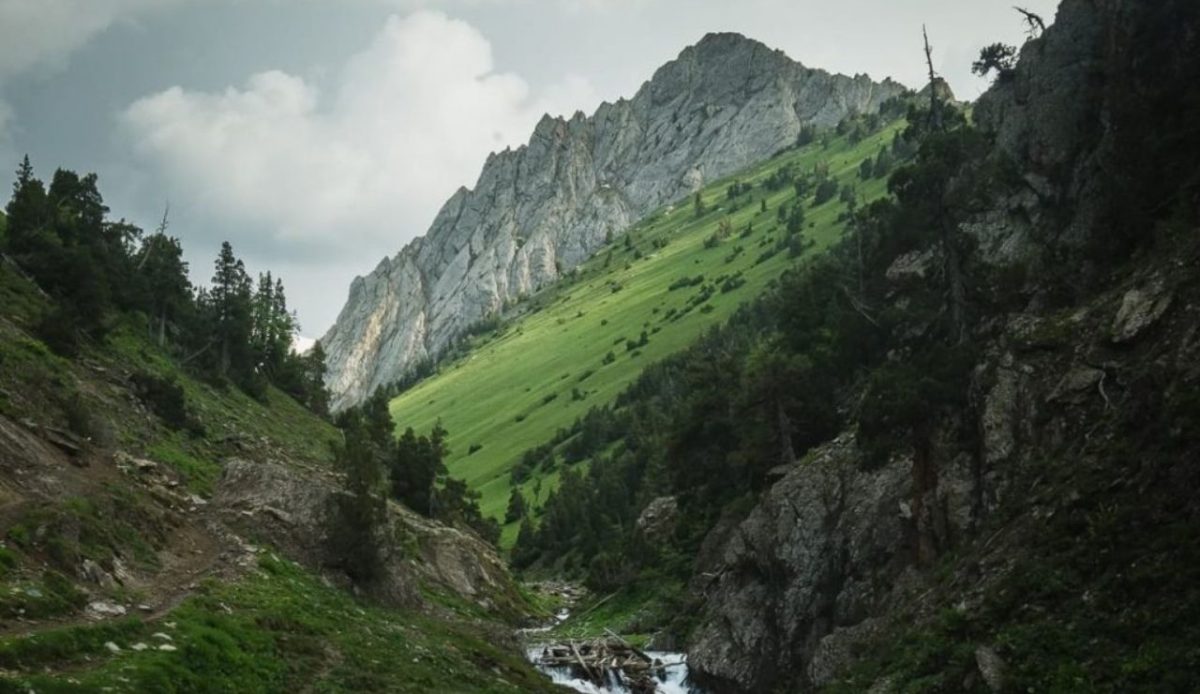
Karavshin Valley in Kyrgyzstan’s Batken Region is used by trekkers who want sustained steep terrain in a secluded basin. Access involves long drives on rough tracks, and supplies must be arranged in advance.
Daily hiking often means repeated climbs of 1000 meters or more from valley camps to passes or side valleys. Loose rock, wet grass, and stream crossings raise slip risk, especially when fatigue builds.
Logistics can be complicated by limited communications and few exit routes once the group commits. Weather funnels through the valley and can trap camps. A detailed first aid kit, conservative load choices, and a clear bailout plan are treated as mandatory.
9. Katon Karagay To Belukha Foothills Trek, Kazakhstan
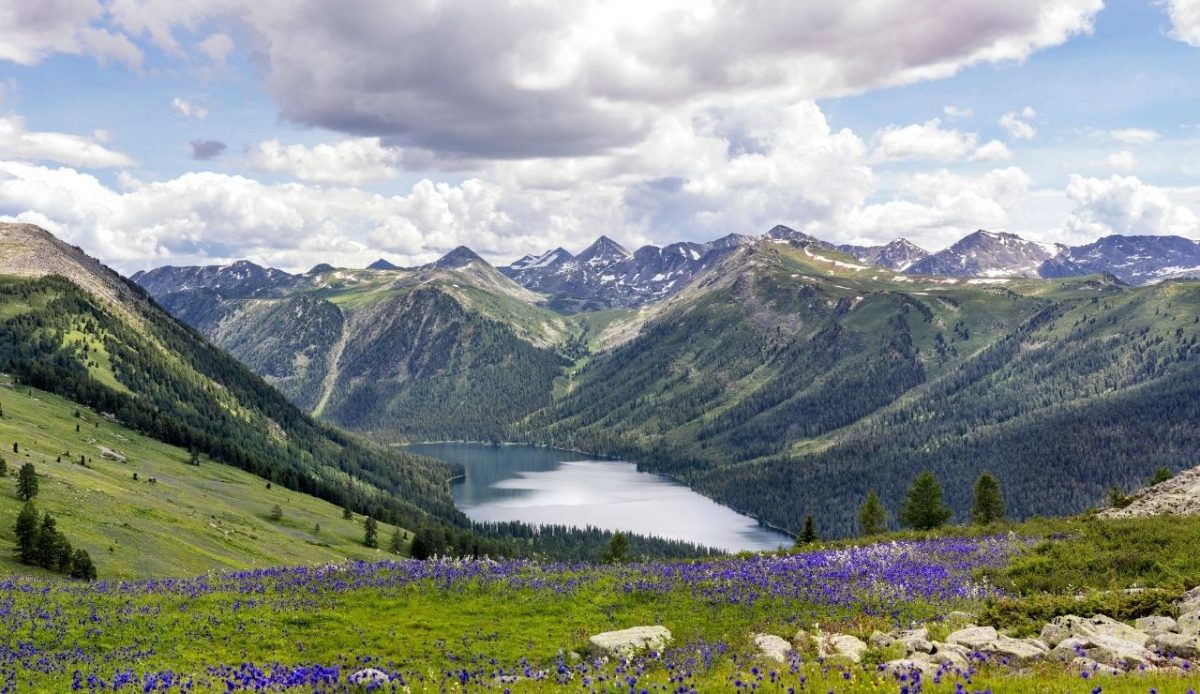
In East Kazakhstan, Katon Karagay National Park supports long treks toward the Belukha massif in the Altai. A documented route from Yazevoe Lake toward Belukha approaches lists about 104 km of trekking.
Distance and isolation create the strain. River crossings, forest travel, and cold alpine nights demand steady energy output while carrying several days of food. The weather can swing from heat to sleet within hours.
Trail networks include horse tracks and side spurs, so wrong turns can add major mileage. Border proximity may affect permits and checkpoints. Reliable water treatment, dry foot care, and conservative daily targets reduce overuse injuries on extended approaches.
10. Chatkal Ridge Trek, Uzbekistan
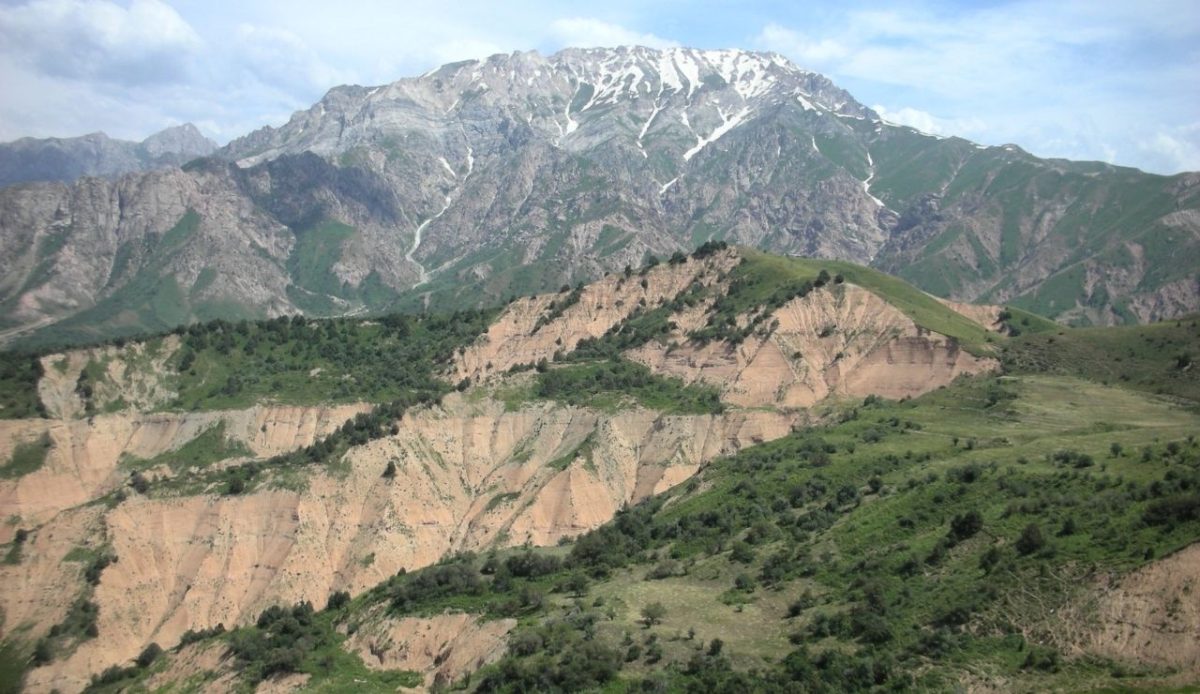
The Chatkal Ridge trek in Uzbekistan runs inside Ugam Chatkal National Park, part of the western Tian Shan. A commonly described itinerary covers about 47 km over four days with camping.
Ridge travel brings sustained climbs and exposed slopes where heat stress can be severe at lower elevations. Nights can turn cold as camps move higher, and water sources are not continuous on the crest.
Trail detail varies, so hikers rely on GPX tracks and careful junction checks. Limited exit options increase consequence if someone is injured. Lightweight shelter, sun protection, and a strict end time for each day help prevent risky late arrivals in this park.
